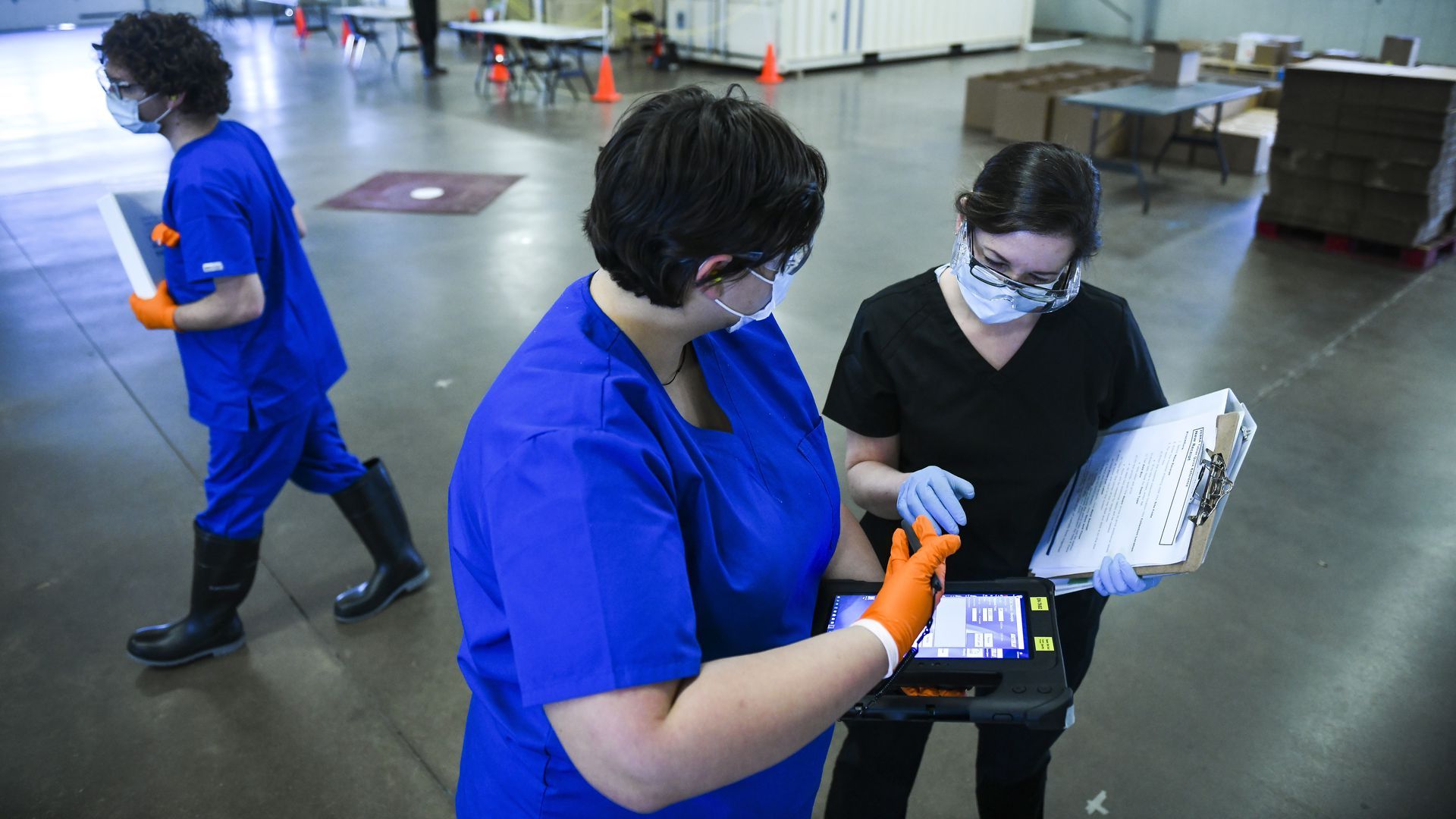
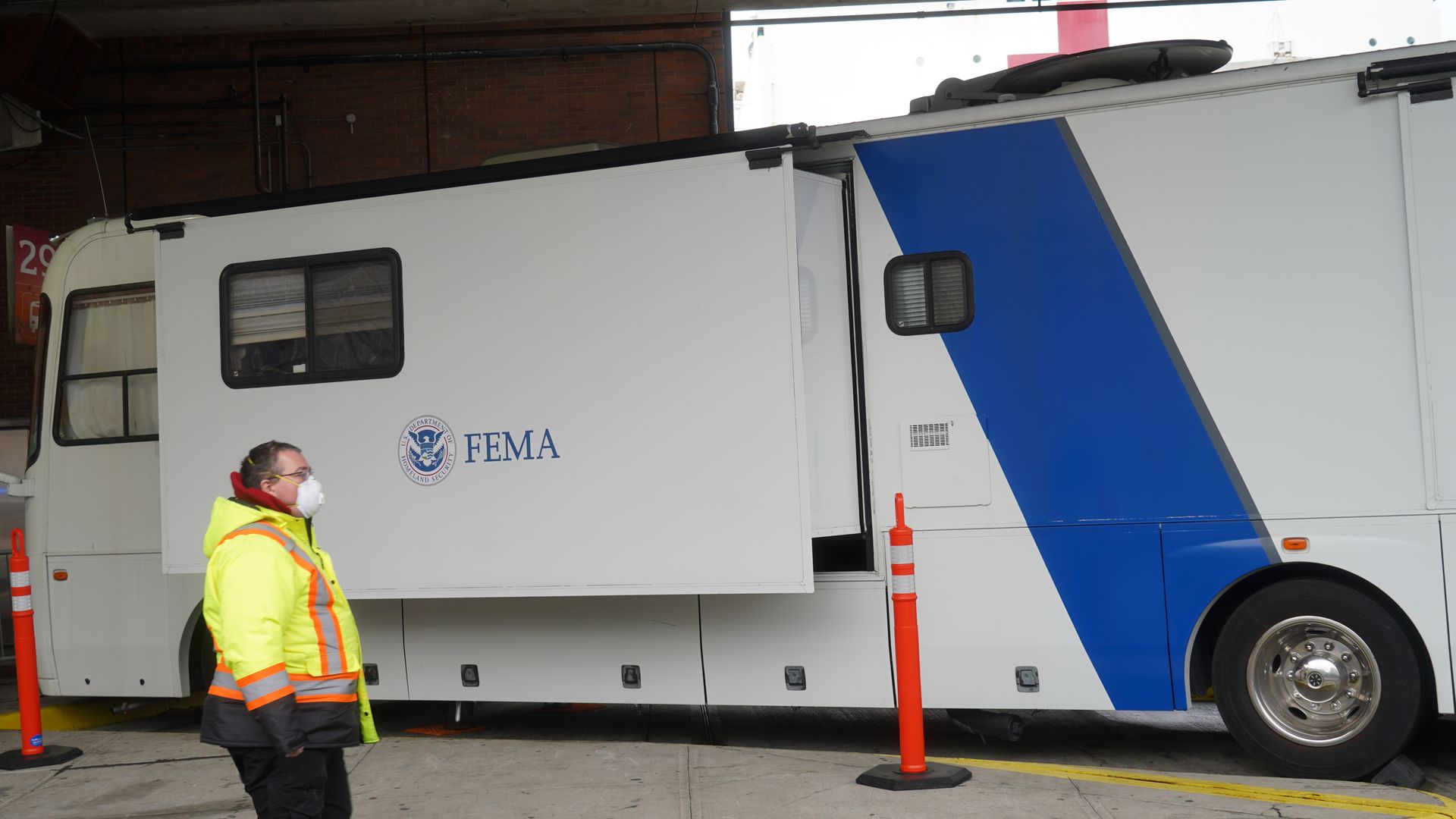
The Department of Homeland Security's watchdog has launched a new investigation into how FEMA coordinated with federal agencies to prepare for — and respond to — the coronavirus pandemic.
Why it matters: FEMA is leading federal operations in response to the outbreak and is tasked with distributing vital medical supplies and protective equipment across the U.S.
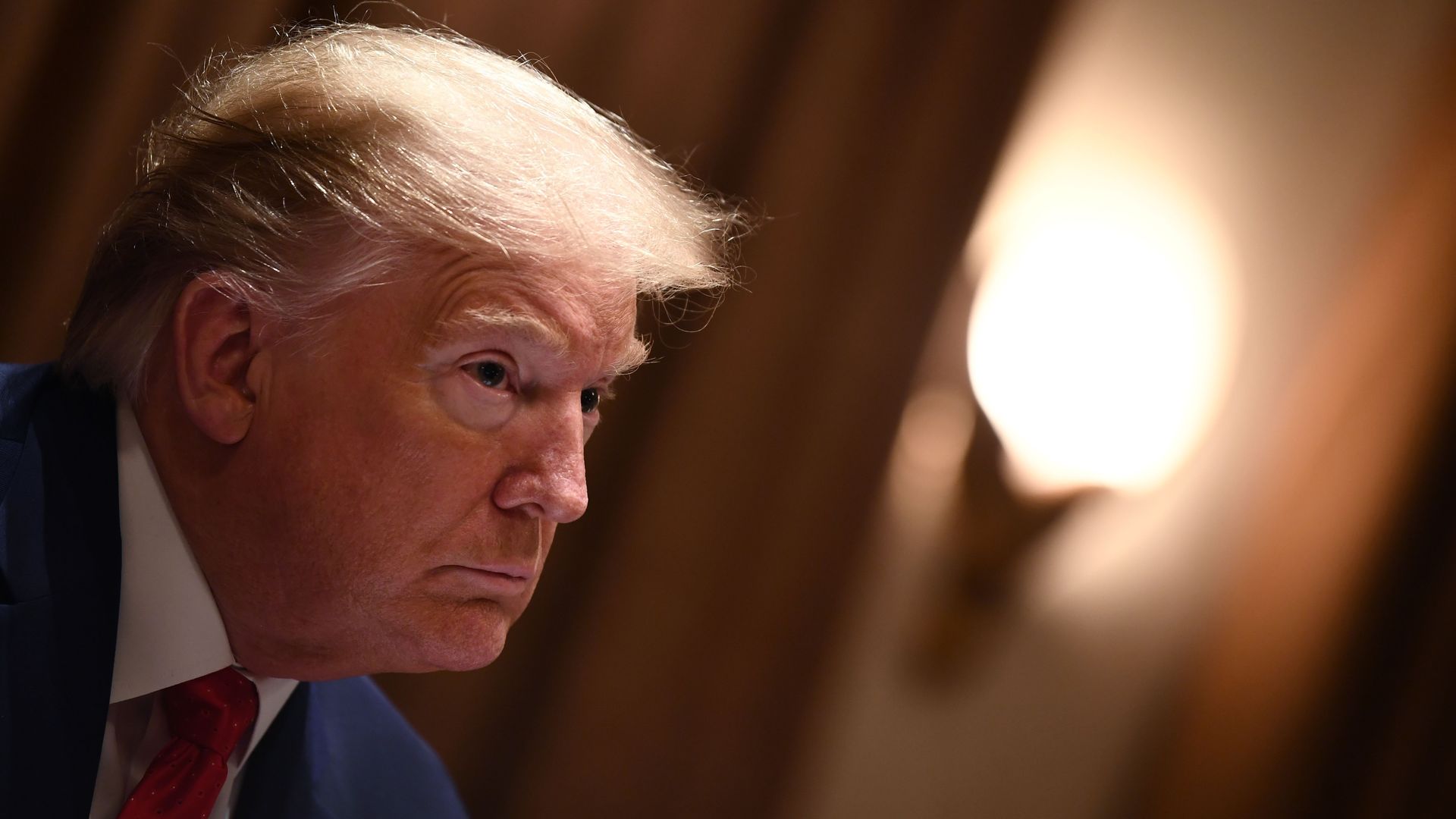
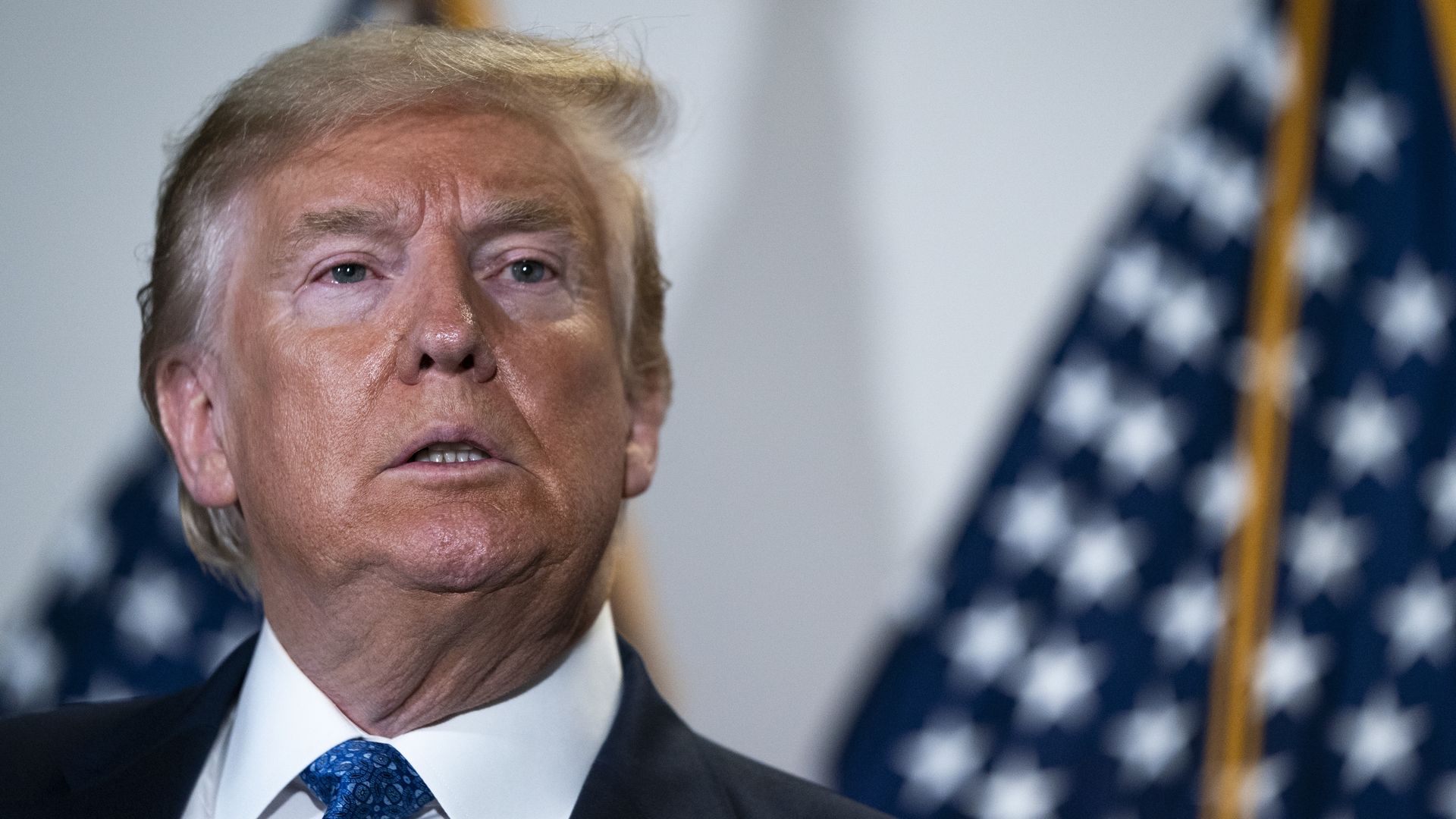
President Trump said on Wednesday that he plans to stop taking hydroxychloroquine as a defense against the novel coronavirus when his regimen finishes "in a day or two."
Why it matters: The FDA warned last month that the antimalarial drug appears to cause some serious and potentially life-threatening side effects in coronavirus patients.
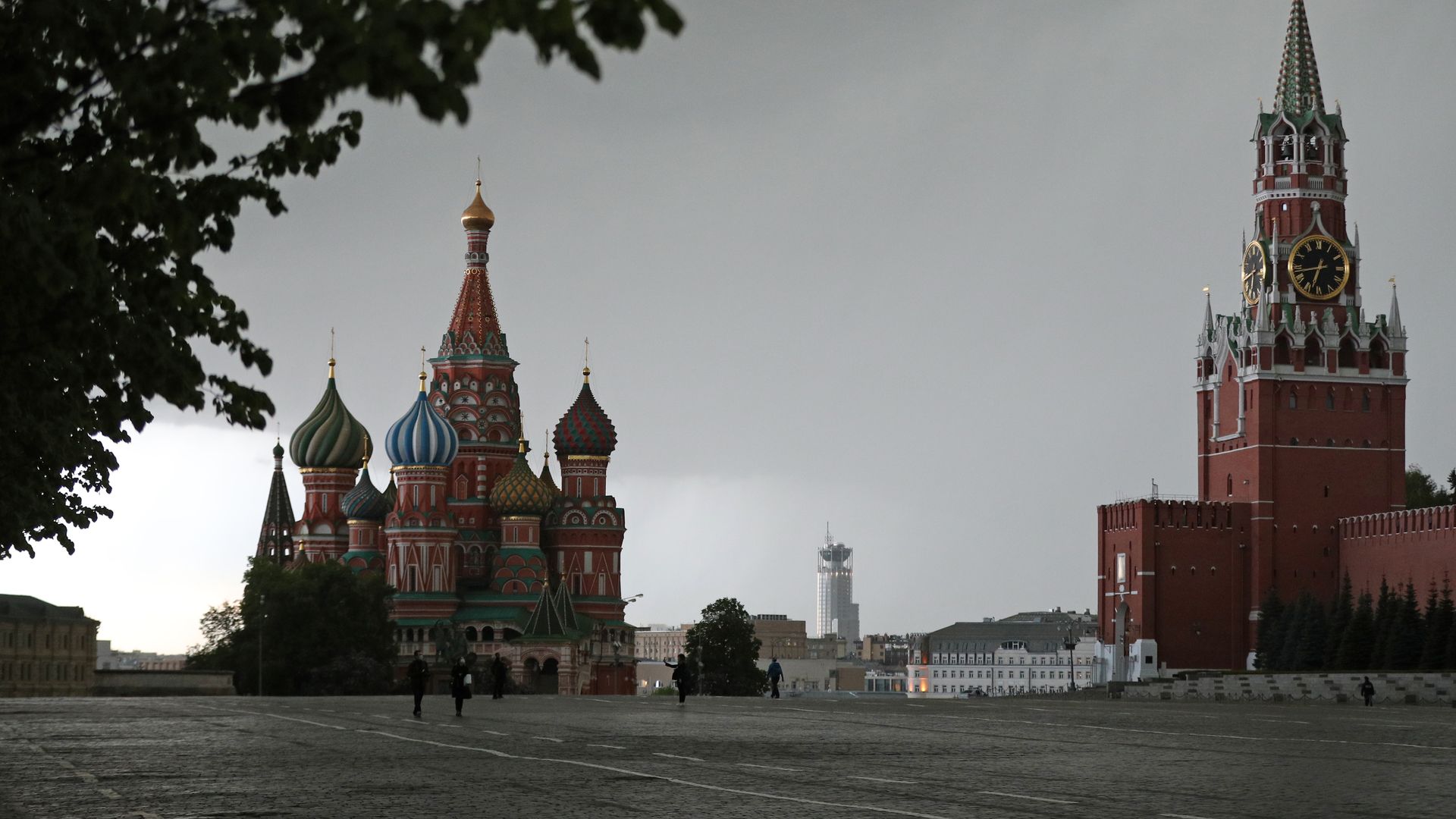
The COVID-19 pandemic is rolling back the tide of globalization, both economically and politically.
Why it matters: For all its flaws, increased global trade and international connections has on the whole been a force for prosperity and peace. COVID-19 is forcing a reshoring that, while necessary, could leave the world poorer and less able to counter global threats — including the pandemic itself.
Not every graduation in America is going virtual this year.
The state of play: In Alabama's Birmingham suburbs, some 1,950 graduates and guests could attend Tuesday night's ceremony at Hoover Metropolitan Stadium (famous from MTV's "Two-A-Days"), AP reports. Another 3,450 could be on hand on Thursday.
Nearly half of U.S. households have lost income since mid-March — but the suffering varies widely by state, according to survey data released Wednesday by the Census Bureau.
Why it matters: Income losses are particularly common in states that have borne the brunt of the coronavirus pandemic, like New York and New Jersey. But Southern stateslike Mississippi have experienced some of the most dire economic impacts, such as food scarcity and housing insecurity.
The number of newly confirmed coronavirus cases globally jumped to a daily record this week, with more than 100,000 reported cases over the past 24 hours, the World Health Organization said Wednesday.
Why it matters: Though social distancing measures around the world have helped slow the spread of COVID-19, WHO officials said outbreaks can easily reemerge as communities reopen. “We still have a long way to go in this pandemic," WHO director-general Tedros Adhanom Ghebreyesus said.
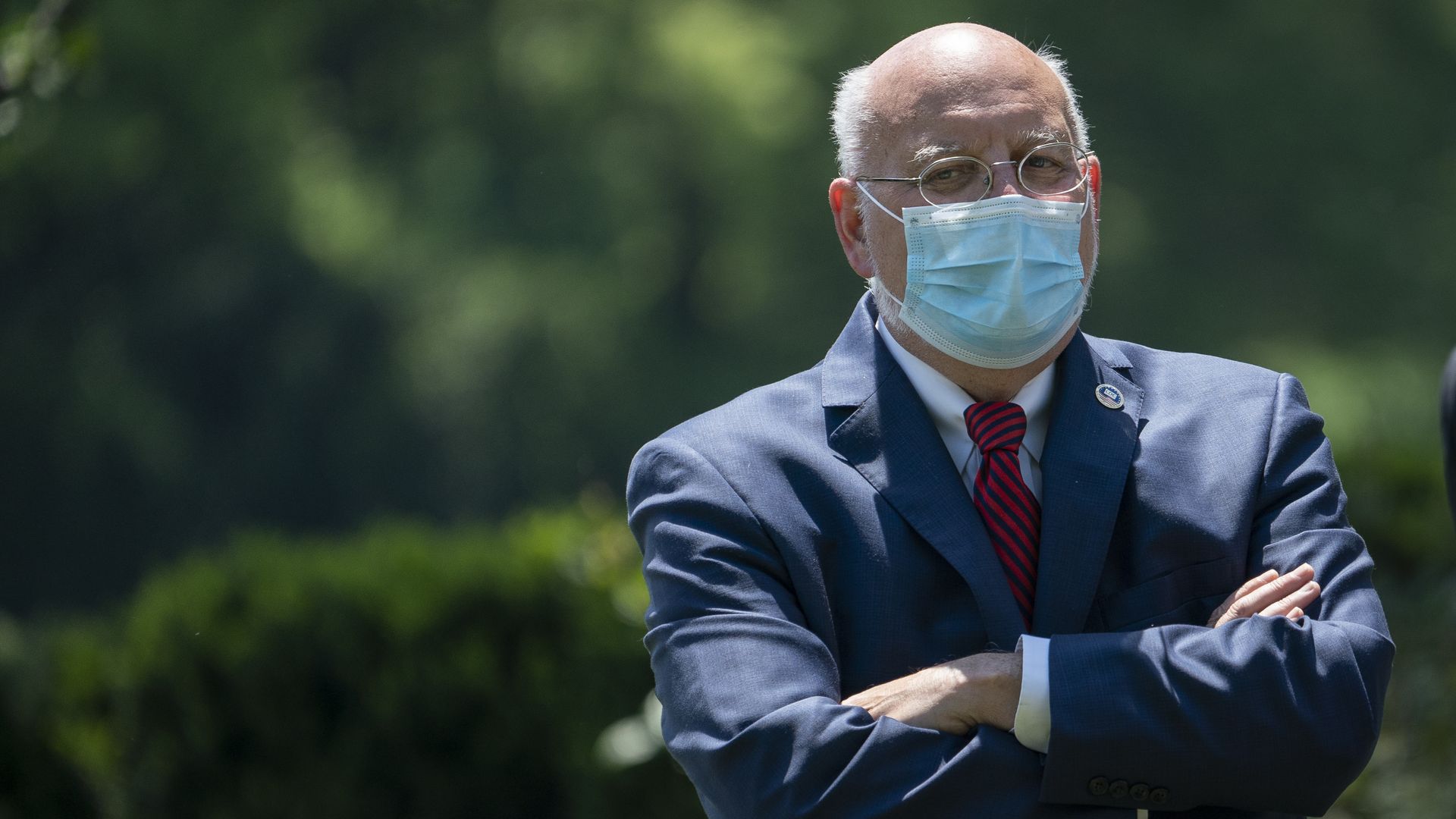
The CDC recently released a new 60-page road map for states, restaurants, schools, child care programs, mass transit systems and other businesses to navigate reopening during the coronavirus pandemic.
Why it matters: The guidelines were published after nearly every state in the U.S. had already taken steps to at least reopen certain regions and industries that are seen as "low-risk" for spreading the virus, per a New York Times analysis.
The Health and Human Services principal deputy inspector general, Christi Grimm, will testify before the House Oversight Committee on Tuesday about an April report that found "severe shortages” in coronavirus testing kits and personal protective equipment in U.S. hospitals, a committee spokesperson confirmed to Axios.
Why it matters: President Trump targeted Grimm on Twitter after she published the critical report, tweeting on April 6: "Why didn’t the I.G., who spent 8 years with the Obama Administration (Did she Report on the failed H1N1 Swine Flu debacle where 17,000 people died?), want to talk to the Admirals, Generals, V.P. & others in charge, before doing her report. Another Fake Dossier!"
Apple and Google said on Wednesday that they have finished the initial version of their exposure notification technology and are making it available to health authorities to build their apps. Android and iOS are both getting updates today to enable the technology.
Why it matters: The Bluetooth-based technology is designed to augment human contact tracing and offer a way for people to find out when someone they have been in close proximity with has tested positive for COVID-19.
President Trump threatened in a series of Wednesday tweets to "hold up" unspecified funding to Michigan and Nevada after both states rolled out plans to expand voting-by-mail options amid the coronavirus pandemic. He appeared to be walk back the threat in a press availability later in the day.
The state of play: The White House did not provide any specifics to Axios on what kind of funding could be cut — and it's unclear whether the president has the power to alter or withhold any appropriated funds to states without congressional approval.
President Trump tweeted Wednesday that he is "considering" ultimately holding the G7 summit in person at Camp David this summer after it was moved to a virtual setting in March amid the coronavirus pandemic.
Why it matters: A White House official told Axios then that the virtual move would allow more "resources to be devoted to the urgent needs of each country" because "each nation was preparing to spend large amounts of money and devoted dozens of staff" to the summit.
42 times as many mail-in ballots were cast in Tuesday's Virginia municipal elections than in 2016, according to new data from the sVirginia Public Access Project (VPAP).
Why it matters: The state's experience provides an idea of how massively such demand may skyrocket across the U.S. this year because of the coronavirus pandemic — and can serve as a signpost for election officials as they rush to prepare in response to the virus.
The coronavirus pandemic is slowing growth of wind and solar electricity projects, but the renewables sector is "more resilient than other fuels" and slated to bounce back quickly, the International Energy Agency said.
Why it matters: It's on track to be the first year-over-year decline in 20 years, IEA said in a report that offers their downward revision in expected 2020–2021 capacity growth.
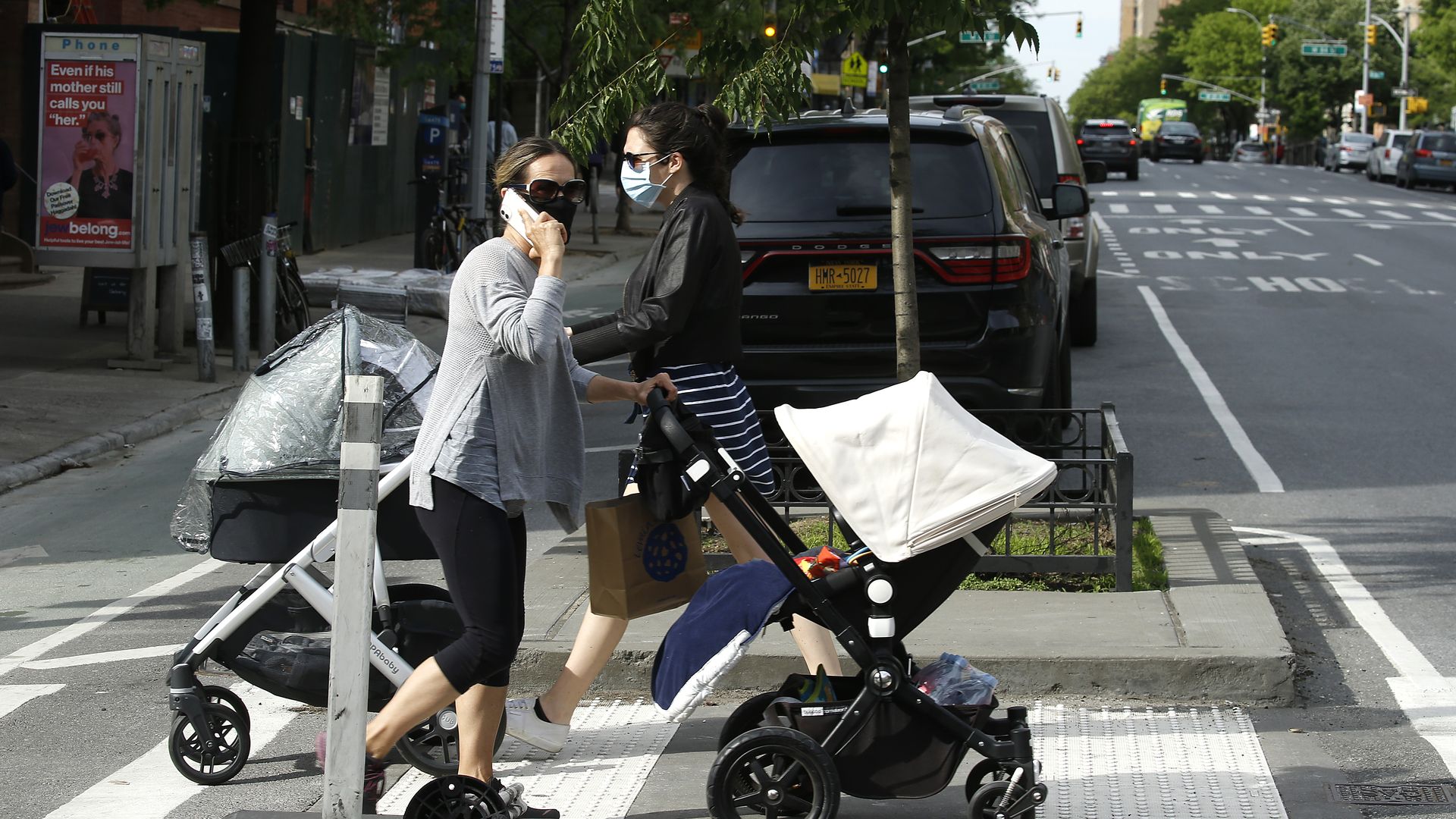
U.S. births continued to fall last year, leading to the fewest newborns in 35 years, as the CDC said births fell roughly 1% from 2018, to about 3.7 million, the AP reports.
Why it matters: The decline continues a prolonged national "baby bust" that's been going on for more than a decade. Some experts believe the coronavirus pandemic will suppress the numbers further because of anxiety about the future.
As of May 15, the Federal Emergency Management Agency has dished out $6.1 billion to help the health care industry weather the coronavirus outbreak, an agency spokesperson told Axios.
The bottom line: FEMA is most often on the ground after natural disasters. Now, it's a vital resource for health care systems during a catastrophic public health disaster.
More than half of U.S. counties don’t have a single coronavirus testing site, according to a recent report by Castlight, a health software company.
Why it matters: That leaves a wide swath of the country — particularly rural areas — vulnerable to undetected coronavirus outbreaks, especially as lockdown measures ease. Asking people to travel long distances to get a coronavirus test is both unrealistic and potentially dangerous.