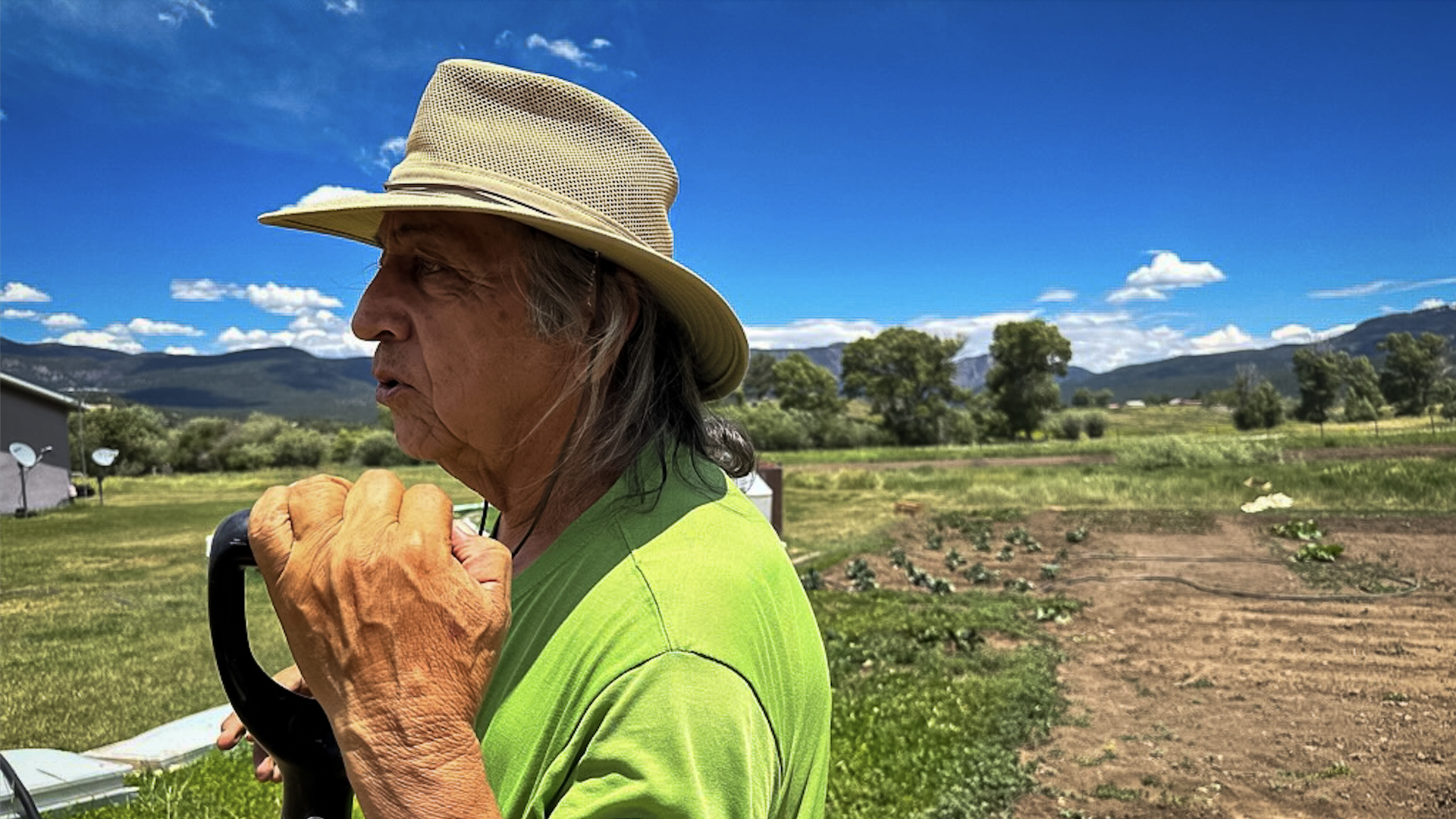
Amid the 175th anniversary of the signing of the Treaty of Guadalupe Hidalgo, which vastly expanded the United States' territory, Hispanic ranchers and farmers say the treaty's legacy, along with encroaching developments, climate change and a lack of interest in farming, is taking a toll.
Details: The Treaty of Guadalupe Hidalgo, which ended the U.S.-Mexico War, promised that former Mexican citizens in newly acquired U.S. territory would immediately become American citizens with full rights.
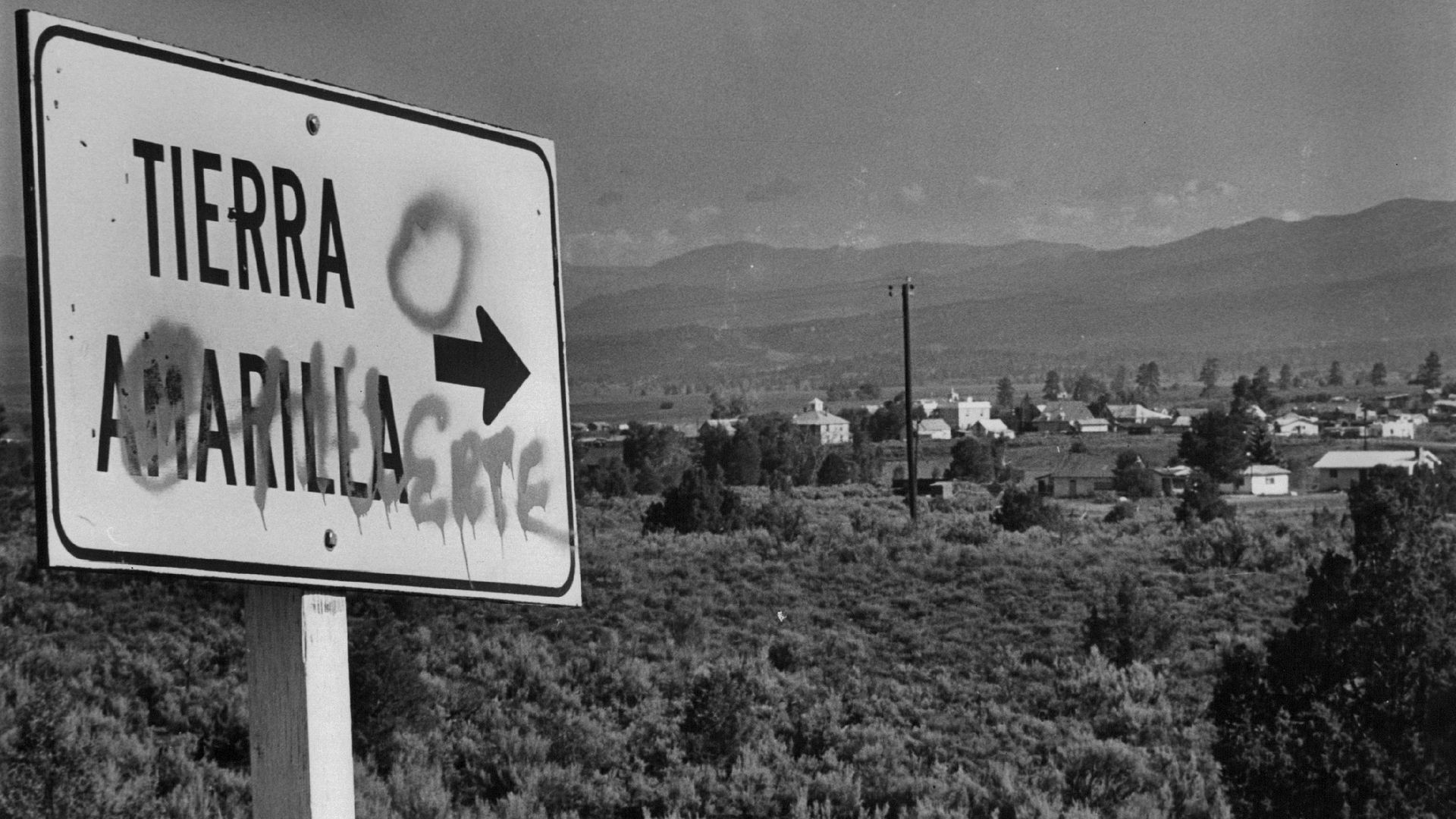
The 1848 Treaty of Guadalupe Hidalgo — which ended the U.S.-Mexico War — still looms over northern New Mexico and southern Colorado.
The big picture: The treaty greatly expanded U.S. territory and made promises to its new citizens.But 175 years later, many of those promises have been broken, leading to years of litigation between the government and the Hispanic descendants who say their land was taken.
The Department of Labor will boost efforts to protect workers from extreme heat as temperature records fall in the Southwest and elsewhere, President Biden announced on Thursday.
Why it matters: Biden presented the new protection efforts as 180 million people — over half of the U.S. population — were under heat alerts.
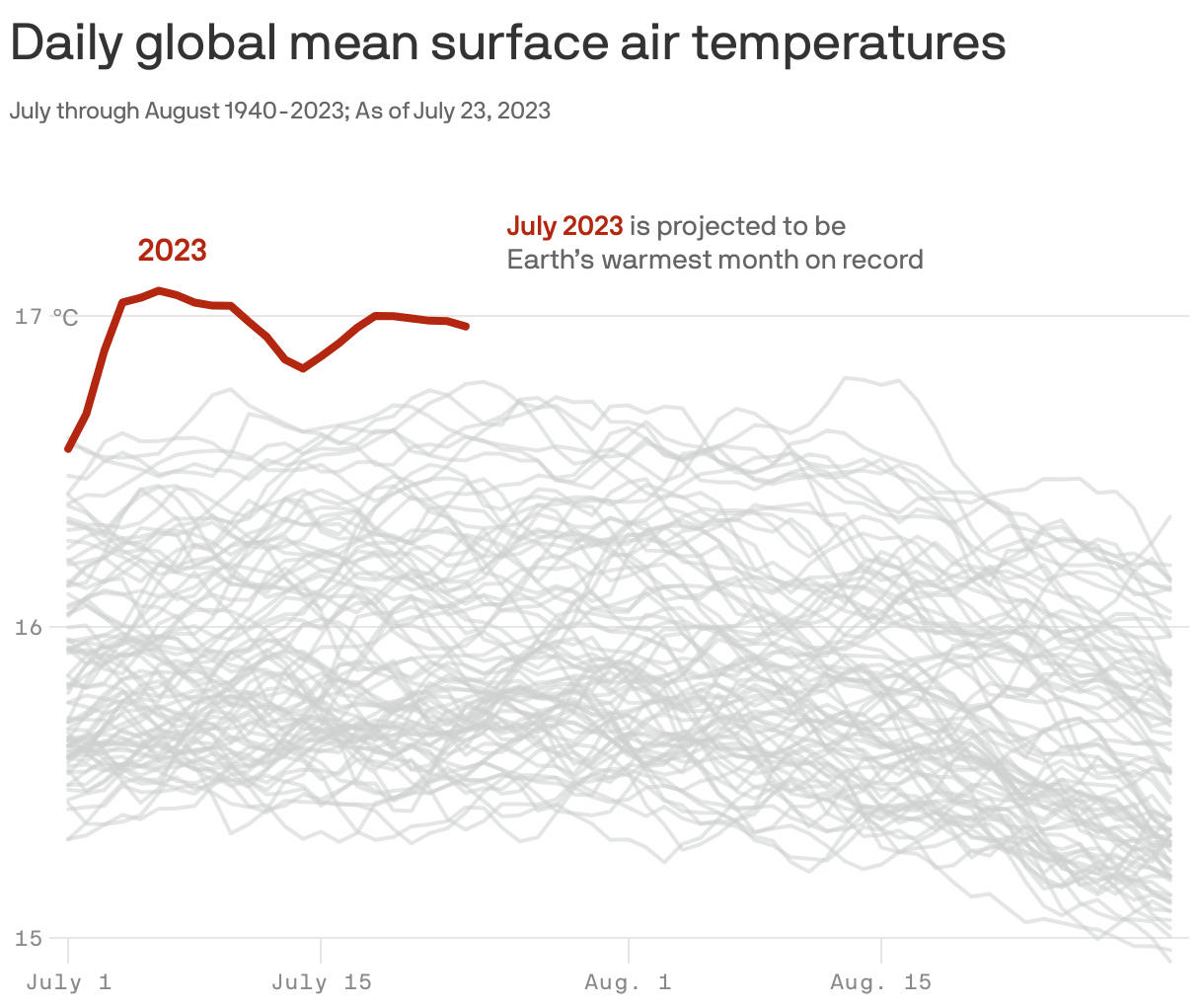
Why it matters: Five days short of August, extreme weather across multiple continents has proven deadly and costly as they upend precedent. Some, like the U.S. heat wave, are expected to continue into next month.
Inexpensive electric cars from China have quickly gained a toehold in Europe — and could be taking over American driveways next.
Why it matters: The Biden administration is incentivizing rapid electric vehicle (EV) adoption, while also trying to reduce U.S. dependence on Chinese EV supply chains.
As regions of the United States not typically prone to smoky skies confront the anomaly, some municipalities have started to look west for answers.
Why it matters: Wildfire seasons are getting longer, and the Canadian smoke event that captivated the East Coast earlier this year will remain a problem for the U.S. in years to come.
Millions of Americans live in parts of cities where the "urban heat island" effect can significantly increase temperatures, especially during heat waves, per a new analysis by nonprofit climate research group Climate Central.
Why it matters: Heat islands — wherein heat is trapped by heat-absorbing surfaces and structures — can make cities less livable and increase the risk of heat-related health complications.
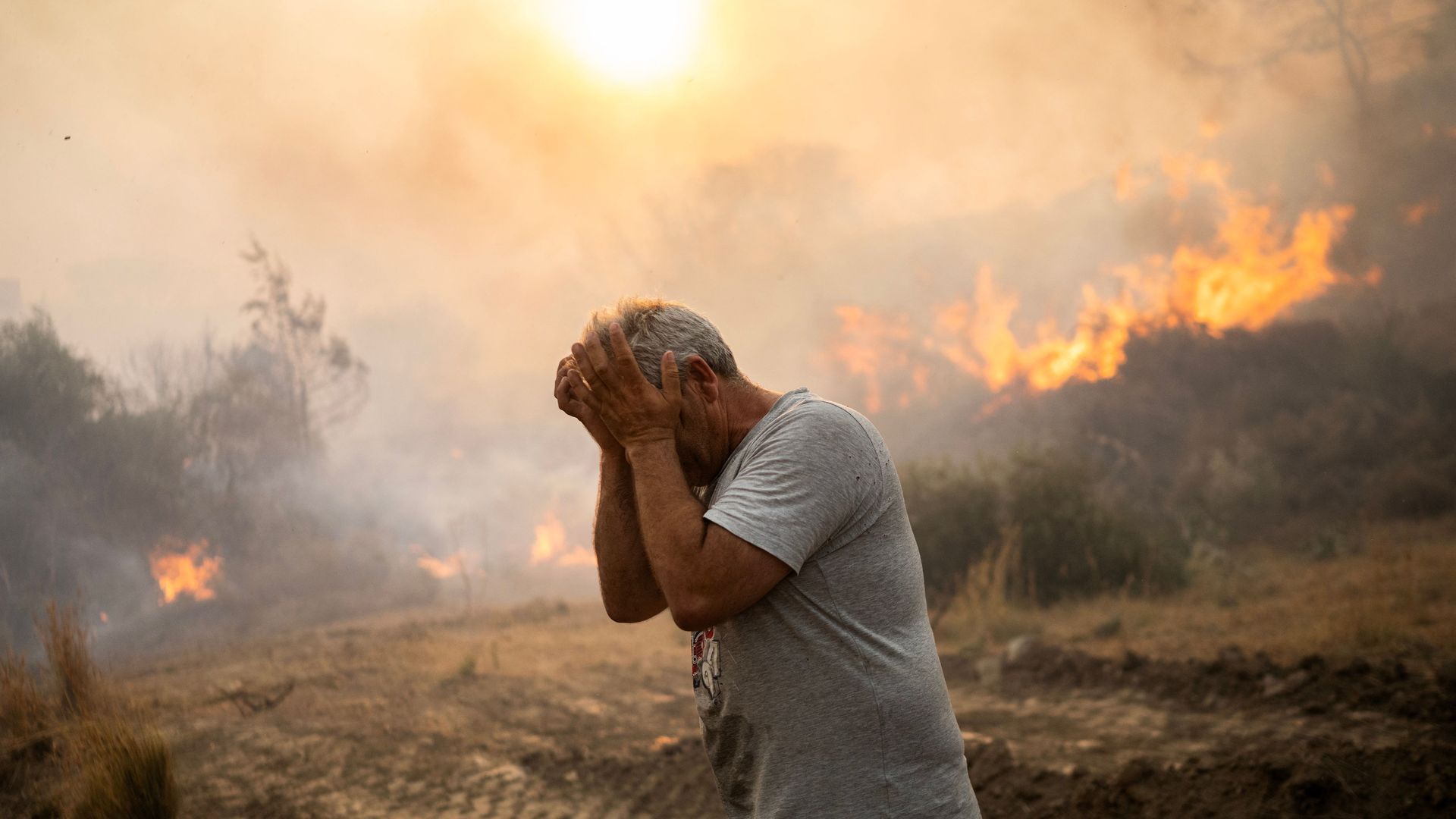
Deadly wildfires burning across Europe, North America and North Africa have forced hundreds of people to evacuate as historic heat grips much of the Northern Hemisphere.