As regions of the United States not typically prone to smoky skies confront the anomaly, some municipalities have started to look west for answers.
Why it matters: Wildfire seasons are getting longer, and the Canadian smoke event that captivated the East Coast earlier this year will remain a problem for the U.S. in years to come.
Millions of Americans live in parts of cities where the "urban heat island" effect can significantly increase temperatures, especially during heat waves, per a new analysis by nonprofit climate research group Climate Central.
Why it matters: Heat islands — wherein heat is trapped by heat-absorbing surfaces and structures — can make cities less livable and increase the risk of heat-related health complications.
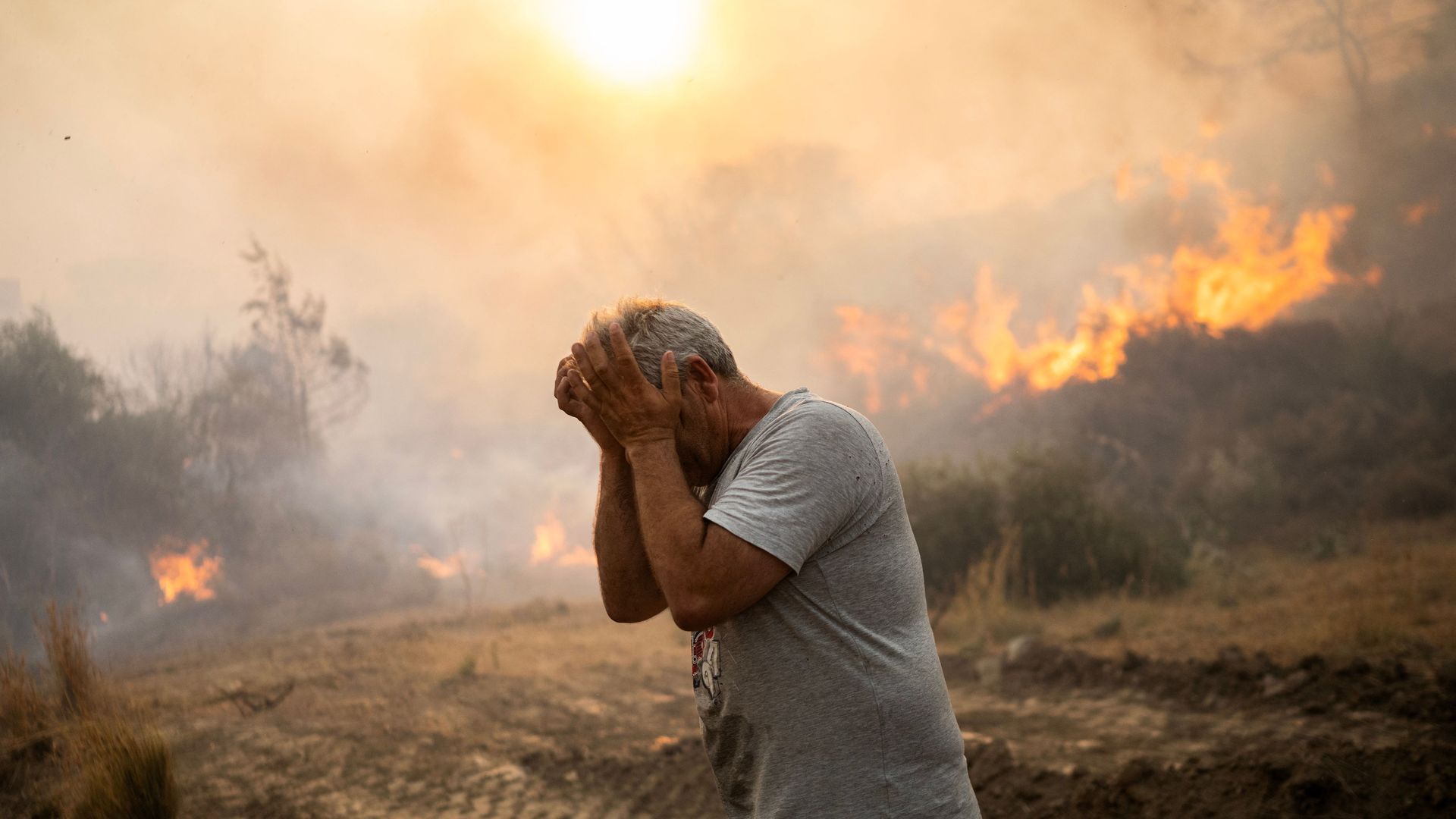
Deadly wildfires burning across Europe, North America and North Africa have forced hundreds of people to evacuate as historic heat grips much of the Northern Hemisphere.
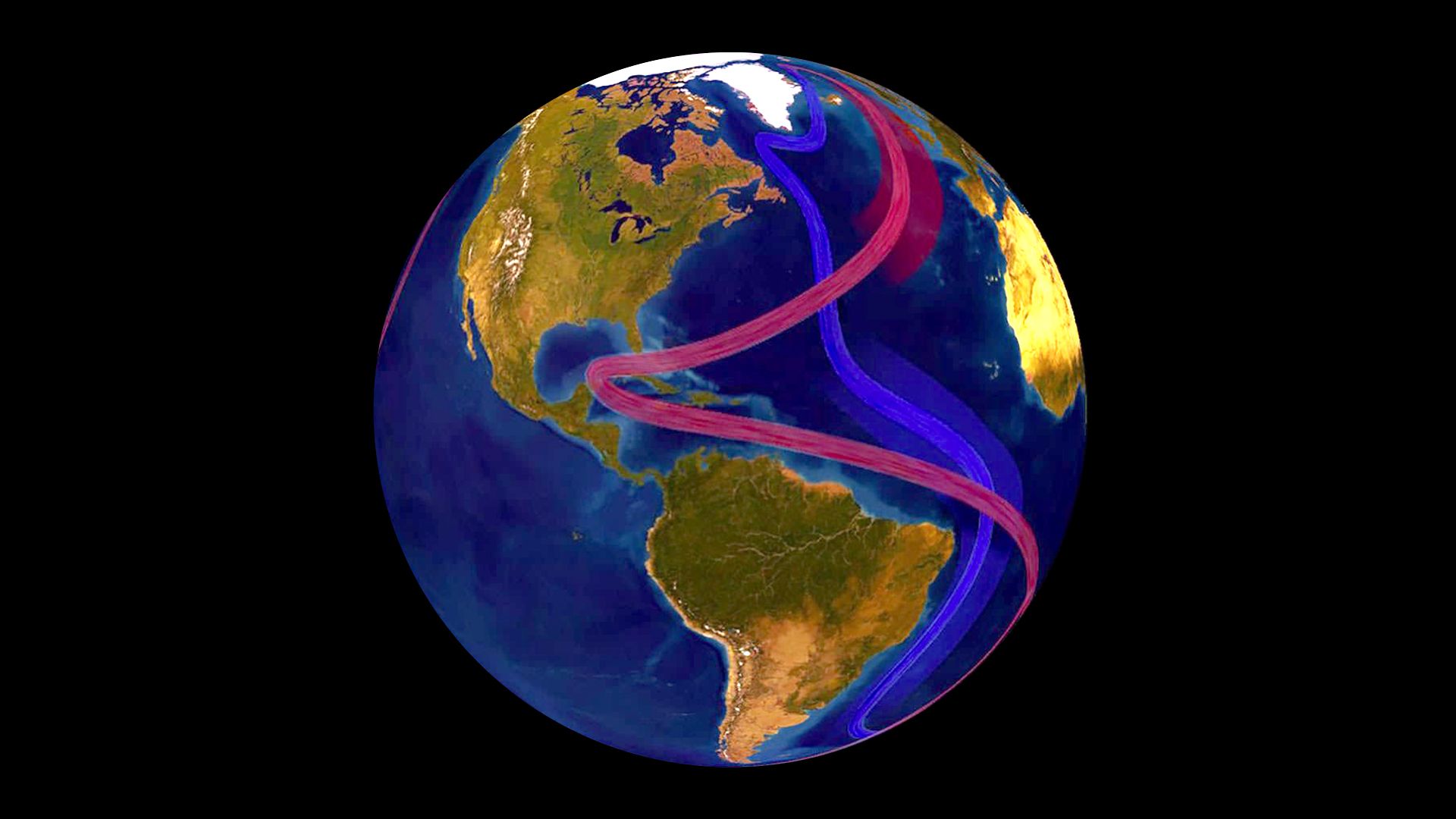
Part of a "global conveyor belt" that moves water around the world, the AMOC helps to regulate everything from the rate of sea level rise on the East Coast to Europe's average temperatures.
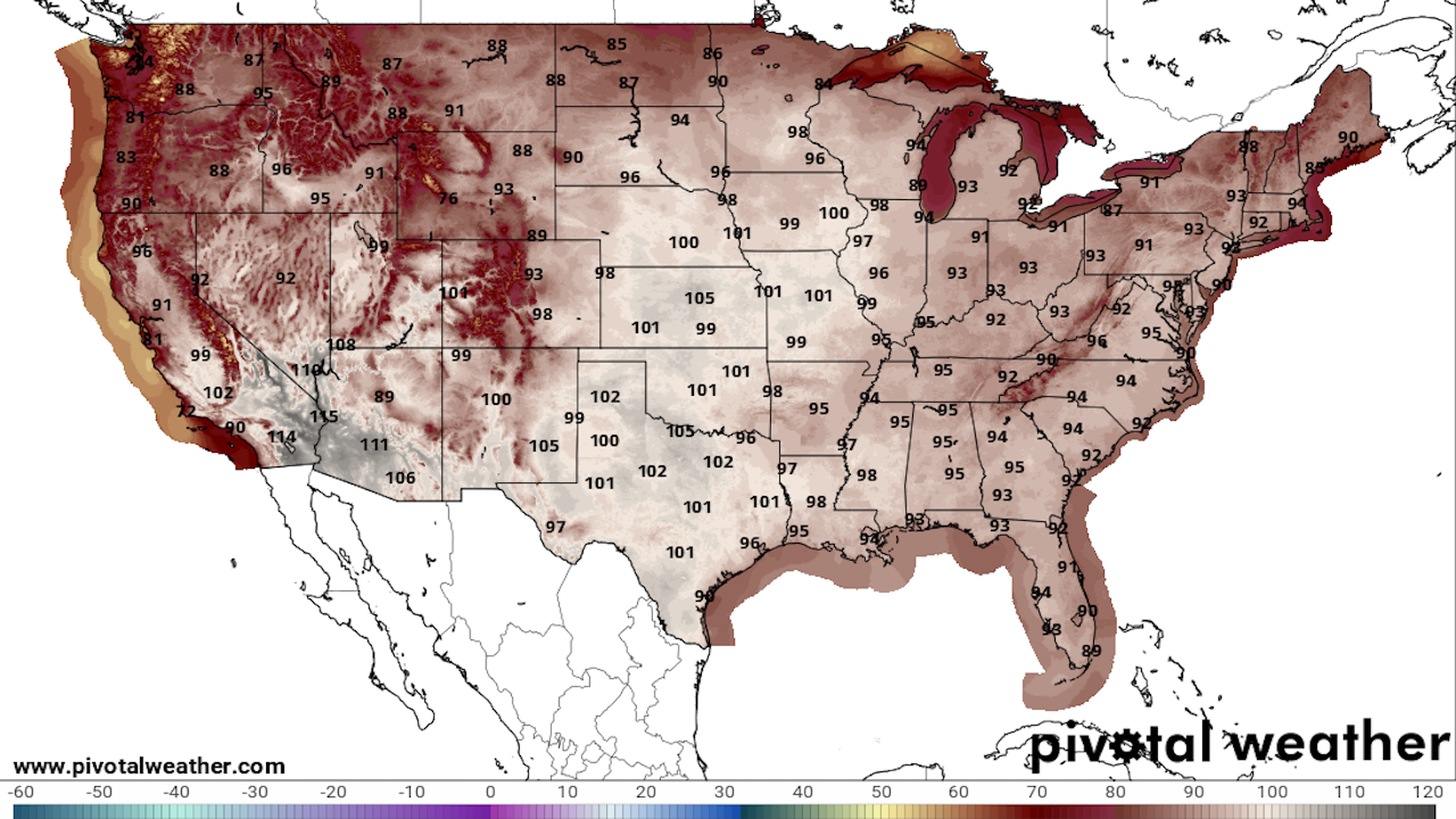
The heat wave roastingmuch of the U.S. for weeks is expanding its reach to the Great Basin, parts of the Rockies, and will eventually extend eastward across the Plains, Midwest and East Coast by the end of the week.
Why it matters: The longer this extreme heat event lasts, the greater the human and economic toll will be.
The University of South Florida said Monday its researchers have transported some 1,500 coral specimens to tanks on land as "unprecedented heat waves and escalating water temperatures" create "a massive coral bleaching event."
Why it matters: Coral reefs provide shelter for over 25% of ocean animals, and are economically key to over half a billion people's livelihoods.