Gasoline prices are jumping as oil prices spike following the U.S. and Israel strikes on Iran, reflecting market fears of extended geopolitical upheaval.
Why it matters: Americans use about 370 million gallons of gas per day, so price increases have an immediate effect on their pocketbook and mood about the economy.
The State Department is organizing military aircraft and charter flights for American citizens who want to leave the Middle East as the conflict with Iran widens.
The big picture: For days, the Trump administration told thousands of stranded Americans to book commercial flights despite airports suspending operations after many were hit by strikes.
Prominent economists have warned for years that the low-volatility era of the 2010s has given way to a more fractured era, defined by trade wars, real wars and recurring supply shocks that policymakers are poorly equipped to manage.
The Iran war leaves little doubt that this analysis is correct.
Why it matters: The war is pushing up energy prices and rattling markets — something that central banks can't neutralize with an interest-rate tweak.
If these types of disruptions persist through the 2020s, policymakers face harsher trade-offs, higher volatility and a global economy that's structurally less stable.
An experiment in democratizing private markets looks to be on the way out: Retail investors don't seem to have the stomach for it.
The big picture: What happened with Blue Owl, a private credit firm that had retail investors clamoring for their money back, sparking a mini crisis that was a PR mess for the company, sent its stock price down sharply, and rattled investors about the entire sector.
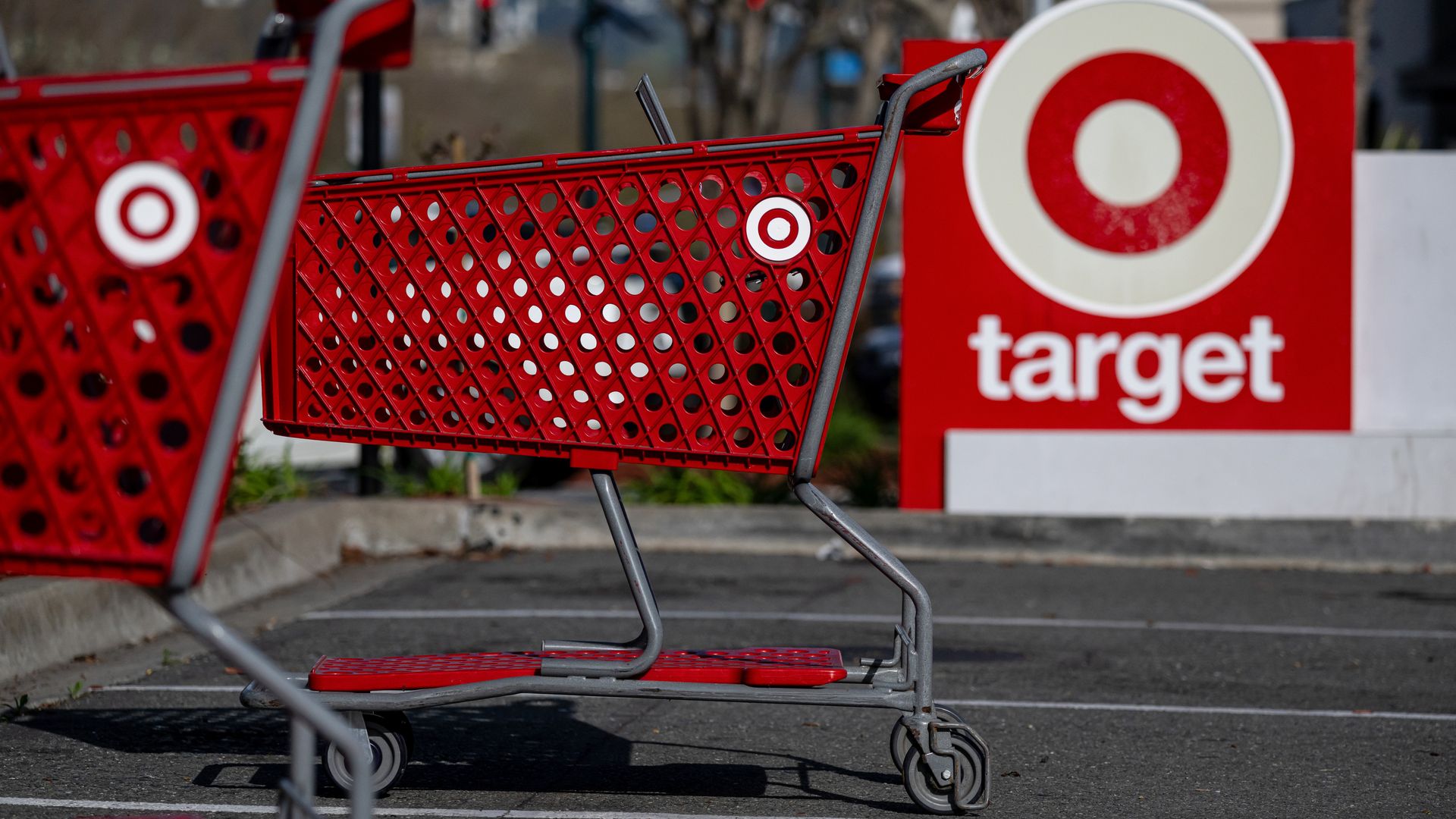
Target's new CEO Michael Fiddelke is using his first earnings report at the helm to confront another quarter of falling sales — and promise a return to growth.
Why it matters: A 2.5% drop in fourth-quarter comparable sales capped a difficult year for Target, raising the stakes for Fiddelke to stabilize traffic and deliver the steady growth he's forecasting for 2026.
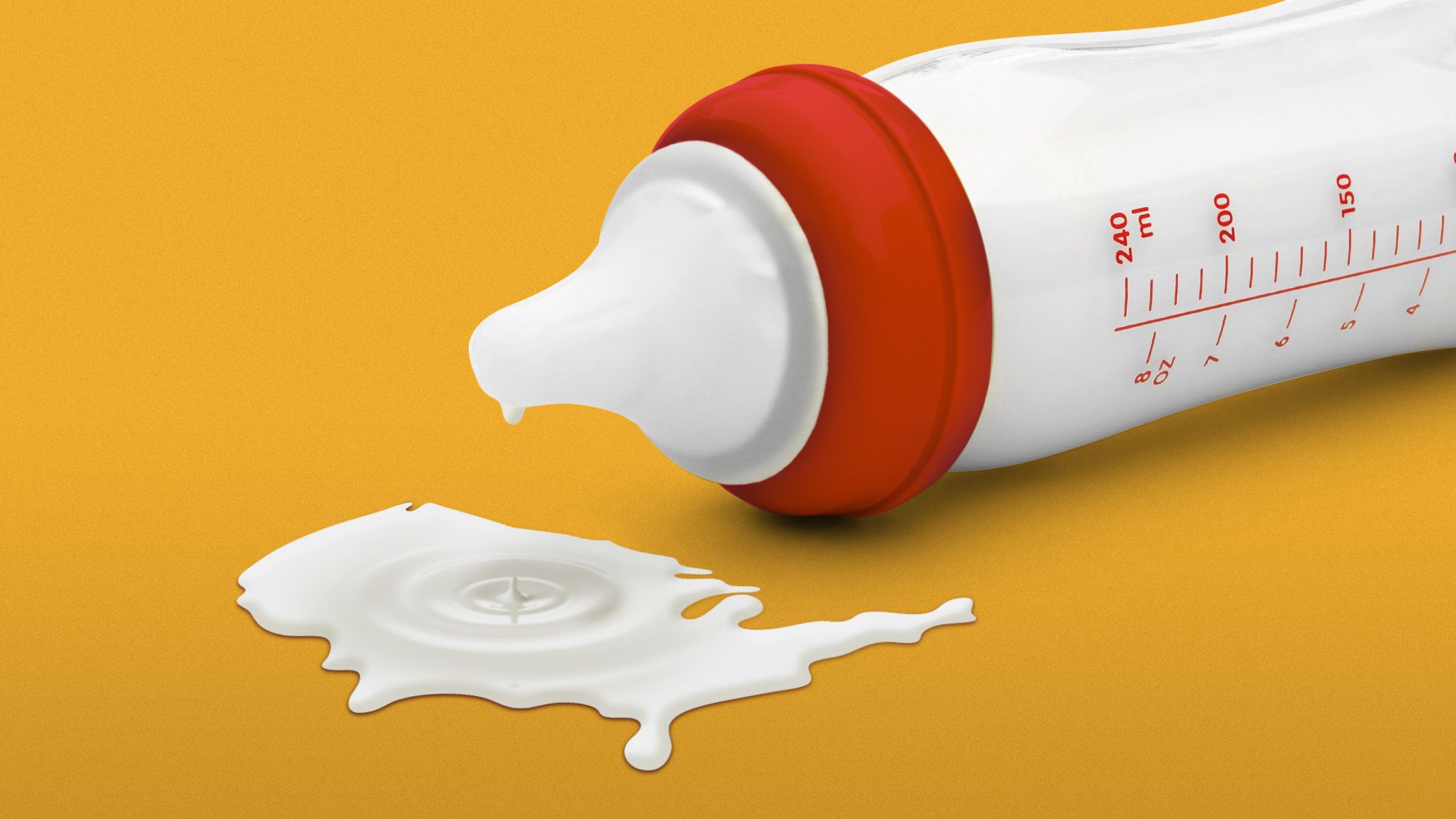
A new Consumer Reports investigation found heavy metals in more than half of the infant formulas it tested — despite the Food and Drug Administration's pledge last year to tighten oversight.
Why it matters: Infant formula can be a baby's only source of nutrition — heightening the stakes of any contamination concerns.
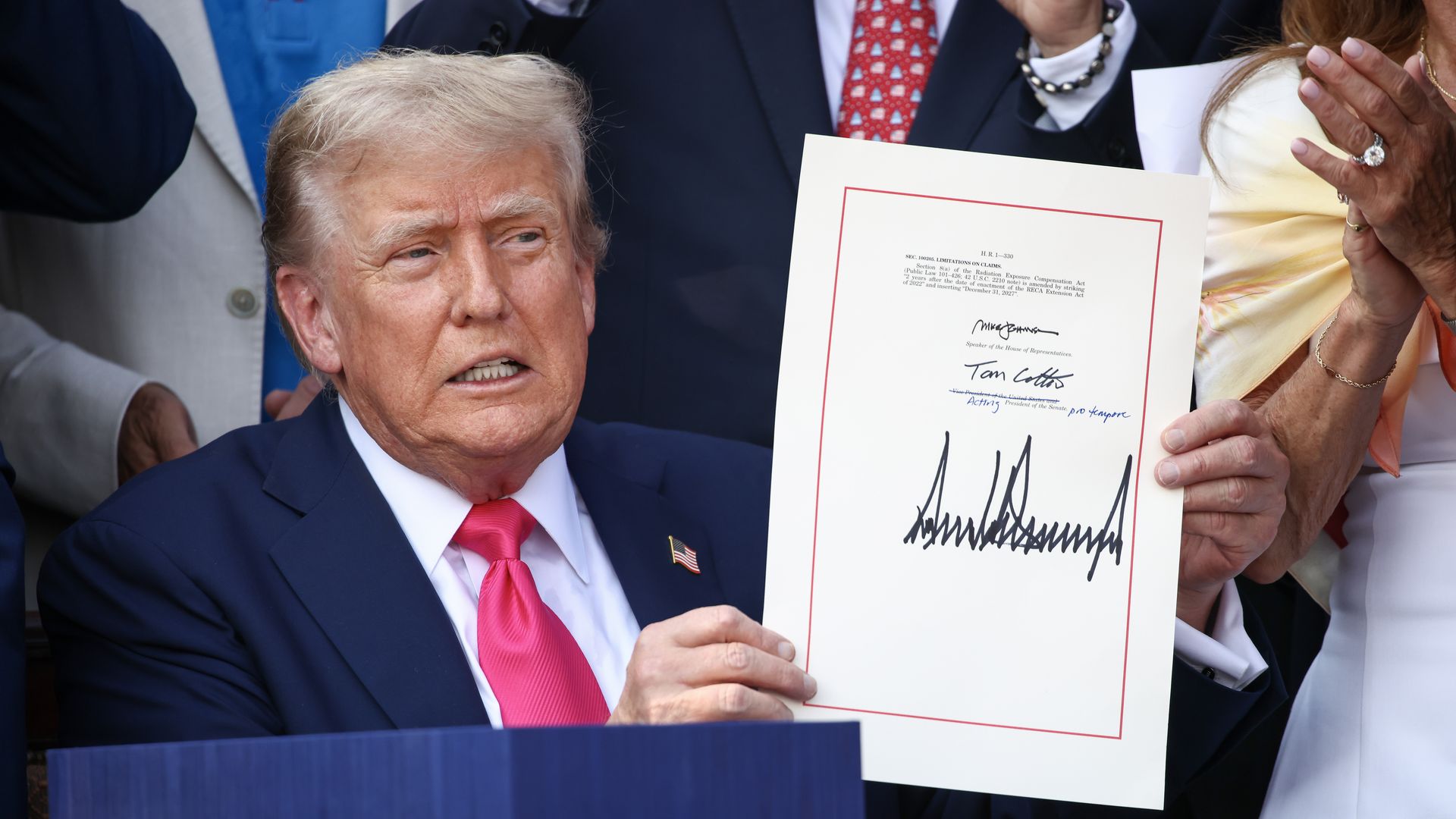
Changes to SNAP work requirements outlined in President Trump's "One Big, Beautiful Bill Act" went into effect Sunday.
Why it matters: The changes mark a historic cut to the social safety net — which experts say could leave more people hungry and uninsured — even as Trump frames the new requirements as a victory for his administration's handling of the affordability crisis.
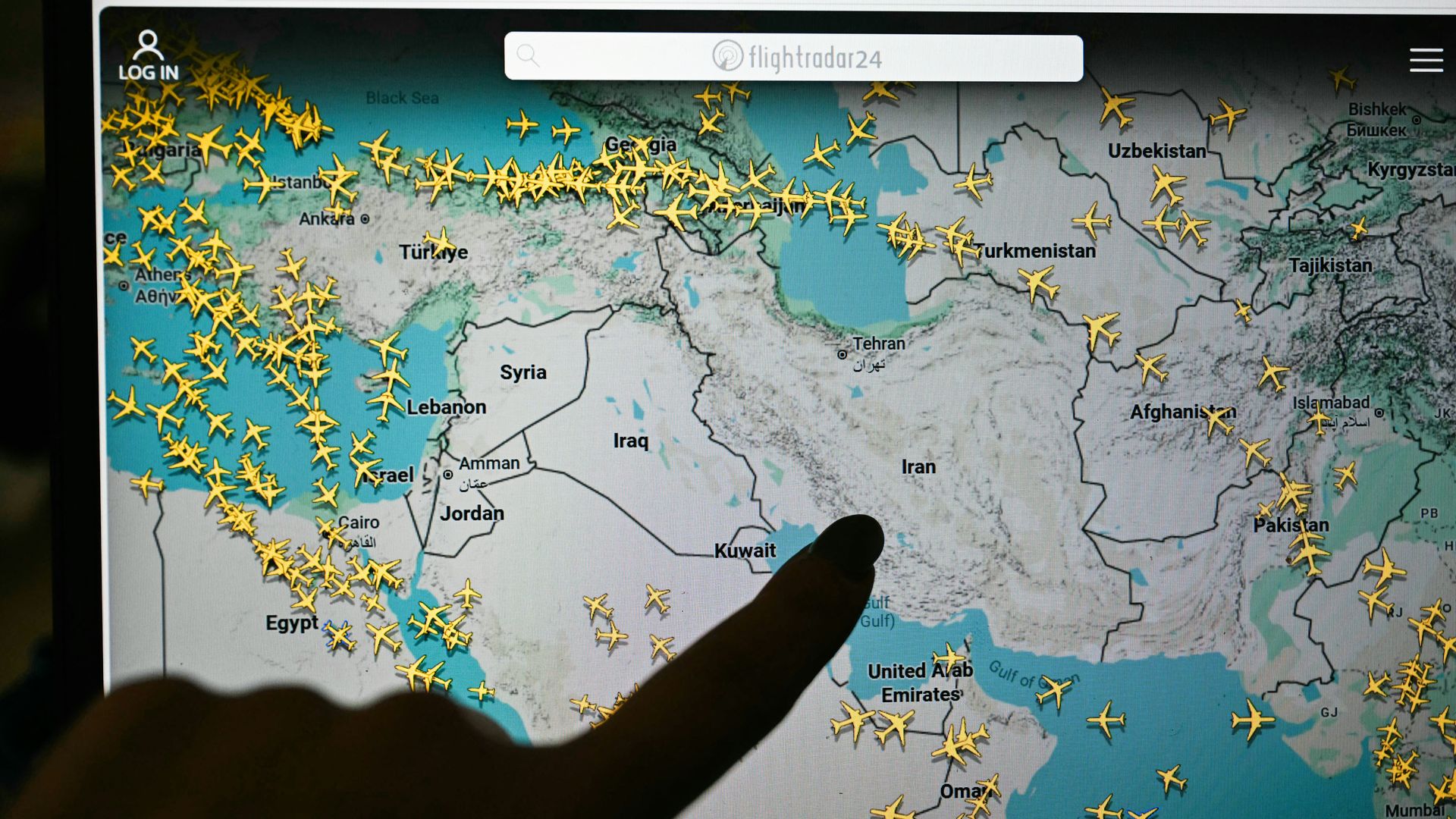
The fallout from U.S. and Israeli strikes on Iran has disrupted air travel and prompted the State Department to issue a worldwide caution for Americans in addition to warnings against visiting several countries in the Middle East.
The big picture: Thousands of flights have been canceled, major airports in the region have shut, and the State Department on Monday urged Americans to "DEPART NOW" from 14 countries and two Palestinian territories via commercial transportation "due to serious safety risks," per a post to X by Mora Namdar, assistant secretary of state for consular affairs.
U.S. counterterrorism and intelligence teams are on high alert and law enforcement in major cities has bolstered security in the wake of this weekend's strikes on Iran.
The big picture: FBI director Kash Patel instructed federal counterterrorism and intelligence to "mobilize all assisting security assets needed" after placing them on high alert Saturday, per a post to X, while law enforcement in D.C., New York City and Los Angeles are among those to take additional steps.
Six U.S. service members have been killed in action following the massive U.S.-Israel military operation launched in Iran Saturday that sparked swift retaliation.
Corporations are starting to find their backbone: from AI labs resisting military ultimatums to retailers successfully suing the president.
Why it matters: The prevailing corporate strategy has been one of high-profile compliance, particularly with the Trump administration. Now, corporates are pushing back, because the cost of that compliance is existential.
Kalshi, one of the world's largest prediction market companies, struck a deal with the Associated Press to license its elections data starting with the 2026 midterms.
Why it matters: As the popularity of betting booms in the U.S., prediction markets are trying to distinguish themselves with partnerships that boost the credibility of information presented on their platforms.
The Treasury Department is officially pulling the plug on Anthropic's AI tools at the direction of President Trump, Secretary Scott Bessent announced on Monday.
Why it matters: The move marks the next step in one of the most aggressive federal actions against a major American AI company.
The Iran conflict abroad threatens to worsen the affordability crisis at home, as an oil price spike ripples through to pump prices Americans see every day.
Why it matters: This has become one defining tension of President Trump's second term — foreign policies that could undercut core domestic promises to lower prices for American consumers, just months ahead of midterm elections.
Americans will see higher prices for energy in the weeks ahead. They aren't likely to see the kind of broad economic slowdown that has accompanied oil price shocks in the past.
The big picture: That's the implication of early market moves following the U.S. and Israeli strikes. It follows logically from a reordering of global energy markets over the last two decades.
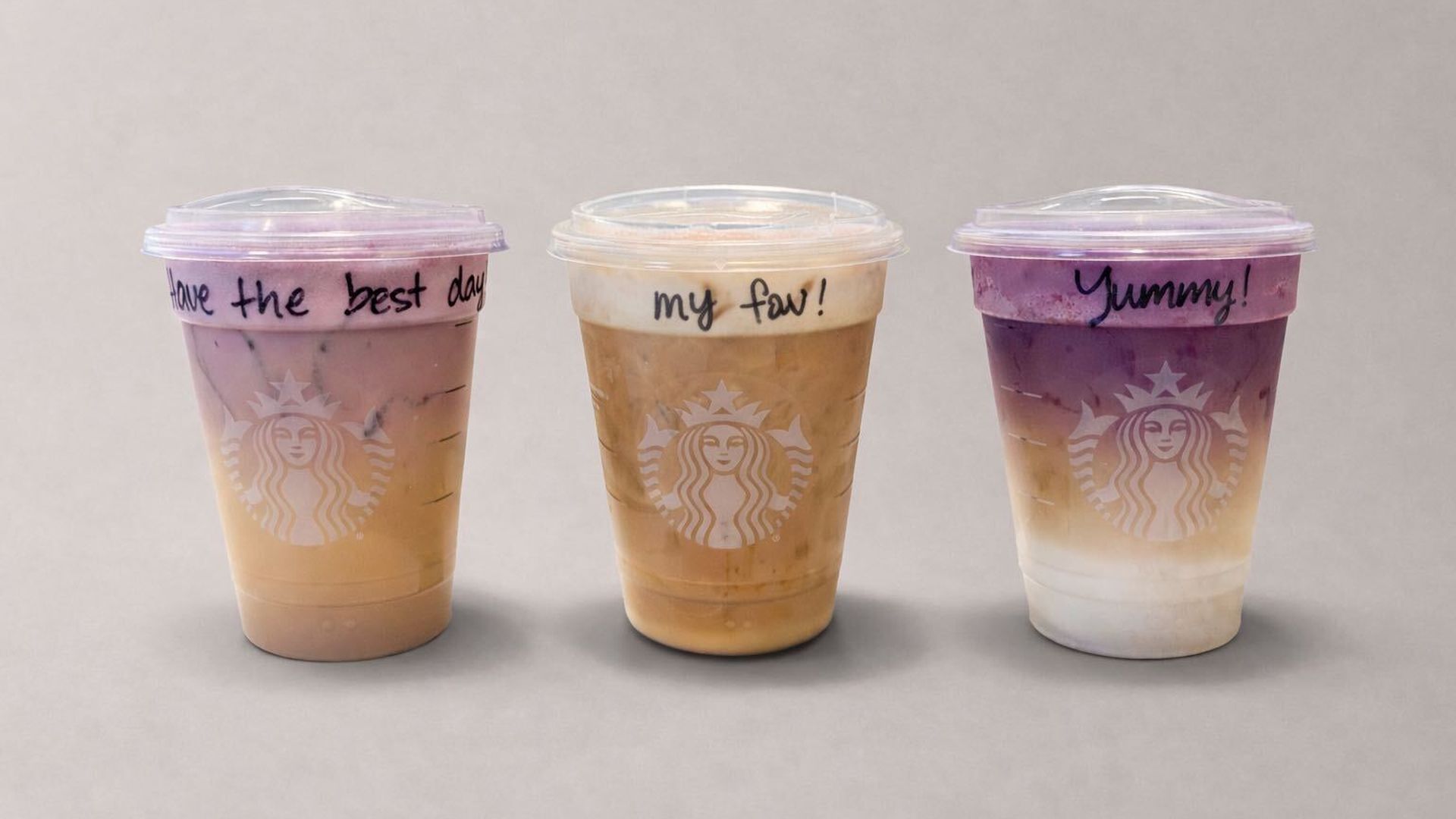
Starbucks is ushering in spring with a seasonal menu refresh built around customization, coconut and eye-catching shades of purple.
Why it matters: The March 3 launch leans into two powerful consumer trends — personalization and social-ready drinks — while modernizing one of Starbucks' longest-running menu staples: chai.
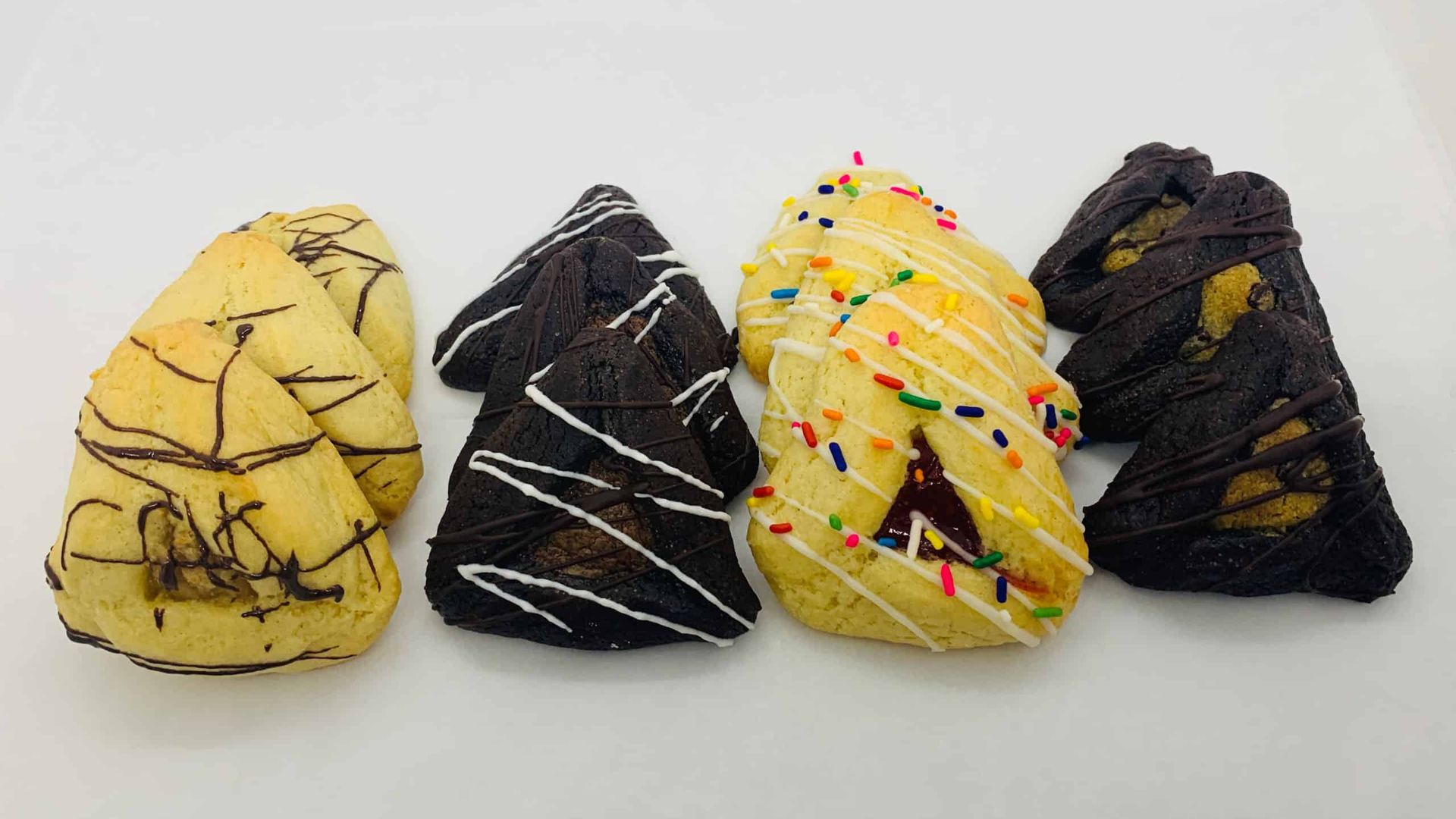
Jewish people have been eating hamantaschen on Purim for centuries — but now the desserts are getting a modern remix.
Instead of pastries filled with just poppy seed or prune, options now include everything from matcha to Funfetti.
Why it matters: The triangle-shaped pastry has become a creative showcase and a business opportunity, especially as younger customers embrace Purim's playful, costume-filled spirit.