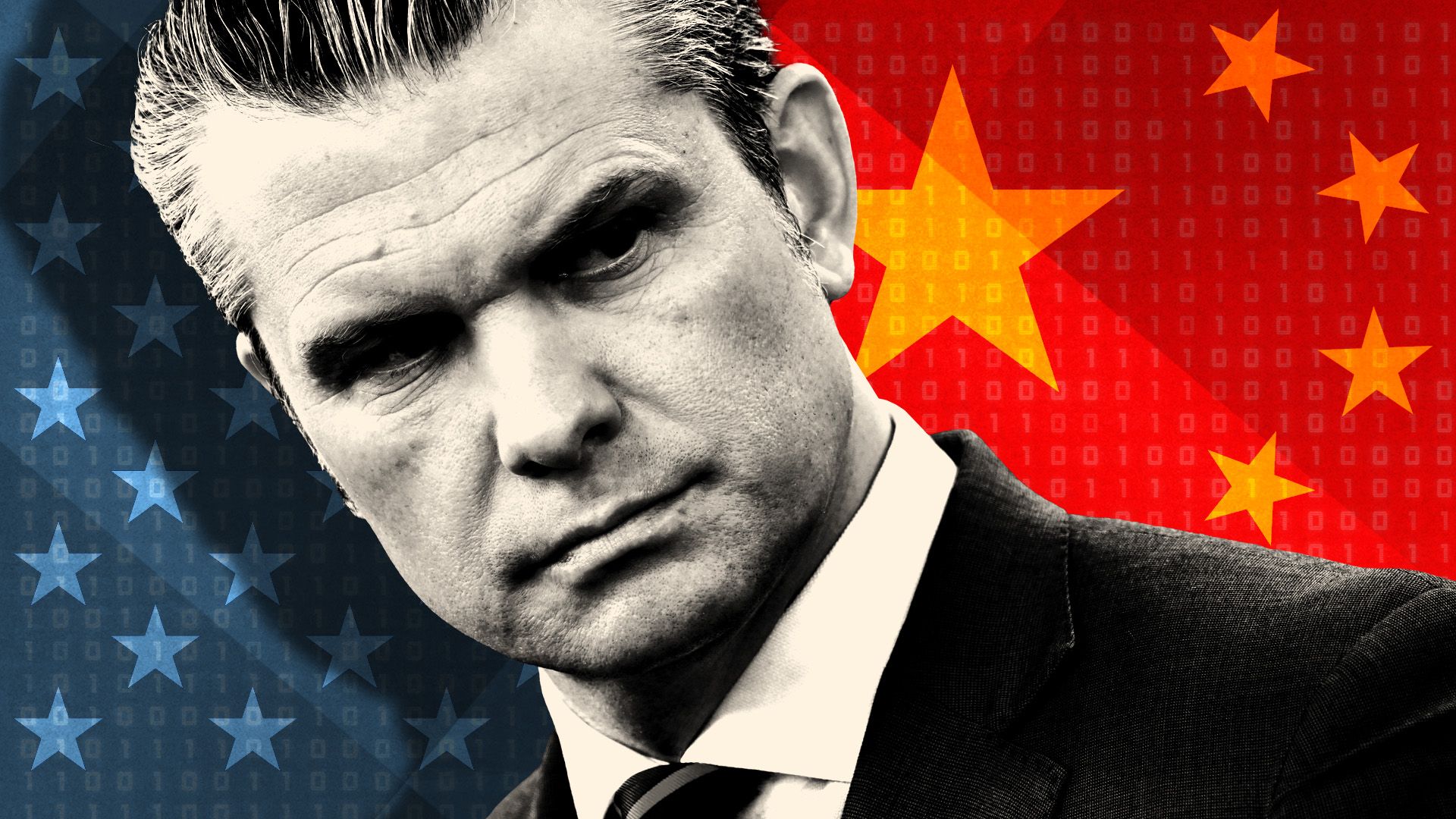
The Pentagon says it's threatening to blacklist top American AI lab Anthropic, without putting similar restrictions on Chinese rivals.
Why it matters: By penalizing a domestic leader for its safety standards, the U.S. is creating a market opening for cheaper, unregulated models from competing countries.
OpenAI released a new framework to measure how ChatGPT affects long-term human learning.
Why it matters: It might feel like chatbots are rotting our brains, but no longitudinal studies have shown the real effects of generative AI on learning.
Two developments this week capture how the world of decentralized finance and cryptocurrency is winning in its efforts to challenge traditional banks.
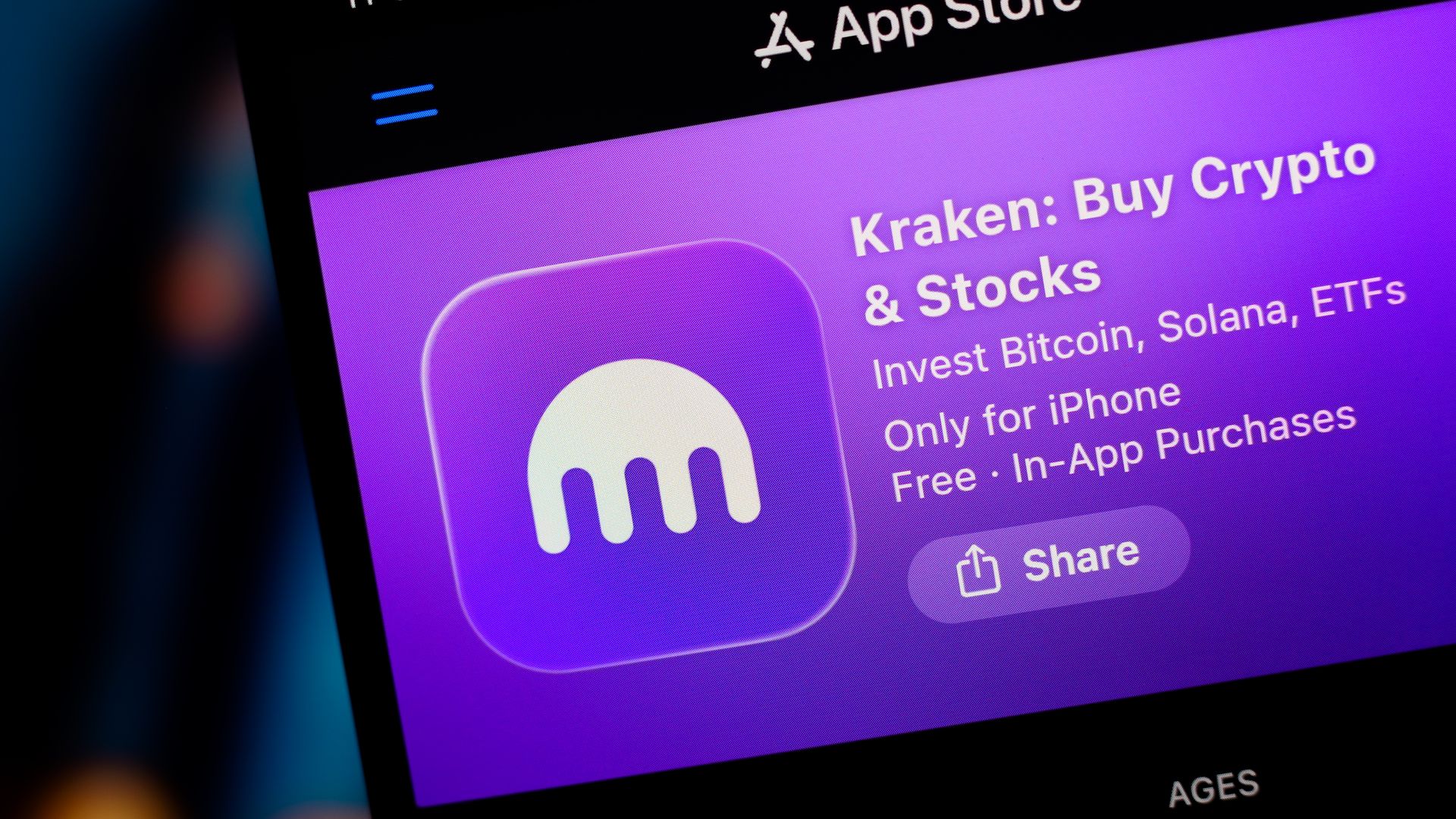
Driving the news: On Wednesday morning, Kraken Financial, a cryptocurrency-focused bank in Wyoming, announced it has been granted a limited master account from the Federal Reserve.
It's a win for the crypto sector after years of fights, in which banks have sought to keep their unique access to the Fed's payment rails on which trillions of dollars flow.
Separately, in a social media post late Tuesday, President Trump seemingly sided with the stablecoin industry in a lobbying battle with banks over whether stablecoins can offer rewards that resemble interest.
The Genius Act, which established a legal framework for stablecoins, "is being threatened and undermined by the Banks, and that is unacceptable," Trump wrote.
Between the lines: Both developments are signs that the Biden-era deep skepticism of cryptocurrency and its cousins is long gone.
Rather than being walled off from the mainstream financial system, novel decentralized financial products and business models are being embraced, both in the White House and the halls of the Fed.
State of play: Kraken has pushed for access to a Fed master account for years, and another crypto-focused bank, Custodia, sued over the issue.
The Fed has been traditionally reluctant to give companies with unproven business models and unknown risks access to the systems that are the "circulatory system of our $30 trillion economy," as Kansas City Fed president Jeff Schmid put it in a speech this week.
Kraken, a subsidiary of Payward Financial, is being granted a "limited purpose account," the Kansas City Fed said Wednesday morning, for an initial term of one year with "restrictions and limitations tailored for Kraken Financial's business model and risk profile that are appropriate to mitigate risks."
Of note: The banking industry is none too pleased. The Bank Policy Institute said in a statement that it is "deeply concerned" and that the access "was issued with no transparency into the process for approval or the risk mitigants that have been imposed to address the very significant risks it raises."
New private sector datashows signs of life for a labor market that's stabilizing after a dismal year for hiring.
Why it matters: It's a welcome development in an economy digesting global trade uncertainty, fast-moving AI technological advancements and a new geopolitical shock.
Yet just two sectors are carrying the entire labor market, making hiring more fragile than the headline numbers suggest.
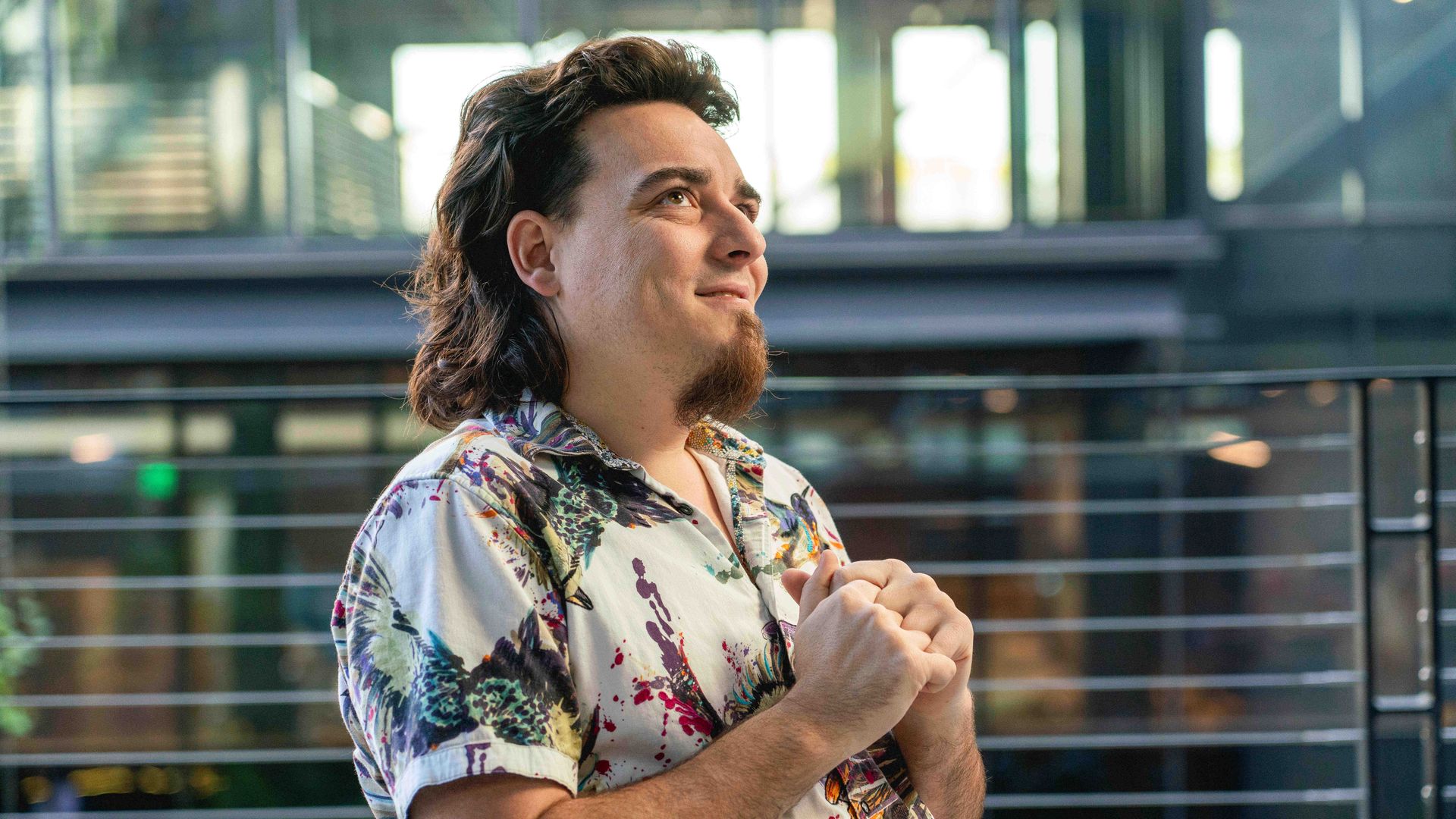
Anduril, the defense tech giant led by Palmer Luckey, is raising around $4 billion at a $60 billion valuation led by a16z and Thrive Capital, Axios has learned from multiple sources.
Why it matters: This comes just days after Luckey criticized Anthropic's asks of the Pentagon, and amidst a new war in which the U.S. military is using autonomous systems.
America's natural gas bounty is acting like a moat, largelyshielding the U.S. from price spikes while much of the world reels from escalating unrest in the Middle East.
Why it matters: Natural gas hasn't, historically, drawn the same headlines as the more volatile oil markets. But it's increasingly central to the economy — including powering the AI boom.
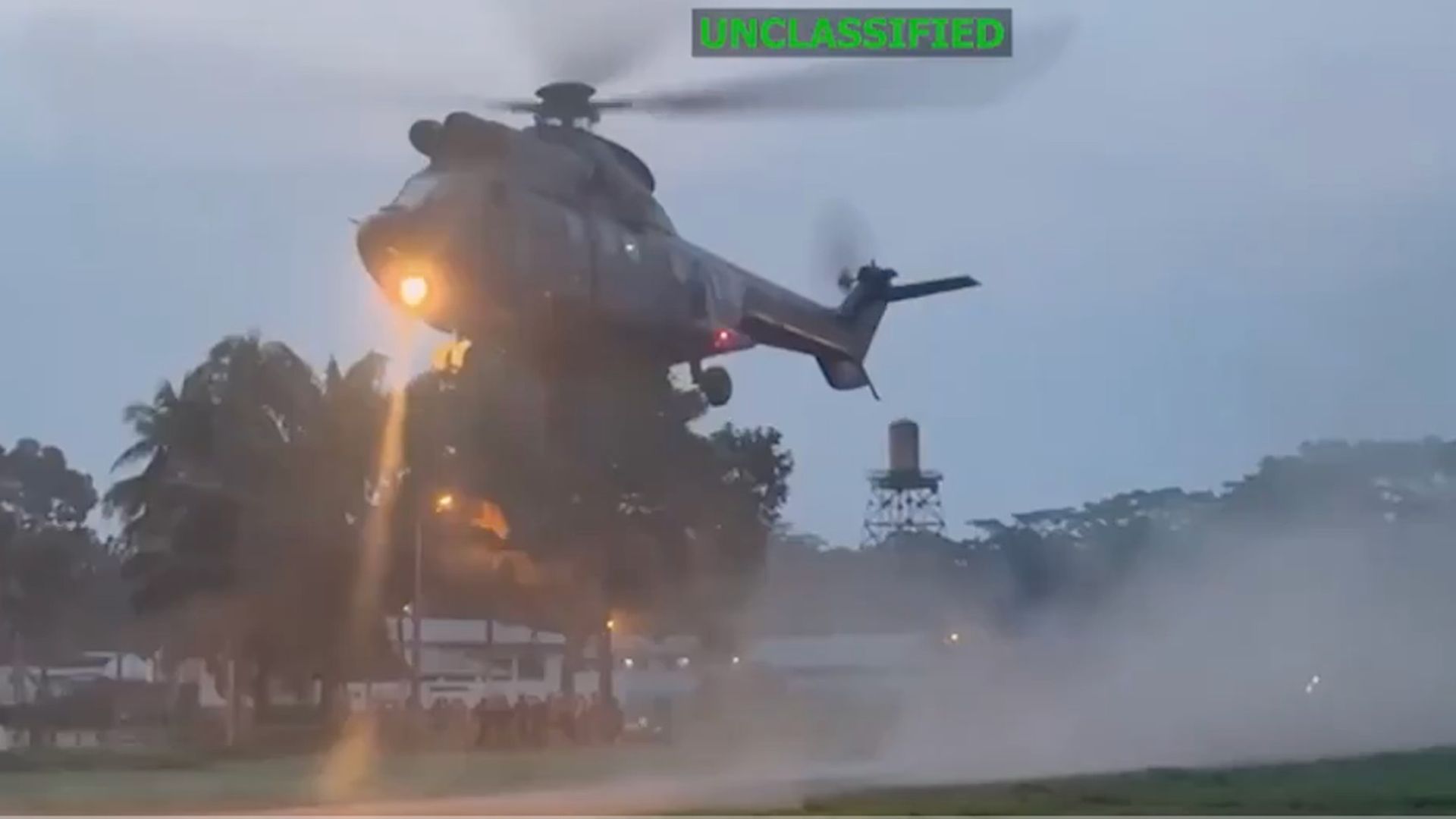
U.S. and Ecuadorian forces announced drug-trafficking military crackdown operations in Ecuador on Tuesday.
The big picture: U.S. Southern Command in a Tuesday night statement said the operations targeted "Designated Terrorist Organizations" and hailed the cooperation as "a powerful example of the commitment of partners in Latin America and the Caribbean to combat the scourge of narco-terrorism."