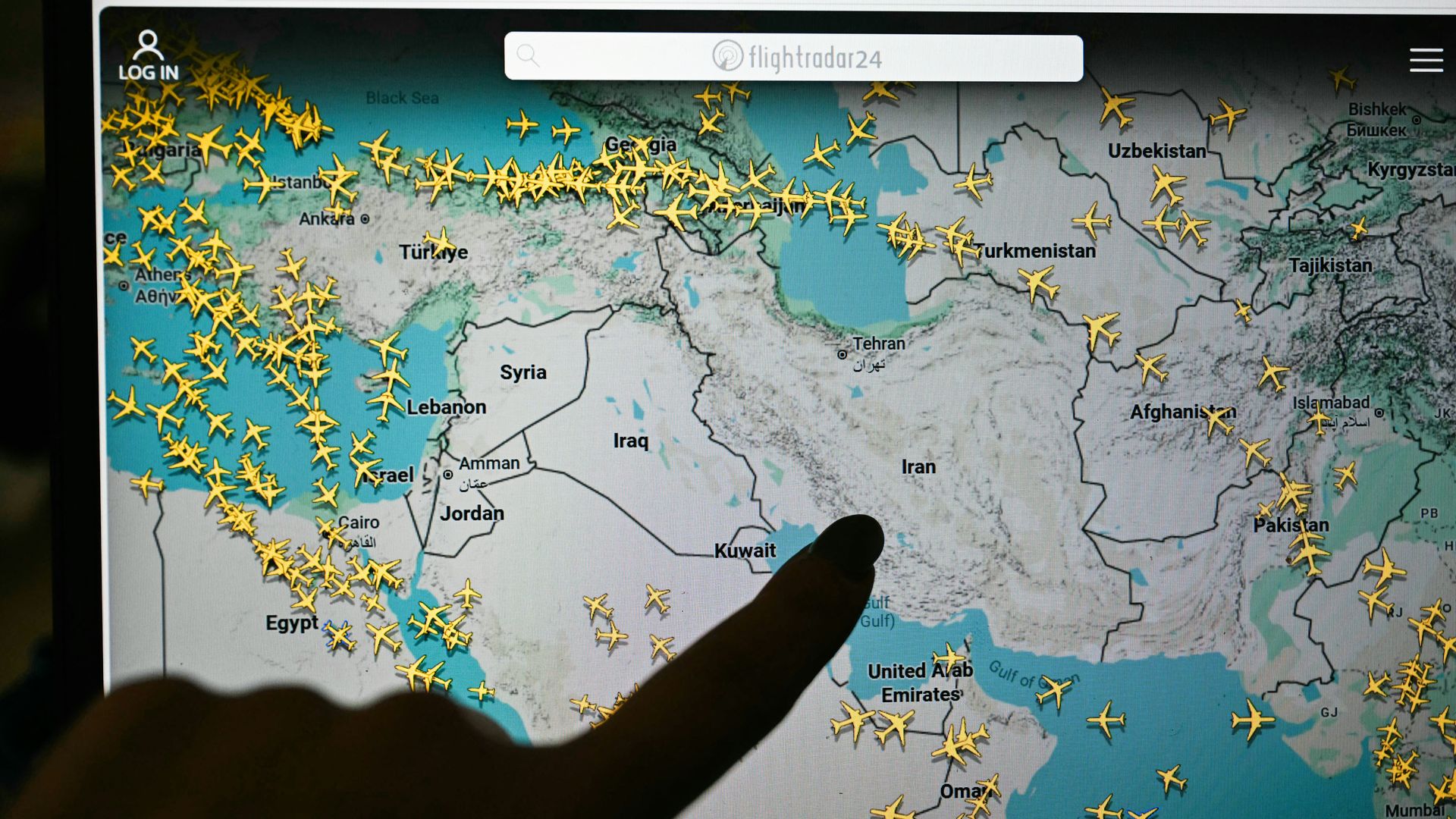
The fallout from U.S. and Israeli strikes on Iran has disrupted air travel and prompted the State Department to issue a worldwide caution for Americans in addition to warnings against visiting several countries in the Middle East.
The big picture: Thousands of flights have been canceled, major airports in the region have shut, and the State Department on Monday urged Americans to "DEPART NOW" from 14 countries and two Palestinian territories via commercial transportation "due to serious safety risks," per a post to X by Mora Namdar, assistant secretary of state for consular affairs.
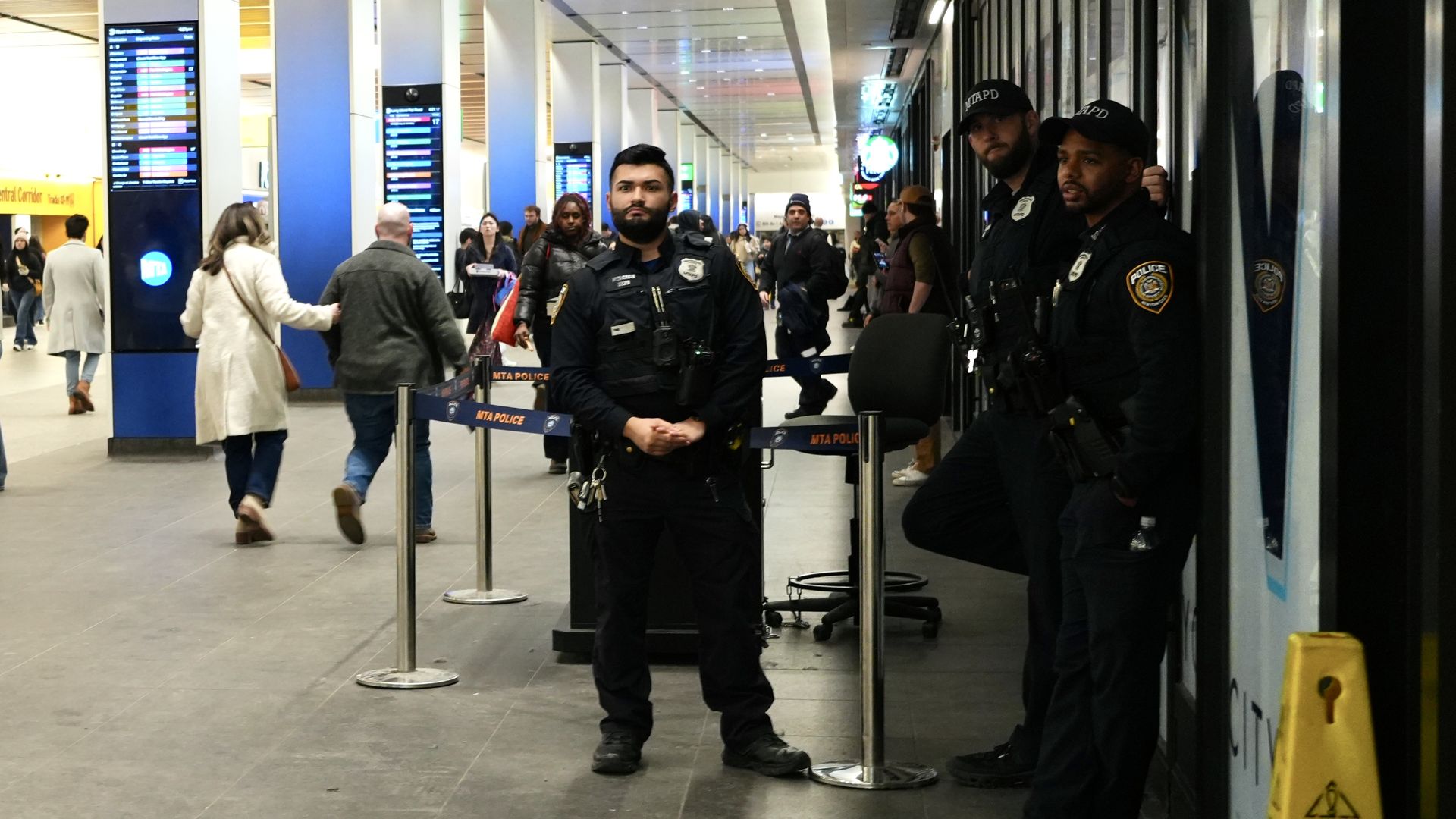
U.S. counterterrorism and intelligence teams are on high alert and law enforcement in major cities has bolstered security in the wake of this weekend's strikes on Iran.
The big picture: FBI director Kash Patel instructed federal counterterrorism and intelligence to "mobilize all assisting security assets needed" after placing them on high alert Saturday, per a post to X, while law enforcement in D.C., New York City and Los Angeles are among those to take additional steps.
Six U.S. service members have been killed in action following the massive U.S.-Israel military operation launched in Iran Saturday that sparked swift retaliation.
Corporations are starting to find their backbone: from AI labs resisting military ultimatums to retailers successfully suing the president.
Why it matters: The prevailing corporate strategy has been one of high-profile compliance, particularly with the Trump administration. Now, corporates are pushing back, because the cost of that compliance is existential.
Kalshi, one of the world's largest prediction market companies, struck a deal with the Associated Press to license its elections data starting with the 2026 midterms.
Why it matters: As the popularity of betting booms in the U.S., prediction markets are trying to distinguish themselves with partnerships that boost the credibility of information presented on their platforms.
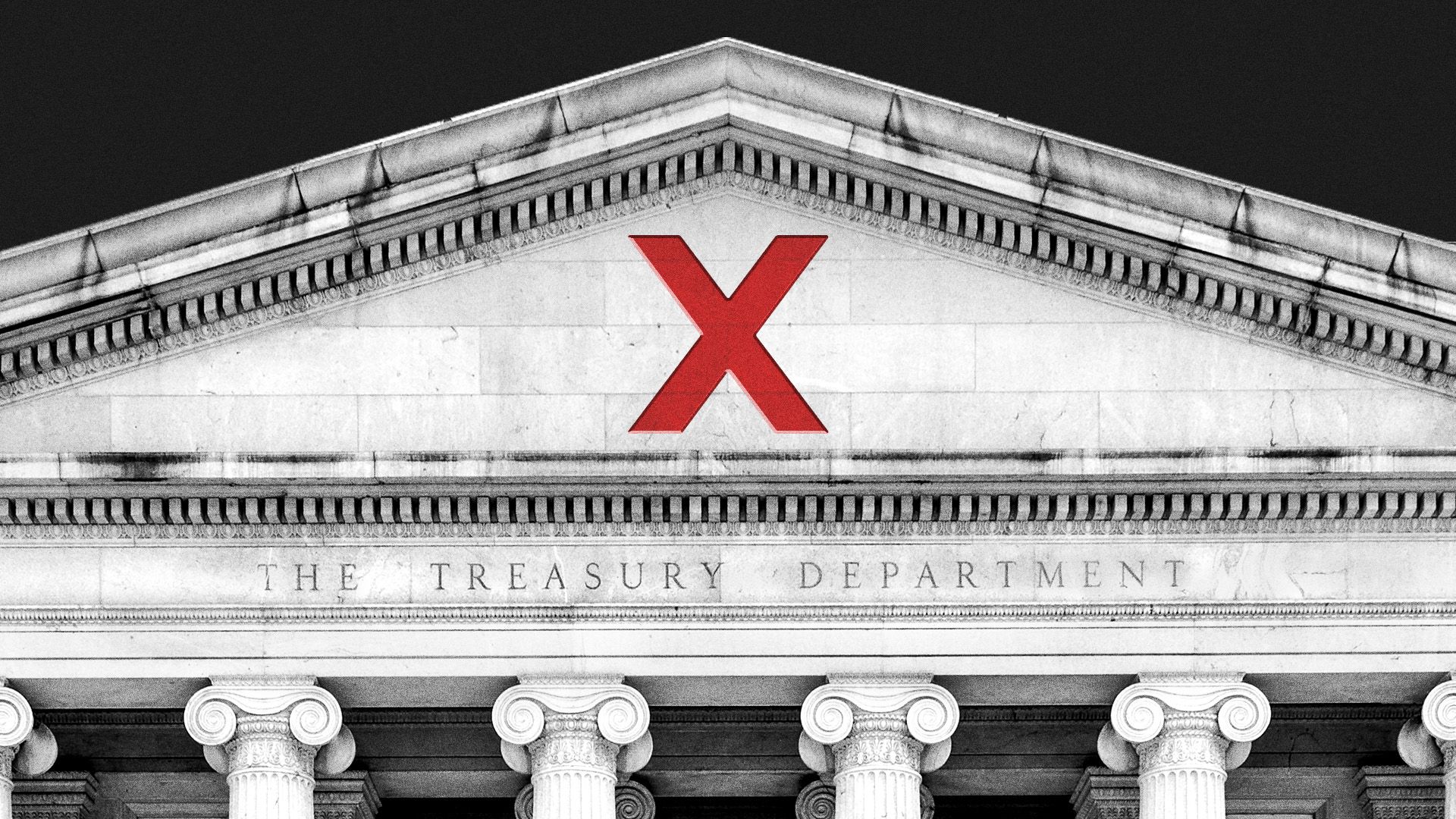
The Treasury Department is officially pulling the plug on Anthropic's AI tools at the direction of President Trump, Secretary Scott Bessent announced on Monday.
Why it matters: The move marks the next step in one of the most aggressive federal actions against a major American AI company.
The Iran conflict abroad threatens to worsen the affordability crisis at home, as an oil price spike ripples through to pump prices Americans see every day.
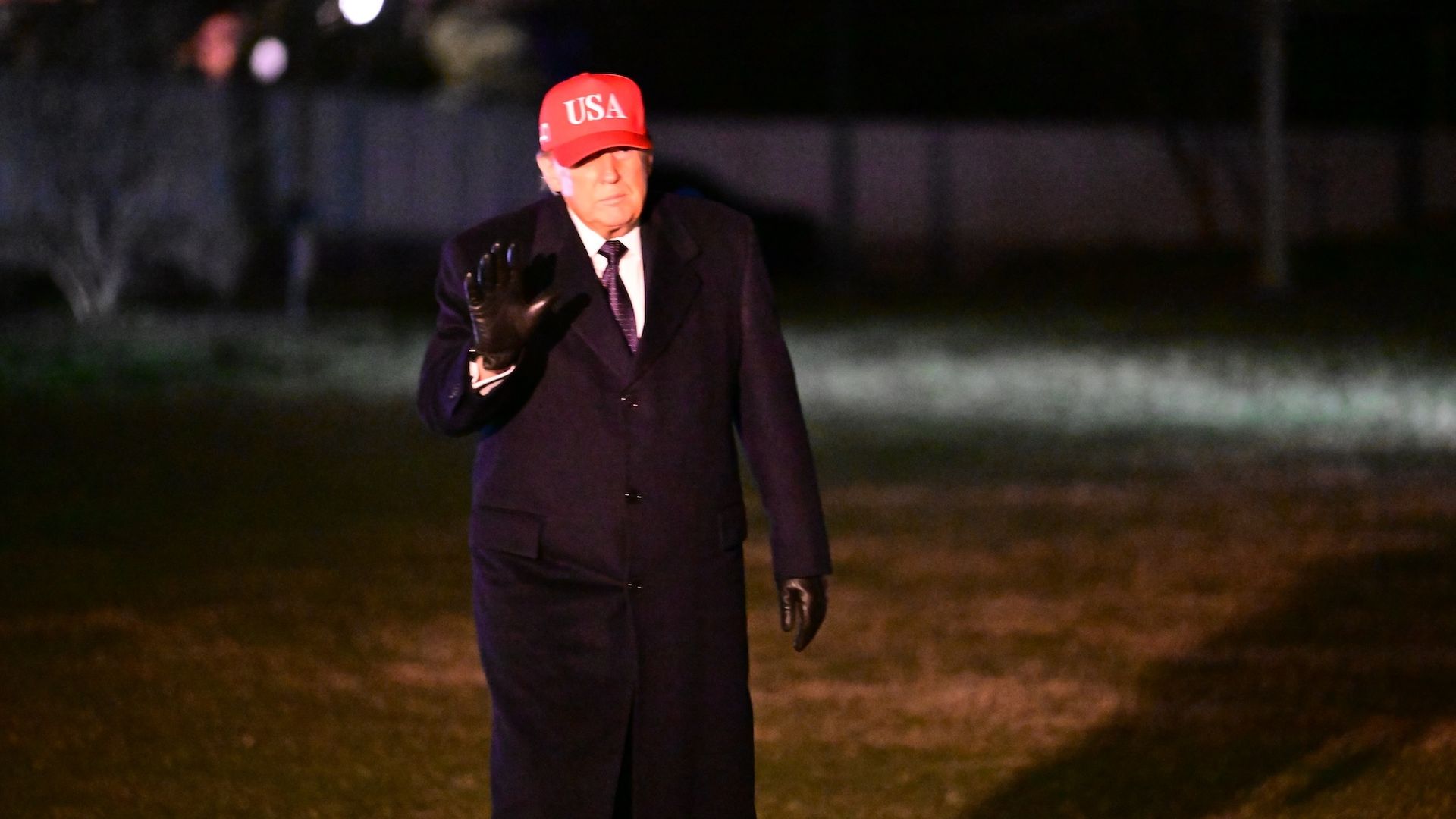
Why it matters: This has become one defining tension of President Trump's second term — foreign policies that could undercut core domestic promises to lower prices for American consumers, just months ahead of midterm elections.
Americans will see higher prices for energy in the weeks ahead. They aren't likely to see the kind of broad economic slowdown that has accompanied oil price shocks in the past.
The big picture: That's the implication of early market moves following the U.S. and Israeli strikes. It follows logically from a reordering of global energy markets over the last two decades.
Starbucks is ushering in spring with a seasonal menu refresh built around customization, coconut and eye-catching shades of purple.
Why it matters: The March 3 launch leans into two powerful consumer trends — personalization and social-ready drinks — while modernizing one of Starbucks' longest-running menu staples: chai.
Jewish people have been eating hamantaschen on Purim for centuries — but now the desserts are getting a modern remix.
Instead of pastries filled with just poppy seed or prune, options now include everything from matcha to Funfetti.
Why it matters: The triangle-shaped pastry has become a creative showcase and a business opportunity, especially as younger customers embrace Purim's playful, costume-filled spirit.