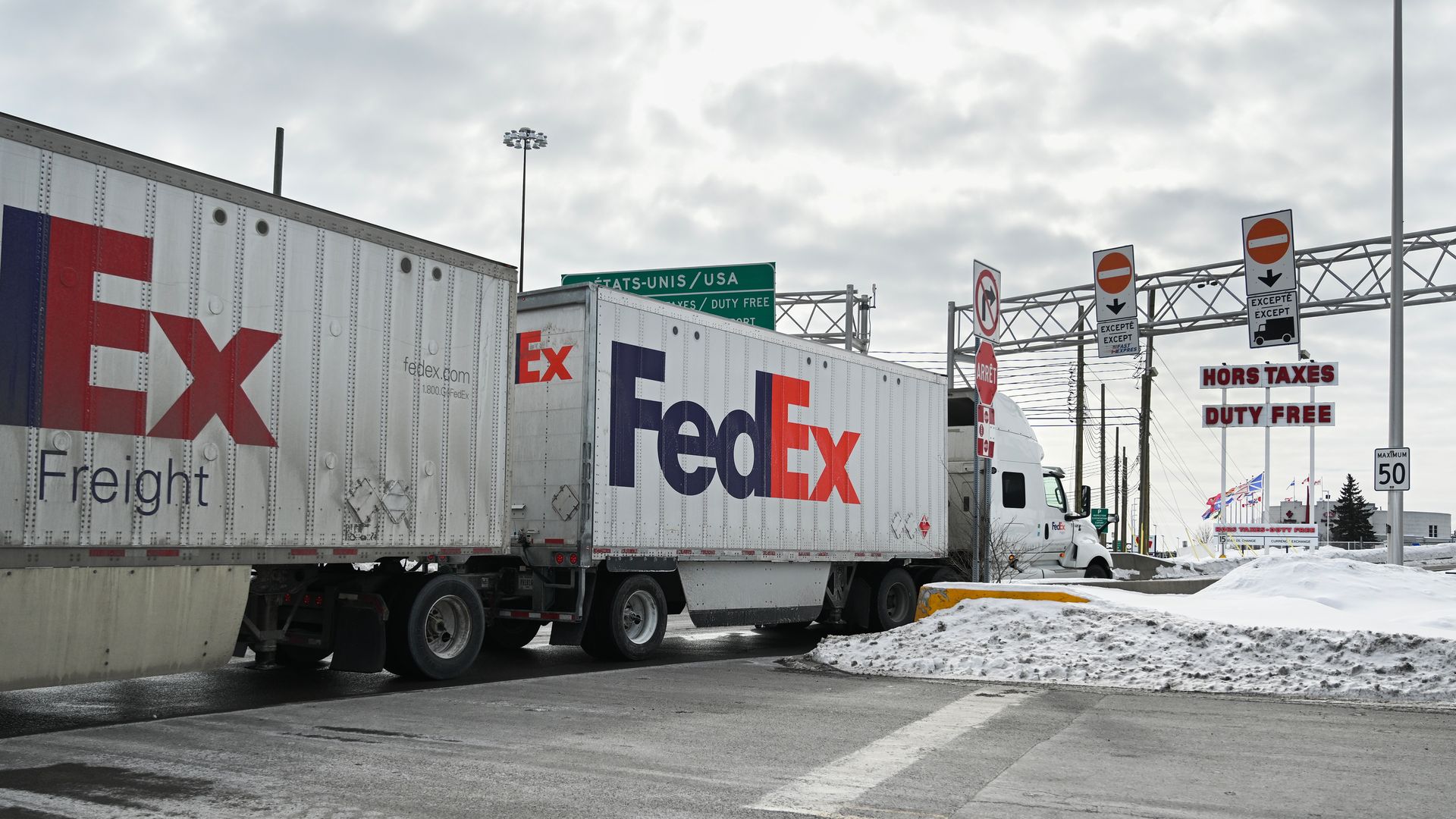
The big picture: Even though the brunt of tariffs was mostly passed onto consumers, any reimbursement is likely to go to the businesses in question — but some companies are already pledging any compensation to their customers.
The overnight military strikes on Iran will likely push up oil prices by creating new risks to supplies from the region that's home to a large chunk of global output and transit.
Why it matters: Americans are about to feel the impact of the joint military operation by the U.S. and Israel.
Why it matters: The generation with a reputation for preferring fully remote work is actually the least likely to want it — reflecting deeper worries about connection and growth, recent Gallup polling shows.
Amazon says its multibillion-dollar OpenAI partnership could power consumer products with customized AI models — but it isn't saying exactly how yet.
Why it matters: While the $50 billion deal is mainly about cloud compute and chips, it could also eventually reshape how millions of people search for products, compare options and decide what to buy.
An epic capital spending boom is squeezing certain prices higher, while promising sharp productivity gains and potentially huge job losses. What's a central banker to do?
The big picture: The AI boom is likely to affect the appropriate monetary policy in multiple ways, with some effects pointing to higher rates and others toward lower. Those different impacts will play out on different timelines and with different magnitudes.
The pay gap between high-earning millennial and Gen Z men and women is shrinking compared with earlier generations. That's the good news.
Why it matters: Women are doing it by working longer hours and staying in the workforce, rather than taking timeouts for child care, a new working paper published in the National Bureau of Economic Research finds.
President Trump's proposal for retirement accounts, announced earlier this week, has some real policy chops underneath it.
Why it matters: While still vague, the plan arrives at a moment when policy wonks are rethinking how the U.S. handles retirement, one of the most feared chapters in a working person's life.
Republicans want the upcoming surface transportation bill to require EV owners to pay more. Democrats want it to address climate change. And businesses see it as a way to overhaul how federal permits are awarded.
Why it matters: With that many competing interests, there's a higher risk that Congress won't be able to pass a bill quickly —and a lapse could create funding gaps or uncertainties for fixing roads and other projects.
Target will require every cereal it sells — including national brands — to be made without certified synthetic colors by the end of May, the company exclusively told Axios.
Why it matters: The shift puts Target among the first national retailers to remove the additives across an entire grocery category — compelling major cereal makers to reformulate if they want shelf space.
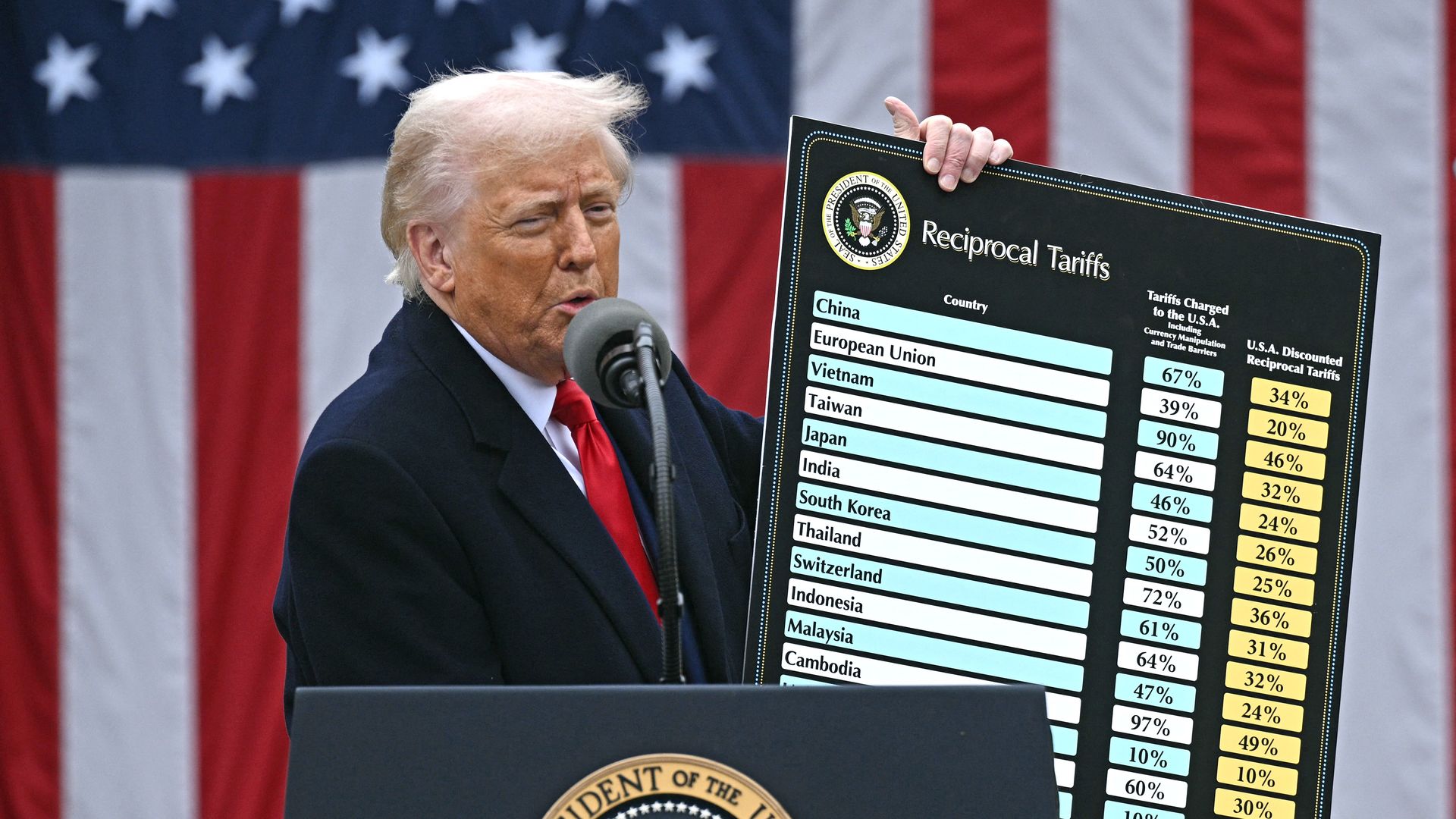
Following the Supreme Court's blow to President Trump's sweeping tariffs agenda, the prospect of compensation for Americans remains an open question.
The big picture: A growing number of Democrats, however, are declaring that Americans are owed billions in compensation, which amounts to about $1,700 per household.
Fast food giants are escalating the beef — rolling out bigger burgers and upgraded classics as they fight to revive traffic in a price-weary fast-food market.
Why it matters: After years of price hikes and softening traffic, chains are out to prove their burgers are still worth the cost — by going bigger (more beef, more cheese, signature sauces) or going better (upgrading the classics customers already know).
In repeatedly rebuffing takeover offers from Paramount Skydance, Warner Bros. Discovery's board managed to create one of Hollywood's most dramatic and lucrative bidding wars, ultimately elevating the company's stock price and leading to a $31-a-share deal with Paramount.
Why it matters: If the deal ultimately gets approved by regulators and goes through, Warner Bros. Discovery CEO David Zaslav will have cemented his legacy as one of the savviest media dealmakers of all time.
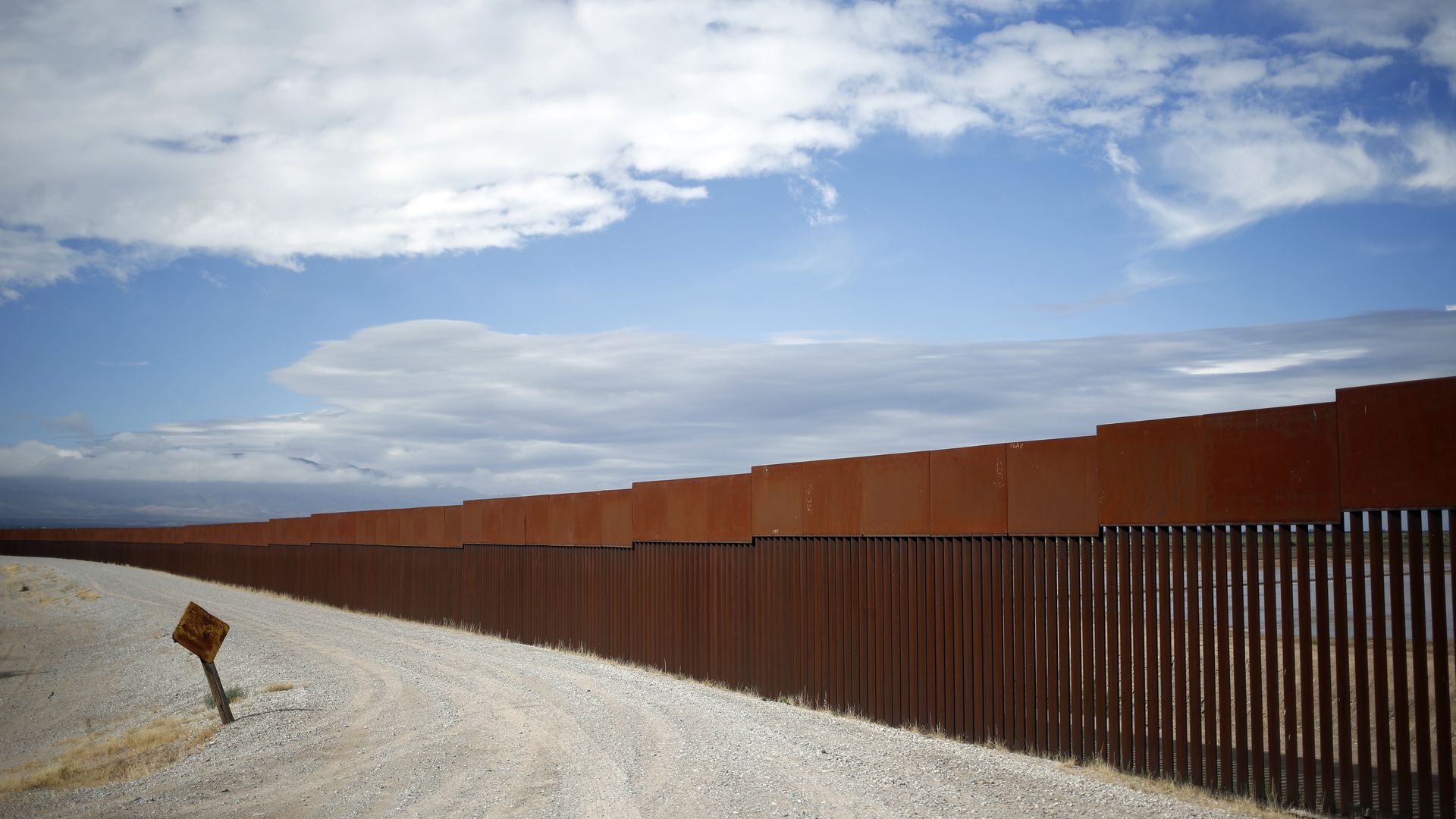
The Federal Aviation Administration prohibited flights in a Texas region near the border with Mexico after the Defense Department accidentally shot down a border patrol drone on Thursday, an administration official told Axios.
The big picture: Per an FAA notice, the agency issued airspace restrictions "for Special Security Reasons" after the Pentagon shot down the drone in the area around Fort Hancock, just over 50 miles southeast of El Paso — the scene of a similar airspace closure earlier this month.
Seven years ago, after my husband of 28 years died suddenly, I was sitting at my kitchen table with my not-quite-adult kids and my rabbi. I kept repeating, "What do I do now?" Rabbi Andy didn't know what I was asking — "You mean spiritually?"
No. I meant what do I actually do? How do I take care of this family?
Netflix said Thursday that it won't raise its bid for Warner Bros. Discovery's streaming and studio assets, allowing Paramount Skydance to emerge as the winning bidder.
Why it matters: The statement came shortly after WBD's board announced that Paramount's revised bid of $31 per share was superior to its deal with Netflix.