FDA approves 3 color additives as part of RFK Jr. dye ban effort

Add Axios as your preferred source to
see more of our stories on Google.
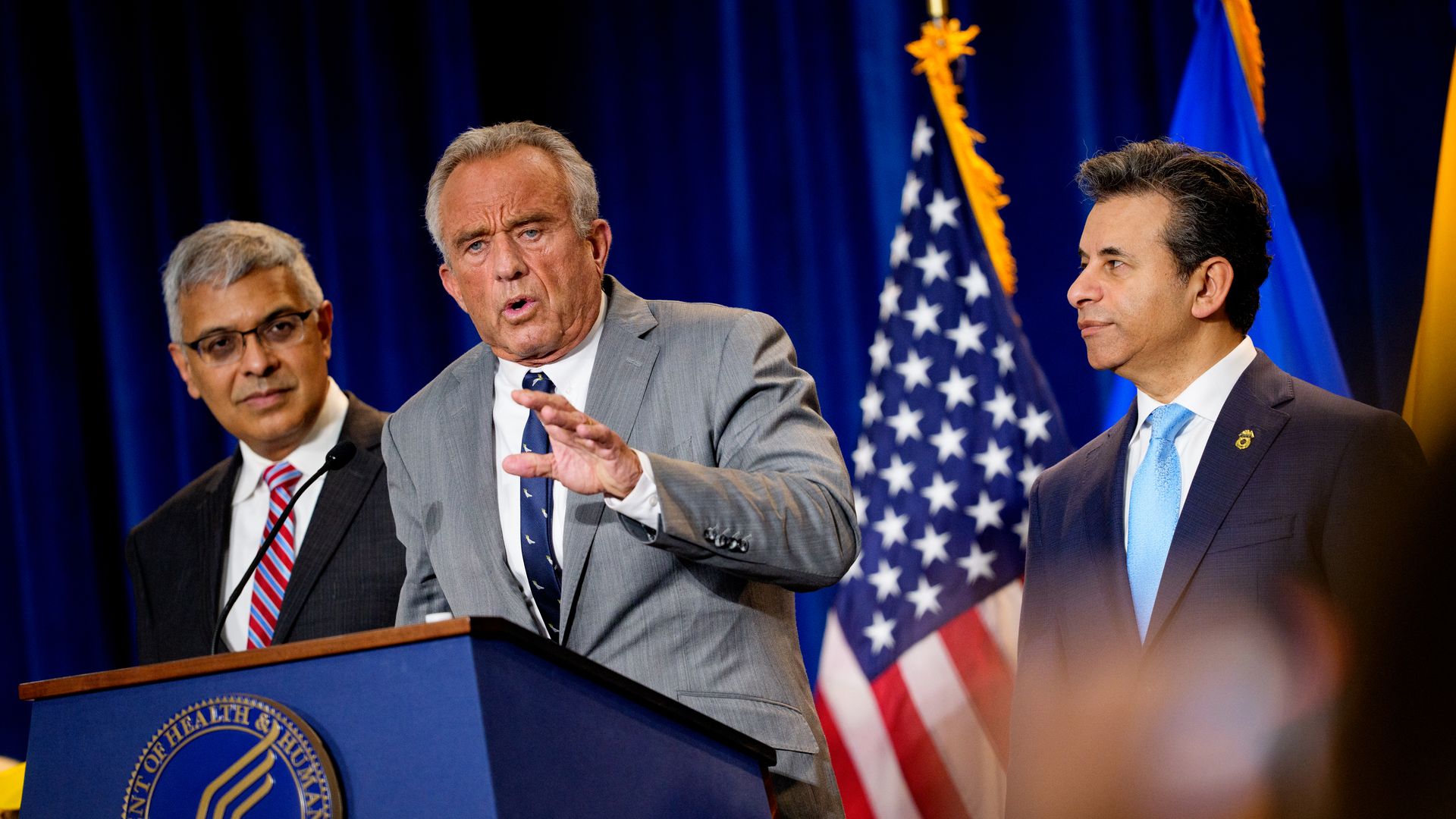
Photo: Andrew Harnik/Getty Images
The FDA on Friday approved three natural color additives, in its first regulatory action since HHS Secretary Robert F. Kennedy Jr. launched a bid to eliminate synthetic dyes from the food supply.
Why it matters: Officials said more food manufacturers are voluntarily committing to removing petroleum-based dyes over Kennedy's two-year time frame, even as food and industry experts question the necessity of alternatives.
The big picture: Last month, Kennedy and FDA Commissioner Marty Makary announced what they termed "an understanding" with food makers to remove eight common artificial dyes from their products.
- Kennedy and other officials argue that research into the health effects of these ingredients has been largely stifled, and point to increasing rates of childhood illnesses like obesity, diabetes and ADHD as justification for substituting natural ingredients.
Details: The newly approved dyes include two different colors of blue and a white.
- One blue colorant from the French company Fermentalg, is derived from an algae and was approved for use in nonalcoholic beverages and beverage bases, breakfast cereals, hard candy and other products.
- A second dye made from butterfly pea flower extract and submitted by St. Louis-based Sensient Colors already used to achieve bright colors in sport drinks and alcoholic beverages was approved for expanded use in ready-to-eat cereals, crackers, snack mixes and chips.
- A white color made from calcium phosphate made by New Jersey-based Innophos Inc. was approved for use in ready-to-eat chicken products, white candy melts, doughnut sugar, and sugar for coated candies.
Yes, but: Experts have warned against the fallacy that chemicals or compounds with hard to pronounce names are by definition "bad" while natural ingredients are necessarily "healthy."
- The food industry has argued the synthetic dyes it uses are safe, in approved levels.
- Experts have also warned phasing out artificial dyes without robust evidence they are harmful could set a worrying precedent for food regulation that's not backed up by science.
