Plunging U.S. sales dinged Anheuser-Busch's earnings, but the alcohol giant said the fallout from its Bud Light controversy is diminishing and the company's global footprint is containing the damages.
Why it matters: A right-wing backlash to a Bud Light promotion with transgender social-media influencer Dylan Mulvaney sent Anheuser-Busch into a tailspin in recent months.
The U.S.'s largest crypto exchange on Thursday reported earnings, prompting some initial shareholder groans — the numbers were fine, the regulatory uncertainty was less so.
What's happening: Coinbase Global's second quarter ended in June showed what was largely expected out of a crypto exchange doing battle with regulators over how it's running its business — revenue declined as result of sapped trading volumes
Hyundai and Kia are recalling nearly 92,000 vehicles because an electronic controller in an oil pump assembly may contain damaged components that can lead to overheating.
Why it matters: The overheating increases the risk of vehicle fires, the National Highway Traffic Safety Administration said in letters about the recalls to the car manufacturers.
Email remains the most used channel for reaching employees, but roughly one-third of corporate memos are left unread, according to an Axios HQ report and Smart Brevity research.
That's because these communications are often boring, long or irrelevant.
Why it matters: If businesses hope to grab the attention of busy employees, they must market to them in the same way they market to consumers: with entertaining and personalized content.
One reason to be optimistic that U.S. inflation can fall without a recession: Many smaller nations that did move earlier than the Federal Reserve to hike interest rates have done exactly that.
Why it matters: The unusual dynamics of a post-pandemic global economy appear to be making a so-called "immaculate disinflation" — one with minimal pain — more plausible than it once seemed based on the historical record.
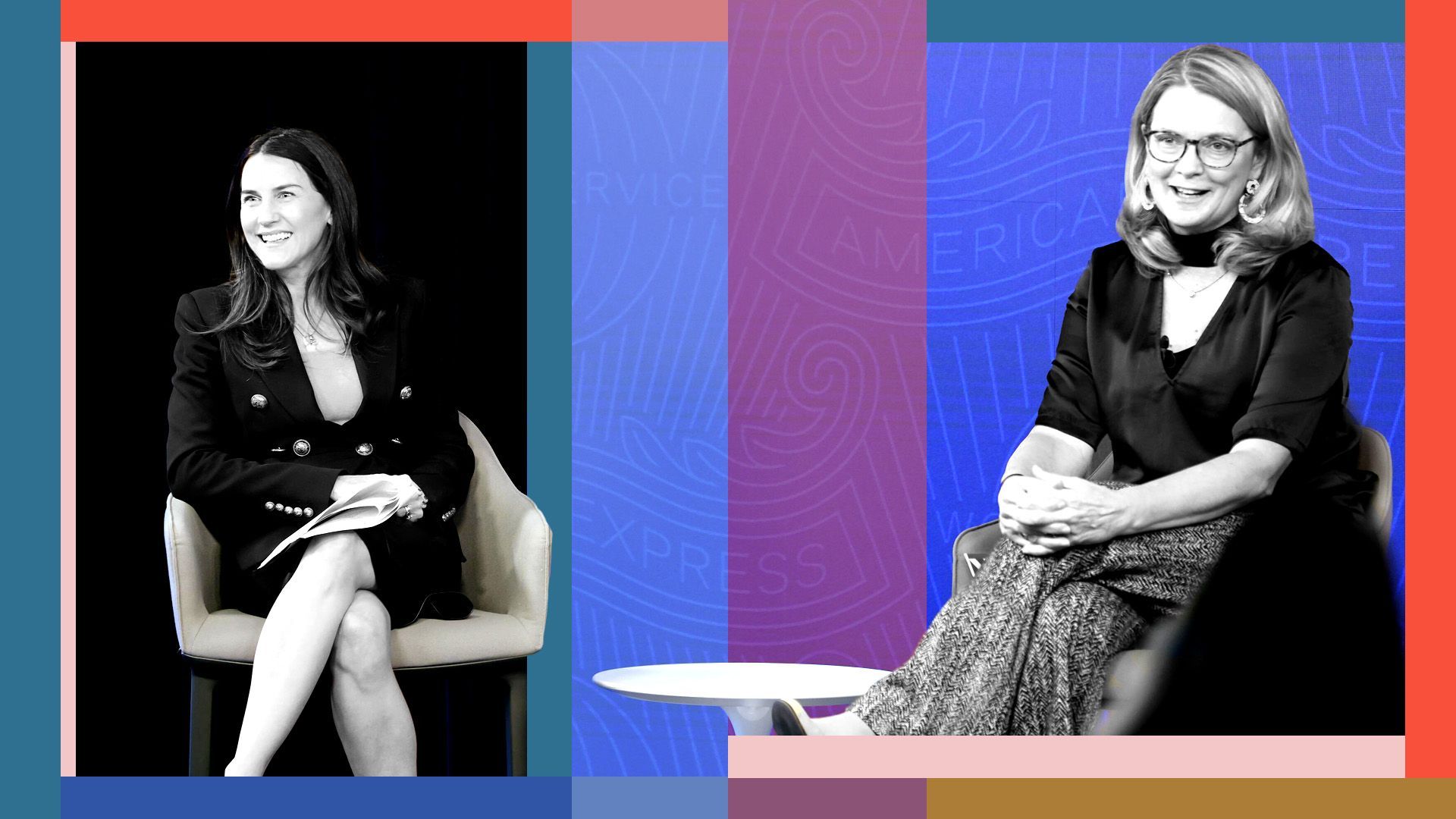
Warren Buffet gave American Express CEO StephenSqueri some advice in the lead-up to the COVID-19 pandemic: “Protect two things— protect your customers and protect your brand.”
Why it matters: Jennifer Skyler and Elizabeth Rutledge are tasked with doing just that.
As the chief corporate affairs officer and chief marketing officer respectively, it's the brand that binds them together.
Venture capitalists valued virtual events company Hopin at around $7.6 billion in mid-2021, believing that the pandemic had permanently changed the nature of live gatherings.
Fast forward: Those investors are now getting some of their money back, as Hopin moves to a new model at a much lower valuation, Axios has learned from multiple sources.
Driving the news: RingCentral, a publicly traded rival to Zoom, on Wednesday said it's agreed to buy Hopin's events management platform and interactive engagement tools.
No financial terms were disclosed. [Update: A subsequent regulatory filing from RingCentral puts the price at upwards of $50 million]
Behind the scenes: Hopin plans to use some of the proceeds, plus existing cash, to provide partial liquidity for its venture capital backers, who invested more than $1 billion. Specifically, those participating in the Series B round and beyond can expect to recoup around half of their outlays.
They'd also remain shareholders in the remaining company, which is pivoting to focus on a video streaming product called StreamYard (based on a 2021 acquisition). There might even be a rebrand in the future.
Among the changes will be the departure of Hopin CEO Johnny Boufarhat, who netted nearly $200 million via a secondary tied to the 2021 venture round.
Not all investors, however, seem interested in sticking around for what's effectively a new company, revalued closer to $400 million, and are expected to effectively exit. Likely parties here are crossover firms like Altimeter Capital Management.
The new valuation should help Hopin attract new employees, as the prior price made hiring difficult.
Neither Hopin nor Altimeter returned requests for comment.
Jamie Dimon is done doing deals to grow America's largest bank.
Driving the news: Wall Street's longest-serving CEO on Wednesday told CNBC that JPMorgan Chase no longer has an appetite for acquisitions, in part because U.S. regulators "don't want big banks to do other deals to make them bigger."
Cresco Labs, a Chicago-based marijuana producer, and New York-based rival Columbia Care have terminated their $2 billion all-stock merger, which would have created the largest U.S. cannabis company by sales.
Why it matters: This reflects how hard it is for U.S. cannabis companies to do business, despite expanded legalization.
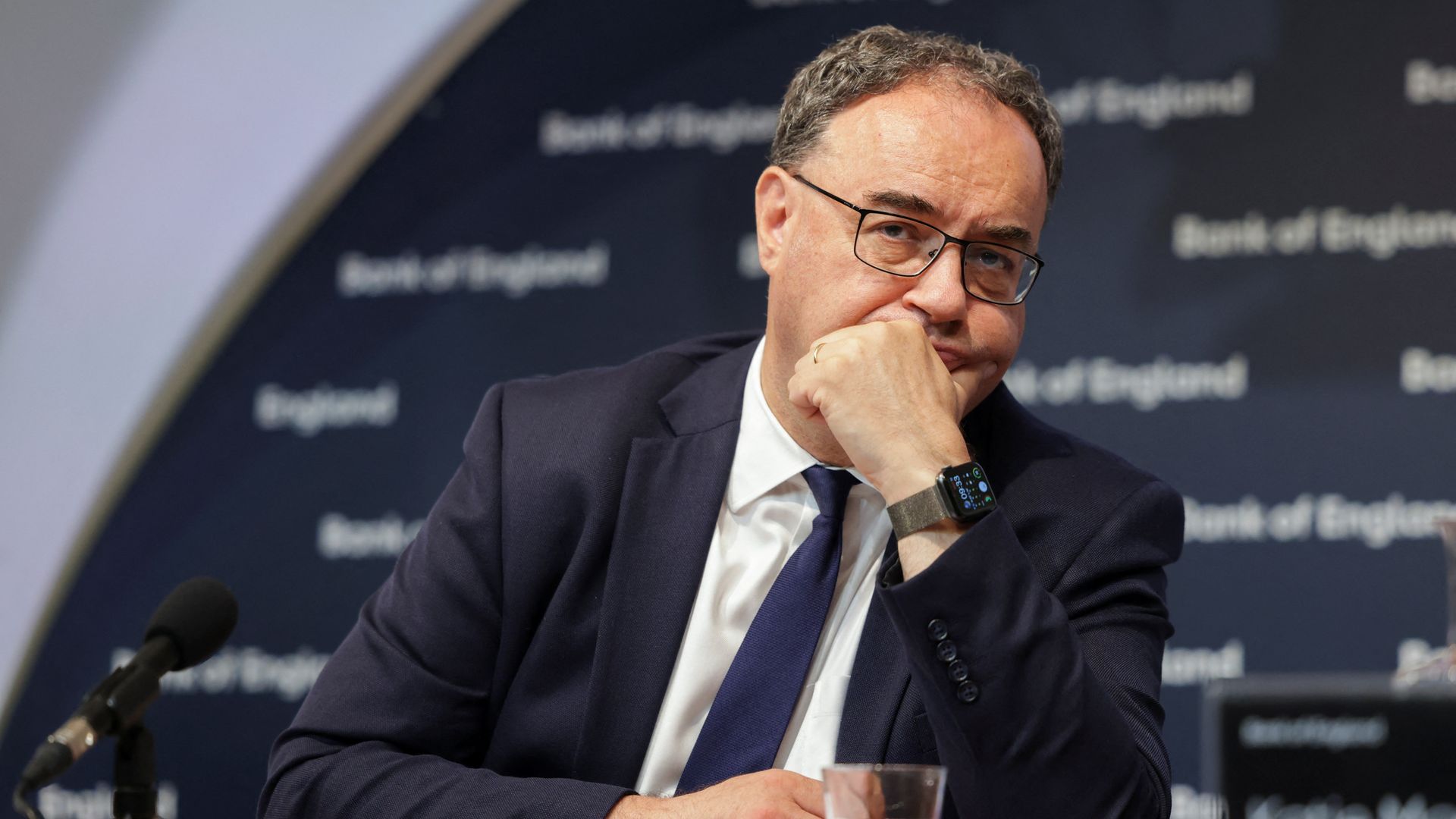
The Bank of England on Thursday raised interest rates by a quarter percentage point, making it the latest central bank to push borrowing costs higher as inflation pressures remain.
Why it matters: The Bank of England has acted aggressively to contain inflation in the U.K., with 14 consecutive rate increases. The country is facing the worst cost-of-living crisis of any major advanced economy.
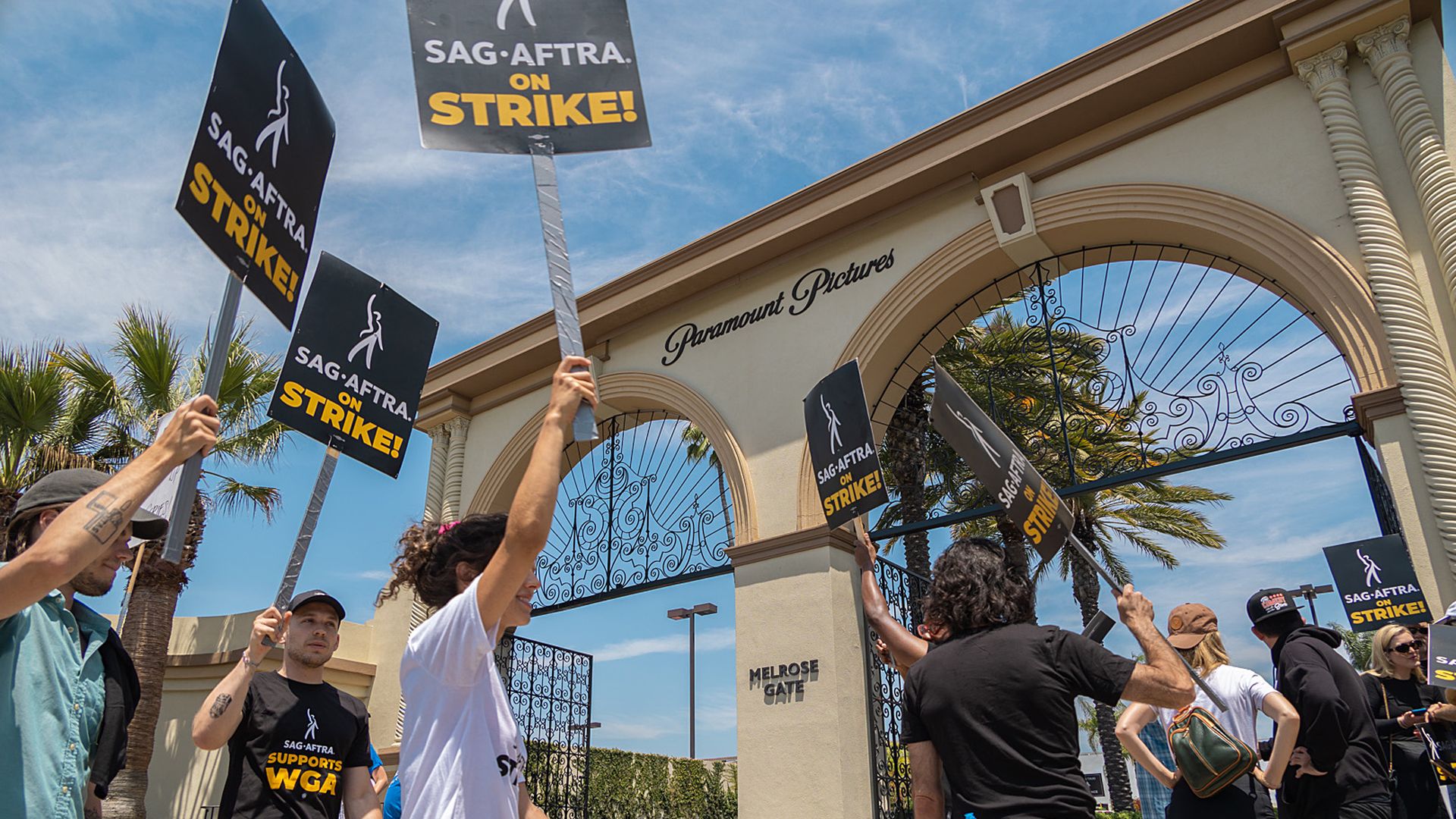
As Hollywood writers and actors strikes stretch on, states and local businesses are suffering billions of dollars' worth of losses amid the halt in production.
Why it matters: Film and TV production hubs like California, New York and Georgia now face massive budget losses even as they content with the problems of high inflation and rising cost of living.
The U.S. and Europe have a $300 billion problem: What to do with the Russian central bank assets that Western governments froze back in February 2022.
Why it matters: Western leaders are under enormous pressure to redeploy these funds for the benefit of Ukraine — but concerns that such a move is legally dubious under both domestic and international law have prevented any action so far.
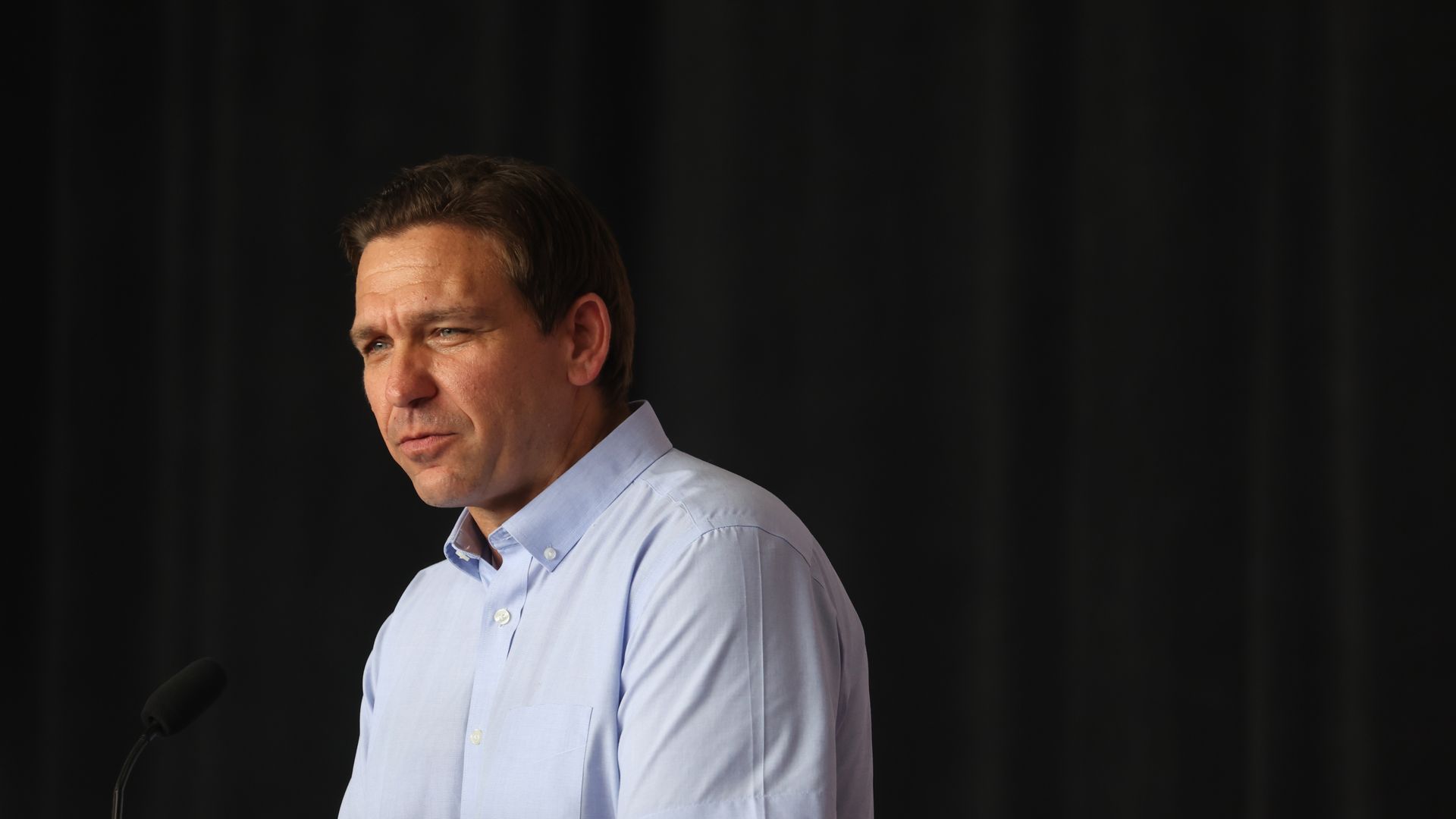
The policies of Florida Gov. Ron DeSantis' (R) administration have led two major Black organizations to move their annual conferences to other states — with both citing the threat of "hostile" conditions, per Yahoo News.
The big picture: The moves by Alpha Phi Alpha, the oldest Black fraternity in the U.S., and the National Society of Black Engineers, one of the nation's biggest student-governed organizations, come two months after the NAACP issued a travel advisory for Florida, calling the state "openly hostile toward African Americans, people of color and LGBTQ+ individuals."