Bicyclists suffer more severe injuries when they're struck by SUVs than when they're hit by cars because the point of impact is higher, a new Insurance Institute for Highway Safety (IIHS) study shows.
Why it matters: Fatal bicycle crash rates have risen dramatically over the past decade, and researchers attribute the trend to the growing number of large SUVs and pickups on U.S. roads.
Chain retailers are losing their grip on weddings as engaged couples make alternative plans for gowns and gifts.
Why it matters: The very things that for decades helped big-box chains like David's Bridal and Bed Bath & Beyond dominate the wedding industry — their significant floor space and massive inventory — have turned into liabilities in the digital age.
Airlines, aviation officials and the TSA are all telegraphing an alarming message for travelers: Flying is shaping up to be an absolute nightmare this summer.
Why it matters: It's unusual for all these powers that be to hint so loudly that we're in for a rough few months — and travelers would be wise to heed their warnings.
Staple Street Capital bought Dominion Voting Systems in 2018, with a $38 million equity check and an $80 million enterprise value. It might have been the best private equity deal ever.
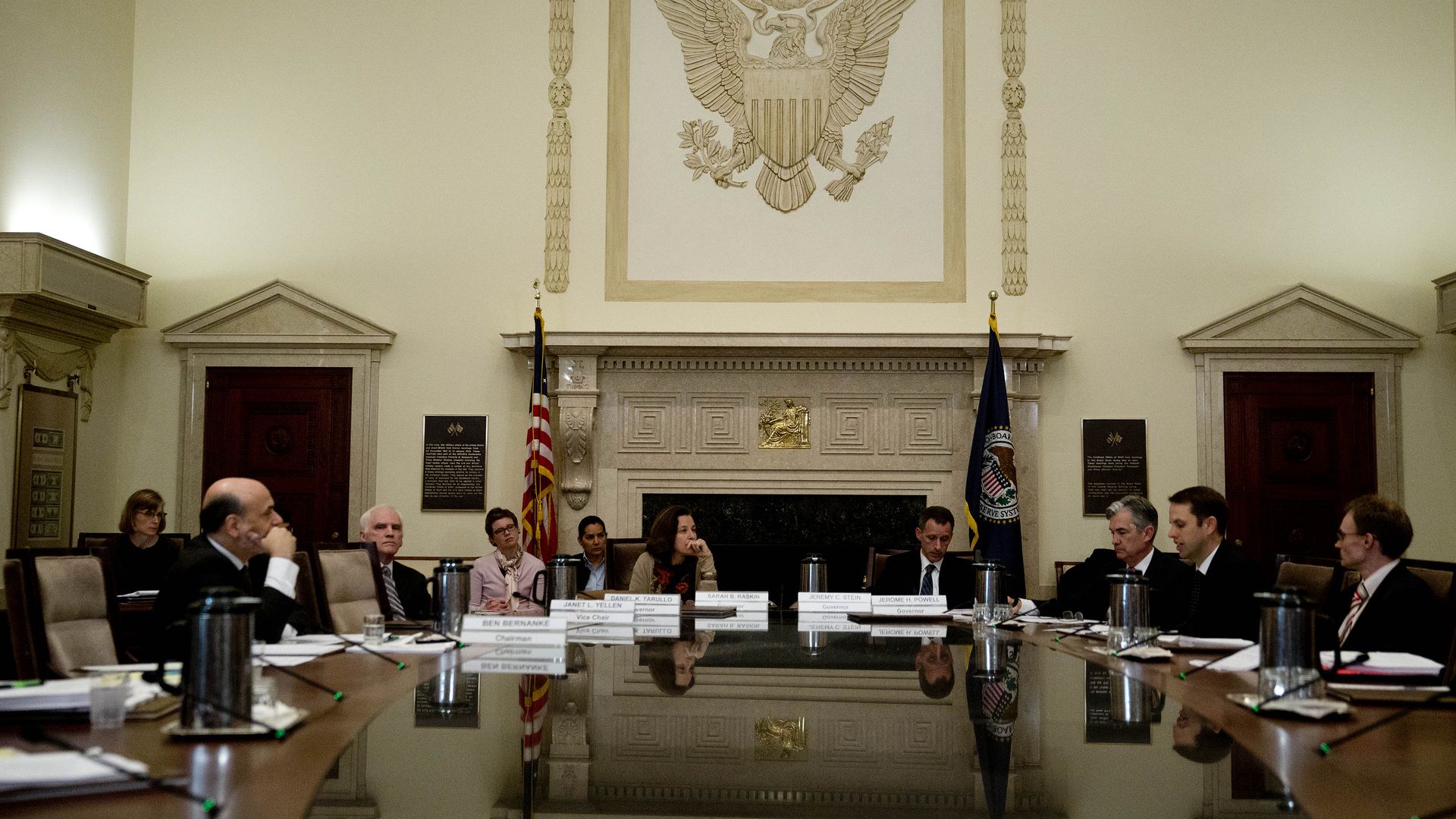
If the United States breaches the federal debt ceiling this summer, the Federal Reserve will be in the thick of it, whether it likes it or not — and a decade-old transcript gives us a glimpse of policy options available to the central bank.
Why it matters: A conference call from October 16, 2013, of the Fed's policy committee was recently made public. It provided a roadmap to what actions the Fed might take if a debt ceiling crisis roils the market for U.S. Treasury bonds.
The Bank of England finds itself in a delicate position: the central bank struck an optimistic tone on the U.K.'s inflation path and hinted that its interest rate hiking cycle might soon come to an end.
Yes, but: A slate of data has pointed to more persistent inflation pressure — not less.
M42, a health care joint venture between Mubadala Investment Co. and Abu Dhabi-based tech firm G42, has agreed to buy Sweden-based dialysis clinic chain Diaverum from private equity firm Bridgepoint.
Why it matters: M42 says the deal makes it the Middle East's largest health care company.
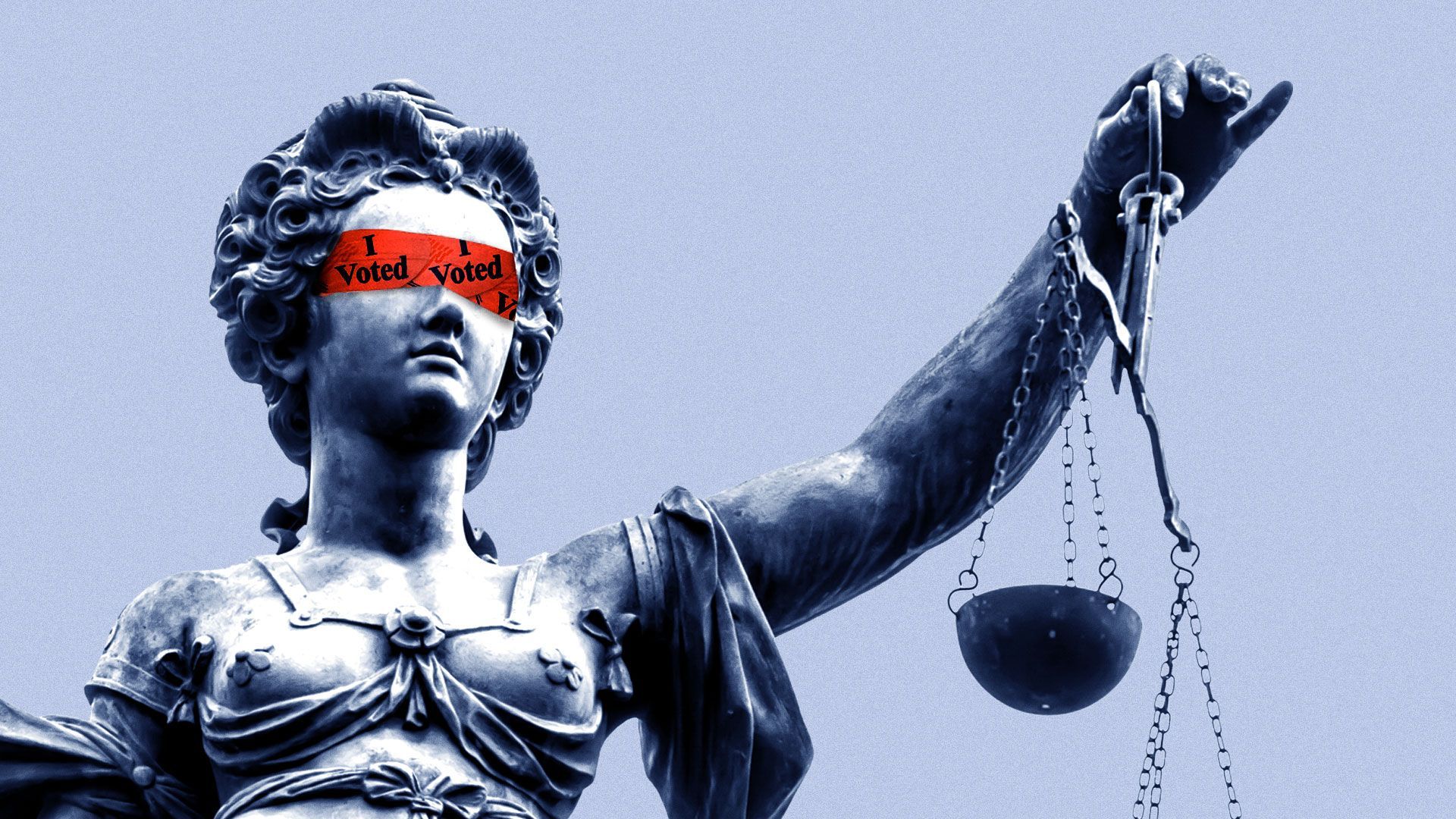
The Fox-Dominion defamation case, like nearly all court cases, settled at the last minute. Expect something very similar to happen with the debt ceiling.
Why it matters: There is a very strong incentive for Republican politicians to talk tough on the debt ceiling, which is weirdly popular with voters in general and Republican voters in particular. There is an equally strong incentive for Democratic politicians to ignore the grandstanding.
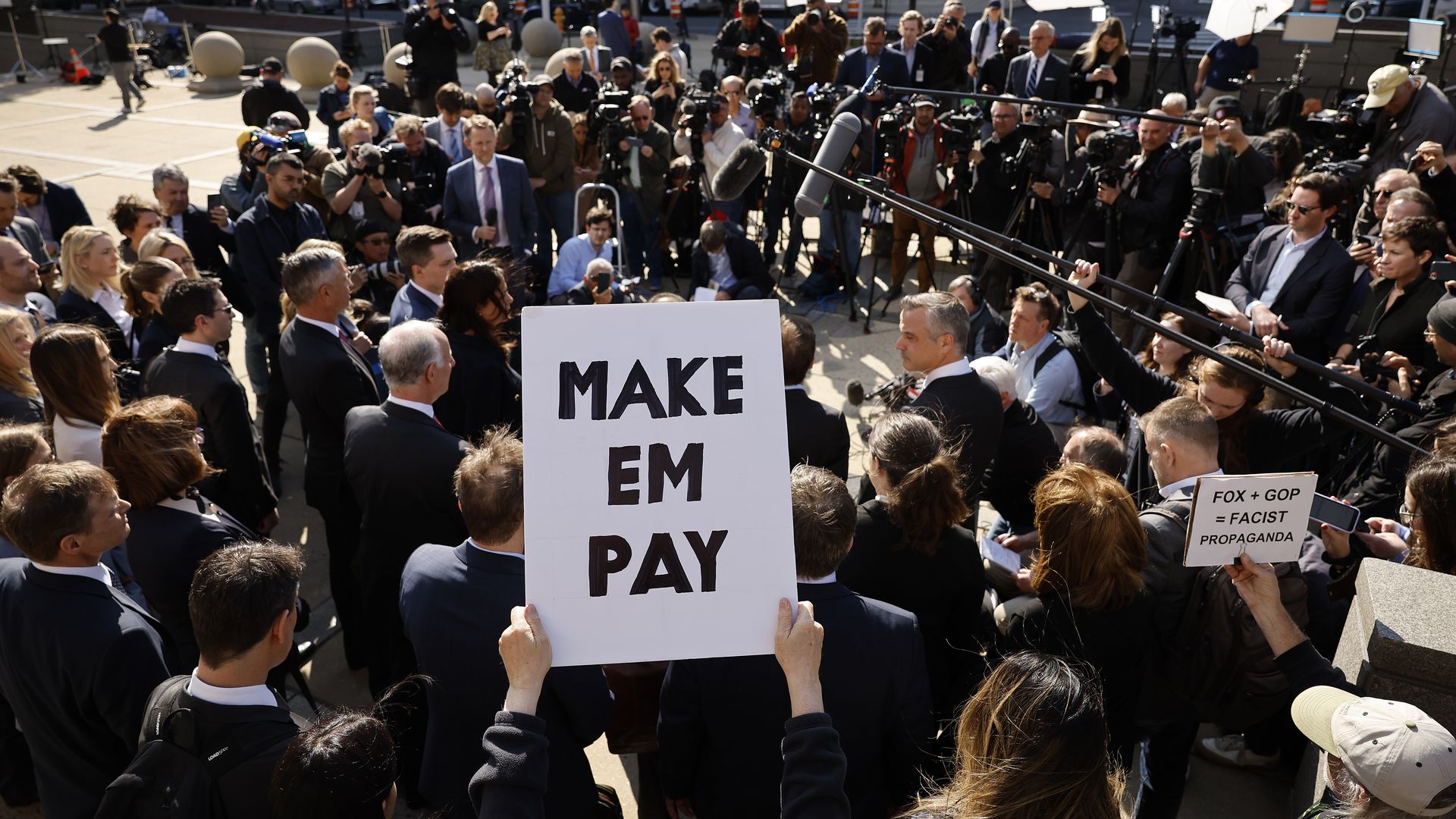
Fox News' $787 million defamation settlement with Dominion Voting Systems ends one lawsuit over the airing of election lies, but there are plenty more to come.
Why it matters: In dodging a trial, Fox was able to spare its executives and hosts further embarrassment on the witness stand. But the agreement also set a new benchmark for how much Fox is willing to pay to make such suits go away.
More than a decade after Netflix blew up television's model with "House of Cards," streaming services more closely resemble the business they disrupted.
Why it matters: Streaming rose to prominence by providing a refuge from all the things consumers hated about the cable TV bundle. But as it matures, consumers are feeling the same pains they sought to avoid.
A viral AI song that replicates Drake and The Weeknd's vocals has been pulled from multiple streaming platforms following a complaint from label Universal Music Group (UMG).
Driving the news: "Heart on My Sleeve" was removed from Spotify and Apple Music on Monday. By Tuesday, it was removed from YouTube, Amazon, SoundCloud, Tidal, Deezer, and TikTok — where it was streamed 15 million times after being originally uploaded on the platform by a user called Ghostwriter977. Some versions were still available online.
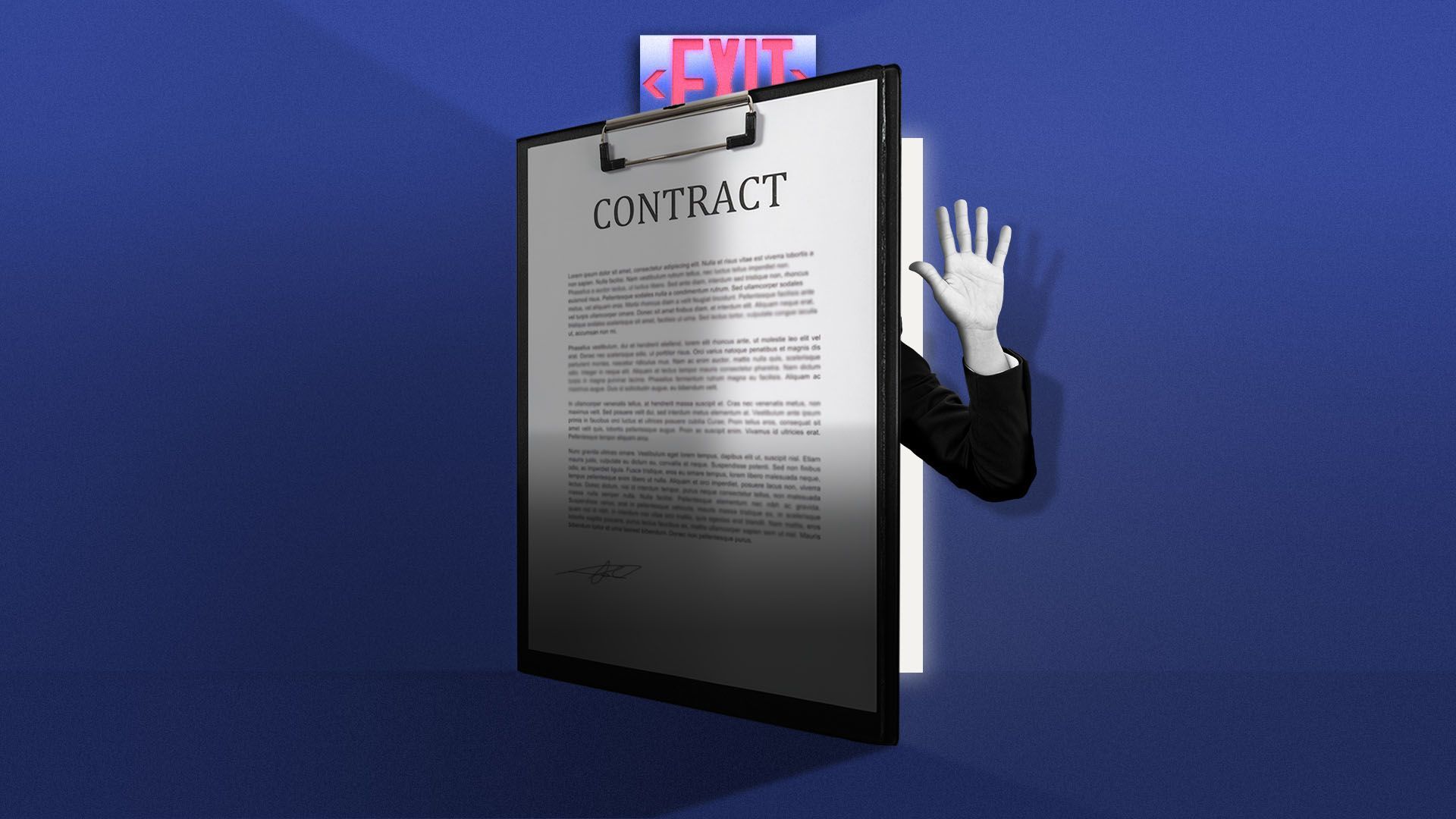
In public comments out Tuesday evening, online review site Yelp makes a forceful argument in favor of the Federal Trade Commission's proposed ban on noncompete agreements.
Why it matters: There's general consensus, even in the business community, that lower-paid hourly workers shouldn't be forced to sign noncompetes — but Yelp argues that subjecting senior executives to these contracts is bad for business, too.


/2023/04/19/1681924715407.gif?w=3840)