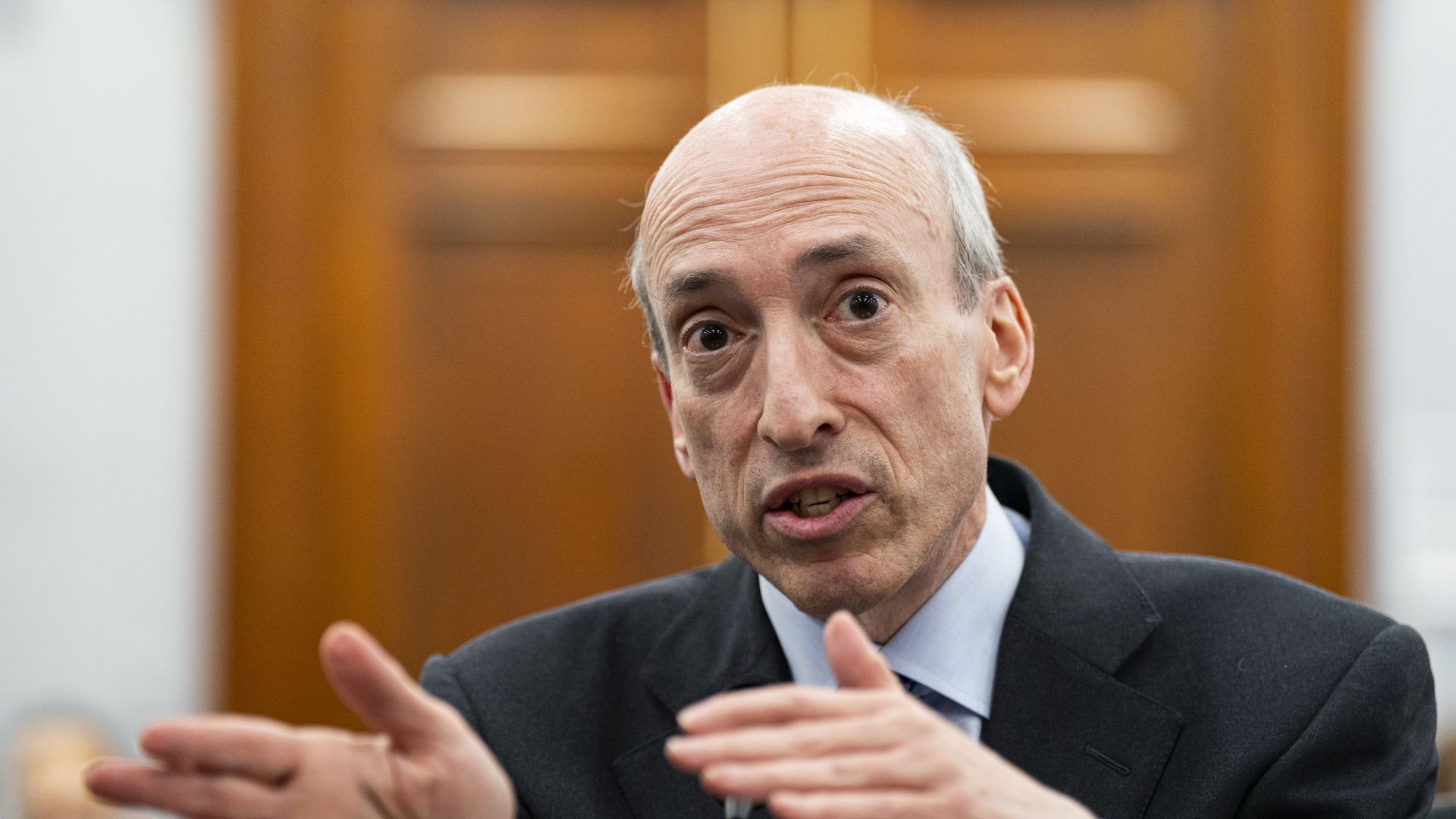
The Securities and Exchange Commission is suing Seattle-based Bittrex, less than a month after the crypto exchange said it was leaving the U.S. market due to regulatory uncertainties.
Driving the news: The SEC on Monday charged the platform for illegally operating a national securities exchange, clearing agency and broker, servicing U.S. investors.
One of the most persistent economic narratives of 2021 and 2022 was that of missing workers. Many Americans seemed to have simply vanished from the labor force during the pandemic, leaving employers in a lurch.
That's no longer the case, White House economists argue in a new post presenting evidence that labor supply has returned to its pre-pandemic trend.
Why it matters: It would be way less painful if the U.S. labor market were to come into a better, non-inflationary balance because labor supply increased, rather than labor demand decreased.
Nielsen has regained accreditation for its national TV ratings after meeting the Media Rating Council's standards.
Why it matters: A lack of accreditation had contributed to a loss of faith in what had been considered the media industry's most authoritative provider of TV measurement, giving rise to alternative measurement companies.
Attention fellow Federal Reserve watchers: ChatGPT can apparently read between the lines of crucial — and sometimes challenging-to-parse — communications from central bankers.
Why it matters: That is the upshot of a recent paper by two Fed staffers who ran several tests to determine whether the artificial intelligence tool could accurately decipher hawkish signals from dovish ones. According to their findings, the answer is yes.
Merck has agreed to buy Prometheus Biosciences, a San Diego-based immunology biotech with an ulcerative colitis candidate, for around $10.8 billion in cash.
Why it matters: Merck is trying to find a new blockbuster drug for once Keytruda begins facing U.S. competition in 2028.
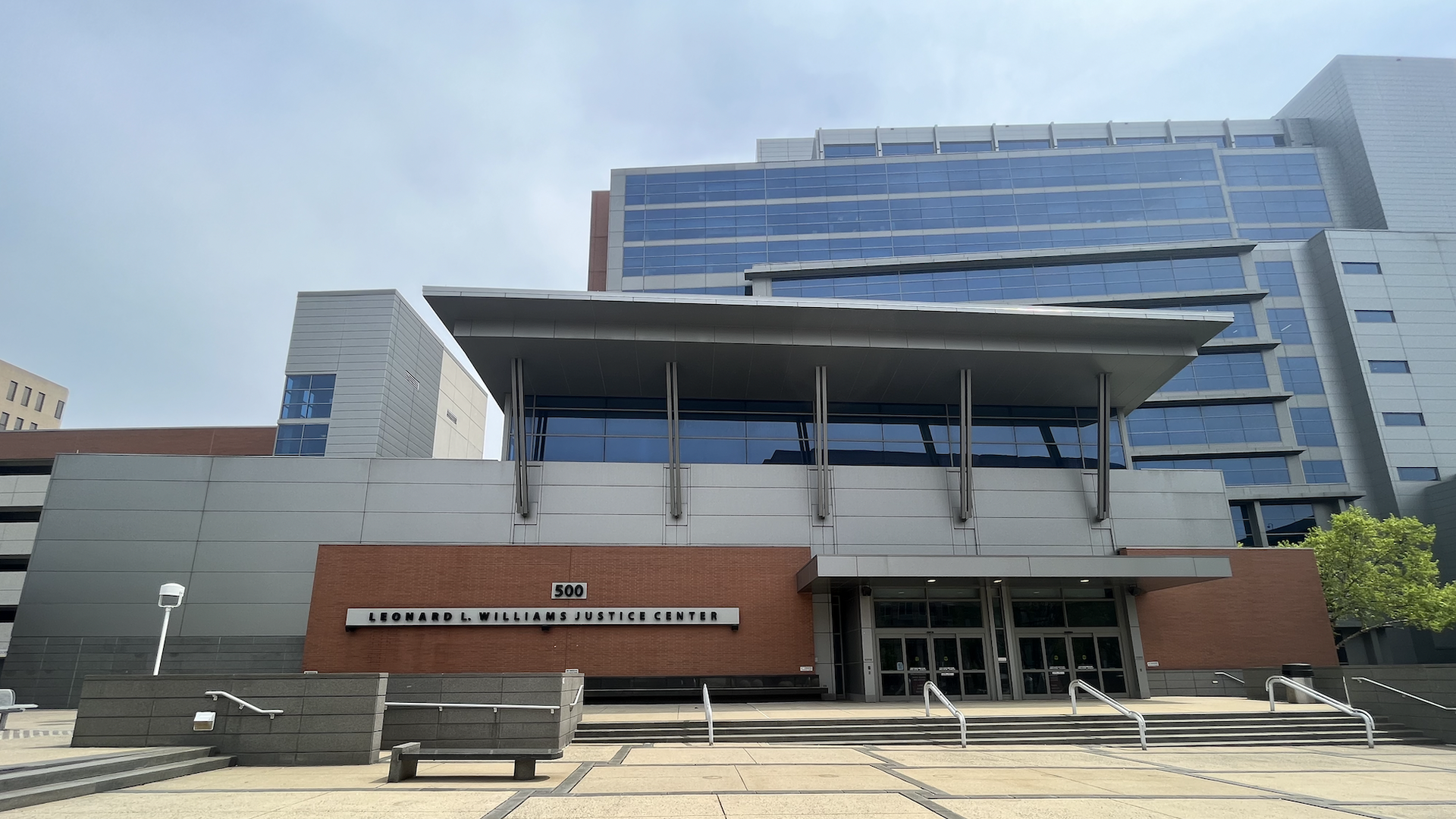
A Delaware judge presiding over the landmark defamation case between Dominion Voting Systems and Fox News said Monday that the delayed trial will now begin Tuesday at 9am ET.
Why it matters: The unexpected delay Sunday evening spurred rumors that the two parties were trying to work out a settlement ahead of the six-week planned trial. The judge did not mention anything about a potential settlement Monday morning.
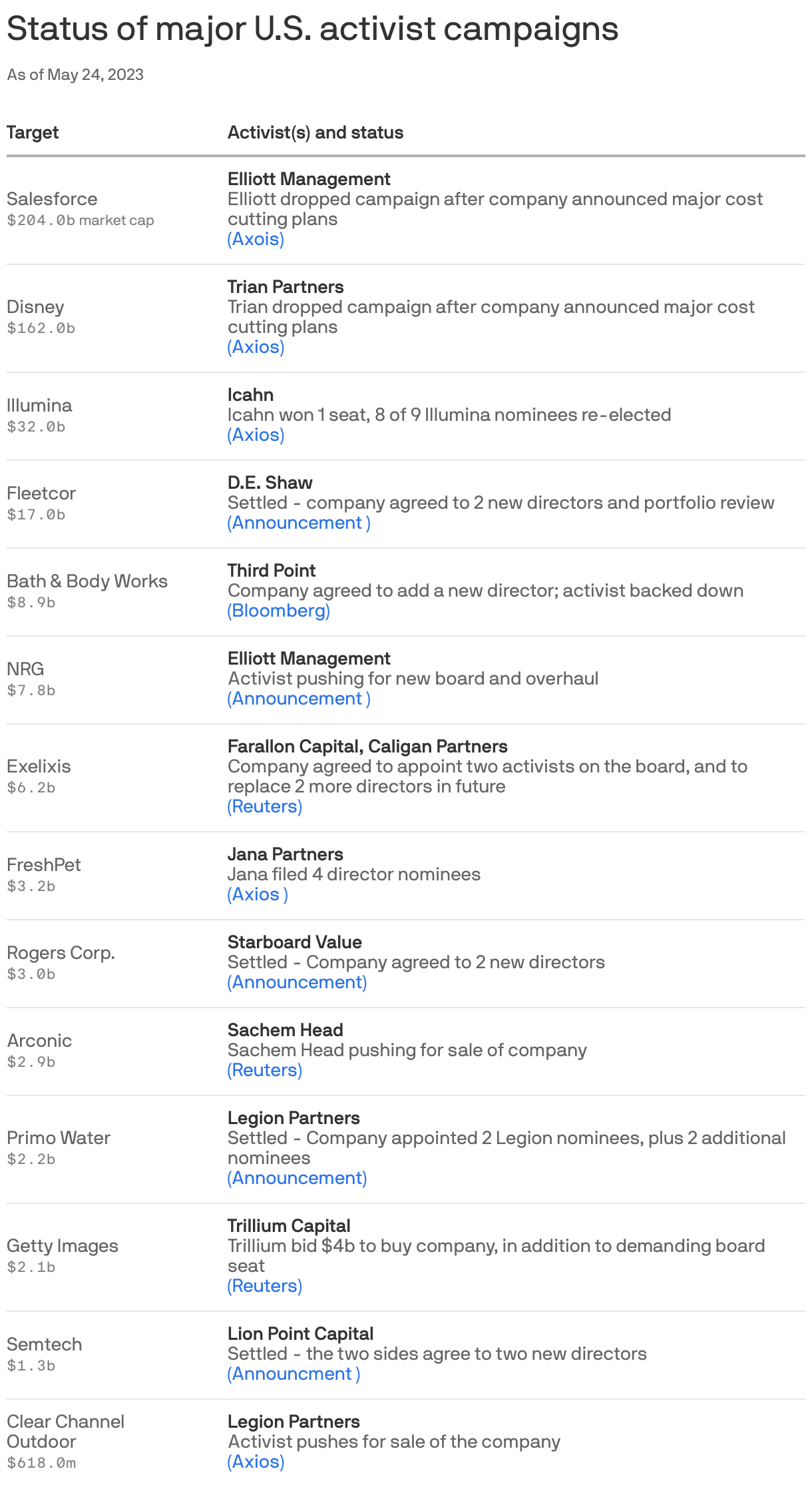
Shareholder activists in the U.S. started the first quarter with a roar and ended with a whimper, as campaigns outside the U.S. hit a new record.
Why it matters: The decline in U.S. activist campaigns is a sign of the broader financial market concerns weighing on dealmaking and the economy.
Yes, but: Global activism saw the most campaigns on record (up 14% to 83), driven by U.S. activists turning to Europe for targets, and a South Korean investor who launched 8 campaigns in the country in Q1 alone.
Driving the news: Q1 activity in the U.S. dropped 30% to 31 campaigns from the year ago period, Barclays data show, the slowest quarter for activists since the pandemic hit in 2020.
Last year at this time, 85 board seats were in play at companies trying to fend off activist investor advances. Right now, only 31 seats are in play, and major campaigns waged against Disney and Saleforce early in the year quickly settled.
One issue hitting activists at the moment is the moribund M&A market. Year after year, around half of activist campaigns aim at pushing a company into a sale or a divestiture. That's hard to do when deal activity is dropping.
"If the M&A tool isn’t available to activists, then that is the headwind," said Jim Rossman, Barclays' global head of shareholder advisory.
Zoom In: U.S. M&A activity plunged last quarter, with deal value down 50% to around $250 billion.
The low appetite for deals, tight lending markets, and looming inflation worries prompted the normally pugnacious activist hedge funds to step out of the U.S. ring, for now.
"Even though activists could be emboldened with valuations coming down, the counter pressure of the market uncertaintines and the depression in capital and M&A markets is a bigger counterweight than previously thought," Rossman says.
What we're watching: Whether the activists move overseas is temporary or whether it sticks.
European campaigns jumped 60% to 24 in Q1, while Asia jumped 75% to 21.
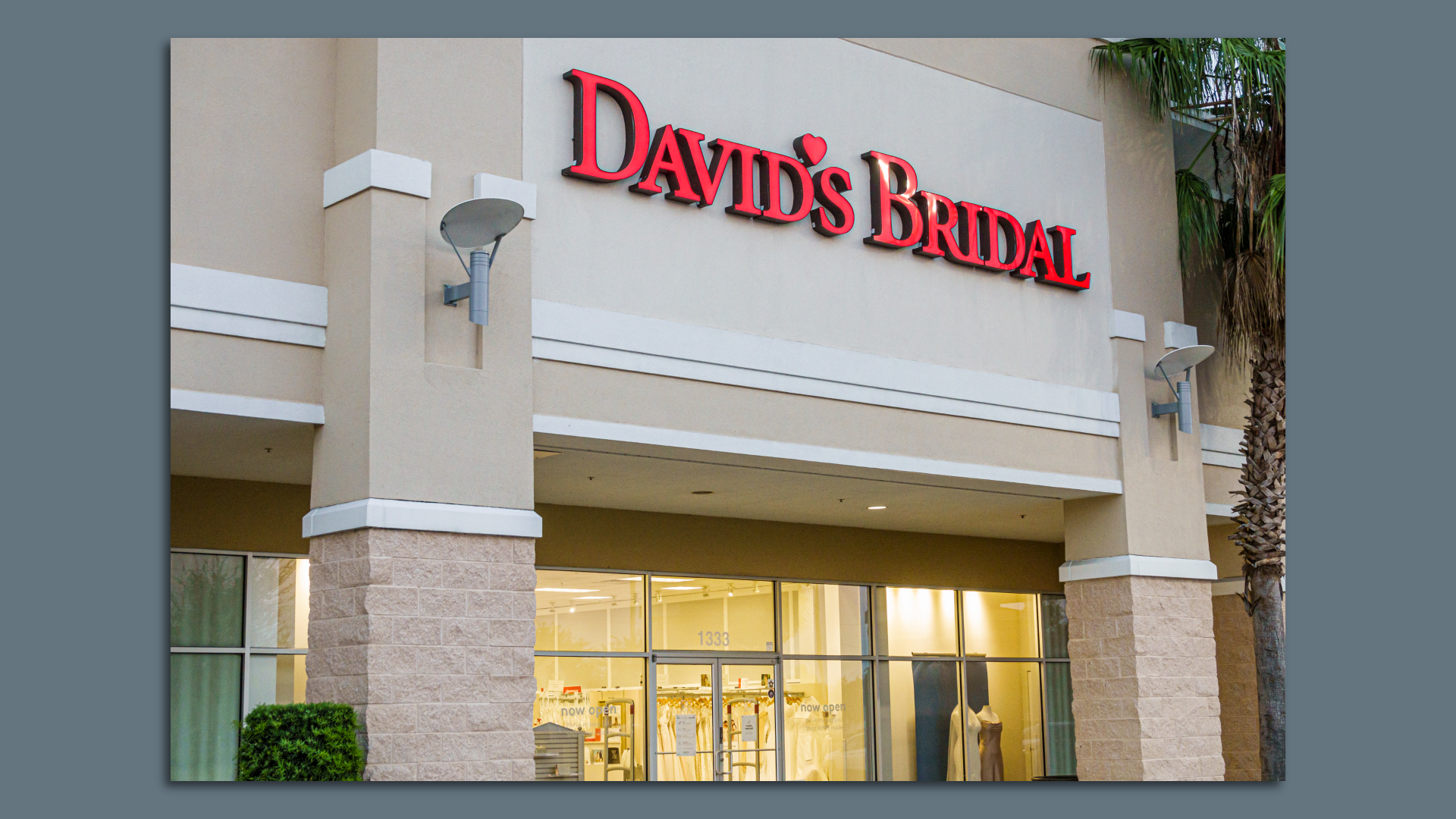
David's Bridal announced early Monday morning it has filed for Chapter 11 protection in U.S. Bankruptcy Court in New Jersey, under which it will continue a sale process for the company.
Why it matters: Distressed situations and bankruptcies broadly are increasing after a relatively quiet 2021 and 2022.
As Russia’s war on Ukraine rolled into a second agonizing year, the International Monetary Fund found itself with a problem: Ukraine needed more money, but the fund’s hands were tied.
Why it matters: The fund ultimately changed its own lending rules, paving the way for it to provide a loan to Ukraine. It’s the first-ever IMF lending program to a country at war, yet another sign of the degree to which the invasion of Ukraine has galvanized much of the international community.
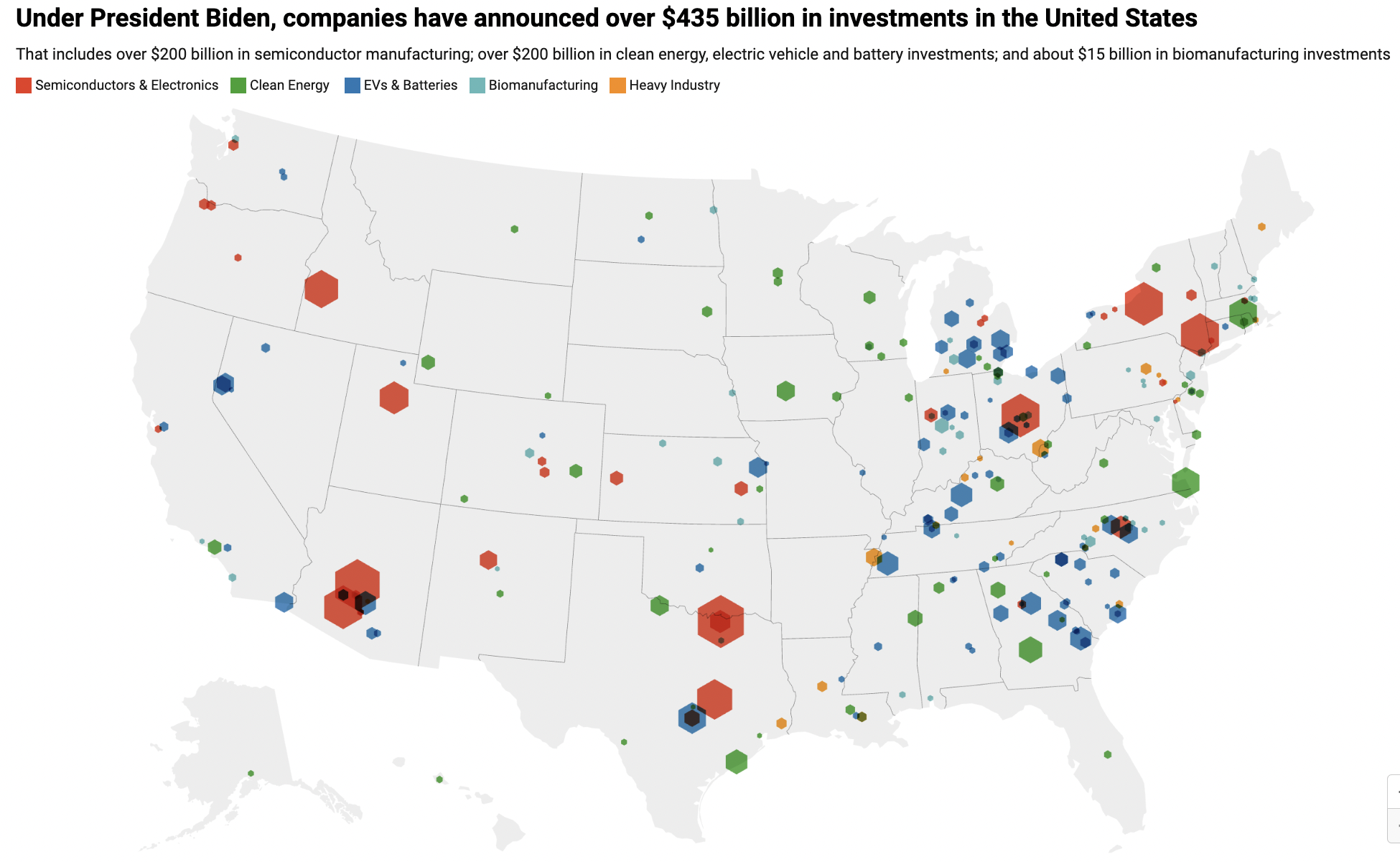
Companies have committed more than $200 billion to U.S. manufacturing projects as President Biden’s "effort to spark a new industrial revolution gains momentum," according to a new Financial Times report.
Why it matters: "The investment in semiconductor and clean tech investments is almost double the commitments made in the same sectors in the whole of 2021, and nearly 20 times the amount in 2019," the FT calculates.
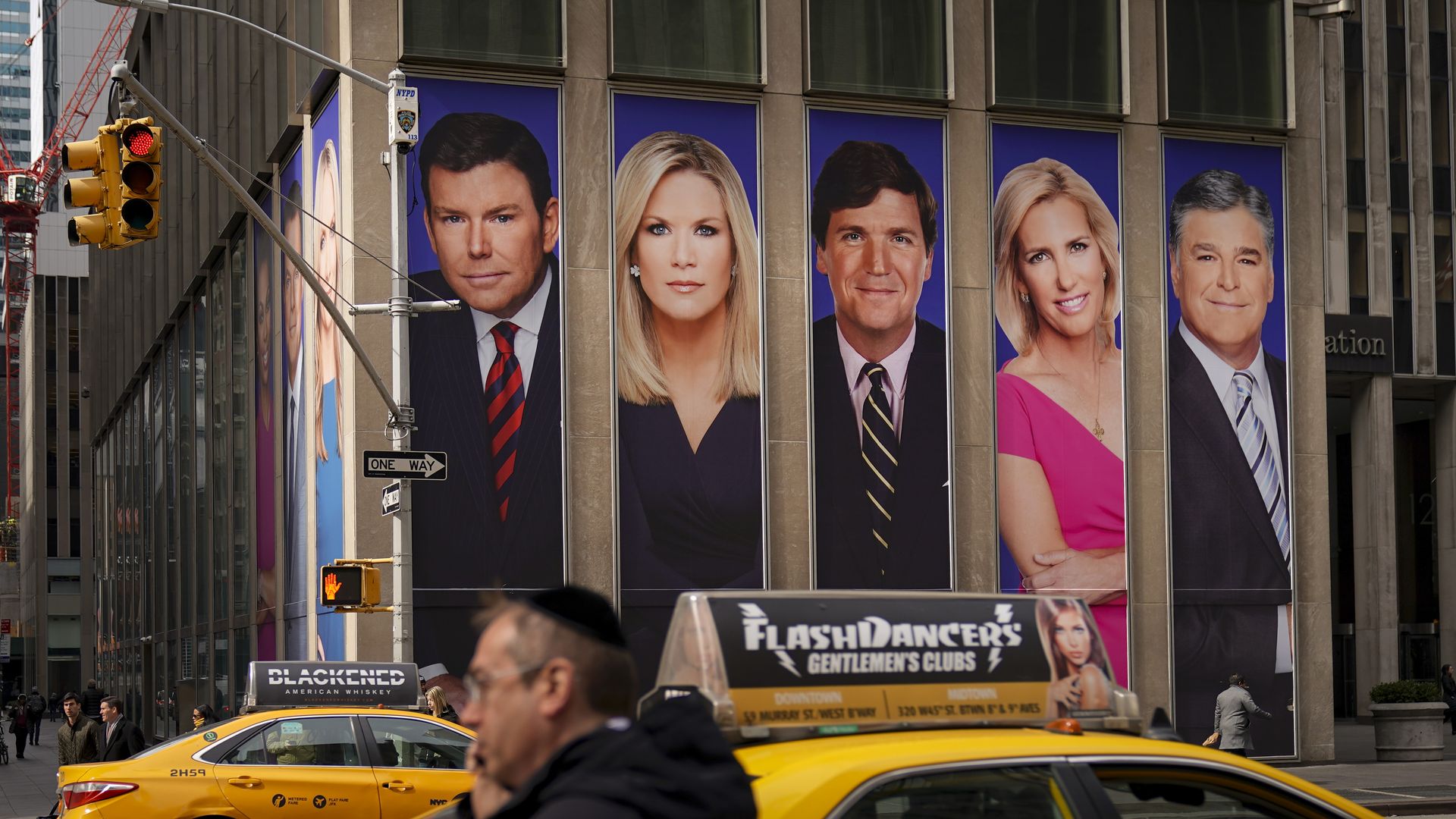
WILMINGTON, Del. — Fox News' highly anticipated defamation trial will kick off in a Delaware court Tuesday, more than two years after Dominion Voting Systems filed a massive $1.6 billion lawsuit against Fox over its 2020 election coverage.
Why it matters: Barring a last-minute settlement, the trial is expected to last five to six weeks and will not be televised, limiting the public's visibility into the proceedings.
A new smart device called Companion bills itself as an all-in-one nanny/tutor for your dog, stimulating and entertaining Fido while you work (or run out to buy grain-free artisanal dog food).
Why it matters: The humanization of dogs continues apace, as Americans treat the pooches they adopted during the pandemic like fur babies and happily spend crazy money on them.
The humble and familiar barcode — a staple on consumer packaging for nearly 50 years — will soon be replaced with a more robust and muscular successor that offers far more information about the product inside.
The new "2D" barcodes will unlock reams of online extras (for consumers) and revolutionize inventory management (for retailers).
Scanning them may tell us the field where something was grown, the factory where a garment was sewn, the sustainability practices of the company that made it — or the washing instructions.