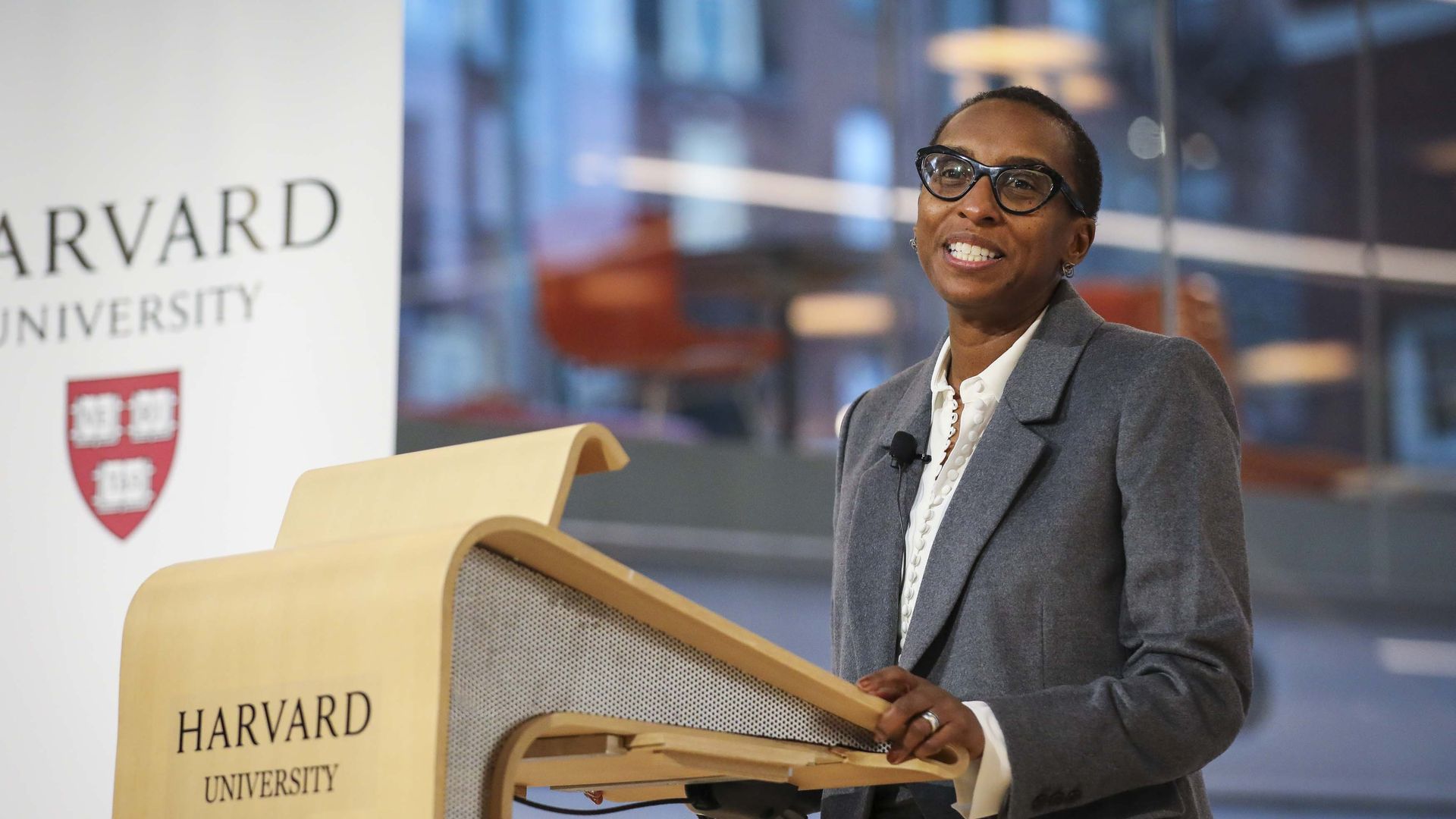
Harvard announced Thursday that Claudine Gay will serve as its next president, effective July 1.
Driving the news: The appointment means one of the most powerful institutions of higher education in the United States will have a Black president for the first time in its history. She will be only the second woman to lead the Ivy League school.
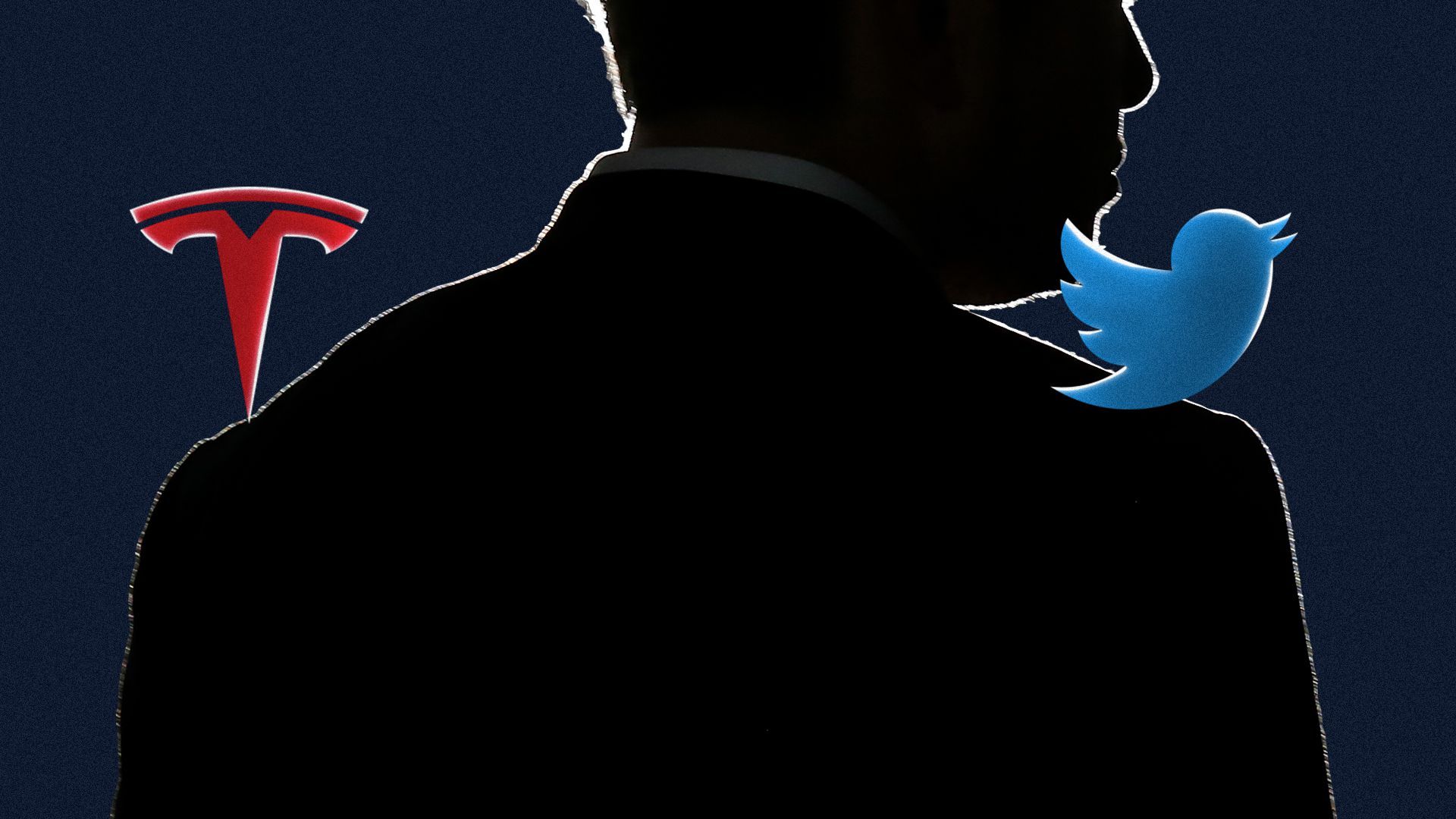
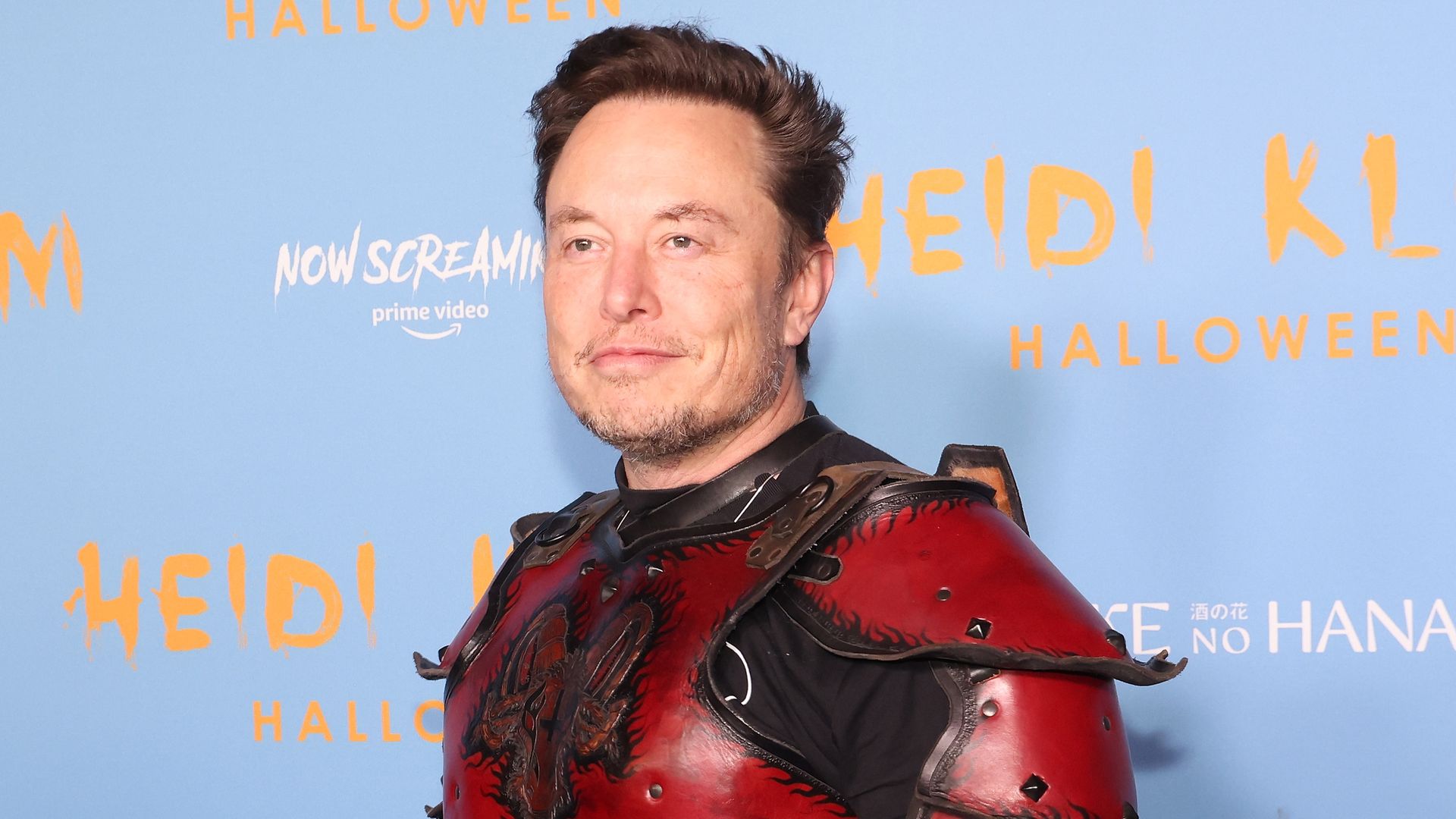
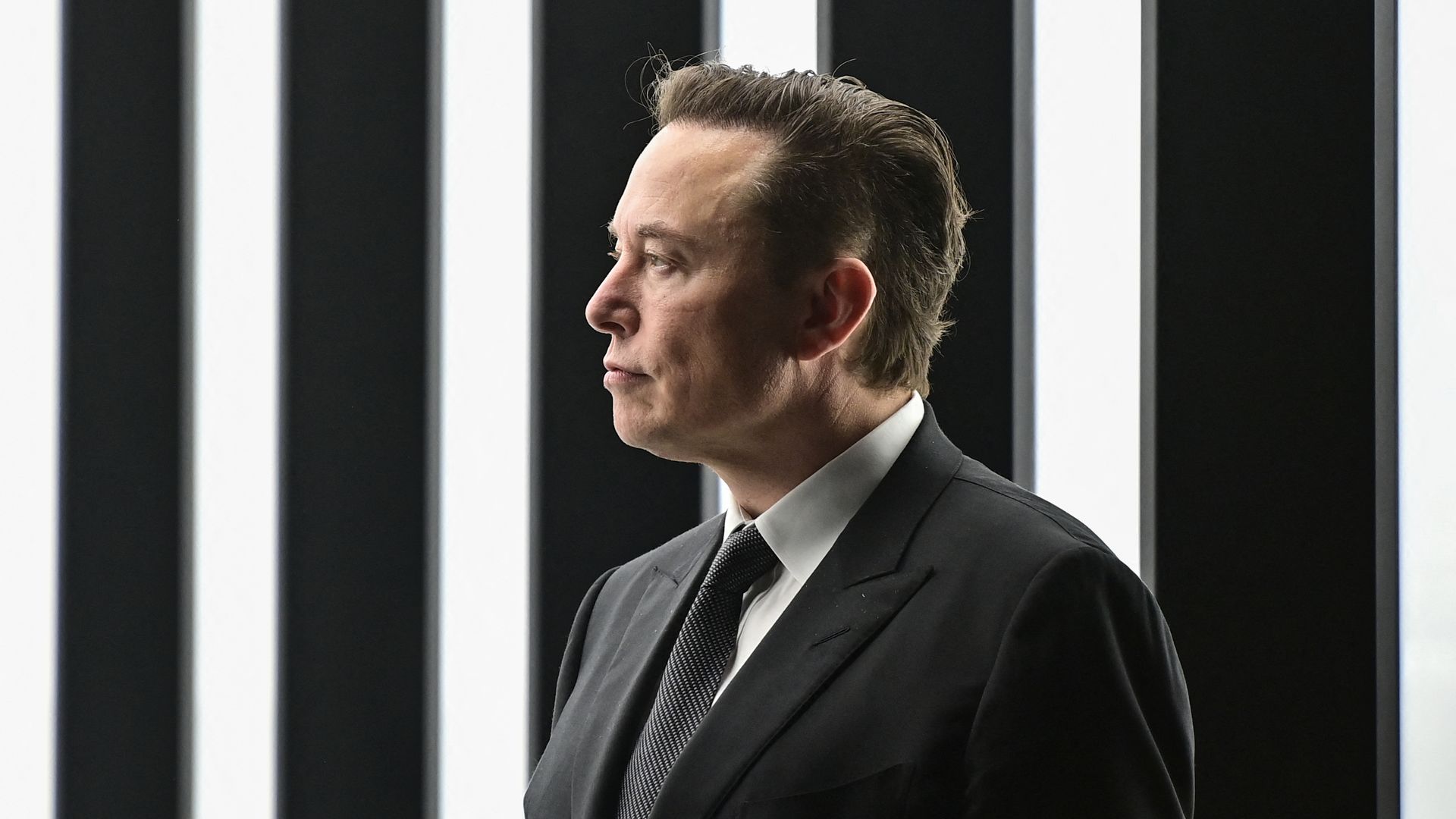
Elon Musk is turning once again to his Tesla stock to fund his Twitter habit — and investors are getting frustrated.
Why it matters: The precipitous drop in Tesla's stock price illustrates the real-world consequences of Musk's decision to acquire Twitter, and then disrupt the company's operations, scaring off advertisers.
Netflix's current transformation has drawn raised eyebrows from analysts and industry insiders — but that's right on brand for a company that's made Hollywood uncomfortable for decades.
What they're saying: "A lot of people in entertainment are perpetually mad at Netflix because they came and they changed the way of life for this sort of cozy, clubby way that people have done business in Hollywood for a long time," industry insider Janice Min, CEO and founder of The Ankler, told Axios Wednesday night.
Context: Min has been covering Hollywood as a journalist, editor, and media executive for about three decades.
In many ways, what Min did at Us Weekly — bringing a sense of "competition ... and a culture of winning" as she put it — is what Netflix has done.
Case in point: Netflix bragged about the popularity of its show "Dahmer" in its third-quarter earnings report by publishing a Google Trends chart showing how many people were interested in watching it versus HBO tentpole "House of the Dragon" and Amazon's big-budget "Lord of the Rings" series.
The big picture: Netflix brought the "Silicon Valley ethos into an entrenched system" and has been unafraid to pivot and even eat its words on strategy.
While Netflix had long said that advertising would not be its model, the company has now launched a version of its streaming service supported by ads.
And with the release of "Glass Onion: A Knives Out Mystery" in theaters, the streamer is showing how it plans to test different distribution strategies.
The bottom line: "They apologize for nothing," said Min.
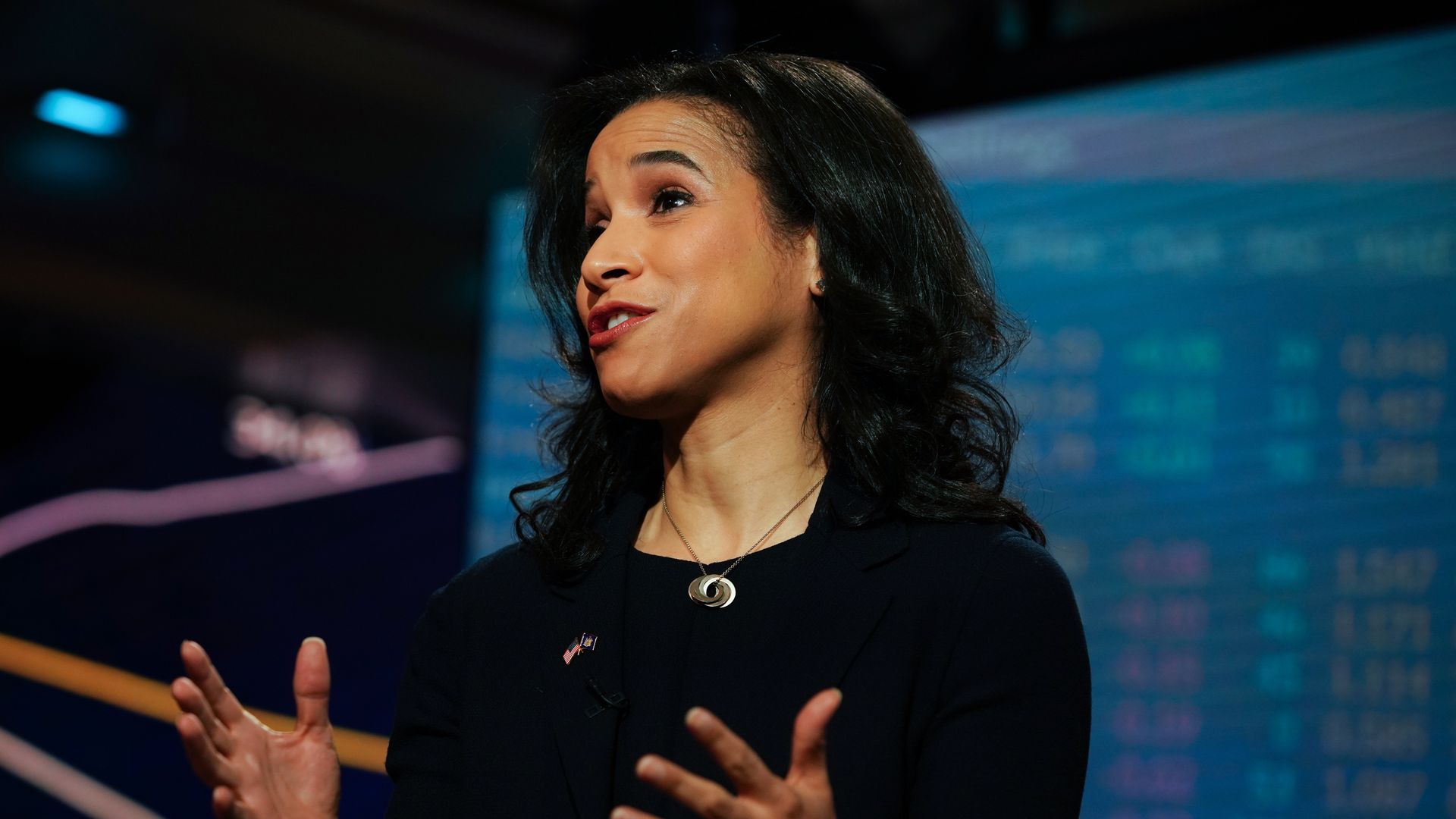
Banks licensed in New York were handed a checklist of submission requirements for the state's regulator if they want to do business in crypto.
What's happening: The New York State Department of Financial Services (NYDFS) on Thursday clarified guidelines for regulated banks that wish to start any crypto operations, asking them to submit a business plan to the regulator at least 90 days prior.
"Charlie Brown" shirts, baggy khakis, clown-print tees, and pachuco fedoras are finding new audiences thanks to Latino-owned businesses promoting urban fashion on social media.
Why it matters: The unique style of cholos, lowriders, and pachucos that was once dismissed as the working-class clothing of poor Mexican Americans is evolving into a worldwide phenomenon.
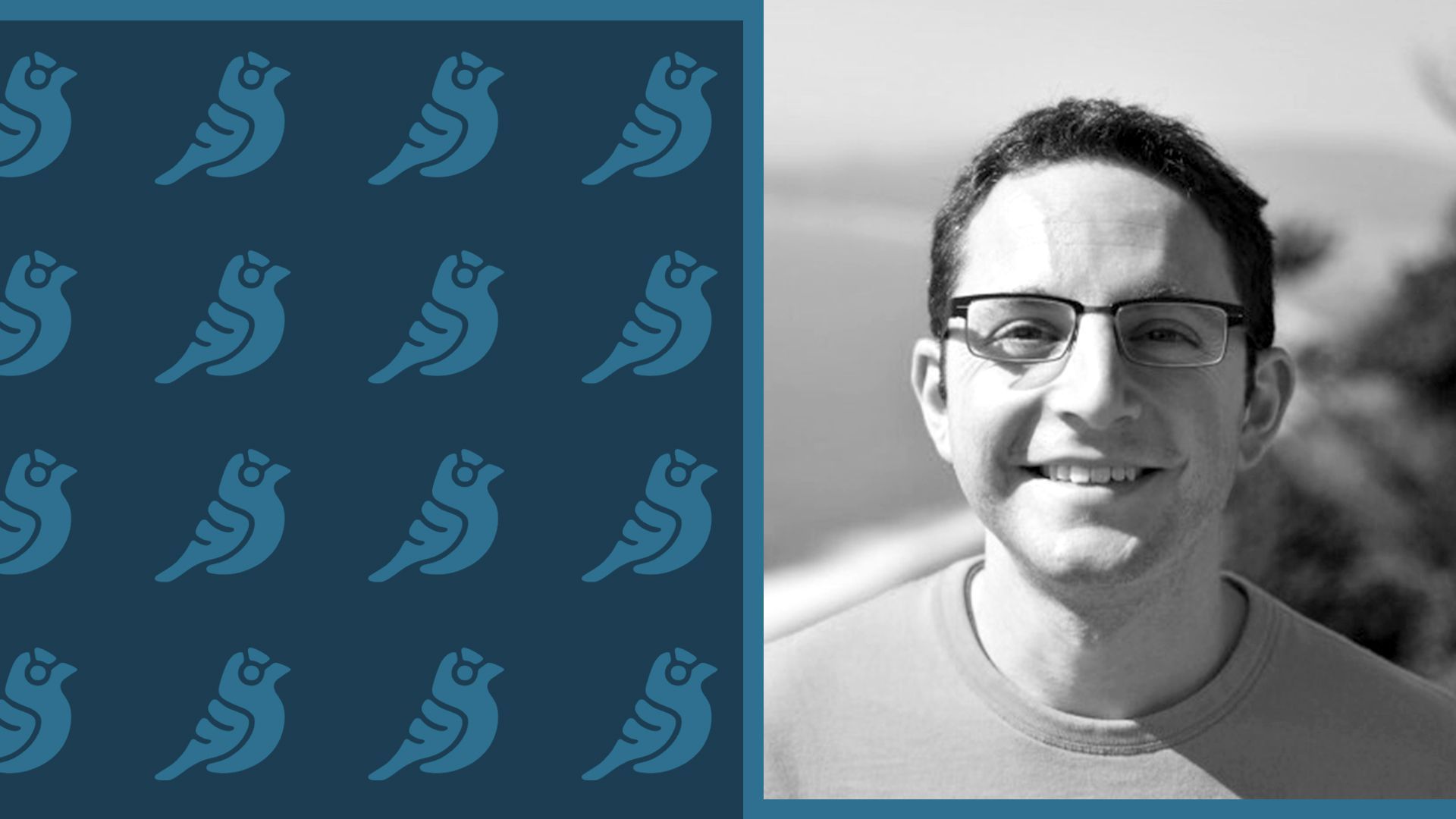
The crypto industry needs to break from its tendency to serve and eat its own cooking.
The big picture: "'Financial inclusion' might be a buzz word, but [decentralized finance, or DeFi] has the ability to do this," Mike Sall, co-founder and chief of decentralized credit protocol Goldfinch, tells Axios.
Shares of companiesthat earn revenue via payment-for-order-flow fell on Wednesday after the SEC got one step closer to enacting rules to that the agency believes levels the playing field for retail investors.
Why it matters: The PFOF proposal, among the more significant shakeups for Wall Street in decades, would cut into the revenues of market makers like Citadel Securities and Virtu Financial, as well as brokers like Charles Schwab and Robinhood.
Supporting and engaging employeesremains top of mind for many comms leaders — especially as the holiday season puts extra strain on the already burned-out front-line workforce.
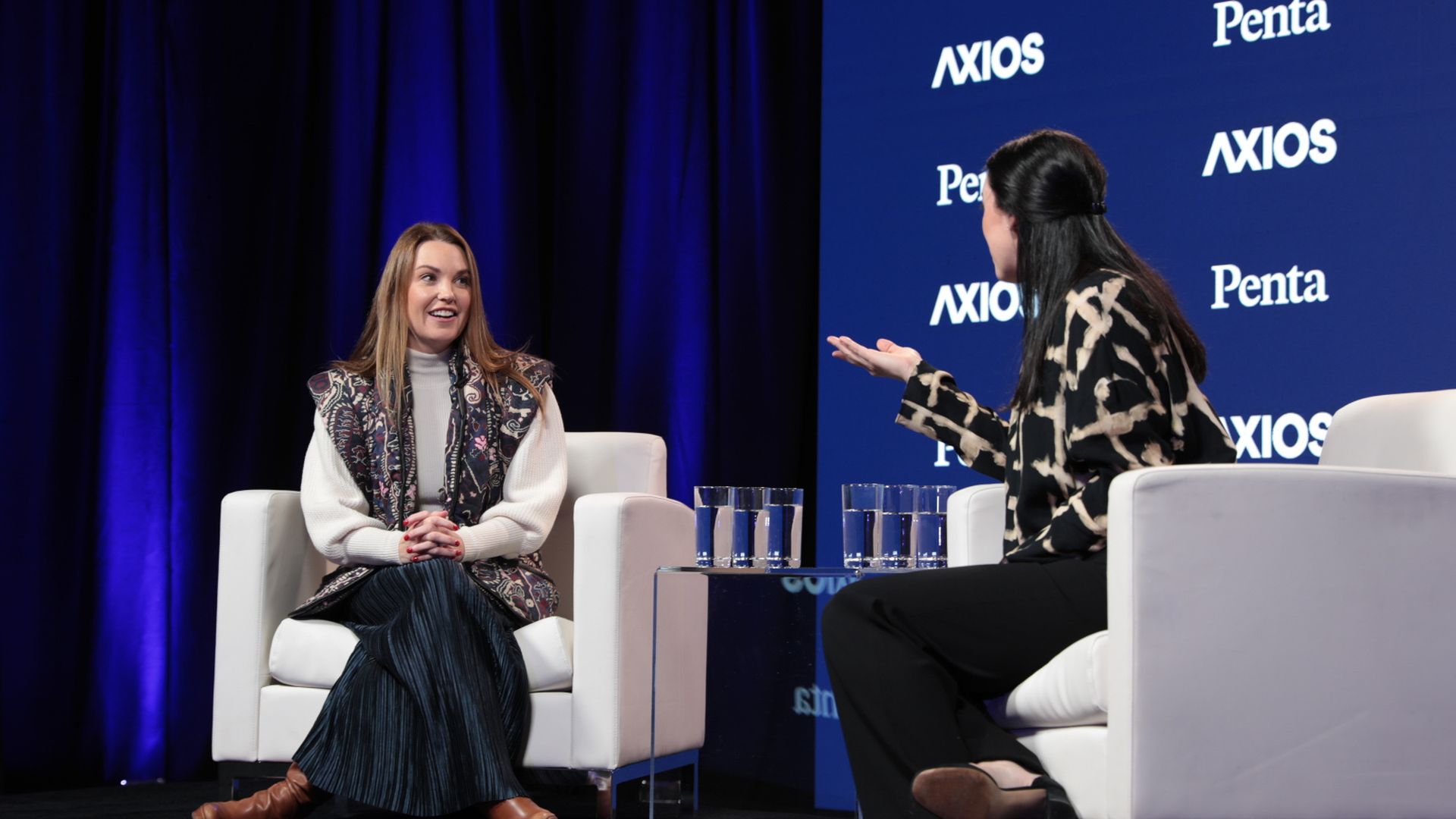
Top communication leaders took the stage at Axios Communicators' inaugural event on Dec. 14, and the word on everyone's lips: trust.
Why it matters: To be effective, CEOs have to trust their communications advisers, and employees, consumers and shareholders have to trust the message — especially when navigating sticky situations.
Twitter has clipped the wings of the account that actively tracked Elon Musk's private jet, the account's owner said Wednesday before his personal account was also suspended.
Why it matters: The suspensions raise questions about Musk's commitment to free speech on Twitter, a value he has directly linked to his takeover of the platform.
2022 will go down as the worst year for U.S. IPOs since 1990.
In context: 1990 is when Germany was reunified, Tim Berners-Lee published his proposal for a "World Wide Web" and Kevin McCallister first defeated the Wet Bandits.
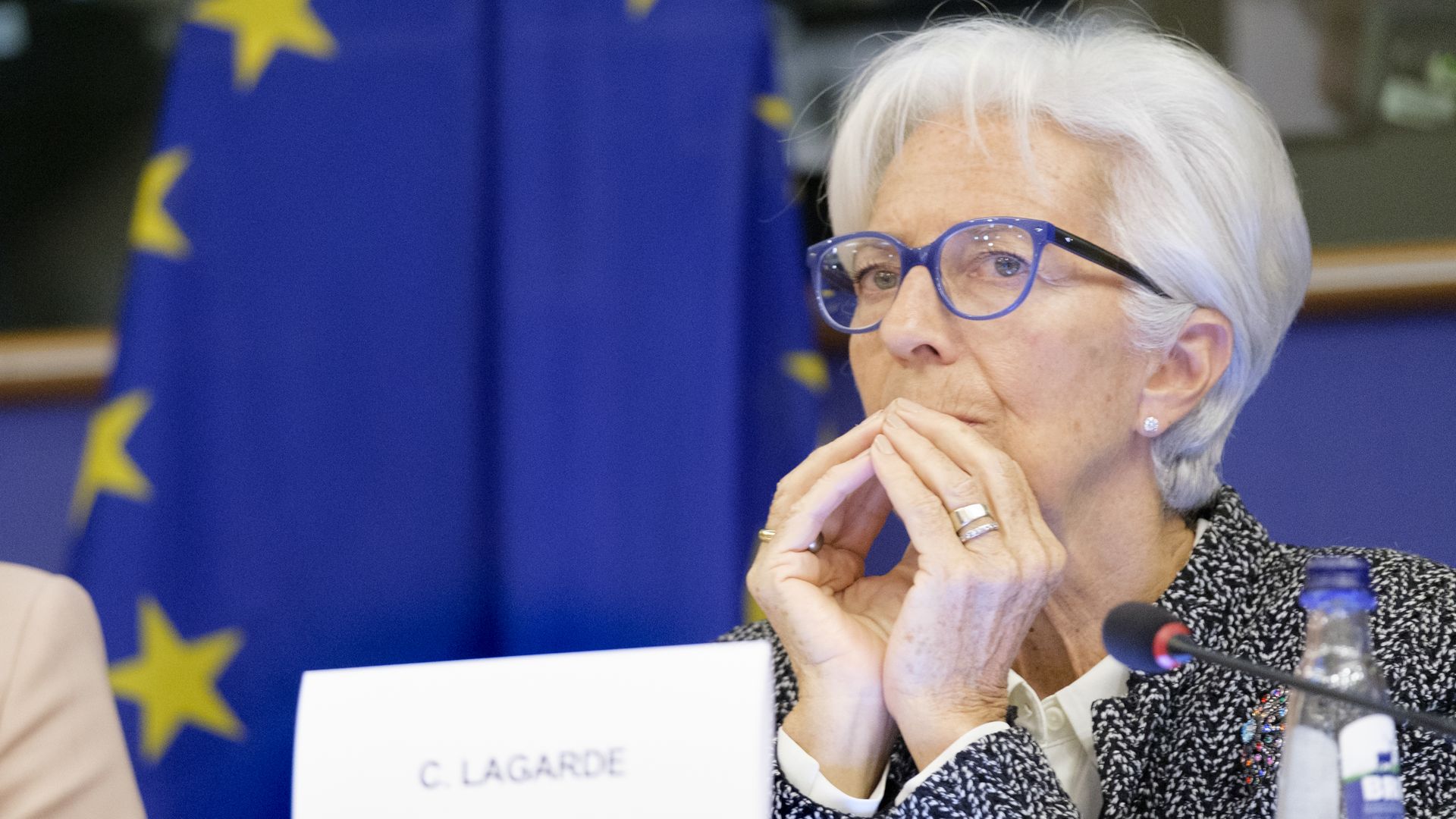
The Bank of England and the European Central Bank both raised interest rates by a smaller amount on Thursday — the latest central banks to begin slowing the rapid pace of increases that have come to define the year.
Why it matters: Economic policymakers continue to up borrowing costs swiftly to battle still-elevated inflation and signal more to come. But the era of hiking rates by record-shattering amounts appears to be ending.
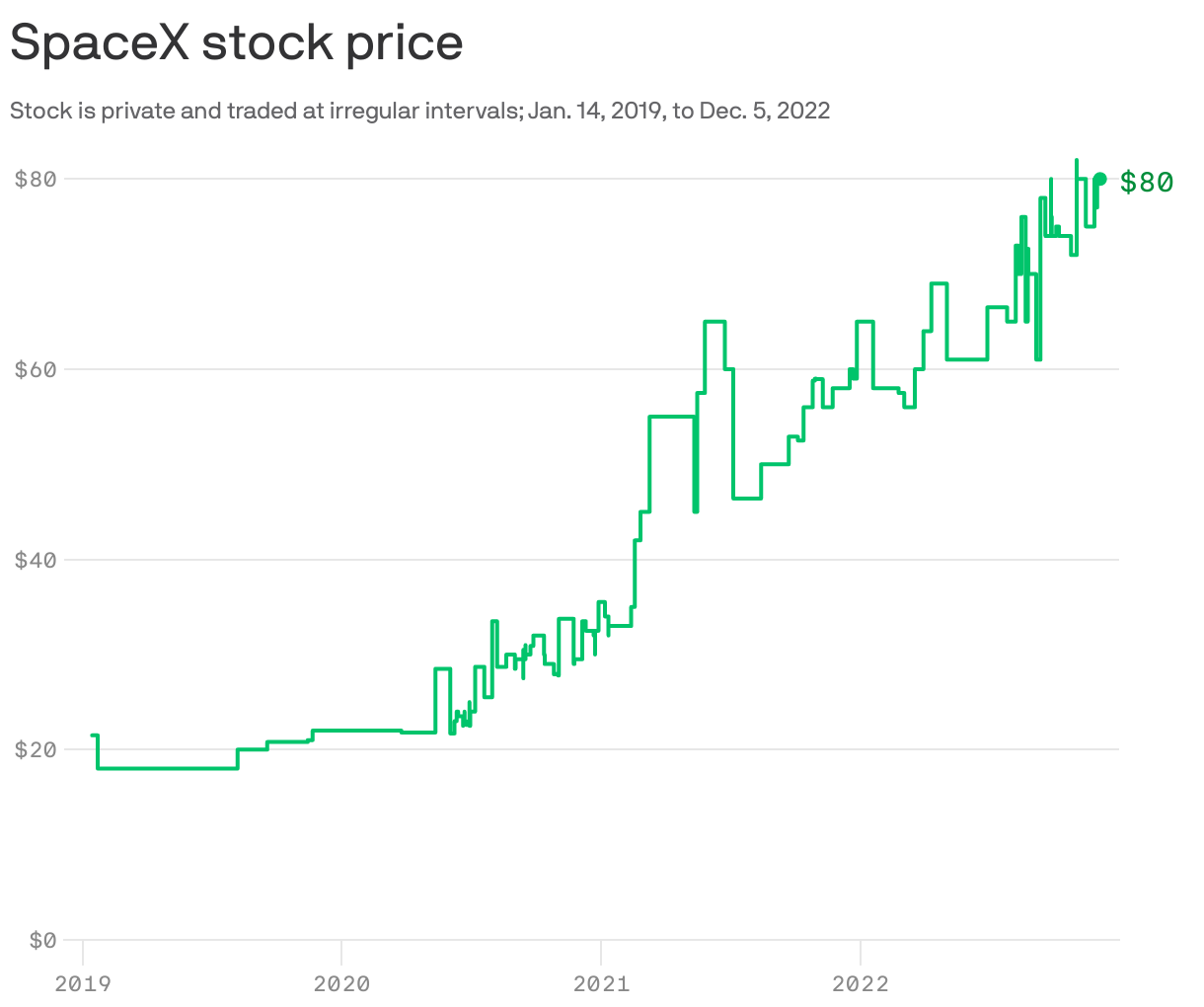
Note: Prices are adjusted for the 10-for-1 stock split in February 2022; Data: Rainmaker Securities; Chart: Erin Davis/Axios Visuals
Even as demand for private company stock has cratered pretty much across the board this year, there's at least one exception: SpaceX.
The big picture: "Pretty much every company we trade is down versus the end of 2021," Glen Anderson, co-founder of Rainmaker Securities, told Axios. "SpaceX is an exception," Anderson said.
Rent prices fell 0.4% in November — the largest month-over-month drop since Zillow started tracking this data in 2015, according to the real estate company’s latest rent report.
Why it matters: This is another sign that inflation is easing.
The cascade of legal charges dropped on Sam Bankman-Fried and his collapsed empire this week will do little to dispel the regulatory fog surrounding crypto.
Why it matters: At first glance, the arrest, criminal indictment and civil charges — brought by the SEC and CFTC — against Bankman-Fried seem a symbolic end to the initial, Wild West era of crypto.
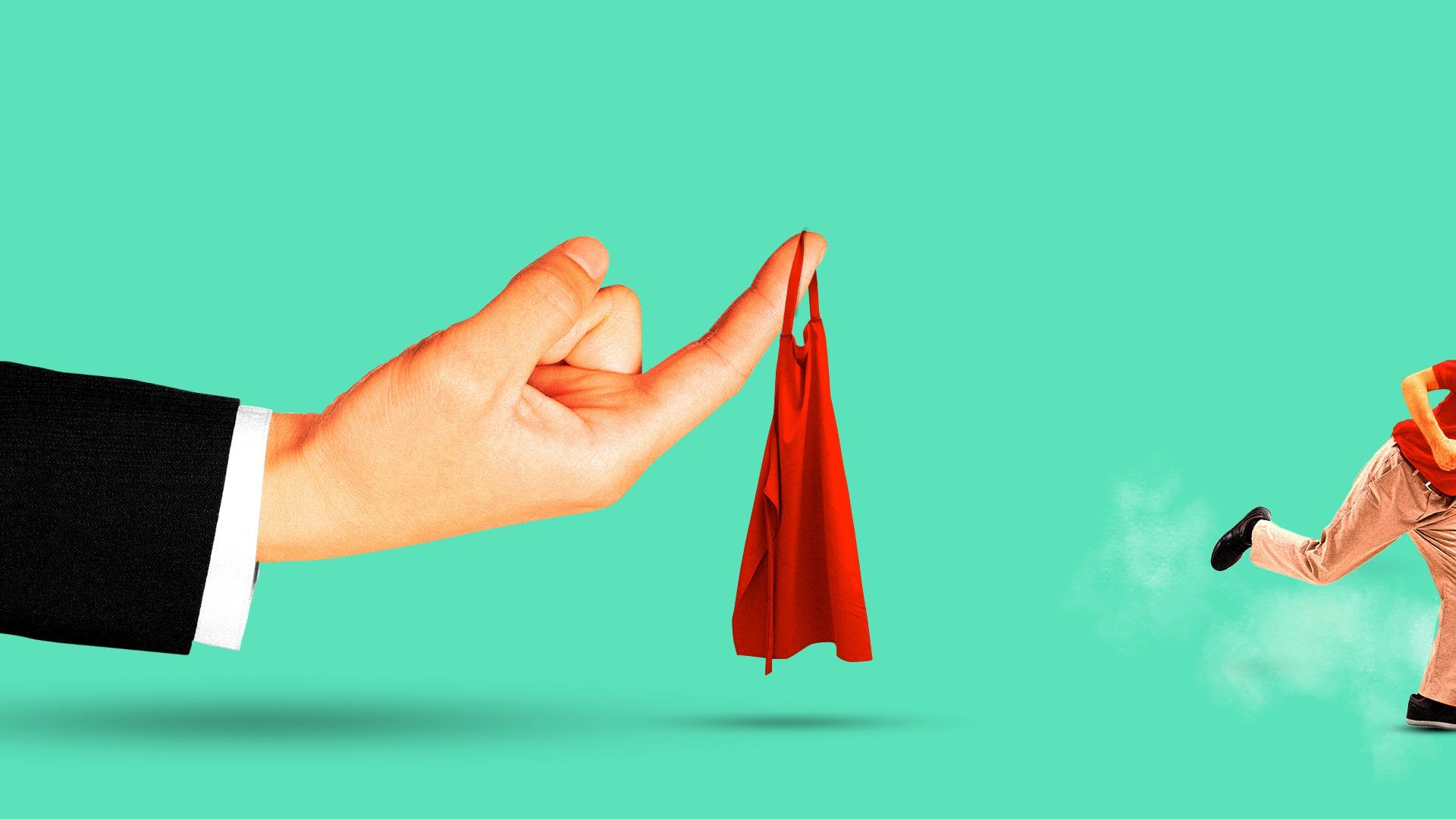
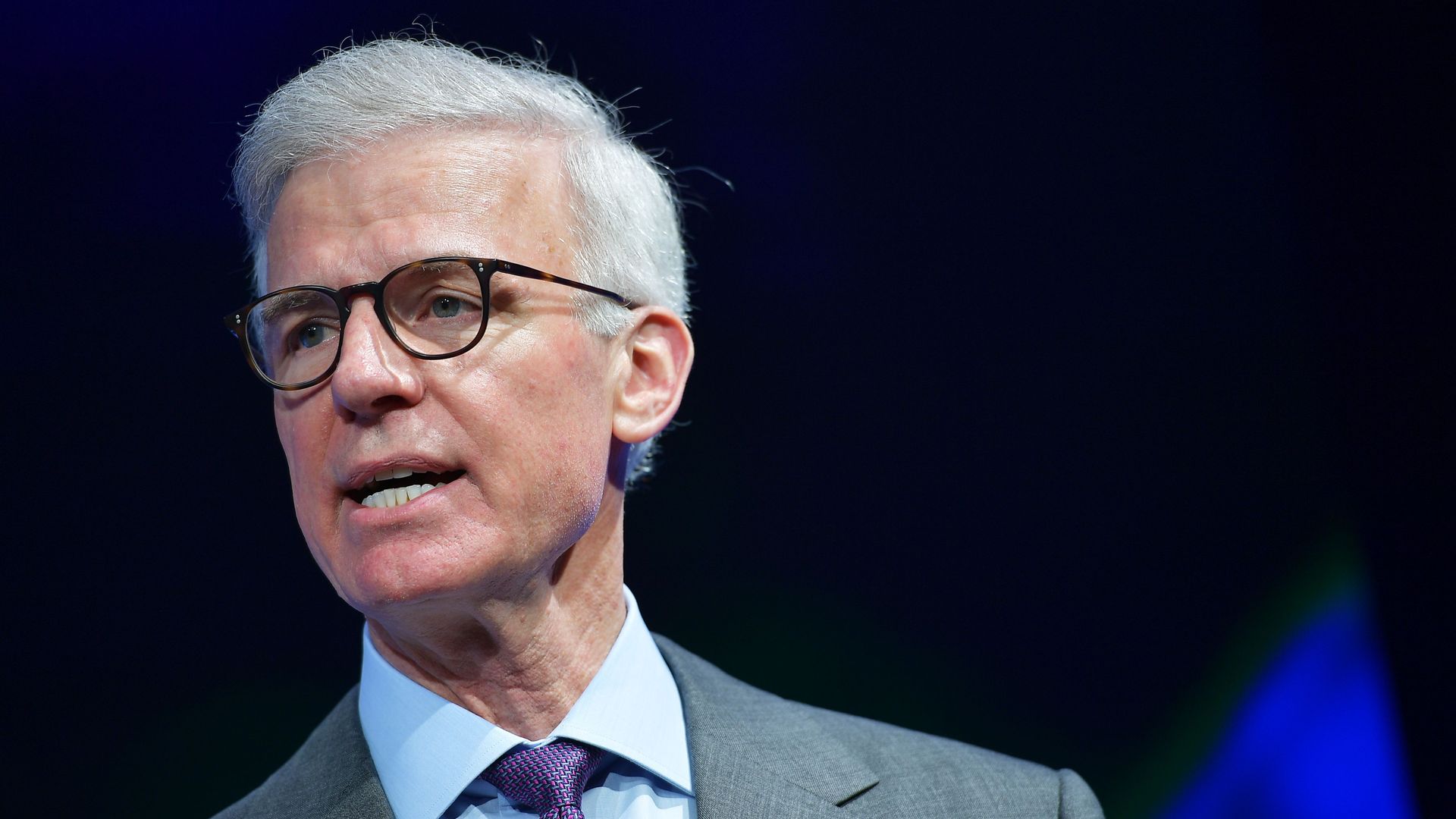
Following leaked video of a tense town hall Wednesday, Washington Post publisher and CEO Fred Ryan confirmed in an email to staff that the company plans to eliminate a single-digit percentage of its workforce early next year.
Driving the news: The clip, tweeted by a Post reporter, shows Ryan refusing to answer frustrated staffers' questions about the coming cuts.
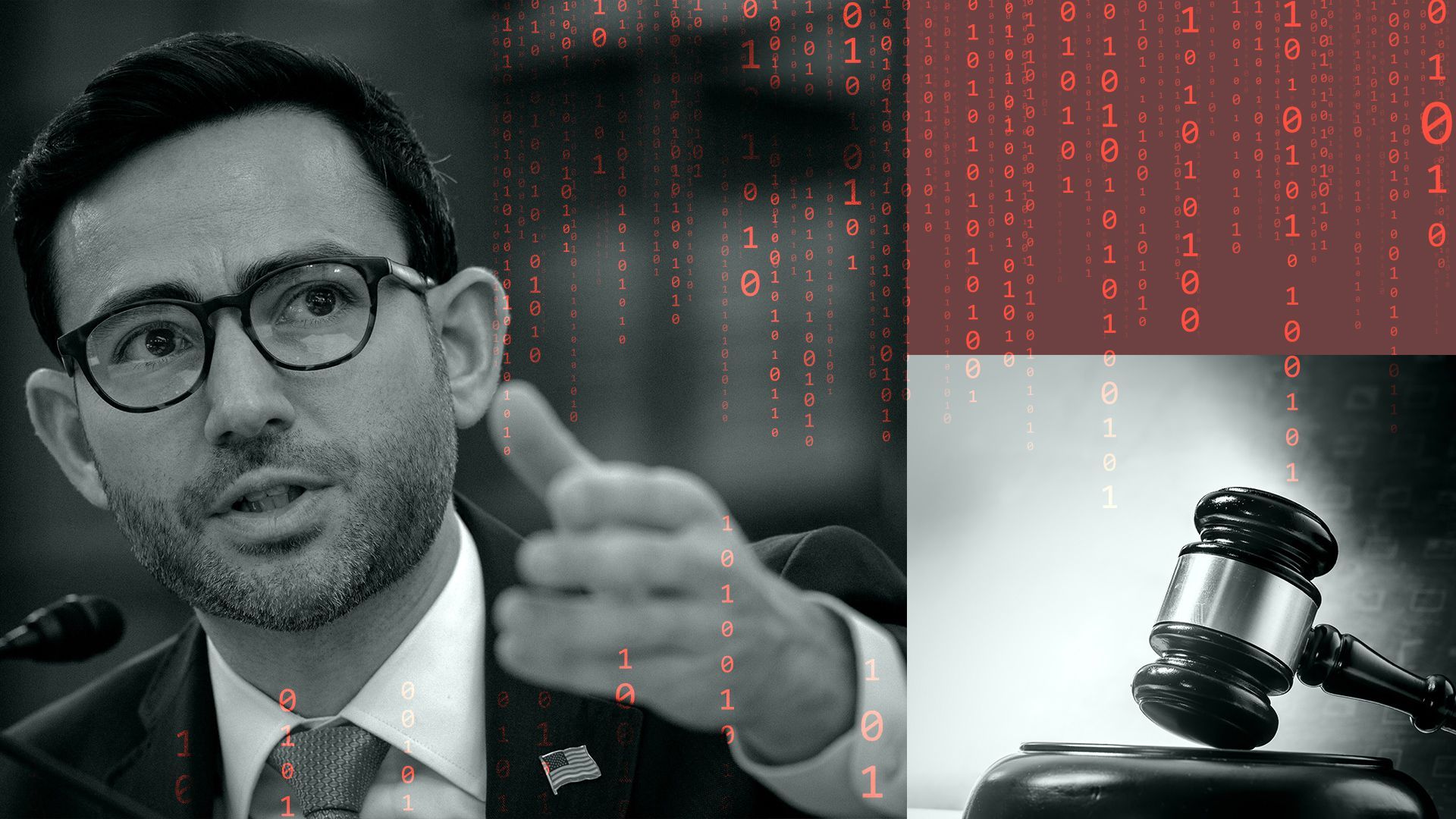
A top Federal Trade Commission official told Axios the agency won't hesitate to sue companies that play fast and loose with customers' data.
In a rare interview, Samuel Levine, director of the Federal Trade Commission's bureau of consumer protection, also warned companies that operate under FTC consent decrees — which includes Twitter — that "there's no pause button" on such agreements.
The Federal Reserve's commitment to keep raising interest rates was unwelcome news to jittery Wall Street investors as well inflation-weary consumers.
Driving the news: The Fed is easing up ever so slightly on the size of its interest rate hikes. But it made clear Wednesday that rates are only going up from here, even if it's at a slower pace.
Elon Musk has sold some 22 million Tesla shares worth $3.58 billion, according to filings with the Securities and Exchange Commission Wednesday.
The big picture: The Tesla CEO publicly stated twice this year that he didn't plan to sell any more shares in the electric vehicle maker. However, filings last month showed he sold at least $3.95 billion worth of Tesla stock after completing his $44 billion takeover of Twitter.
The Senate voted unanimously Wednesday to pass a bill that would ban TikTok on government-issued devices.
Why it matters: A growing number of states have barred state employees and contractors from using the popular social media app on government devices in recent weeks amid FBI warnings about the possibility of surveillance and "influence operations" by the Chinese government.