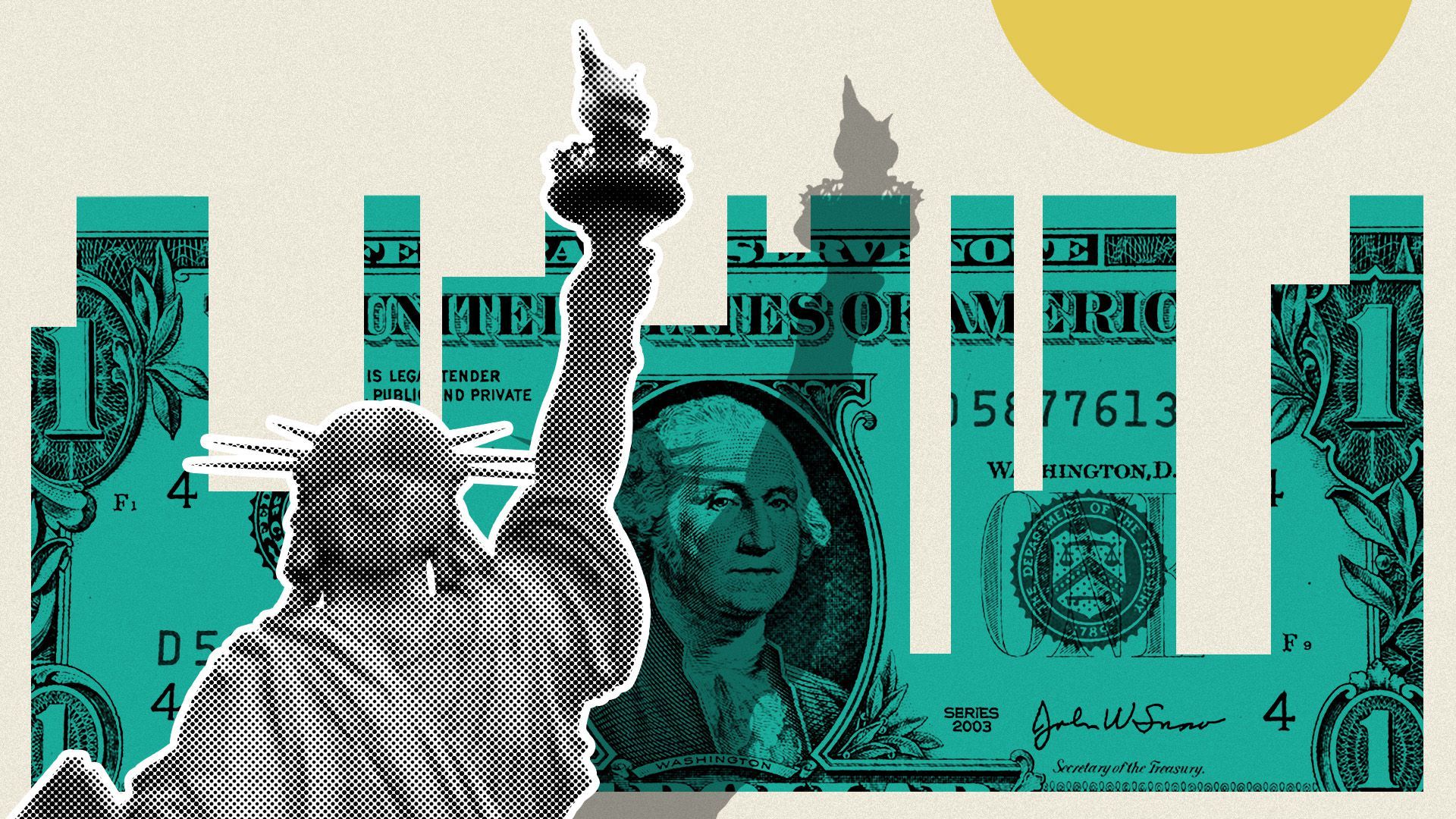
New York’s elected officials have embraced their inner Margaret Thatcher, in explicit acknowledgment of the limits of using other people’s money to stabilize budgetary red ink.
Why it matters: Both the Big Apple and the Empire State are facing serious post-pandemic fiscal challenges. A COVID-era population exodus — many of those citizens being in the top tax bracket — is making the budget outlook increasingly grim.
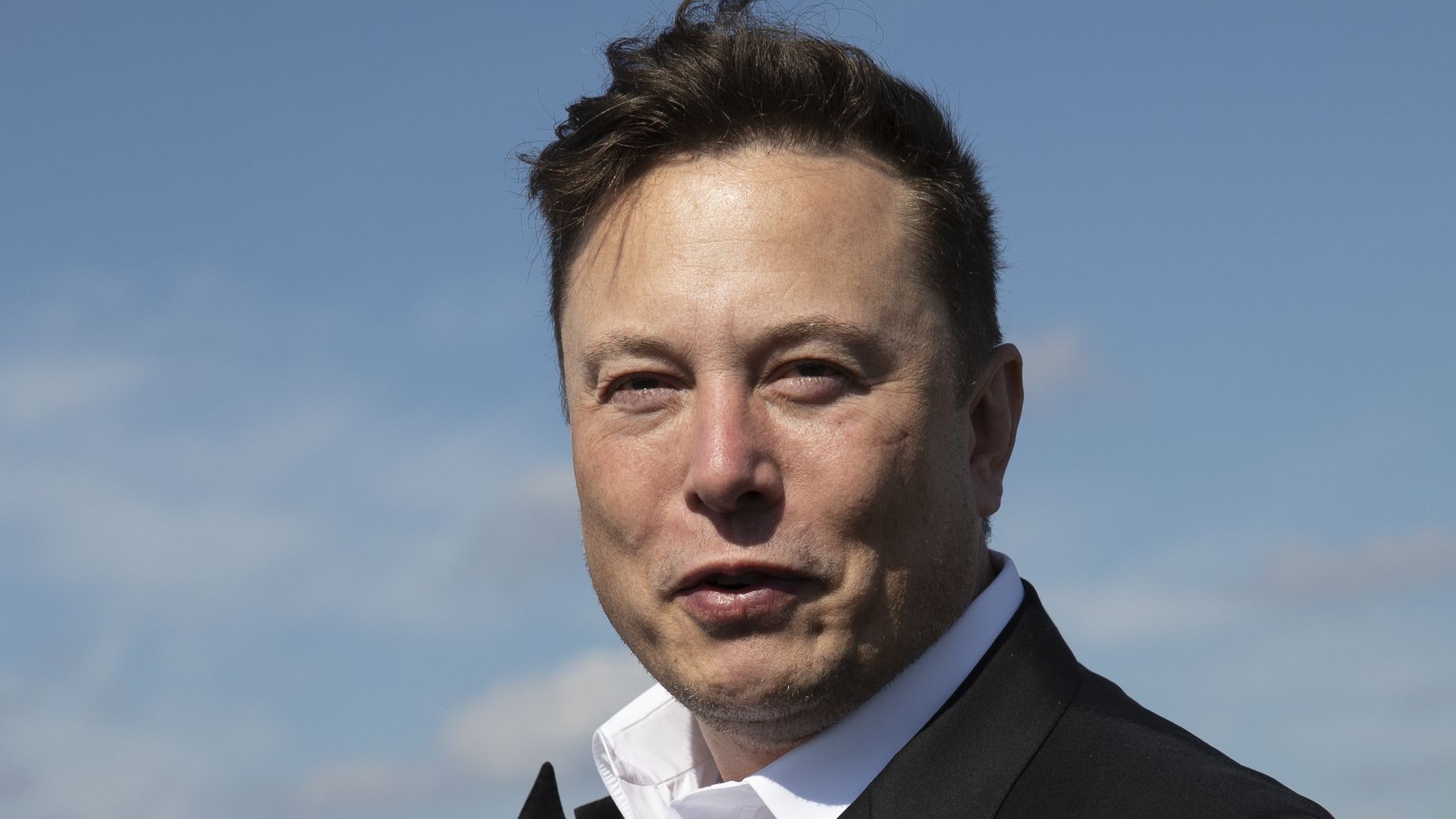
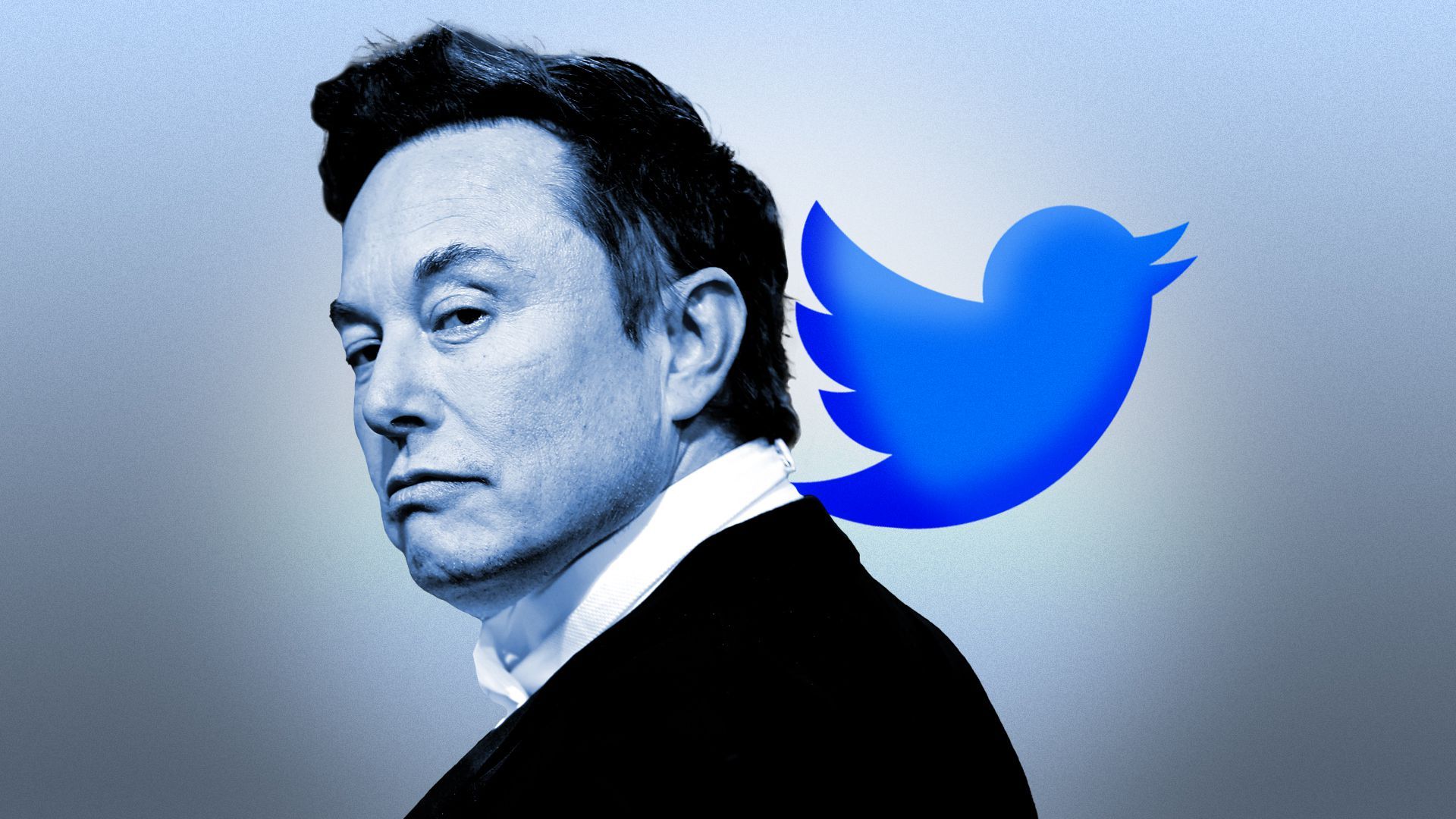
Elon Musk is asking Twitter investors to dig deeper into their pockets, as he seeks to make the social media company financially viable.
Driving the news: Musk, via his family office, this week privately offered to sell additional equity at the same $44 billion valuation that he's essentially admitted was an overpay.
Early reaction to "Avatar: The Way of Water" suggests director James Cameron's $2 billion bet on a sequel to the highest-grossing film of all time could pay off.
Driving the news: "The Way of Water" opened in theaters nationwide on Thursday and has a positive Rotten Tomatoes score of 80% from critics who saw early screenings.
A local TV reporter in South Carolina recently captured a “heartwarming” and redeeming story of a thief returning a Santa display he stole from a restaurant.
The big picture: The story shows that acts of forgiveness and kindness are always right around the corner during the holiday season.
Goldman Sachs is poised to lay off several thousand employees as the bank preps for an uncertain economic environment in 2023, a person familiar with the matter confirmed to Axios.
Why it matters: The move is emblematic of the newly cautionary approach that companies are taking as they head into the new year, fearful of the possibility of a downturn.
Former President Trump's "major announcement" this week that turned out to be $99 non-fungible tokens (NFTs) has made him the target of ridicule from some of his most ardent supporters.
The big picture: The announcement launched a swift round of criticism across the right-wing media landscape — with Steve Bannon and Michael Flynn calling on Trump to fire the person behind the decision.
Crypto exchange Binance.US is beefing up its D.C. lobbying operation as erstwhile competitor FTX comes under withering regulatory and criminal scrutiny, Axios has learned.
Between the lines: Palo Alto-based Binance.US is legally independent from Binance, the Caymans-based crypto giant. The U.S. firm licenses Binance's technology and is chaired and partially owned by its CEO, Changpeng Zhao.
Americans would have no refuge in blockchains for financial privacy under legislation introduced by two U.S. senators.
Why it matters: A major driver for the creation of cryptocurrency was to give people a cash-like experience on the internet, with a digital currency that could be passed from one user to another, just like cash.
Why it matters: The probe of GM's Cruise comes as federal regulations for self-driving cars remain unclear and the business case for them remains unproven, Axios' Joann Muller writes.
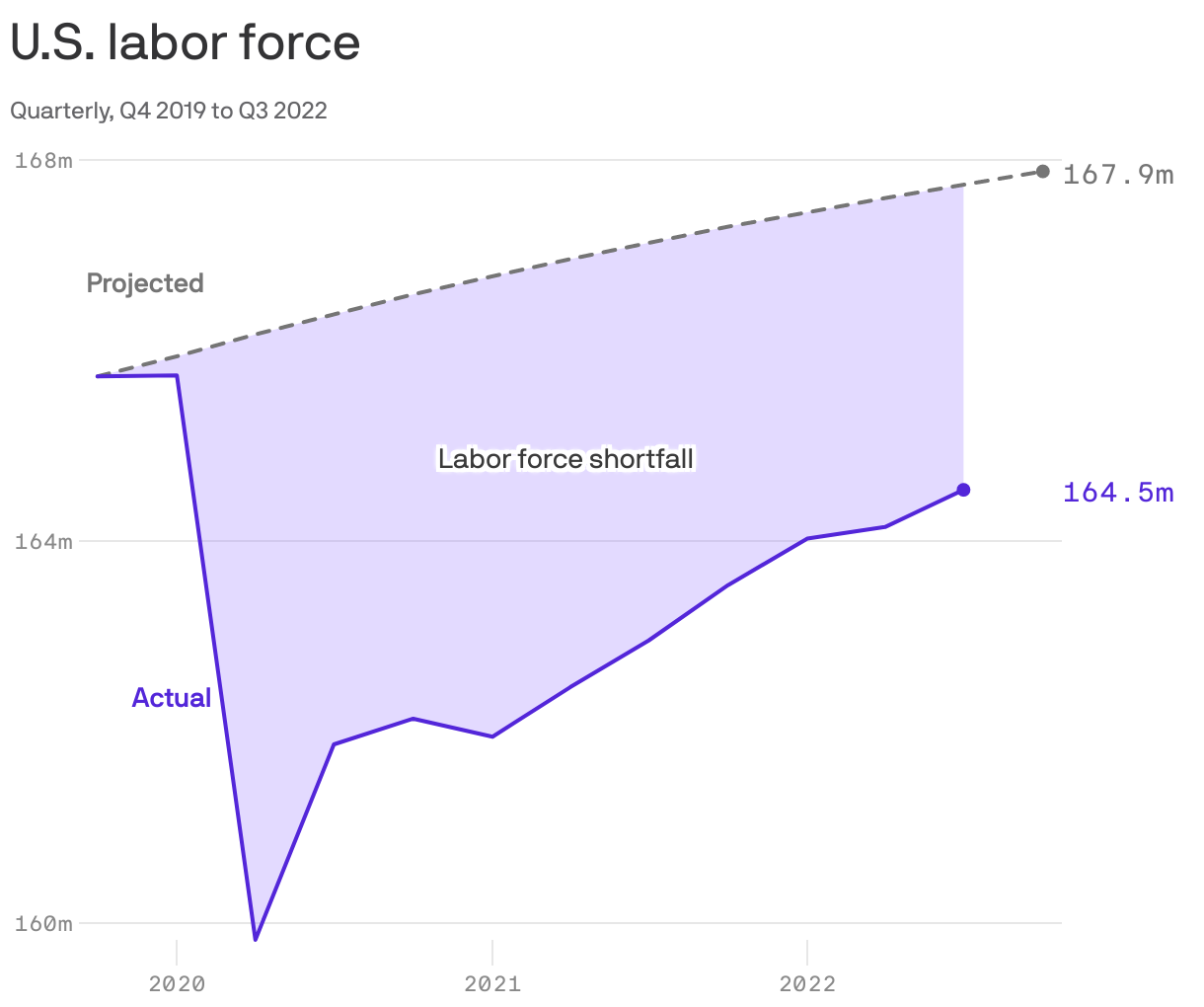
Data: Federal Reserve; Chart: Rahul Mukherjee/Axios
Federal Reserve chair Jerome Powell struck a particularly somber note at his press conference earlier this week when he mentioned that one reason the labor market is so tight right now is that many workers died from COVID-19.
The big picture: Economists have theorized for a while about the impact of COVID deaths on the labor market. Now, research has started to emerge and key public figures like Powell are starting to talk about it explicitly.
One of the more devastating flame-outs this year has been the near-total collapse in value of Carvana’s stock — and its pile of debt — as a one-time pandemic darling faces a new market reality.
Why it matters: It may now seem self-evident that a gimmicky “car vending machine” business that never generated positive earnings shouldn’t have taken on billions of dollars in debt. But it's worth a closer look at the ways in which Carvana was a poster child for several trends caused by Fed policy — even before the pandemic.
Republicans are starting their all-out assault on ESG by targeting a Biden administration rule for retirement plan fiduciaries, Axios has learned.
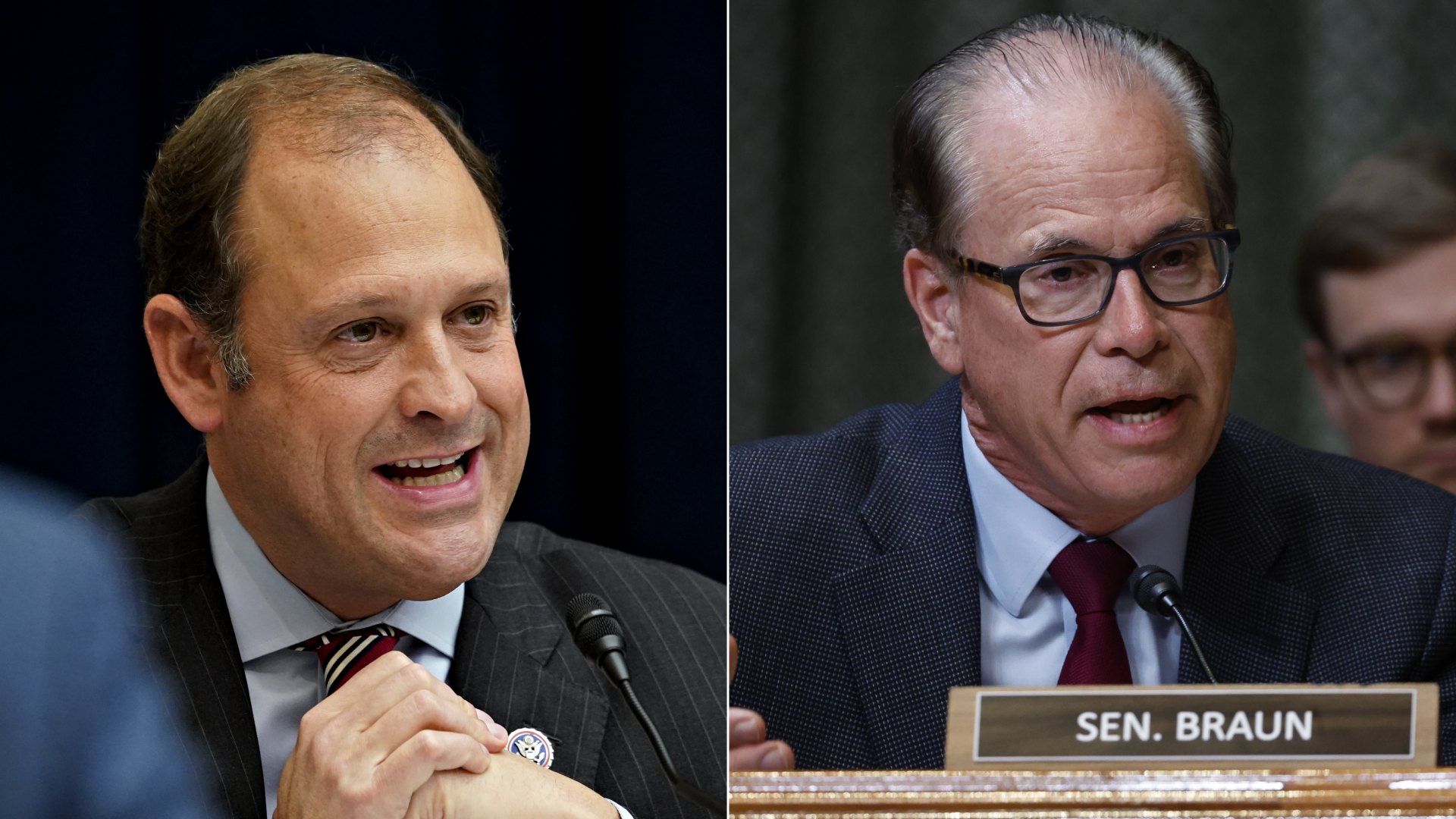
Driving the news: Sen. Mike Braun (R-Ind.) and Rep. Andy Barr (R-Ky.) are attempting to dismantle a recent Department of Labor rule allowing retirement plan fiduciaries to consider climate change and other environmental, social and governance (ESG) factors in their investment actions.
Dishes that are an aggressive mash-up of global flavors — like sashimi tostadas and tandoori spaghetti — will hit restaurant menus in 2023, a style that's been dubbed "chaos cooking," food prognosticators say.
Those concoctions will live or die depending on how well they play on TikTok, the latest must-use channel for restaurateurs.
A series of Twitter accounts belonging to journalists who cover Elon Musk and Twitter were suspended without notice on Thursday.
Why it matters: Musk has vowed to make Twitter a haven for "healthy, functioning free speech." He tweeted in April, "I hope that even my worst critics remain on Twitter, because that is what free speech means."
This article originally appeared in Axios Finish Line, our nightly newsletter on life, leadership and wellness.Sign up here.
"Most people think they're killing it — unless told otherwise," Mike Allen loves to remind me.
Why it matters: People are often unaware of how they're falling short of expectations at work, or in relationships — unless they're told bluntly, clearly, unambiguously.
It took me years to see this, then put it into practice myself. And it remains the hardest thing to teach most managers of people.
Our instinct is to dance around the tough stuff — or hide it in unrelated compliments or puddles of words.
So the person walks away thinking ... they're killing it.
Here's how we teach leaders to give the gift of candor:
Be specific. Leave no room for confusion. The person should know exactly what they're doing wrong or insufficiently. Don't hide it. Don't sugarcoat it.
Be timely. Most of us want to avert our gaze — it's uncomfortable to give tough feedback. But the moment you spot a pattern or problem, pounce. Every day you wait is a day the person isn't improving.
Be prescriptive. Everyone deserves a chance to improve. (Most people welcome it!) Offer, with precision, what they need to do differently to reverse the pattern or problem. Give a specific timeframe — weeks, not months.
Be encouraging. If they can change, tell them you believe in them and their capacity to bounce back. You just delivered sour news. Sending them into a tailspin is bad for them — and you.
Be decisive. It hurts those who are killing it if you keep problematic people around. Managers spend too much time on underperformers — a time and energy suck for the whole team.
Reality check: This works both ways. Most managers don’t seek nearly enough feedback about themselves.
As a strong, candid manager — or, in a social situation, friend — you need to give the person space to respond to your feedback.
Done right, you'll learn from each other.
The bottom line: Playing make-believe robs the person of the chance to step up — or find a better fit.









/2022/12/15/1671137730019.gif?w=3840)