Central banks are dialing back the pace of aggressive rate hikes

Add Axios as your preferred source to
see more of our stories on Google.
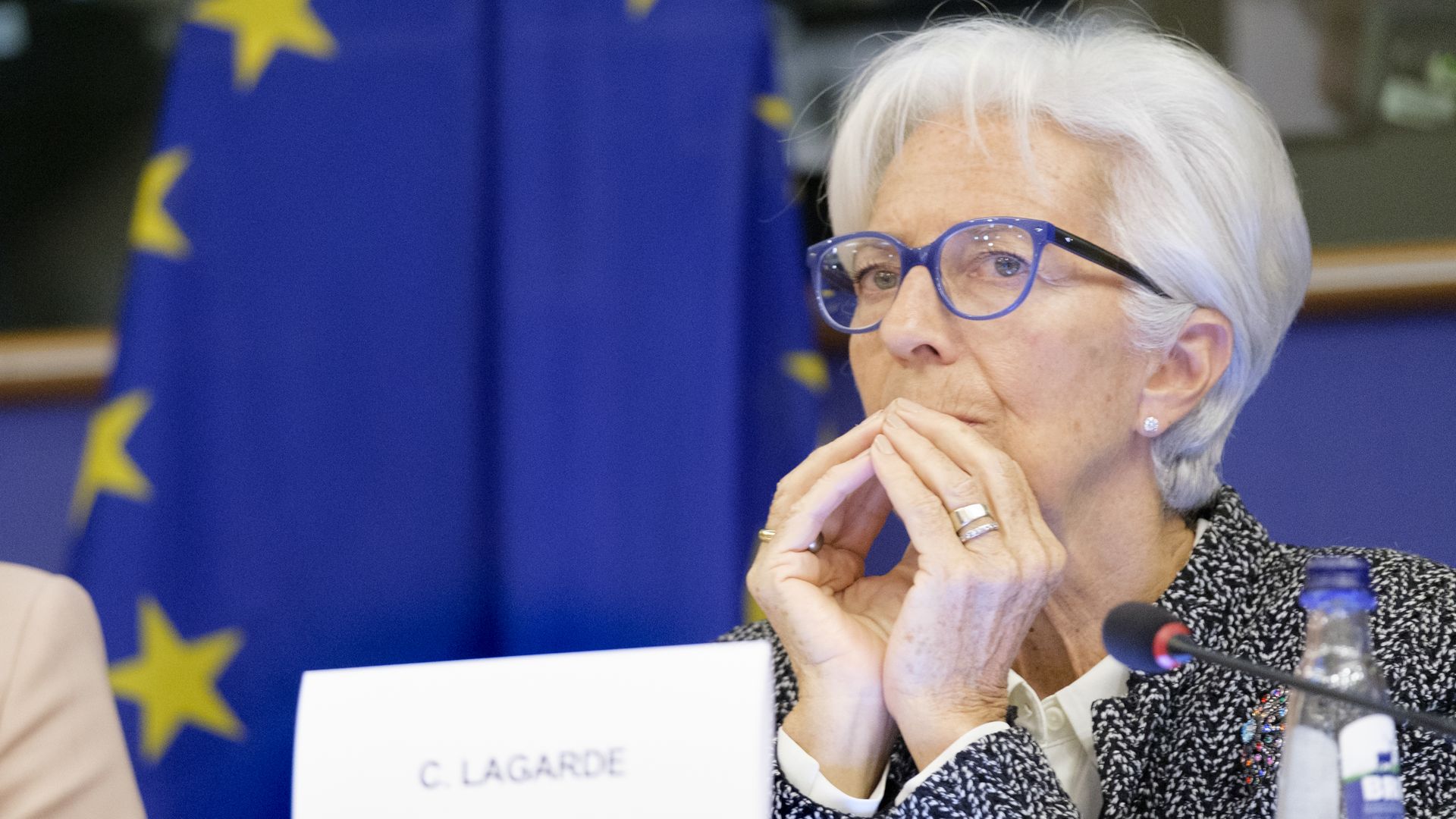
President of the European Central Bank Christine Lagarde at a hearing last month. Photo: Thierry Monasse/Getty Images
The Bank of England and the European Central Bank both raised interest rates by a smaller amount on Thursday — the latest central banks to begin slowing the rapid pace of increases that have come to define the year.
Why it matters: Economic policymakers continue to up borrowing costs swiftly to battle still-elevated inflation and signal more to come. But the era of hiking rates by record-shattering amounts appears to be ending.
Driving the news: Both central banks raised rates by a half-percentage point — still a historically large increase, but a downshift from three-quarter point increases announced in recent months.
- Thursday's decisions follow a similar one by the Federal Reserve, which raised rates by a half-percentage point, a slowdown after four consecutive three-quarter point hikes.
Where it stands: Major central banks this year raised rates by historic increments — "front-loading," as some officials called it — in response to persistently high inflation.
- Now most are moving slightly slower, in part to take stock of how prior moves are rippling through the economy. They are still signaling further increases ahead.
What they're saying: Most Bank of England officials agreed that "it would respond forcefully, as necessary" if high inflation looked to be more persistent. But two officials preferred not to raise rates at all on Thursday, citing a weakening economy.
- In a statement, the ECB said it expects "interest rates will still have to rise significantly at a steady pace" to bring inflation down to its 2% target.
Between the lines: The central banks are coming off the most aggressive rate increases in decades. Inflation across the European Union and the U.K. slowed in November but remains far too high — in part because of fallout from Russia's invasion of Ukraine that has sent energy costs soaring.
- The Bank of England hiked rates by three-quarters of a point in November, the largest since it began raising rates late last year (and the largest in 33 years).
- The ECB has hiked rates four times this year, including the two consecutive three-quarter point increases in September and October — the largest moves in its history.
Of note: The ECB also said it would begin shrinking its massive bond holdings in March of next year, with further details to come.
- Other central banks, including the Fed and BoE, started this process much earlier — shrinking their respective balance sheets alongside rate increases.
