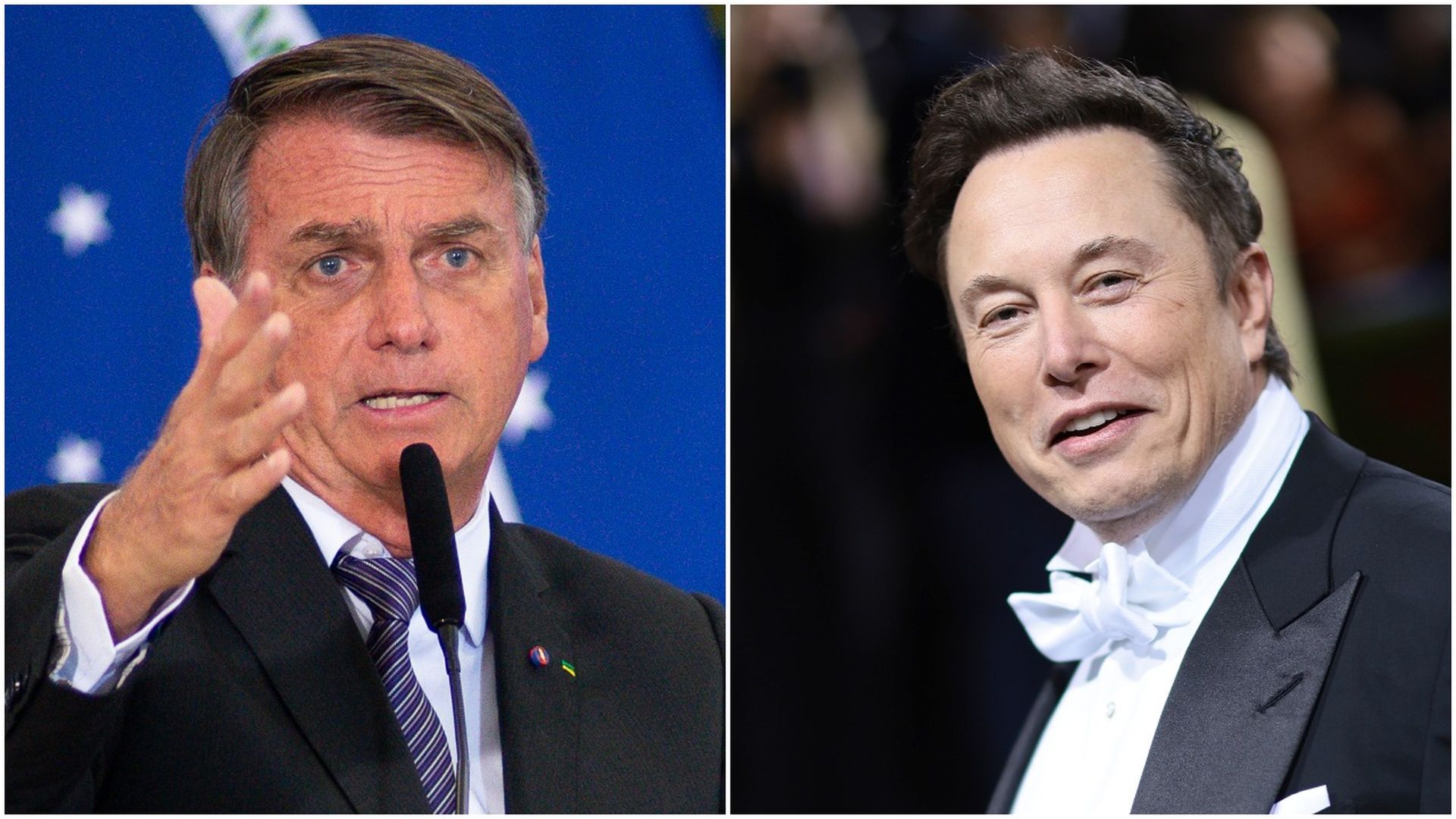
Elon Musk met with Brazilian President Jair Bolsonaro on Friday to discuss connectivity and other technology projects ahead of Brazil's election.
Why it matters: Musk traveled to Brazil as part of his satellite internet service Starlink's expansion in the region. The visit comes as Musk is increasingly engaged with global politicians, especially conservative leaders.
DISH Network, the wireless company, has already been through one major technological transition, and it's betting that cryptocurrency is part of its next one.
Driving the news: DISH recently invested in and partnered with two crypto-enabled grassroots wireless networks, fueling its long-term aim of becoming a competitor in 5G wireless services. "We don't have a venture capital arm," Chris Ergen, DISH's head of wireless innovation, tells Axios in an interview. "If you see us investing, it's more strategically central to what we're doing."
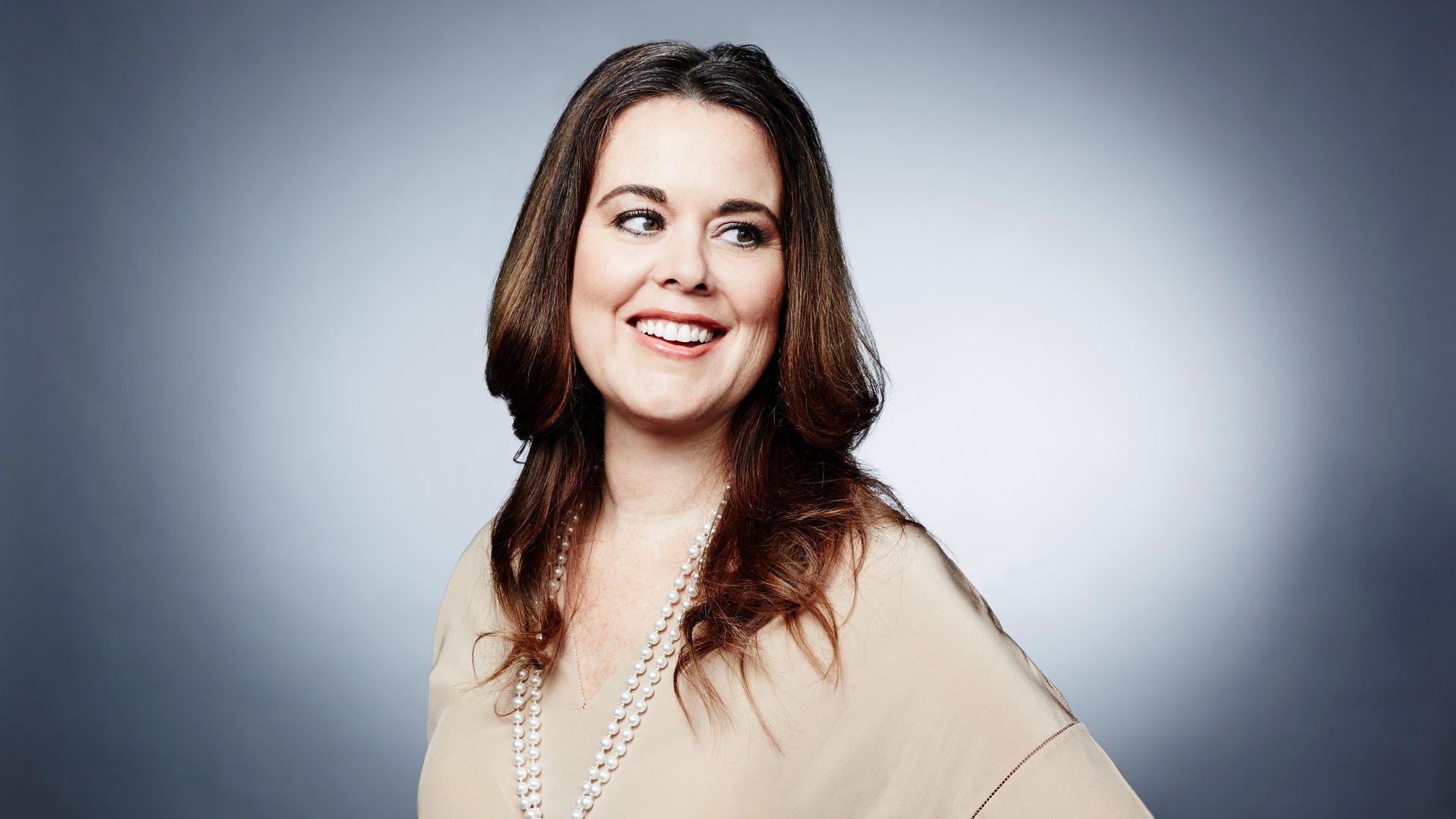
Meredith Artley, the longtime SVP and editor-in-chief of CNN Digital Worldwide, is out at the network, according to a memo obtained by Axios. The news was first noted on a staff call with head of CNN Worldwide Chris Licht.
Why it matters: She's the latest executive to leave the company after CNN's parent company Warner Media merged with Discovery last month.
American investors are beginning to dominate European soccer in a way that American players never have.
Driving the news: A majority of the English Premier League's top 20 teams will have U.S. owners, once Todd Boehly's purchase of Chelsea F.C. goes through.
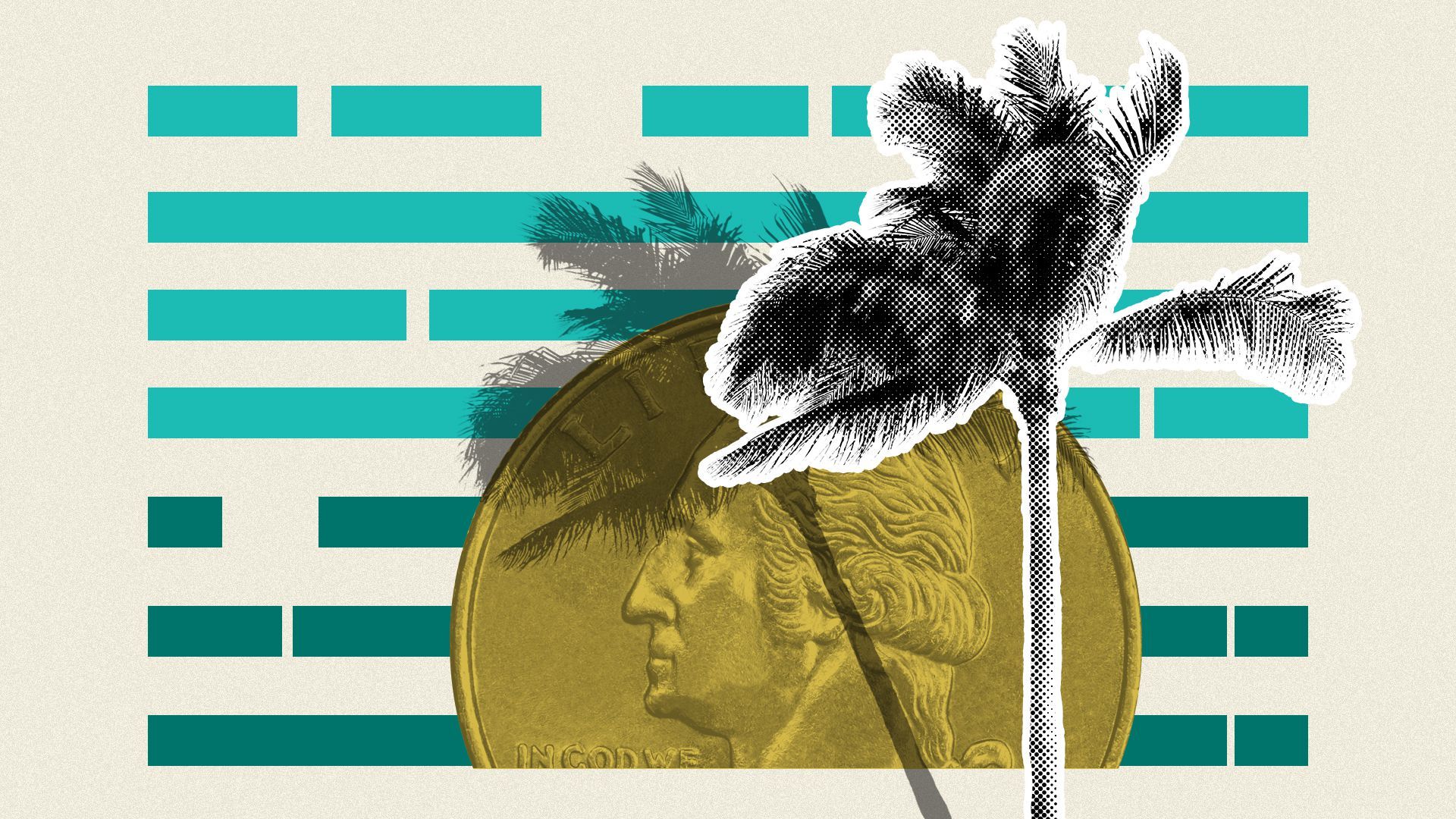
MiamiCoin, the first city-themed cryptocurrency, has lost nearly all its value over the past several months amid a broader crypto market collapse, Quartz reports.
Why it matters: Miami Mayor Francis Suarez hoped that the cryptocurrency, launched last summer, would help him raise revenue and reduce income inequality — and the eyes of other mayors were on the experiment.
I should have pulled the trigger when I had the chance. Not long ago, I was feeling flush, and toying with the idea of transforming my recent stock market gains into something my family sorely needed: an eat-in kitchen.
Why it matters: Aside from my personal quest to calmly stir mac-and-cheese while chatting with my wife and five-year-old daughter, our will-they-or-won't-they renovation drama shows how Fed rate hikes turn human psychology into a tool of monetary policy.
Foxconn’s entry into the American electric vehicle space opens the door for one of the world’s biggest contract manufacturers to grab a foothold in a growing global business.
Why it matters: Automakers — both traditional companies and startups — have largely dominated EV manufacturing until now, cornering an emerging market viewed as crucial to their survival.
Twitter on Thursday introduced a new policy aimed at making sure the social network doesn't amplify or recommend disinformation during an international armed conflict and crisis.
Why it matters: False material proliferated on Twitter and other social networks in the early days of Russia's invasion of Ukraine.
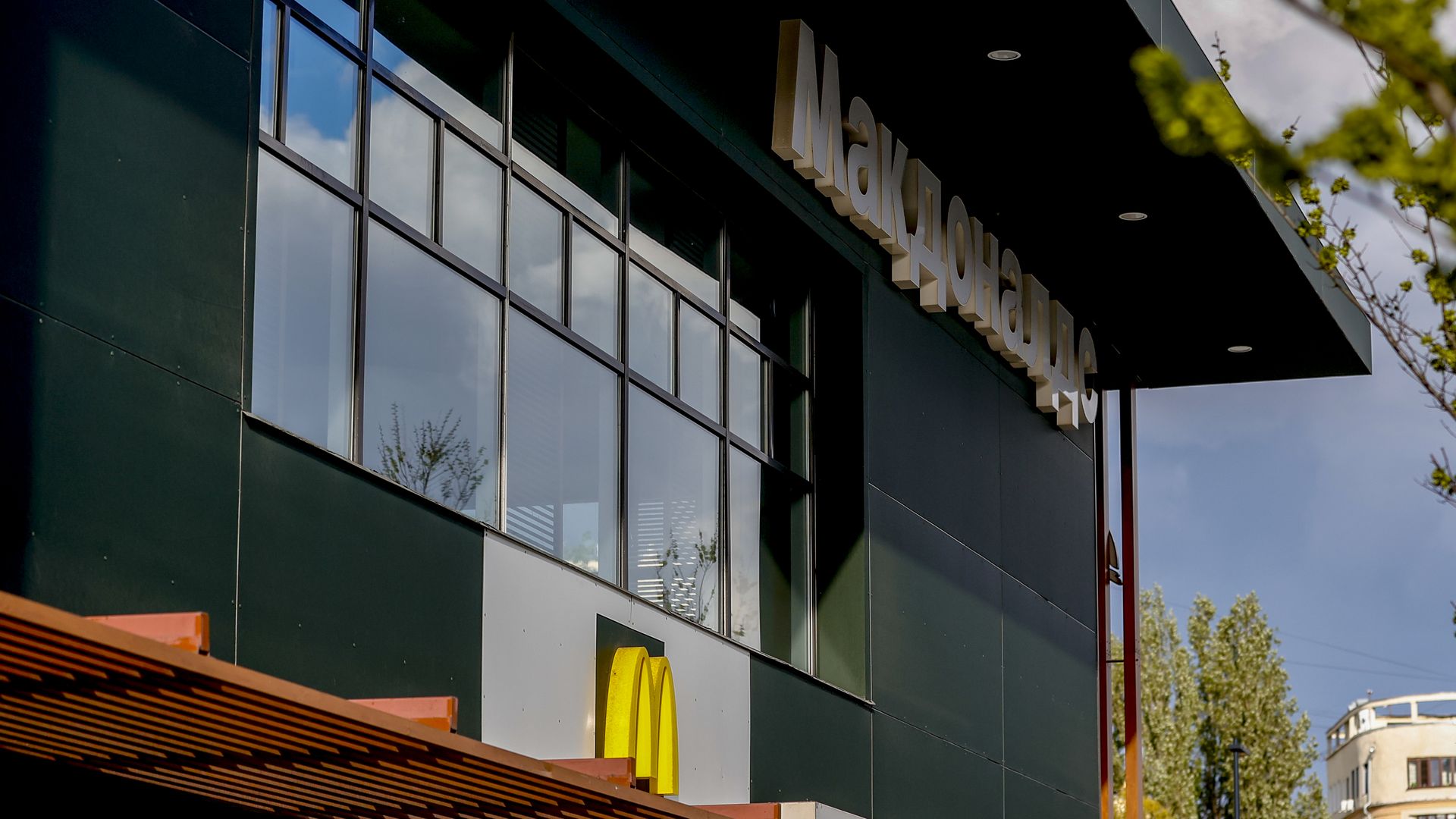
McDonald's on Wednesday said that it will sell its Russian business to a local licensee, who will continue to operate the restaurants under a different brand.
Why it matters: The fast-food giant has operated in Russia for three decades, and its original entry was viewed as a landmark thawing of Cold War tensions. It now becomes one of the largest foreign brands to exit Russia due to the ongoing invasion of Ukraine.
Antitrust enforcers are coming for private equity.
Driving the news: Jonathan Kanter, the DOJ's top antitrust cop, believes that buyout firms have inappropriately escaped regulatory scrutiny, in an interview with The Financial Times.
Kohl's this morning disclosed that it's received preliminary, nonbinding takeover offers, and that final and fully financed bids are due within the coming weeks. CEO Michelle Gass added that the retailer is "pleased" with the level of interest.
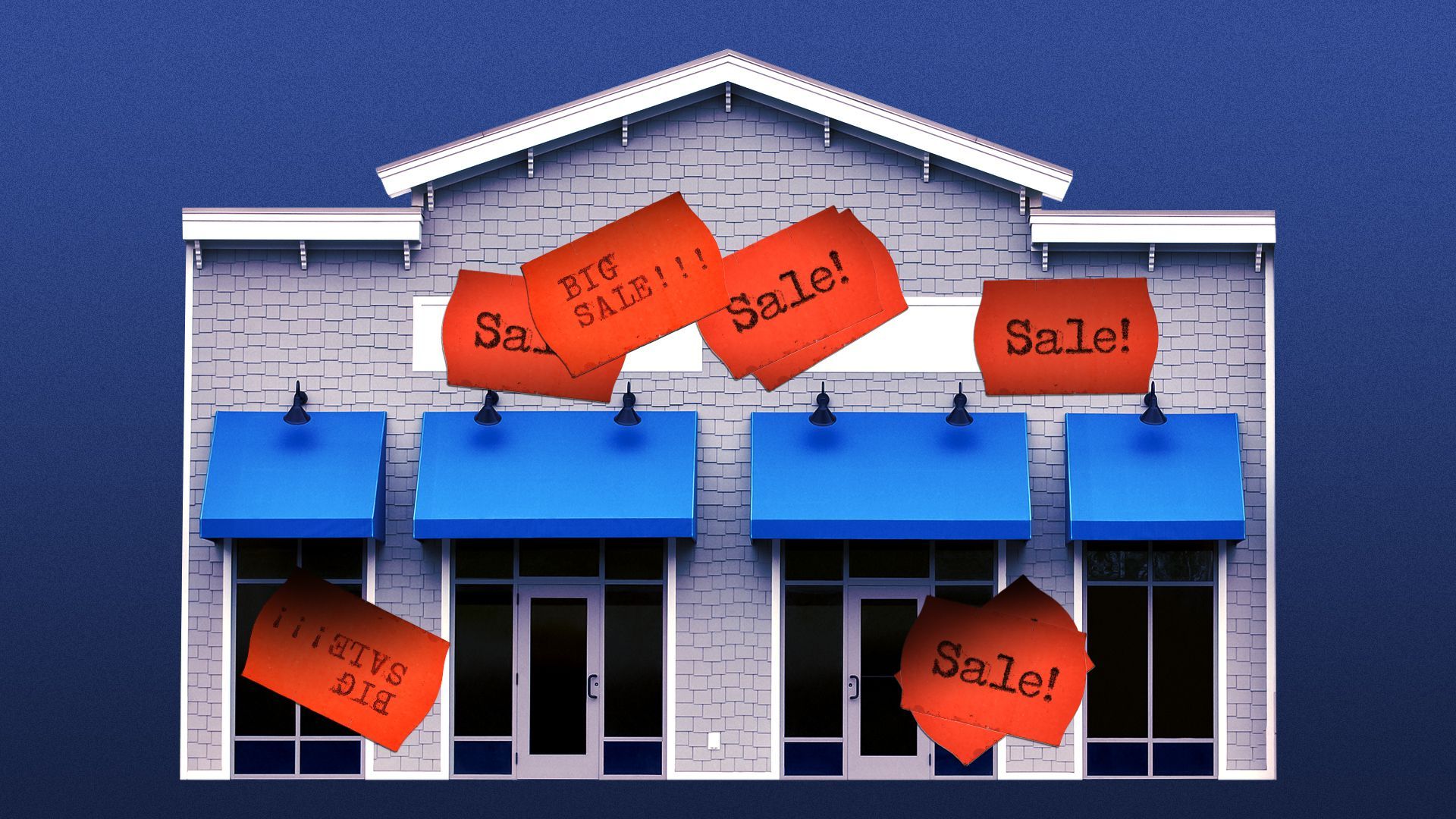
Why it matters: Retail is the canary in the consumer coal mine, with yesterday's stock market rout coming after disappointing earnings from Walmart, Lowe's and Target. Whatever price is fetched by Kohl's — which also reported lousy numbers and two C-suite departures — could become another major data point on investor sentiment.
Driving the news: The number of jobless claims rose by 21,000 to 218,000 for the week ending May 14. The uptick brought the four-week rolling average to 199,500, the department reported.
Oishii, the company behind the $6 strawberry, is cutting prices by more than half as it opens a large indoor vertical farm, the company announced Thursday.
A tray of 11 medium berries or eight large berries will cost $20 instead of $50.
Some are warning that the Federal Reserve's effort to slow inflation could potentially return the U.S. economy to the unusual condition it found itself in during the 1970s and early 1980s: Stagflation.
The big picture: Despite high inflation, the U.S. economy is humming along — with unemployment at 3.6% in April —near the low levels that last prevailed in the late 1960s.
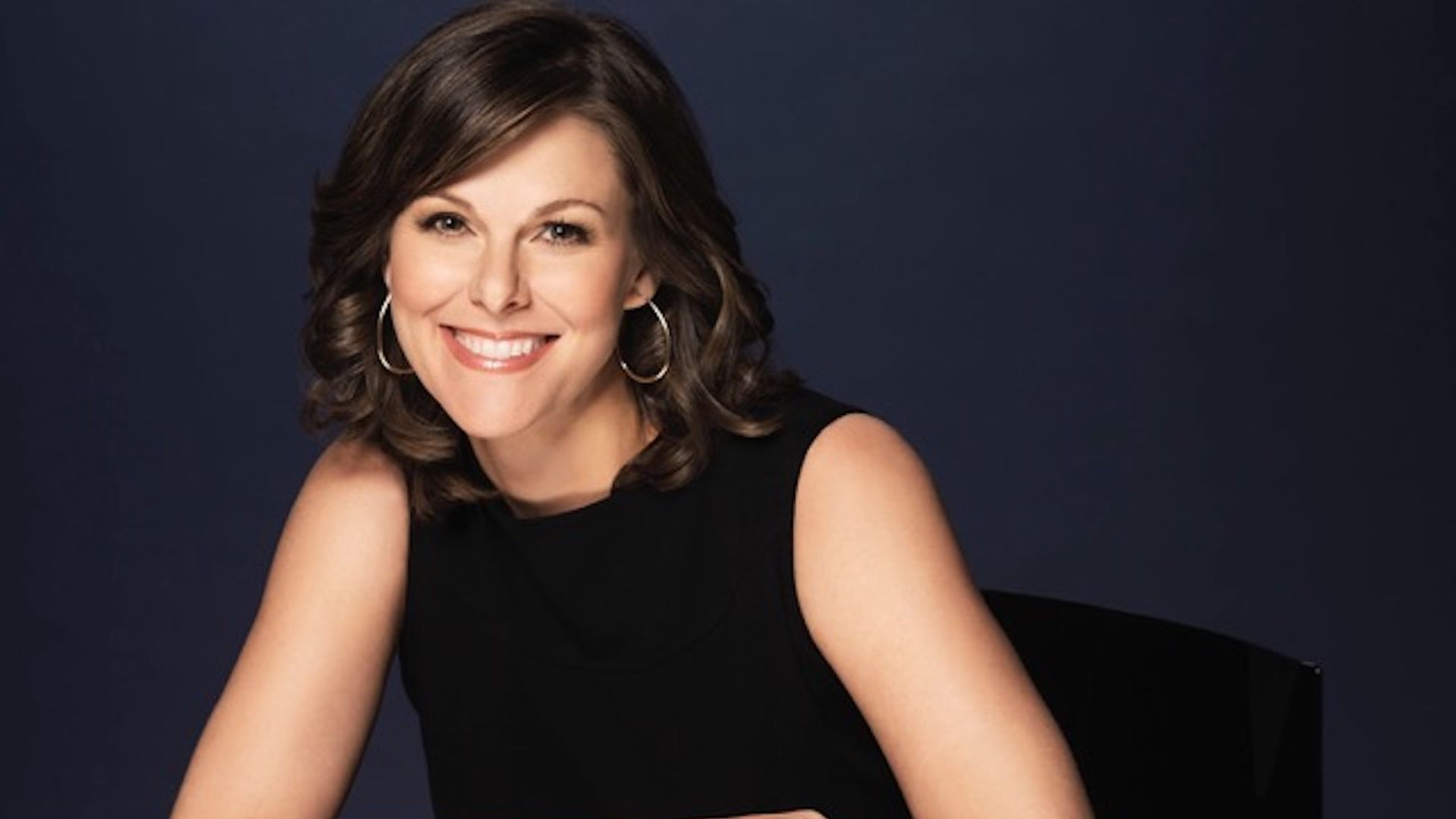
Campbell Brown, the veteran news anchor who has served as Meta's vice president of news partnerships since 2017, is being promoted to oversee a new global media partnerships team at the company, Meta sources tell Axios.
Why it matters: The new role will allow Brown to focus on broader media partnerships in addition to news. New regulations around the globe are forcing tech firms like Meta and Google to pay to host news content.
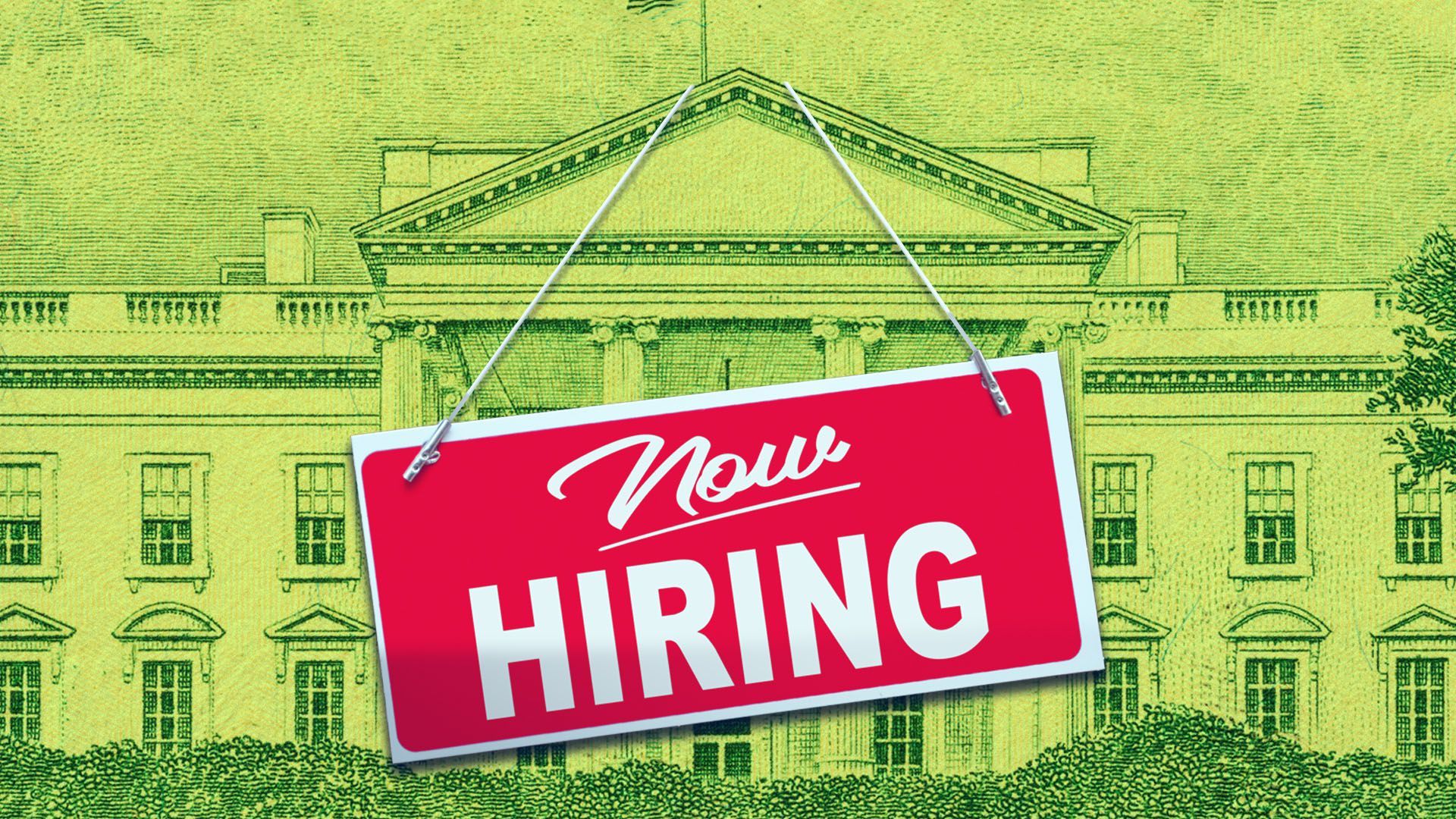
The Biden administration on Thursday urged federal agencies to rely on job-seekers' skills — rather than their academic degrees — to fill vacancies, according to new guidance shared exclusively with Axios.
Why it matters: The government is catching up with the private sector's shift to skills-based hiring amid a tight labor market — and, in doing so, opening up jobs to a pool of traditionally overlooked candidates.
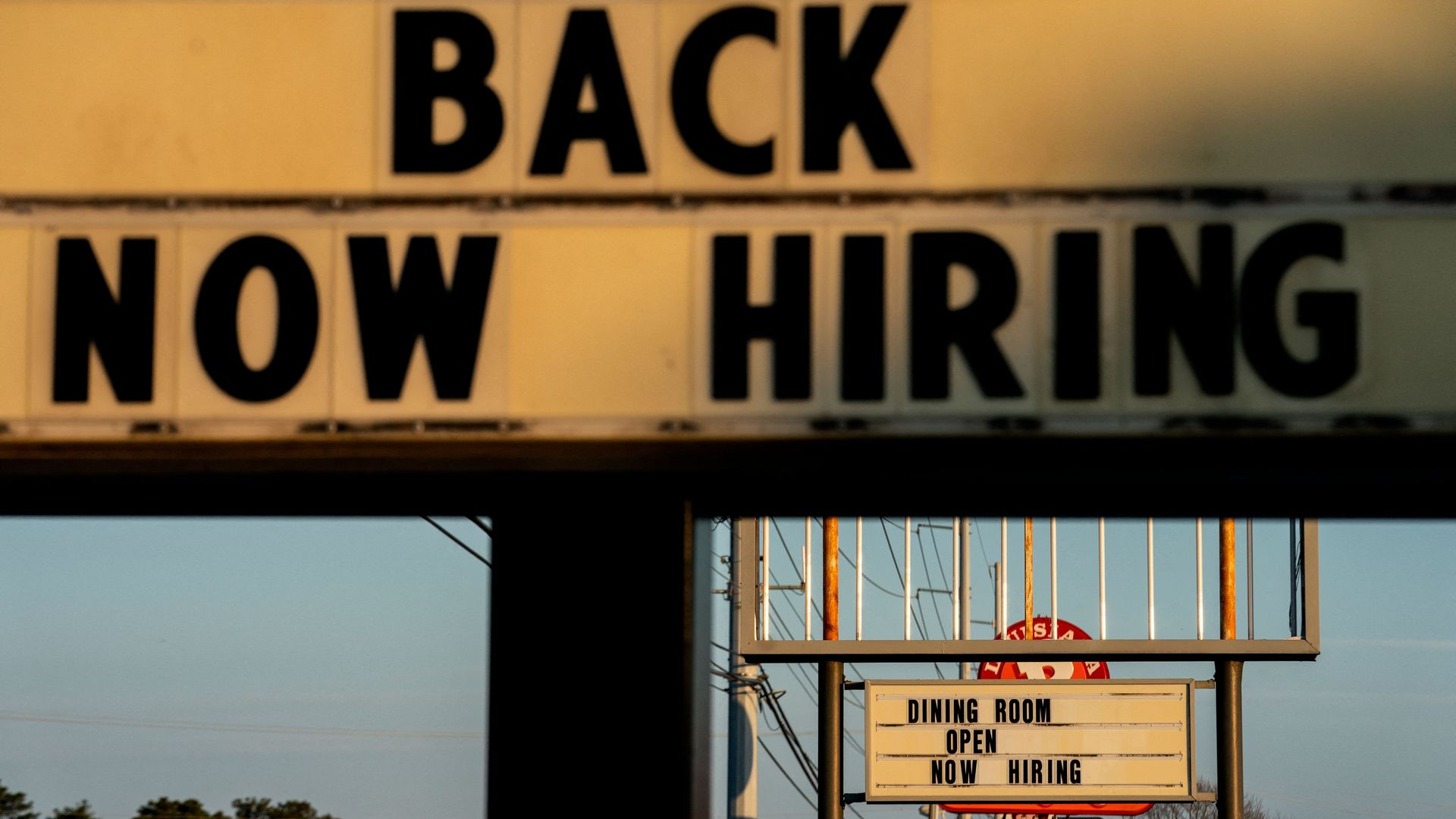
American workers have the upper hand over their employers right now — and there are tentative signs it could last, even as economic storm clouds gather.
Why it matters: Put simply, your boss needs you more than you need her. And it might stay that way, at least for some workers, particularly those on the lower end of the wage scale.
At Axios, women rule. Nearly 60% of Axions — yes, that's what we call each other — are women.
Oh, we also have a group of women leaders who meet monthly called "Women Who Kick Axios."
Why it matters: We're witnessing a surge of women's leadership in business. They're starting businesses and running boardrooms. And the same is true at Axios.