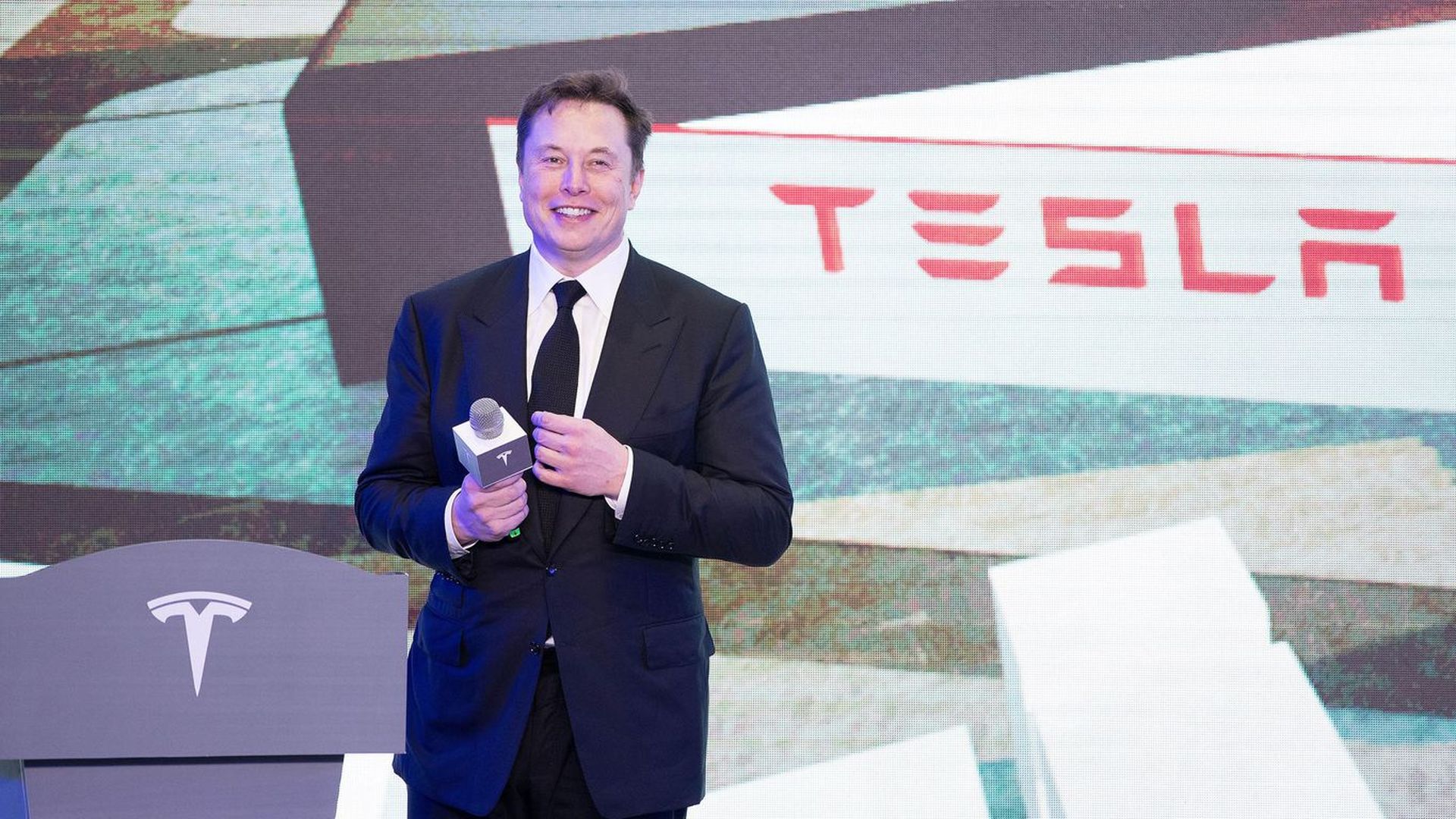
The National Highway Traffic Safety Administration (NHTSA) has opened a special crash investigation into a fatal Tesla crash this month in California that resulted in three deaths, Reuters reports.
Why it matters: The crash, involving a 2022 model Tesla Model S, is one of more than 30 under investigation by the NHTSA involving the electric vehicle manufacturer's driving features, per Reuters.
Target says it will continue to resist raising prices despite seeing its own costs balloon.
Why it matters: Companies are all trying to find their sweet spot with consumers when it comes to moving up prices. Retailers are seeing buyers start to pull away when prices on some of the lowest priced items are hiked, while services businesses like restaurants and hotels are finding there’s still more room to pass along costs.
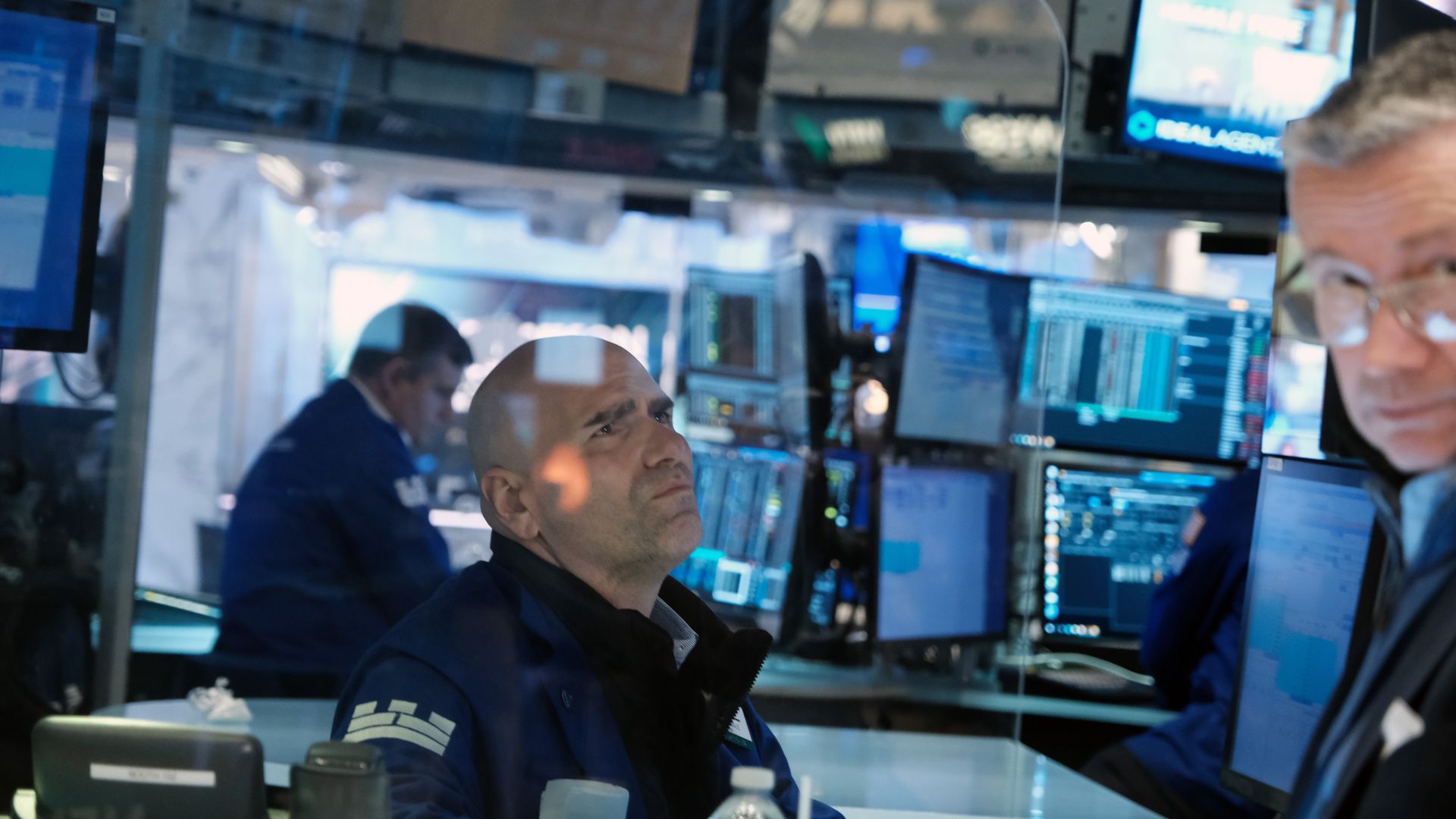
Stocks on Wednesday had their steepest losses in over two years, following disappointing earnings from U.S. retail behemoths Target, Walmart and Lowe's.
By the numbers: The Dow Jones Industrial Average fell 1,164 points, representing a 3.57% decline. The Nasdaq was off 4.73% and the S&P 500 shed 4.04%.
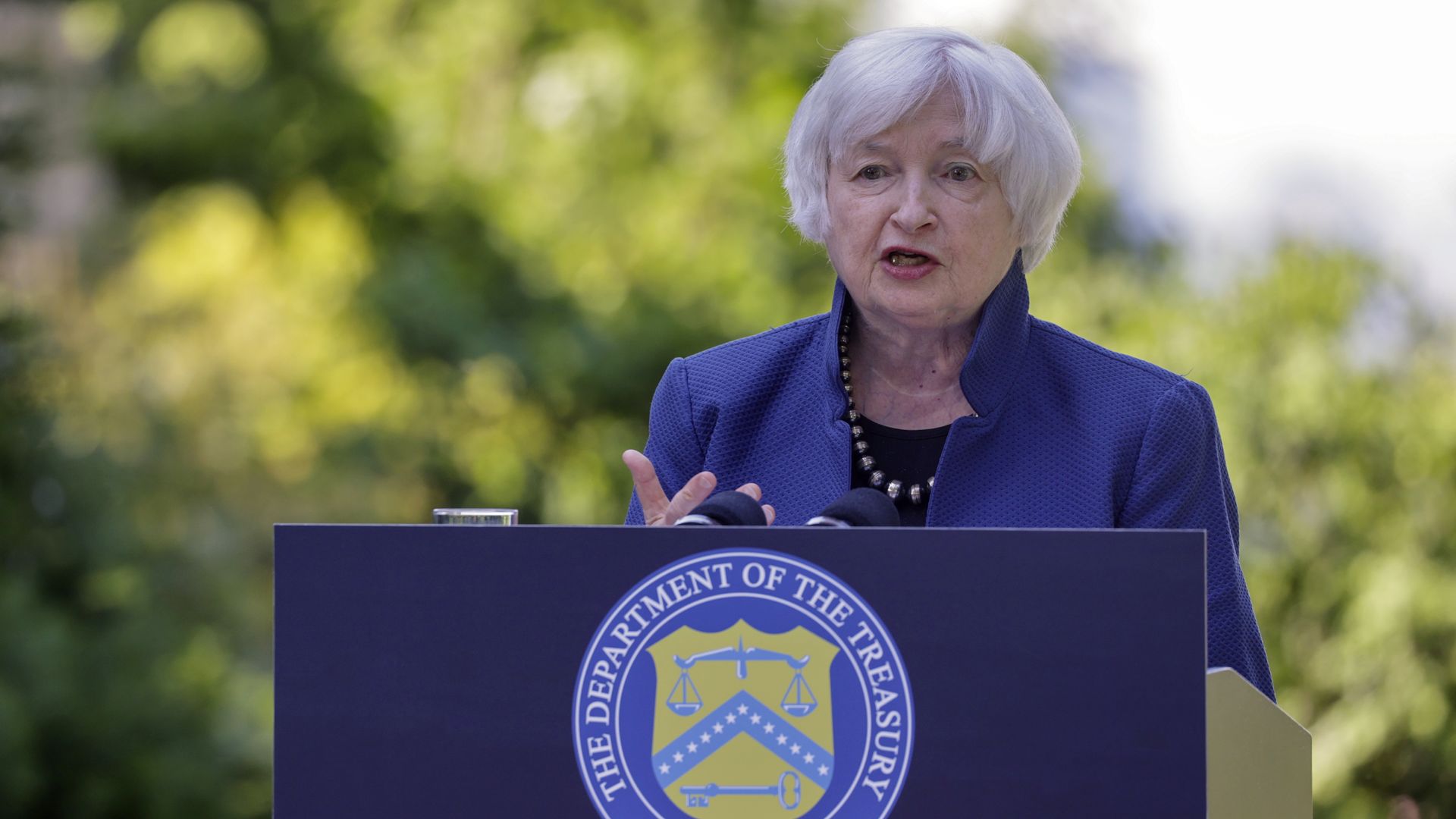
Higher food and energy prices amid the war in Ukraine are leading to "stagflationary effects," Treasury Secretary Janet Yellen said at a press briefing Wednesday ahead of a meeting of G7 finance ministers and central bank governors in Germany.
Why it matters: Yellen noted that "spillover effects" are part and parcel of Russia's invasion, and the decision to respond to it via sanctions.
We've written a lot about venture capital tightening, tied to the stock market correction. Soon it may be time to discuss rapid descent.
Driving the news: Forge Global, which operates a private stock marketplace, reports a record amount of sell-side interest and a significant decline in trading valuations.
Global Switch, a London-based data center operator, is expected to soon launch a formal sale process that could fetch more than $10 billion, per Bloomberg.
Why it matters: Private equity and infrastructure fund interest in data centers isn't new, but macro economic instability could turn this auction into a feeding frenzy, given the sector's (relatively) predictable cash flows.
The creator of Ampleforth, Evan Kuo, really resists his company's chief product, the ampleforth (AMPL) token, getting lumped in with "stablecoins." Yet even when he talks about it, he slips into using the term from time to time.
Details: Stablecoins try to maintain an exact price parity with something, usually the U.S. dollar. Meanwhile, ampleforth simply targets a dollar (sort of, read on), but no one worries if it veers off that price pretty far. It's not a stablecoin. It's sort of a "chillcoin."
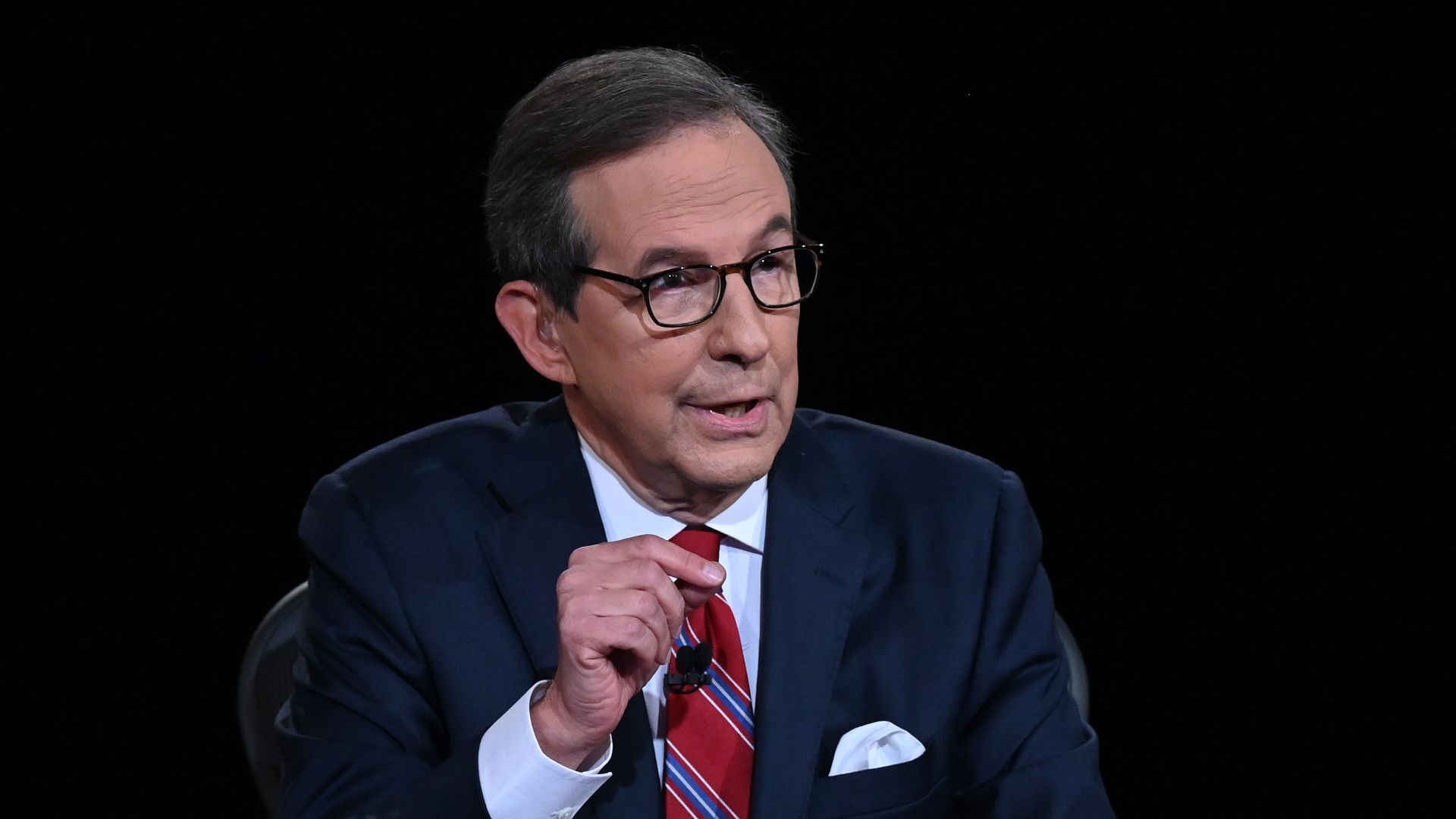
Warner Bros. Discovery, CNN's new parent company, plans to announce during its upfront presentation to advertisers on Wednesday that Chris Wallace will host a Sunday evening show on CNN.
Why it matters: The longtime Fox News host had recently moved to CNN to launch a show on its now-defunct streaming service, CNN+.
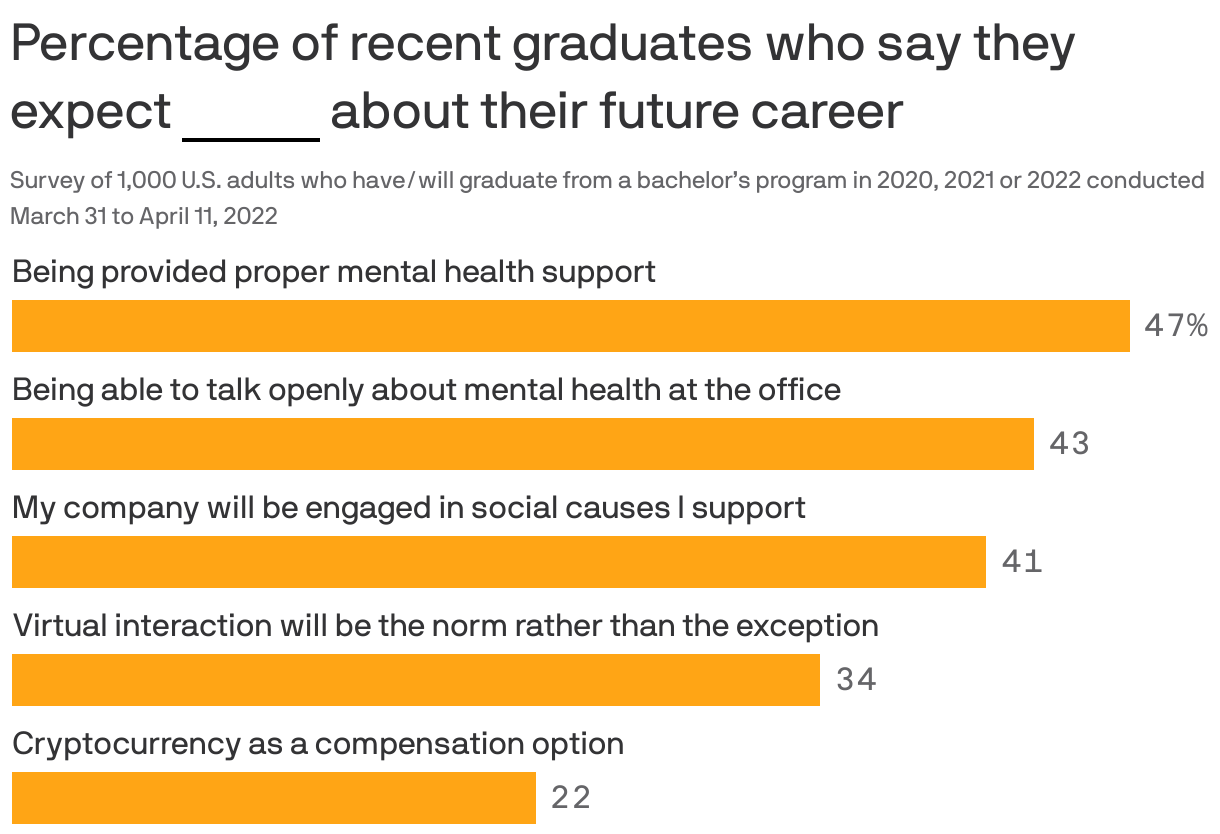
Data: WakeField via iCIMS Class of COVID-19 report; Chart: Jacque Schrag/Axios
Younger workers, in the aftermath of the pandemic, are craving a more traditional work experience with employers who accept them for who they are.
Why it matters: Companies across industries are trying to figure out the right way to meet employees' new needs — such as hybrid work requirements and benefits — amid a labor market that still favors workers.
Aave Companies, the shop behind a protocol built for crypto lending and borrowing, wants to fix social media.
Driving the news: Lens Protocol launched today on Polygon’s blockchain, inviting developers to build social media apps, marketplaces and recommendation engines that could provide a new decentralized alternative to the social media behemoths.
Legal gun manufacturing in the U.S. has nearly tripled since 2000, according to a new federal tally of gun commerce released by the Bureau of Alcohol, Tobacco, Firearms and Explosives on Tuesday.
The once-giddy mood among homebuilders, a side effect of the COVID-era housing boom, is ebbing in as mortgage rates surge.
Driving the news: The National Association of Home Builders' measure of confidence among builders of single-family homes fell for the fifth-straight month, near a two-year low.
Thomas Barkin, the president of the Federal Reserve Bank of Richmond, spoke with Axios recently about the outlook for interest rates, a volatile stock market, and why people hate inflation so much.
If you took out a mortgage over the last couple of years, there's a good chance the holder of that loan is America's central bank — a consequence of its monetary stimulus efforts throughout the pandemic.
Why it matters: The Fed will face a series of political and economic headaches as it attempts to move away from subsidizing home lending by shrinking its portfolio of mortgage-backed securities.
Law enforcement organizations are warning corporate leaders about the risk of civil unrest, and perhaps violence, if the Supreme Court ultimately overturns Roe v. Wade.
Why it matters: As the American political sphere becomes more fractured, it's often the business sector that's forced to figure out how to maneuver around policy shocks or social unrest — and the looming Supreme Court decision on abortion is expected to have massive ripple effects everywhere, including at work.
The broad optimism that Americans felt about the economy in the spring of 2021 — optimism that even a global pandemic and hundreds of thousands of COVID deaths couldn't squelch — has finally been undone by inflation, and health worries that are getting worse rather than better.
Why it matters: The sharp rise in food and energy prices over the past year has had a particularly harsh effect on the finances of suburban and rural Americans.
Self-driving cars are now tooling around in a growing number of cities — even giving rides to the public, in some instances — but it'll be years before summoning a robotaxi is routine.
One big obstacle: Teaching them the rules of the road in each city, which must be done block by block and street by street.
Why it matters: Despite high-profile efforts to get autonomous vehicles on the road, the obstacles — including engineering challenges, capital requirements, regulatory issues and liability questions — are immense, raising questions about how quickly the market can move forward.
This week, the 500 employees of Axios will get together in person — for our first company-wide retreat since the pandemic hit.
Why it matters: A staggering 75% of our colleagues joined after March 2020. So most of them will be experiencing Axios in person for the first time. They've never set foot on a piece of Axios real estate, and they've never met most of their coworkers in real life.