The rapid transformation of Russia into geopolitical pariah is forcing global companies to scramble to reassess their investments, supply chains and other connections to the Russian economy.
Why it matters: Russia has become increasingly economically isolated in a matter of days since its invasion of Ukraine. Now, the country's shunting into a global economic corner threatens to spoil financial commitments that corporate executives previously thought were on sound footing.
Centene is rationalizing its portfolio, with Magellan Rx and PANTHERx divestitures in the cards and more to come over the course of the year, sources tell Axios.
Why it matters: The government-sponsored managed care company is revisiting its strategy amid a major refacing of its board that includes a changing of the guard at the center. Noncore asset sales may suggest where its priorities will (and will not) lie during the company’s next, newly governed era.
Fox's MarVista Entertainment will develop and produce 10 original films for Vix+, the upcoming Spanish-language streaming service from TelevisaUnivision.
Why it matters: TelevisaUnivision is preparing to launch Vix+ later this year and like its English-language counterparts needs as much exclusive content as it can get.
Ukraine’s government bonds are trading like they’re about to default.
Why it matters: The distressed trading levels are a signal of the real risk of regime change. If Russian occupiers take over the government, the likelihood they’ll make good on Ukraine’s current financial obligations is, at best, unknown.
Biomason, a Durham, N.C.-based startup that's using microorganisms to "grow" cement, raised $65 million in Series C funding led by venture capital firm 2150.
Why it matters: Cement manufacturing is estimated to be responsible for around 8% of global carbon emissions.
Divestment is the financial buzzword on Russia, but everything after its last syllable is murky.
Between the lines: Announcing plans to divest is very different than actually divesting. Particularly when Russia's central bank is severely limiting the sale of Russian equities by nonresidents, and the U.S. is blocking that bank from engaging in dollar-denominated transactions.
Axios on Monday named Jamie Stockwell, a local news veteran, who most recently served as a deputy national editor at the New York Times, as the executive editor for Axios Local.
Why it matters: Stockwell will oversee Axios' plan to expand its coverage to 25 local cities by the summer, and 50 by the end of 2023. Eventually, it hopes to be in over 100 cities and every state.
Insider and its parent, German publishing giant Axel Springer, are investing in a new podcast company called Spooler, Insider CEO Henry Blodget tells Axios. Spooler will co-produce a new podcast with Insider called "The Refresh from Insider" using proprietary tech that makes it easier for producers to update podcast content with new segments after it's been published.
The big picture: The new company will be the first of several joint investments from a new fund called "Axel Springer Insider Ventures" (ASIV) that's focused on innovation in media.
Airbnb announced on Monday that it will offer free, short-term housing to up 100,000 refugees fleeing Ukraine.
The big picture: More than 500,000 Ukrainian refugees have arrived in neighboring countries since Russia launched its invasion of Ukraine, according to the UN refugee agency, which expects the number to rise.
LinkedIn says it has entered an agreement to acquire Oribi, a six-year-old analytics company, to bolster its ad business and to establish a presence in Israel.
Why it matters: The deal will make it easier for LinkedIn's ad clients to measure how well their ads perform.
Thomas H. Lee Partners led a $50 million growth investment in Qventus, whose software automates operational decisions across large health systems, community hospitals and academic medical centers, the parties tell Axios.
Why it matters: The pandemic-fueled labor crisis has added pressure to already resource-constrained hospitals, underscoring the need for greater operational efficiencies.
Russia's central bank will be prohibited from undertaking transactions in dollars under a new concerted effort by the United States and its allies, a move that is set to accelerate Russia's economic tailspin.
Why it matters: The measures will severely limit the Russian government's ability to use its $630 billion in reserves to prop up the value of the ruble or fund its war effort in Ukraine.
Up until this weekend, Russia's invasion of Ukraine looked very old-fashioned: Columns of tanks, prisoners of war, bombed buildings. Now, however, Russia and the West have both wheeled out their nuclear options — one literal, the other financial — although neither has actually been used.
Why it matters: The stakes could now hardly be higher. This isn't just about Ukraine any more; it has turned into a full-blown confrontation between nuclear powers. If the conflict continues to escalate as quickly as it has in recent days, the unthinkable could become reality.
The union for Bloomberg Industry Group, an affiliate of Bloomberg L.P. that houses Bloomberg Law, Bloomberg Tax & Accounting and Bloomberg Government, plans to stage a demonstration Monday to protest difficult negotiations with management over wages and telework, per a union organizer.
The big picture: Demonstrations and walkouts are becoming an increasingly common bargaining tactic for newsroom unions.
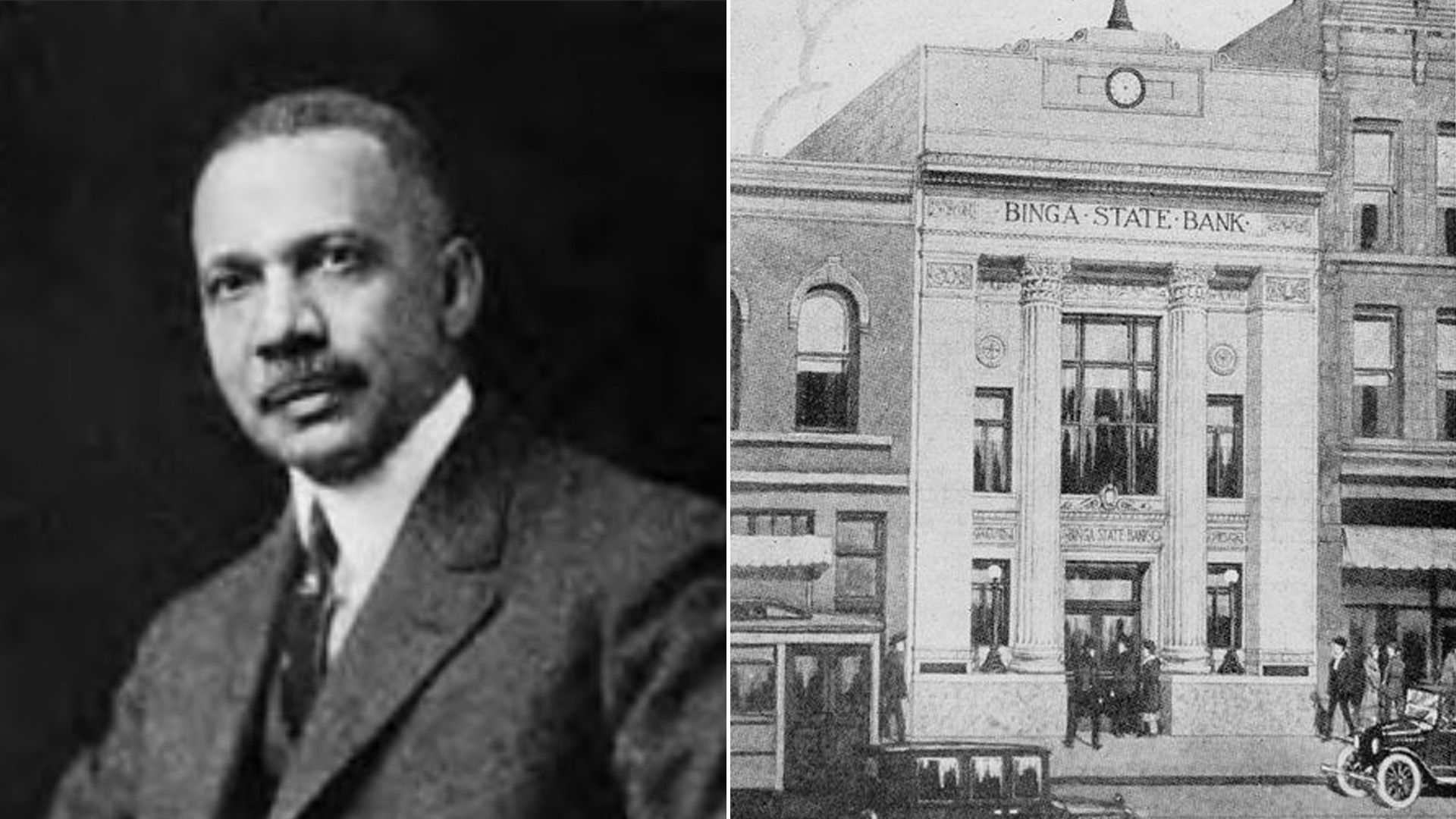
On this last day of Black history month, we'd like to take a break from the news and tell you the story of Jesse Binga, a titan of banking in the early 20th century. The Binga State bank, which he founded in 1908 in Chicago, was one of two pre-eminent Black-owned financial institutions in the U.S. until its collapse during the Great Depression.
Why it matters: Binga's rise and fall — he died virtually penniless — shows how overt racism affects market values and businesses.
Subject Matter, a top D.C. "creative advocacy" firm, today will announce an investment by Coral Tree Partners, an L.A.-based private-equity firm.
Why it matters: Activist government, combined with geopolitical uncertainty, is creating an increasing market to influence and understand the political world, a top operative tells me. So private equity is increasingly hungry for stakes in D.C. firms.
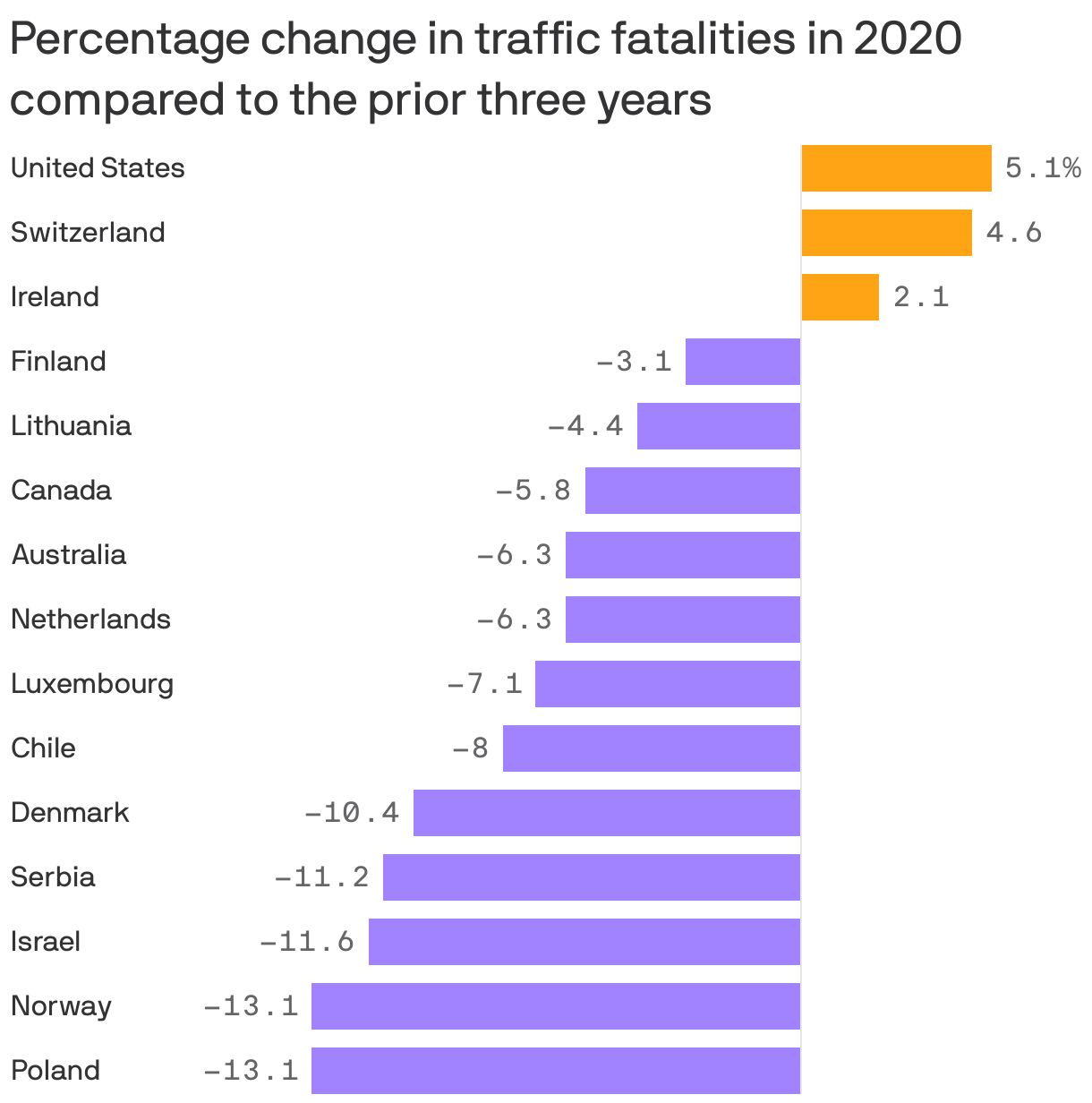
Data: International Transport Forum; Chart: Will Chase/Axios
The United States is rethinking its approach to transportation safety amid a surge in traffic deaths during the pandemic, when other developed countries saw a decline.
Why it matters: American roads have been getting deadlier, with motorist and pedestrian fatalities rising at a record pace, a trend that Transportation Secretary Pete Buttigieg calls a "national crisis."
An estimated 31,720 people died in crashes through the first nine months of 2021, up 12% compared to the same period in 2020, U.S. data shows.
That's on top of a 7.2% increase in deaths seen in 2020.
Between the lines: The AAA Foundation for Traffic Safety wanted to find out why traffic deaths surged in the U.S. during the pandemic, even though data showed people were driving less.
What they found: While most drivers reduced their driving during health-related shutdowns, a small proportion (4%) drove more, and those were younger and disproportionately male — a statistically riskier driver group than the average population.
Those drivers also were more likely to report engaging in risky behaviors like speeding, texting, intentionally running a red light and changing lanes aggressively, AAA's study found.
They were also more likely to be not wearing a seat belt or under the influence of drugs or alcohol.
“Our research finds that higher-risk motorists accounted for a greater share of drivers during the pandemic than before it,” said Dr. David Yang, the foundation's executive director.
“Safety-minded individuals drove less, while many who increased their driving tended to engage in riskier behaviors behind the wheel.”
What to watch: Buttigieg recently announced a new approach to road safety that's similar to what other countries are already doing.
The so-called "safe systems approach" uses layers of redundant protection to reduce deaths, explained Jake Nelson, AAA’s director of traffic safety advocacy and research.
To reduce crashes caused by speeding, for example, the U.S. might work with states to set more data-driven speed limits, add "traffic calming measures" like speed bumps or roundabouts and enforce speeding laws more consistently.
The U.S. Department of Transportation said it will also set new standards for technologies such as automatic emergency braking and will tap more than $10 billion in funding provided in the bipartisan infrastructure law for road safety and behavioral research.
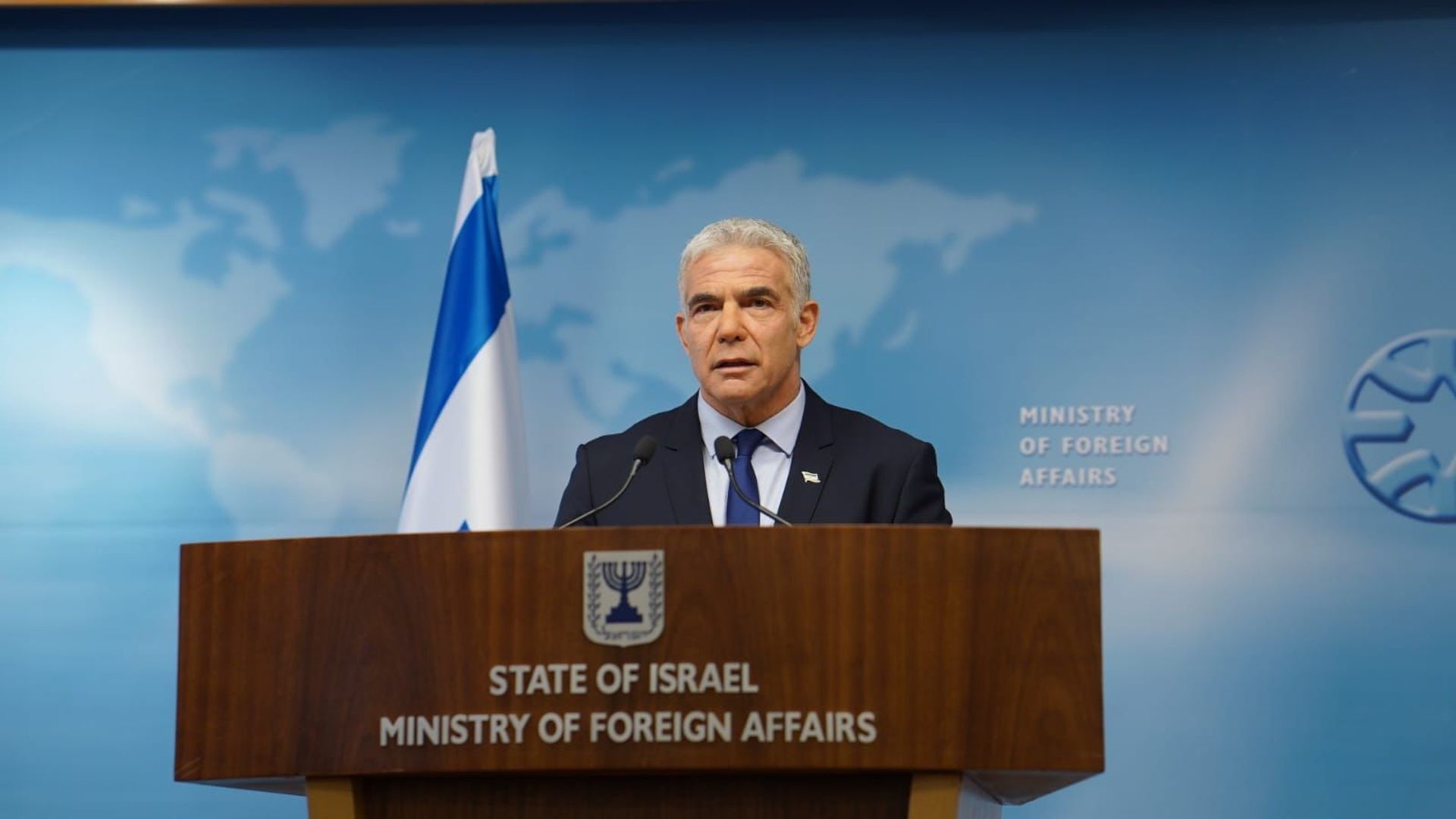
Israeli foreign minister Yair Lapid warned cabinet ministers on Sunday not to help Russian Jewish oligarchs who were targeted by international sanctions or could be targeted in the future, according to three ministers who attended the cabinet meeting.
Why it matters: Oligarchs who are close to Russian President Vladimir Putin are among the main targets of U.S. and European sanctions over Russia's invasion of Ukraine. Many Russian oligarchs have assets, bank accounts and businesses in Israel.
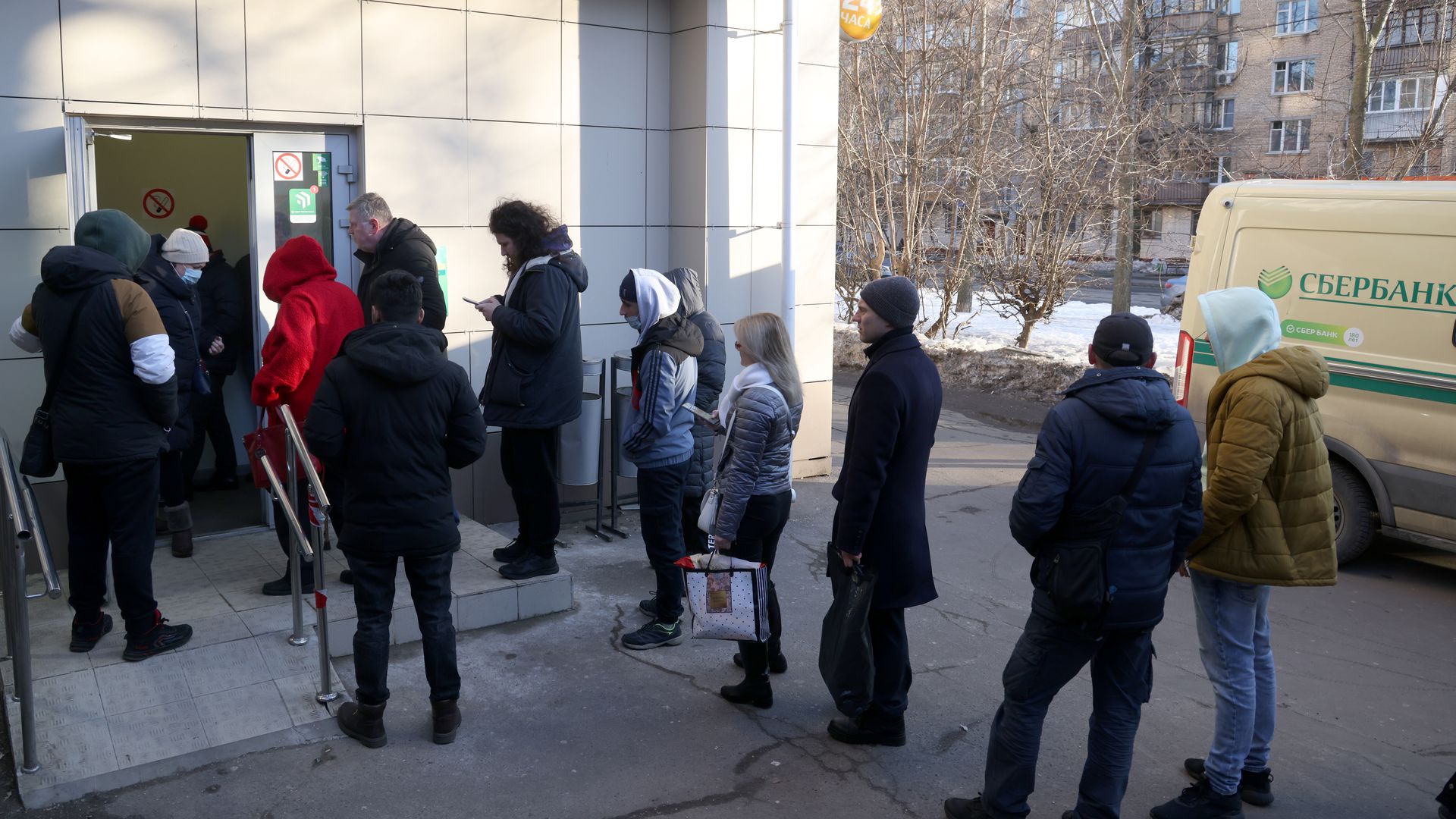
Russia's currency collapsed in overnight trading, with the ruble plummeting against the dollar.
Why it matters: The dive shows that the steadily increasing sanctions from the U.S., the European Union and the United Kingdom will inflict massive pain on Russia's economy — the 11th largest on Earth — and its people, in a shock that could reverberate throughout the global financial system.
The big picture: The Bank of Russia also announced a series of measures in response to the sanctions — including that brokers must "suspend the execution of all orders by foreign legal entities and persons who want to sell off their Russian investments, such as stocks and shares," per a BBC translation.
Home improvement giant Lowe’s is launching its first shoppable livestreams today as interest in home projects continues to grow.
Why it matters: The renewed QVC format has risen in popularity with retailers partly because it captures two big trends that exploded during the pandemic — younger generations’ love of social video and consumers shopping more online.
For Lowe’s specifically, the shoppable livestreams are also tied to its in-store workshops to connect the store's online and offline experiences.
Details: As part of its new "DIY-U by Lowe’s" brand of virtual and in-person workshops, the chain says it will broadcast two livestreams a month from one of its stores, as well as host three monthly in-person workshops (one for kids and two for adults) in all of its stores.
The adult workshop projects (ranging from lawn care and painting, to flooring and holiday lighting) are the same as the projects in the livestreams.
As an online workshop airs, viewers can shop what they see in real-time and ask questions of hosts, who are "Lowe’s Red Vest experts."
What they’re saying: “We really want people to be participatory,” Marisa Thalberg, chief brand and marketing officer, tells Axios exclusively.
The big picture: DIY projects took off as lockdowns began and competitor Home Depot launched livestream workshops quickly in response.
Lowe’s also projects people will continue to upgrade their homes as housing inventory remains constrained.
“Millennials are now driving homeownership rates [so] there's just a new generation of DIY-ers,” says Thalberg.
What to watch: Lowe's wants to become "the social community for DIYers" and plans to introduce more gaming-like features in the future, including badges for completion and virtual high fives.
Some liquor stores and bars in the U.S. and Canada are taking Russian vodka off their shelves in protest of President Vladimir Putin's military invasion of Ukraine.
The latest: On Sunday, the Pennsylvania Liquor Control Board, which is one of the largest buyers of wines and spirits in the U.S., ordered the removal of Russian spirits from state-run liquor stores.