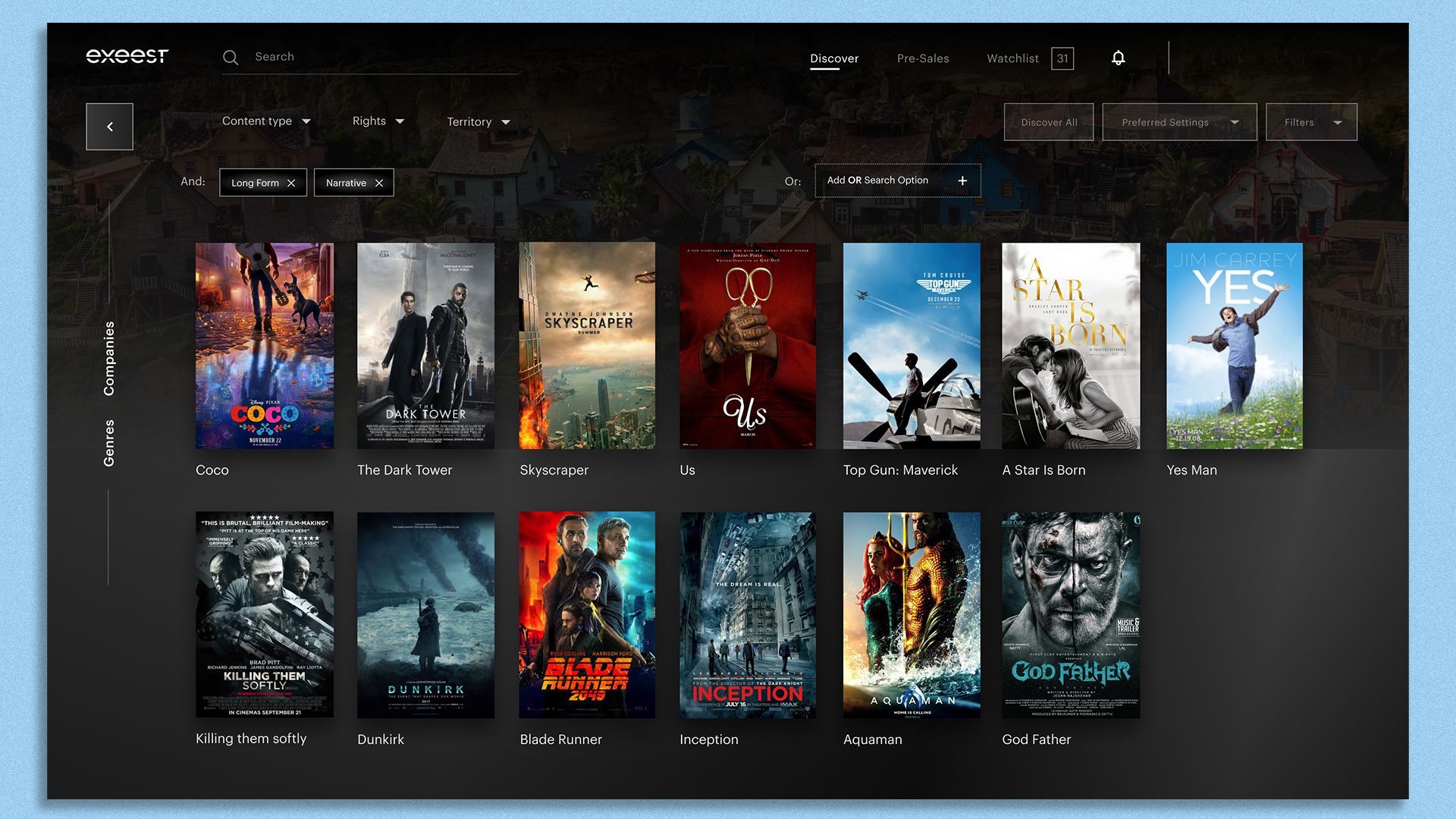
Hollywood studios are putting projects and releases on pause in Russia, joining tech firms, banks, oil companies and other industries that are boycotting Russia following its brutal invasion of Ukraine.
Why it matters: Studios are putting morals over money by forgoing international box office revenue at a time when the industry is still digging out from the pandemic.
Fanatics has raised $1.5 billion in a new round of funding that now values the company at $27 billion, Axios has confirmed. The investment was first reported by the Wall Street Journal.
Why it matters: Fanatics' valuation is the proverbial hockey stick, up more than four times in the past 18 months.
Ford's iconic blue oval is staying in tact, but the company's business is being split into the old and the new.
The automaker is creating one division devoted to internal combustion engine (ICE) vehicles and one dedicated to electric vehicles and software — each with their own profit-and-loss statements. Another unit will focus on commercial and government customers.
The World Bank Group has halted its programs in Russia and Belarus amid Russia's ongoing invasion of Ukraine.
The big picture: The World Bank had partnered with Russia to help the country boost its economy and expand its role in the international domain. It's the latest organization to cut ties as Russian forces continue to barrel down on Ukrainians.
Driving the news: A rodent infestation at a Family Dollar distribution center in Arkansas cost $34 million after it triggered a voluminous product recall over contamination concerns, owner Dollar Tree reported Wednesday.
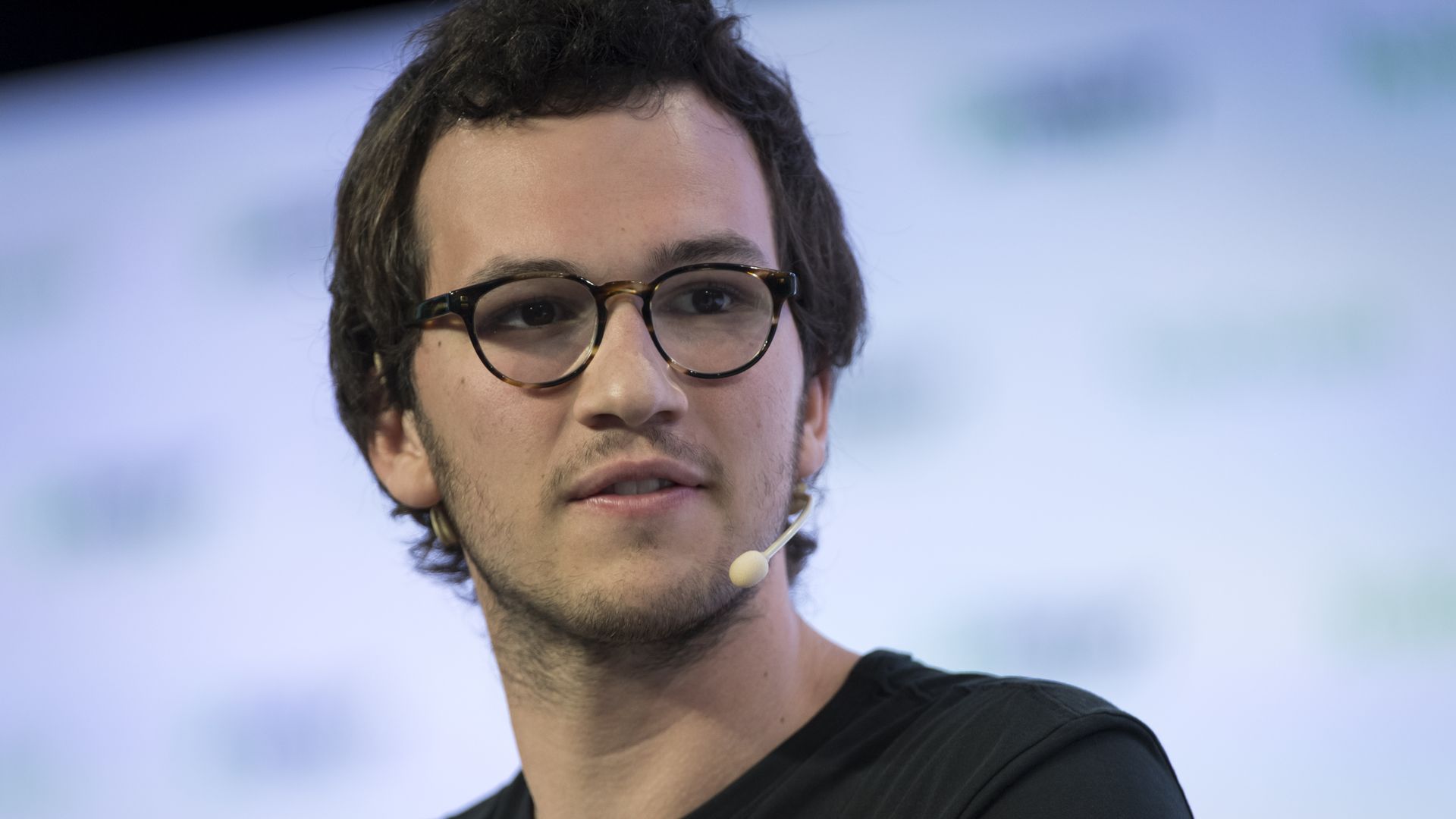
Brex, the corporate credit card startup valued by venture capitalists at more than $12 billion, doesn't plan to go public "anytime soon," co-CEO Henrique Dubugras said Wednesday during an Axios Pro Insights event.
"I think we would only consider [going public] in a good market. We're not anti-going public or anything, but we're still a five year-old company and I think it's very normal for companies to wait until they're eight or nine years old."
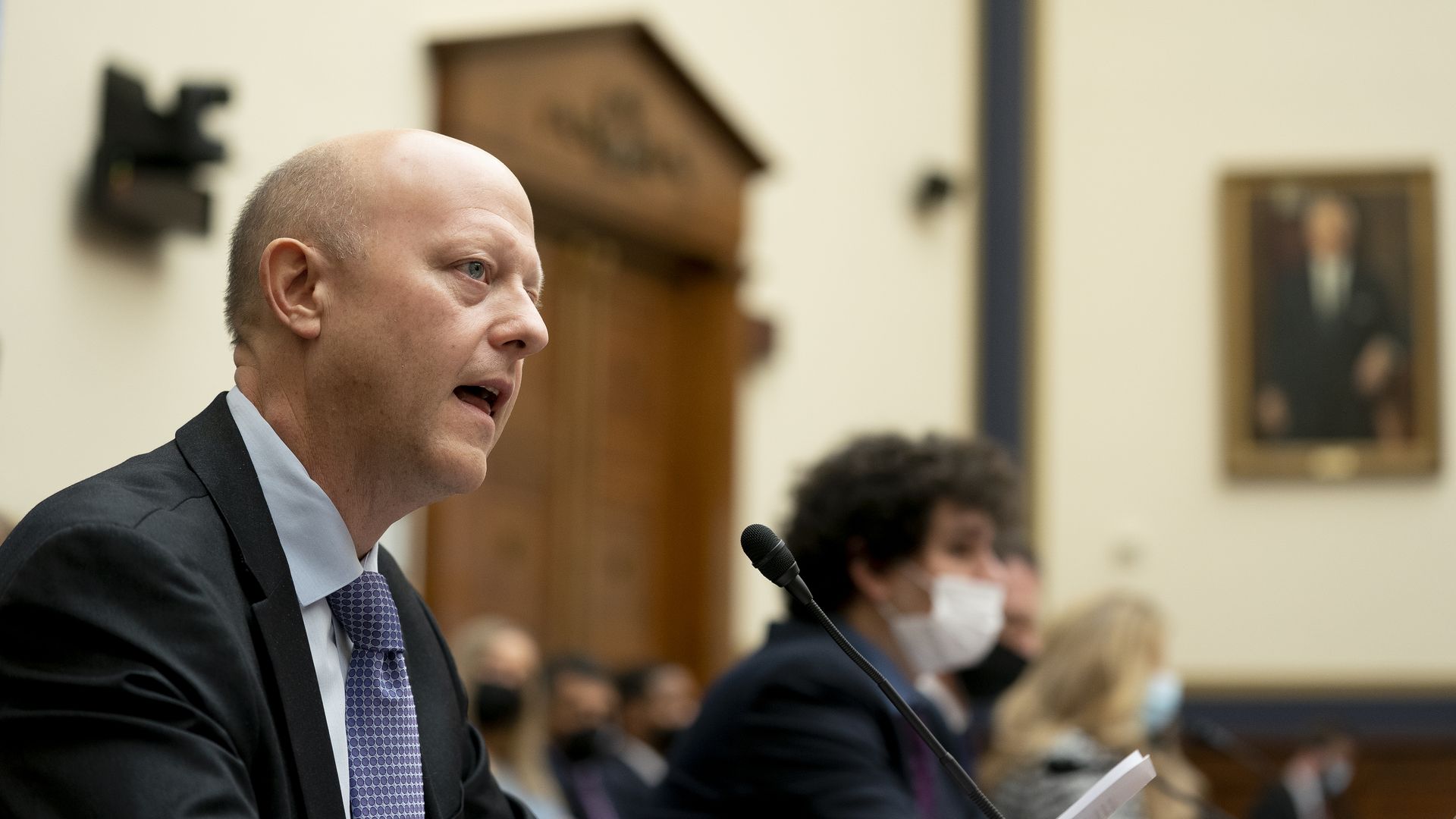
Russia's war with Ukraine has become a catalyst for the adoption of cryptocurrencies, Circle Financial CEO Jeremy Allaire said Wednesday during an Axios Pro Insights event.
"There's a focus on what is the role of crypto on everything from aid distribution to Ukraine, which is accelerating ... to the question of individuals ... who are asking themselves if they should own and hold non-sovereign digital assets ... in a world where central banks can literally freeze accounts."
Ford has agreed to sell Spin, the scooter rental startup it acquired in 2018, to Tier, a Berlin-based micromobility company, for an undisclosed price.
Why it matters: Despite an initial thesis around expanding into transportation beyond cars, "this allows [Ford] to focus on their core business" as the importance of electric vehicles has grown, Spin CEO Ben Bear tells Axios.
Gates Foundation-backed Dimagi, which makes digital tools for health workers in remote areas, is acquiring SureAdhere, a tuberculosis-focused software startup, a source tells Axios.
Why it matters: The acquisition, which the companies confirmed to Axios, unites two public health-focused virtual care companies and gives Dimagi access to video directly observed therapy (VDOT), an important digital tool for tuberculosis care.
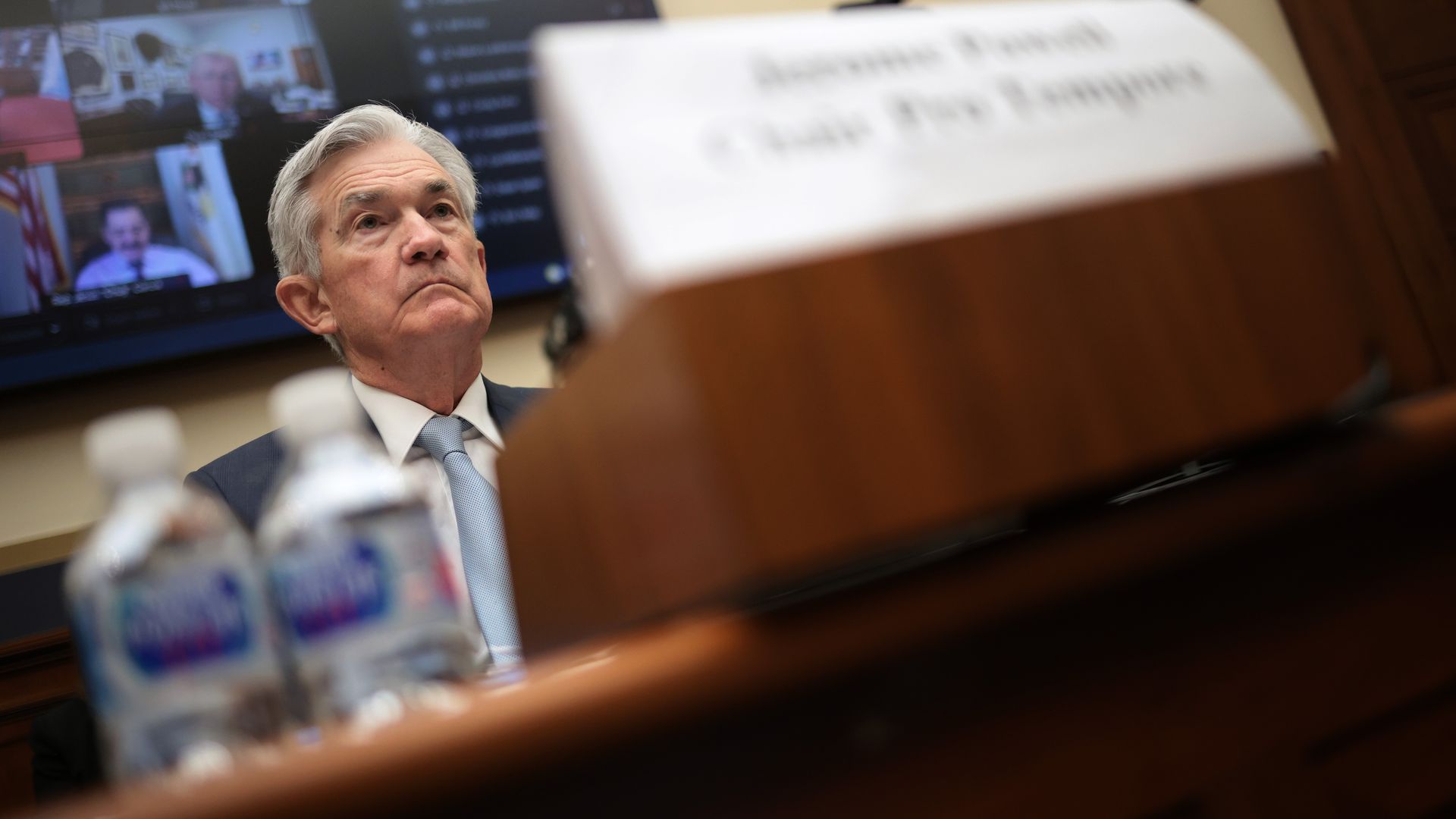
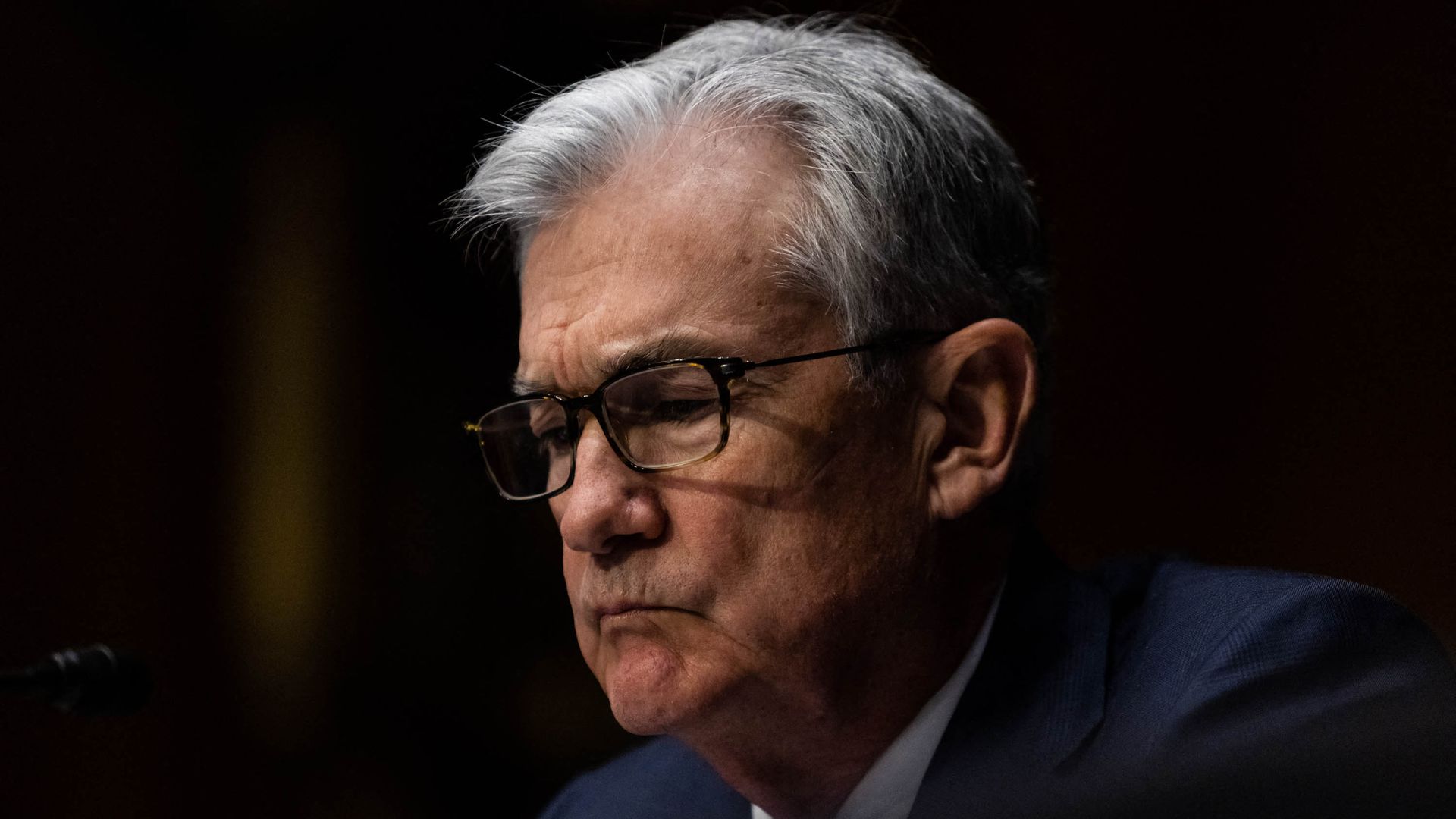
Federal Reserve chair Jerome Powell offered a strikingly blunt description of the Fed's plans for its policy meeting later this month.
Powell said at his semi-annual Congressional testimony Wednesday that he's inclined to proceed with a quarter-percentage point interest rate increase in two weeks, while moving carefully and watching the economic implications of the war in Ukraine.
Telecom Italia reportedly wants KKR to abandon its takeover pursuit of the company, which it views as too low, and instead participate in a landline unit spinoff, per multiple reports. A formal proposal is expected to come Wednesday.
Why it matters: Italy's network infrastructure needs an upgrade, and the government wants leaders Telecom Italia and rival Open Fiber to work together — viewing the alternative as duplicative investment. This alternative plan could help achieve that end, with KKR helping to cover some of the costs.
NCX, the carbon marketplace backed by billionaire Salesforce founder Marc Benioff, raised $50 million in a Series B to help fund international expansion.
Why it matters: The funding will fuel NCX’s planned drive outside the U.S., likely first with planned pilots in Mexico and Canada, a spokesperson tells Axios.
NCX connects buyers of carbon offsets with landowners who grow trees on their property. The company then uses satellites to "measure every acre every year," co-founder Max Nova says.
Since its seed round in Thanksgiving 2020, the company has grown to 50 employees from 10 employees and signed corporate buyers such as Microsoft, Cargill, and Rubicon.
The details: The funding round was led by Energize Ventures. It also included J.P. Morgan, Intercontinental Exchange, Dalus Capital, Clearvision Ventures, as well as further funding from existing investors Scribble Ventures and Benioff's TIME Ventures.
What they’re saying: "Ultimately we got to get to where all the trees are at," Nova tells Axios. "The U.S. has over 600 million acres of forest, but there are billions of acres of forest out there."
Of note: NCX hasn't made public its valuation, and declined to speculate on the timing of its push into other countries.
"We're trying to be very thoughtful about" entering foreign markets, Nova said. Between weeks, months, and years, the expansion, will occur "definitely sooner than years."
TV measurement company iSpot.tv has acquired Tunity, an analytics company that specializes in tracking out-of-home (OOH) TV viewership.
Why it matters: Tunity's tech for measuring OOH TV viewership, which is crucial for big tentpole events, strengthens iSpot.tv's position as an alternative to traditional measurement providers. Last year, Nielsen admitted to undercounting OOH due to a software issue.
Federal Reserve chair Jerome Powell begins two days of testimony on Capitol Hill Wednesday morning. It will be, in a word, fraught.
Driving the news: Powell and the Fed are at the center of an extraordinary collision of economic and geopolitical forces — and they don't have any good options. Adding to the pressure, Powell himself is still awaiting Senate confirmation for a second term.
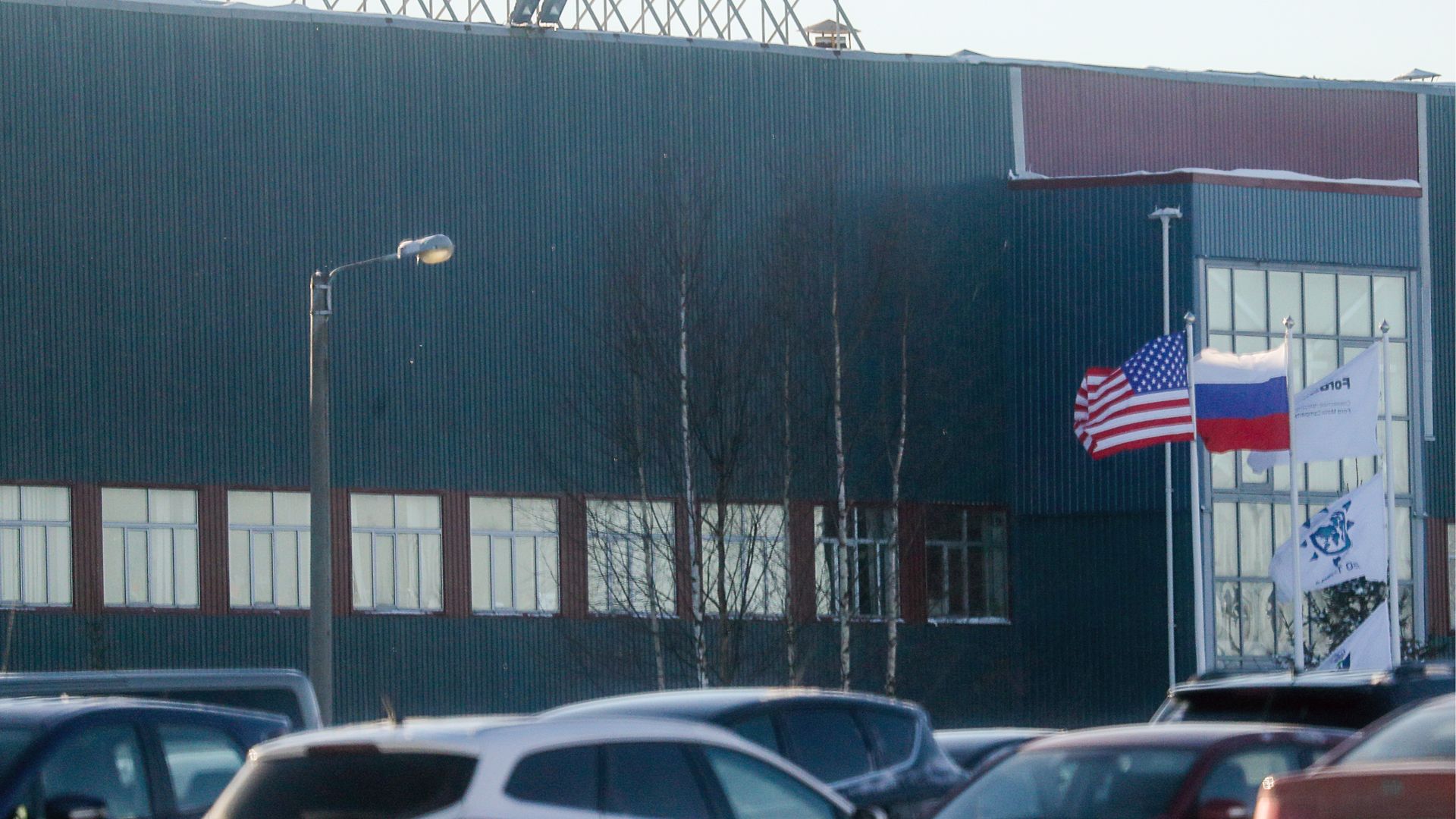
Ford is suspending its operations in Russia due to the invasion of Ukraine, the automaker announced Tuesday.
Driving the news: The company said in a statement that it "informed our JV partners" on Tuesday that it was suspending operations, "effective immediately, until further notice."
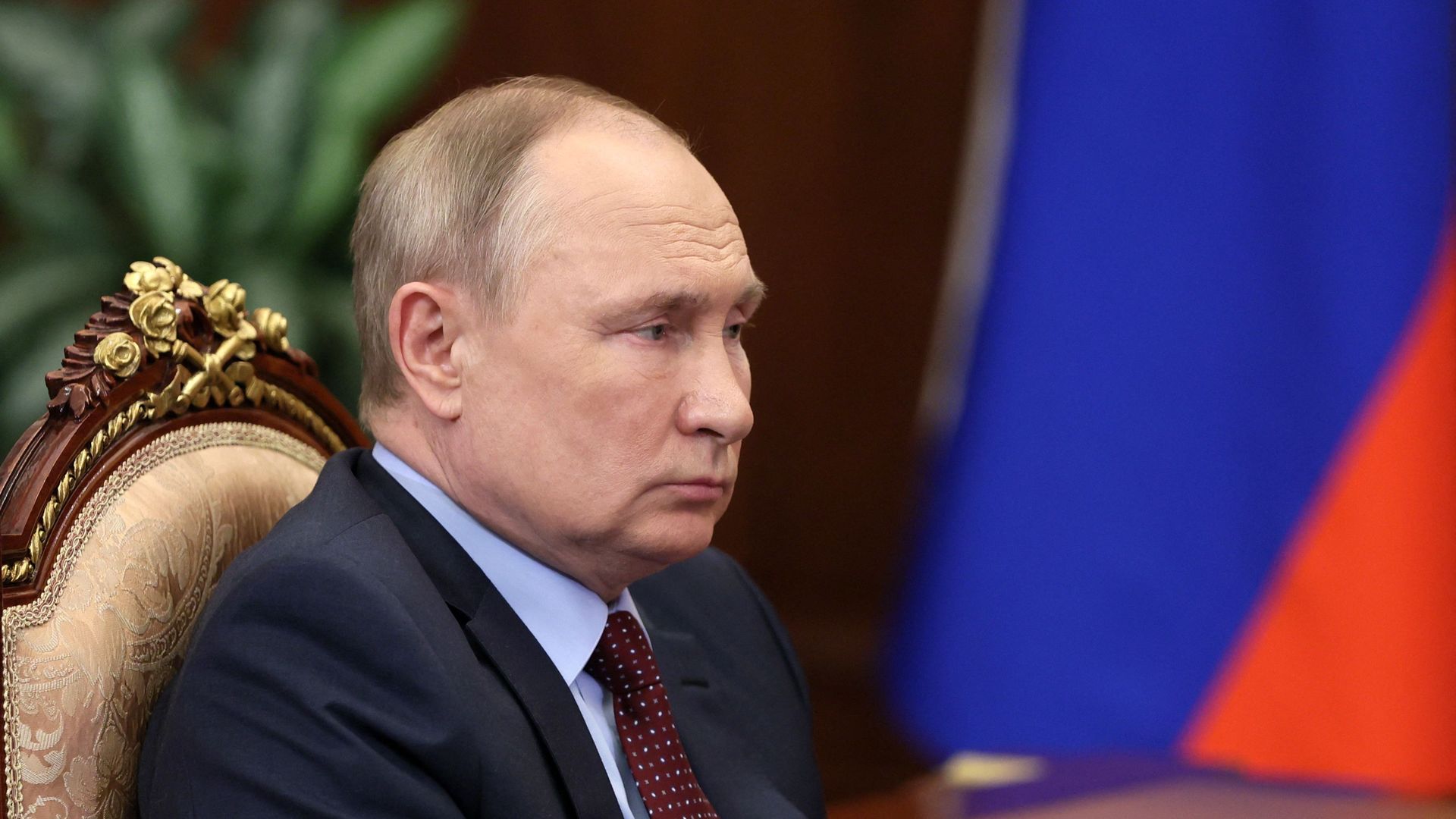
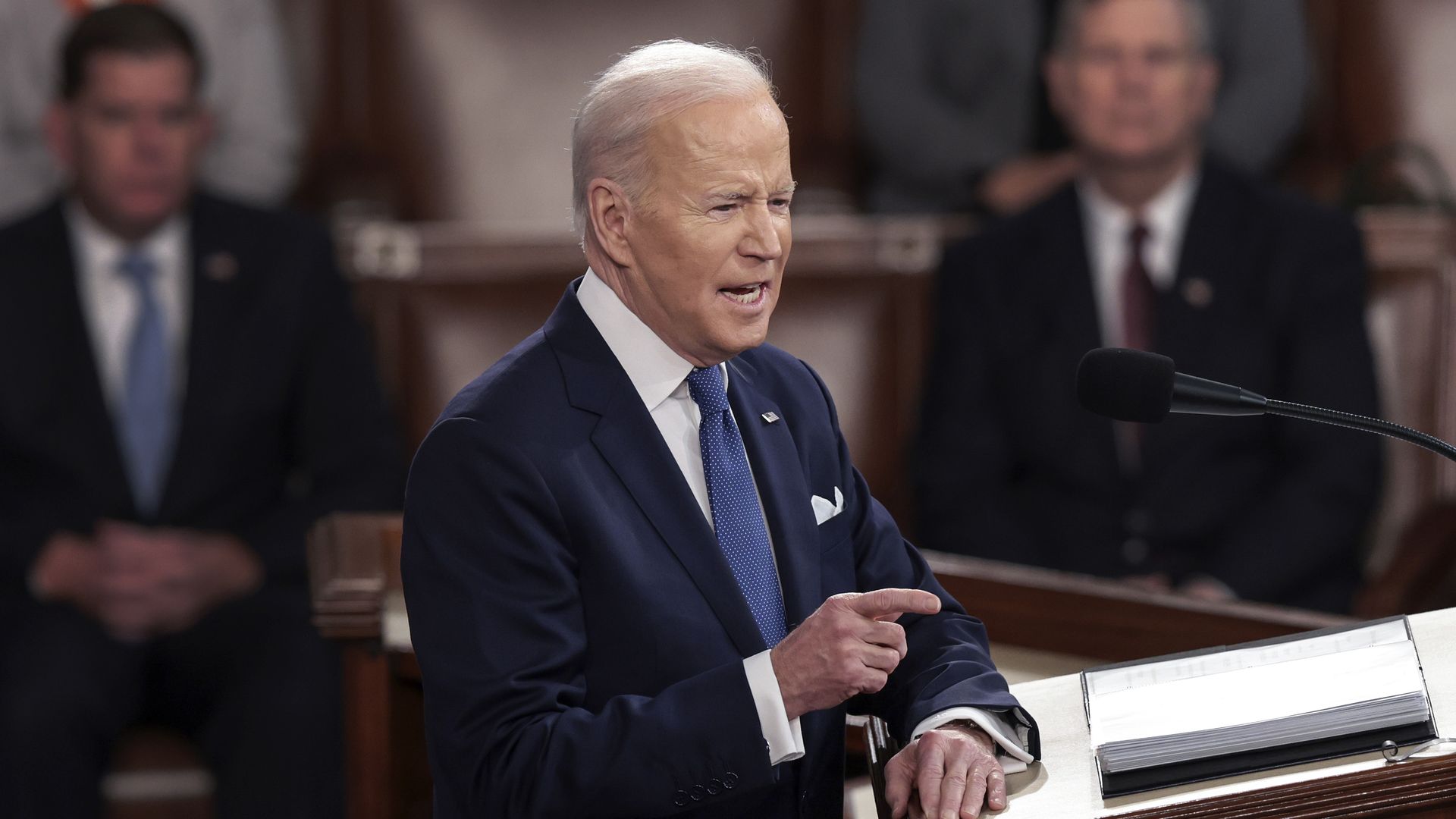
President Biden began his first State of the Union address with an homage to the "iron will of the Ukrainian people," and a pledge to choke off Russia's economy to ensure Vladimir Putin pays the ultimate price for his unprovoked aggression.
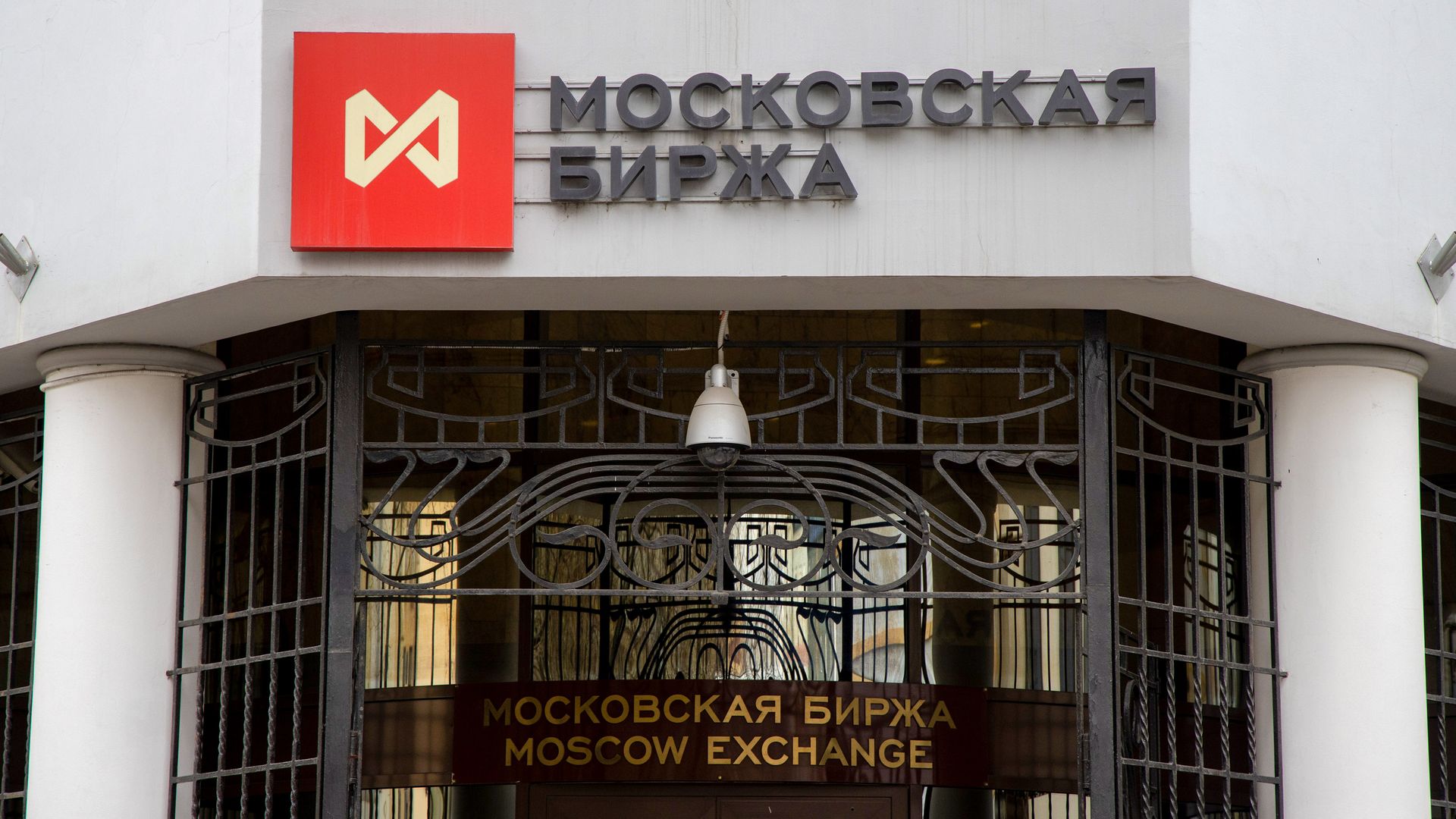
Why it matters: Russia's economy is in free fall. The ruble has lost 30% of its value and trading on the Russian stock market remains suspended, as Putin scrambles to implement capital controls in response to Western sanctions that have been far more swift, united and painful than many could have predicted.
SV Angel, the venture capital firm known for early bets on companies like Airbnb and Slack, has raised $269 million for its first-ever growth equity fund.
Why it matters: It's something of a strategy shift for the seed-focused firm, which previously used special purpose vehicles (SPVs) to invest in later-stage deals.