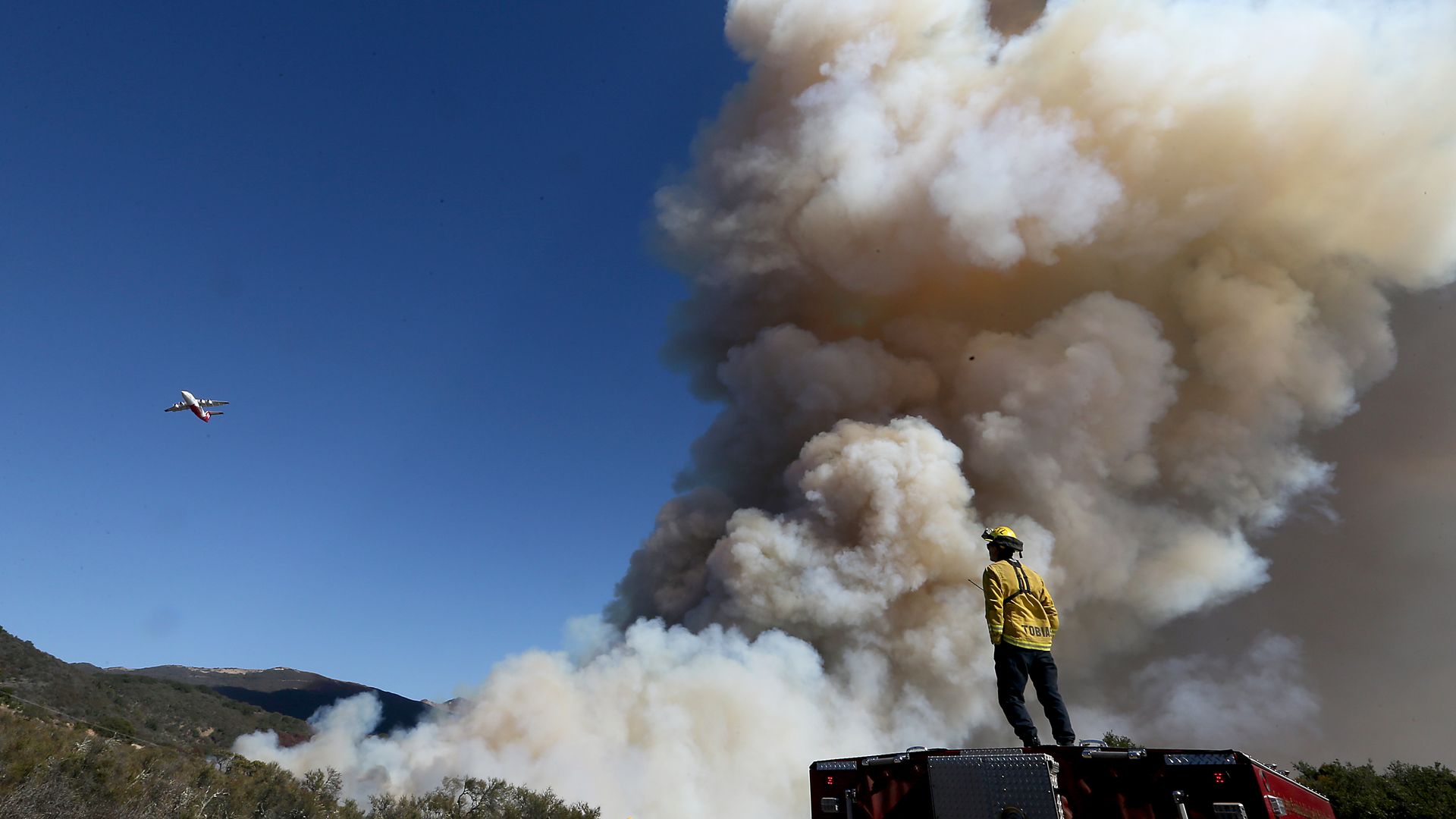
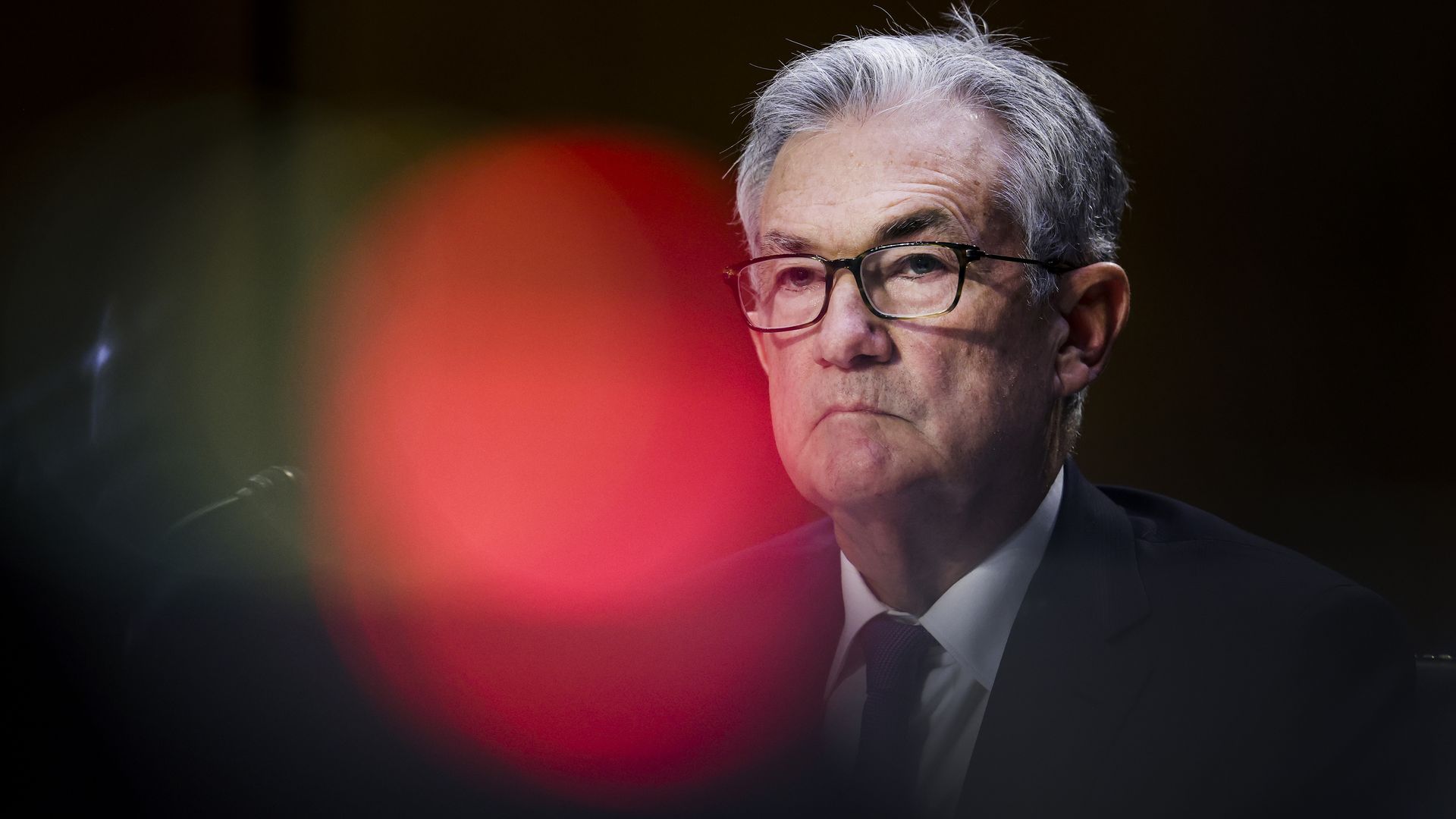
A top U.S. financial coordinating organization took several steps on Thursday to manage the growing risks that climate change poses to the U.S. financial system.
Why it matters: While the Biden administration has been taking an all-of-government approach to climate change, like factoring climate risk into planning at the Treasury Department, today's moves by the politically independent Financial Stability Oversight Council (FSOC) carry significant weight.
Snapchat's stock fell nearly 25% in after-hours trading Thursday after the tech giant acknowledged that its ad business "was disrupted" by changes to Apple's privacy terms that rolled out in June and July.
Why it matters: Snapchat's quarterly results sent stocks for Google and Facebook down in after-hours trading on fears that their businesses may also be affected by Apple's changes.
AMC Theatres announced last Friday that it will add onscreen captioning to select showtimes across the U.S. to make movies more accessible for people who are deaf and hard of hearing.
Why it matters: AMC, one of the largest movie theater chains in the world, implemented the onscreen captions after disability rights advocates pushed to make theaters more accessible, according to NPR.
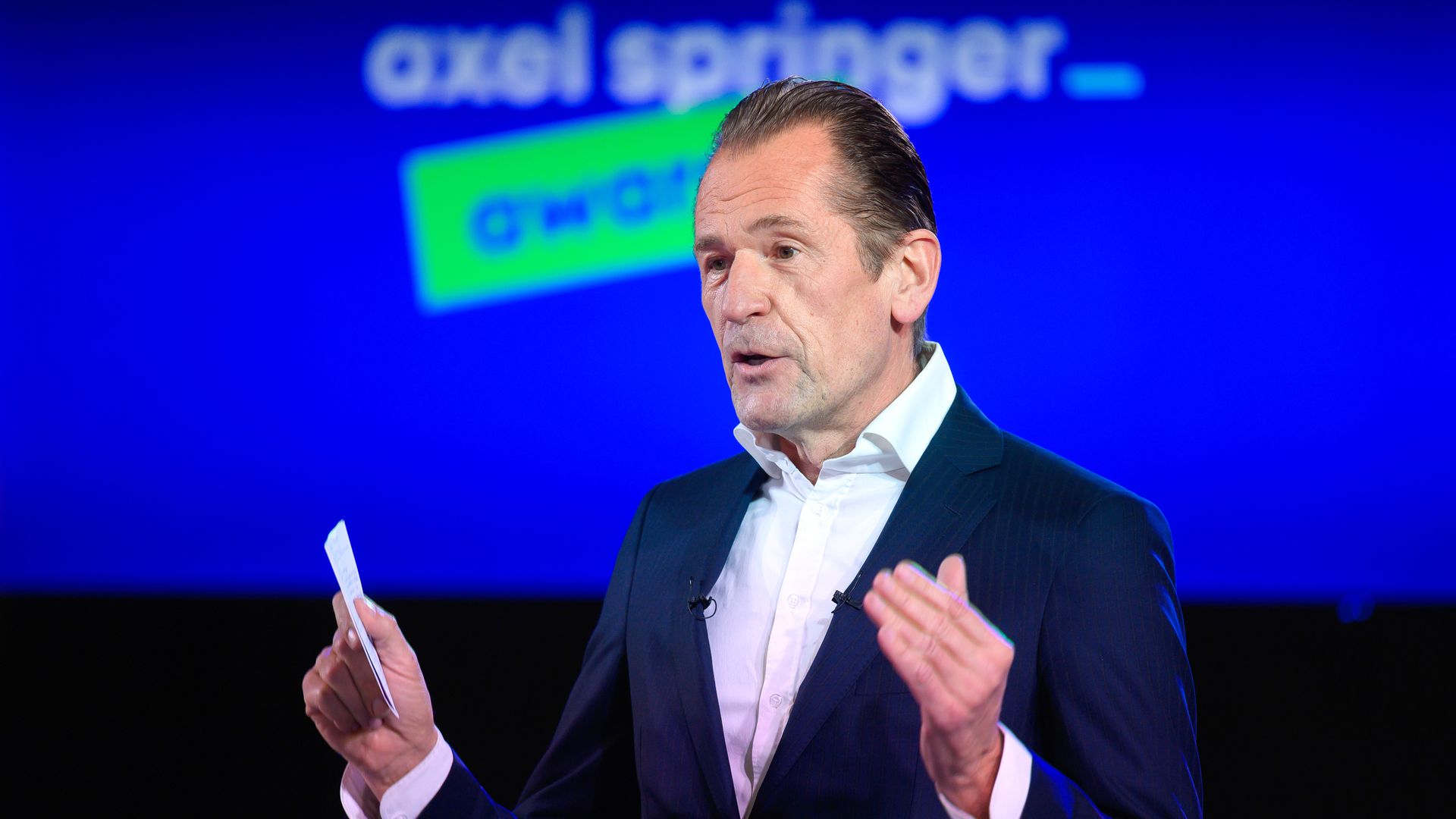
Axel Springer CEO Mathias Döpfner told Politico staffers in a company-wide Q&A Thursday that it was "a mistake" to tell The Wall Street Journal last week that he planned to institute a paywall.
Why it matters: Politico staffers have told Axios they feel bait and switched after Döpfner's comments, which were less than two months after he told staffers "We're from Berlin, We don't like the concept of walls."
The Commodity Futures Trading Commission (CFTC) announced Thursday that it has paid nearly $200 million to a whistleblower, the agency's largest-ever award for a single individual.
Driving the news: The CFTC said the whistleblower's tip provided "direct evidence of wrongdoing" and led to successful enforcement action.
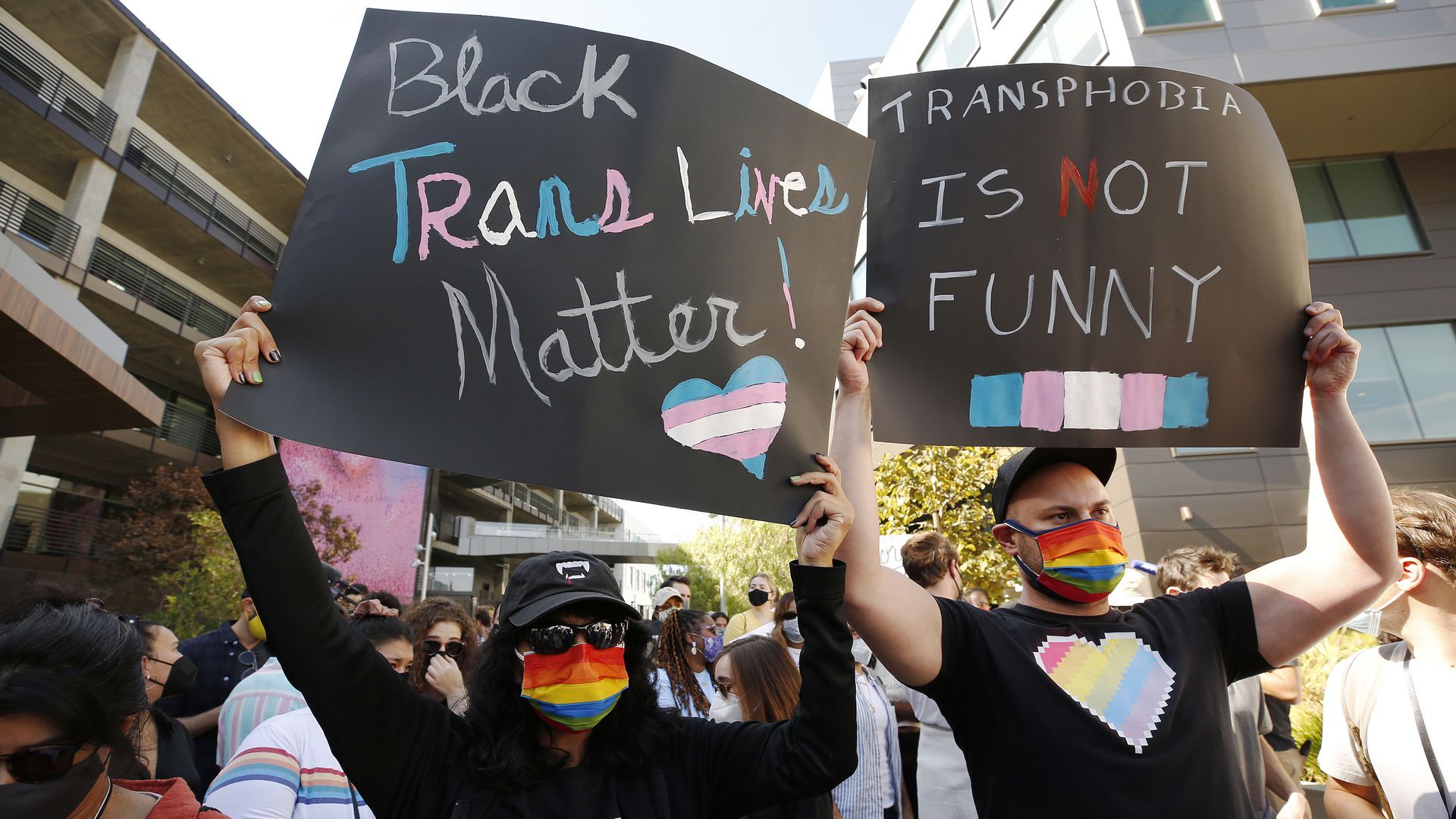
The Netflix workers who walked out on Wednesday aren't seeking to have Dave Chappelle's special taken off the service, but they do want their employer — and the world — to understand the impact his comments have.
Why it matters: LGBTQ advocates and Netflix's transgender employees say negative portrayals of transgender people in the media, including Chappelle's, further stigmatize an already vulnerable and misunderstood community.
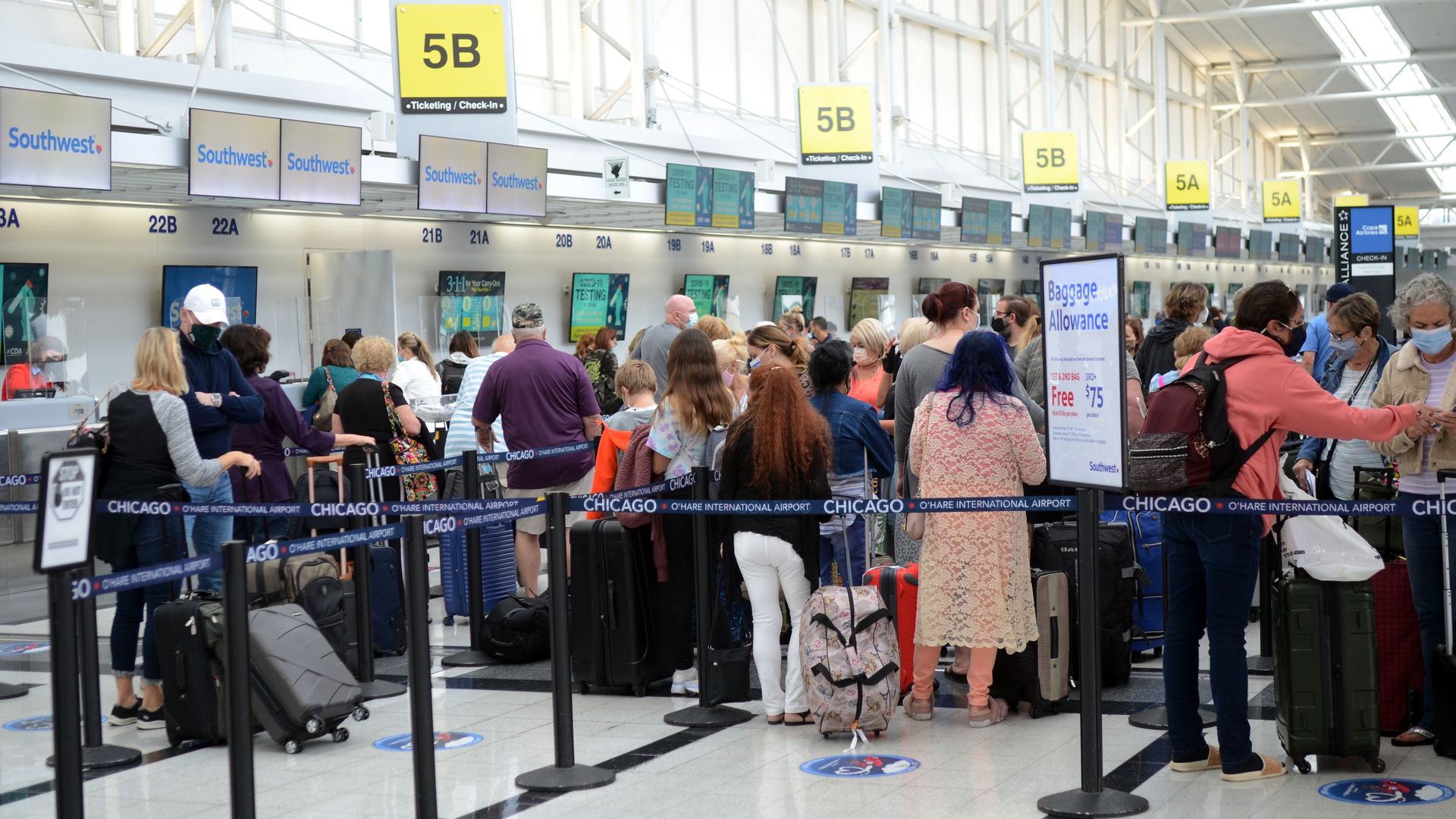
Driving the news: The company said it will cut back on flights in December to avoid a similar situation happening again and will plan next year's schedule based on "more conservative staffing assumptions."
Only 5% of lead actors in films and 2.9% in all new and returning television and streaming were Latino in 2020, according to a report.
Why it matters: Media companies face scrutiny amid another report highlighting the underrepresentation of a group that makes up nearly 19% of the population. The study by the research nonprofit firm Latino Donor Collaborative showed a person is more than twice as likely to be an identical twin than for a show to have a Latino lead actor.
That sucking sound you hear is the outflow of meme-chasing dollars from the stock market.
Why it matters: The caravan has moved on. The dream of getting rich quick still lives, but today it's more often found in the world of crypto, NFTs or even sports betting than it is in the stock market.
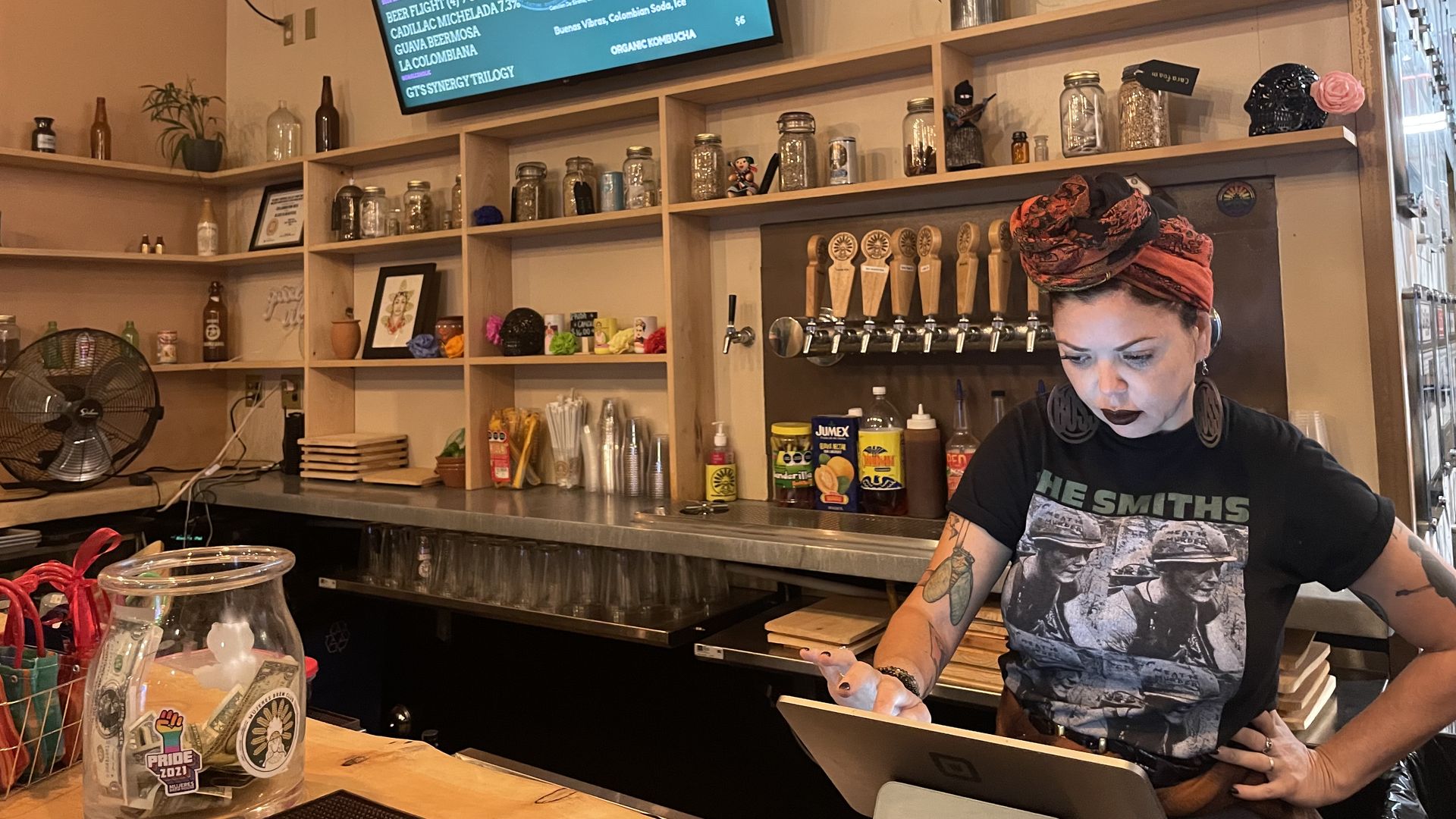
Independent craft brewers are popping up in cities across the country, and a small but growing number of them are Latina-owned or run by a Latina head brewer.
The big picture: Latinas are opening up independent craft breweries from California to Colorado as Latina-owned small businesses continue to be one of the fastest-growing segments of the economy despite a lack of venture capital.
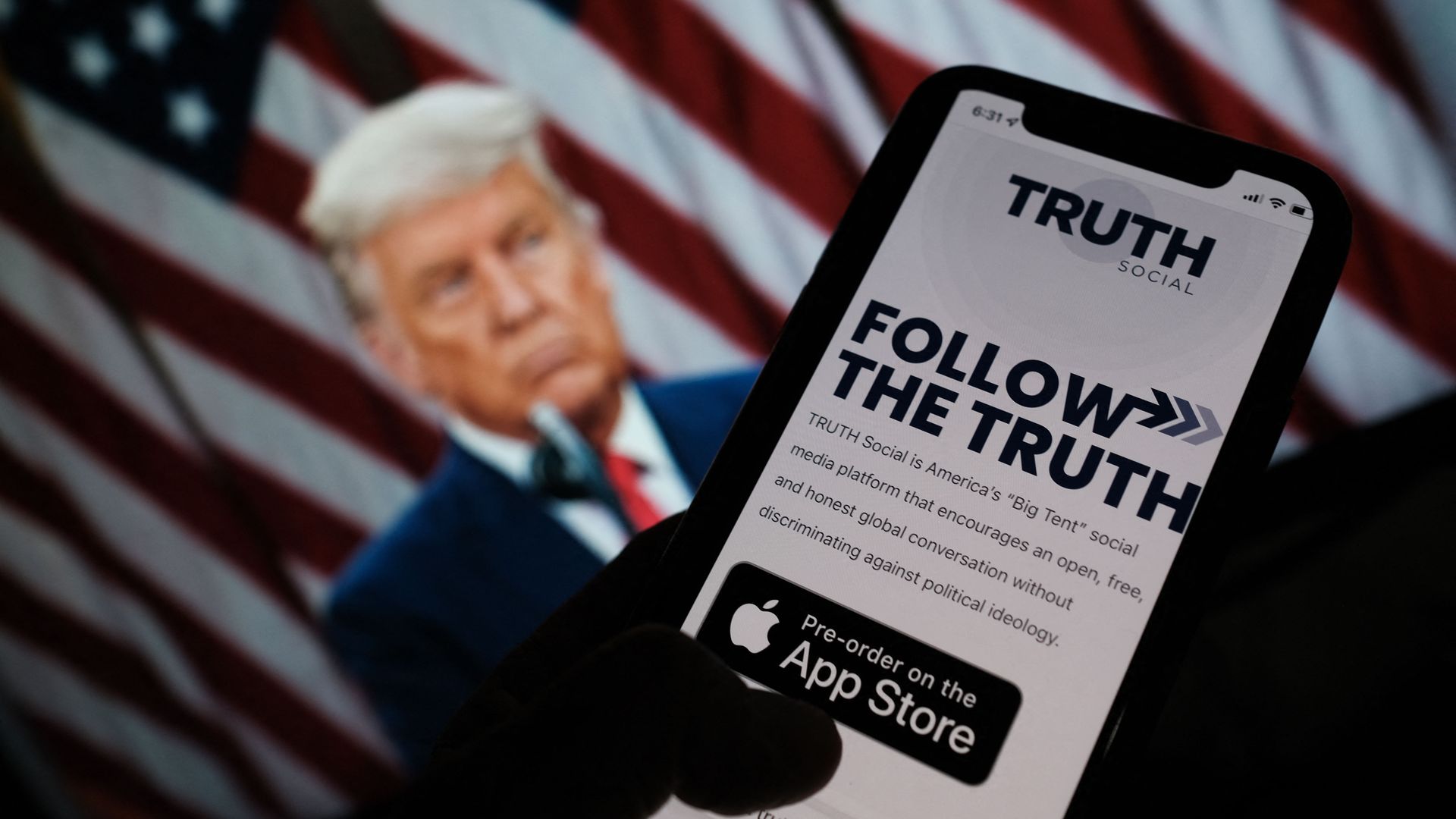
Former President Trump last night announced plans to launch a digital media network called "Truth Social," and said it would go public via a SPAC called Digital World Acquisition (Nasdaq: DWAC).
What to know: So far, this is a joke. The press release didn't contain even basic information, such as the new company's CEO. In fact, the only execs mentioned are Trump (as chairman) and veteran TV producer Scott St. John as head of a subscription streaming service.
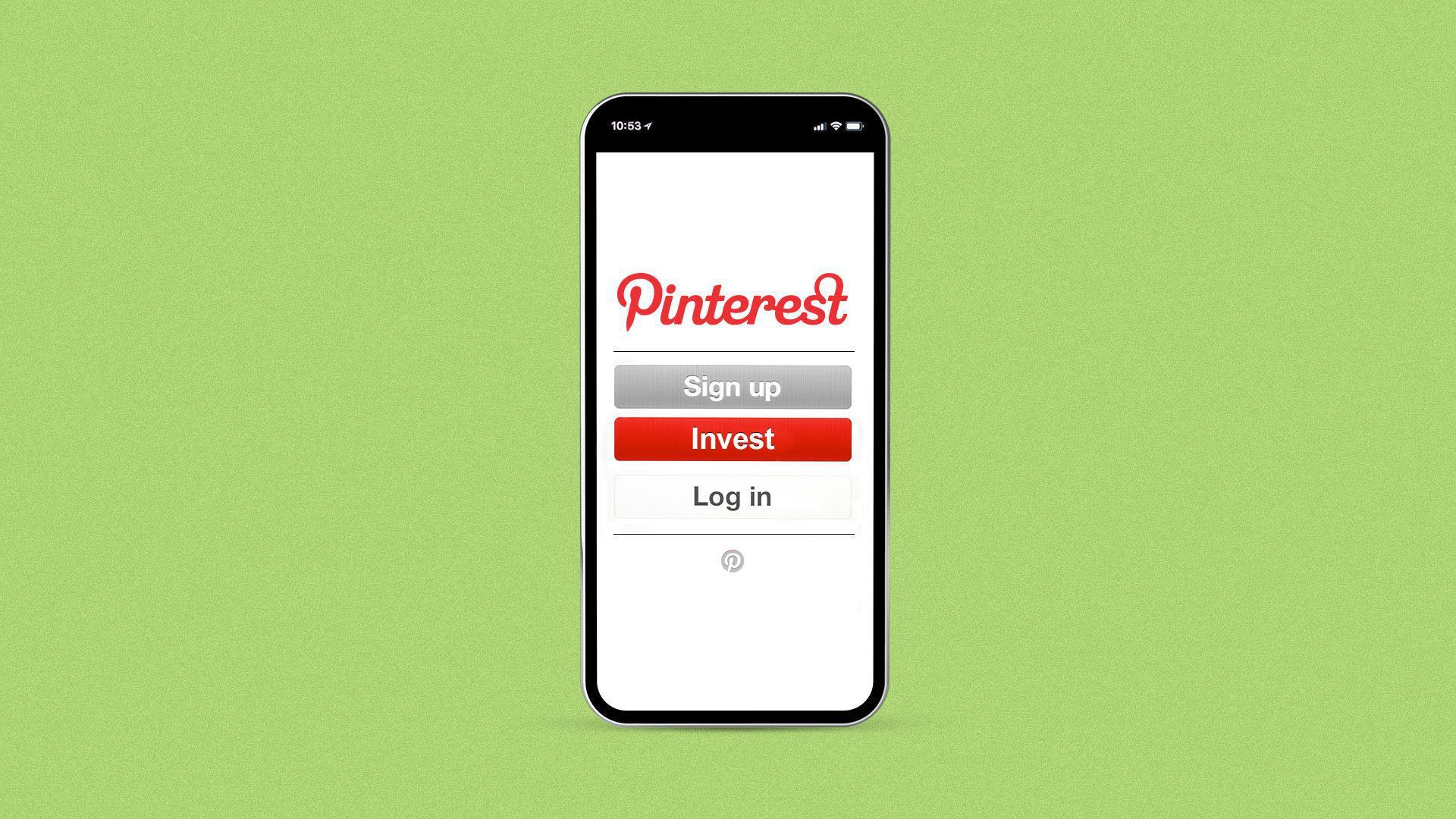
PayPal (Nasdaq: PYPL) is in early talks to buy Pinterest (NYSE: PINS), per multiple reports.
Why it matters: This could bring Pinterest closer to becoming the e-commerce company it's always wanted to be, while giving PayPal a large new stream of payments volume.
Data: FactSet and company release; Chart: Will Chase/Axios
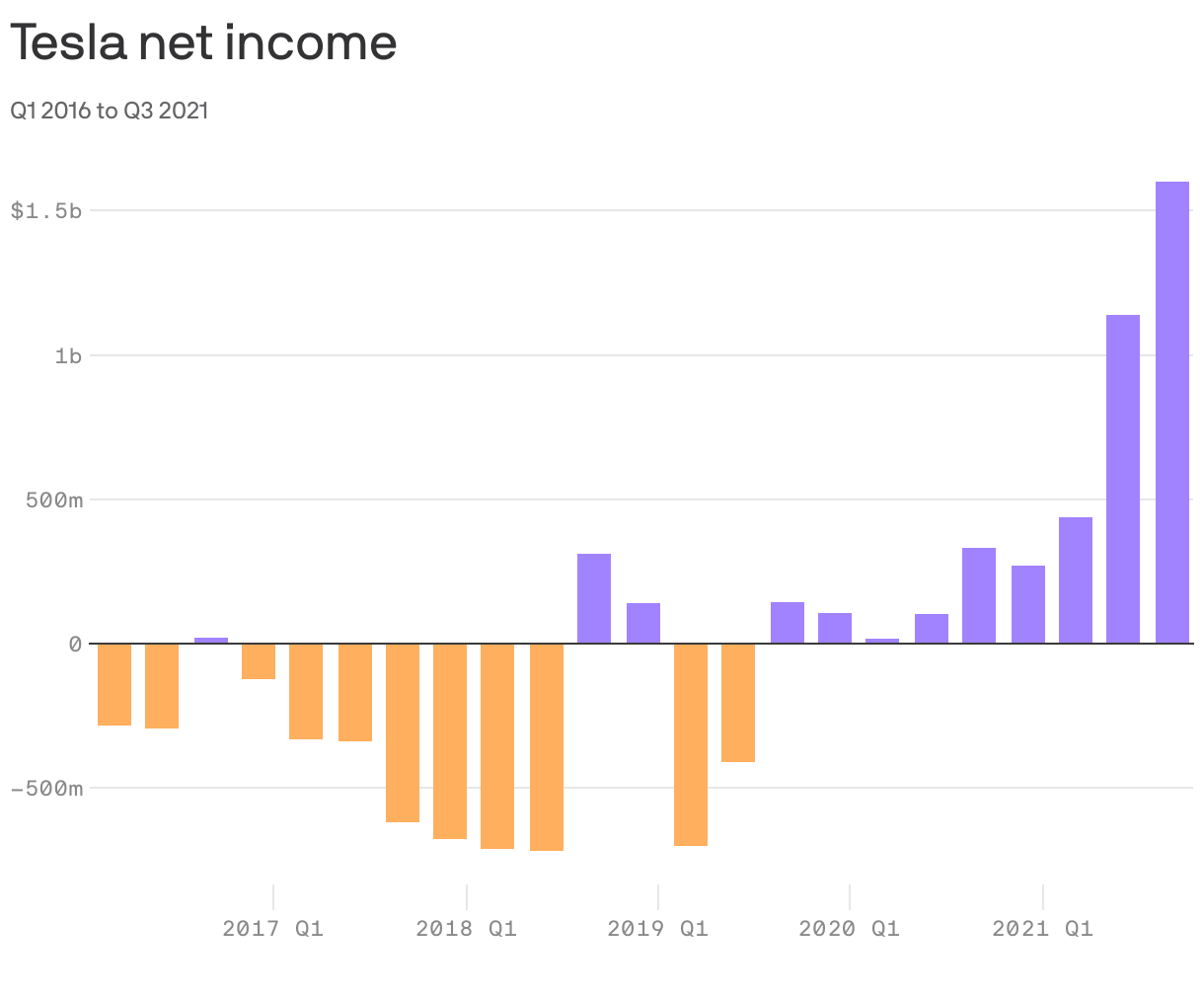
Tesla, citing a "structural shift" in demand for electric vehicles, reported its highest-ever quarterly profit of $1.6 billion and $13.8 billion in revenues despite supply chain problems.
The big picture: The company's third-quarter report says the chip shortage, port congestion and other woes have affected its factories but argues that "flexibility" and "ingenuity" are a counterweight.
Jupiter Intelligence, a climate risk analytics company, has raised a $54 million Series C round, co-led by ClearVision Ventures and MPower Partners.
Why it matters: Climate change threatens to disrupt supply chains, damage or destroy factories, cause mounting insurance losses in extreme weather events, and potentially upend financial markets.
Polling for the Morning Consult/Axios Inequality Index suggests that as the Delta variant ebbed over the last month, job security improved for lower-income Americans.
The big picture: As a result of the improving environment, the Inequality Index this month declined to its lowest point since April — reversing a significant spike in September.
The bank loan market is in the process of scrapping Libor, the benchmark rate that it’s used seemingly forever. That process was moving along pretty slowly — until now.
What’s new: JPMorgan made the first move in the corporate term loan market, on Friday selling a loan for Walker & Dunlop with an interest rate that’s not pegged to the disgraced Libor.
WeWork becomes a public company today worth more than $9 billion — a vindication of the expensive turnaround strategy employed after it spectacularly imploded in 2019. Like many companies that find themselves at death's door, that which didn't kill them made them stronger.
Why it matters: Hertz, Alamo Drafthouse, Airbnb, and Toast are among the currently-thriving companies that were shaken to the core in the early days of the pandemic — providing further evidence for the theory that, in the words of former Fast Company editor Bill Taylor, "companies can't be great unless they've almost failed."
Roku on Thursday told customers via a post on its corporate blog that it has still not been able to strike a distribution agreement with YouTube TV, which has been removed from Roku's channel store for five months.
Why it matters: It's the first time Roku has directly acknowledged the issue to its customers.
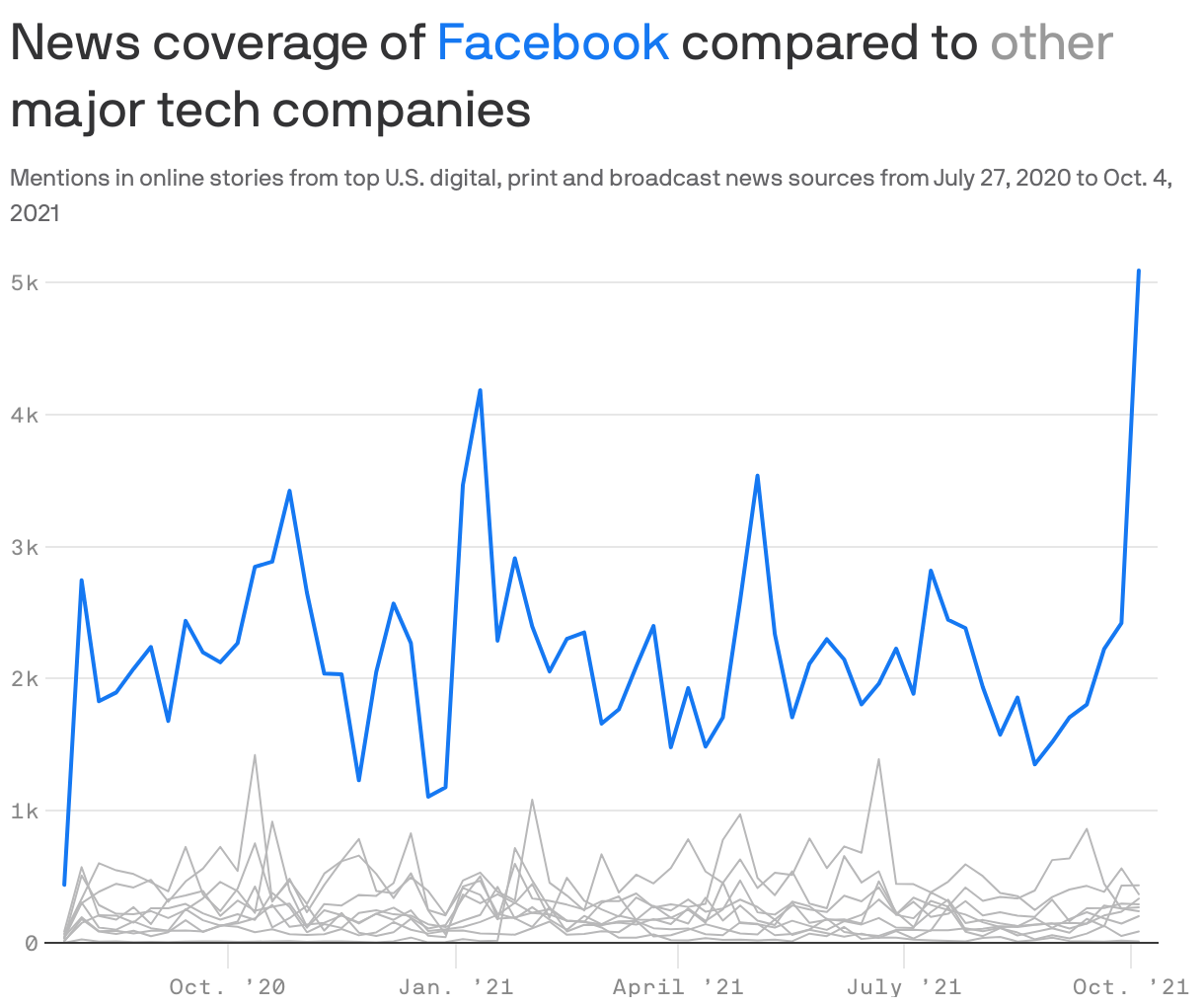
New data finds that Facebook has been mentioned in more online stories in the U.S. in the past year than all of its major tech competitors combined.
Why it matters: Press scrutiny of Facebook has become so intense and negative that the tech giant is reportedly planning to rename itself as soon as next week to signal that it's more than just a social media company.
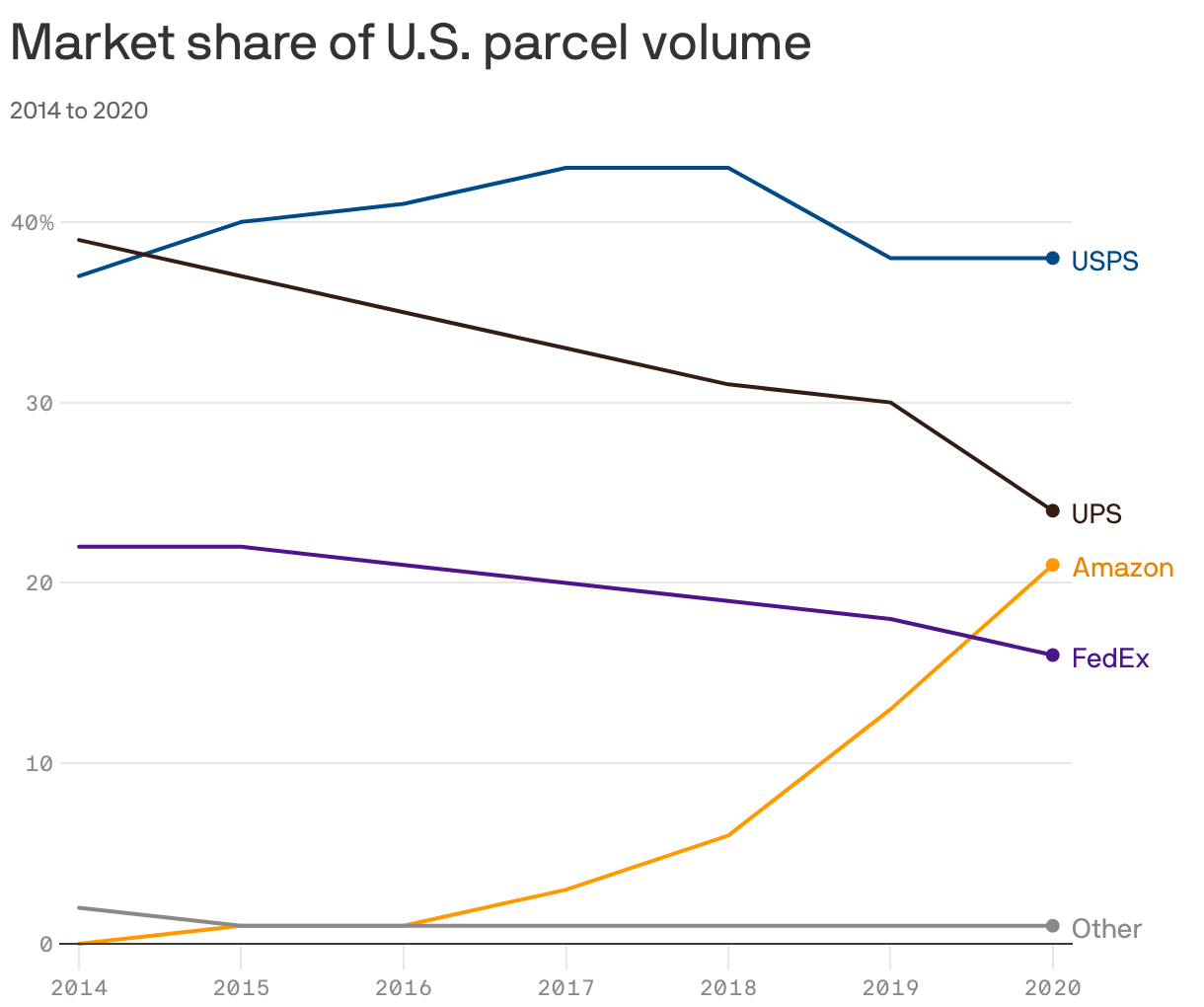
Reproduced from Supply Chain Dive; Chart: Axios Visuals
Amazon is not primarily known as a logistics company, but in 2020 the company shipped more parcels than FedEx.
Why it matters: Logistics is a $1.5 trillion business — and it has long been controlled by a handful of key players, like FedEx, UPS and the U.S. Postal Service. Now Amazon is poised to conquer it.
Former President Trump on Wednesday announced plans to launch a social media network called "Truth Social," and said that it would go public via a SPAC.
Why it matters: Most ex-presidents are focused on their legacies, by creating presidential libraries or engaging in philanthropic endeavors. Trump, however, remains consumed by social media.
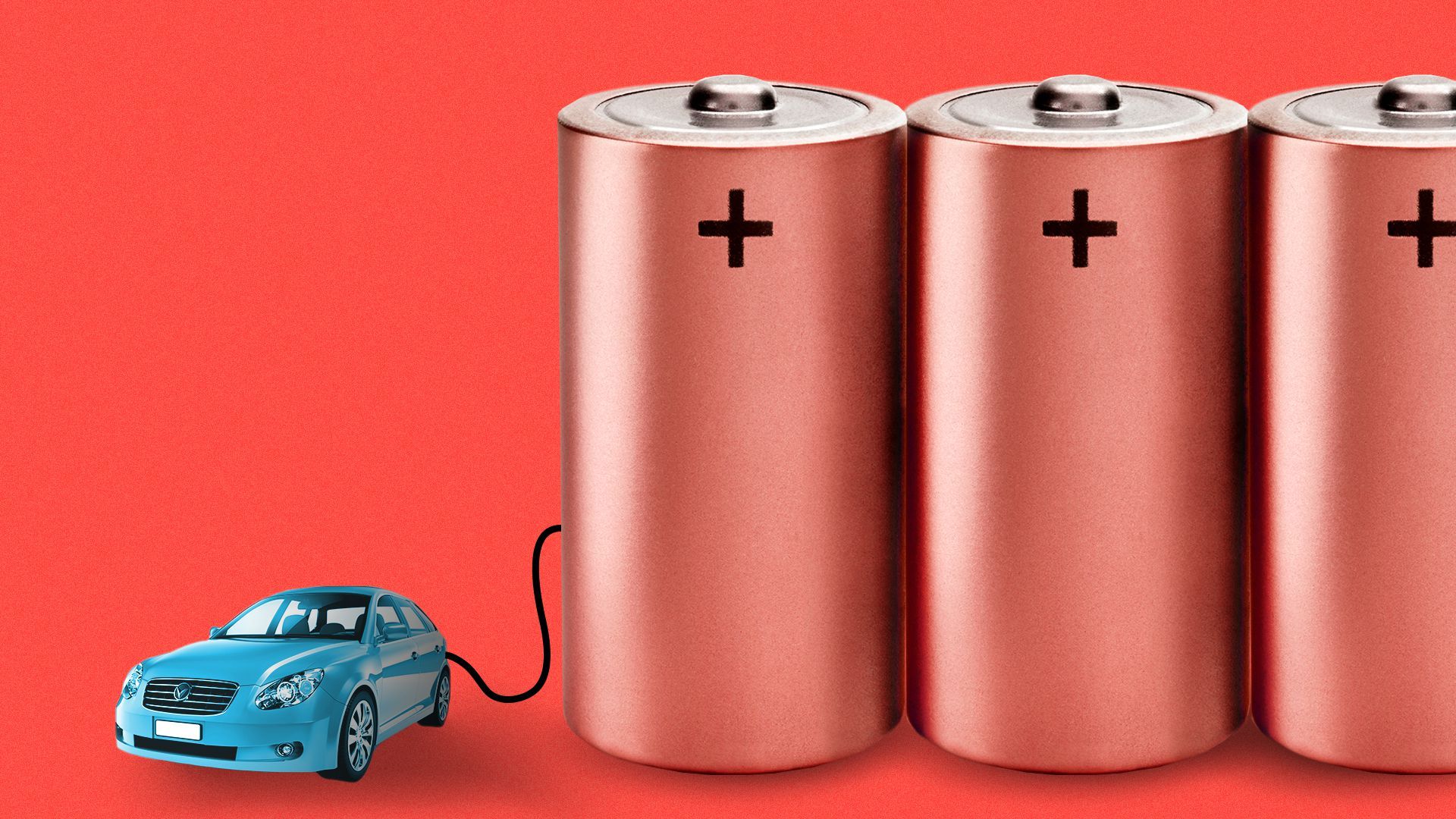
Almost every week, another major automaker announces a billion-dollar-plus investment in battery manufacturing, and with it, thousands of new American jobs.
Why it matters: Eyeing President Biden's climate agenda, carmakers are racing to create a domestic battery supply chain to support their aggressive rollout of electric vehicles by the end of the decade.
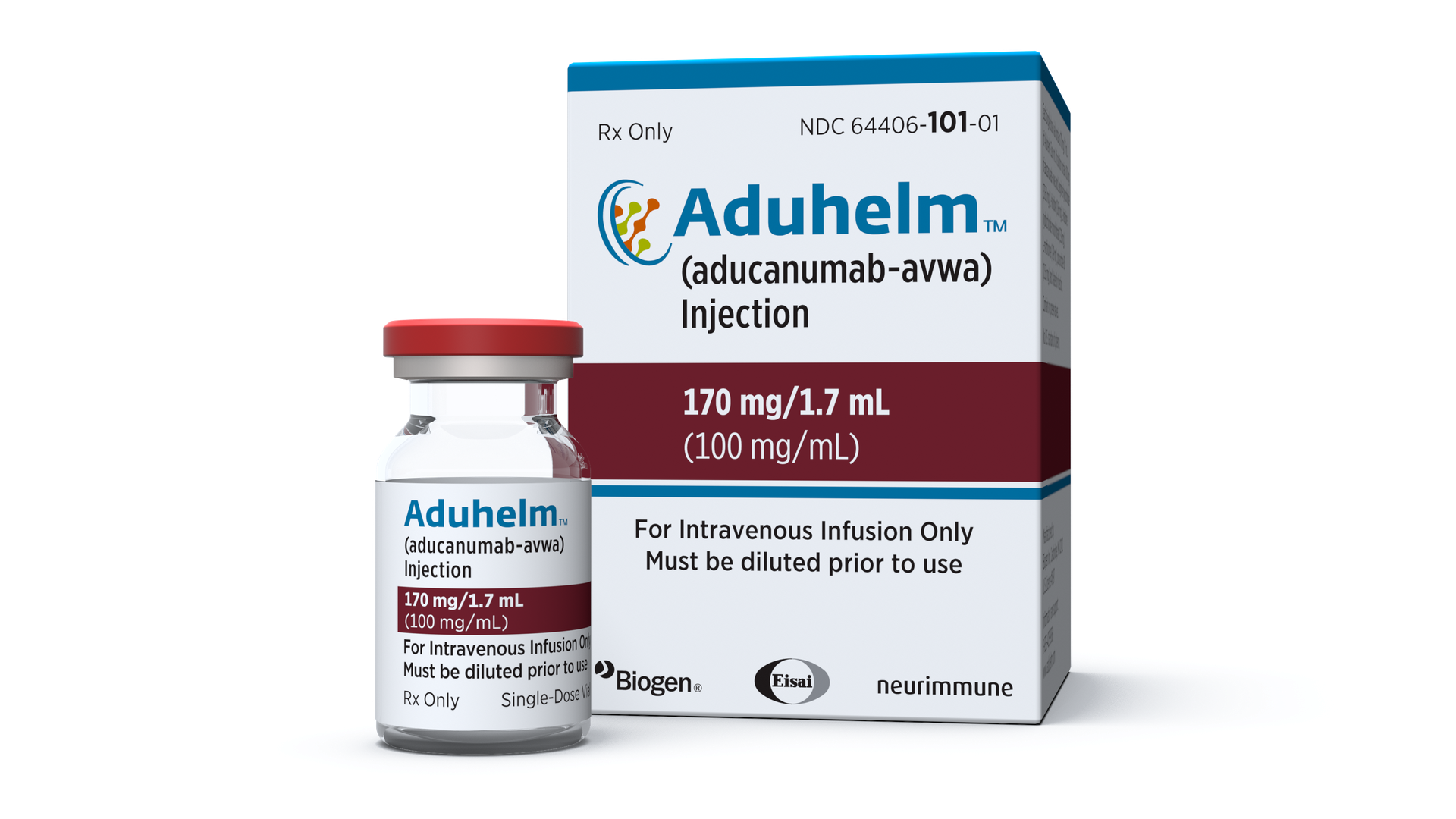
Biogen sold $300,000 worth of Aduhelm in the third quarter, well below Wall Street's expectations, which prompted analysts at Raymond James to call the Alzheimer's drug "potentially the worst drug launch of all time" amid Biogen's "persistent hyperbole about the drug's purported benefits."
The big picture: Aduhelm's controversial approval and high price tag have shaped the market reaction. Health insurers are hesitant to cover Aduhelm until Medicare makes a decision next year, and doctors aren't embracing the drug either.
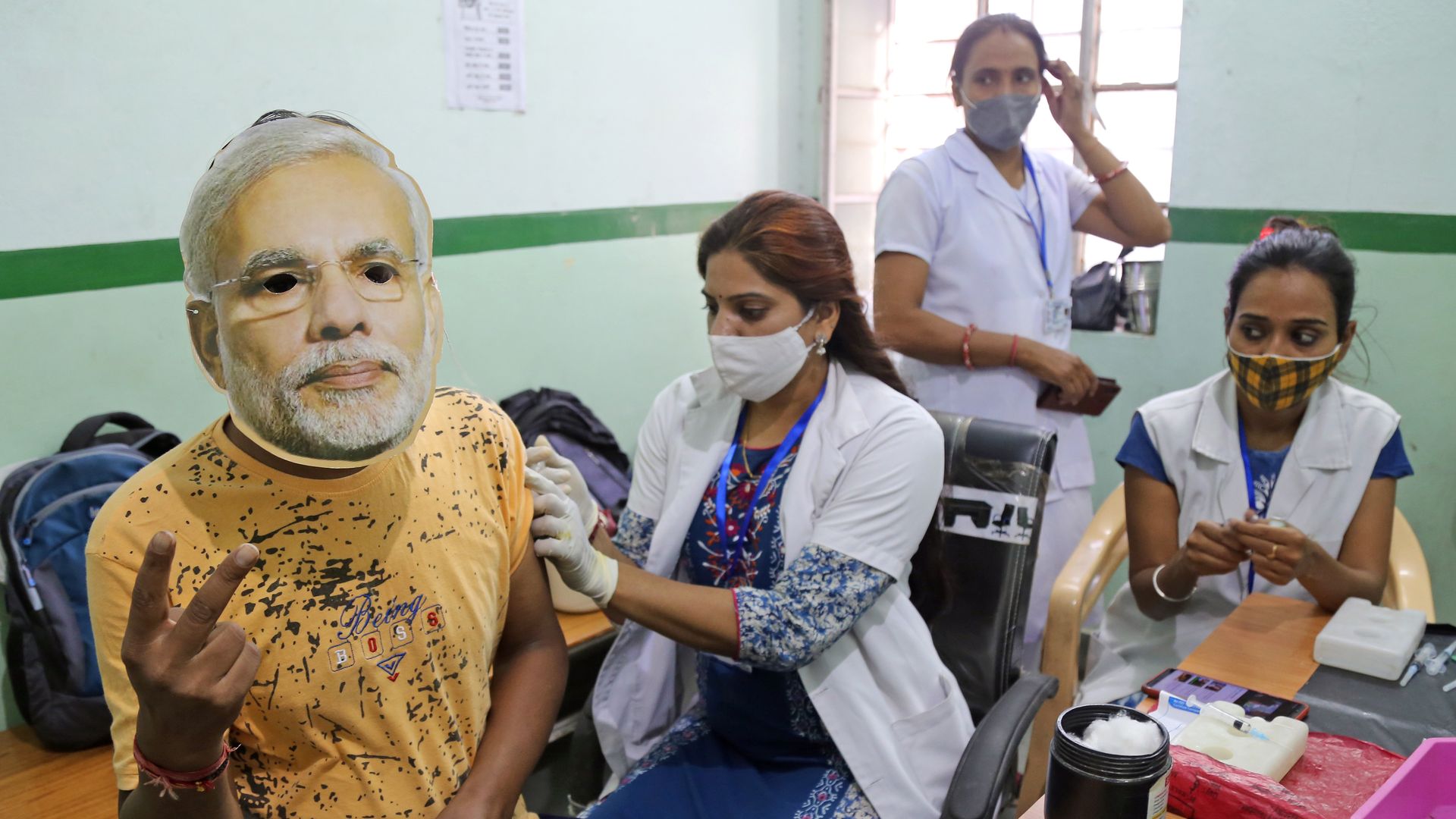
India's Prime Minister Narendra Modi announced Thursday that the country's health workers have now administered more than 1 billion COVID-19 vaccines doses.
Of note: While this is a significant milestone for the country of 1.4 billion, which has been devastated by the coronavirus, only about 30% of the eligible population has been fully vaccinated against the virus, per AP. Roughly 75% have received at least one dose.
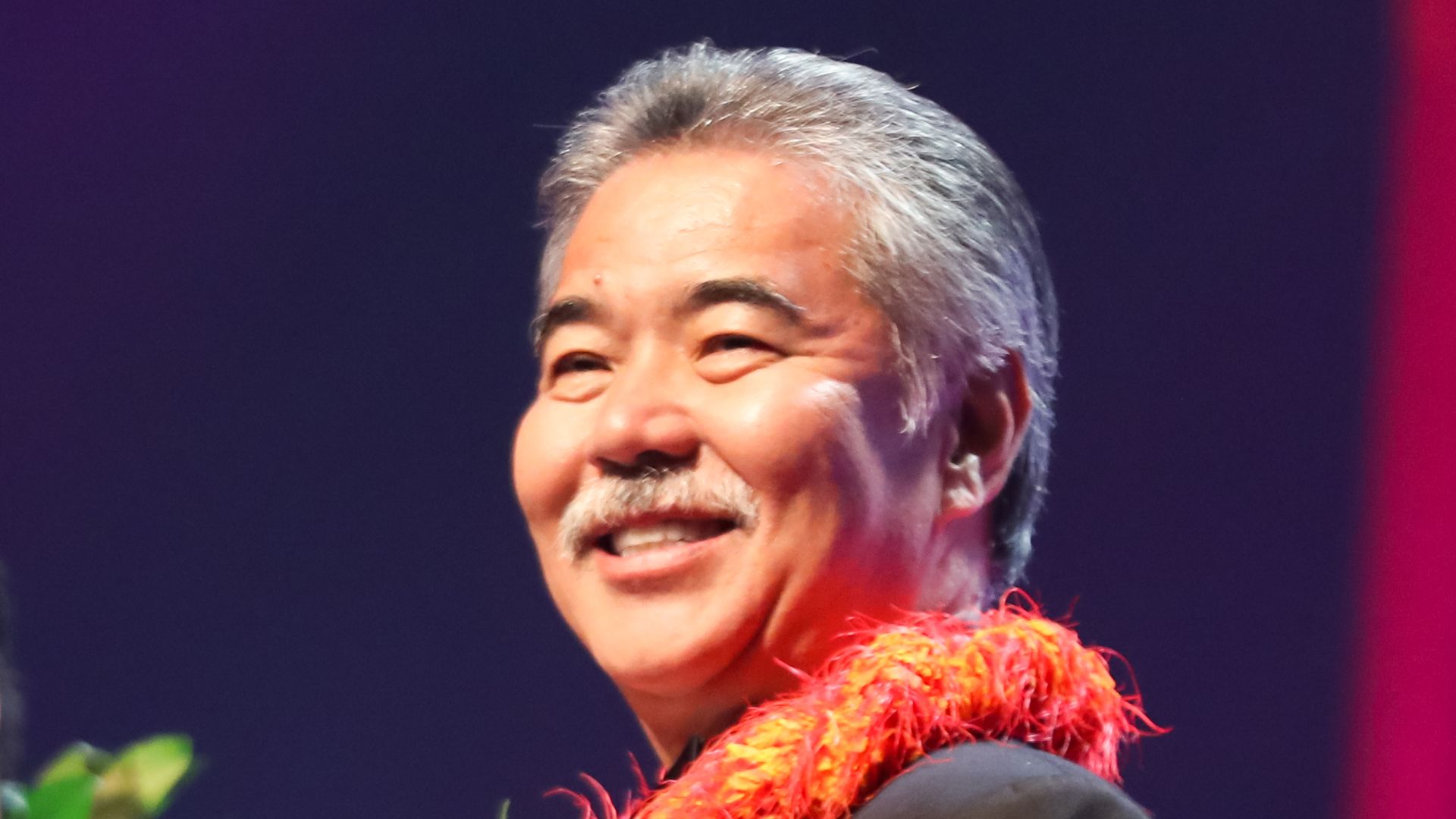
Hawaii Gov. David Ige (D) announced plans Wednesday to soon welcome back nonresidents to the island state who are fully vaccinated against COVID-19 for nonessential travel.
Why it matters: Hawaii's tourist-dependent labor market suffered one of the worst blows in the U.S. last year and the state's climb out of its pandemic-sized hole is moving slowly, Axios' Courtenay Brown notes.
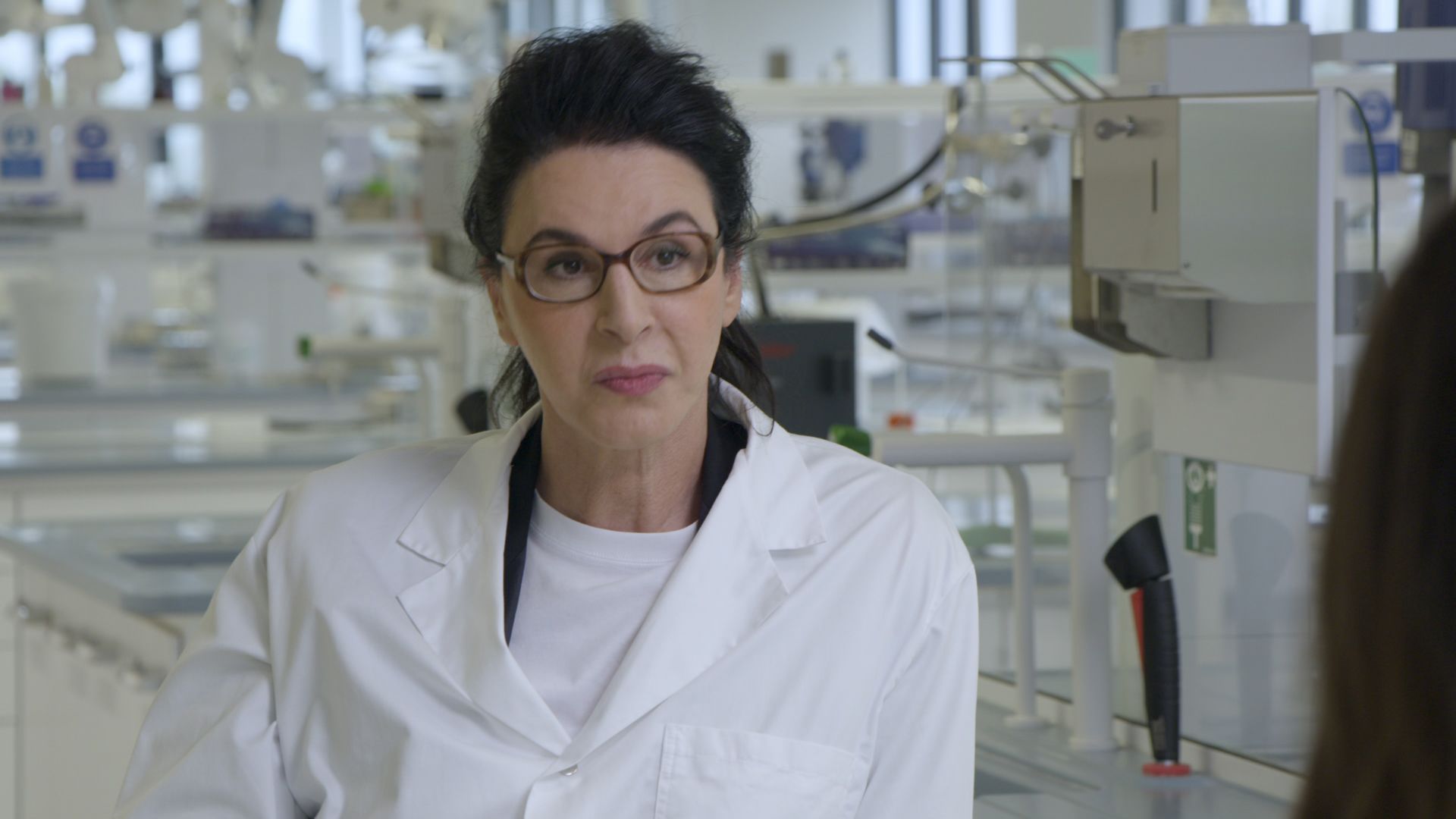
Coty Cosmetics CEO Sue Nabi tells Axios the beauty giant will “probably” introduce Coty-branded products one day.
Why it matters: Coty produces some of the world’s most popular fragrances, skin care products and color cosmetics on behalf of other well-known brands, but has shied away from producing its own branded products.














/2021/10/21/1634823225693.gif?w=3840)