General Electric will require all of its workers in the U.S. to be vaccinated against COVID-19, citing President Biden's executive order for federal contractors, the company confirmed to Axios on Tuesday.
Why it matters: General Electric is the latest in a slew of major companies to mandate the vaccine for workers, following in the footsteps of American Airlines, Tyson Foods and Microsoft, among others.
Cryptocurrencies made new headway into mainstream U.S. markets today with the launch of a bitcoin-based ETF on the New York Stock Exchange.
Why it matters: The ProShares Bitcoin Strategy ETF, ticker symbol BITO, is the first-ever ETF that gives investors exposure to bitcoin — without needing those investors to actually hold the digital coin.
Netflix on Thursday said it added 4.4 million subscribers globally last quarter, which not only beat Wall Street expectations, but also marked the first time that the company reported positive subscriber gains in the past six months.
Why it matters: The tech giant credits a more normalized content release schedule last quarter for the gains. It blamed subscriber slowdowns during the past two quarters on COVID-related production delays.
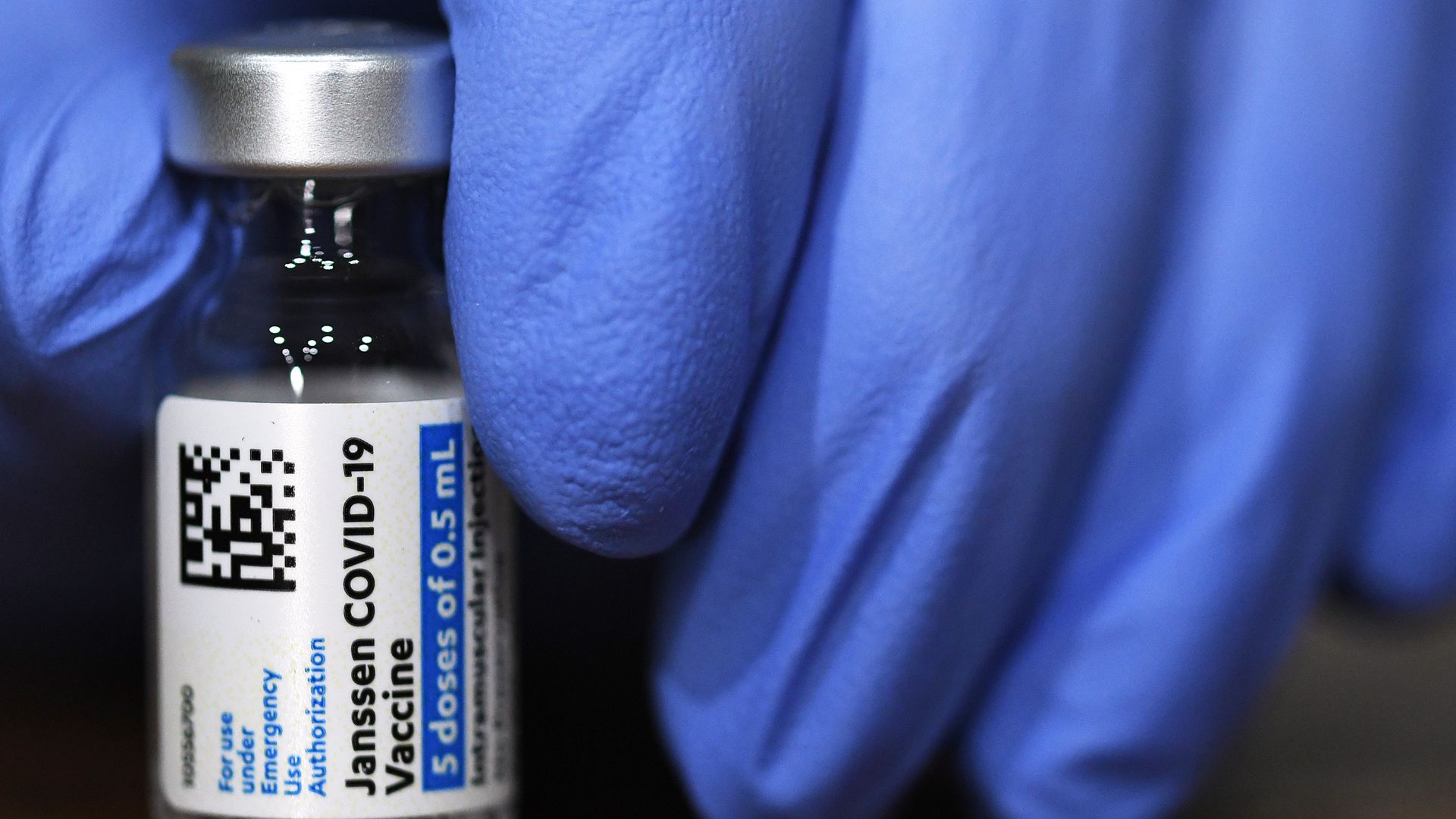
Johnson & Johnson registered $502 million of global revenue from its COVID-19 vaccine in the third quarter, bringing year-to-date vaccine sales to $766 million.
The big picture: J&J, which is selling the vaccine at a not-for-profit price of $7.50 per dose, still expects to generate $2.5 billion of COVID vaccine sales this year, executives said Tuesday. But that total will still dwarf the use and sales of the vaccines made by Pfizer/BioNTech and Moderna.
Latinos increased their homeownership rate to nearly50% in 2020, according to a report from a group monitoring U.S. Hispanic wealth creation.
Why it matters: The Hispanic Wealth Project found that the homeownership rate grew despite the lack of diversified financial assets among Latinos and around 15% who still live below the federal poverty line ($26,500 for a family of four).
The Recording Academy unveiled the details of the Grammy Awards' inclusion rider, which is designed to ensure equity and inclusion in hiring for its 2022 show.
Driving the news: The Recording Academy in an eight-page document detailed the rider's stipulations and objectives, including requiring producers to recruit and hire more diverse candidates backstage and in front of the camera for the annual awards ceremony.
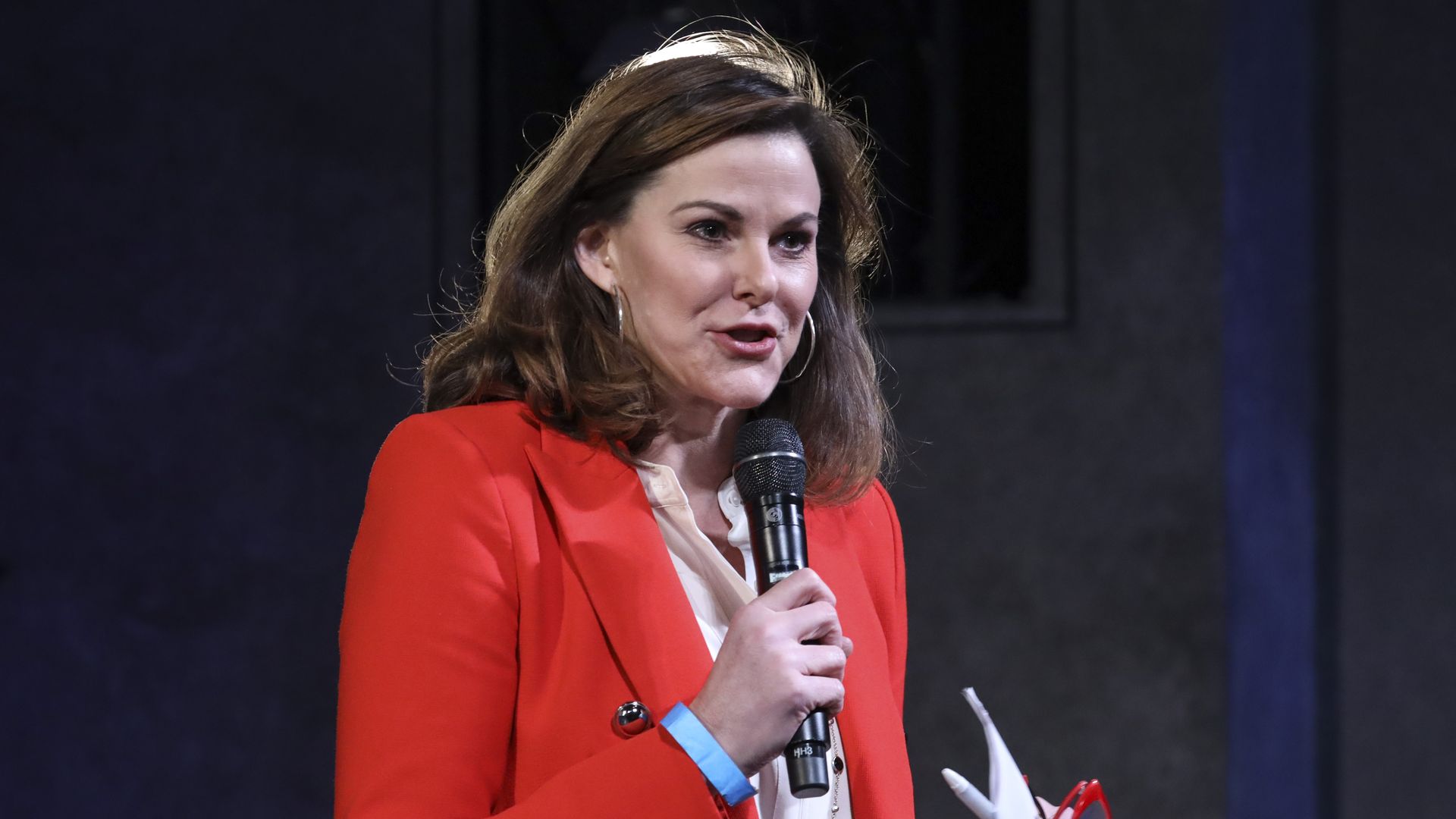
Facebook is looking to introduce more news products for its News Tab in coming months, including more curated collections around big events and breaking news, its VP of global news partnerships Campbell Brown told Axios.
Why it matters: The News Tab, a separate destination for news on Facebook from publishers selected by the tech giant, has helped the company address regulatory scrutiny that it doesn't do enough to combat misinformation.
Ex-Theranos CEO Elizabeth Holmes' trial continues today, and the past week of testimony has painted a concerning picture: Mega-companies like Safeway and Walgreens seem like they didn't do great due diligence.
Why it matters: Holmes is accused of defrauding investors and patients, but her defense team is intent on showing that she was very upfront about Theranos — if only investors listened.
KKR and Dundee Partners have purchased the KMR Music Royalties II portfolio of music copyrights of more than 62,000 recordings from Kobalt Capital for about $1.1 billion.
Why it matters:Music catalogs have become a hot asset over the past year or so, with a number of high-profile artists selling for hundreds of millions of dollars, and investors like KKR amassing hefty collections.
The Washington Post on Tuesday said Kat Downs Mulder, the company's managing editor for digital and a rising star in the newsroom, has been named chief product officer and managing editor. It also announced several new masthead leadership changes.
Why it matters: The masthead updates are the latest newsroom leadership changes announced under Sally Buzbee, The Post's new executive editor. Last month, The Post said it would be adding 41 new editing positions.
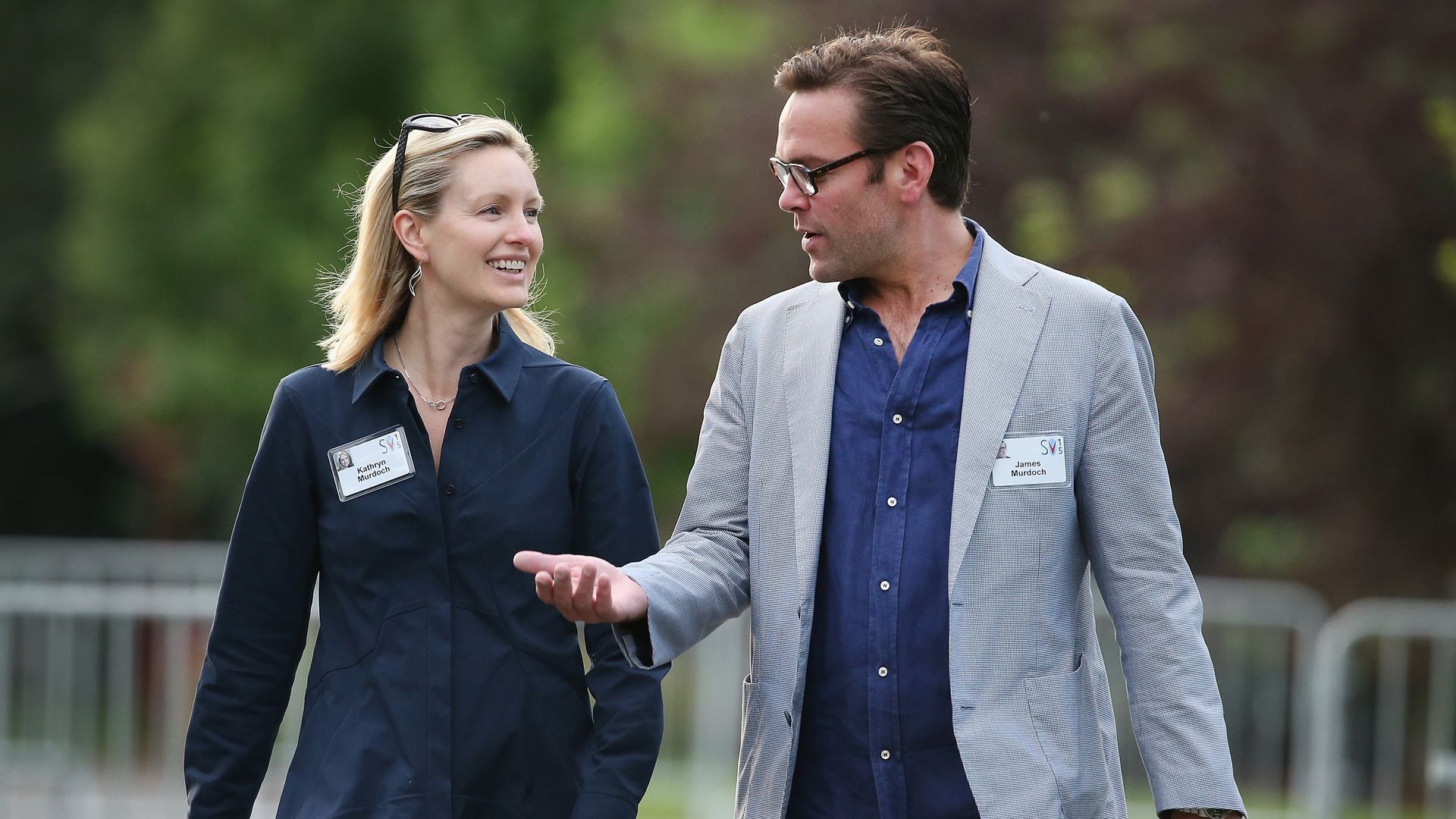
James and Kathryn Murdoch are nearing a deal to make a multi-million dollar investment to support the formation of a new climate reporting hub at the Associated Press, two sources familiar with the deal tell Axios.
Why it matters: The duo has increased their investments in media projects in the past few years via their non-profit organization called Quadrivium Foundation.
Two heavyweight grant-making foundations are pledging new efforts to orient their endowments toward more climate-friendly investments.
Driving the news: The Ford Foundation — one of the nation's largest — said Monday that it will no longer invest in fossil fuels via its $16 billion endowment.
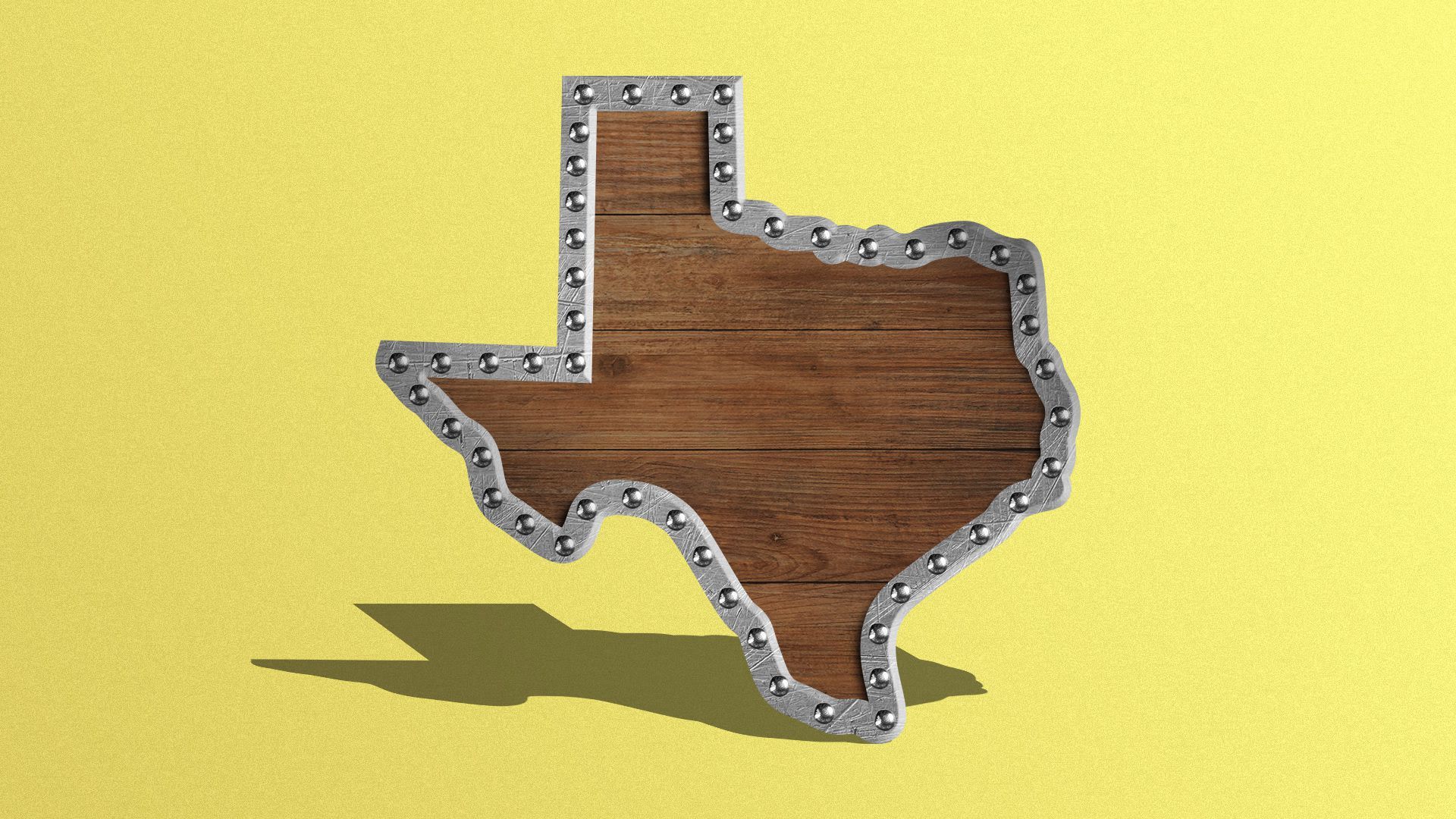
It's official: Johnson & Johnson has invoked a Texas legal loophole in an attempt to protect the bulk of its corporate assets from claims that its baby powder caused ovarian cancer and mesothelioma.
Why it matters: It's the biggest and boldest invocation yet of the so-called Texas two-step defense. But it's still not clear whether it's going to work.
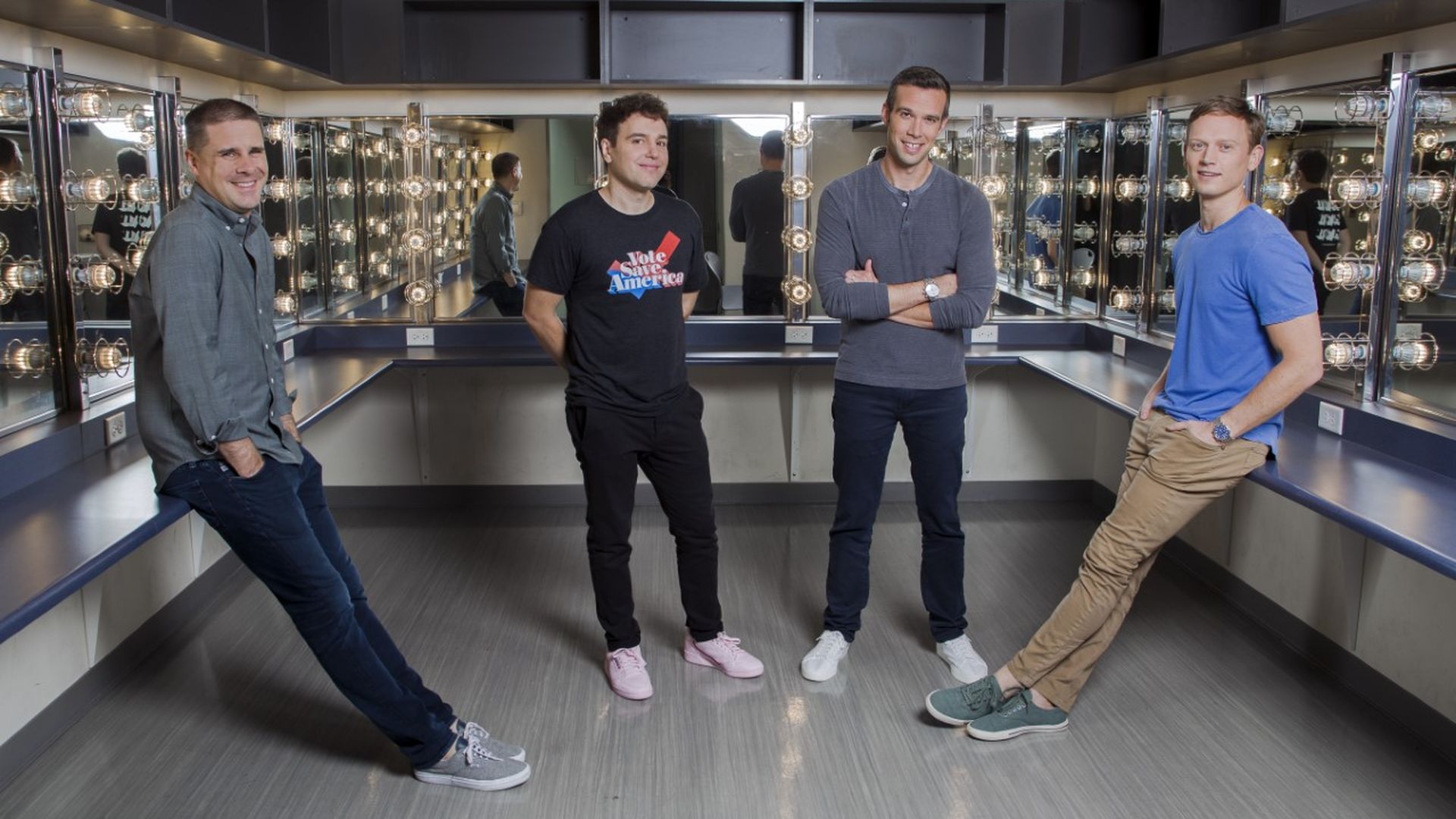
Crooked Media, a progressive political media company known primarily for its "Pod Save America" podcast series, is launching a new weekly interview series hosted by co-founder Jon Favreau called "Offline with Jon Favreau."
Why it matters: The new show builds on the group's efforts to tackle issues tangental to politics that impact political discourse and democracy, like social media addiction, tech monopolies and misinformation.
Americans will spend more than $10 billion on Halloween this year, according to the National Retail Federation (NRF).
Why it matters: Halloween continues to become a mainstream adult holiday, with 55% of households without kids saying they plan to celebrate, per the NRF.
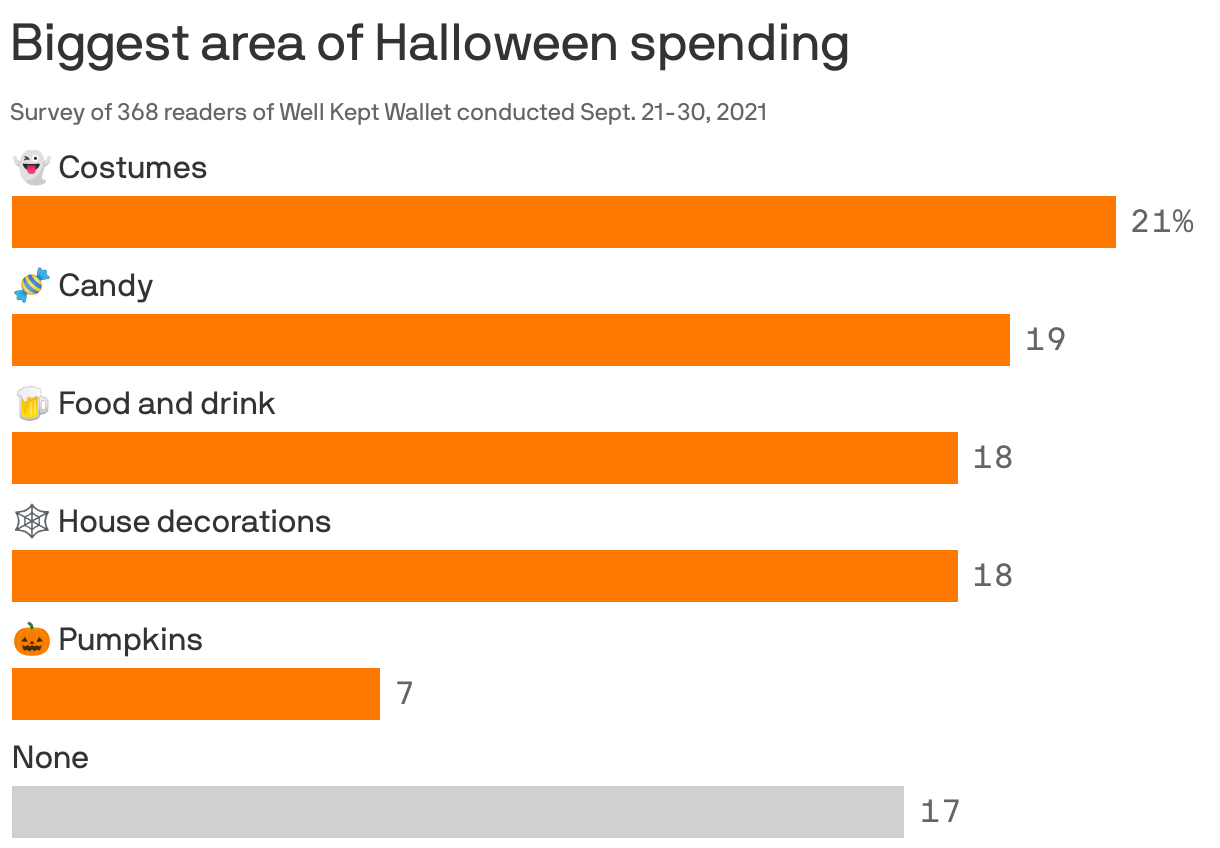
By the numbers: While costumes tend to be where people shell out the most, 10% of people will spend more than $100 on candy alone this year, according to a poll by the Well Kept Wallet.
"On average, consumers plan to spend $102.74 on costumes, candy, decorations and greeting cards — $10 more than they planned to spend last year," the NRF said.
The record $10.14 billion spent on Halloween this year is up from $8.05 billion last year, "when the Centers for Disease Control & Prevention suggested most avoid trick-or-treating," as USA Today notes.
Even so, 58% of Americans participated in Halloween last year (even if just to hand out candy), and 65% percent plan to do so this year — which is comparable to the pre-pandemic figure of 68% in 2019, per the NRF.
While 82% of households will celebrate, a whopping 55% of those without children will too.
The U.S. has reached a tipping point in its shift from the industrial economy — one that relied on the buildout of hardware — to an information economy that relies on the transfer, storage and implementation of data, according to a new report.
Why it matters: This shift towards a data and information-based economy has allowed more businesses to establish themselves and scale quickly and at a very low cost. As such, the number of jobs created by the commercial internet has more than tripled since 2012.
Amazon is touting the success of small sellers on its platform through the pandemic — and warning that antitrust legislation could jeopardize that success and blow up its open-marketplace model.
Why it matters: As online shopping became a lifeline for both businesses and consumers during the pandemic, Amazon reaped big benefits, but also saw its regulatory risk grow.
Henry Ford famously said of the Model T: "Any customer can have a car painted any color that he wants so long as it is black."
Cars of the future will be painted in more diverse, textured and complex colors, say the experts at giant paint supplier BASF.
Why it matters: Color is an emotional and subjective consideration in buying a car, and it plays an important role in consumers' buying preferences, notes Paul Czornij, BASF’s head of automotive color design in the Americas.
"Remember, your car is an outward expression of who you are," Czornij tells Axios. "The color hue, how bold or muted it is, depends on what you’re trying to project about your personality."
Driving the news: BASF's coatings division just released its Automotive Color Trends collection for 2021-22, which it called "Superposition" — borrowing a phenomenon from quantum mechanics — referring to a state where "the limitation of binary systems is overcome."
"In other words, things aren’t just black or white, heads or tails, one or zero," according to BASF. "The world has an uncountable number of variations, and this collection immerses itself in those variations."
Color trends vary by region too, reflecting unique cultures in different parts of the world.
What they're saying: There is no red or blue — all colors are open to interpretation, reflecting the diversity and non-binary aspects of today's society. Even familiar colors feature new effects, subtle color gradients and shades that vary, depending on the angle of view.
Between the lines: One example is "Knowing Ignorance," the name of a featured color for luxury cars in China, which "begins with greenish sparkles on the light side, then moves to a warm and brownish space," BASF explains.
Finally, it "gives way to a reddish fill in its dark side — all showing on the same surface."
In North America, where consumers favor different aesthetics than Chinese customers, "the color spaces are anchored in optimism and resilience, and show the potential for humanity to move forward despite the challenges."
"Lambent Earth," for example, "presents the essence of the bountiful energy and fragility in the world, combining a fiery glow with a natural brown."
What to watch: The color trends report is meant to inspire automotive designers, so you might see versions of these emotional colors in vehicle showrooms in three to five years.

"Lambent Earth" is a fiery brown that balances energy and fragility. Photo: BASF
China Evergrande and a growing group of Chinese housing developers are inching toward defaulting on their debt.
Why it matters: While that's unlikely to cause a crisis of Lehman proportions, as Axios’ Felix Salmon has reported, just how much China's real estate sector cools could impact the nation's role as a growth driver for companies around the world.
The SEC issued its long-awaited report on the meme stock mania, which downplayed the narrative that a "short squeeze" was the primary driver behind GameStop's historic stock moves — and shot down conspiracy theories about the event.
Why it matters: The postmortem was highly anticipated, largely because of what it could hint about what the regulator thinks should be done in wake of the saga. But the report stopped short of specific policy recommendations.