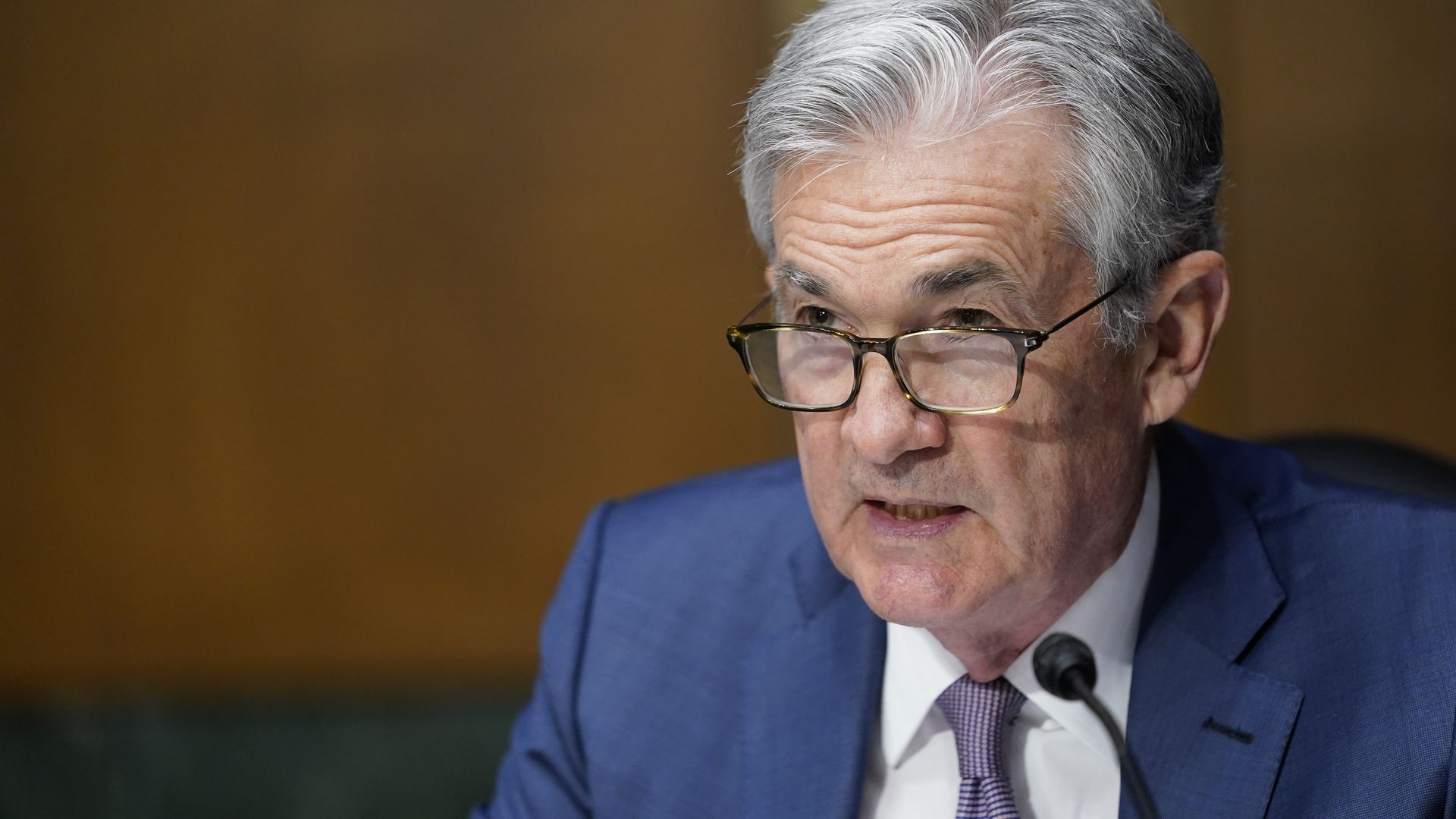
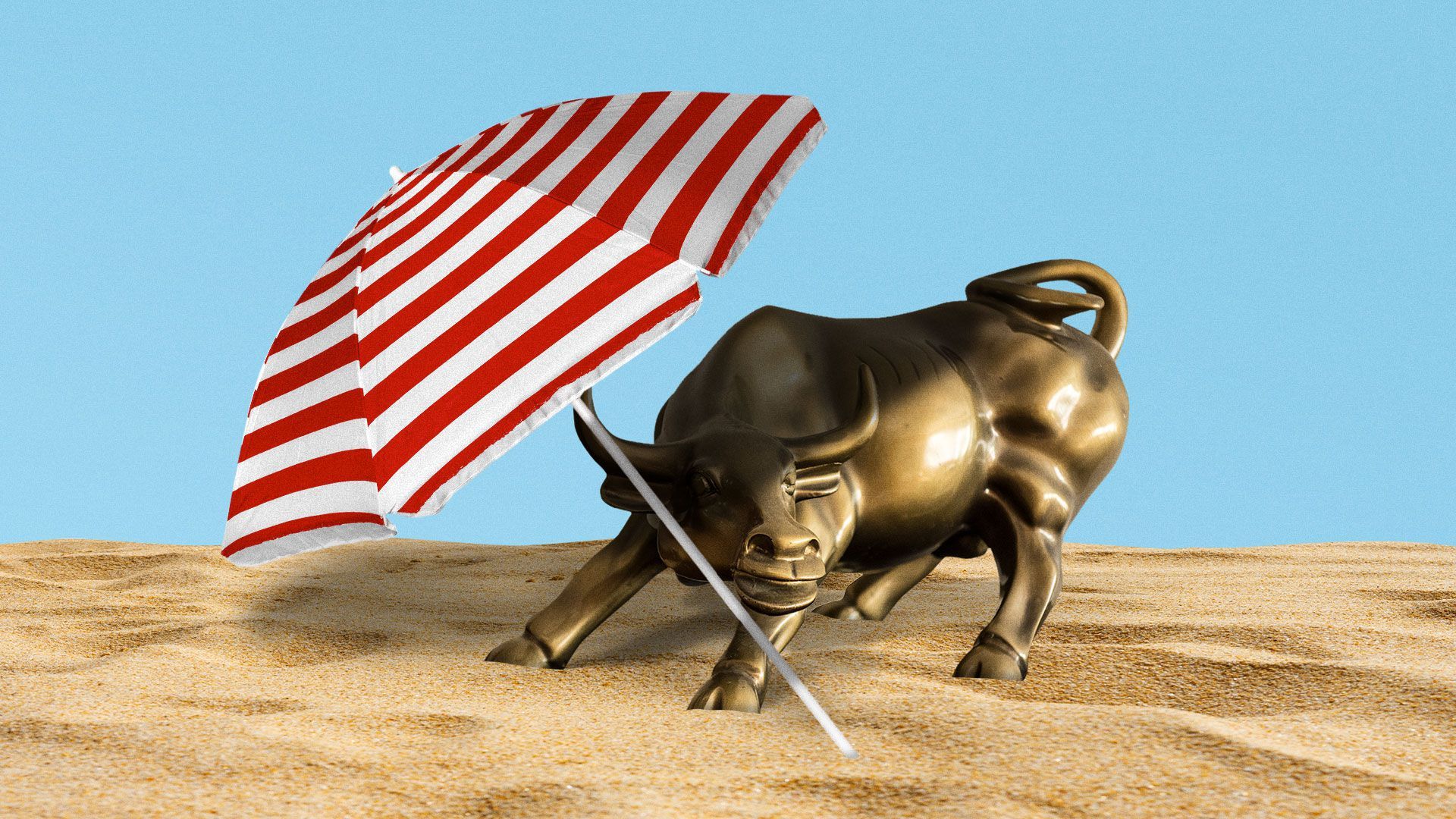
The Federal Reserve kept rates unchanged at its latest policy meeting,but a shift in sentiment emerged as to how soon it should begin raising rates.
Why it matters: The Fed's rock-bottom rates policy and monthly asset purchases helped the U.S. markets avoid a meltdown during the COVID-19 crisis last year. But as the economy recovers, a chorus is growing for the Fed to at least consider a timeline for pulling back its support before things get overheated.
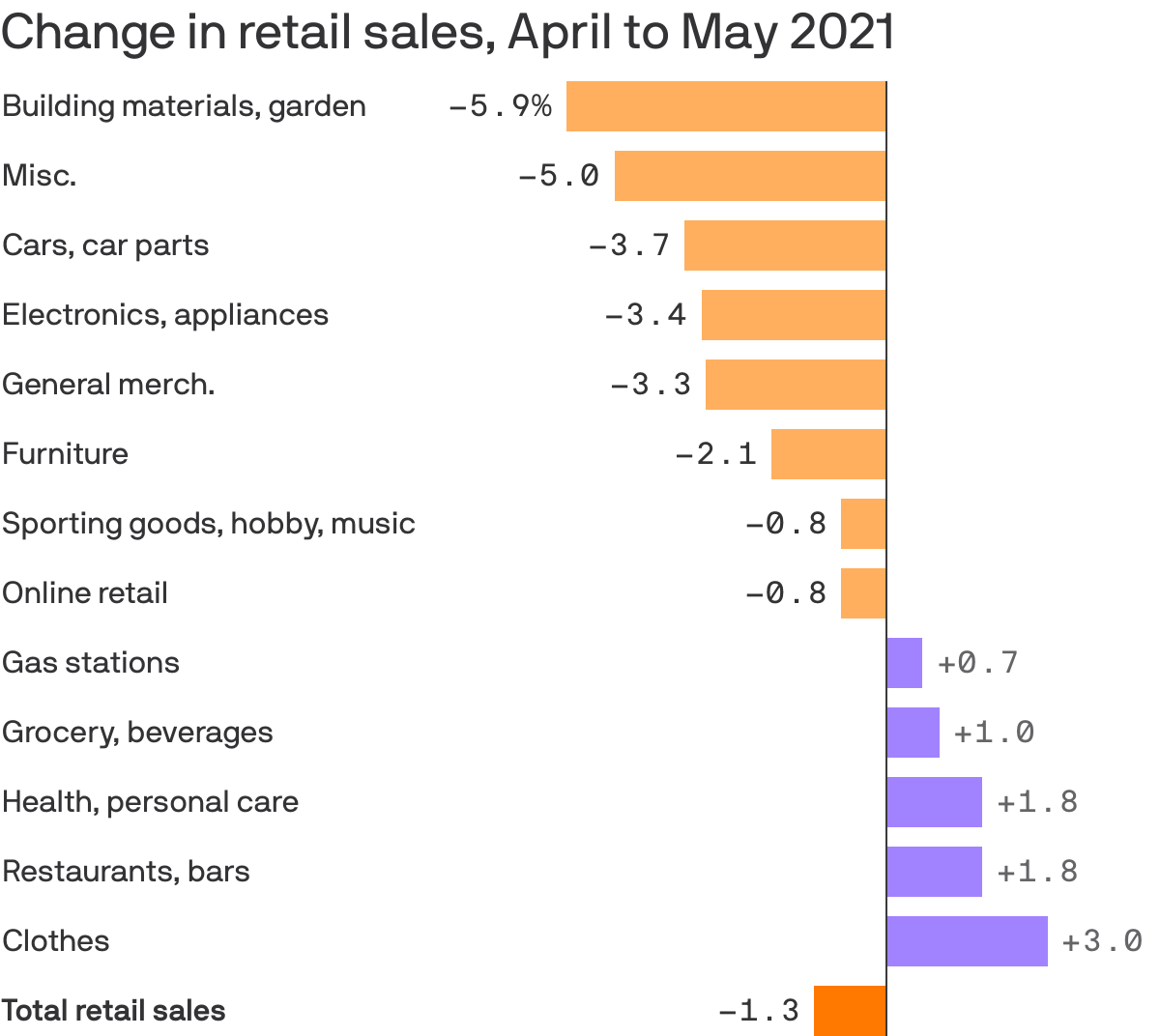
Retail sales in May fell at a greater rate than what economists predicted. But a closer look reveals a somewhat encouraging economic snapshot.
Why it matters: Consumer spending accounts for about 68% of GDP. So, the trajectory of retail sales acts as a rough proxy for the direction of the economy.
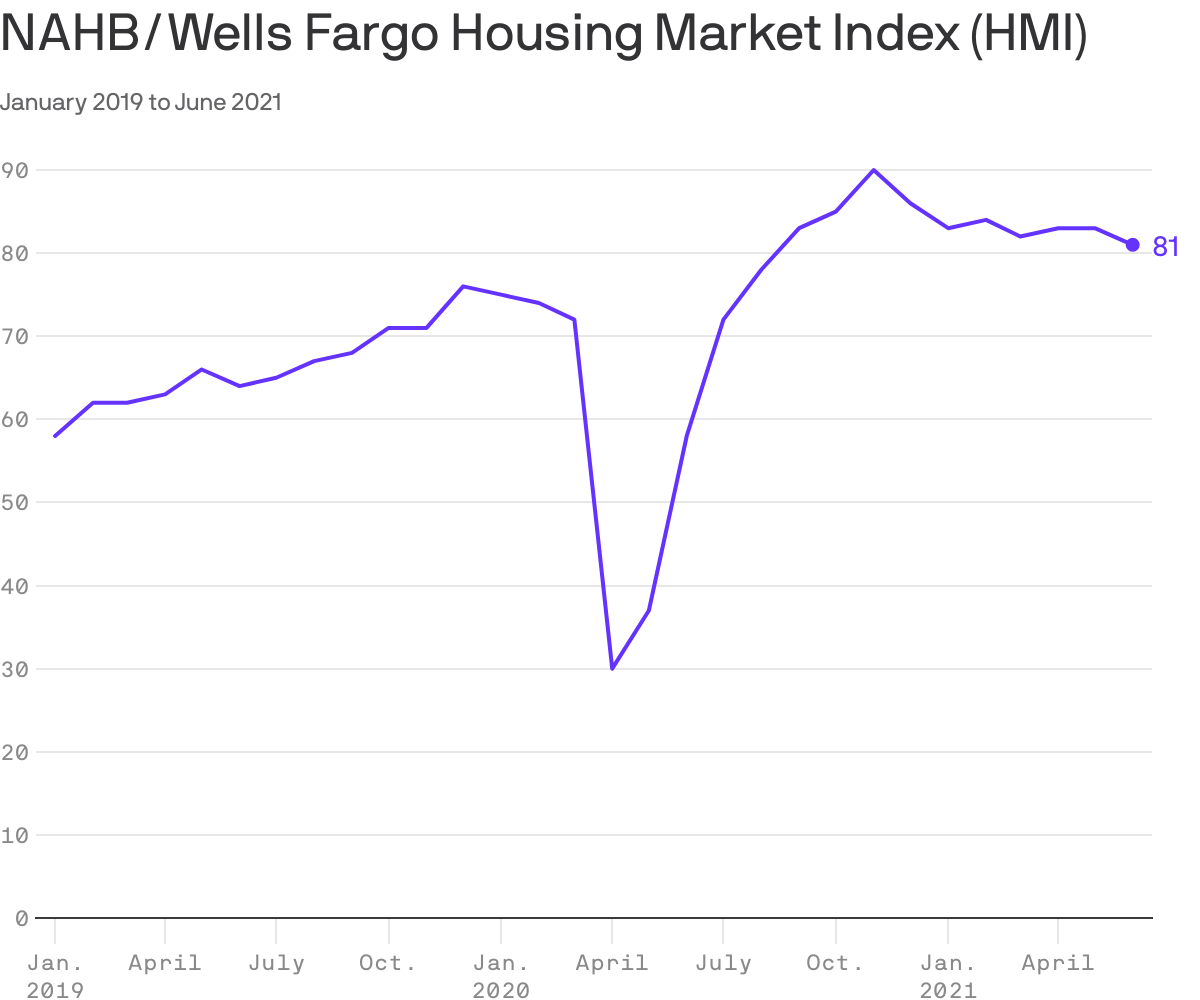
Data: National Association of Home Builders; Chart: Axios Visuals
New details on the epic disruption facing homebuilders emerged Tuesday, as a key sentiment index reached a 10-month low.
Why it matters: Homebuilders are passing along their higher materials costs to customers, increasingly pushing home prices out of reach for some aspiring buyers.
With more firms adopting remote or hybrid work practices, company-wide retreats are going from boondoggles to a necessity.
Why it matters: The pandemic showed that most white-collar employees can get their work done outside of an office, but a company's culture will wither without occasional face-to-face time.
Many politicians, pundits and business owners have said pandemic-era enhanced unemployment benefits are keeping would-be workers at home. But that's a much too simplistic explanation of today's employment situation.
The big picture: Many hard-hit sectors are rebounding faster than anecdotal evidence would suggest. And when jobs are hard to fill, a broader worker awakening over the past year is part of the reason.
The big picture: The pandemic has now claimed over 600,000 lives in the U.S., but vaccines have helped drive down the seven-day average to roughly 14,000 new cases and fewer than 400 deaths per day, helping most states to ease restrictions.
Jared Kushner has signed a book deal with Broadside Books on his time as a senior adviser in the administration of his father-in-law, former President Trump, the conservative imprint of HarperCollins announced Tuesday.
The big picture: The book will be published in early 2022, Broadside Books said in an emailed statement that did not disclose the financial terms. "His book will be the definitive, thorough recounting of the administration — and the truth about what happened behind closed doors."
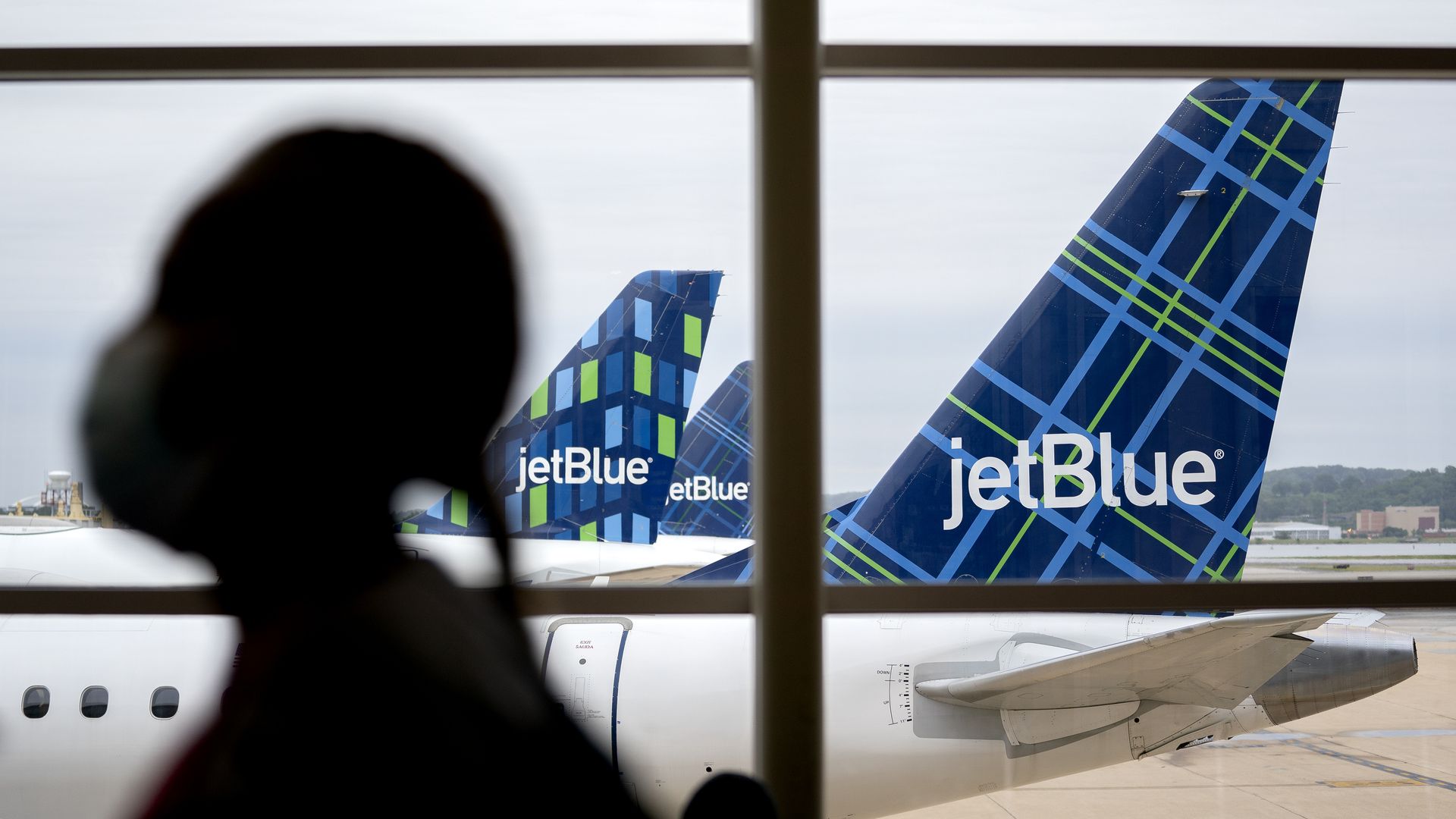
The U.S. Department of Transportation said Tuesday it is seeking a $25.5 million fine from Air Canada for failing to provide timely refunds to thousands of customers.
Why it matters: The COVID-19 pandemic forced airlines to cancel or delay flights, causing refund requests to spike.
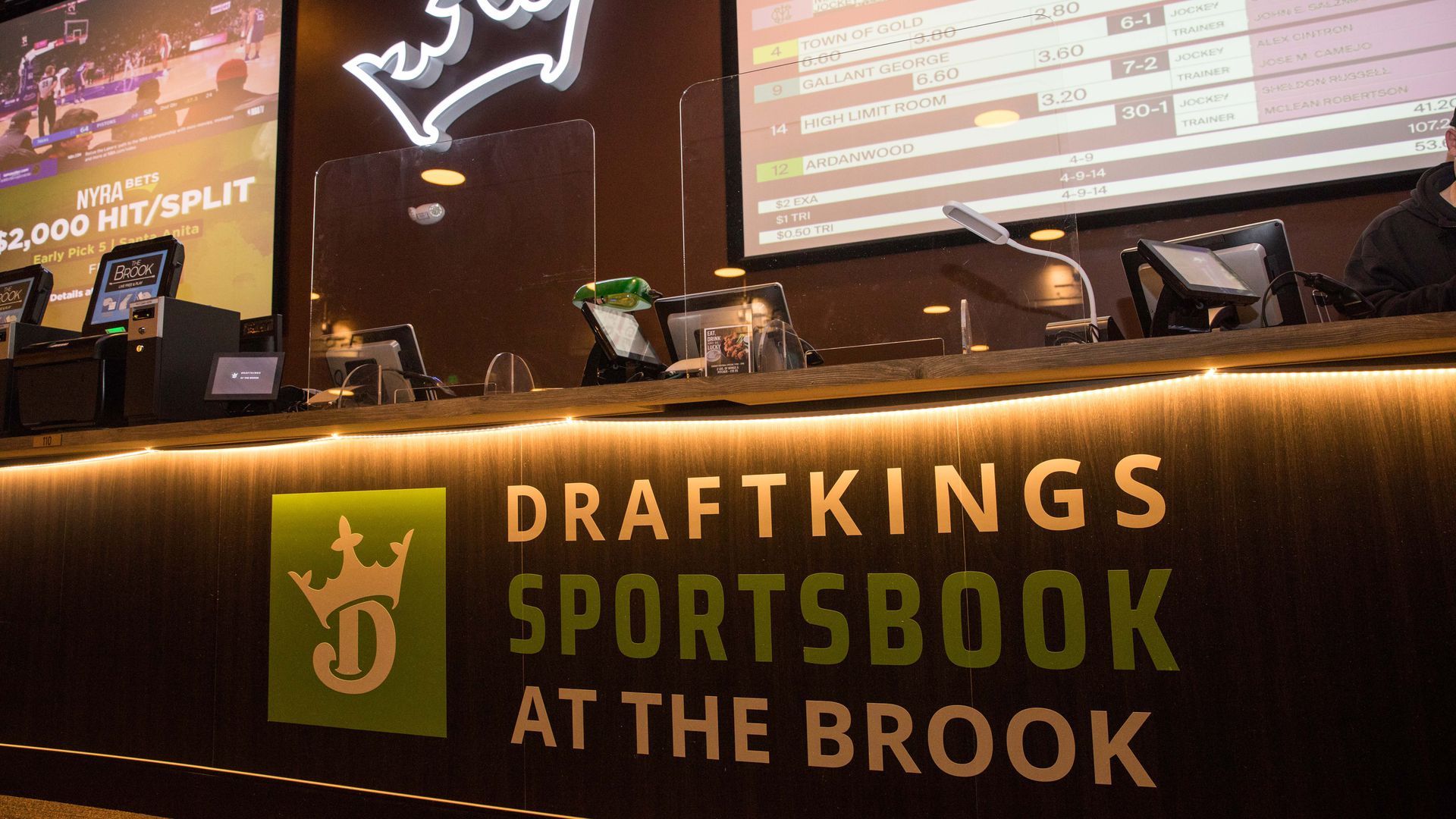
Sports betting giant DraftKings is getting nailed by a prominent short-selling firm whose research has prompted declines in buzzy companies like Nikola and Lordstown Motors.
The big picture: Shares of DraftKings plummeted as much as 12% — though it reversed some of those declines.
A tidal wave of household names — like Robinhood and Krispy Kreme — is about to hit the public market.
Why it matters: Jitters that spooked some would-be public companies last month didn't last. Investors are now bracing for a summer "scorcher" that will reignite the IPO boom and likely fuel a record year.
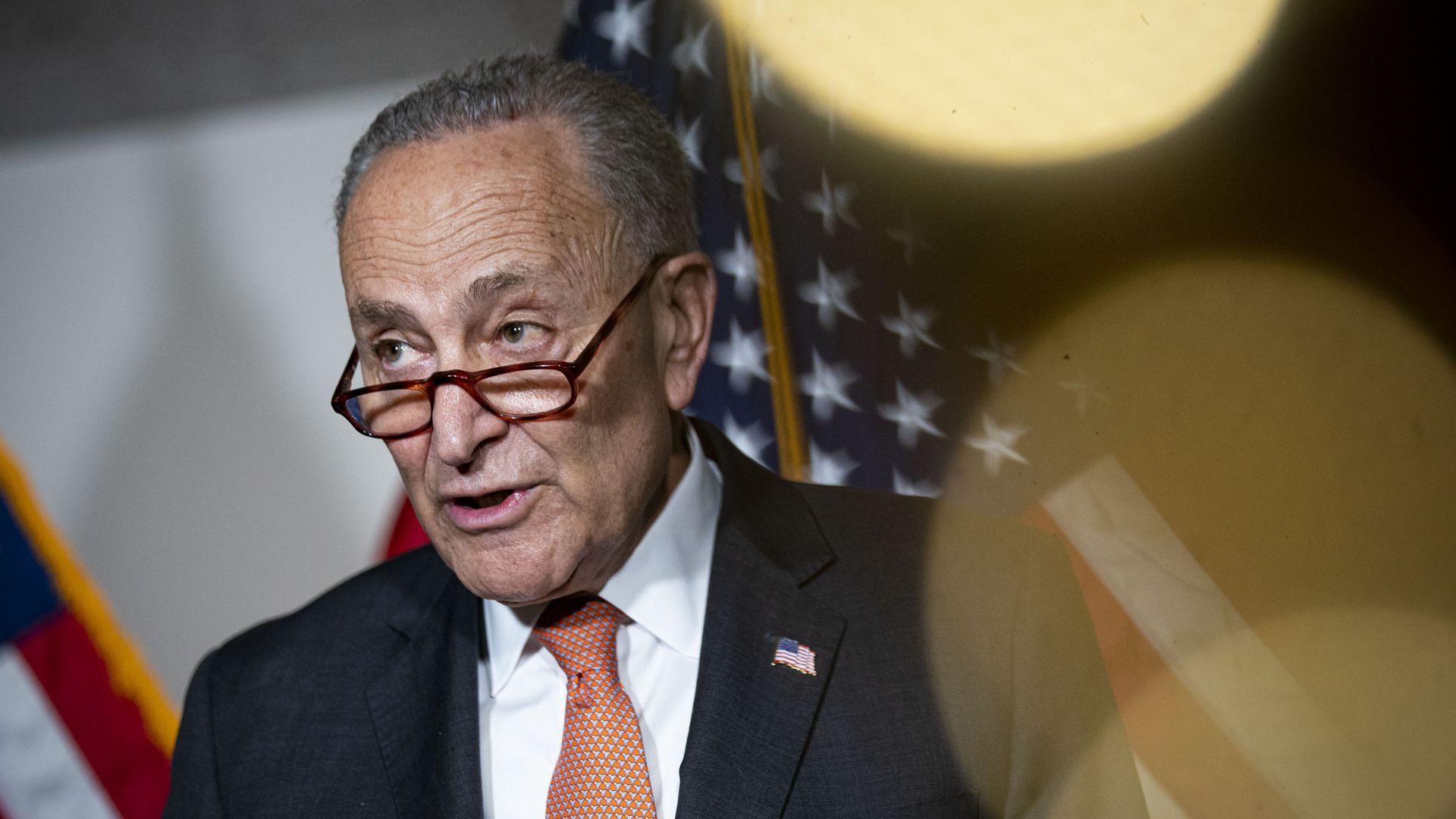
Senate Majority Leader Chuck Schumer (D-N.Y.) plans to formally trigger the budget reconciliation process on Wednesday, setting Democrats up to ram the White House's American Jobs and Family Plans through the Senate via a simple majority vote in July.
Why it matters: Announcing this strategy now could be dangerous to the group of 20 bipartisan lawmakers trying to hash out a deal on the "hard" infrastructure portion of President Biden's package.
FedEx says it will test package deliveries using autonomous vehicles under a new multi-year partnership with Nuro, a leading self-driving startup.
Why it matters: The explosion of e-commerce has accelerated demand for reliable, autonomous transportation throughout the supply chain, FedEx says. With Nuro, it will explore different uses for AVs, including multi-stop and appointment-based deliveries.
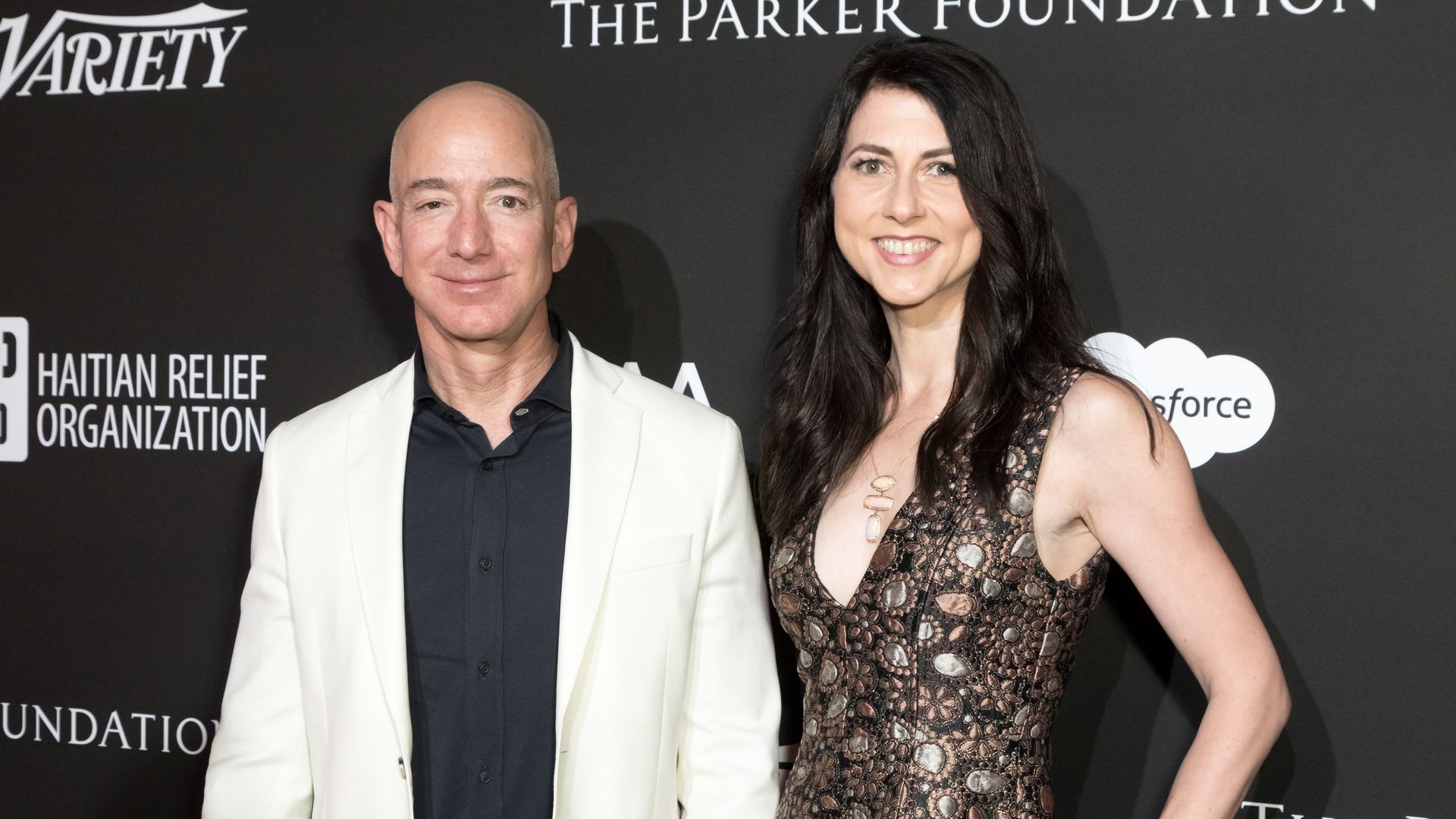
MacKenzie Scott announced Tuesday that she and her husband, Dan Jewett, had donated $2.74 billion to 286 different organizations, including community-based nonprofits and organizations focused on racial justice.
Why it matters: It's the next phase of what the New York Times describes as a "highly unconventional approach" to philanthropy from one of the richest women in the world.
Meet Chicago-based Frank, a startup with $2 million in VC funding that’s been in beta for the past year, and provides a communication space for employees (no managers allowed) to chat.
Why it matters: It's capitalism building tools to push back on ... capitalism.
Gopuff, the $9 billion food delivery startup, is launching its own ad network, sources tell Axios.
Why it matters: It's the latest delivery giant to use advertising to boost revenues and increase sales. Insider reported Monday that rival Instacart is quietly building a $1 billion ads business.
Spotify has inked an exclusive deal with Alexandra Cooper, host and creator of the popular podcast "Call her Daddy."
Why it matters: Spotify has dished out hundreds of millions of dollars in exclusive content deals over the past year in an effort to bolster its podcasting business. This deal is notable in that the audience is mostly younger women.
Politico’s top editor Carrie Budoff Brown is joining NBC in a high-level executive position at the network that includes overseeing the "Meet the Press" franchise, sources familiar with the discussions tell Axios.
Why it matters: Budoff Brown has been with Politico since its earliest days in 2007 and is admired among newsroom staff. Her departure will be a major loss to the organization.
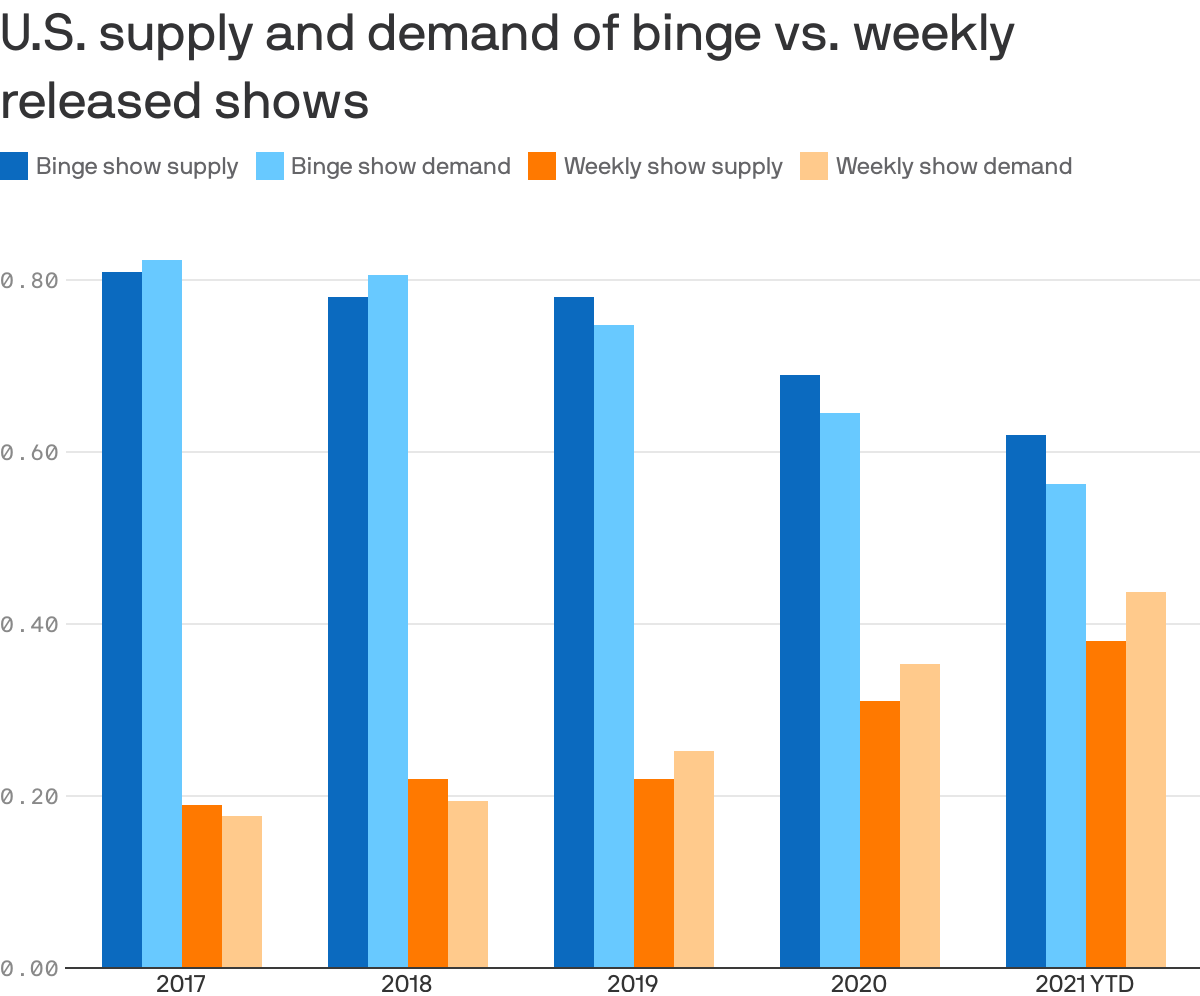
Consumers and streamers are gravitating towards shows that are released weekly, as opposed to binge-watching shows that are released all-at-once, according to data provided exclusively to Axios from Parrot Analytics.
Why it matters: Streamers are no longer competing against traditional TV for consumers attention — they're competing against each other. Weekly releases help reduce subscriber churn.
A new study finds a strong chance that climate change helped trigger the recent catastrophe that hit France's wine industry.
Driving the news: An extraordinary cold snap that gripped France in early April, just after a record-warm early spring, devastated grapes and other fruit crops.
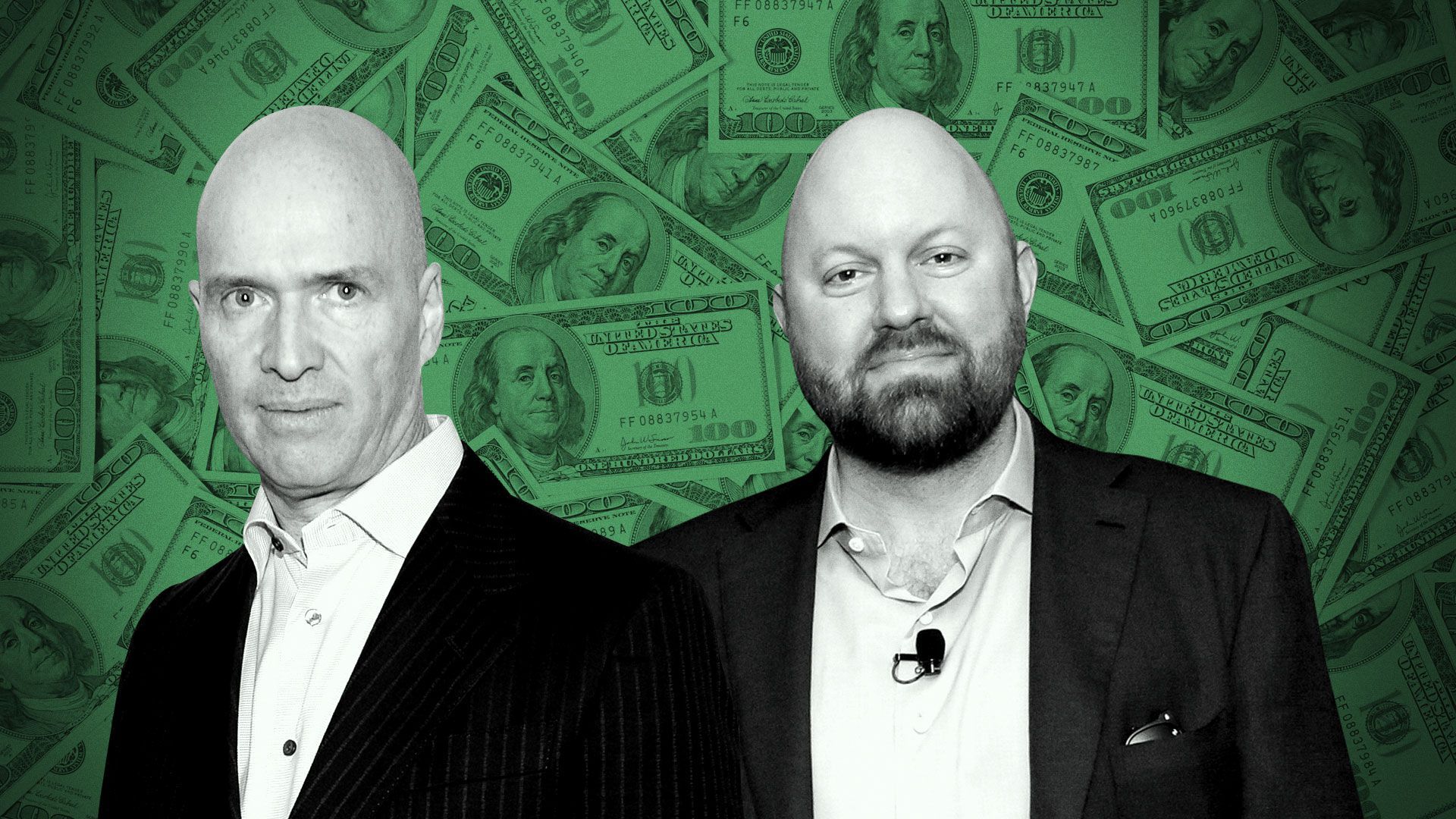
Venture capital firm Andreessen Horowitz on Tuesday launched a content site called Future, after months of anticipation.
Behind the scenes: The site is expected to provide what a firm spokesperson calls an "optimistic" view of technology, in contrast to what it believes is excessively negative coverage in the traditional tech media.
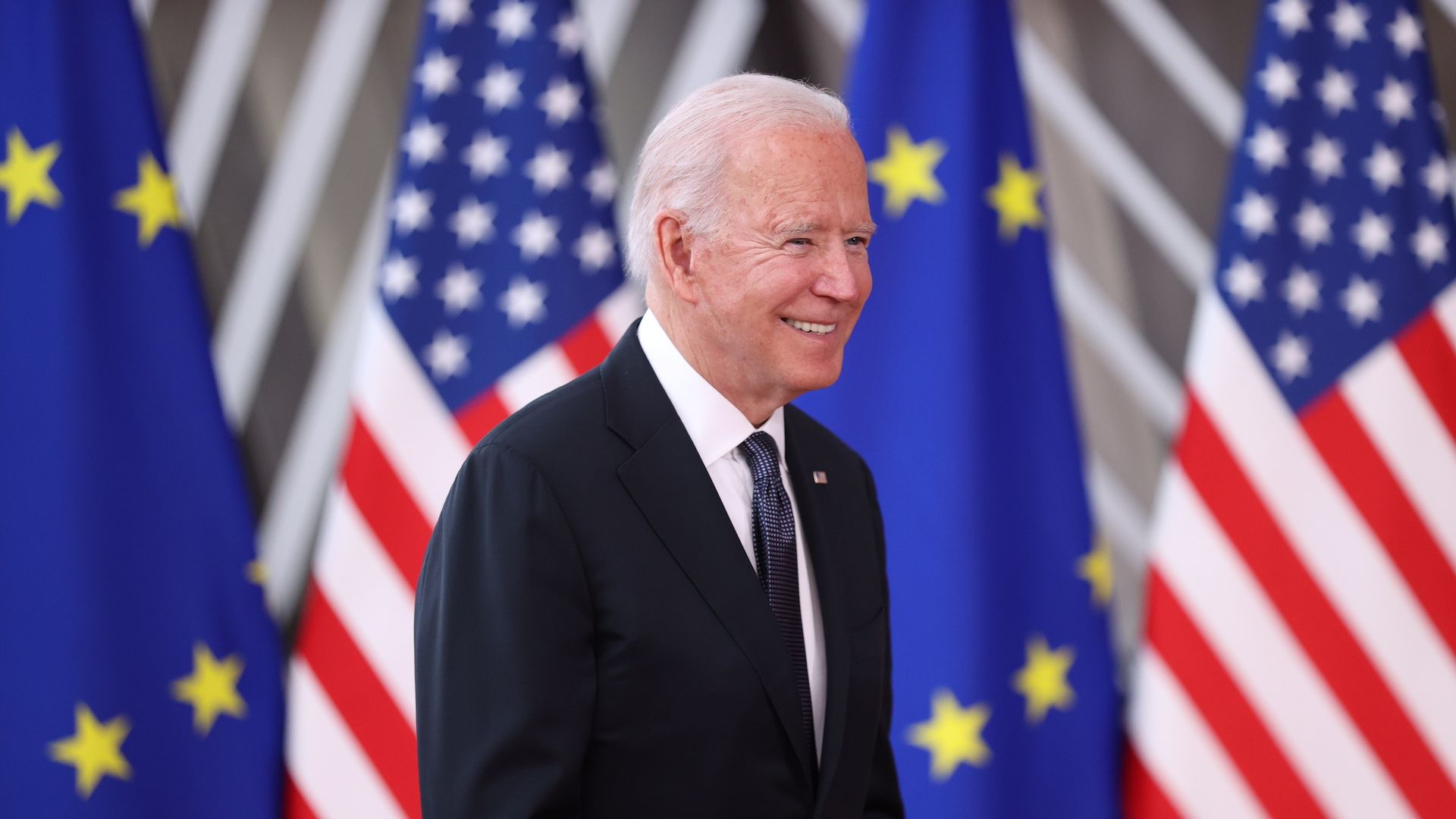
The United States and the European Union reached a deal to end a 16-year-old dispute over subsidies to Airbus and Boeing, the White House announced on Tuesday.
The state of play: Both sides agreed to suspend tariffs for five years while they work together to counter China's investment in the aircraft sector in ways "that reflect our standards for fair competition," U.S. Trade Representative Katherine Tai told reporters.
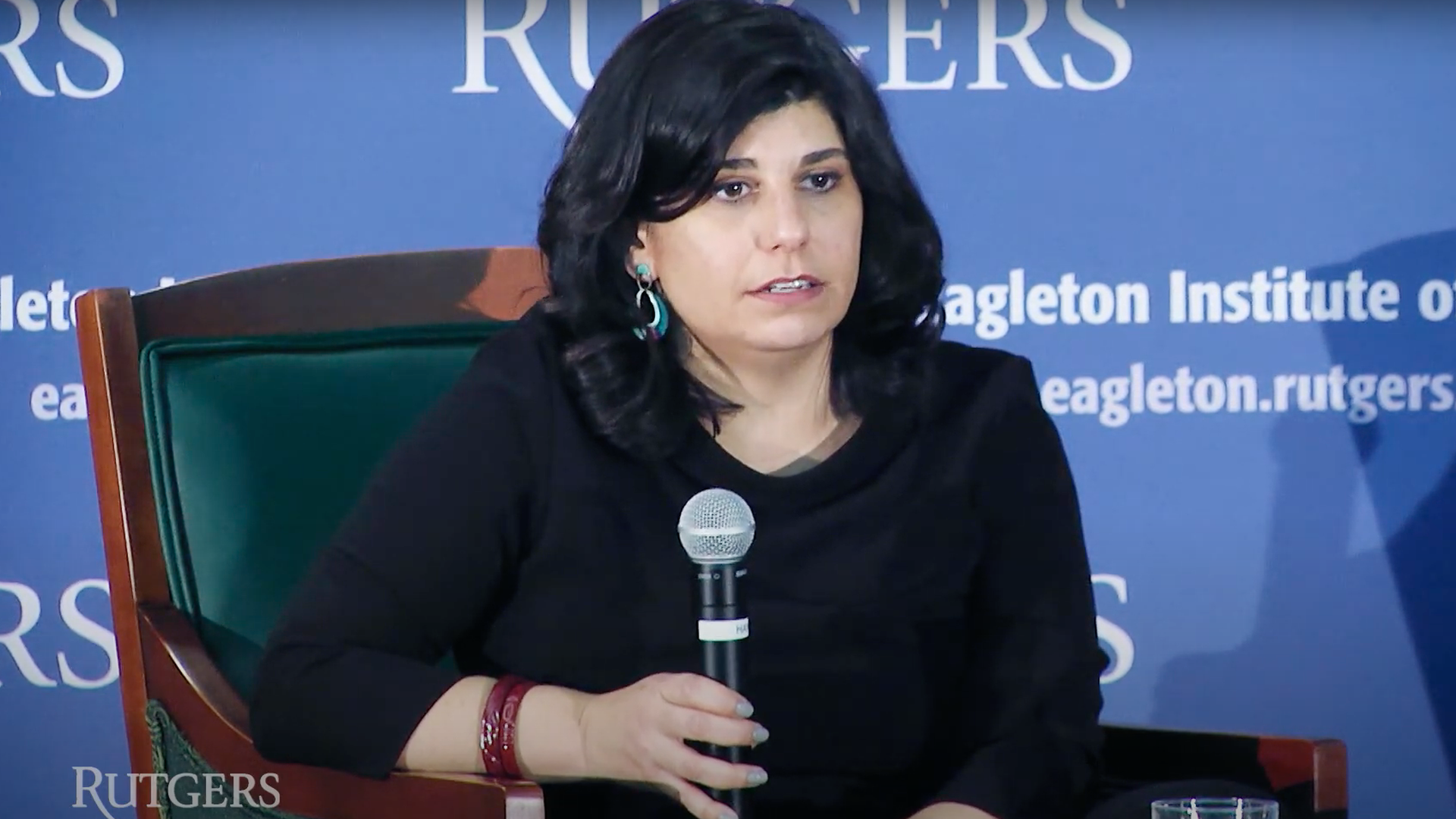
With financial regulators marching toward rulemaking on the disclosure of risks associated with climate change, scientists have identified some ways new requirements could fall short.
Why it matters: Right now, large institutional investors, such as overseers of pension funds, and ordinary individuals lack a full picture of how much climate change risk is contained in their portfolio.
"Call of Duty" giant Activision Blizzard has said it will give stockholders an extra week to continue voting on 2020 c-suite payouts that include $155 million for CEO Bobby Kotick.
Why it matters: The shareholder approval vote is non-binding, so Activision Blizzard’s board can do whatever it wants, but a "no" vote would still pressure the company to change things in the future.
Bitcoin’s most significant code improvement in years won a key stamp of approval this weekend, reports CoinDesk’s Christie Harkin.
Why it matters: Over three years in the making, Taproot represents the ability for bitcoin to one day do more than be a store of value: think more nimble smart contracts (similar to those on Ethereum) and better usability.
About 963 newsroom jobs have been lost so far this year — down 91% from the 10,576 cuts through the same period last year, according to new data.
The big picture: Other factors, like record advertising growth and the speedy return of live events, suggest the media industry is rebounding quicker than it originally anticipated.
A slew of corporations over the last year made promises to help build a more equitable future, pushed to action by sustained protests demanding racial equity. Consumers and investors alike are looking for action to back up rhetoric.
What’s new: PwC, a professional services firm, provided Axios an early look at a new global strategy announced this morning that aims to reimagine business' role in society. A cornerstone of the plan is putting $300 million toward education and racial equity programs.
Bloomberg Philanthropies announced on Tuesday morning the 50 champion cities that will advance to the final round of the 2021 Global Mayors Challenge.
Why it matters: Cities around the world have come under unprecedented pressure because of the health and economic effects of the pandemic, and they'll need to evolve to thrive in the future.
Airlines have reported some 3,000 cases of unruly behavior by passengers to the Federal Aviation Administration this year — including 2,300 for refusing to comply with face mask mandates, the FAA announced Monday.
Why it matters: Passenger numbers remain below pre-pandemic levels. But the FAA is investigating the highest number of suspected federal law violations since it began recording unruly passenger incidents in 1995, per ABC News.
An Atlanta area grocery store cashier was killed and three other people were injured in a shooting following a dispute over a face mask policy in the supermarket Monday, police said.
Driving the news: DeKalb County Sheriff Melody Maddox said during a news conference that the female cashier was working at the Big Bear Supermarket in Decatur when she was shot following a "confrontation" over the wearing of masks.
Mall owner Washington Prime Group has filed for Chapter 11 bankruptcy protection, saying the "COVID-19 pandemic proved insurmountable."
Our thought bubble, via Axios' Aja Whitaker-Moore: Malls have been on the decline for years due to consumer demand shifting online. The pandemic has accelerated the trend for some operators grappling with disappearing foot traffic from shutdowns, and struggling tenants who've stopped paying rent or filed for bankruptcy themselves.