The CEOs of the six biggest U.S. banks gathered before the Senate Banking Committee on Wednesday for the first time since the financial crisis in 2008 to face questions over their institutions' roles in American life.
Why it matters: Banks' record profits during the past year came as many Americans suffered job loss and economic and health insecurity. Along partisan lines, senators shared glimpses into very different views of the responsibilities of banks in the U.S. economy and society.
As the U.S. economy stared into the pandemic abyss in March 2020, Congress passed a $2.2 trillion stimulus package that included the Paycheck Protection Program to quickly get forgivable loans to small businesses to keep workers on payrolls.
Axios Re:Capdigs into the formation and roll out of the PPP, from multi-day negotiations and late-night phone calls to estimates of how many businesses the program helped, with former Treasury Secretary Steven Mnuchin. Plus, a conversation about pandemic survival with Dayna Frank, CEO of legendary Minneapolis music club First Avenue.
Exxon shareholders, bucking company management, voted to install at least two new members to the oil giant's board in a push to make Exxon more aggressive on addressing climate change and more disciplined in its oil investments.
Why it matters: Exxon management campaigned strongly against the entire slate of four people nominated by Engine No. 1, the activist investment group whose campaign was backed by several major pension funds.
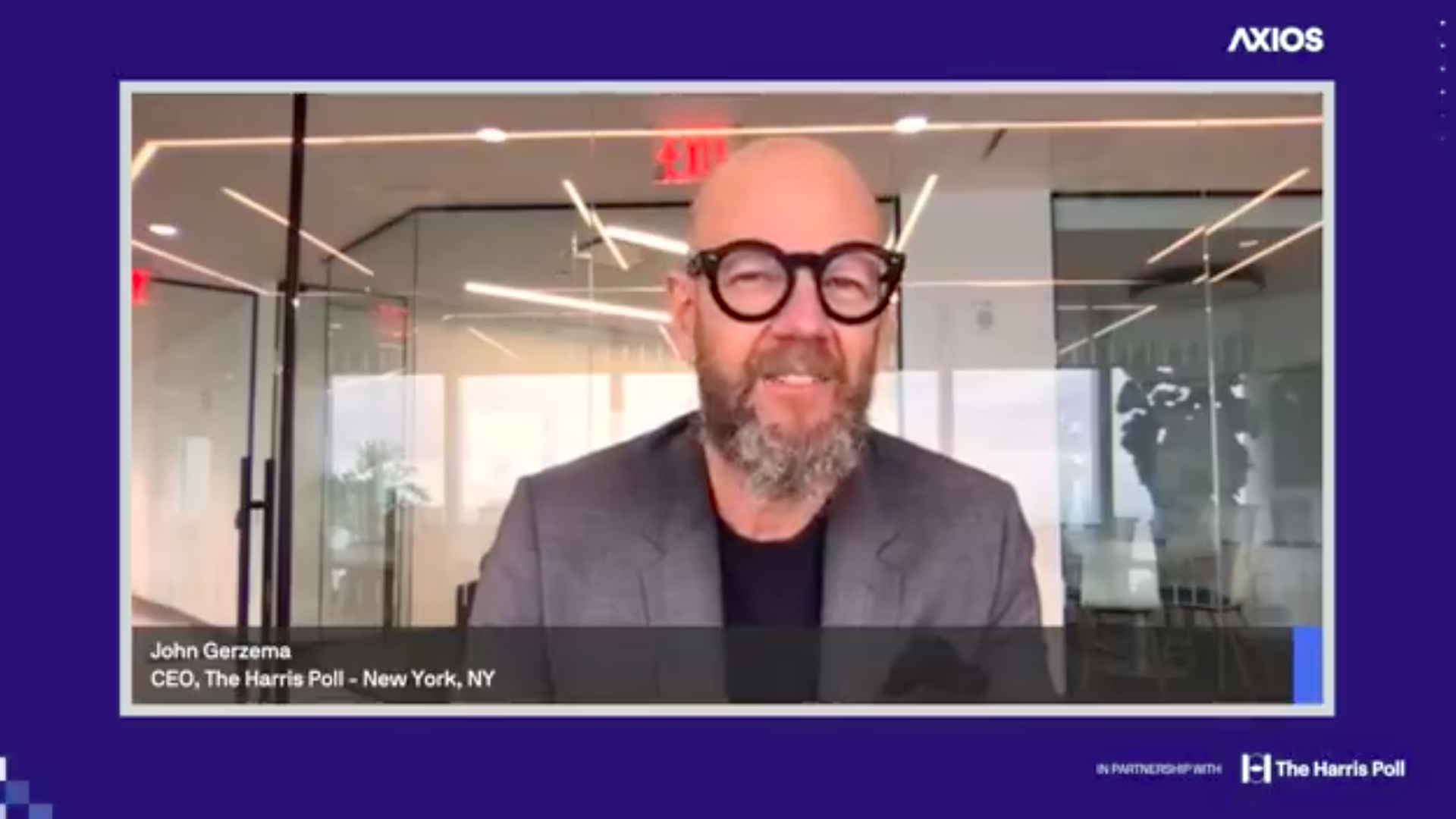
Americans' trust in Moderna, Pfizer, Tesla, and SpaceX — some of the top-rated and most visible brands in the 2021 Axios Harris Poll reputation ranking — show it's been "a good year for science," Harris Poll CEO John Gerzema said Wednesday at a virtual Axios event.
Why it matters: The dual visibility of pharmaceutical companies developing COVID-19 vaccines and companies working to build spacecraft and electric cars suggest Americans are looking to the post-pandemic future.
Ford announced Wednesday plans to invest $30 billion in vehicle electrification efforts by 2025, and the company said it anticipates that 40% of its global sales by 2030 will be fully electric vehicles, per a news release.
Why it matters: Ford CEO Jim Farley said the new initiative — called "Ford+" — is the company's largest opportunity for growth since "Henry Ford started to scale the Model T," signaling just how lucrative Ford leaders think the electric vehicle market will become.
Volkswagen rejected a €7.5 billion takeover offer for Lamborghini from Quantum Group and Centricus Asset Management, per a report from Autocar, and then said the Italian supercar brand isn't for sale.
Why it matters: Suitors are likely to keep kicking Lambo's tires, no matter what VW says about wanting to keep it in the family. The reason is that VW earlier this year said it needs cash to bankroll its $80 billion+ electric vehicle plans, to the point that it may sell or spin off Porsche. Lamborghini is much smaller than Porsche, but could still help fill the funding gap.
The bottom line: "When you want to be a somebody you buy a Ferrari. When you are a somebody you buy a Lamborghini." — Frank Sinatra
Did you read that report about the tech unicorn that's thinking about going public? No, not that one. The other one. No, the other one.
Between the lines: A large percentage of VC-backed companies with at least four years and $50 million of annualized revenue under their belts are speaking with bankers about going public. It's the rule, not the exception.
Amazon announced Wednesday it reached a deal to acquire MGM Studios for $8.45 billion, including debt. MGM is the home to several blockbuster franchises, including James Bond.
Why it matters: The deal — Amazon's second-largest acquisition ever, behind the $13.7 billion Whole Foods deal — represents a major milestone in the tech sector's push into entertainment.
People with lower incomes are feeling financial vulnerability significantly more than their higher-paid counterparts, according to the Morning Consult/Axios Inequality Index.
What's happening: Financial vulnerability relates to the share of Americans who cannot cover basic expenses for a single month with their savings. This is also represented as standard deviations.
A consumer confidence component of the Morning Consult/Axios Inequality Index simply breaks up daily consumer confidence readings among the three different income groups and details the difference between them.
Why it matters: Unlike other categories, it has steadily increased since May 2020 but is beginning to move downward.
Worries about job losses and/or having hours cut and losing income are decreasing across the board but inequality ticked up in May, according to the Morning Consult/Axios Inequality Index.
How it works: The values of the index answer the question, "How differently are U.S. adults with annual incomes below $50,000, between $50,000 and $100,000, and over $100,000 experiencing the economy?"
Vaccine rates are increasing and COVID-19 cases are declining, which is opening up businesses and driving job growth that looks broad, making inequality in actual job losses relatively low, according to the Morning Consult/Axios Inequality Index.
What it means: This data is based on whether or not survey respondents have lost pay or income in the past four weeks, rather than whether they are worried about losing it. This is also represented as standard deviations.
The coronavirus pandemic has rocked the U.S.economy in myriad ways. One of the most important has been the impact on economic inequality, which has been spotlighted by top economists, including Fed chair Jerome Powell.
Why it matters: It is a growing subject of discussion among everyday Americans and carries weight among economists, namely because persistent or increasing inequality can cast doubt on the fairness of America’s economic system and undermine the sustainability of economic growth.
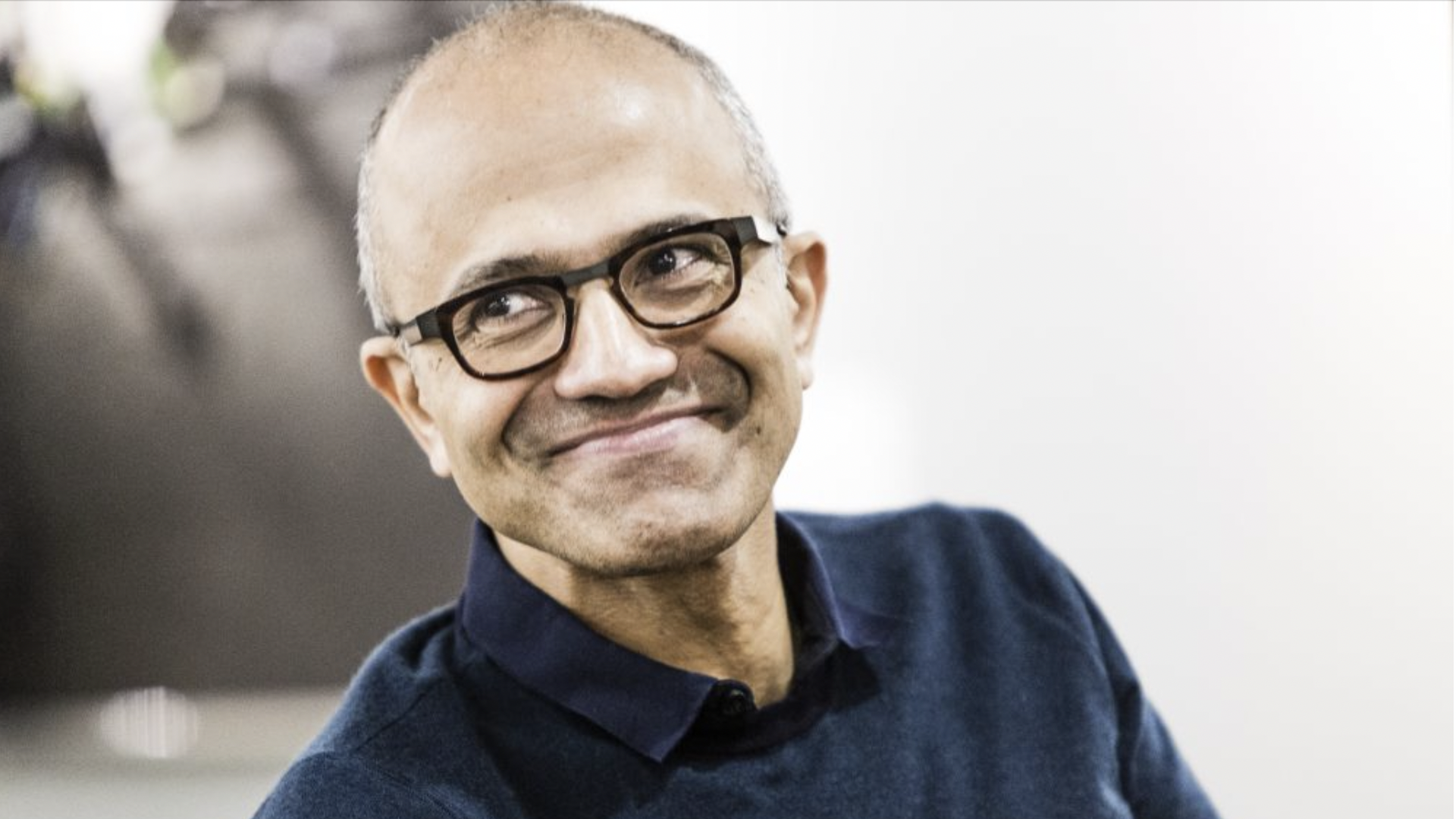
Critics argue that the impact of technology has grown so large that society can't afford for companies to release products just because they can, without fully anticipating issues like privacy and security. Microsoft CEO Satya Nadella couldn't agree more.
What they're saying: "Tech is becoming so pervasive in our lives, in our society and our economy, that when it breaks, it’s not just about any one tech breaking or one company breaking," Nadella said in an exclusive interview with Axios. "It impacts us all."
Americans' native optimism is hard to squelch. Even after more than a year of a brutal pandemic — with all its attendant ravages on health, employment, and life at home — we overall retain a positive economic sentiment, according to a major new survey from McKinsey and Ipsos, provided first to Axios.
Yes, but: Economic optimism isn't evenly distributed. Men are broadly optimistic, women aren't. Parents see a brighter future than the childless. And naturally the rich have a sunnier outlook than the poor.
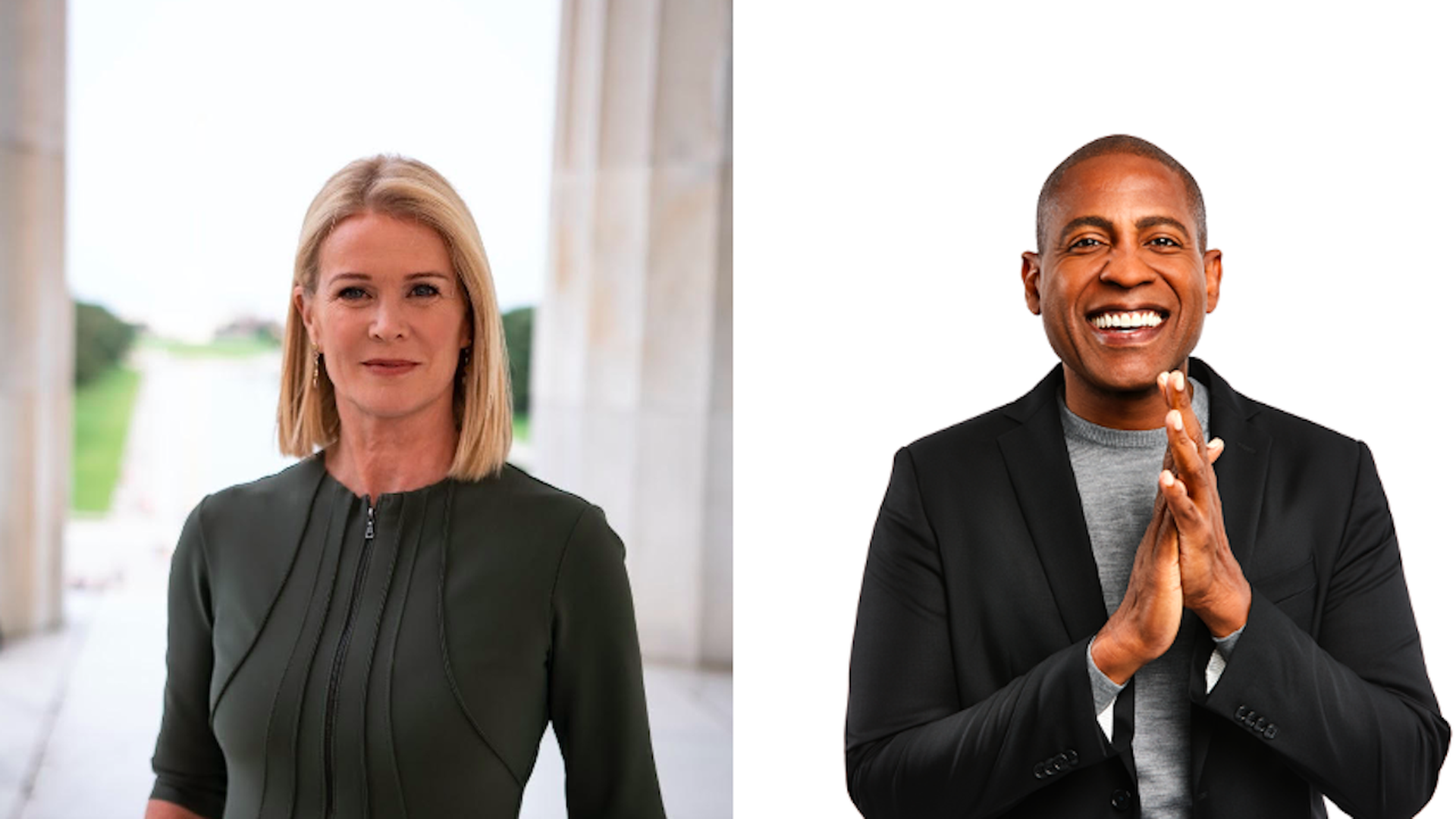
Longtime BBC News anchor and correspondent Katty Kay is leaving her post to become senior editor and executive producer, of OZY Media, the digital-first media and entertainment company founded in 2013 by CEO Carlos Watson.
Why it matters: Kay will bring decades of global editorial experience to OZY, which produces dozens of TV shows, podcasts and documentaries across an array of genres.
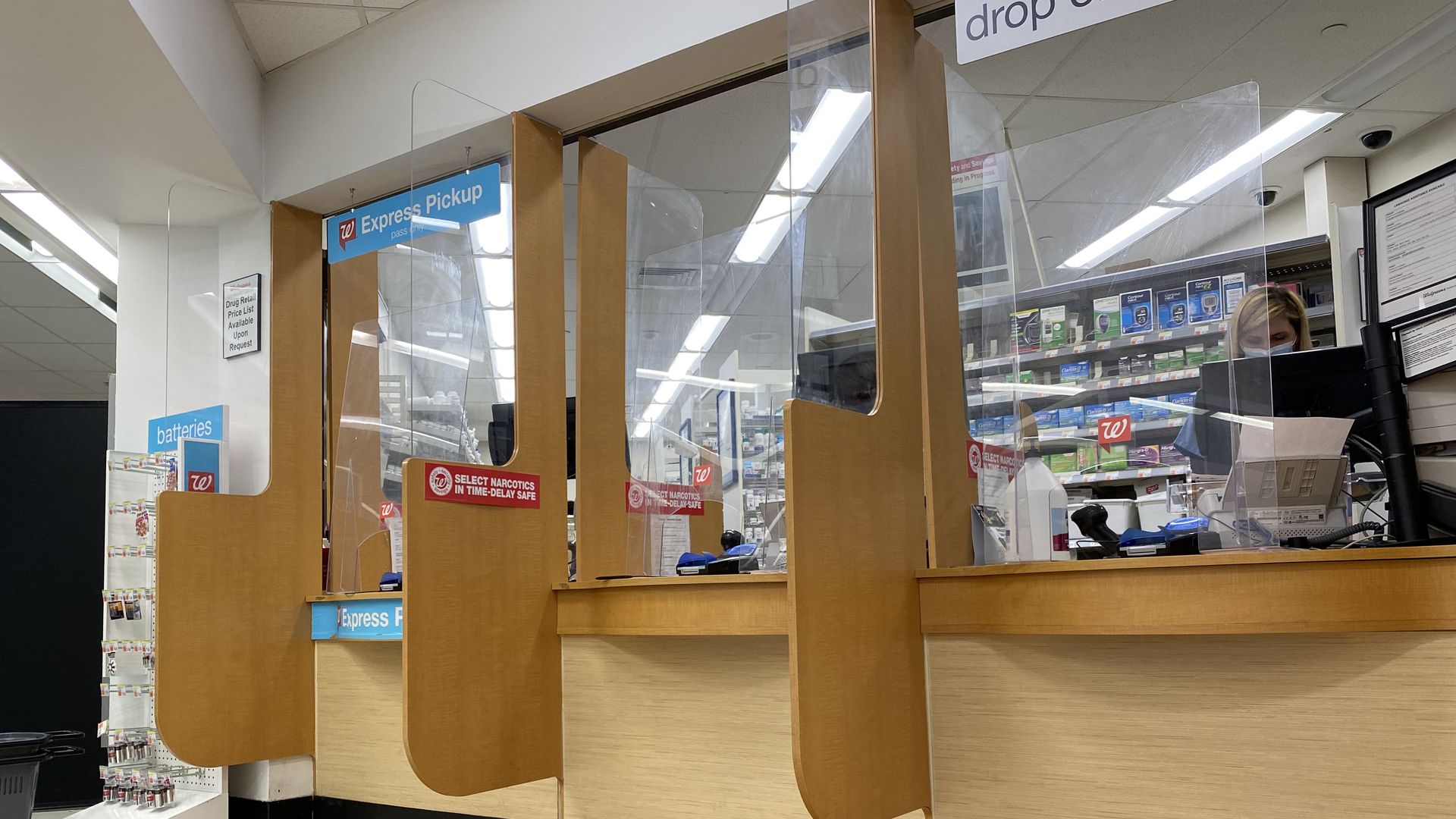
Buying prescription drugs through GoodRx, Amazon and other alternative avenues does not guarantee patients are getting a good deal.
The big picture: More people are purchasing their drugs with cash instead of using their health insurance, in large part because they are getting sizable discounts. But discounted prices often still have no relation to a drug's actual cost.
President Biden’s focus on creating more manufacturing and union jobs is propelled by the steady and persistent decline in lifetime earnings for American men since he graduated from law school in the late 1960s.
The big picture: The lifetime earnings of the median male worker declined by at least 10% for those who entered the workforce at age 25 in 1967, compared to those who entered the workforce at the same age in 1983.