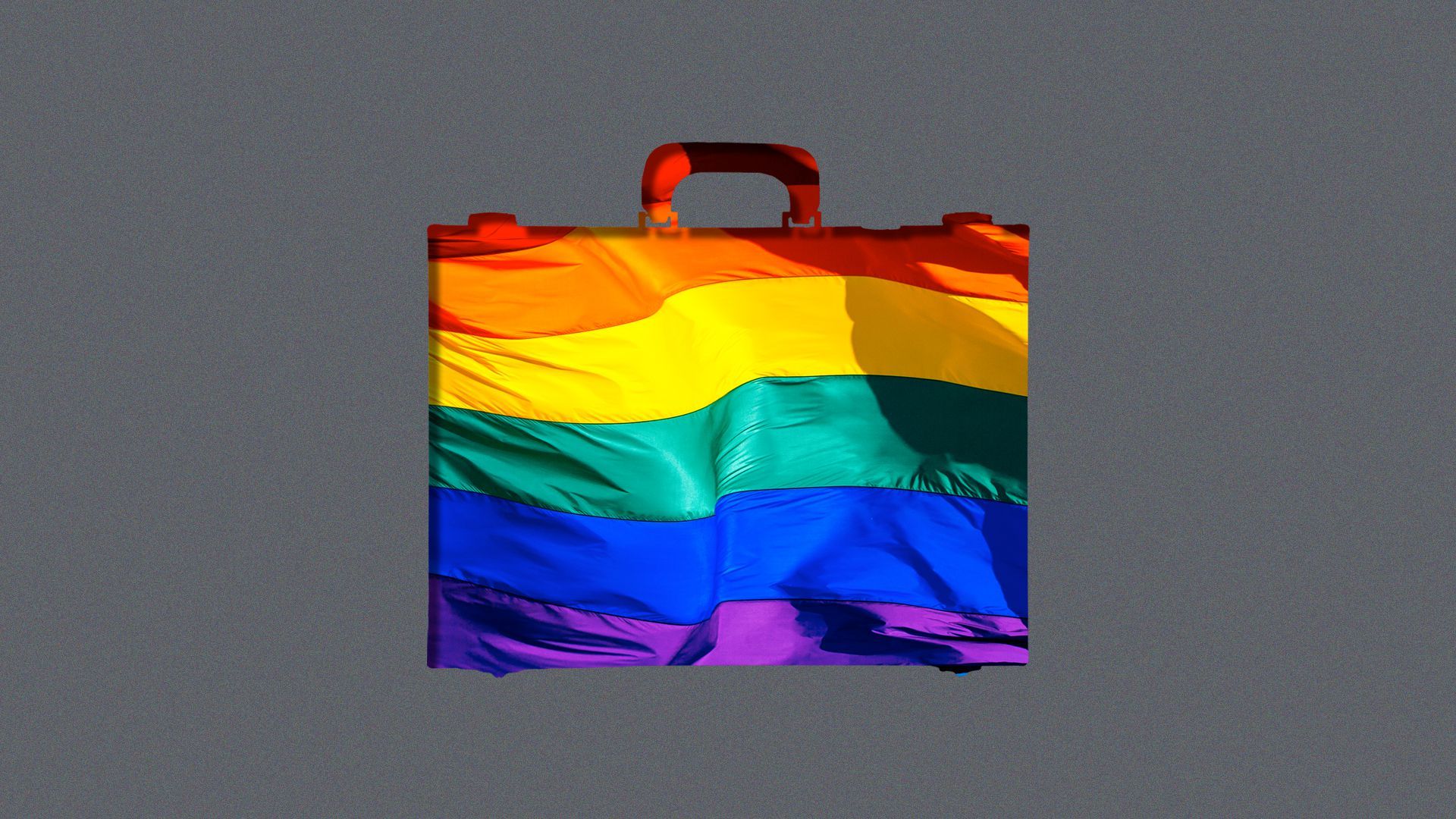
Despite promises of building more equitable workplaces, the newest Diversity and Inclusion report from Glassdoor shows the reality is still far off — especially for LGBTQ+ employees who report less satisfaction at work.
Why it matters: Companies have been on a hiring frenzy for chief diversity officers in the year since George Floyd's murder, but workplace perception is not changing on pace with the effort.
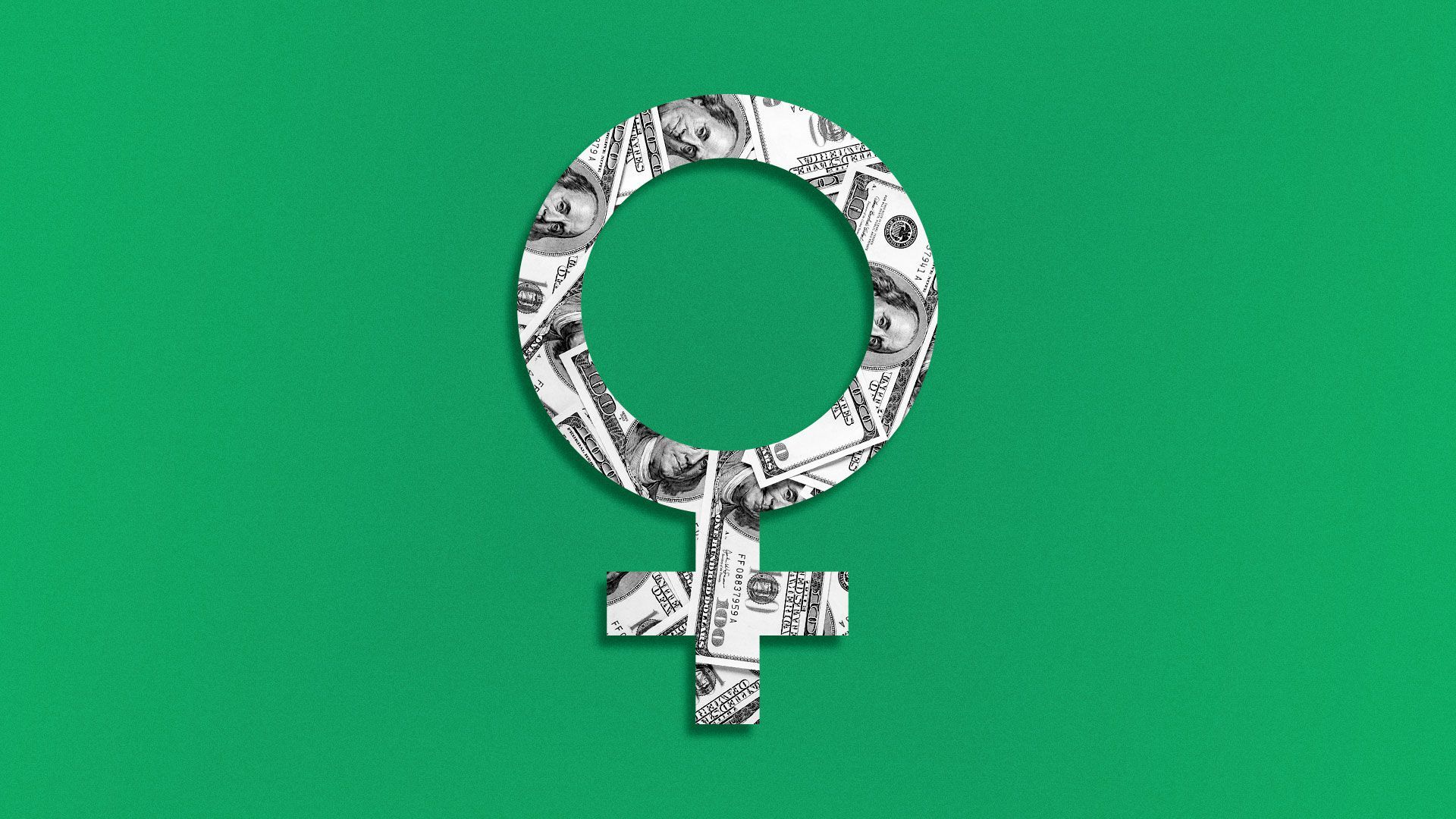
Lerer Hippeau has promoted four womento partner, the New York City venture capital firm tells Axios.
Why it matters: The move reflects a deal activity surge that's causing firms to expand their partnerships and shows the VC industry's ongoing efforts to remedy its extreme gender imbalance.
Buford Highway is a 10-mile stretch near Atlanta that's home to over 1,000 immigrant-owned small businesses. A constellation of home-away-from-homes, particularly for Asian and Latino communities.
Axios Re:Cap speaks with Lily Pabian, executive director of the We Love BuHi nonprofit, to discuss how the pandemic and rise in anti-Asian hate, including the nearby spa murders, impacted Buford Highway's small business community.
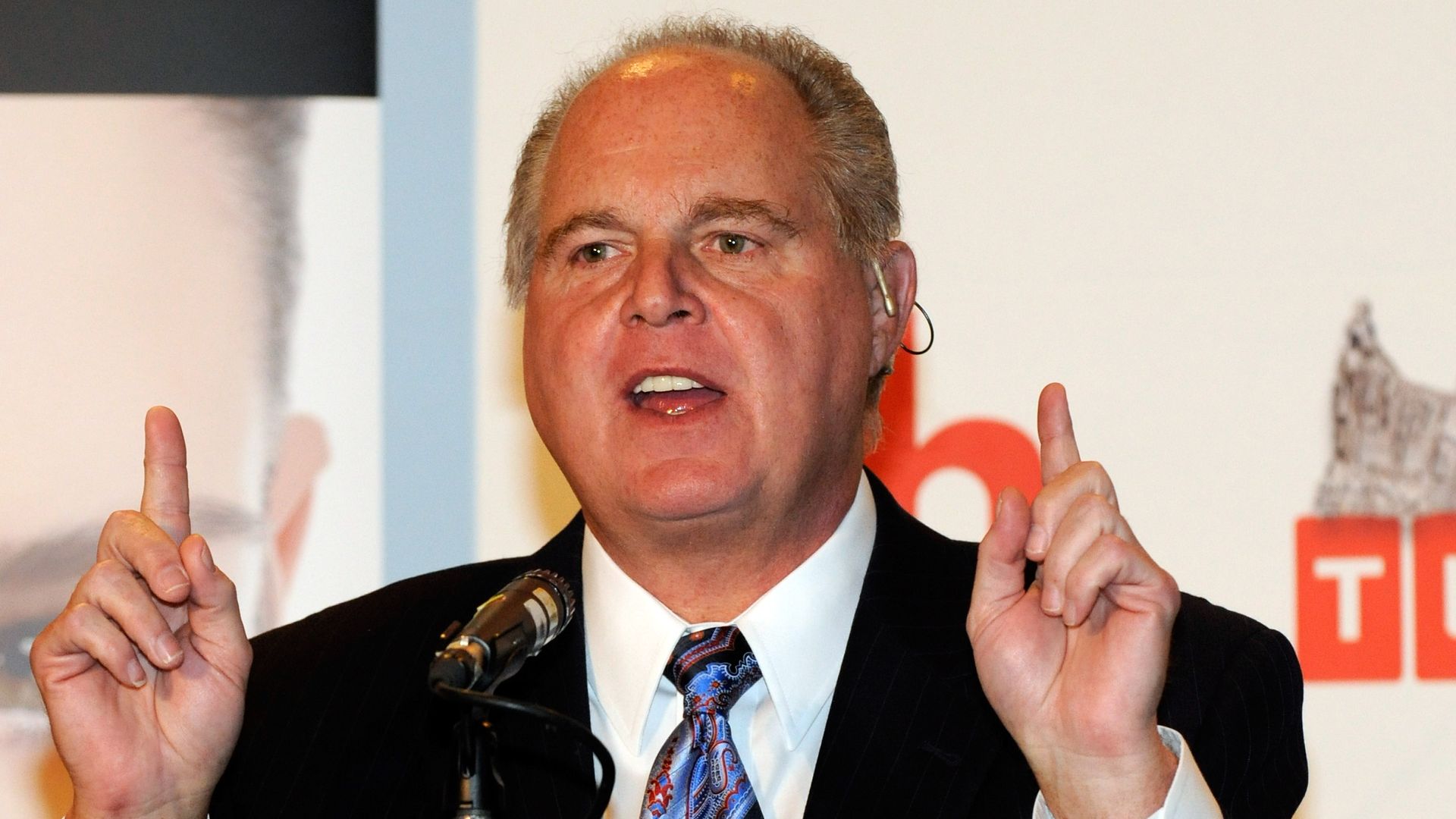
The late Rush Limbaugh's radio show on Premiere Networks is slated to be taken over by sports journalist Clay Travis and radio host and political commentator Buck Sexton, according to The Wall Street Journal.
Why it matters: Premiere Networks is hoping that the duo will lure younger audiences to the show. Travis is 42, and Sexton is 39.
Shareholders of public companies aren't nearly as passive as some stock market observers would have you believe. They're causing seismic shifts at household names like AT&T and Exxon.
Why it matters: In general, managers of big public companies have never had it so good. The inexorable rise of passive investing, along with an increasing number of companies going public with dual-class share structures, has generally entrenched the power of CEOs. But shareholders can still wield significant power.
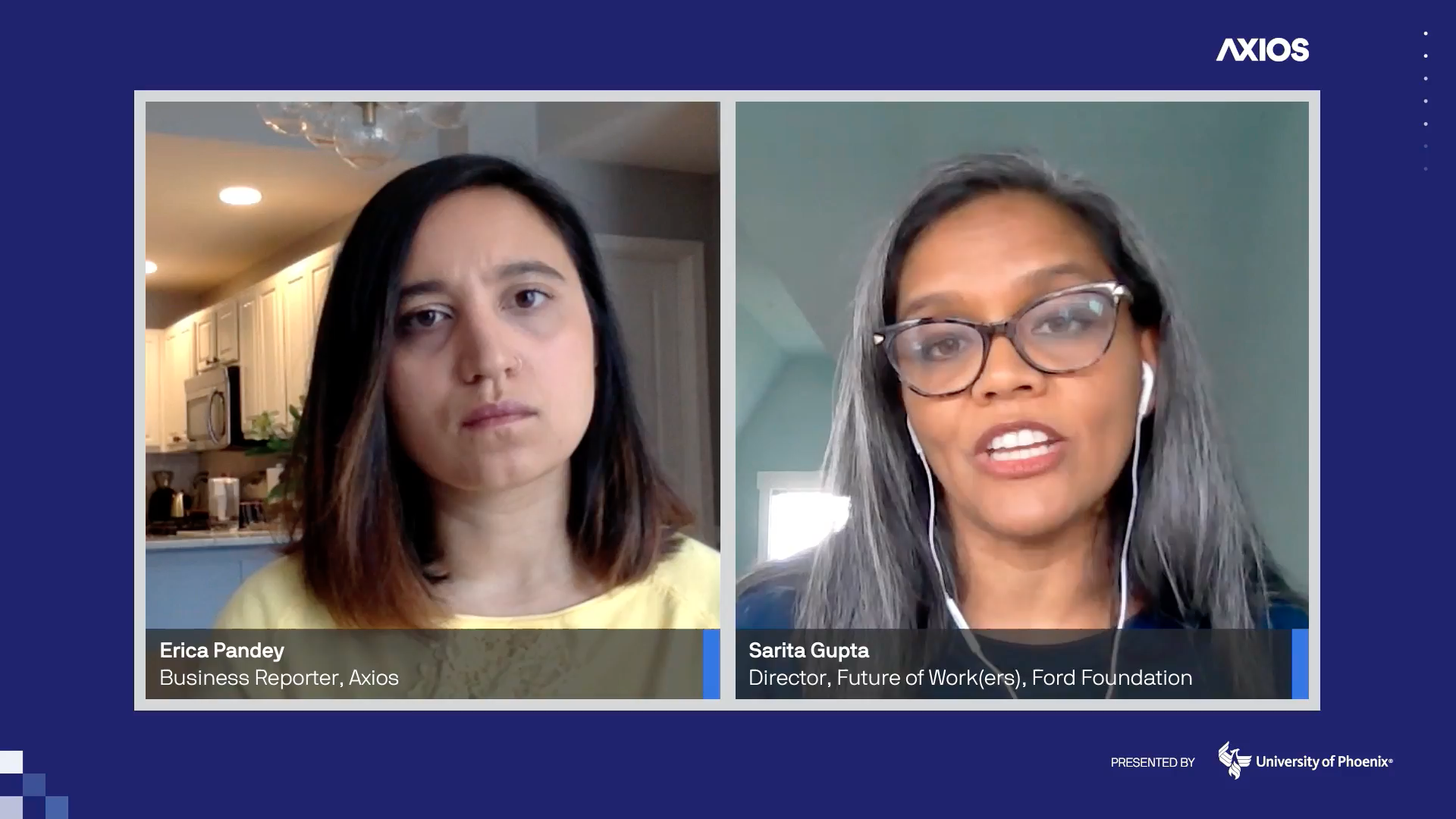
The coronavirus pandemic highlighted how the "flimsy [child] care infrastructure" is not helping workers move up in their careers, said Sarita Gupta, director of the Future of Workers program at the Ford Foundation, during an Axios event on Thursday.
Why it matters: Lack of good child care was one of the most cited reasons for not working during the pandemic, Axios' Erica Pandey reports. Child care costs spiked, making it harder for American families to afford it.
Americans' native optimism is hard to squelch. Even after more than a year of a brutal pandemic — with all its attendant ravages on health, employment, and life at home — we overall retain a positive economic sentiment, according to a major new survey from McKinsey and Ipsos, provided first to Axios.
Yes, but: Economic optimism isn't evenly distributed. Men are broadly optimistic, women aren't. Parents see a brighter future than the childless. And naturally the rich have a sunnier outlook than the poor.
Major media acquisitions — like AT&T and Time Warner — almost never work out, and are therefore very hard to justify to shareholders. Amazon doesn't have that problem: It's so big that it doesn't need to justify any of its spending.
Why it matters: Amazon is one of the most valuable companies the world has ever seen, with a market value of $1.65 trillion and revenue over the past year of some $420 billion. It makes multibillion-dollar decisions on a regular basis, many of which (the Fire phone, drone delivery) turn out to have been terrible ideas.
Former Treasury Secretary Steven Mnuchin says that we'll never really know how many jobs, or small businesses, were saved by the Paycheck Protection Program.
Why it matters: The SBA claimed last summer that the pandemic-promoted program, which provided forgivable loans to qualifying small businesses, saved 51 million jobs. Some academic studies put the number much lower, including one from MIT that put the figure closer to 3 million.