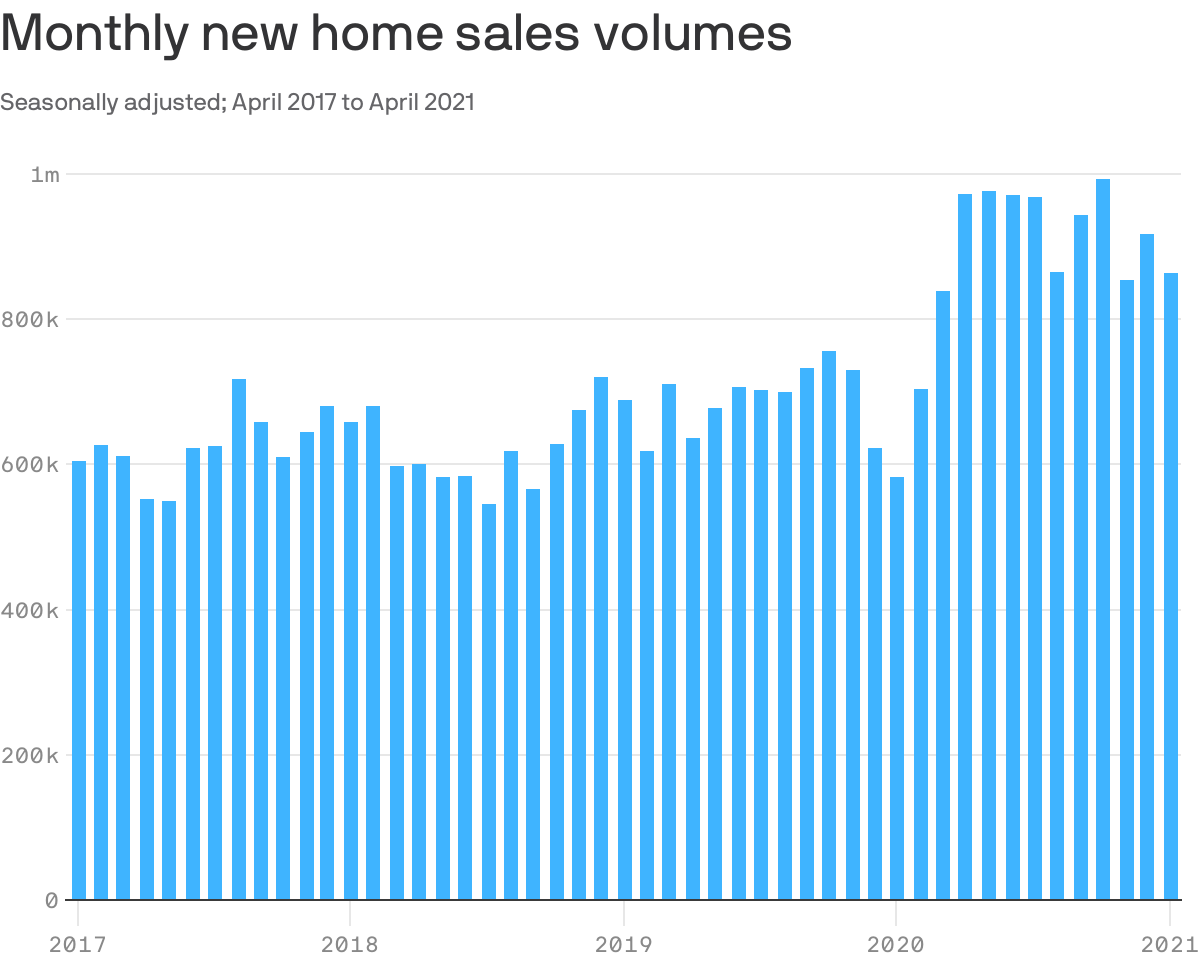
New home sales volumes came in lower than expected for April, at 863,000. That’s down 5.9% from the month before.
Why it matters: Economist's expectations were for around 950,000. But building has slowed as raw materials prices like lumber skyrocket, as Axios’ Hope King recently reported.
The gridlock pushed the median new-home sale price to $372,000, up 11.4% from March, and up an eye-popping 20% since April of last year.
George Floyd's murder, one year ago today, and the subsequent surge of support for Black-owned small businesses "had an unprecedented impact," according to Shelly Bell, CEO of Black Girl Ventures.
Axios Re:Cap speaks with Bell in the second of a six-part series, America's Business Comeback, about what 2020 meant for Black-owned small businesses and where things stand now. We also share the first of our conversations with proprietors of some of America's most iconic small businesses.
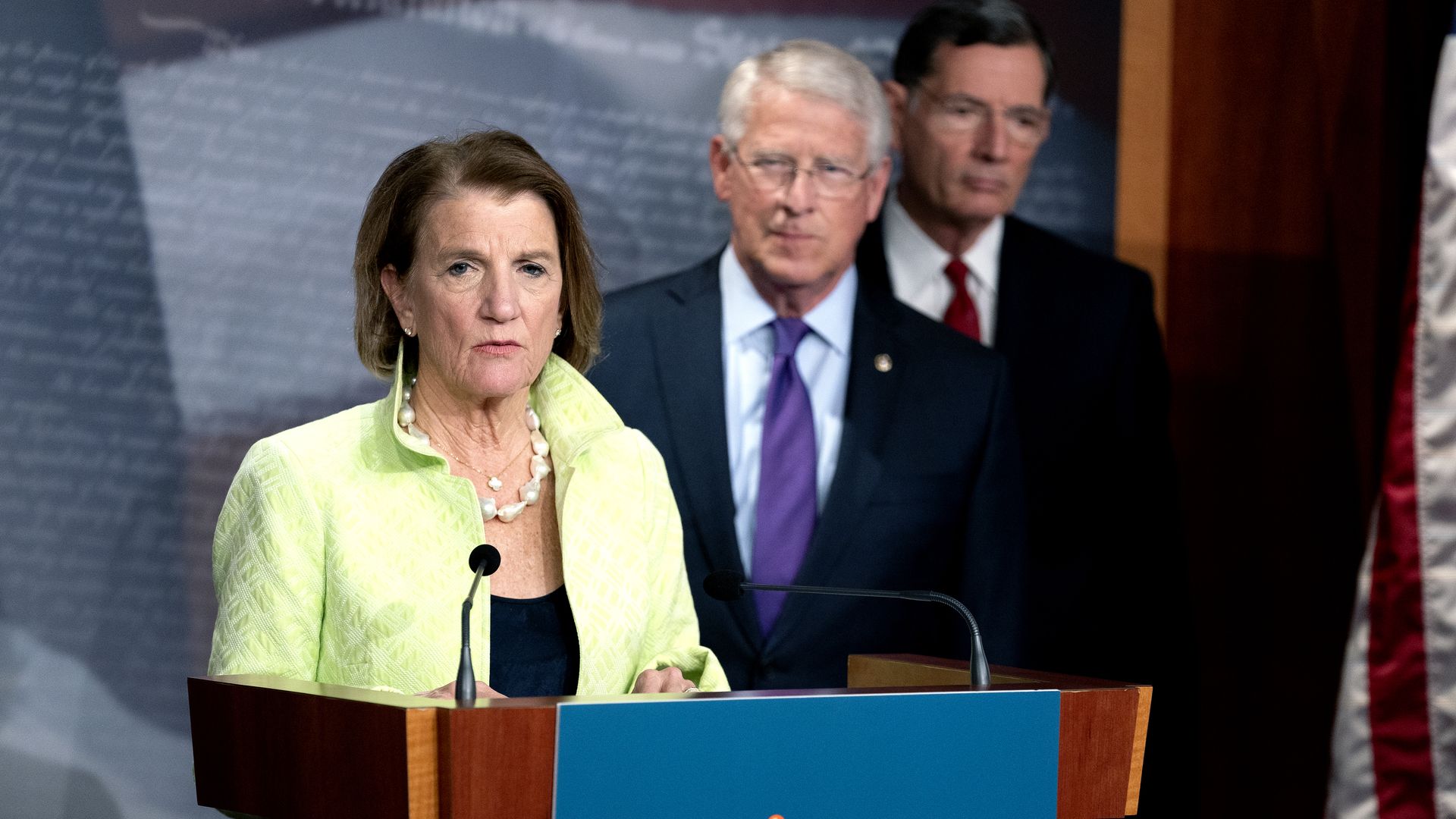
A group of GOP senators negotiating on infrastructure is preparing a $1 trillion counteroffer for the White House this week, a key leader said, far closer to President Biden’s target than previous overtures.
Why it matters: Senator Roger Wicker (R-Miss.) signaled that Republicans will be moving in a big way toward the Biden administration's plan, reigniting hopes that a bipartisan deal is possible.
Washington, D.C. Attorney General Karl Racine on Tuesday filed an antitrust lawsuit against Amazon, alleging the e-commerce giant's anticompetitive pricing practices result in higher costs for consumers and less choice in the online retail market.
Why it matters: The lawsuit concerns how Amazon negotiates with more than 2 million third-party sellers on the platform, which are crucial to the company's business and end up absorbing fees that Amazon charges to list their merchandise.
Main Street is finally beginning to rebuild from the hurricane that barely glanced Wall Street.
Between the lines: Small businesses are always particularly exposed when crisis hits, due to limited cash buffers, according to JPMorgan Chase Institute, which tracks anonymized credit and debit card data.
As media and tech companies look for ways to combine and grow their content footprints, regulators are beginning to eye their efforts with skepticism.
The big picture: Big Tech deals "will probably heighten calls for antitrust legislation," says former Justice Department antitrust chief Makan Delrahim.
FanDuel and The Associated Press have reached an agreement to make FanDuel the exclusive provider of sports odds across AP’s global sports report, executives tell Axios.
Why it matters: While traditional advertising is an effective customer acquisition tool, FanDuel Chief Marketing Officer Mike Raffensperger says "I think the thing where we move the needle is partnerships with media companies."
Despite much fanfare in recent months, the U.S. looks to have made minimal progress on the development of or consensus around a central bank digital currency (CBDC), despite advances from other central banks, including China's.
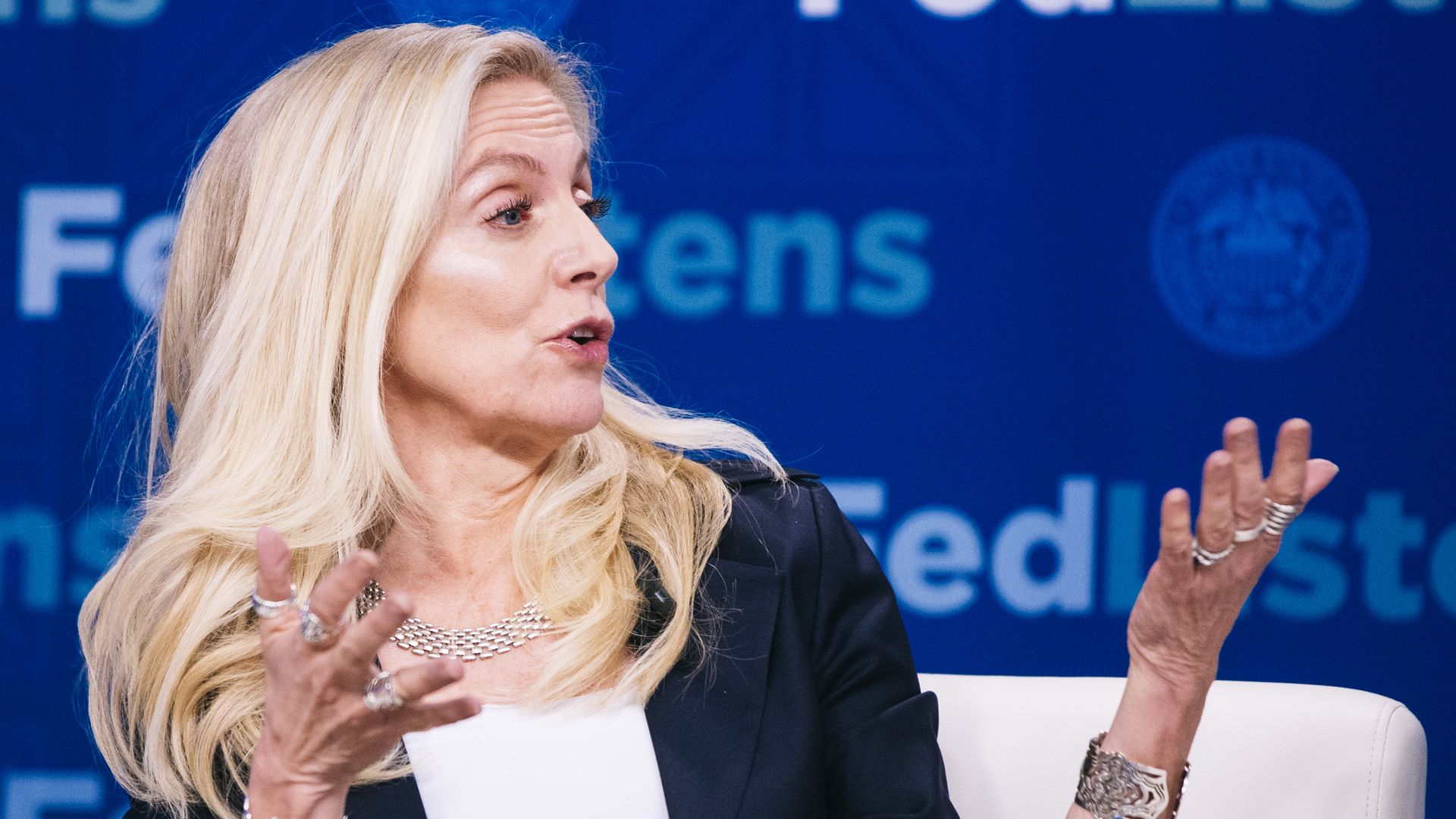
Driving the news: Fed governor Lael Brainard, who is leading efforts on a digital currency as the governor in charge of financial stability, delivered a speech on Monday detailing the state of research and development on CBDCs in the U.S. but provided little new information.
The Chicago Fed's National Activity Index showed the U.S. economy was growing above trend in April but had slowed significantly from March's big rebound, suggesting the economy is having a difficult time gaining traction for a sustained rebound.
By the numbers: April's 0.24 reading was down significantly from the 1.7 reading in March, which followed the first negative reading in almost a year for the index.
The world's growing efforts to limit climate change will have far-reaching impacts for financial markets, and the groundwork for that push is being laid right now.
Why it matters: As more governments implement climate change regulations, trillions of dollars are going to flow towards clean energy and climate-friendly technologies, affecting significant portions of the global financial industry.
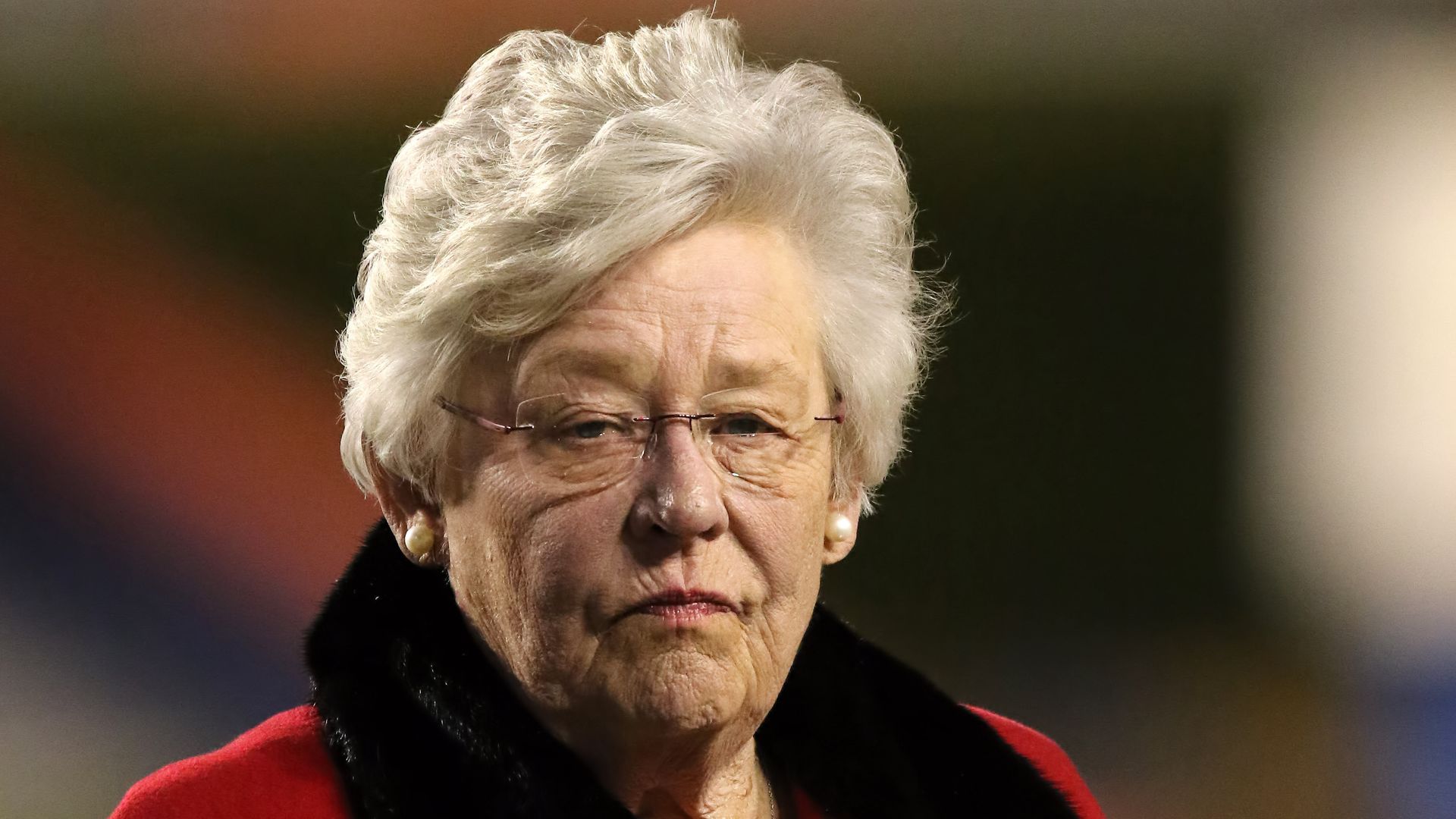
Alabama Gov. Kay Ivey (R) on Monday signed into law a bill banning state agencies, schools and businesses from requiring COVID-19 vaccine passports to access services.