Uber said on Thursday that it's withdrawing its forecasts for certain revenue and earnings metrics for the year, and it will write down between $1.9 billion and $2.2 billion from the value of equity investments. Its investments include ride-hailing companies Grab and Didi and food delivery company Zomato.
Why it matters: While Uber is seeing a surge in its food delivery business, demand for rides has dramatically dropped — by as much as 60–70% in Seattle at the peak of its outbreak — as people stay home to curb the virus spread.
Move over, Anthony Fauci. Fed chair Jay Powell has come into his own in recent weeks, acting with uncommon and entirely unexpected speed and boldness.
Why it matters: The federal government has in general not acted with the alacrity that the fast-spreading coronavirus demands. But Powell has — and he's done so with moral clarity, talking about how "people are undertaking sacrifices for the common good. We need to make them whole."
One side effect of uncertainty is a desire for cash. Because companies have very little visibility into the future, a large cash cushion will help them survive as many future worlds as possible.
Why it matters: The desire for cash helps to explain record corporate borrowing, as well as money-saving activities like furloughs, layoffs and pay cuts. It also explains why companies have almost entirely stopped buying back their own stock.
The coronavirus crisis has moved so fast, in so many different directions, that everybody who's intellectually honest has had to recalibrate their beliefs multiple times to take account of new information.
Why it matters: Known unknowns are almost inconceivably enormous. How many people will die of COVID-19 in the U.S., for instance? The answer could be tens of thousands, roughly where it is now — or it could be millions, if no vaccine is found and the virus ends up infecting most of the population.
A slew of small businesses are struggling — or even closing down entirely — not because business has died down, but because it's booming.
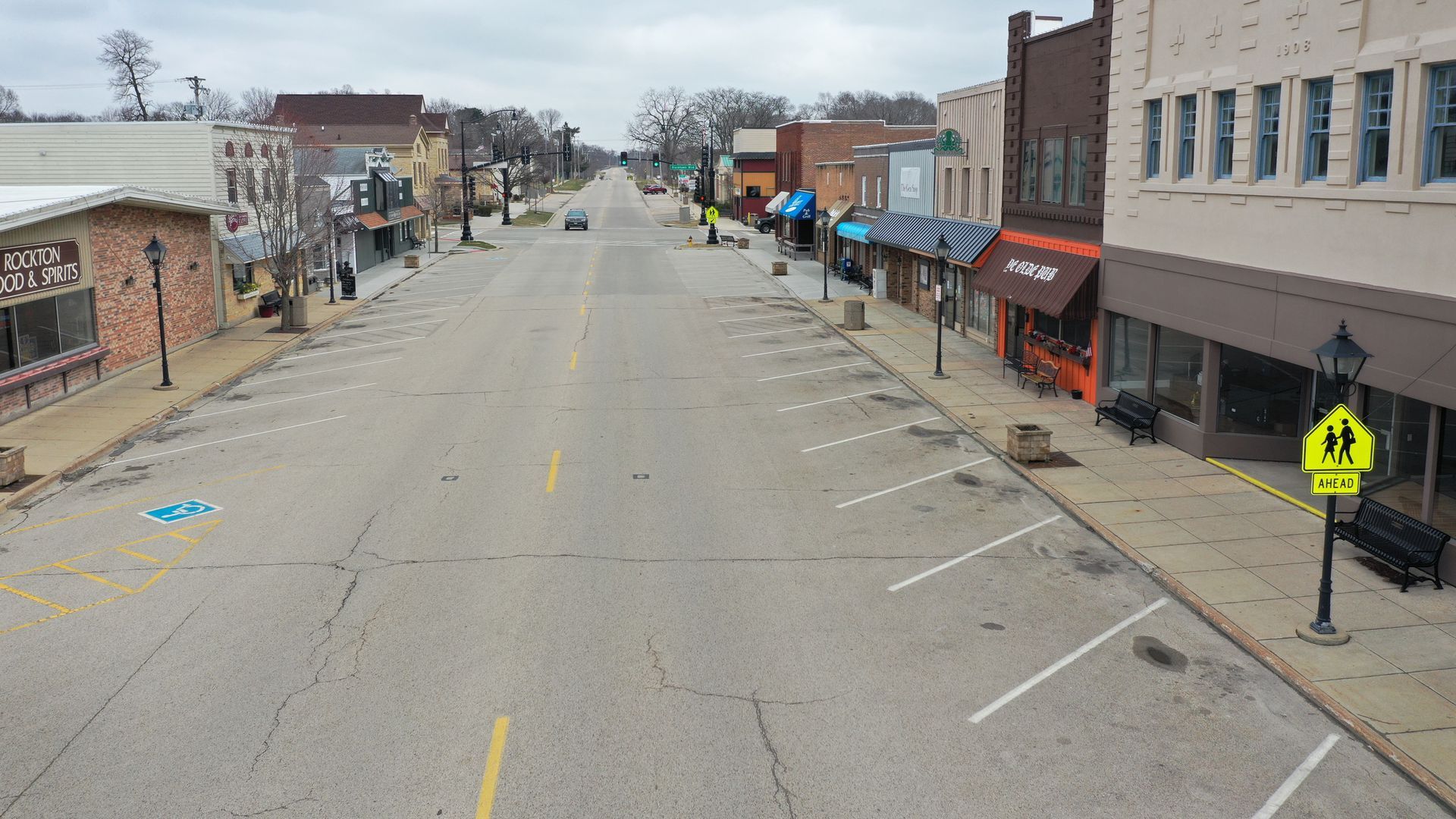
What's happening: Millions of U.S. small businesses have been forced to shut down due to restrictions on non-essential businesses or abysmal foot traffic amid the coronavirus pandemic. But even the small firms that have continued operations are shuttering because they're utterly overwhelmed by the spike in business as the pandemic plays out.
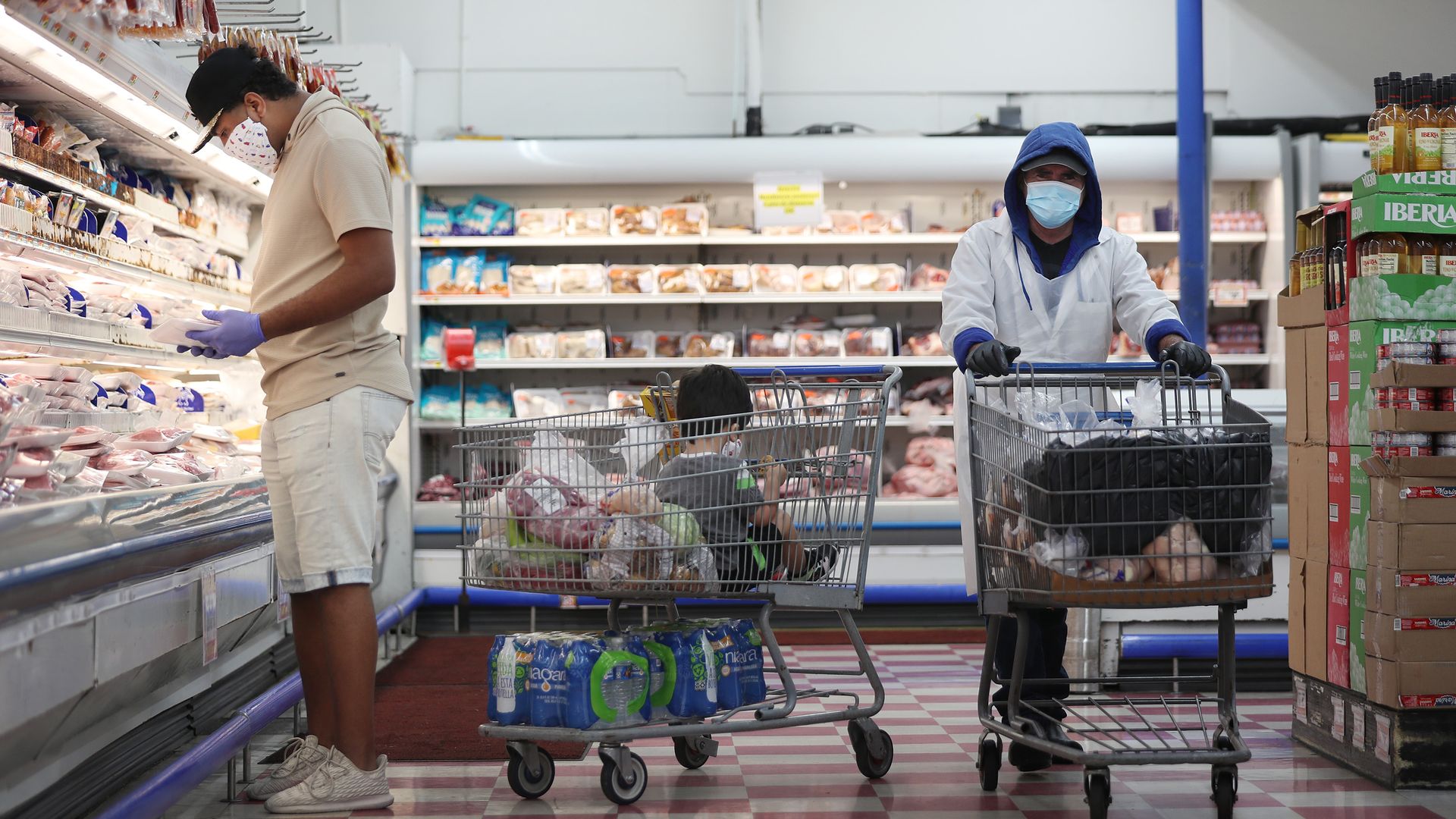
Supermarkets are struggling to meet growing consumer demand for meat as the coronavirus impacts workers at processing plants across the United States, the Wall Street Journal reports.
Why it matters: Industry leaders say COVID-19 is forcing thousands of plant workers to remain at home, meaning meat suppliers must reduce the volume and variety of cuts they sell to stores.
As the country begins to consider how and when it will move away from its stay-at-home policies, Facebook announced that most of its employees will continue to work from home at least through the end of May. It's also canceling physical events with more than 50 people through June 2021.
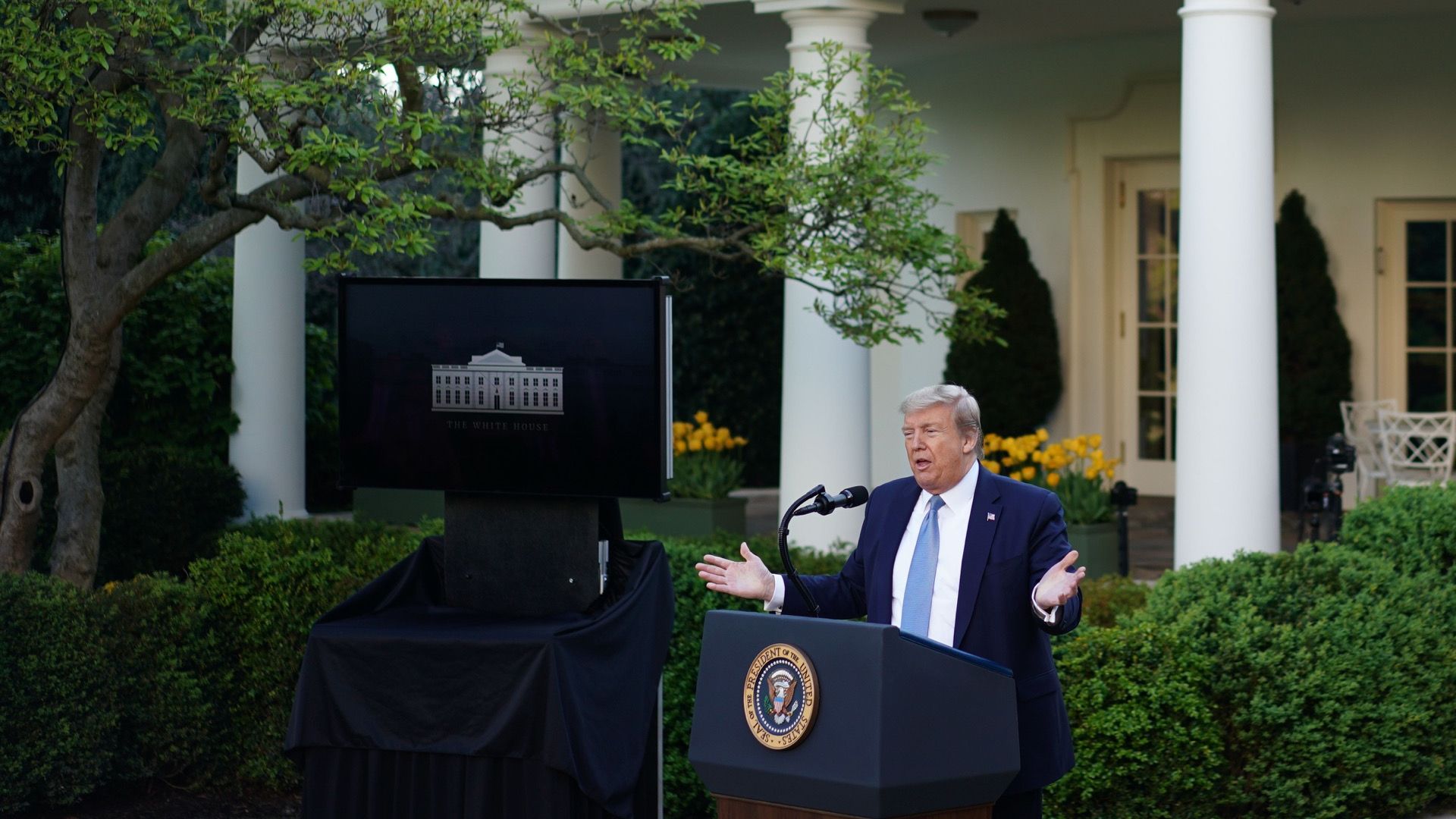
Why it matters: The White House has been itching to get Americans back to work soon, but Facebook is signaling it doesn't see May 1 as a safe target date.
Forbes just released its annual Midas List of the world's best venture capitalists, despite company values being in flux due to the coronavirus pandemic. Dan digs in with Forbes senior editor Alex Konrad.
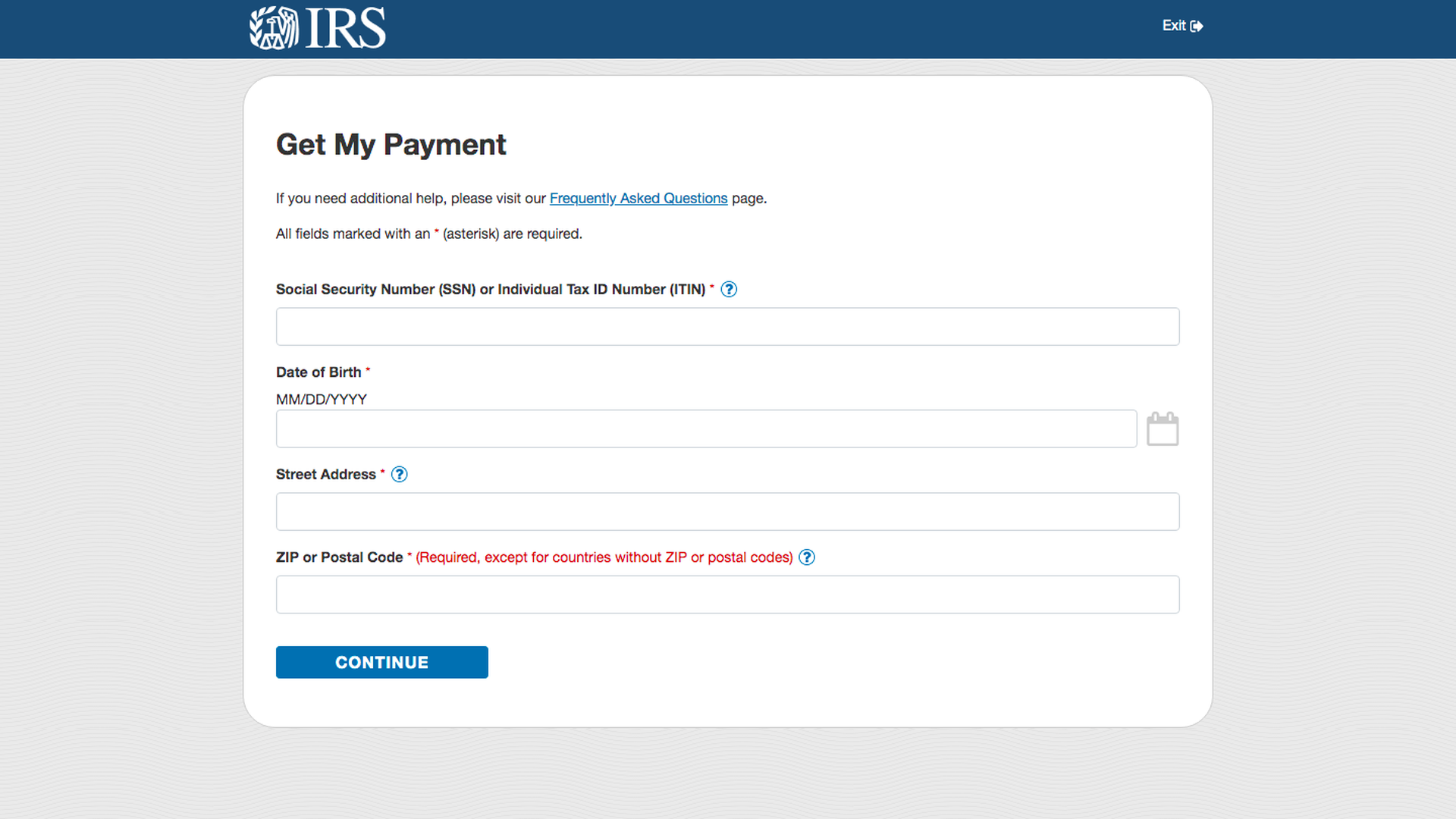
A new IRS webpage lets users check the status of their coronavirus stimulus payments from the government and allows them to provide their bank account information to get the money via direct deposit.
Why it matters: The government money has started trickling into bank accounts for the 80 million people who received their 2018 or 2019 tax refund by direct deposit, but the new site could speed up the process for some who would otherwise get a check mailed to them over the weeks ahead.
The $349 billion cap for small business loans for the coronavirus stimulus was reached Thursday, taking less than two weeks to run out.
Why it matters: While it's a sign that more than 1.6 million small businesses (and some larger ones) will eventually get desperately needed cash, it's now officially a sign that more is needed.
Digital payments platform Stripe has raised $600 million in new funding and is now valued at nearly $36 billion, co-founder and president John Collison tells Axios.
Why it matters: Venture capitalists remain willing and able to invest big dollars in select companies, despite concerns that some limited partners could struggle to meet capital calls.
The White House is setting up yet another group for members of Congress as part of its larger committee of business and thought leaders to reopen the economy from the coronavirus shutdown.
The state of play: Per two sources with direct knowledge, senators and House members have received emails telling them they’ve been selected for this new yet-to-be-named group.
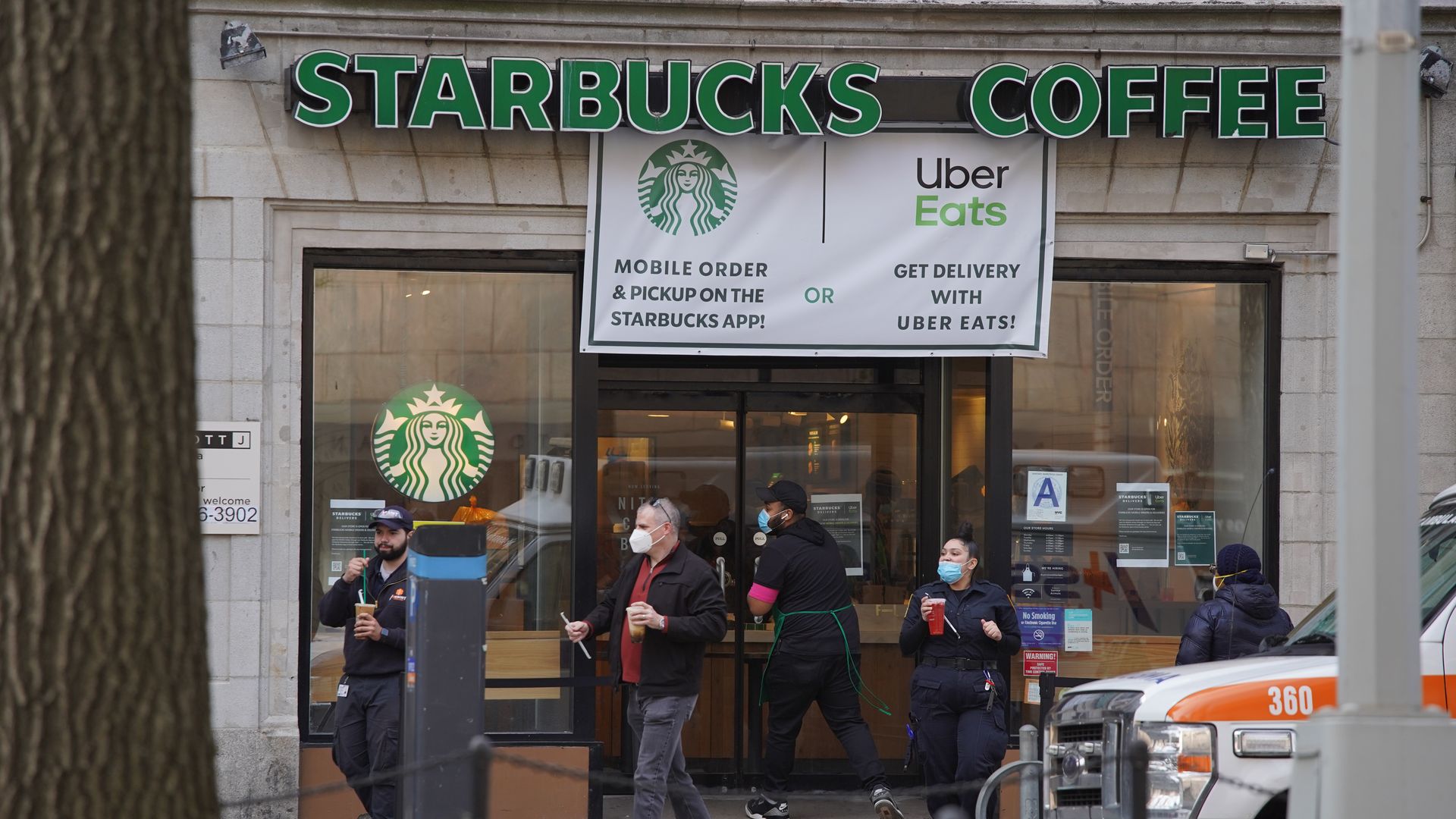
Starbucks will be entering a "monitor and adapt" phase of the coronavirus starting in China, CEO Kevin Johnson announced in a letter on Thursday.
Why it matters: Businesses around the world and U.S. have had to adjust to a new normal as the pandemic continues to take its toll. They've been forced to restructure their businesses to best serve customers while ensuring their employees remain protected.
Facebook will begin informing people who have engaged with coronavirus misinformation on its main Facebook app, the company announced Thursday. It will guide those people to resources from the World Health Organization.
Why it matters: The tech giant typically doesn't inform users if they've engage in debunked content, aside from informing readers about Russian disinformation.
Where does the money come from in college sports? Depends on the division. While football powerhouses bathe in TV money, the lower divisions rely almost entirely on government and institutional support.
By the numbers: In 2018, Power 5 schools made 34.1% of their revenue from media rights deals, 19.5% from ticket sales and 5% from government and institutional support, per NCAA data.
You asked for it! We're unveiling an Axios mobile app — for your iPhone or Android device — to create a efficient, delightful experience that I’m anxious for you to try.
Why it matters to you: The app’s design is elegant simplicity, allowing you to intuitively consume news in Smart Brevity™.
A majority of people say they would resume at least some level of normal activities if the federal government announced a coronavirus reopening, but more than a third say they would remain in quarantine, a survey from CivicScience provided first to Axios shows.
Why it matters: An economic recovery is much more dependent on people's willingness to go out and spend money than it is on whether the government has issued a proclamation.
Gold prices fell for the first time in five sessions on Wednesday and by the most since March 31, after rising to their highest since late 2012 on Tuesday. A stronger dollar helped clip the value of the precious metal, which has risen by nearly 10% so far this month.
What's happening: In an unusual trend, gold has moved largely in concert with stock prices recently, upending their typically inverse relationship.
After rattling off impressive gains over the past few weeks, the economic reality of the coronavirus outbreak may be starting to set in on the stock market after a spate of economic releases showed the damage the virus has already done.
Why it matters: Wall Street has been able to shake off most negative economic data as much of the damage was expected. However, the horrific decline in retail sales that followed the largest one-month drop in U.S. consumer sentiment ever recorded shows that the backbone of the economy has been badly hurt.
The coronavirus and lockdowns have brought us tons of "who'd have thought?" developments, from the easing of air pollution to the shift to telemedicine, the resurgence of phone calls, and crazes for jigsaw puzzles and bread baking.
Why it matters: Society has become a lab experiment for what happens — economically, culturally, politically — when commerce and socializing are all but banned. The surprise effects we are witnessing may stick around for some time.
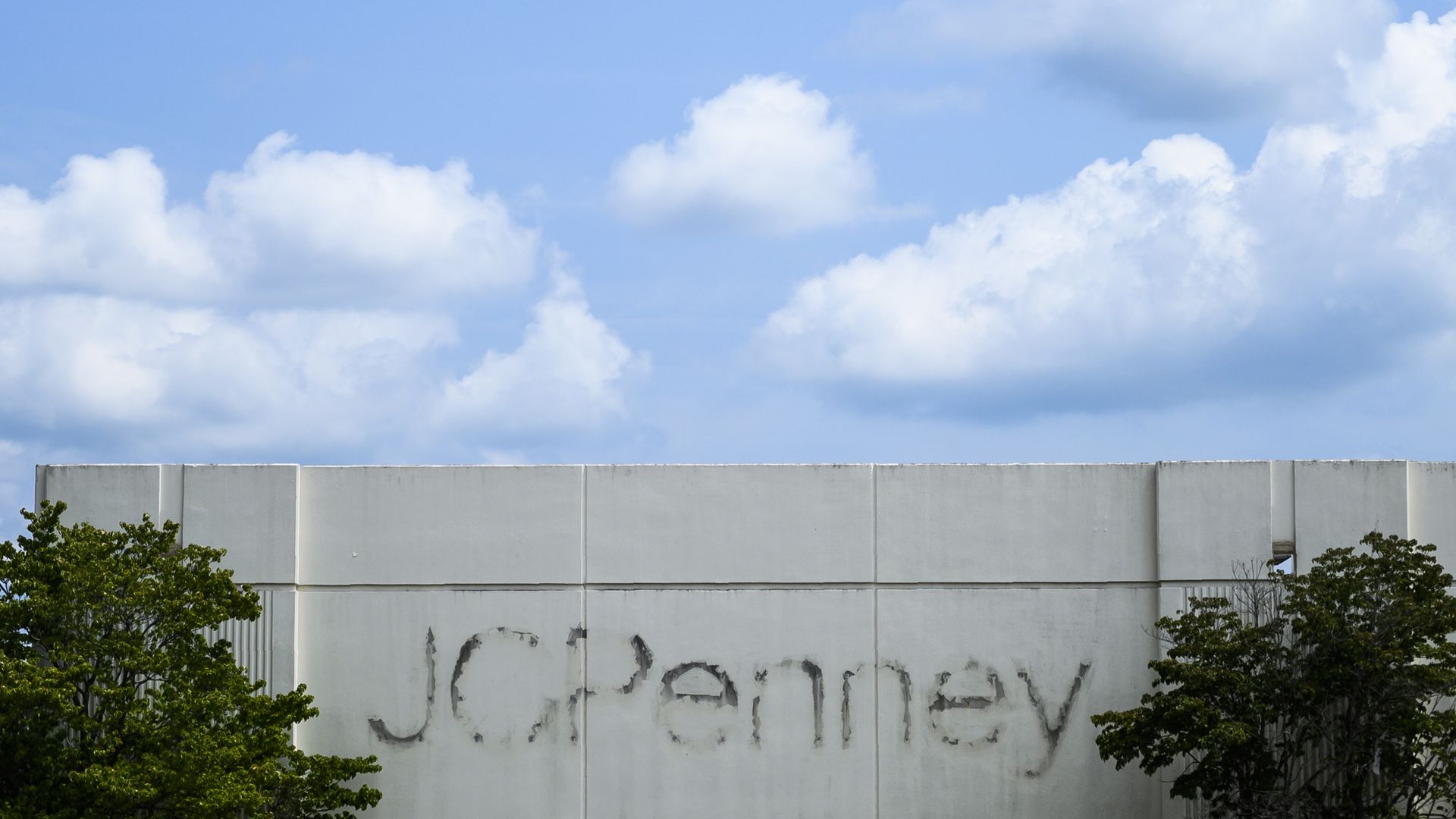
JCPenney is weighing bankruptcy as one of its options to deal with the financial fallout of the coronavirus pandemic, Reuters first reported.
Catch up quick: The 118-year-old company — which holds nearly $4 billion in long-term debt — has temporarily furloughed 80,000 of its hourly store associates in response to the virus and closed its stores and offices.