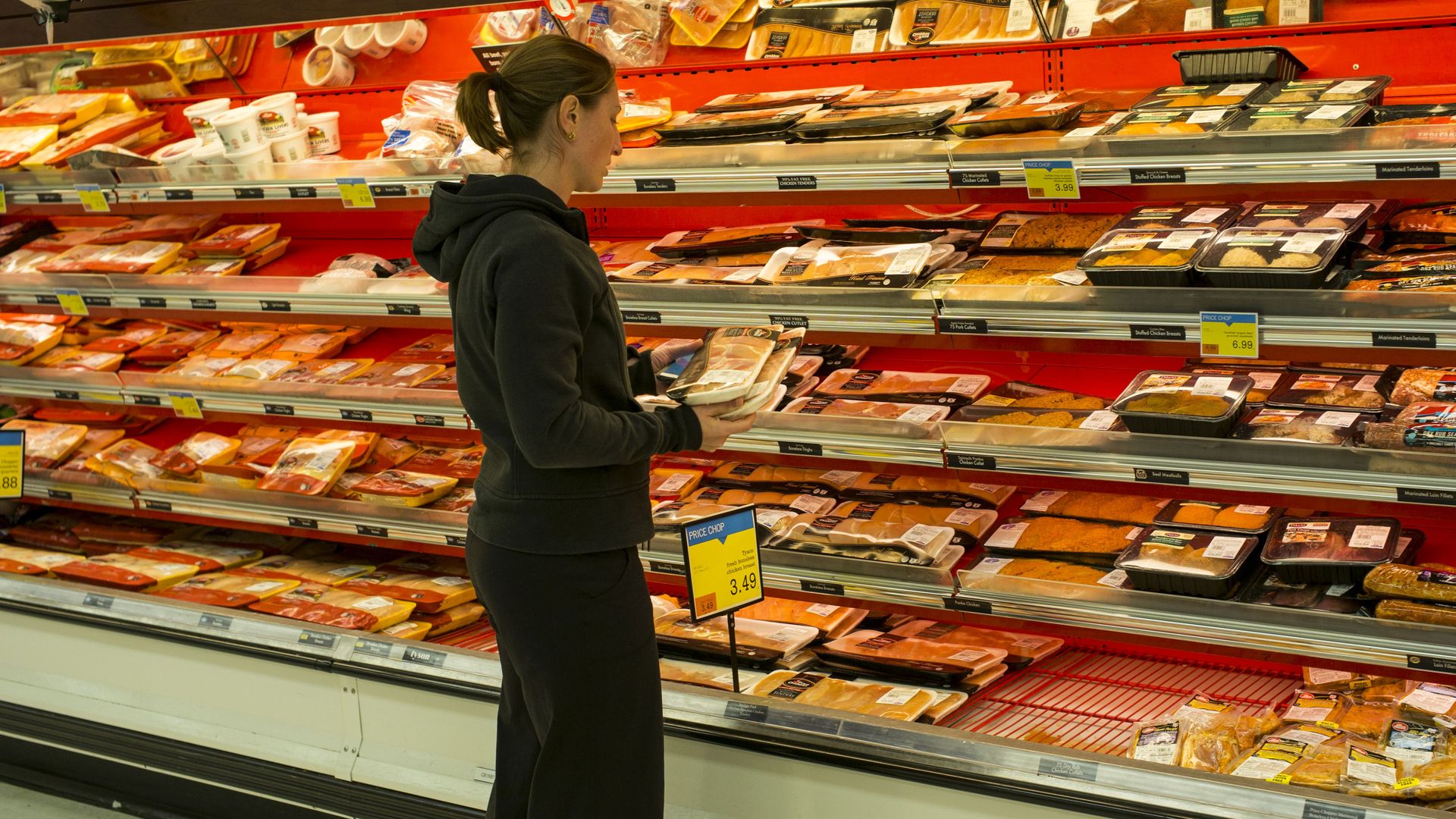
Hundreds of meat plant workers across the country have fallen ill with the coronavirus, leading to a slowdown in output and surge in prices.
By the numbers, per Bloomberg: The price of wholesale pork rose by 7.2% to 55.86 cents a pound Thursday — the largest increase in more than two years. Choice-grade beef prices rose to a one-month high of $2.36 a pound, climbing for six straight days through Thursday.
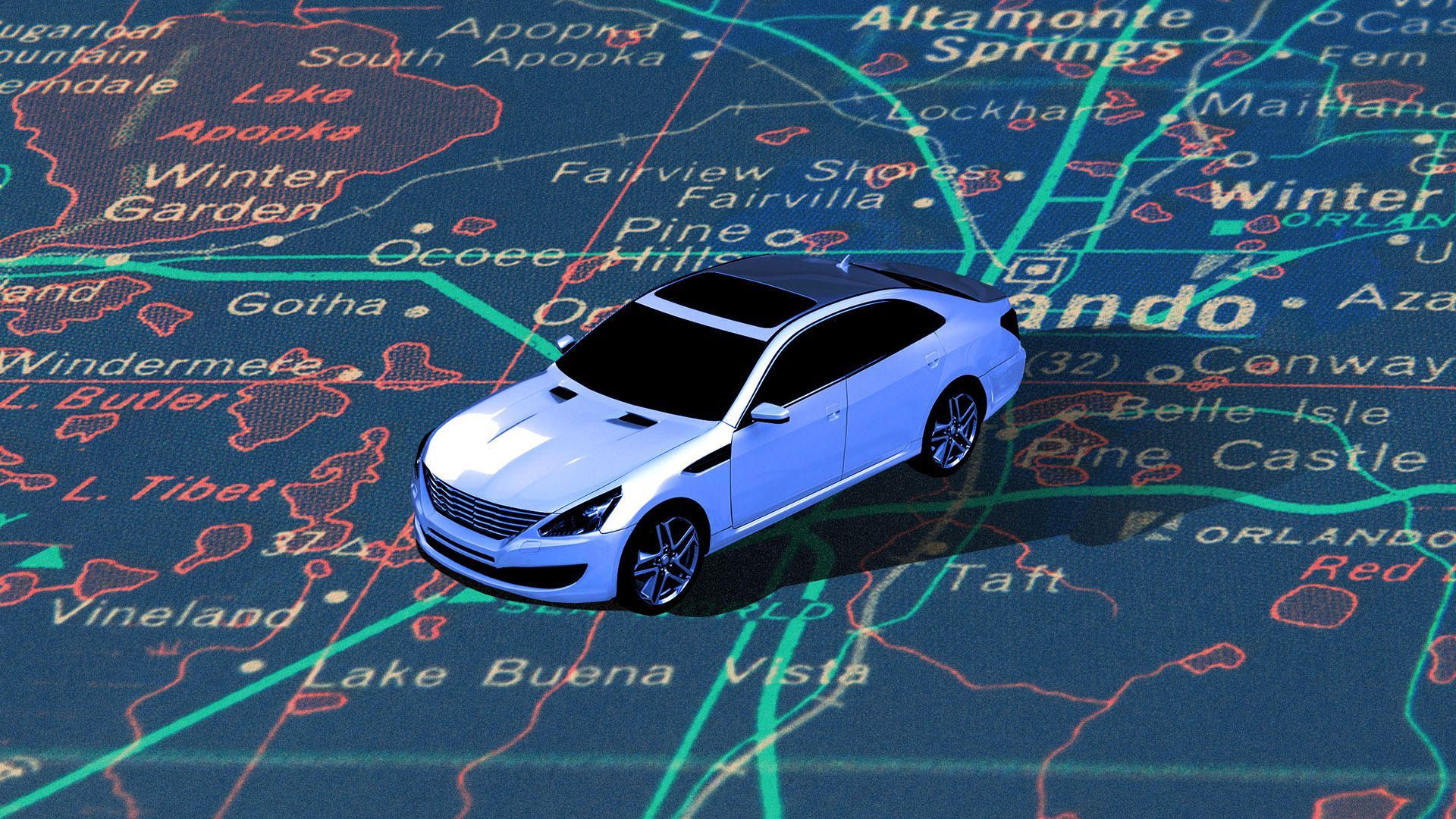
This week I'm driving the Lexus RX 350L, a stretch version of the luxury carmaker's best-selling RX crossover utility.
Why it matters: Lexus needed to add a third row to the RX to keep up with competitors, but it's probably best to park little kids back there, not grandma or teenagers.
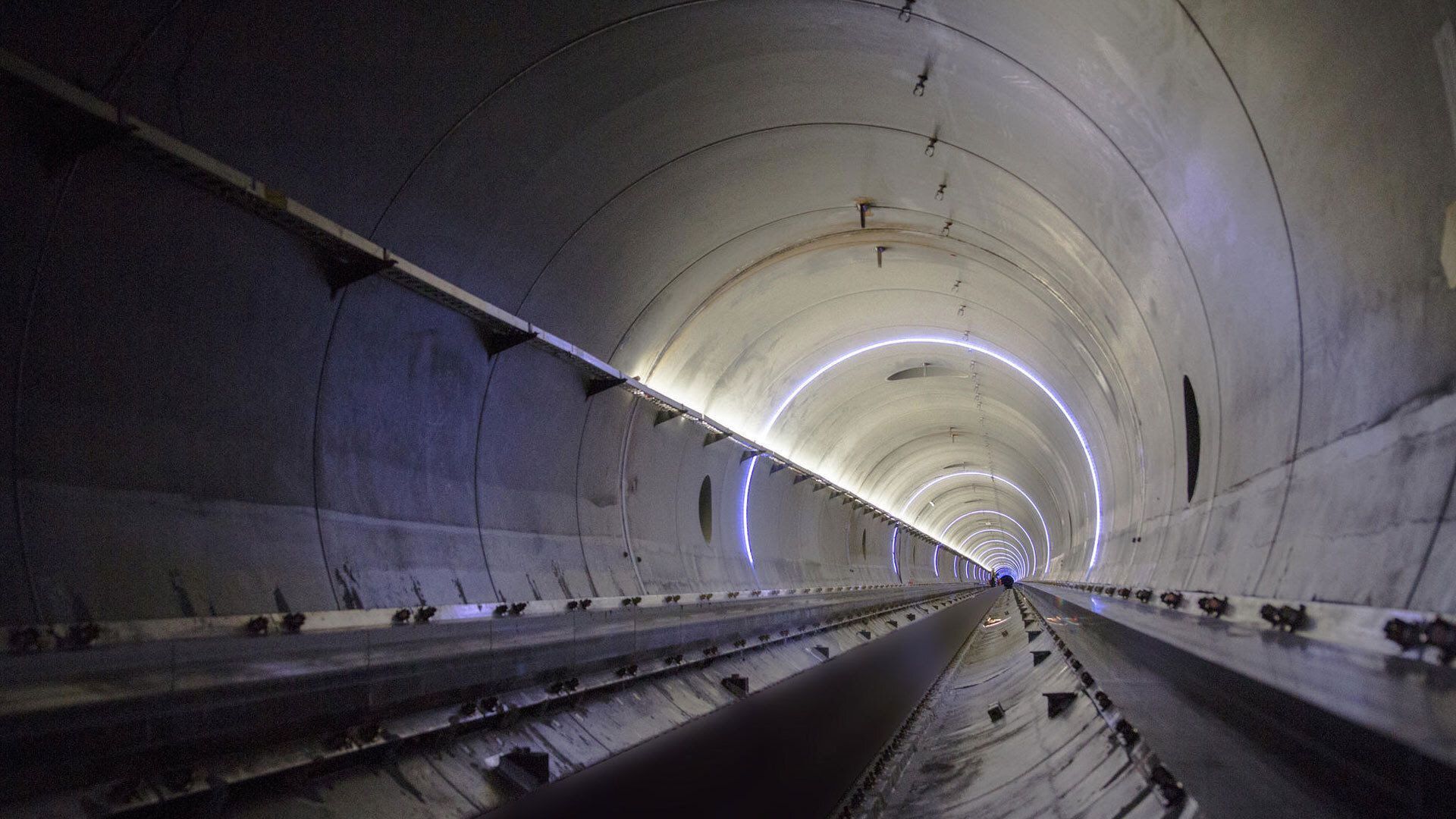
A new research report says a hyperloop, the high-speed travel concept, is at least 20 years away from commercialization.
The big picture: Climate change has fueled interest in finding low-carbon alternatives to conventional rail and air travel. An electric hyperloop is one solution, because it operates in a vacuum system that reduces aerodynamic drag, enabling higher speeds and greater energy efficiency.
The next round of coronavirus economic stimulus could include money to rebuild the nation's roads and bridges, similar to the Federal Aid Highway Act of 1956 that put millions of people to work building U.S. interstates.
Why it matters: America's crumbling bridges are in desperate need of repair, it's true. But this is also an opportunity to make sure we have the necessary infrastructure to support tomorrow's transportation needs.
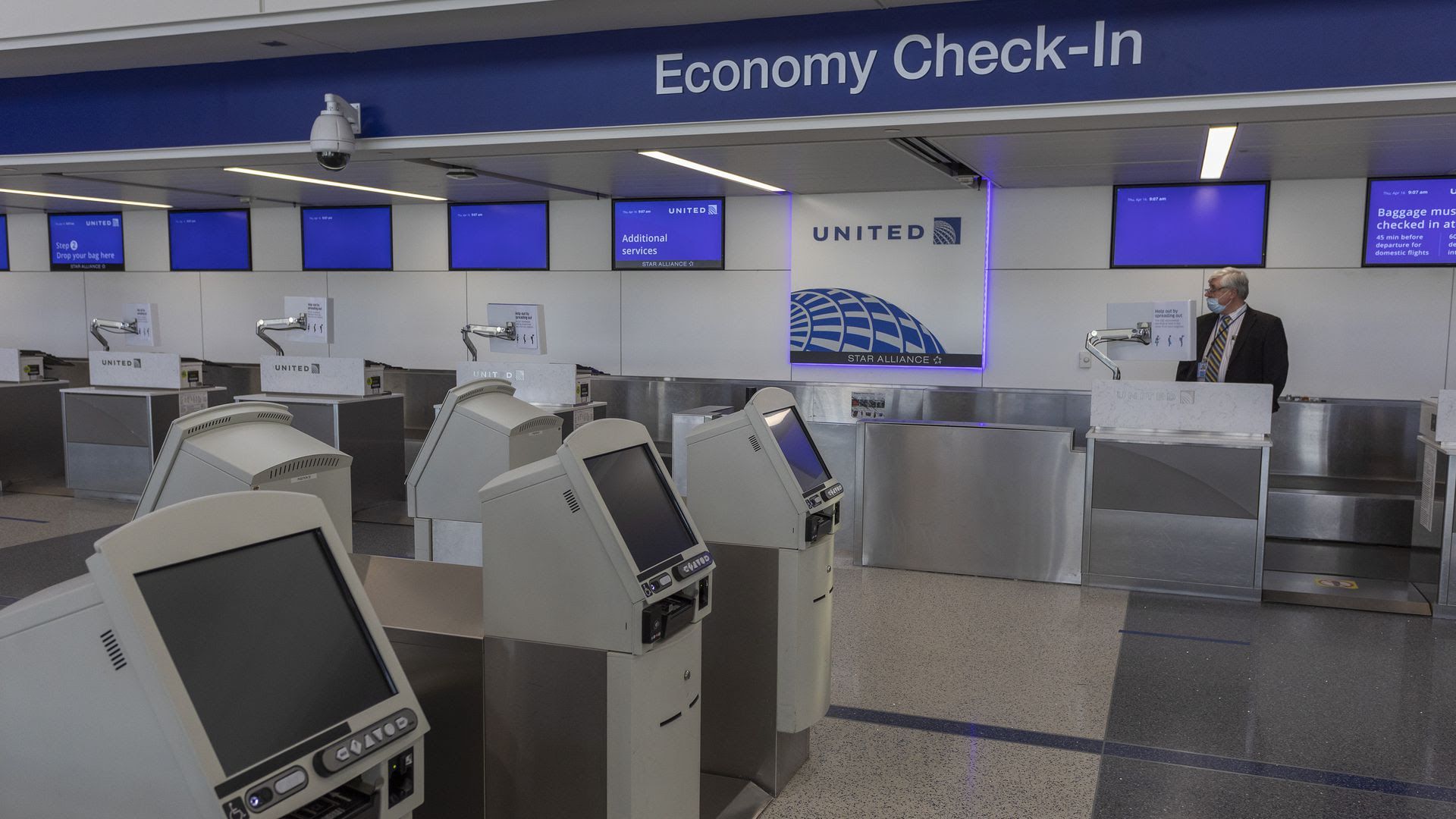
Congress' $50 billion rescue package for U.S. airlines will help keep the carriers alive — and their employees on the payroll amid the coronavirus crisis — until the end of September. After that, the outlook is grim.
What's happening: The airline industry is reeling, with air travel down as much as 95% since the coronavirus stopped Americans in their places in mid-March. Even as a hopeful President Trump begins to prepare for the reopening of the U.S. economy, it will likely be years before airlines bounce back to pre-crisis levels.
Google said Thursday that it's waiving fees for the next five months that news publishers must pay to serve up ads using its "Google Ad Manager" technology.
Why it matters: The announcement comes days after Google announced a journalism emergency relief fund for local news. Google and its tech rivals Facebook and Twitter are stepping up to provide relief to local news outlets during the coronavirus because their platforms' users are reliant on that content.
New applications are suspended for the Paycheck Protection Program for small businesses after its fund ran out Thursday, unless and until congressional Democrats and Republicans settle their differences and pass a $250 billion expansion.
Why it matters: For many small businesses, this moratorium on a key coronavirus stimulus package could prove lethal.
Vox Media is furloughing 9% of its staff from May 1 through July 31, with health insurance premiums being fully covered, a source familiar with the moves tells Axios.
Why it matters: It's one of the many media companies forced to take drastic measures to survive the economic fallout of the coronavirus.
Royal Dutch Shell paid the American Petroleum Institute, the industry's most powerful lobbying group, at least $12.5 million in 2019, the oil giant revealed.
Driving the news: The tally, which Shell tells Axios is consistent with recent years, shows up in a report Shell published yesterday on its trade group memberships.
DraftKings is one step closer to going public, after the SEC approved its reverse merger with blank-check acquisition company Diamond Eagle and sports betting enterprise solution SBTech.
What's next: Diamond Eagle's shareholders will vote April 23 on the merger, which is expected to go through.
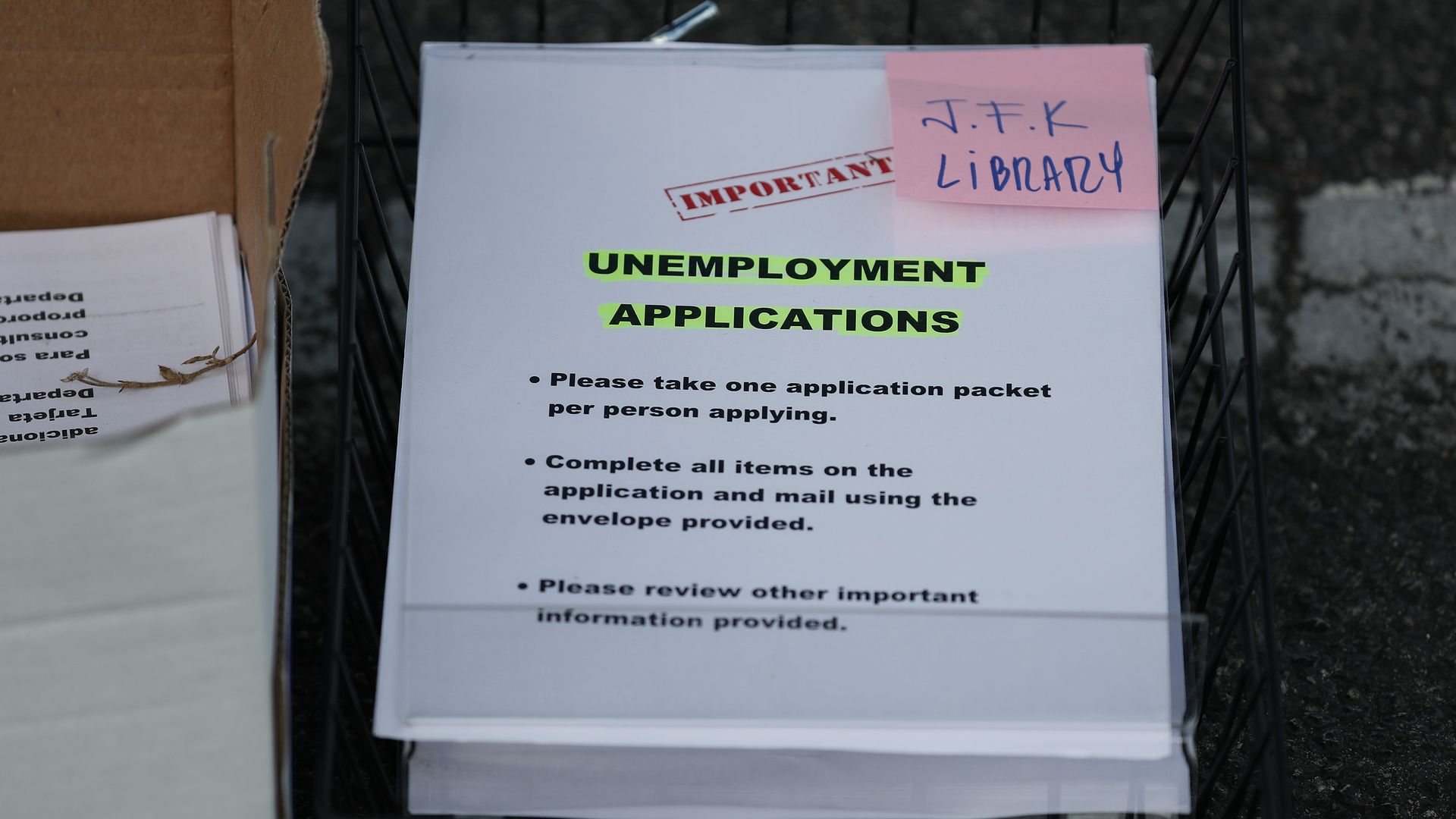
Why it matters: The U.S. has lost more jobs in the past month than it has gained in the 11 years since the end of the Great Recession, leaving a huge swath of the country financially vulnerable during a pandemic.
There's a big blind spot as governors weigh how and when to lift stay-at-home orders: If businesses' doors reopen, will the people come?
Why it matters: The economy has been ravaged by efforts to contain the coronavirus outbreak — and the recovery is dependent on whether Americans feel they can return to normal life without contracting the disease.
The coronavirus is changing how people buy cars and get them serviced — behaviors likely to last long after the pandemic is over.
Why it matters: Confined by stay-at-home orders, people have discovered that getting a new car delivered is as easy as ordering groceries or takeout. Experts say they may never visit a showroom again, with consequences that will reverberate on every Main Street in America.
Boeing is set to restart commercial airplane production in its Washington state facility with the majority of the location's 27,000 employees returning by the end of next week, per the New York Times.
The big picture: President Trump is encouraging regions with steadily declining COVID-19 cases to begin reopening non-essential businesses by May 1 or earlier. Boeing's announcement is the first major attempt by a corporation to resume pre-coronavirus operations.