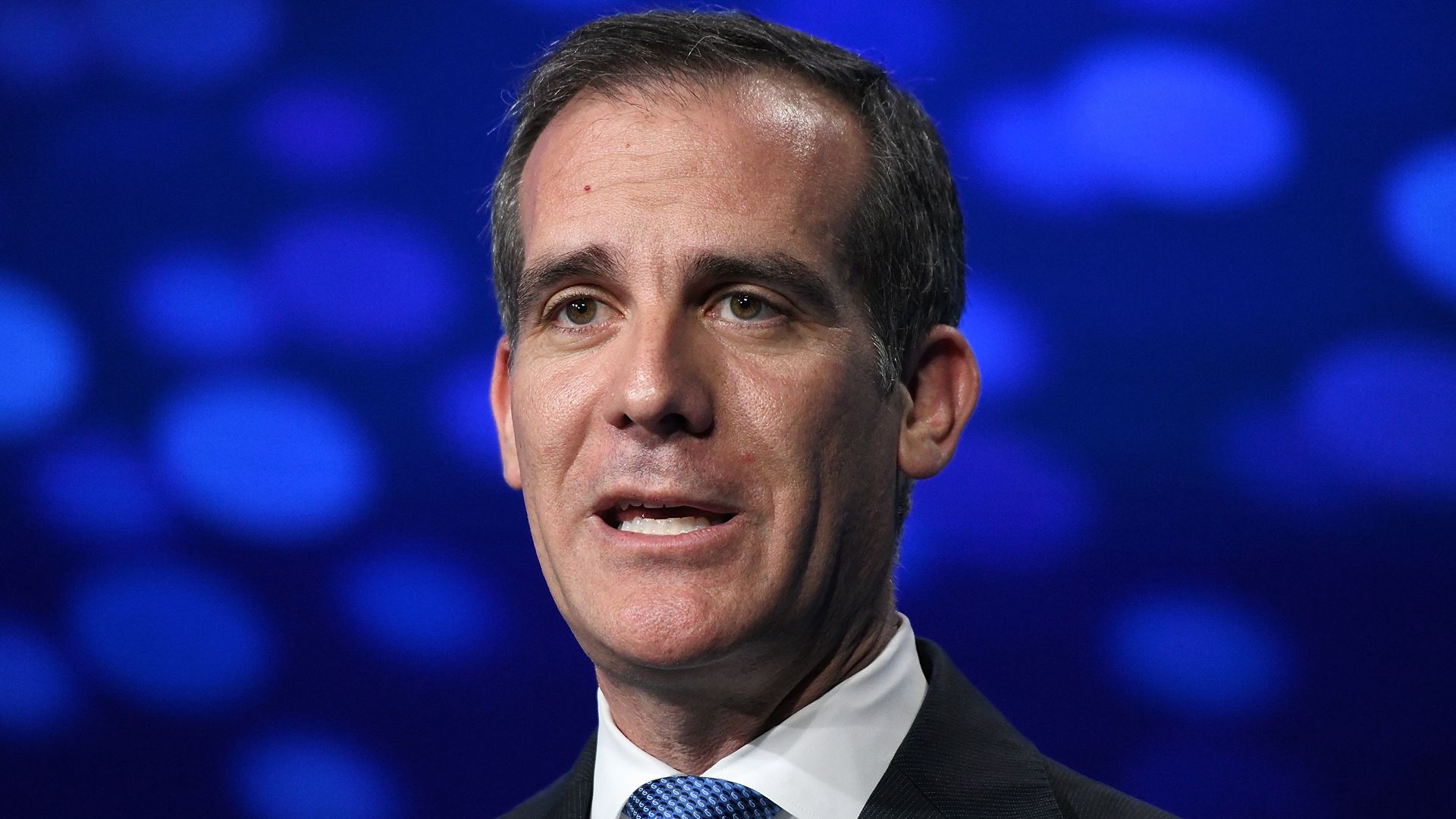
Los Angeles Mayor Eric Garcetti said Wednesday that large gatherings in the city, including sporting events and concerts, could be delayed until 2021 due to the coronavirus outbreak, the Los Angeles Times reports.
The big picture: Cities and states are grappling with plans to restart their economies while maintaining public health. Garcetti said in a conference call with his staff that reopening should begin with "essential businesses and small businesses ... phased in over a period of time [6-10 months]," per the Times.
New York Gov. Andrew Cuomo compared scaling up testing and contact tracing to the degree necessary to reopen the economy during the coronavirus pandemic to "trying to get Apollo 13 back to Earth 220,000 miles, 50 years ago."
Why it matters: The governor said at a briefing Wednesday that along with COVID-19 testing, contact tracing — tracking down the people who have interacted with a coronavirus patient, so they can quarantine — is a key component to the "phased reopening of the economy" when the outbreak is under control in New York.
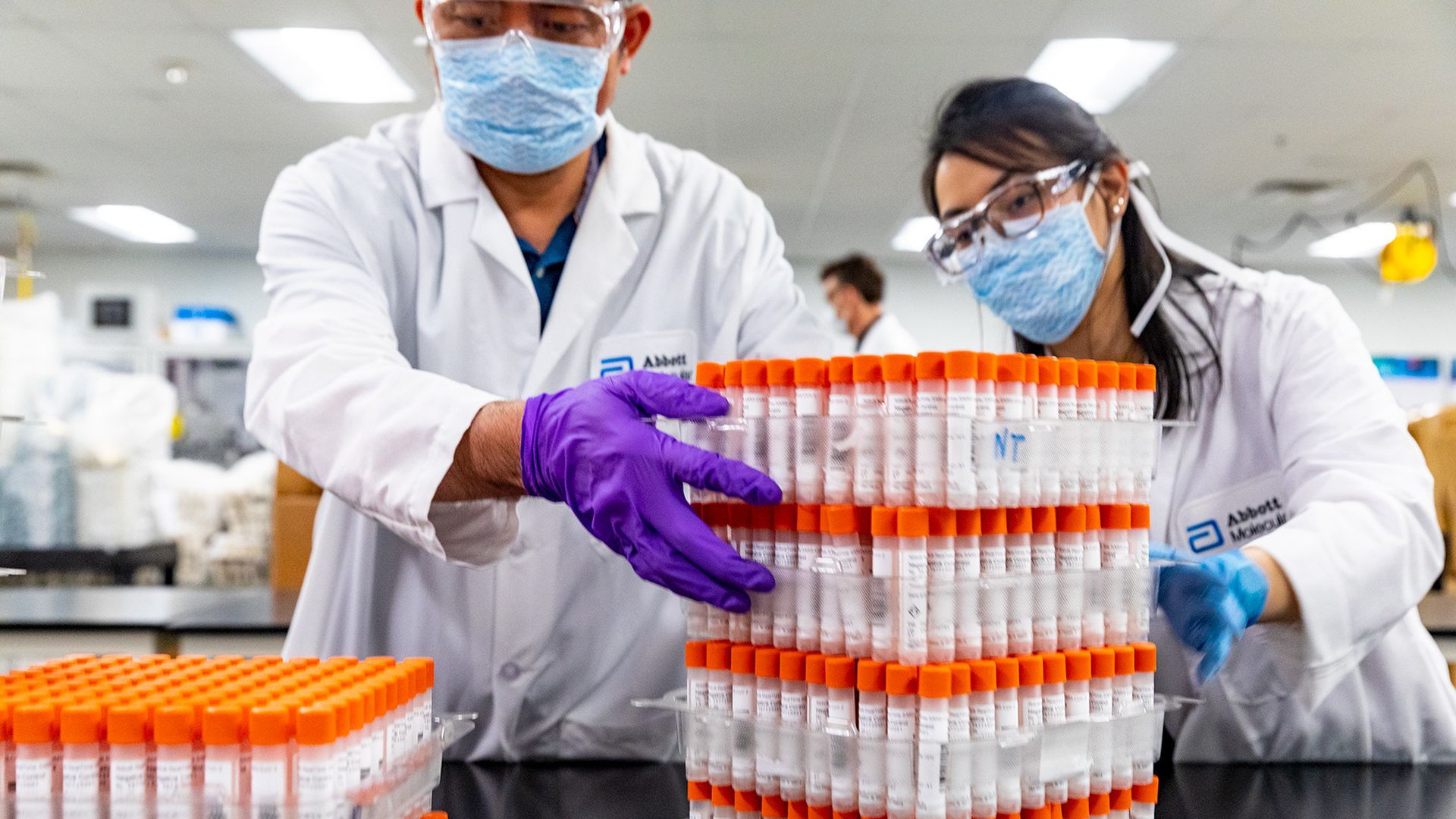
The federal government will pay $100, instead of the standard $51, for any commercial coronavirus test that is run through a highly automated lab machine. These include machines made by Abbott, Roche, Hologic, Cepheid and NeuMoDx, among others.
Why it matters: Testing in the U.S. is still woefully behind where public health experts say it should be, and the hope is higher payments for certain testing systems that process results quickly will increase capacity.
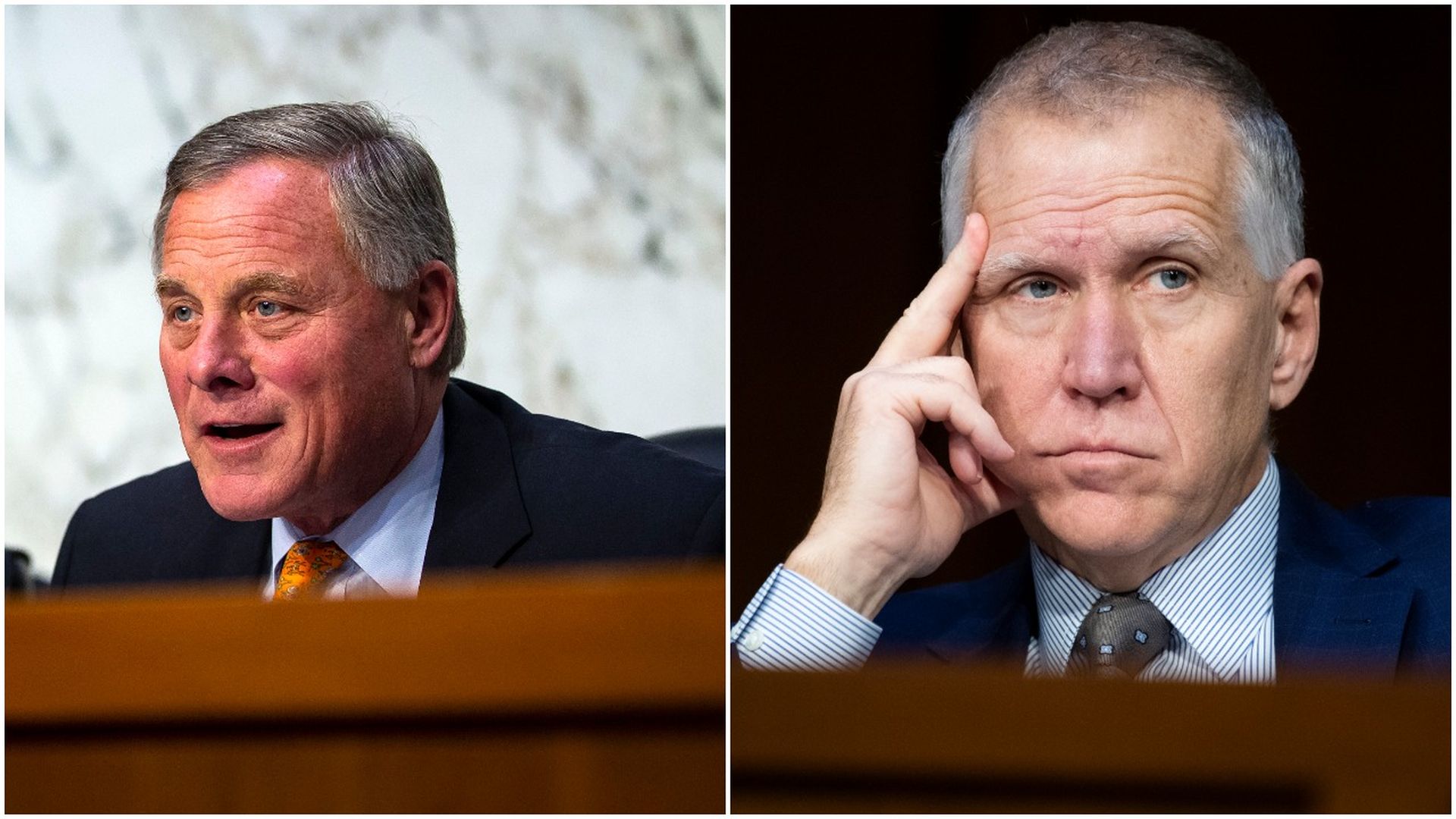
Sen. Richard Burr (R-N.C.) "owes everybody in North Carolina and the United States an explanation" after his February stock sell-off that followed private briefings on the coronavirus outbreak, Sen. Thom Tillis (R-N.C.) told radio host Hugh Hewitt Wednesday.
Why it matters: It's a rare condemnation from Burr's fellow North Carolina senator. FewRepublicans, including Rep. Matt Gaetz (Fla.), have spoken out against Burr or Sen. Kelly Loeffler (R-Ga.), who also came under fire for dumping stocks just before the pandemic hit the U.S.
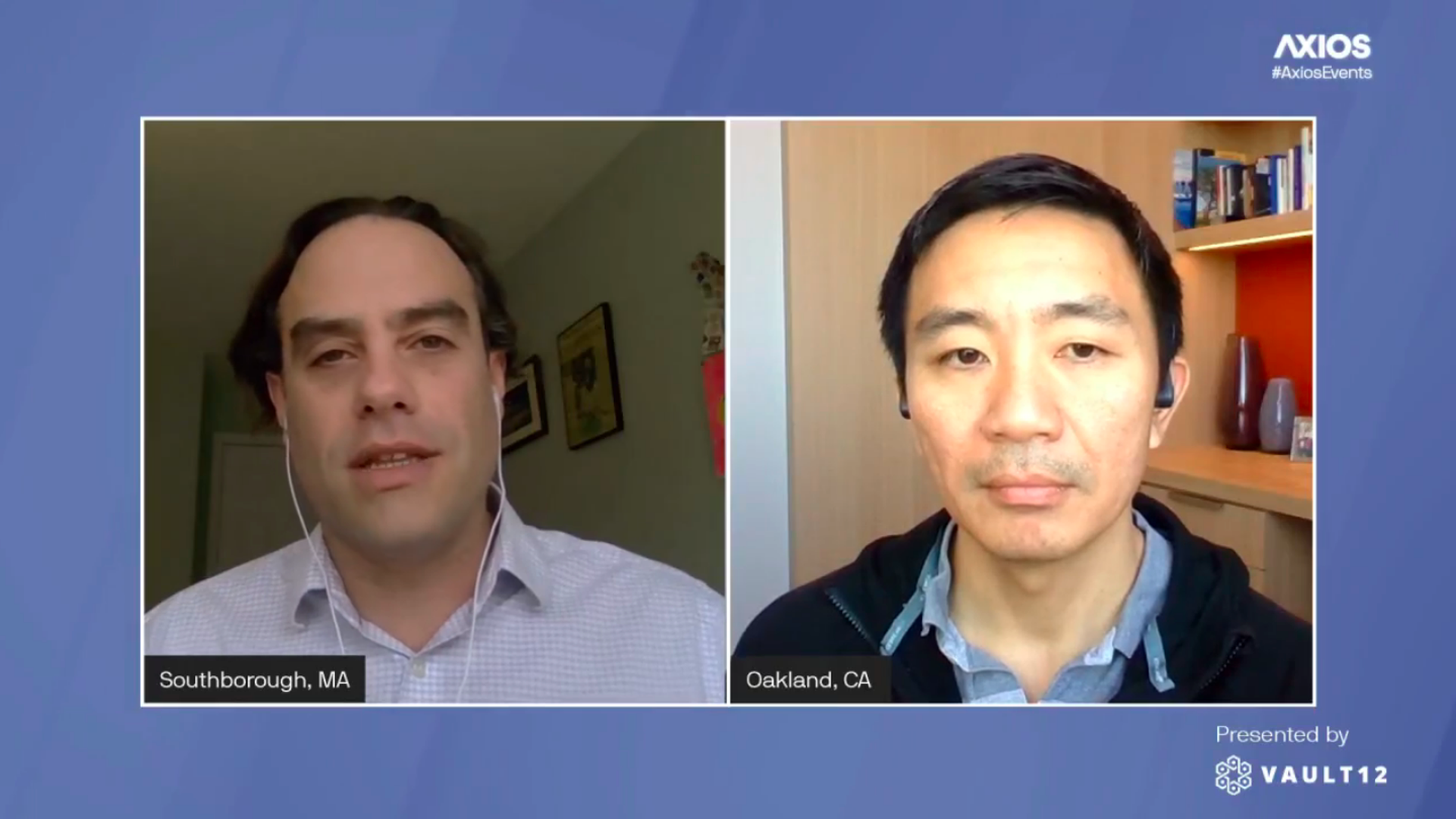
Credit Karma founder and CEO Kenneth Lin warned during an Axios virtual event on Wednesday that consumers need to be proactive in order to protect their credit scores, especially if they miss expected payments as a result of the coronavirus shutdown.
The state of play: Lin suggested two important steps for all American consumers if they're forced to miss any payments — even if they've been promised leniency by their landlords or banks — reaching out to lenders and documenting all communications that result. "People who are prepared now will be in a better situation for the recovery," he told Axios' Dan Primack.
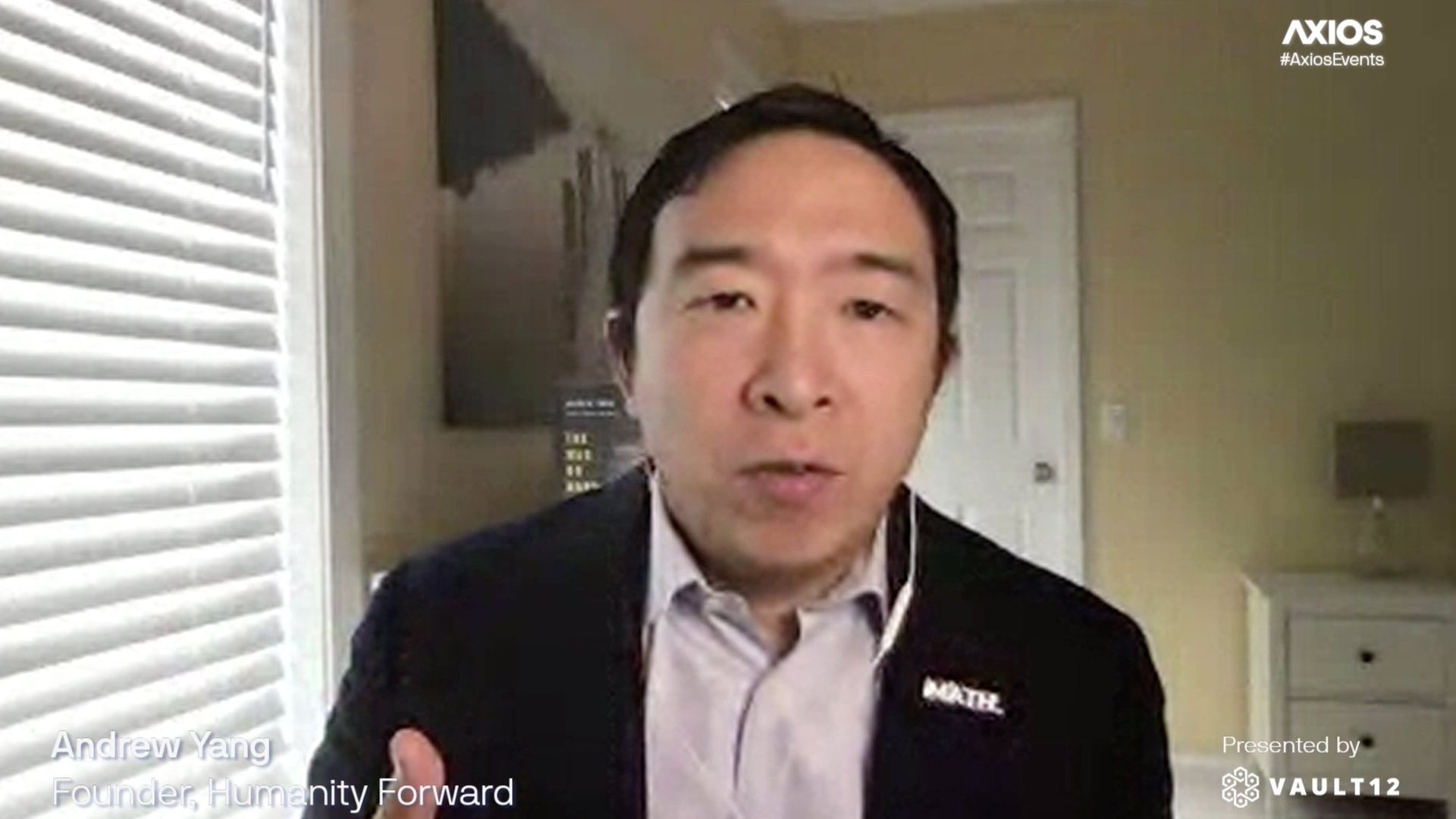
Entrepreneur and former 2020 presidential candidate Andrew Yang said during an Axios virtual event Wednesday that "a lot of" layoffs from the coronavirus pandemic "are gone for good."
The big picture: 1 in 10 working-age Americans filed for unemployment in the opening weeks of the crisis, with more on the way.
UnitedHealth Group CEO Dave Wichmann told Wall Street analysts Wednesday that deferred non-urgent visits at hospitals and clinics are "offsetting COVID-19 costs," which helped the health insurance and services giant register a $3.4 billion first-quarter profit and temporarily keep its 2020 profit projections intact.
Between the lines: Health insurers aren't that worried about coronavirus costs yet. The groups that are in more difficult positions are people who are losing their jobs and health coverage and the medical providers who are losing business.
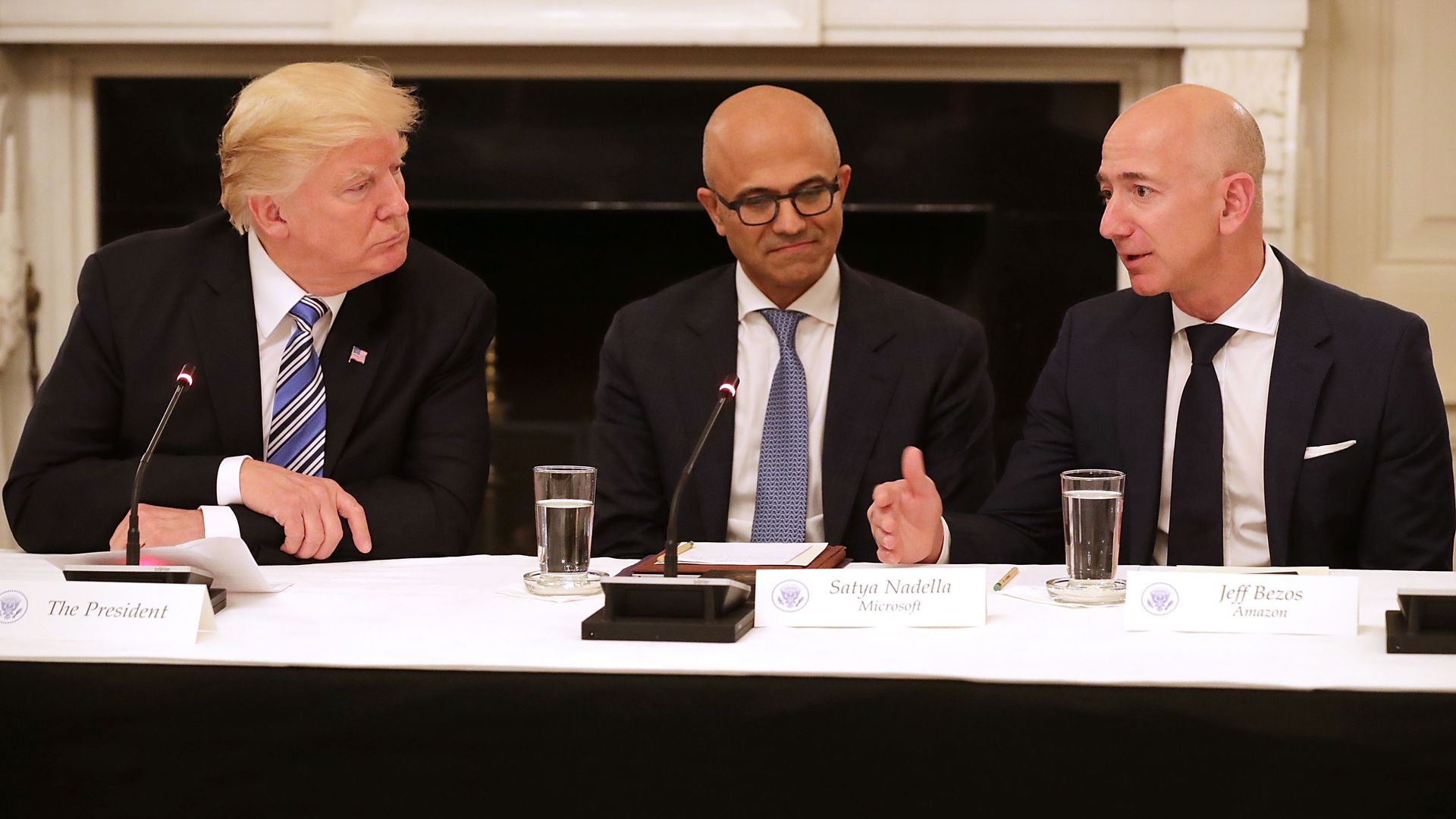
The Pentagon's inspector general reported Wednesday that the White House did not influence the Defense Department's decision to award a $10 billion cloud-computing contract to Microsoft over Amazon, CNBC reports.
Why it matters: Amazon sued the department last year, claiming that President Trump influenced the decision by repeatedly and publicly criticizing the company and its CEO, Jeff Bezos.
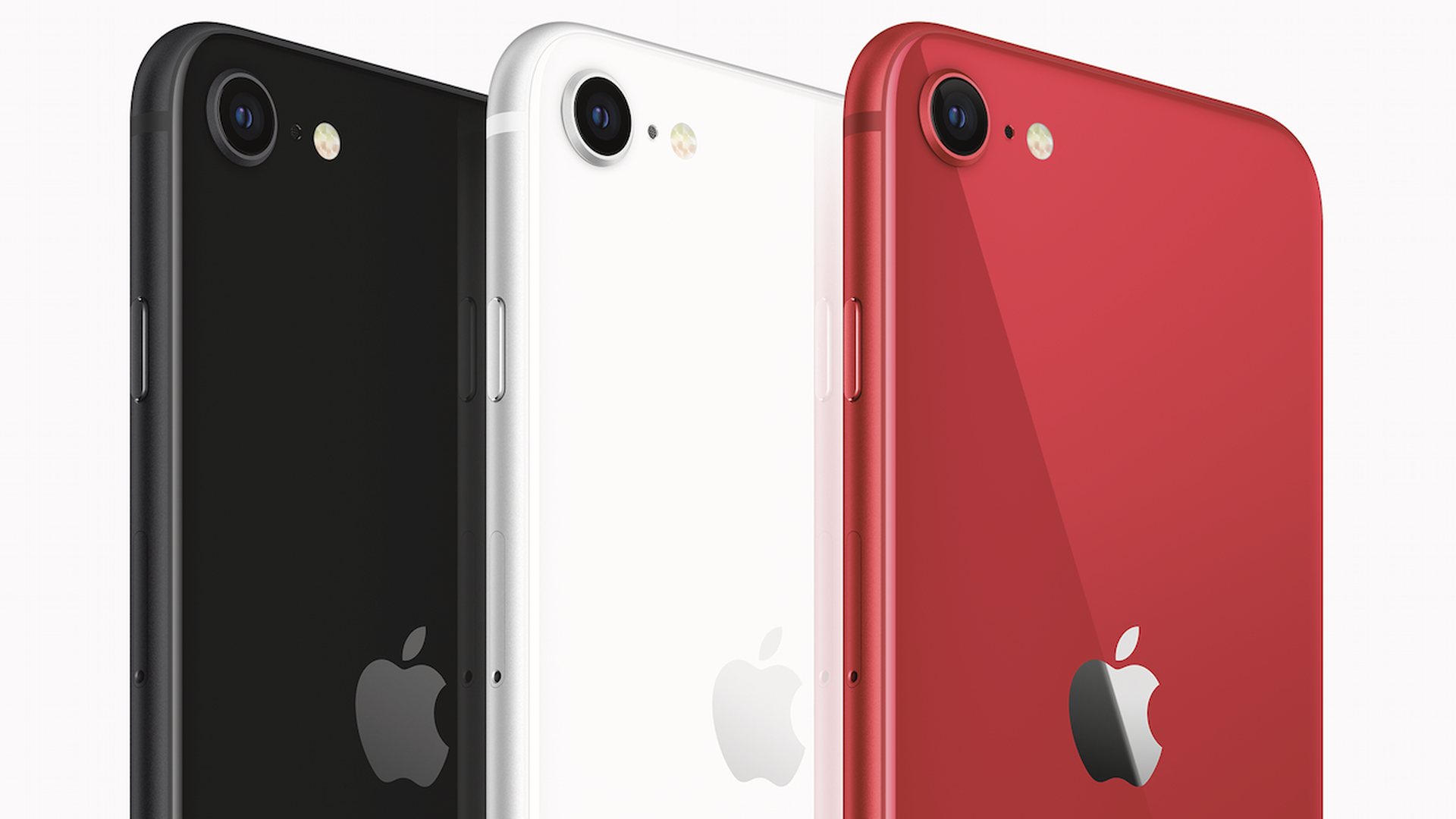
Apple on Wednesday announced the second-generation iPhone SE, which combines many of the features of the iPhone 8 with the same A13 Bionic processor found in the iPhone 11 and iPhone 11 Pro in a $399 device.
Why it matters: It gives Apple a new product to sell and offers a lower priced option to those who need a new phone but are looking to save money amid the economic uncertainty created by the coronavirus pandemic.
The White House yesterday released the names of more than 200 CEOs and other business figures who it says will advise the administration on reopening America's economy.
The state of play: The group was assembled in the 24 hours before President Trump began reading the names of many of them, phonebook-style, during yesterday afternoon's press conference. Reporters were sent an expanded list later in the evening.
Onfido, a San Francisco-based identity verification company, raised $100 million in Series D funding led by TPG Growth.
Why it matters: The company is working with at least one European government to develop phone-based "immunity passports" for those who have already recovered from COVID-19 and tested positive for antibodies.
Apple released data Tuesday from nations and cities worldwide that help to show the stunning reductions in travel due to the coronavirus pandemic.
Why it matters: Stay-at-home policies and closures of schools, offices and more are among the forces driving the collapse in oil demand — so is the decline of flying, which is not directly captured here.
U.S. cruise line stocks popped on Tuesday after Carnival CEO Arnold Donald said in an interview that customers are already booking trips for 2021.
Flashback: The comments mirrored what Donald told me in an interview last month for "Axios on HBO" that the company had interest from potential customers until it shut down operations.
Earnings from big banks were expectedly awful on Tuesday, but much more important than JPMorgan's 69% profit drop or Wells Fargo's $0.01 earnings per share in the first quarter, were details about their cash holdings.
What we learned: JPMorgan, the largest U.S. bank, added $8.3 billion to its reserves last quarter, more than five times what it held in the same quarter last year, and Wells Fargo set aside $4 billion, an increase of $3.1 billion.
The coronavirus pandemic will bring about the worst economic downturn since the Great Depression, the IMF predicted Tuesday in its latest World Economic Outlook — and that is its optimistic outlook.
The state of play: The Fund admitted in a rare show of doomsaying that damage could be far worse than its projections and that while there's some chance they could be positively surprised, "downside risks prevail."
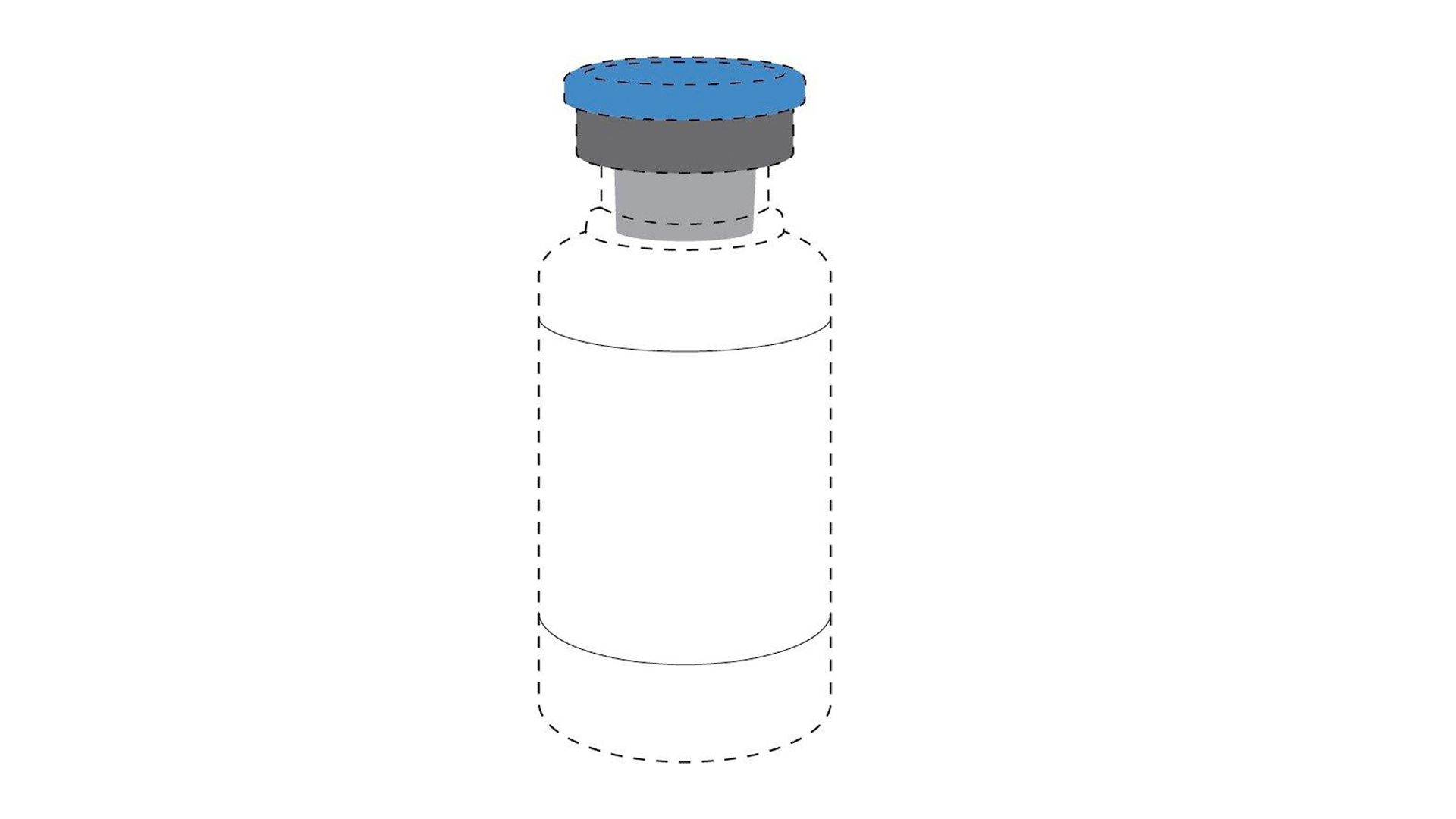
Gilead Sciences is still testing its potential coronavirus treatment, but here's a sign the company may be expecting good news: It has applied for a trademark for the drug's packaging.
Why it matters: "The reason you make this trademark is because you think you're going to get a product out there soon," said Josh Gerben, a trademark lawyer who first noticed Gilead's application. "This is part of your brand protection."
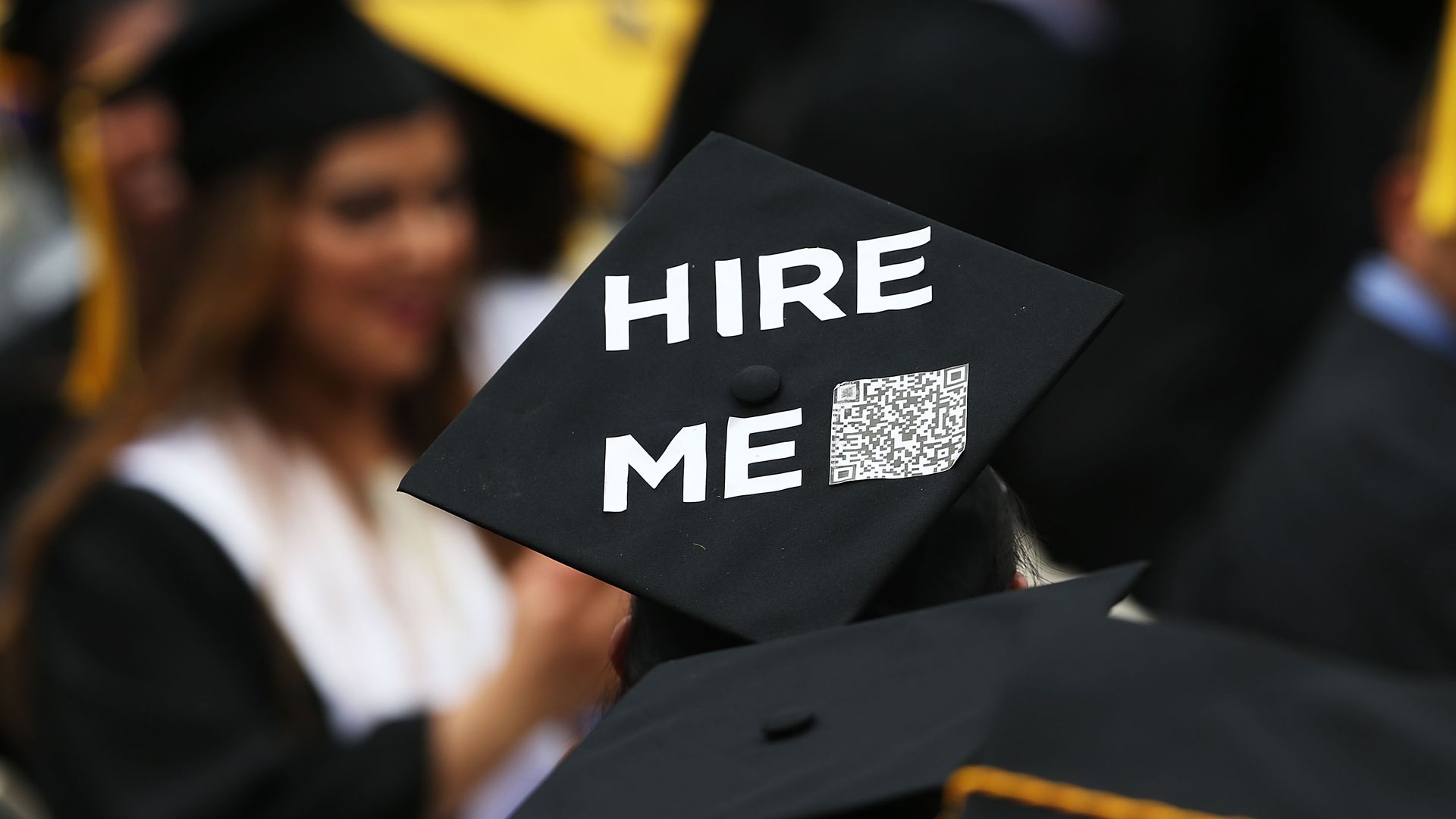
Three in four college students who secured internships or post-graduate work have seen those plans thrown into flux by the coronavirus pandemic, according to a new College Reaction poll. Half of those students say their plans have been cancelled, while the other half say they've been delayed or made remote.
Why it matters: The summers between college years are key for the new generation of workers to gain valuable experience and contribute to the economy — and many use the summers to earn money to pay tuition.
Why it matters: Like the rest of the travel industry, Airbnb has taken a huge hit from the novel coronavirus pandemic, which is also raising questions about its plans to go public in 2020.
Small businesses based in Texas, California and within the construction sector are so far getting the biggest chunk of money set aside for struggling small firms, according to documents released by the Small Business Administration on Tuesday.
Why it matters: It's the agency's first — though limited — public breakdown of which small businesses are benefiting from the Paycheck Protection Program, the cornerstone of the coronavirus federal aid package meant to shore up small companies reeling from the pandemic's economic shutdown.
Valence Media, which includes digital media brands like The Hollywood Reporter, Billboard and Vibe, is laying off 30% of its employees within its editorial division, according to a memo from co-CEOs Asif Satchu and Modi Wiczyk that went out to staff Tuesday night. In total, around 100 people will be laid off, according to a source familiar with the cuts.
Why it matters: It's the latest media company that's been been forced to take drastic measures to survive the economic fallout of the coronavirus.