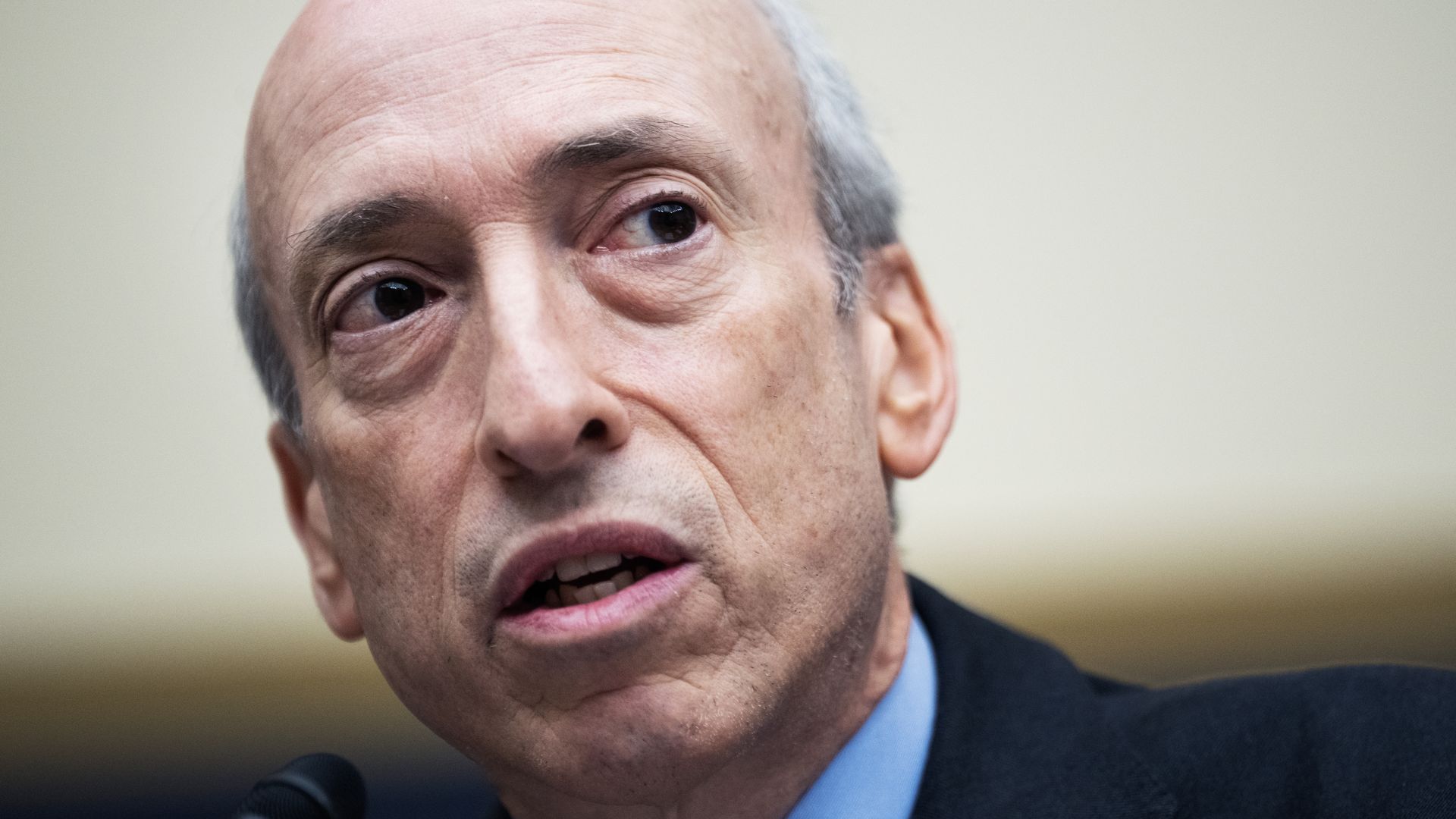
The U.S. Securities and Exchange Commission under chairman Gary Gensler asked decentralized finance startup founders it settled with to stay out of the crypto industry, according to Joey Krug, partner at venture capital firm Founders Fund.
Why it matters: The claim supports the thesis from the crypto industry that regulators during the previous White House administration had an agenda to shut down the digital asset industry, colloquially known as Operation Chokepoint 2.0.
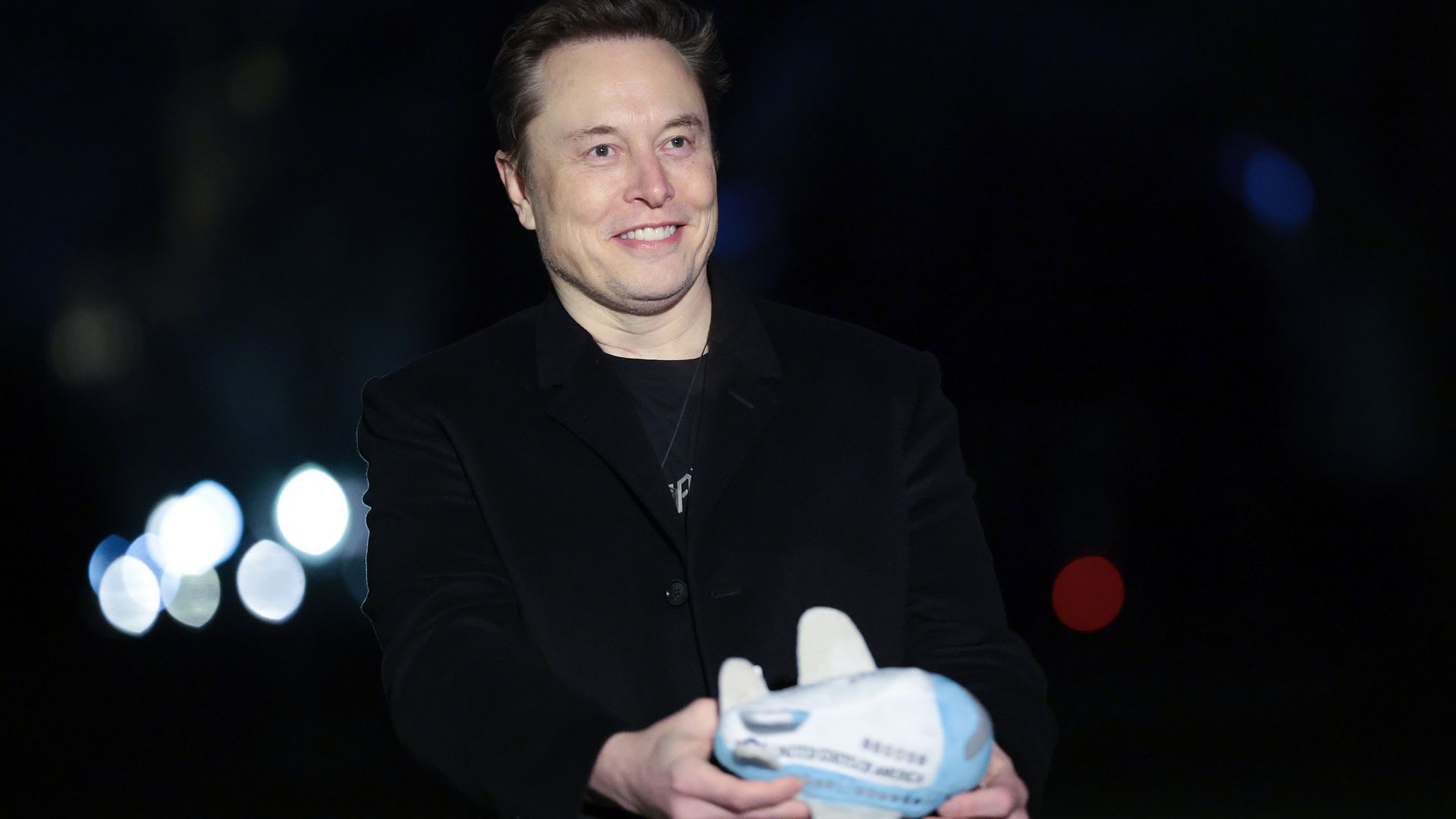
Elon Musk called Thursday for retired air traffic controllers to consider returning to work amid staffing shortages — but a federal law means doing so isn't so simple.
The big picture: Hiring shortages have long plagued air traffic controllers in already stressful roles overseeing critical airspace, but the job is under more scrutiny following a deadly midair collision at Reagan National Airport and several other close calls between aircraft at other U.S. airports.
Why it matters: Revenue has been falling for the leading meme-coin platform since the Trump Organization launched the Official Trump (TRUMP) and Melania Meme (MELANIA) coins Jan. 17 and Jan. 18, respectively.
Those coins have been plunging too, and are now worth a small fraction of their peak values.
How it works: Meme coins are nothing new in crypto, but Pump.fun made it easy for anyone to launch one on the Solana blockchain, and people have launched thousands.
It has caused a giant speculative boom in the crypto markets, a sort of 24/7 social casino that eager people have traded while bitcoin has climbed in a steady but rather boring way.
Frequently imitated, Pump's success remains the bellwether for the meme coin bonanza.
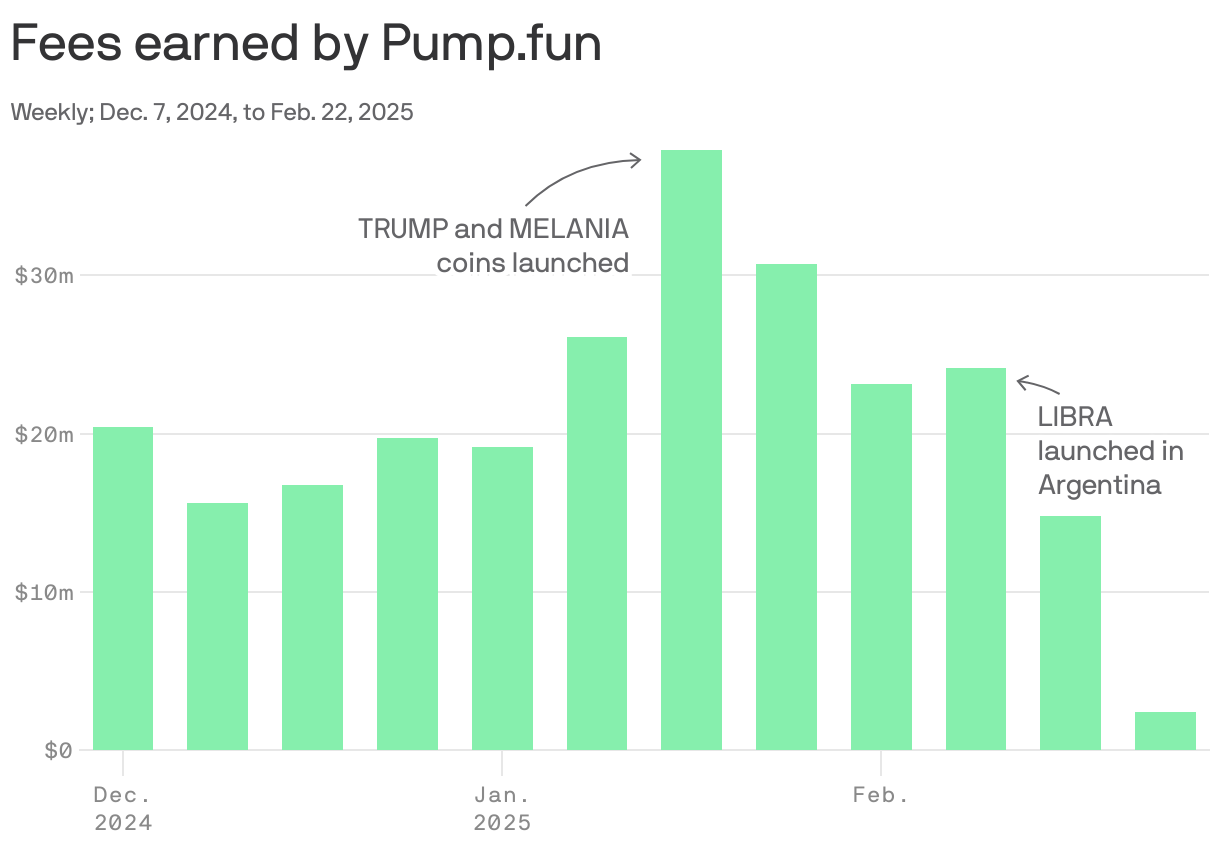
By the numbers: The chart above shows the revenue Pump earns from fees. As long as people buy coins on its platform, it earns a little cut.
Then it charges 6 SOL (around $900 these days) if a token does great on its platform and graduates to trade on the Solana blockchain — but not many do.
These simple fees have been earning it tens of millions of dollars a week.
What they're saying: "It definitely doesn't help that a significant amount of the money that was put in by retail traders at the top of $TRUMP has been lost," Alon, the pseudonymous co-founder of Pump.fun, tells Axios over Telegram.
But he doesn't think that's what's dampened the market. To him, these tokens are simply sensitive to the prices of the big coins (such as BTC and SOL), and those "have been getting crushed."
Total crypto market cap has fallen more than 12% since Feb. 20, per CoinGecko data. Bitcoin, which dominates the market, is off 21% from its all-time highs, which were notched the day President Trump was inaugurated.
Reality check: The Trump coins were not launched using Pump.fun. They had their own bespoke code (which reserved lots and lots of tokens for them to sell later).
However, the entrance of the man about to become the U.S. president caused a flush of excitement in the meme-coin market.
It didn't last.
Between the lines: The truth is that the fun in any ebullient crypto market led by normal humans always gets throttled out by the sharks, who start building trading bots that suck out all the opportunities.
As the bot strategies get better, people have less fun. When the fun runs low, people start feeling taken advantage of, they quit trading, and the bots don't have anyone to dump on any longer.
The bottom line: It's too soon to say if this market is done for. It has dipped before, but the Trump coins' launch put most experienced traders on high alert.
Then the LIBRA debacle out of Argentina left an extremely bad taste.
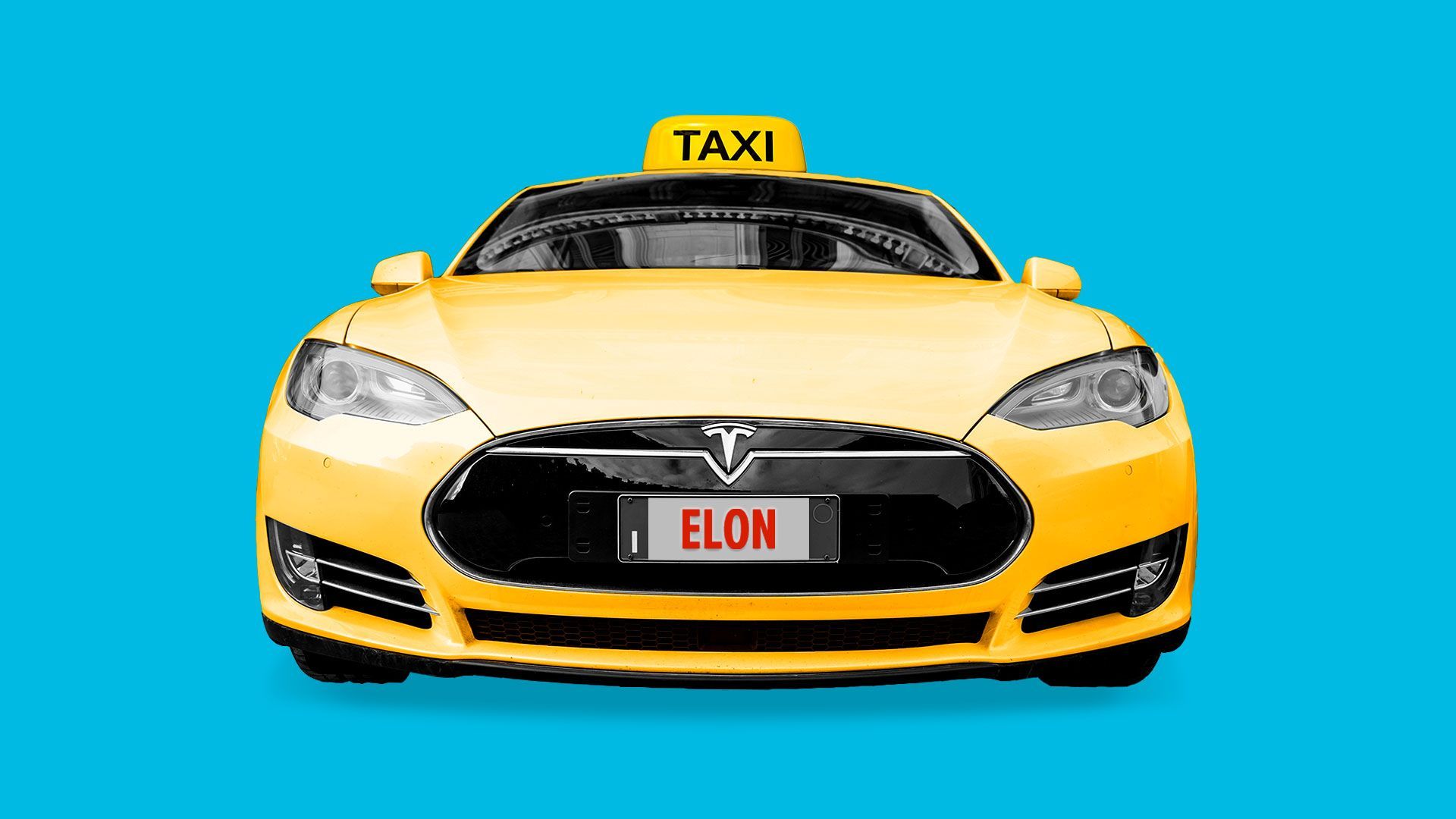
Investors are questioning whether Tesla's recently weakened stock and slipping sales are due to CEO Elon Musk's political involvement and online presence.
Why it matters: Avocal CEO can cast a halo or dark cloud over the company they lead, impacting their ability to attract customers, employees and investors.
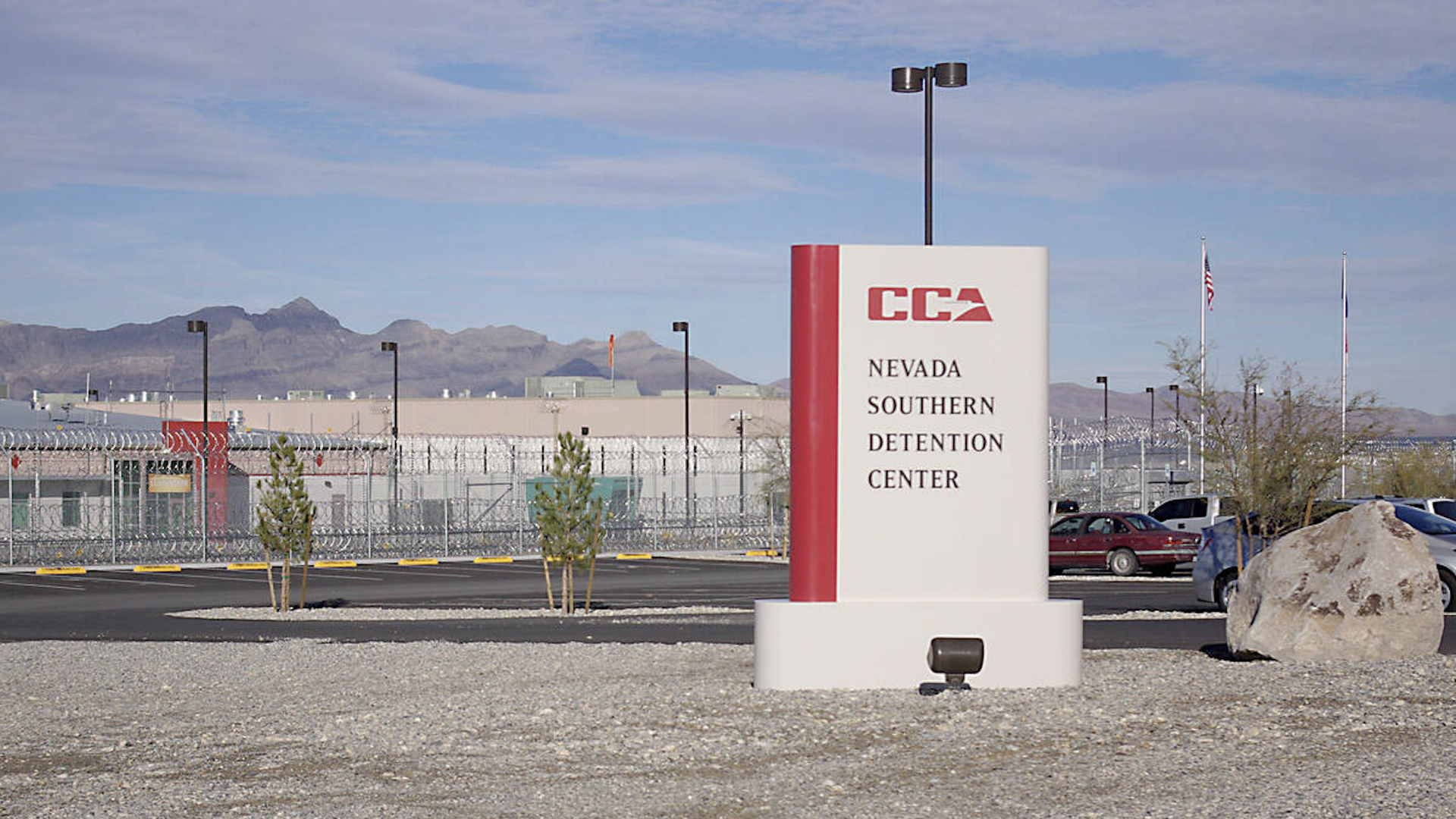
Private prison company CoreCivic has inked a deal with U.S. Immigration and Customs Enforcement (ICE) to expand detention capacity for immigrants at four of its prisons.
Why it matters: ICEis holding more than 40,000 immigrants in detention at over 100 locations across the country and will need vastly more bed space under President Trump's mass deportation plan.
Stripe this morning announced a new employee tender offer that values the payments giant at $91.5 billion.
Why it matters: This will be used as a proof point by both venture capital optimists and pessimists, as industry sentiment gets increasingly bifurcated.
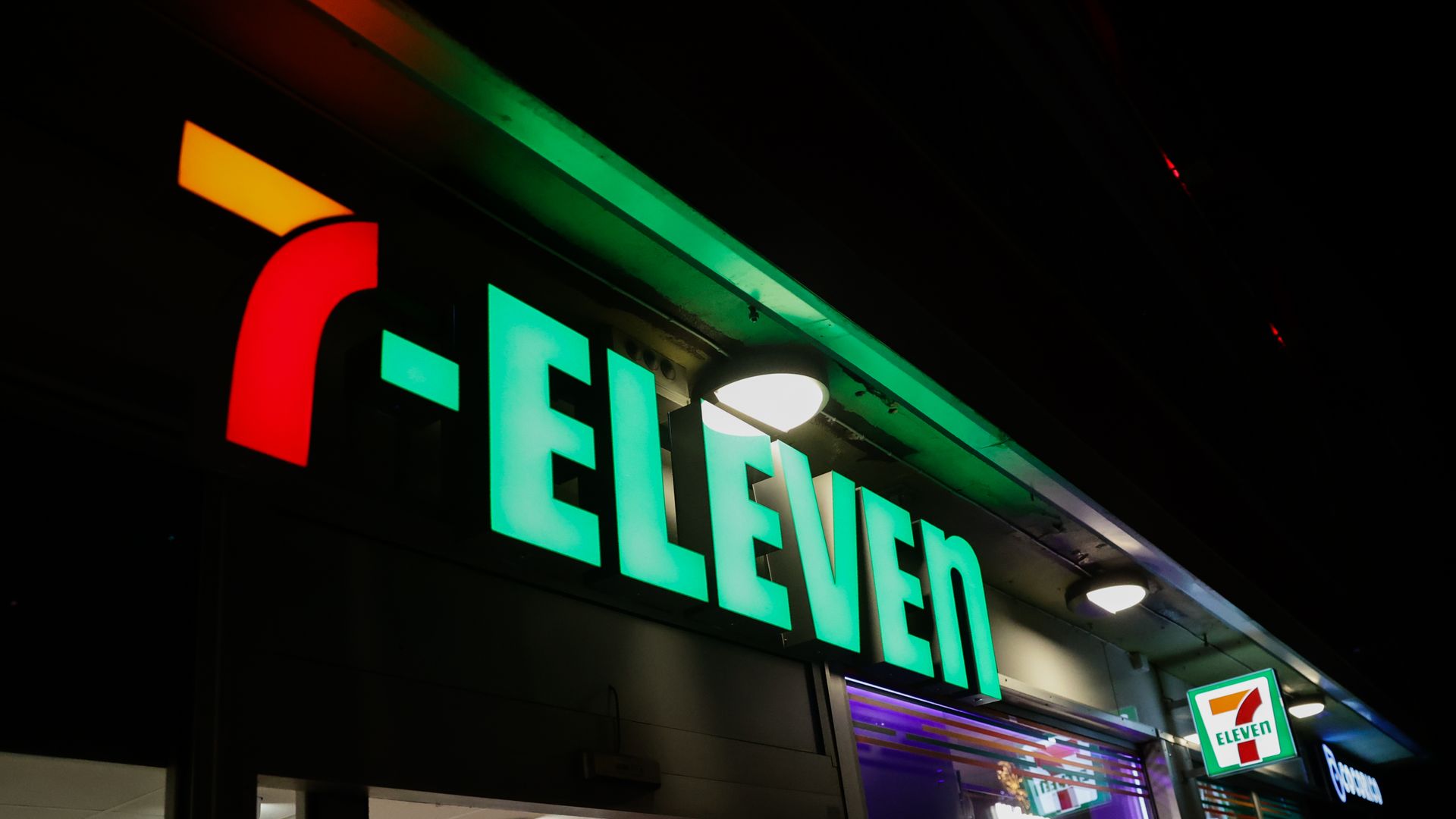
Seven & i, the Japanese owner of 7-Eleven, said that its founding family no longer is seeking to acquire the company for $58 billion, after failing to secure adequate financing.
Why it matters: This will put pressure on the retailer to revisit a takeover offer from Canadian rival Alimentation Couche-Tard, the owner of Circle-K, although it still could opt to remain independent and pursue select divestitures.
A grassroots movement is calling on Americans to abstain from shopping with major retailers on Friday as part of a nationwide "economic blackout."
Why it matters: The economic protest comes as many everyday Americans struggle to keep up in the current financial landscape, characterized by high housing costs, surging egg prices and stubborn inflation.
The big picture: This week's blackout is the latest, but not the first, grassroots movement against consumerism that has gained steam in the face of high costs of living.
Earlier this year the "no buy 2025" challenge gained traction on social media for similar reasons.
Target is doubling down on its store-within-a-store strategy and will open small Warby Parker eyewear shops in some locations, the Minneapolis-based retailer shared exclusively with Axios Thursday.
Why it matters: Teaming up with national brands has helped Target attract consumers and grow sales.
Federal employees are anxious, frightened and doing less work as they deal with rolling shocks from DOGE and the White House, with the latest coming yesterday, when agencies were ordered to prepare for large-scale job cuts.
Why it matters: Someone needs to operate the day-to-day functions of the federal government, even as Elon Musk tries to shrink it as much as possible.
Amazon founder and Washington Post owner Jeff Bezos last summer privately urged Donald Trump to pick Doug Burgum as Trump's vice president, saying he'd be an "excellent" choice.
Why it matters: Bezos' phone conversation with Trump in July — detailed in my forthcoming book, "Revenge: The Inside Story of Trump's Return to Power" — was a sign that Bezos was engaging with Trump on political issues months earlier than previously reported.