Crypto investor details the SEC's hard bargain


Add Axios as your preferred source to
see more of our stories on Google.
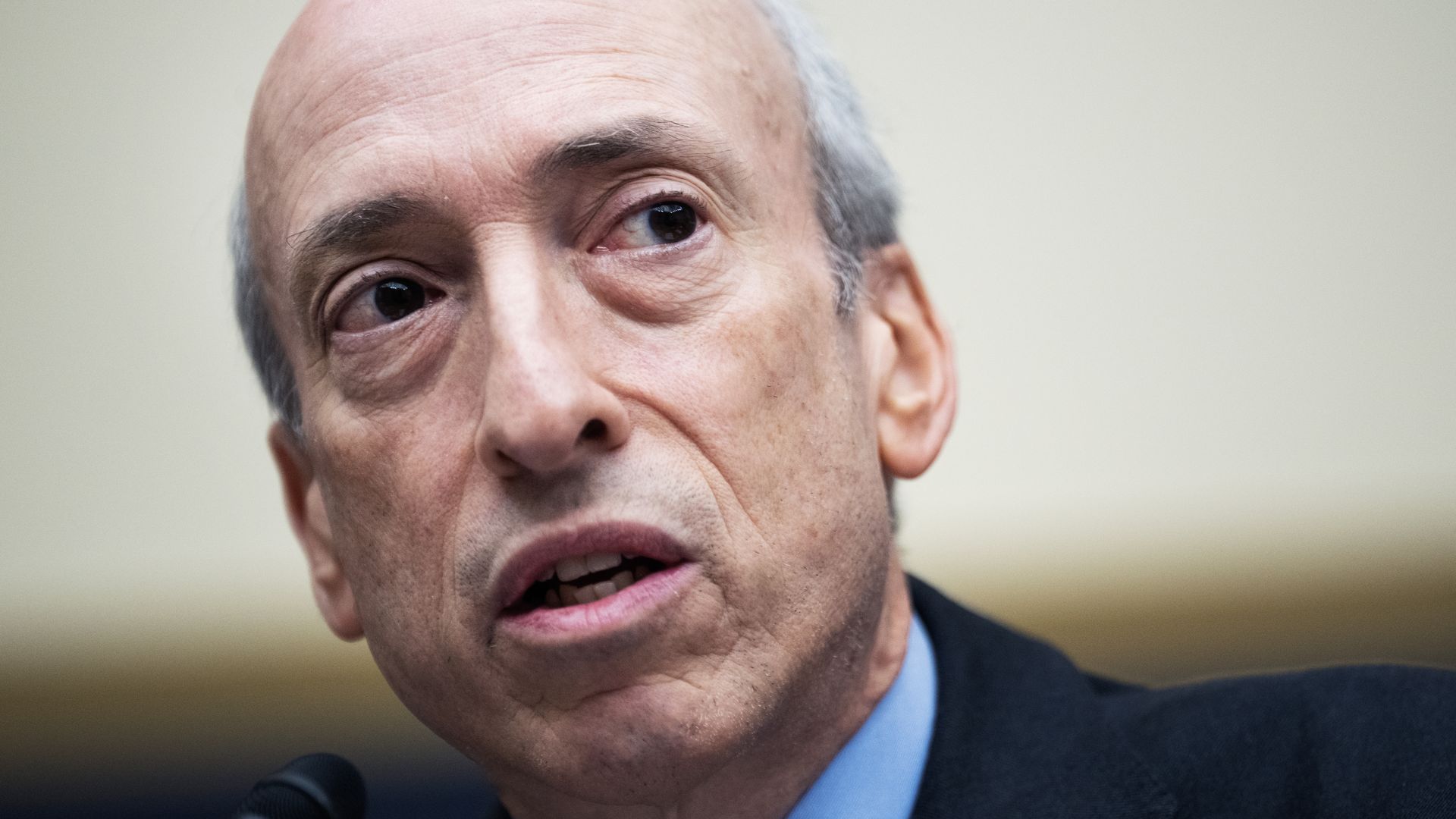
Former SEC chairman Gary Gensler. Photo: Tom Williams/CQ-Roll Call, Inc via Getty Images
The U.S. Securities and Exchange Commission under chairman Gary Gensler asked decentralized finance startup founders it settled with to stay out of the crypto industry, according to Joey Krug, partner at venture capital firm Founders Fund.
Why it matters: The claim supports the thesis from the crypto industry that regulators during the previous White House administration had an agenda to shut down the digital asset industry, colloquially known as Operation Chokepoint 2.0.
What they're saying: "The government … basically told the founders, you effectively have to do a settlement with us. In many cases, they said you also have to sign a statement that says we'll never work in crypto again," Krug said on stage Thursday at the ETH Denver conference.
- Krug declined to name founders he spoke with, but said that he had personally seen settlement agreements.
Between the lines: The contents of SEC settlements are seldom discussed due to a controversial policy in place since the 1970s, known as the agency's "gag rule."
- Under the policy, as a condition of settlement, companies must agree not to talk about the agreement at all — including its provisions — unless they are called to testify in Congress, Krug said.
The intrigue: "I think there's a lot of founders who would love to talk about how the government basically really screwed them over if Congress asked them to testify," Krug said. " So I think Congress should do that."
- "None of these founders actually broke the law," he said, calling the SEC's approach an example of "a crazy, crazy administrative state that got really out of control."
The SEC did not immediately respond to a request for comment from Axios.
Friction point: The agency's gag rule has been criticized over the years by targets of its enforcement actions, advocacy groups and even judges, who say the policy flies in the face of the First Amendment.
Flashback: The recent release of documents detailing communications between FDIC and regulated banks have provided more substance to the narrative that banking regulators specifically resisted allowing the crypto industry to grow in the U.S.
What we're watching: With both chambers of Congress holding recent hearings on debanking, will other agencies be compelled to disclose other communications with the industry.
