The Trump administration announced a new round of tariffs up to 12.5% on 60 trading partners on Thursday, preventing a lapse in import taxes as a temporary tariff program nears expiration.
Why it matters: It shows the White House's determination to preserve its tariff agenda by turning to new trade laws as earlier authorities expire or face legal challenges.
President Trump claimed Thursday the new nuclear deal the U.S. signed with Saudi Arabia will not include uranium enrichment and requires the kingdom normalize its relations with Israel.
Why it matters: Trump is responding to two of the bigger criticisms of the deal: that it could open the door to nuclear enrichment and that Washington gave up leverage to push a peace deal with Israel.
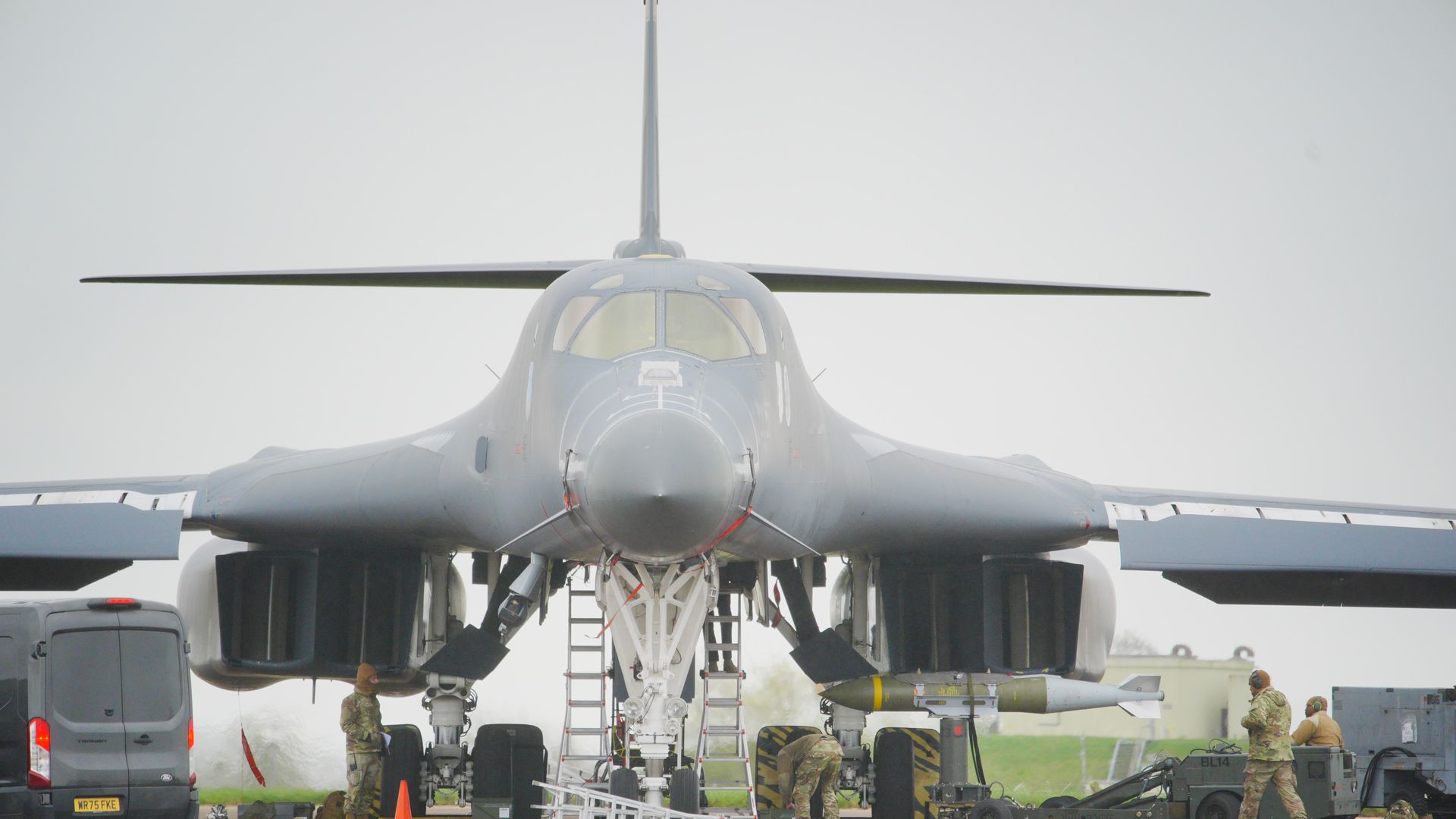
President Trump told Axios on Thursday that he's seriously considering restarting major combat operations in Iran — including strikes that would be bigger than the ones carried out during Operation Epic Fury.
Why it matters: In a brief interview, Trump acknowledged that such a decision would have consequences and stressed he hasn't made a determination yet.
A markets mystery has perplexed some analysts this year: Why are stocks sitting near all-time highs while the global economy is rocked by geopolitical conflict and inflation pressures?
Why it matters: The usual retort is that the stock market is not the economy, buta new report from Moody's offers a more nuanced explanation.
Markets have adjusted to the new economic world order — you just have to know where to look.
A long-simmering feud between Black and Latino leaders in the Democratic Party exploded into the open Wednesday over which state should vote first in the 2028 presidential primary — South Carolina or Nevada.
Why it matters: The racially fraught battle could help determine which candidates will have an early edge in the race to be the party's next nominee for the White House.
President Trump threatened Wednesday to destroy an Iranian bridge or power plant, including in Tehran, each time Iran attacks a ship in the Strait of Hormuz.
Why it matters:Trump sent the new threat as he considers both a ceasefire and a significant military escalation. His key condition for a ceasefire is for Iran to stop its attacks on ships and reopen the Strait of Hormuz.
The new director of Israel's Mossad spy agency, Roman Gofman, visited Washington two weeks ago for talks about the war in Iran and the Iranian nuclear program, according to two sources with knowledge.
Why it matters: Gofman is one of the closest advisers to Israeli Prime Minister Benjamin Netanyahu. It was Gofman's first visit to Washington since he assumed office in June.
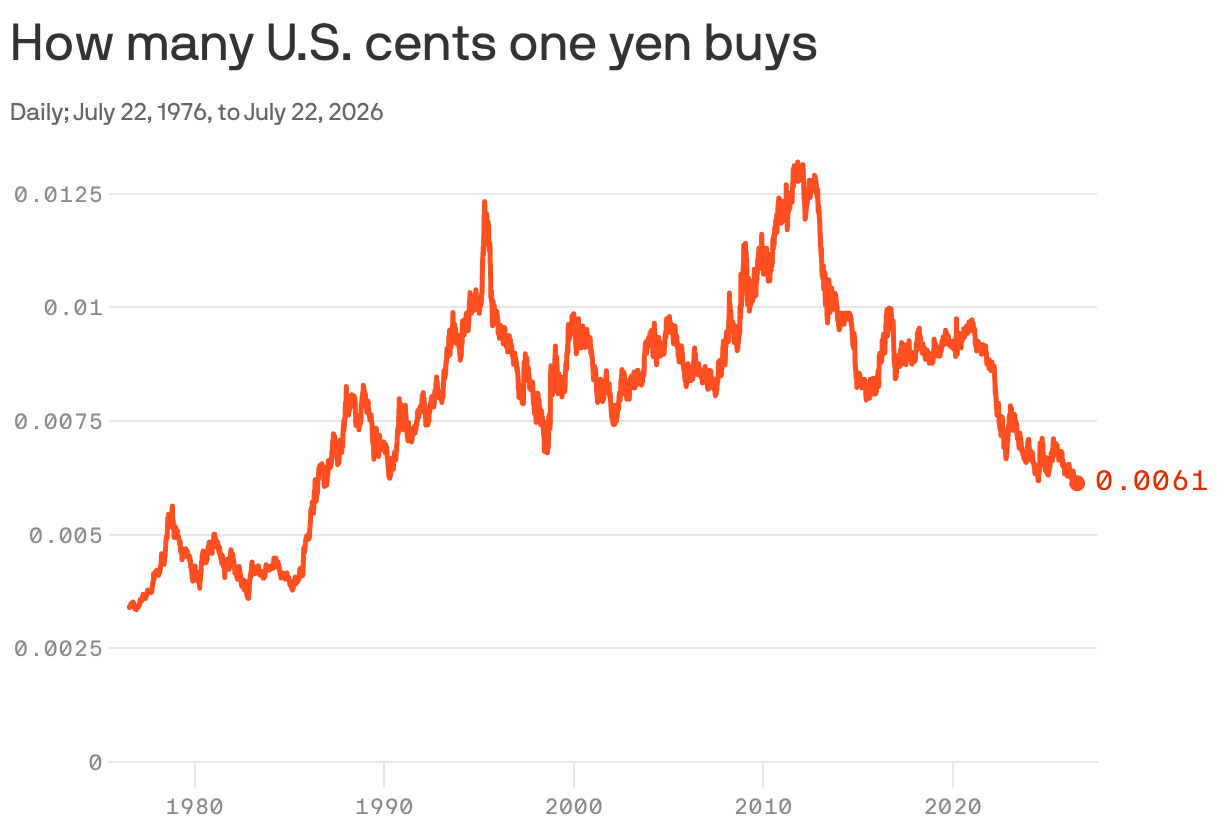
Look out below: The yen is hovering near its weakest level in almost 40 years, reflecting an increasingly lopsided global economy, where capital keeps flowing to the U.S.
Why it matters: The yen is being squeezed by both long-term and short-term forces.
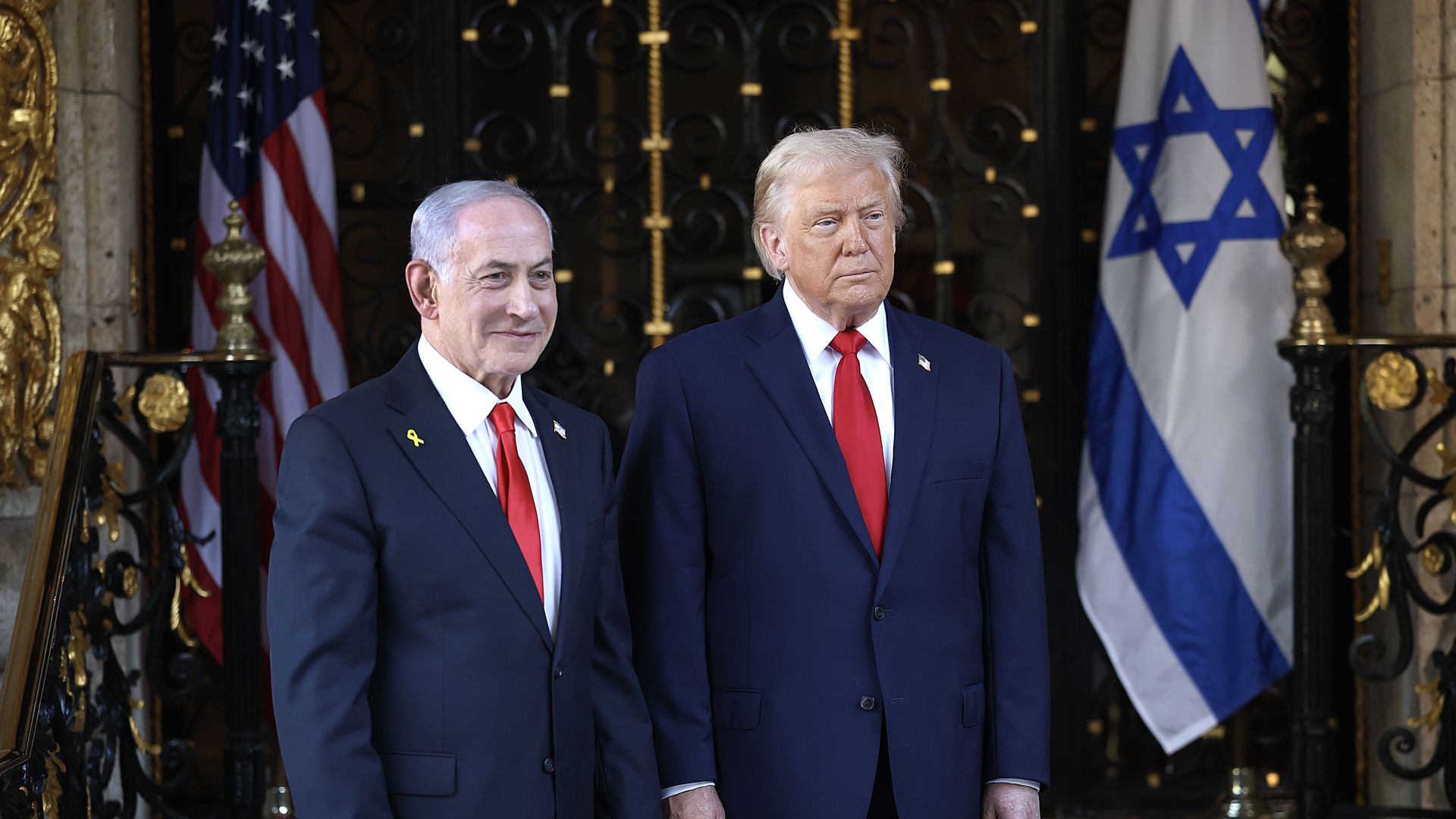
The White House and the Israeli Prime Minister's Office are discussing a potential Oval Office meeting between President Trump and Prime Minister Benjamin Netanyahu next week, but no meeting has been set yet, a White House official and an Israeli source familiar with the issue told Axios.
Why it matters: Trump is considering resuming major combat operations in Iran that would likely include a joint military campaign with Israel similar to the launch of Operation Epic Fury on Feb. 28. A meeting with Netanyahu could be significant for Trump's decision-making and for coordination between the countries.
China has poured billions of dollars into the stock market in recent days to snuff out a tech-led selloff, as it seeks to shore up confidence in the domestic economy.
Why it matters: It's a reminder that despite its prowess as an exporter of goods — and increasingly, AI technology — China remains dependent on exports for growth.
"These Chinese models are excellent," Huang told Axios' Mike Allen on Tuesday in an exclusive interview for our "Behind the Curtain" video series. "Open-source models that are excellent should be used."
Why it matters: The world's top AI chipmaker says American companies should "absolutely" be allowed to use Chinese models — a direct challenge to Trump officials and the U.S. labs lobbying Washington to shut them out.
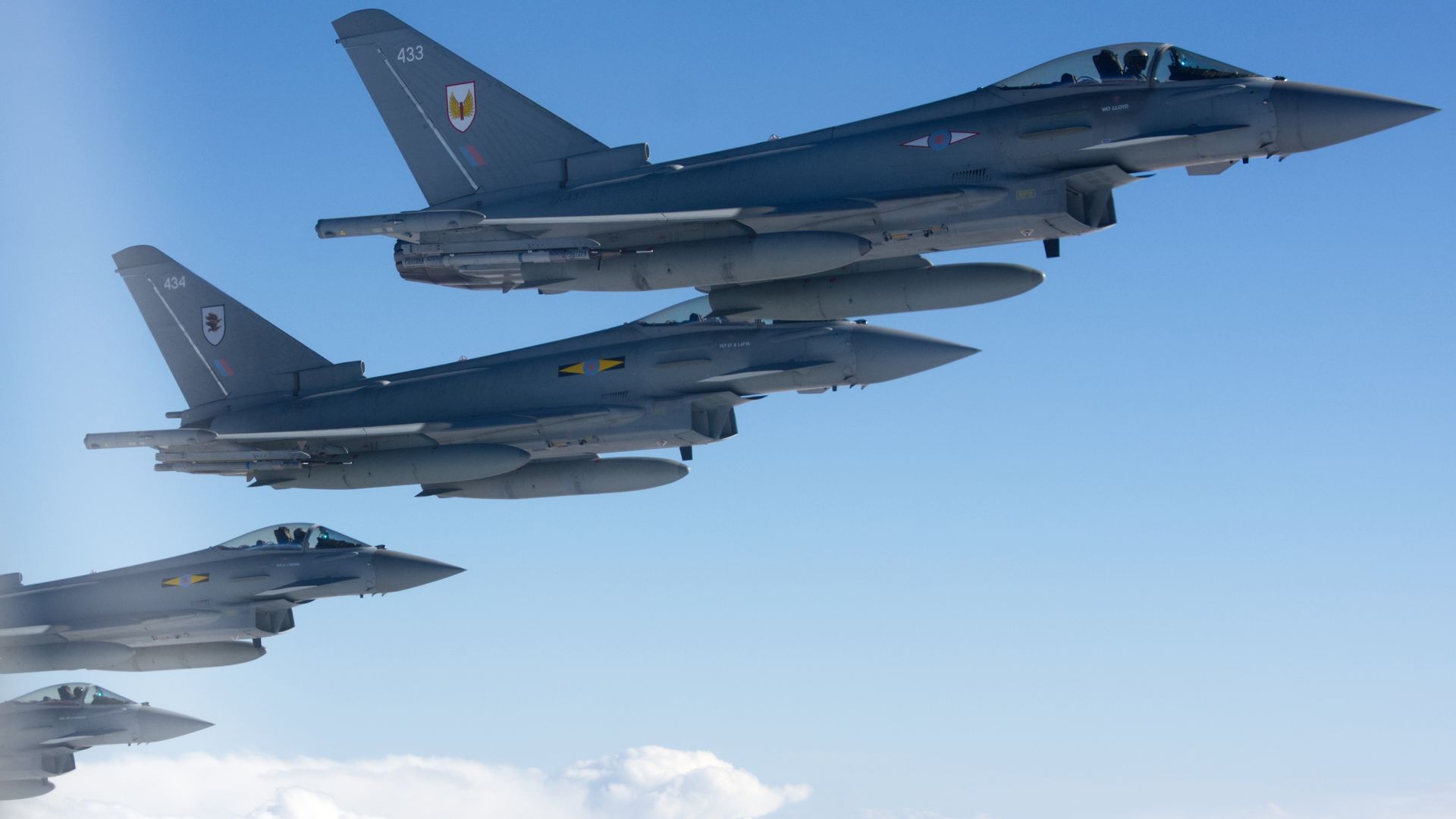
LONDON — The U.K. is betting big on drones and robo-wingmen, assigning a growing number of existing and in-development machines to spying, jamming and bombing roles.
Why it matters: The maturation of artificial intelligence and autonomy has sparked a global sprint to build and deploy hybrid fleets no matter the domain.
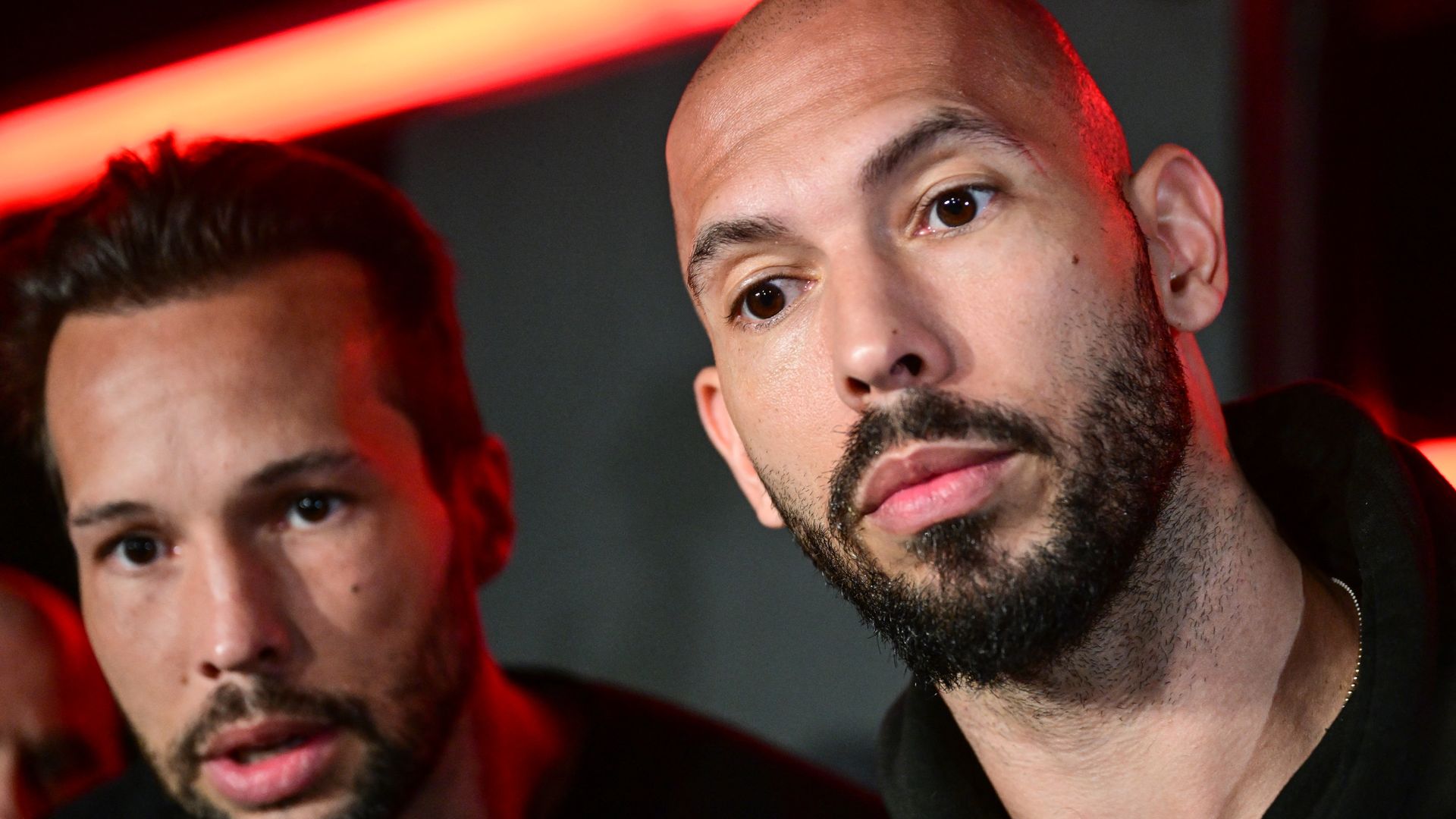
President Trump and Secretary of State Marco Rubio aren't planning to block the extradition to the U.K. of the Tate brothers, the notorious "manosphere" influencers accused of rape and human trafficking.
Why it matters: Andrew and Tristan Tate were part of the coalition of hyper-masculine social media voices advocating for Trump when he was reelected in 2024. The brothers have reported connections to two of Trump's sons and have had support from top Trump advisers.
OpenAI and Anthropic compete fiercely for customers. But in Washington, the two leading AI labs are aligning on one issue: warning policymakers about the risks of powerful Chinese open-weight AI models.
Why it matters: That shared position pits the top U.S. AI labs against researchers, startups and open-model advocates who argue broad access to AI is essential for competition and scientific progress.