Trump rebuilds trade regime with new tariffs on global trading partners

Add Axios as your preferred source to
see more of our stories on Google.
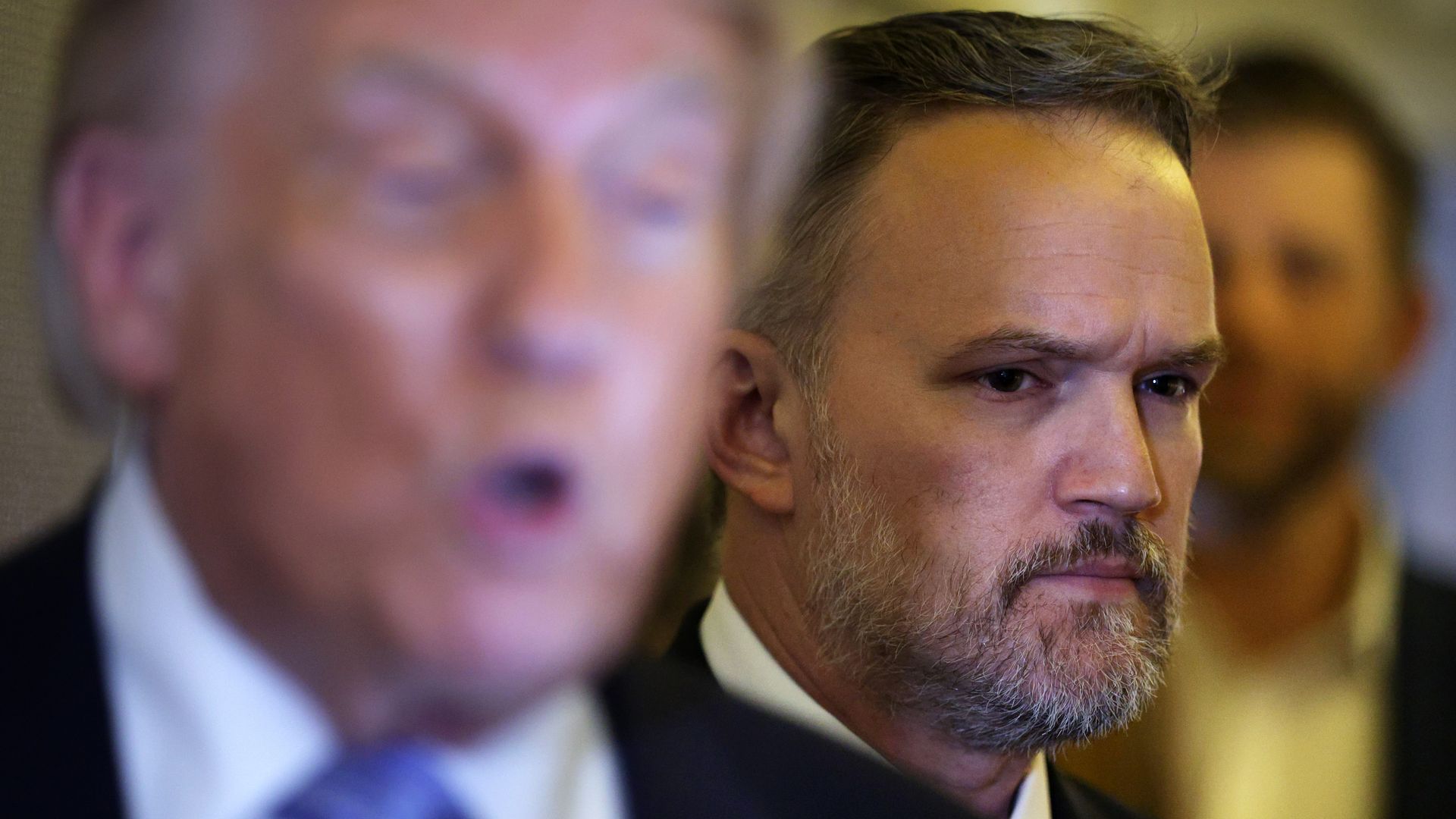
U.S. Trade Representative Jamieson Greer as President Trump briefs reporters on Air Force One. Photo: Alex Wong/Getty Images
The Trump administration announced a new round of tariffs up to 12.5% on 60 trading partners on Thursday, preventing a lapse in import taxes as a temporary tariff program nears expiration.
Why it matters: It shows the White House's determination to preserve its tariff agenda by turning to new trade laws as earlier authorities expire or face legal challenges.
- The new tariffs take effect at 12:01am ET on Friday, precisely when the temporary duties end.
- It's been one of the busiest weeks for President Trump's trade agenda in months, from new tariffs on Brazil to fresh threats against Canada and now a broader new tariff authority.
Zoom out: The tariffs stem from an investigation launched by U.S. Trade Representative Jamieson Greer in March under Section 301 of the Trade Act of 1974 into whether trading partners had failed to effectively block goods made with forced labor.
- USTR concluded in June that those practices unfairly burden U.S. commerce, clearing the way for the U.S. to impose tariffs.
- Countries that have banned forced labor but are not effectively enforcing it, in the U.S. government's judgment, will face a 10% tariff. Other nations' goods will be subject to a rate of 12.5%.
- A senior administration official said India had adopted measures prohibiting trade in forced-labor goods since USTR proposed the tariffs in June, qualifying it for the lower rate. The administration says that shows countries can earn more favorable treatment by changing their policies.
Between the lines: Oil and gas, certain fertilizers and some food products are among the goods exempted, reflecting concerns about economic disruption.
The big picture: The administration has been searching for more durable legal footing to impose its tariffs since the Supreme Court ruled earlier this year that the International Emergency Economic Powers Act doesn't authorize the president to impose import duties.
- IEEPA had effectively functioned as an "on-off switch," allowing the White House to announce, suspend or modify tariffs almost overnight.
- Section 301, by contrast, is slower and more procedural, requiring a formal investigation, public comment and an official finding before tariffs can be imposed.
The intrigue: Immediately after the Supreme Court's ruling, the White House pivoted to Section 122 of the Trade Act of 1974, a never-before-used provision that allows an across-the-board tariff up to 15% for no more than 150 days to address balance-of-payments problems.
- Those 10% tariffs were set to expire on Friday, with no way to renew them without congressional approval, creating pressure on the administration to find another legal basis to keep import duties in place.
The bottom line: In the span of a week, the administration has reshuffled the legal foundation of its tariff regime yet again — a sign that Trump's trade agenda is now just as defined by legal maneuvering as it is economics.
What to watch: Higher tariffs might be ahead. The Trump administration is still investigating whether to impose tariffs over excess manufacturing issues.
