Trump's plan B for tariffs is this legally questionable emergency tool

Add Axios as your preferred source to
see more of our stories on Google.
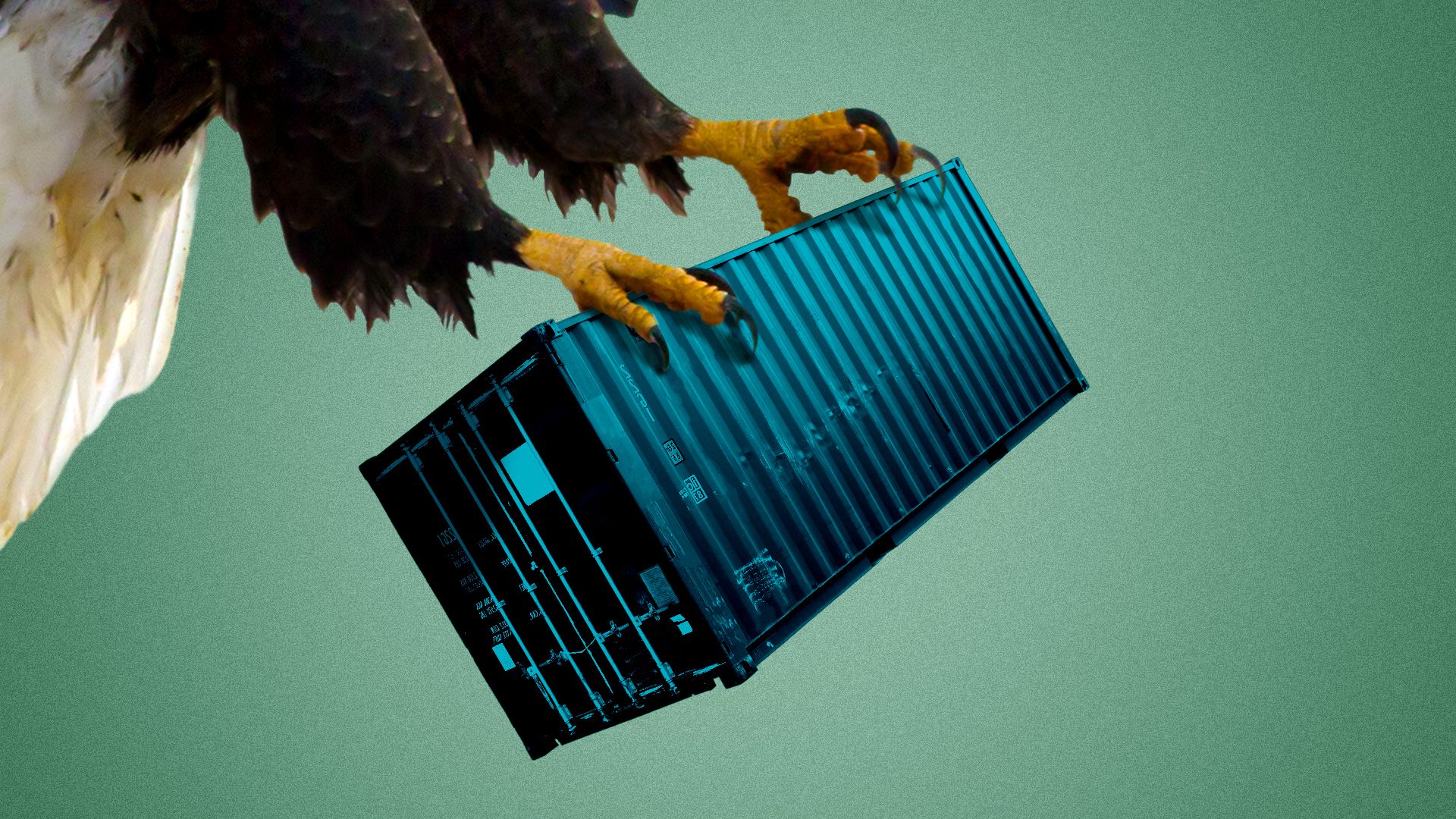
Illustration: Brendan Lynch/Axios
When the Supreme Court threw out the Trump administration's use of a novel emergency tool to implement tariffs Friday, the White House quickly turned to a different novel emergency tool — but economists and lawyers are now questioning its legality as well.
Why it matters: Goodbye, IEEPA tariffs (that would be the International Emergency Economic Powers Act). Hello, Section 122 of the Trade Act of 1974. But the new tool comes with its own questions and limitations.
Catch up quick: Over the weekend, the administration imposed 15% global tariffs under Section 122, which permits the president to impose that maximum tariff rate for up to 150 days in the event of a balance-of-payments crisis.
- But does the U.S. fit those circumstances? The nation is not exhibiting the typical symptoms: plunging currency, spiking interest rates or a freezing-up of foreign capital flowing in.
- "No matter how one looks at the current circumstances—the condition of the U.S. economy, its balance of payments or its currency regime—none of these meet the standards outlined under Section 122," RSM chief economist Joe Brusuelas wrote in a note.
- Indeed, Justice Department lawyers themselves dismissed the provision as an option last year.
The intrigue: In a briefing filed by the Department of Justice last year, assistant attorney general Brett Shumate hit back at an argument that the narrower, limited powers in Section 122 of the Trade Act of 1974 were an appropriate legal basis to impose tariffs.
- "The concerns the President identified in declaring an emergency arise from trade deficits, which are conceptually distinct from balance-of-payments deficits," the brief says, noting that Section 122 did not have "any obvious application."
Yes, but: In practical terms, it's hard to imagine that courts could definitively rule on the legality of the Section 122 tariffs within the 150 days permitted under the statute without congressional buy-in.
- That allows the Trump administration more time to pursue carefully tailored tariffs on national security, unfair trade practices, and other grounds using more established legal authorities, known as Sections 232 and 301 of relevant trade laws
Zoom out: That doesn't mean there won't be challenges.
- "Given the amount of money at issue for U.S. businesses, it is not hard to imagine a new wave of litigation attacking Section 122, and again seeking refunds of Section 122 duties collected," Dave Townsend, an international trade lawyer at Dorsey & Whitney, said in an email.
- At the same time, the administration's abrupt use of the Section 122 provision is a sign that the White House will keep pushing the legal boundaries of executive authority over tariffs and trade.
What they're saying: The White House declined to comment for this story.
- In a fact sheet on Friday, the White House said: "If left unaddressed, these fundamental international payment problems can, among other things, endanger the ability of the United States to finance its spending, erode investor confidence in the economy, distress the financial markets and endanger U.S. economic and national security."
