Trump administration launches new trade investigation

Add Axios as your preferred source to
see more of our stories on Google.
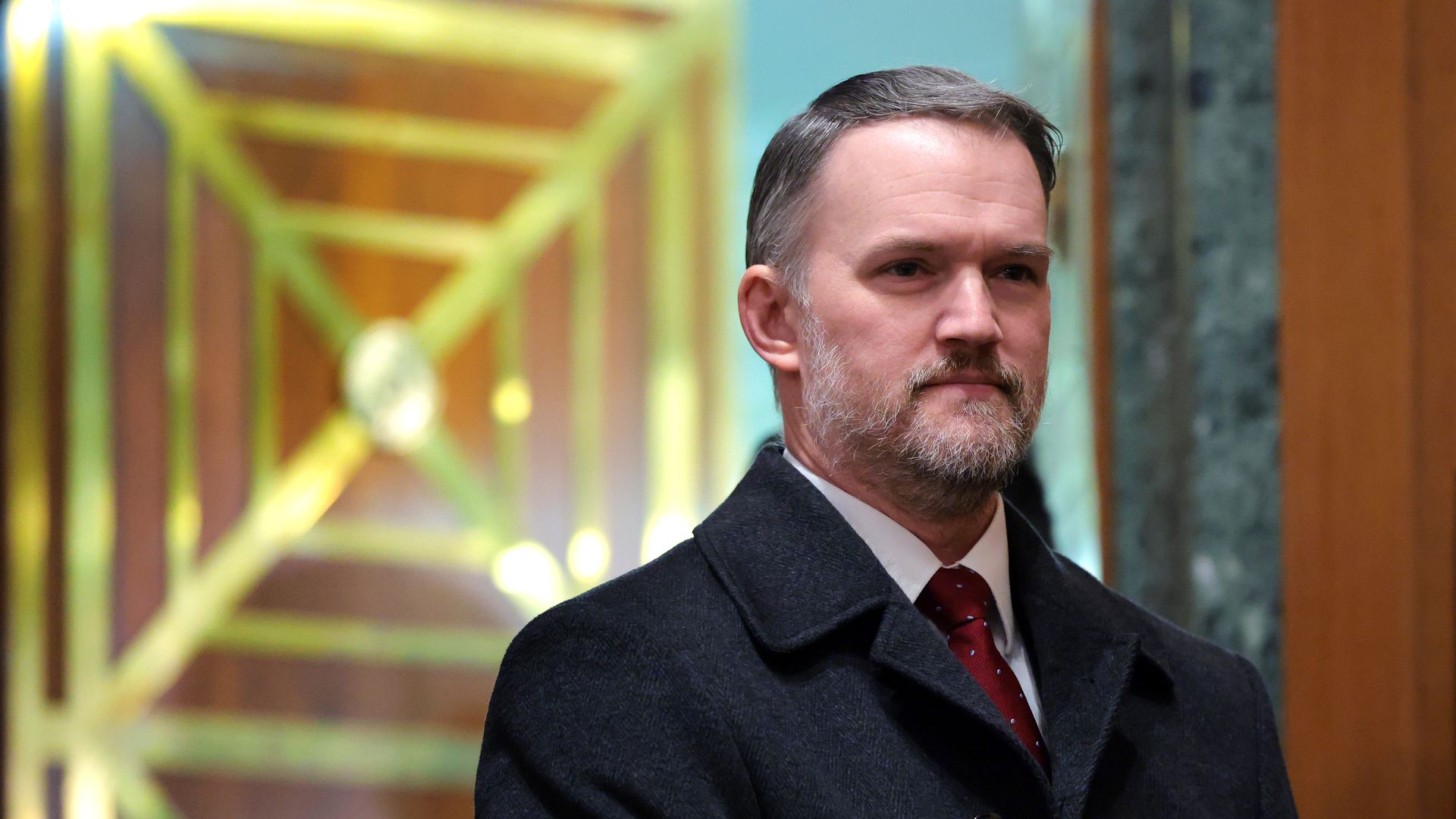
Jamieson Greer, the U.S. trade representative. Photo: Kayla Bartkowski/Getty Images.
The Trump administration initiated a trade investigation — and signaled more to come — that will likely result in new tariffs on global trading partners.
Why it matters: The White House is making good on its promise to reinstate the sweeping tariffs struck down by the Supreme Court.
- Officials see the investigations concluding before the global 10% tariff — enacted to replace tariffs deemed illegal — expires in July.
What they're saying: Speaking to reporters on Wednesday, top Trump trade official Jamieson Greer stressed that he was not "pre-judging the investigations."
- Still, Greer said that the administration feels strongly about the issues under examination: "If we need to impose tariffs to help solve this we will," he said.
- "There is not a lot of controversy that these issues need to be addressed," Greer said, noting that countries — including those that signed trade frameworks with the U.S. — should not be surprised by the investigations.
Zoom in: The U.S. Office of the Trade Representative, led by Greer, is investigating countries that exhibit signs of excess manufacturing capacity.
- That might include nations that export more goods than they produce or promote production of exports that are "untethered" from global demand, Greer said.
- It will cover more than a dozen nations, including China, the European Union, Mexico, Japan and India.
A separate investigation, which Greer said will be initiated tomorrow, will examine how countries address forced labor issues, including whether a respective nation's policies ban goods manufactured with forced labor.
Between the lines: The investigations will be enacted under Section 301 of the Trade Act of 1974.
- After the Supreme Court decision late last month, Trump signaled that the administration would be starting "several" Section 301 investigations, aimed at protection of "our country from unfair trading practices and other countries and companies."
- Trump leaned on this authority to impose tariffs on Chinese imports during his first term, many of which remain in place.
The intrigue: The administration imposed a global 10% tariff — and threatened it would rise to 15% — under Section 122 of the Trade Act of 1974.
- The law allows tariffs to remain in place for 150 days without congressional authorization, intended for a president to address "large and serious" balance-of-payments deficits.
- Two separate groups have filed lawsuits challenging the legality of those tariffs.
What to watch: The White House is seeking to keep its global trade policy intact after the Supreme Court overturned the bulk of tariffs enacted over the first year of Trump's second term.
- Trump took a huge gamble by enacting high import taxes under the International Emergency Economic Powers Act, a 1977 law the Supreme Court said could not be used to impose tariffs.
- It backfired. Now Trump is having to rely on legally tested but slow, process-heavy authorities to carry out his trade agenda.
The bottom line: New trade investigations show that whiplashing trade policy and higher tariffs look set to be a mainstay of Trump's economic agenda, despite concerns about affordability at home.
