House rebukes Trump over war in Iran

Add Axios as your preferred source to
see more of our stories on Google.
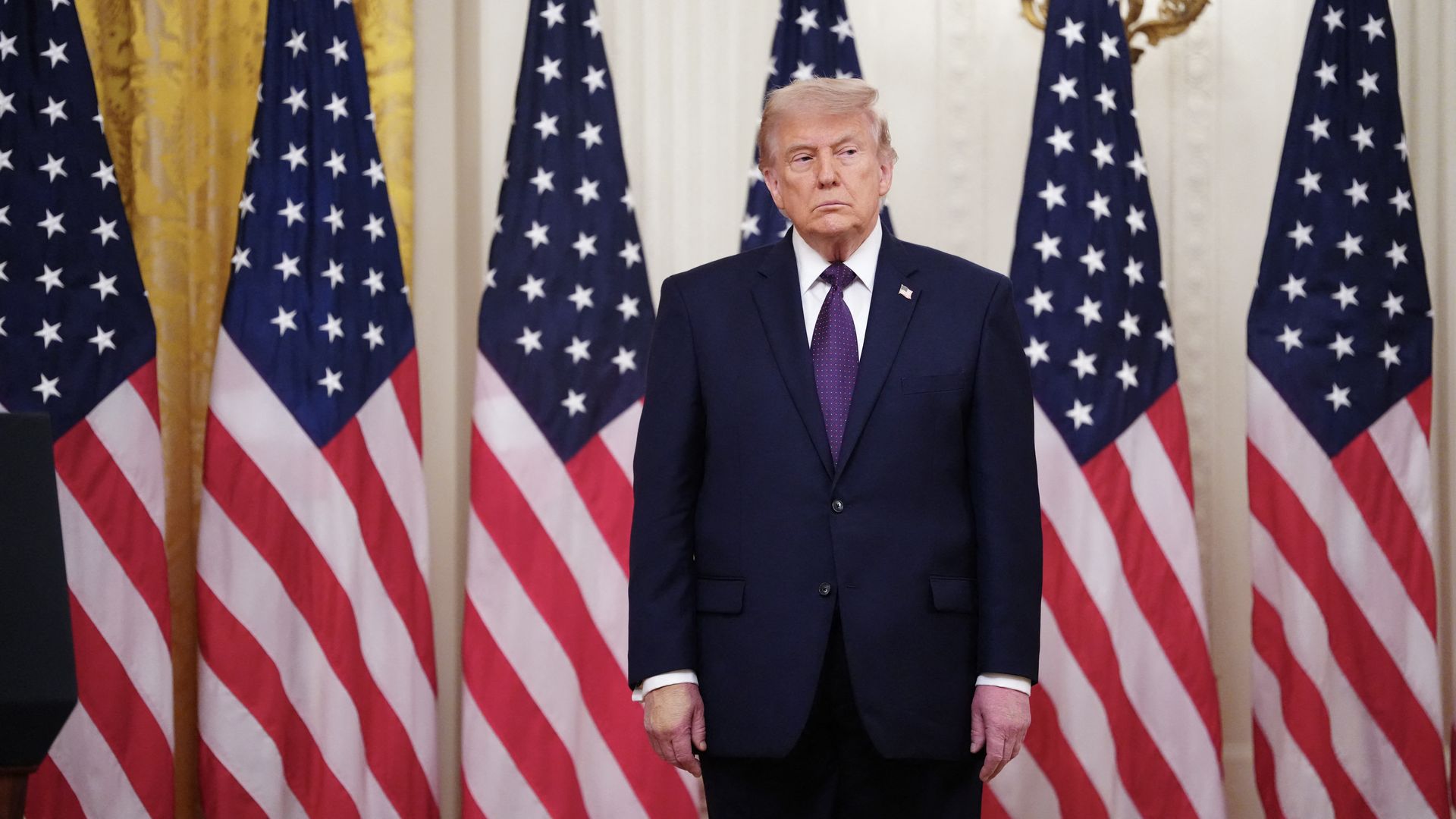
President Trump in the East Room of the White House on May 22. Photo: Aaron Schwartz / AFP via Getty Images
The House on Wednesday passed a resolution to rein in President Trump's military campaign in Iran.
Why it matters: It's Congress' first successful rebuke of Trump's Iran war effort after multiple Democratic-led war powers attempts failed.
- Rep. Jared Golden (D-Maine), the one Democrat who has consistently voted against Iran war powers resolutions, flipped and voted yes.
- Four Republicans — Reps. Brian Fitzpatrick (R-Pa.), Thomas Massie (R-Ky.) Tom Barrett (R-Mich.) and Warren Davidson (R-Ohio) — voted in support of the measure.
- The vote is largely symbolic, as the measure would still need to pass the GOP-controlled Senate — and even then, Trump could just veto it.
Catch up quick: Previous efforts to constrain Trump's military campaign in Iran repeatedly fell short.
- House GOP leadership abruptly pulled a scheduled vote late last month on the resolution after it became clear they did not have the votes to defeat it.
- House Democratic leaders called their Republican counterparts "cowardly" for pulling the vote in a statement.
- Democrats' other most recent attempt failed last month in a stunning 212-212 tie vote. Golden voted against that earlier resolution, while Massie, Fitzpatrick and Barrett supported it. Several lawmakers were absent.
The Senate last month advanced a separate war powers resolution through a procedural vote with support from four Republican senators.
- But three senators were absent, and the next procedural vote is expected to fail once attendance returns to full strength.
The big picture: Republicans have largely backed Trump's military campaign, but unease within the GOP has grown as the conflict has dragged on without congressional authorization and has sent U.S. gas prices rising.
- Some Republicans have pointed to the War Powers Act's 60-day deadline, which has now expired, as a turning point. That provision requires the withdrawal of U.S. forces after the deadine absent congressional approval
- The White House argues that the requirement doesn't apply because of the ceasefire the administration negotiated with Iran.
Editor's note: This story has been updated with additional reporting.
