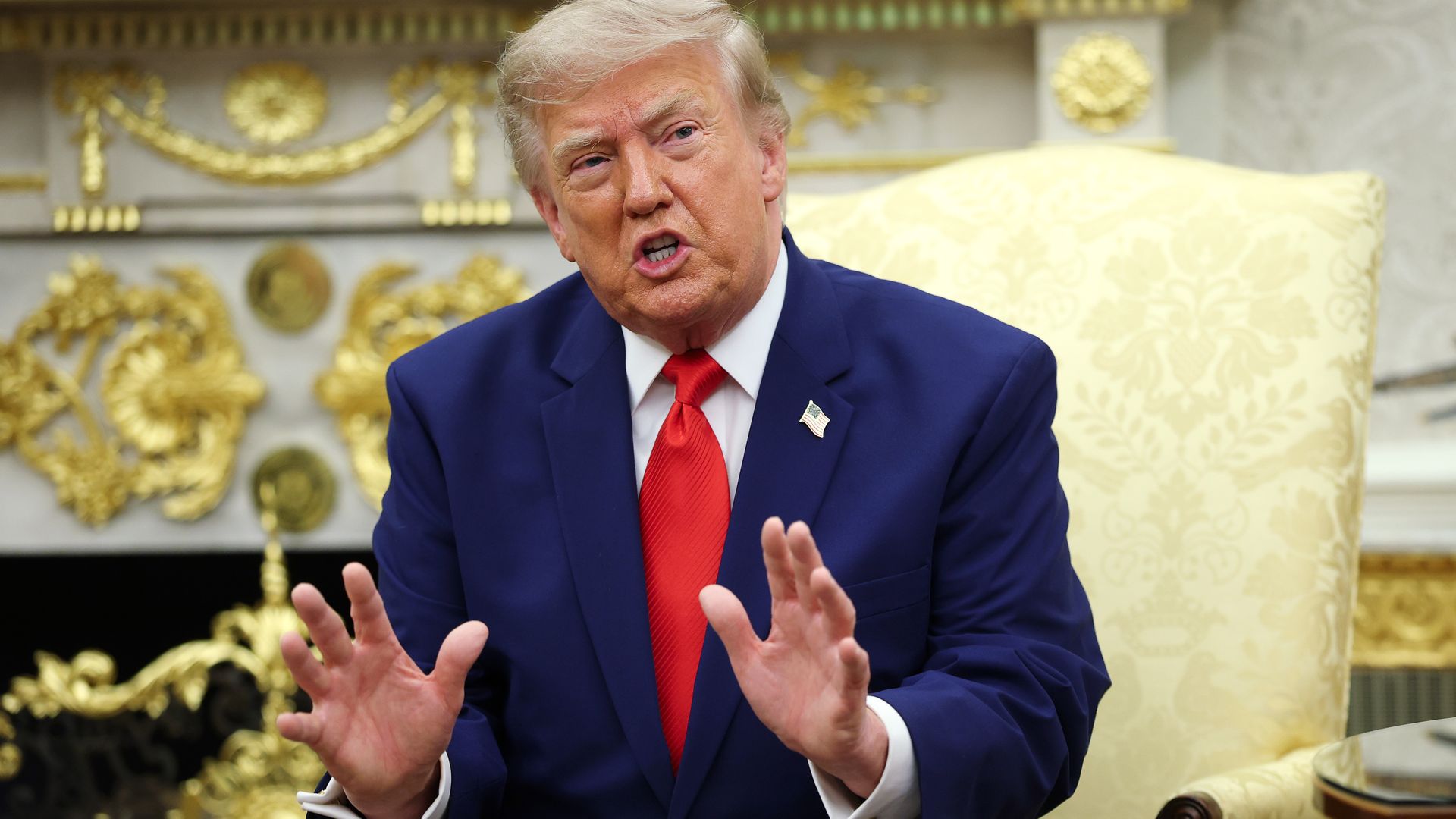
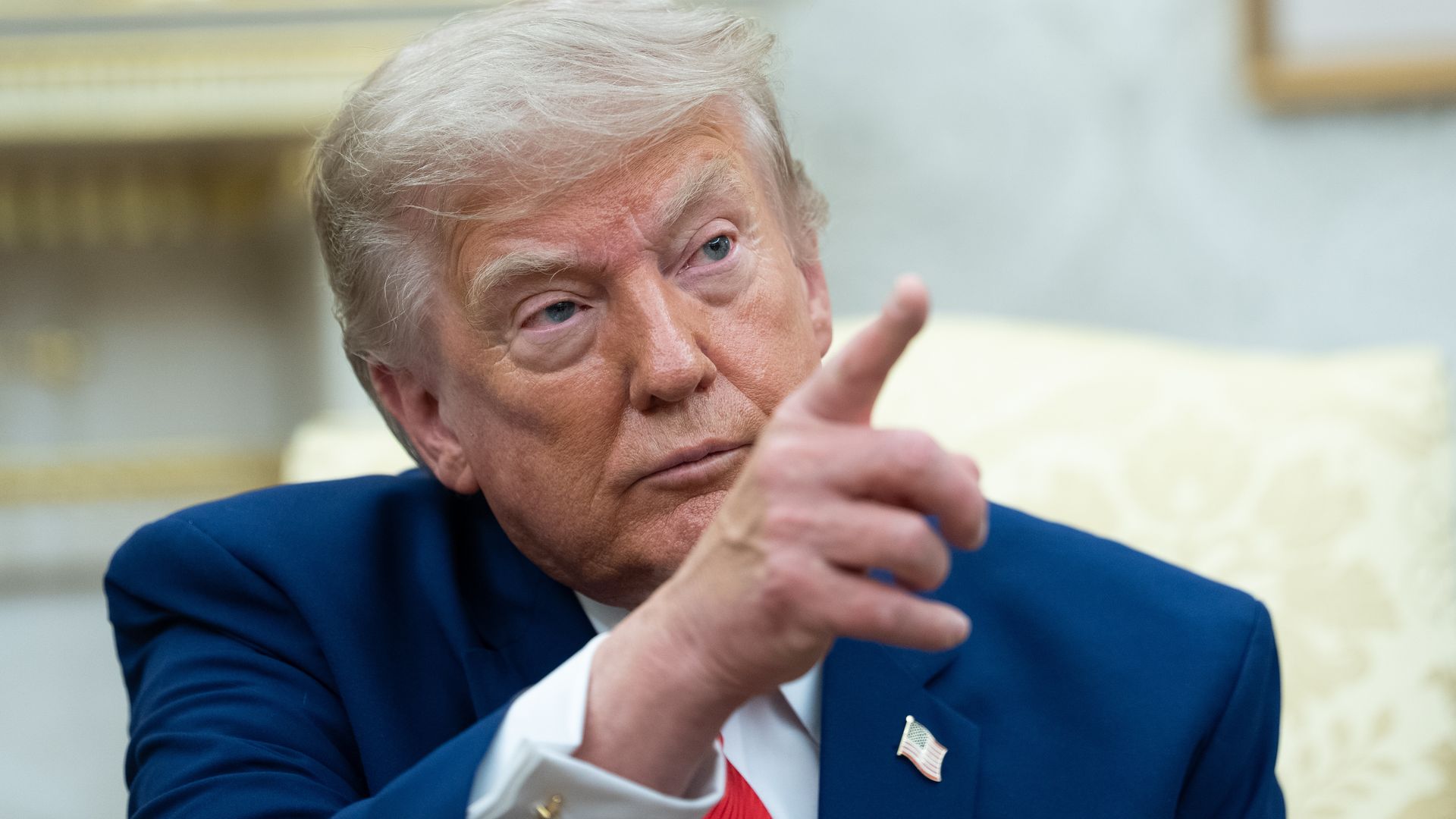
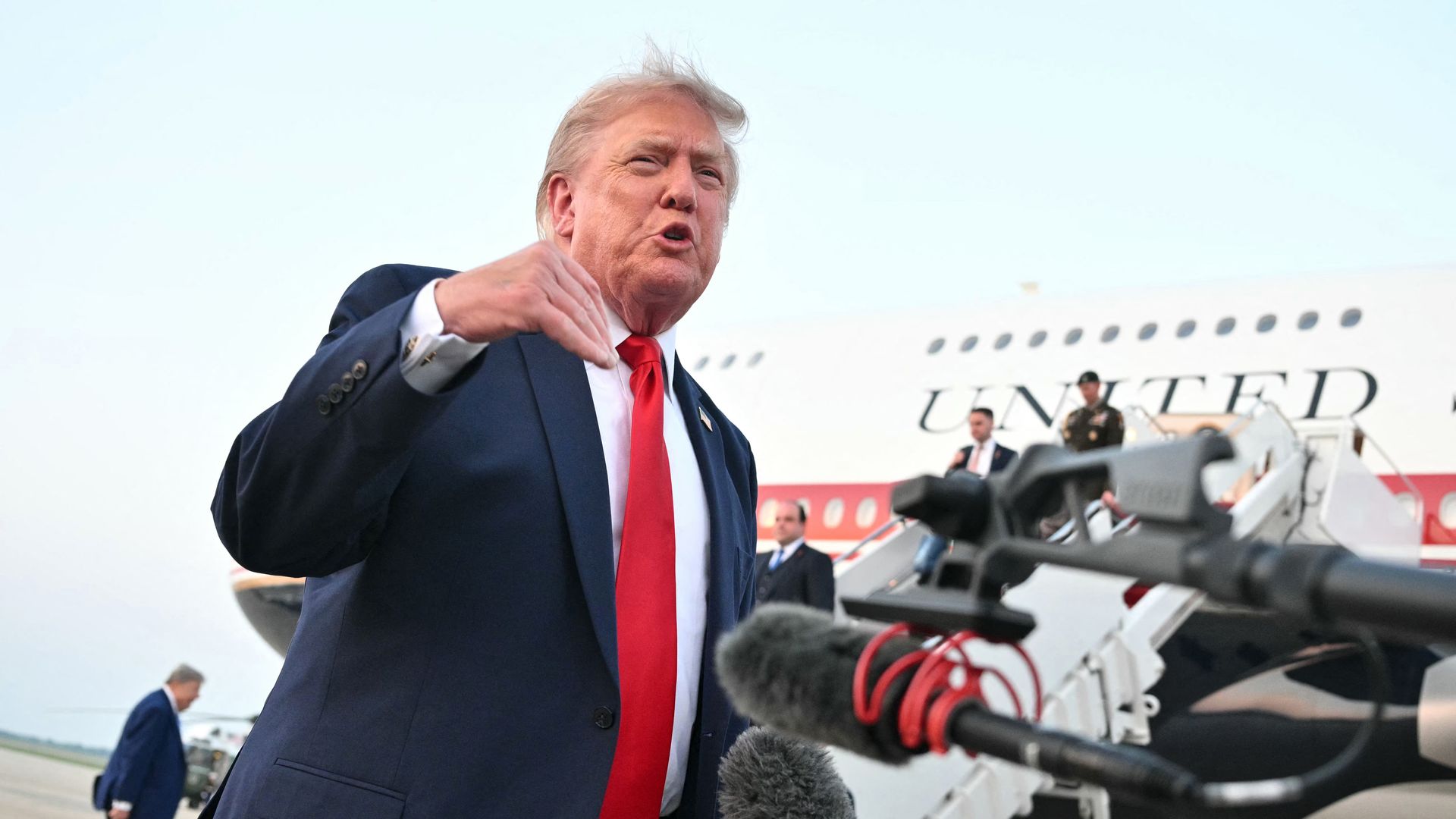
President Trump threatened Wednesday to destroy an Iranian bridge or power plant, including in Tehran, each time Iran attacks a ship in the Strait of Hormuz.
Why it matters:Trump sent the new threat as he considers both a ceasefire and a significant military escalation. His key condition for a ceasefire is for Iran to stop its attacks on ships and reopen the Strait of Hormuz.
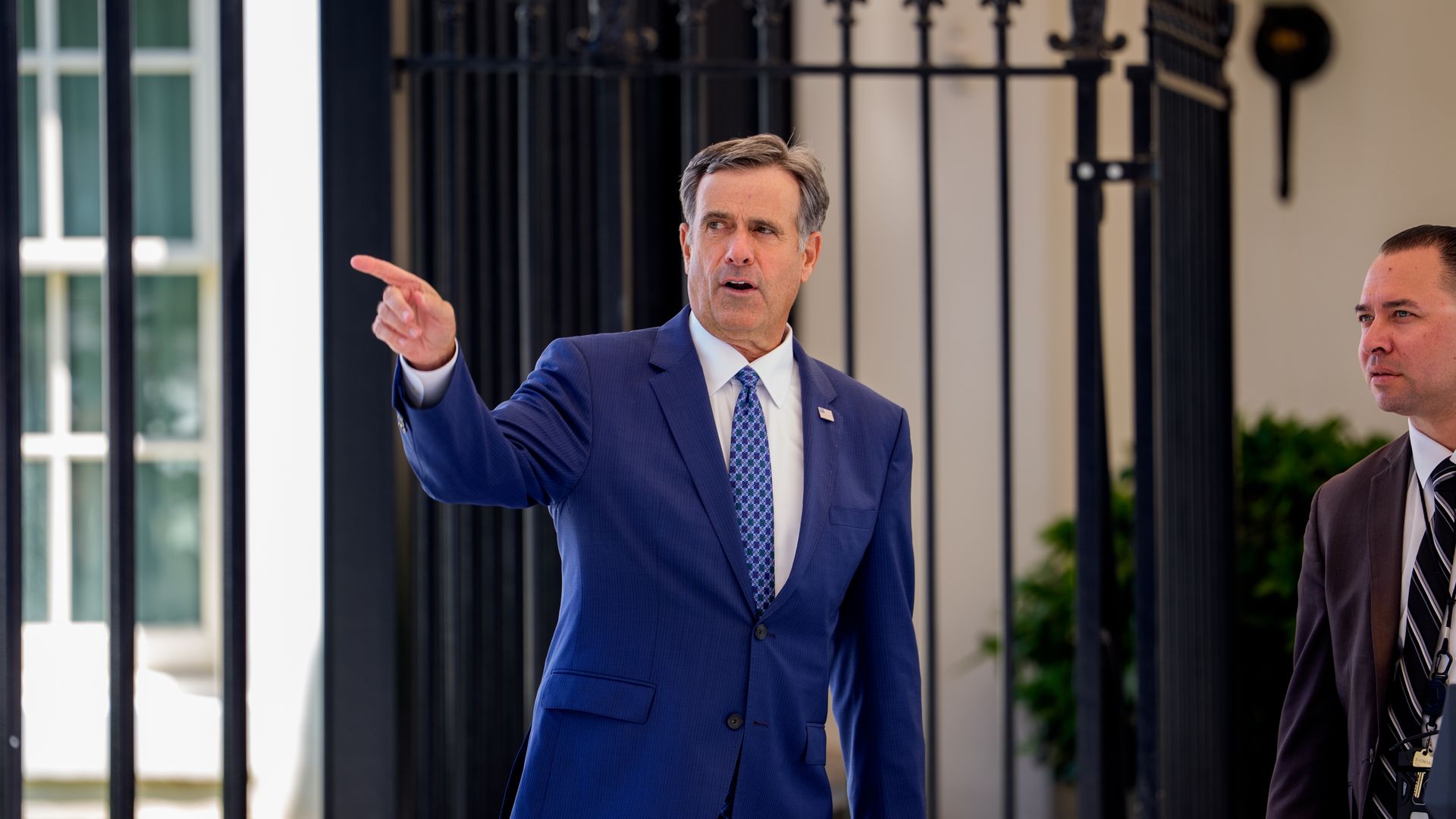
The new director of Israel's Mossad spy agency, Roman Gofman, visited Washington two weeks ago for talks about the war in Iran and the Iranian nuclear program, according to two sources with knowledge.
Why it matters: Gofman is one of the closest advisers to Israeli Prime Minister Benjamin Netanyahu. It was Gofman's first visit to Washington since he assumed office in June.
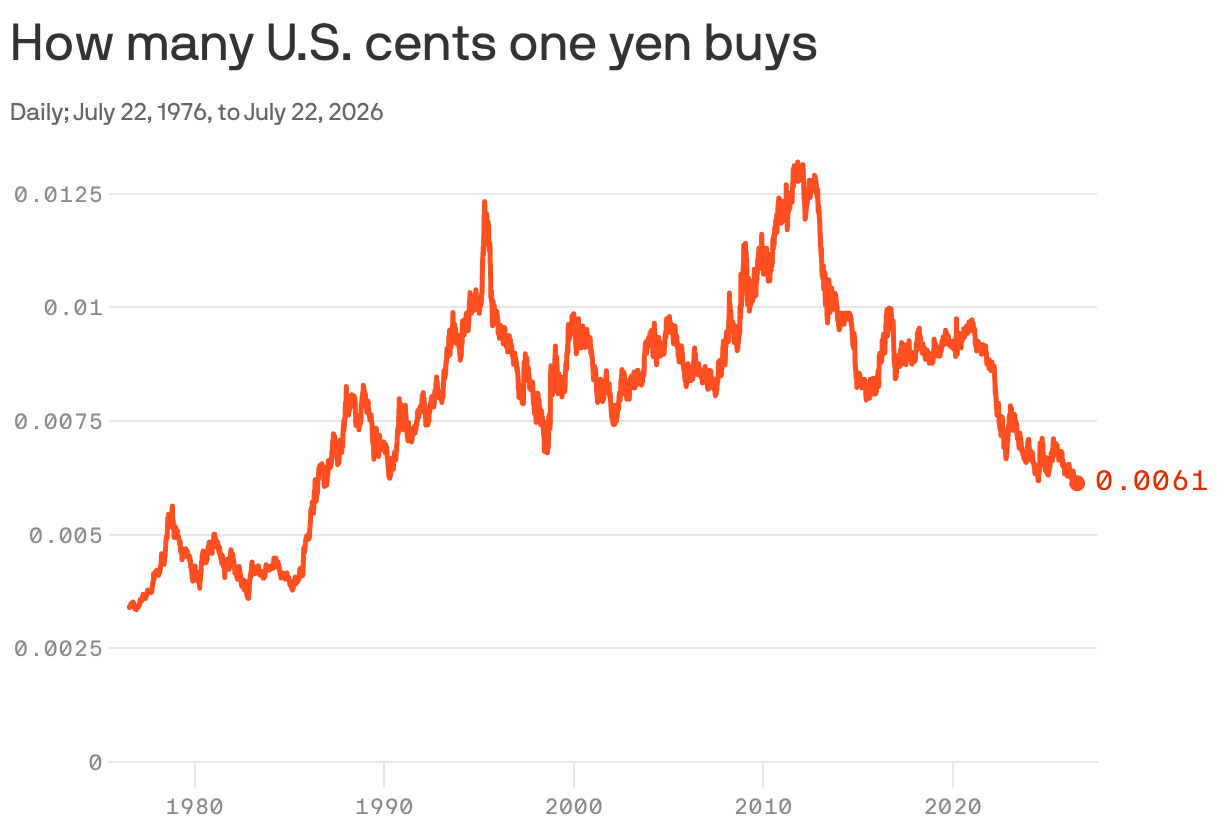
Look out below: The yen is hovering near its weakest level in almost 40 years, reflecting an increasingly lopsided global economy, where capital keeps flowing to the U.S.
Why it matters: The yen is being squeezed by both long-term and short-term forces.
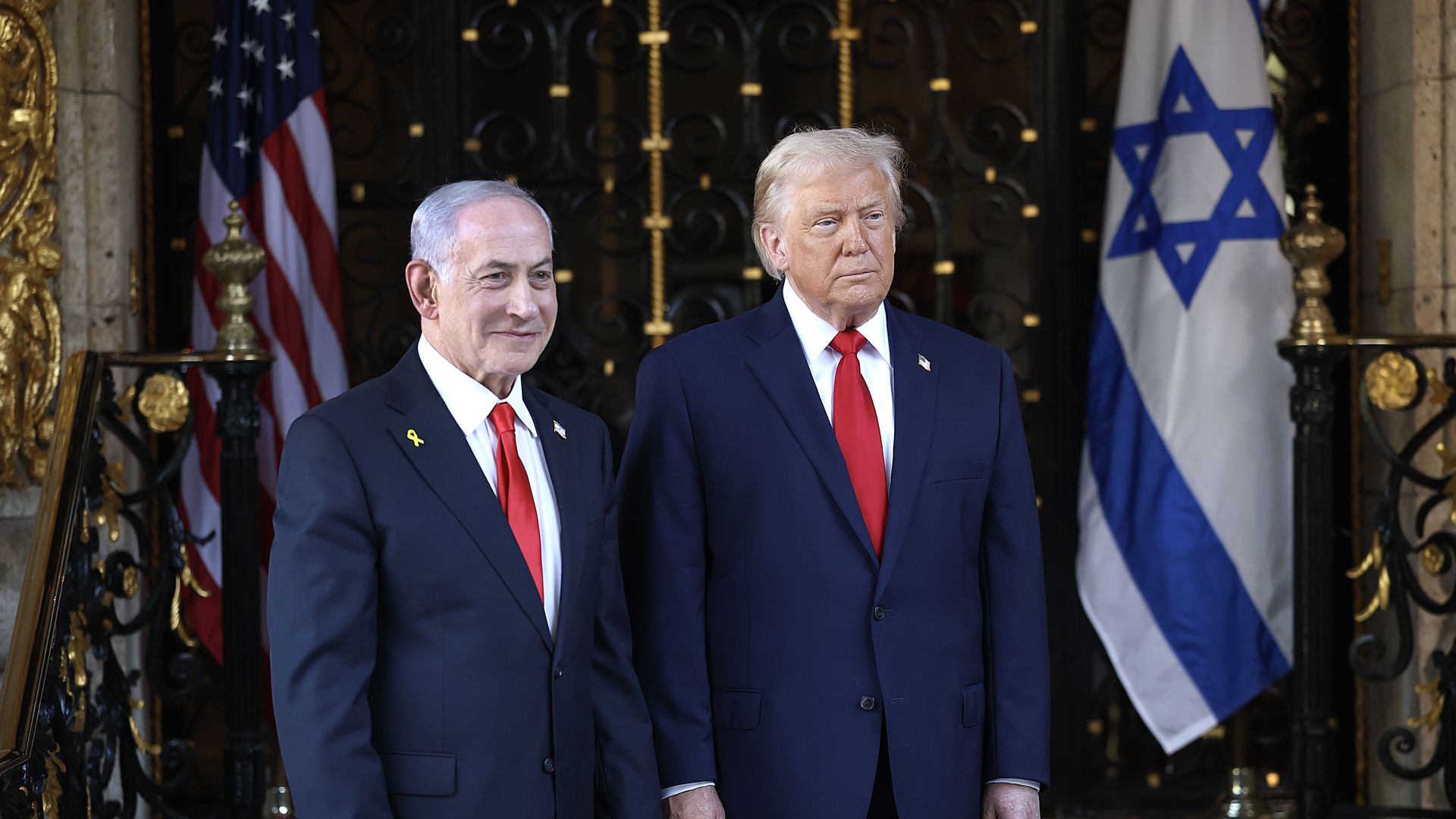
The White House and the Israeli Prime Minister's Office are discussing a potential Oval Office meeting between President Trump and Prime Minister Benjamin Netanyahu next week, but no meeting has been set yet, a White House official and an Israeli source familiar with the issue told Axios.
Why it matters: Trump is considering resuming major combat operations in Iran that would likely include a joint military campaign with Israel similar to the launch of Operation Epic Fury on Feb. 28. A meeting with Netanyahu could be significant for Trump's decision-making and for coordination between the countries.
China has poured billions of dollars into the stock market in recent days to snuff out a tech-led selloff, as it seeks to shore up confidence in the domestic economy.
Why it matters: It's a reminder that despite its prowess as an exporter of goods — and increasingly, AI technology — China remains dependent on exports for growth.
"These Chinese models are excellent," Huang told Axios' Mike Allen on Tuesday in an exclusive interview for our "Behind the Curtain" video series. "Open-source models that are excellent should be used."
Why it matters: The world's top AI chipmaker says American companies should "absolutely" be allowed to use Chinese models — a direct challenge to Trump officials and the U.S. labs lobbying Washington to shut them out.
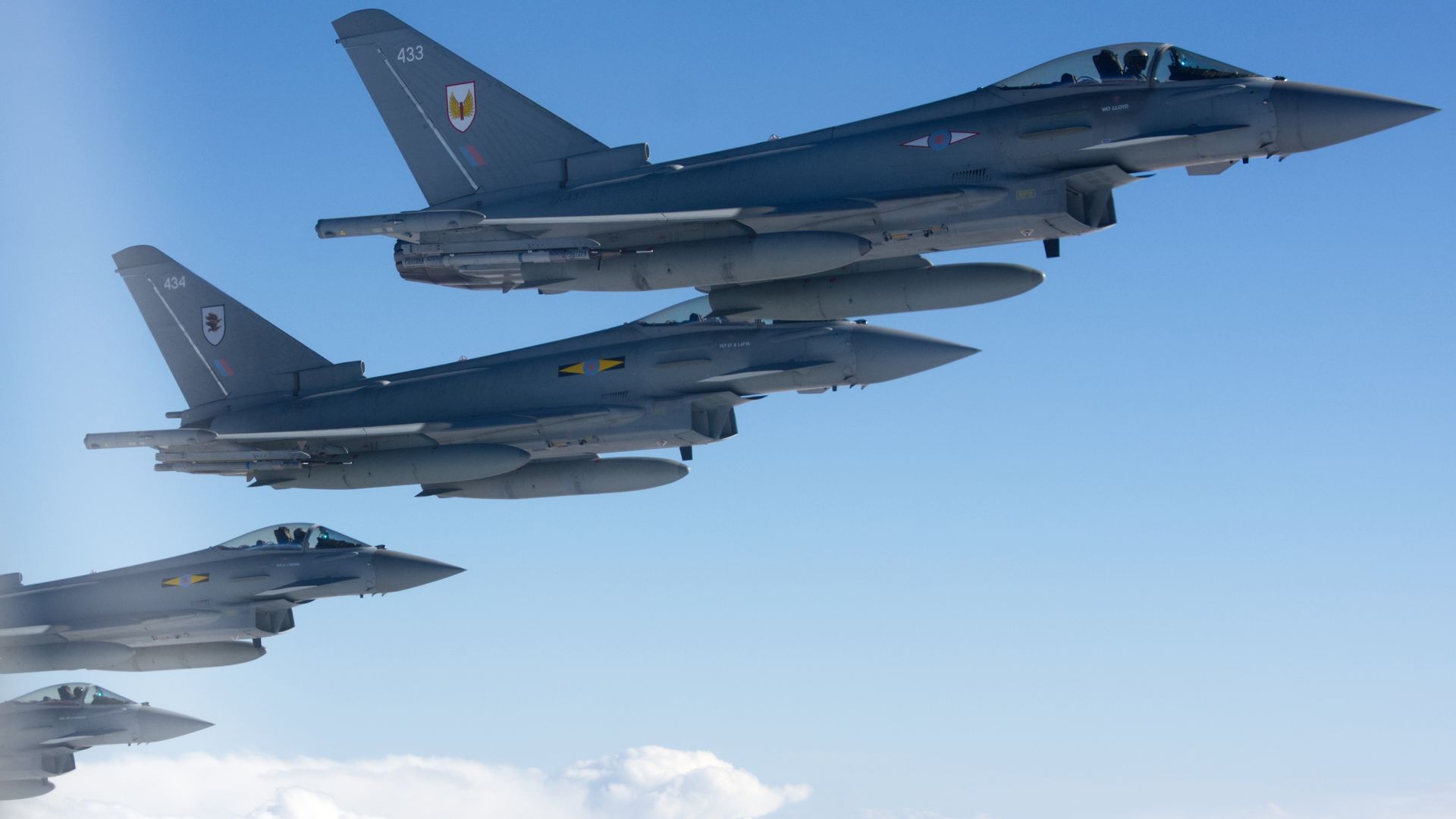
LONDON — The U.K. is betting big on drones and robo-wingmen, assigning a growing number of existing and in-development machines to spying, jamming and bombing roles.
Why it matters: The maturation of artificial intelligence and autonomy has sparked a global sprint to build and deploy hybrid fleets no matter the domain.
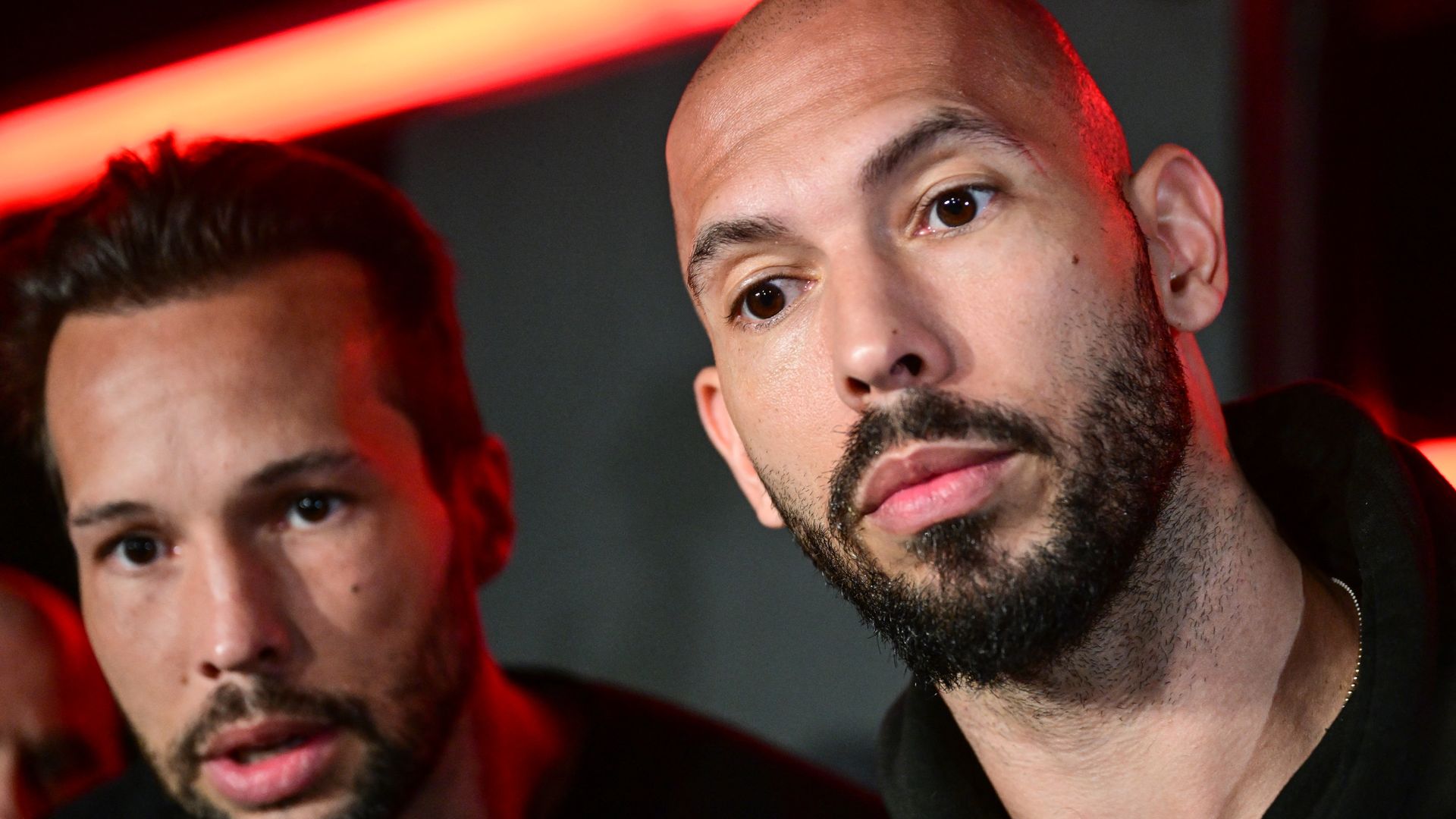
President Trump and Secretary of State Marco Rubio aren't planning to block the extradition to the U.K. of the Tate brothers, the notorious "manosphere" influencers accused of rape and human trafficking.
Why it matters: Andrew and Tristan Tate were part of the coalition of hyper-masculine social media voices advocating for Trump when he was reelected in 2024. The brothers have reported connections to two of Trump's sons and have had support from top Trump advisers.
OpenAI and Anthropic compete fiercely for customers. But in Washington, the two leading AI labs are aligning on one issue: warning policymakers about the risks of powerful Chinese open-weight AI models.
Why it matters: That shared position pits the top U.S. AI labs against researchers, startups and open-model advocates who argue broad access to AI is essential for competition and scientific progress.
Sunday's FIFA World Cup final drew more than 62.8 million viewers in the U.S., making it the most-watched World Cup final and soccer telecast in American history.
Why it matters: The record audience underscores soccer's growing popularity in the U.S. and is likely to boost the value of future media rights.
President Trump is invoking an unused provision of the 1930 Smoot-Hawley Tariff Act to impose additional tariffs on Canada over alleged discrimination against U.S. exports.
Why it matters: As the Supreme Court limits Trump's ability to wield tariffs and a temporary tariff stopgap expires, the president is turning to a rarely used tariff authority.
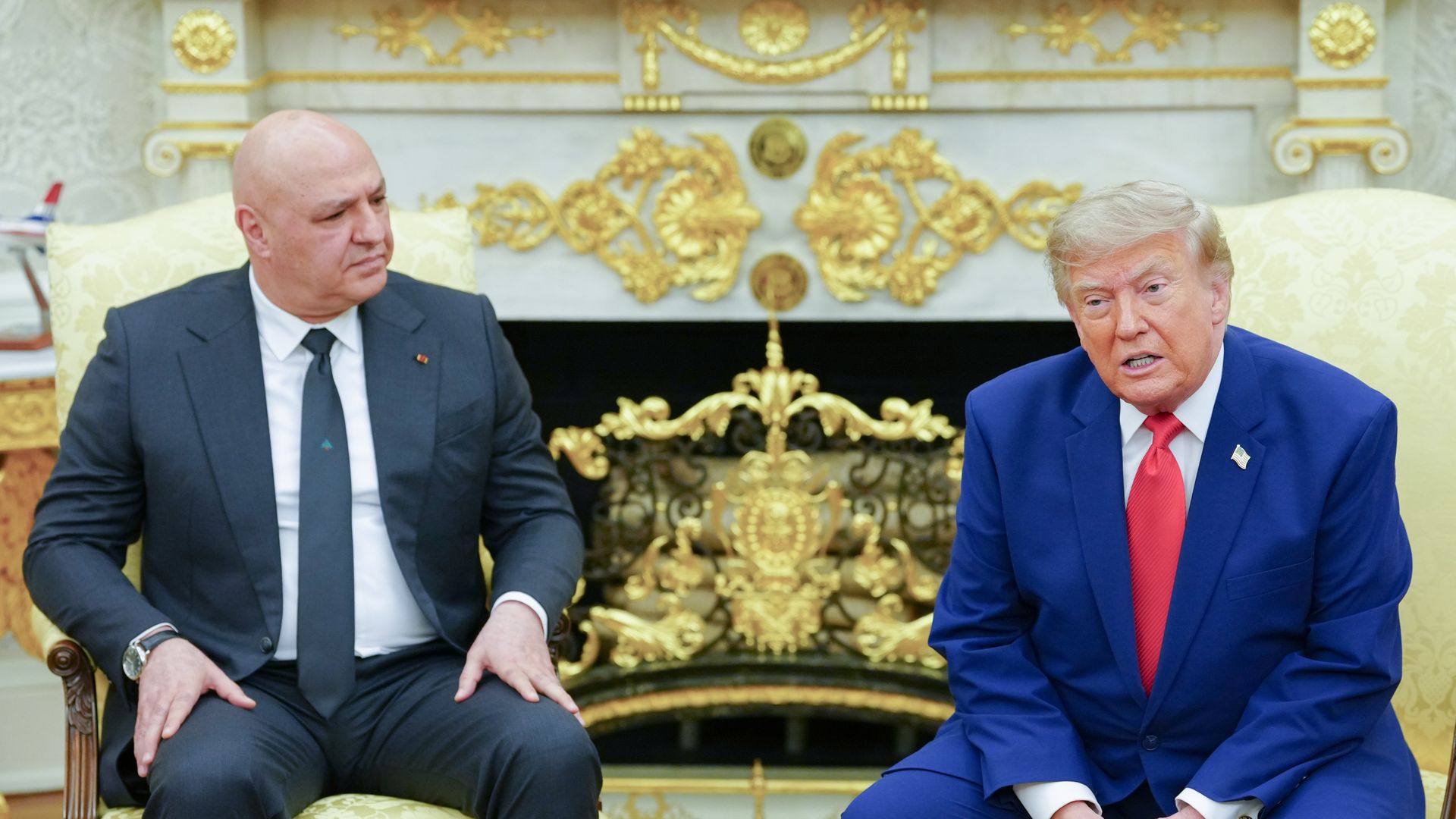
President Trump said Tuesday that the U.S. military will bomb Iran's Pickaxe Mountain, a deep underground site that the U.S. and Israel suspect could be used for nuclear activity.
Why it matters: Trump's remarks, at the top of his meeting with the president of Lebanon at the White House, signaled that he is not interested in a ceasefire at the moment and is moving towards escalating the strikes on Iran.
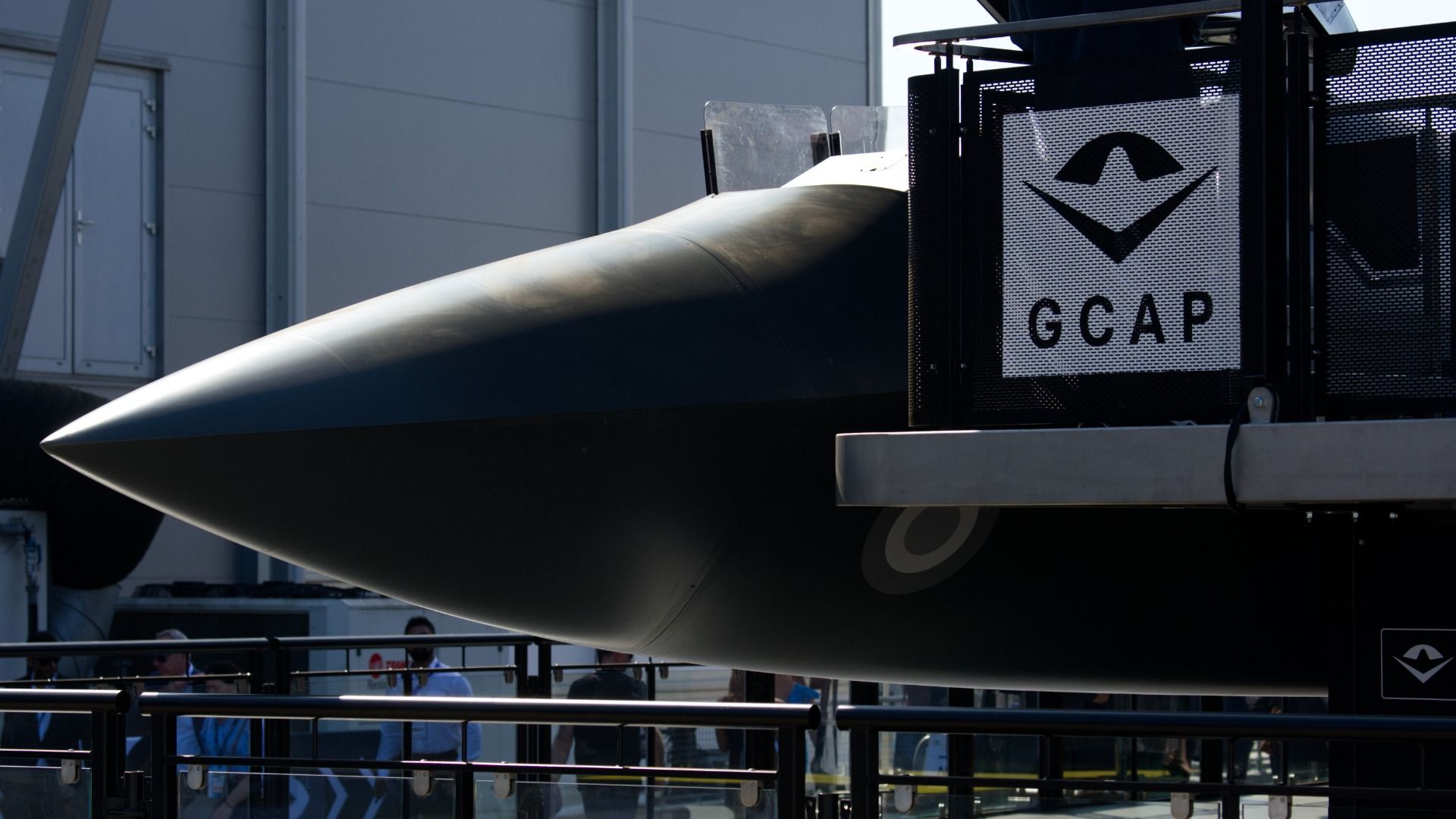
LONDON — Canada has joined the Global Combat Air Program as an observer, aligning with the British, Italians and Japanese on a potential sixth-generation stealthy warplane.
Why it matters: Canada could be moving away from the American arsenal, as it suggested in its first-ever defense-industrial strategy. Or it could be seeking the insights and prestige that come with such a sophisticated — but still in-the-works — aircraft.
Three months into the Iran war, bond market traders are tuning out President Trump's posts on his personal social media site, Truth Social, analysts say.
Why it matters: Researchers from JPMorgan show that for the most part, his social media posts are noise, with very little ability to move the market.
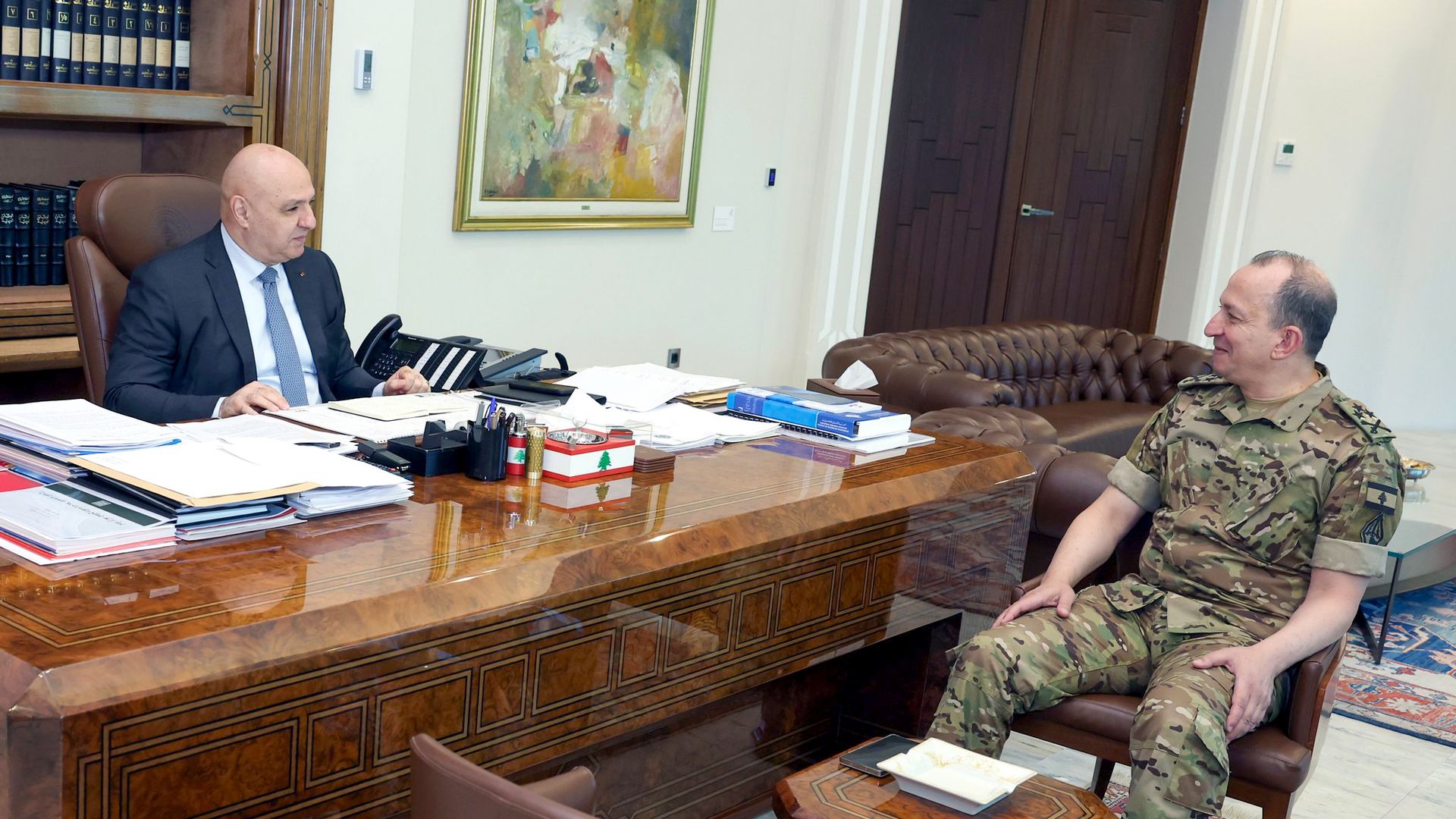
Lebanese President Joseph Aoun will meet President Trump in the Oval Office on Tuesday — a sit-down that comes as the Israeli military begins its first withdrawal from Lebanon under a U.S.-brokered agreement.
Why it matters: The Trump administration is politically invested in strengthening Aoun, isolating Hezbollah and pushing for an Israeli-Lebanese peace agreement.
A white separatist group is openly planning a network of whites-only settlements across rural America that aim to withstand legal challenges by operating essentially as private clubs.
Why it matters: The communities are launching in the Ozarks, Appalachia and the South as the Trump administration has backed off prosecuting many civil rights cases.
President Trump is nearing a decisive fork in the Iran war, with U.S. and Israeli officials envisioning only two viable endgames:
Option 1: Pursue a new 10-day ceasefire aimed at reopening the Strait of Hormuz.
Option 2: Launch a massive joint military campaign with Israel to force Tehran's capitulation.
Why it matters: Trump hasn't made a decision yet. Butofficials believe the next few days will determine which path prevails — with little room left for the grinding, open-ended conflict now paralyzing the Gulf.