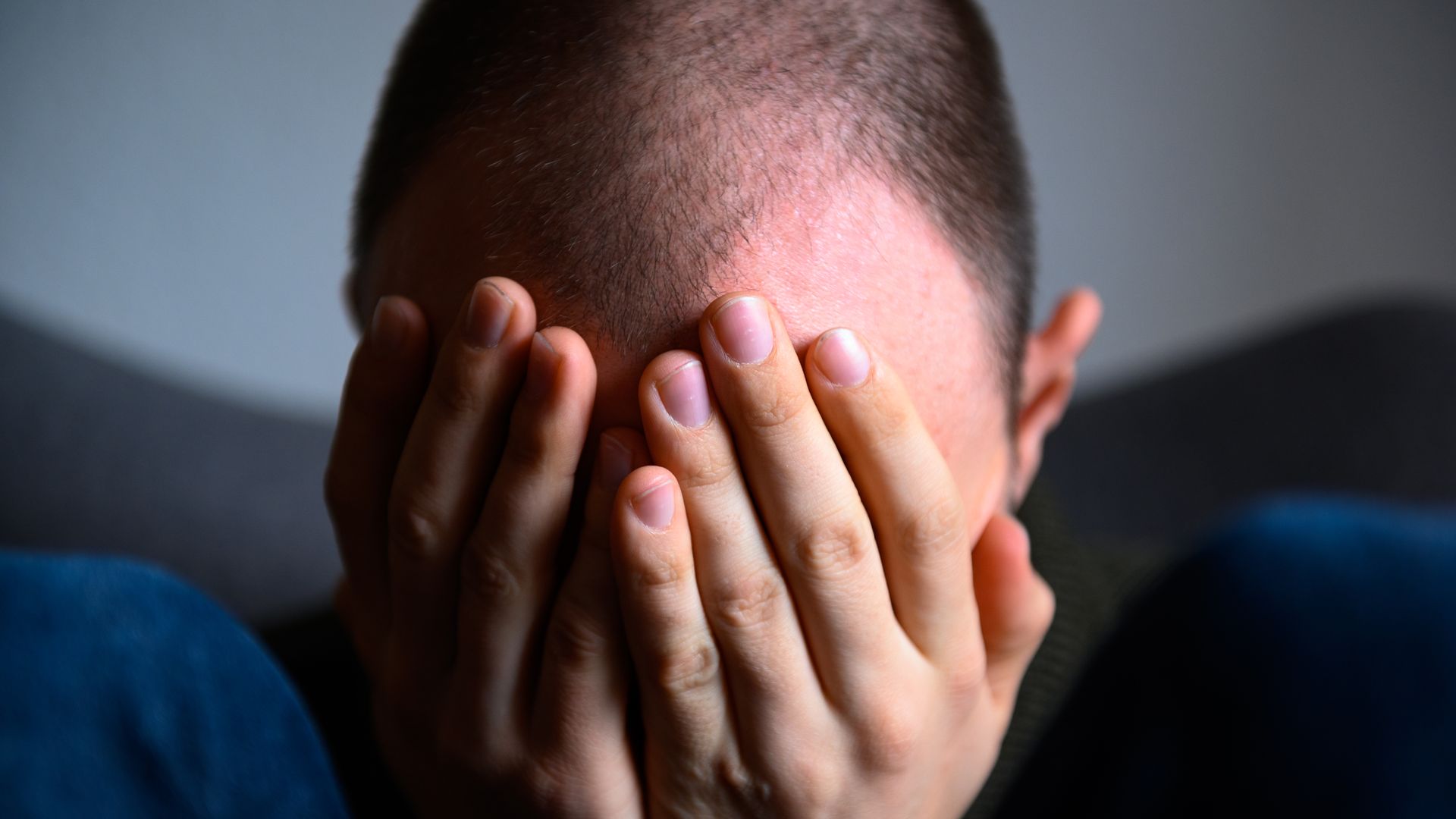
About half of the world's population "can expect to develop" at least one type of mental disorder by the time they are 75 years old, according to a new study published in the scientific journal The Lancet Psychiatry.
Why it matters: The number of Americans experiencing mental health challenges has risen in recent years, particularly during the pandemic. The study finds evidence that certain disorders — such as depression and addiction — are also on the rise at the global level.
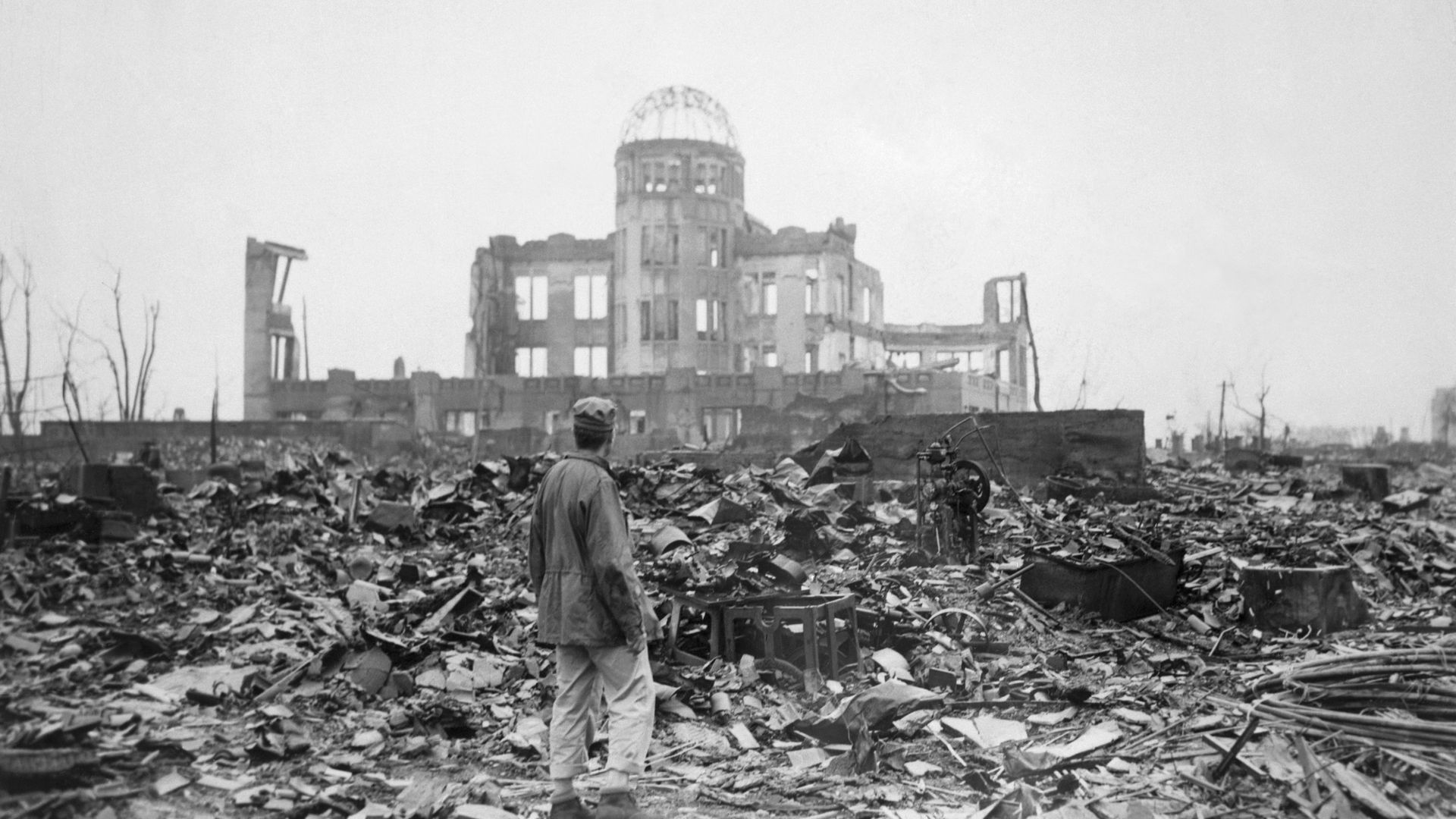
"Oppenheimer" has generated backlash in Japan, for what critics argue is its failure to fully grapple with the destructive reality of the attacks on Hiroshima and Nagasaki, and its celebration of the “father of the atomic bomb.”
Why it matters: While the film does chronicle J. Robert Oppenheimer's guilt over the deployment of the weapon he helped create, it doesn't truly show "what happened under the mushroom cloud,” Keiko Tsuyama, a former staff writer for Kyoto News who covered the aftermath of the bombing in Nagasaki, tells Axios.
A 44-year-old agreement that established a framework for the U.S. and China to cooperate on scientific research is set to expire at the end of August — putting a longstanding pillar of relations between the two countries in question.
Why it matters: Whether the agreement — the first signed between the U.S. and China when they normalized relations in the late 1970s — is renewed, reworked or left to expire will send a signal to Beijing. Politicians and practitioners are now debating what exactly that message should be.
Following a long lull, Chinese buyers once again dominated foreign purchases of U.S. homes in recent months, according to a new report.
Why it matters: For years, Chinese nationals made up the largest group of foreign buyers of U.S. homes, but their share plunged during the pandemic when they faced strict lockdowns and travel restrictions. The latest data from the National Association of Realtors indicates that Chinese homebuyers are making a comeback in the U.S.
A Russian court on Friday sentenced imprisoned opposition leader Alexei Navalny to 19 more years in prison after convicting him of several extremism-related charges that the Putin critic says are politically motivated, AP reported.
The big picture: Navalny, a fierce foe of Russian President Vladimir Putin, was already serving more than 11 years in prison on an array of trumped-up charges.
A key Biden administration policy imposing harsh asylum restrictions on migrants at the U.S.-Mexico border can remain in effect for now, a federal appeals court ruled Thursday.