Pew polled 17 wealthy countries about the divisions that exist in their societies: politics, race, region and urban/rural.
Key findings: In 14 of the countries, respondents were mostly likely to say that politics was a source of strong divisions, ranging from 90% in the U.S. and South Korea to 52% in the U.K., 44% in Canada, 39% in Japan and 33% in Singapore.
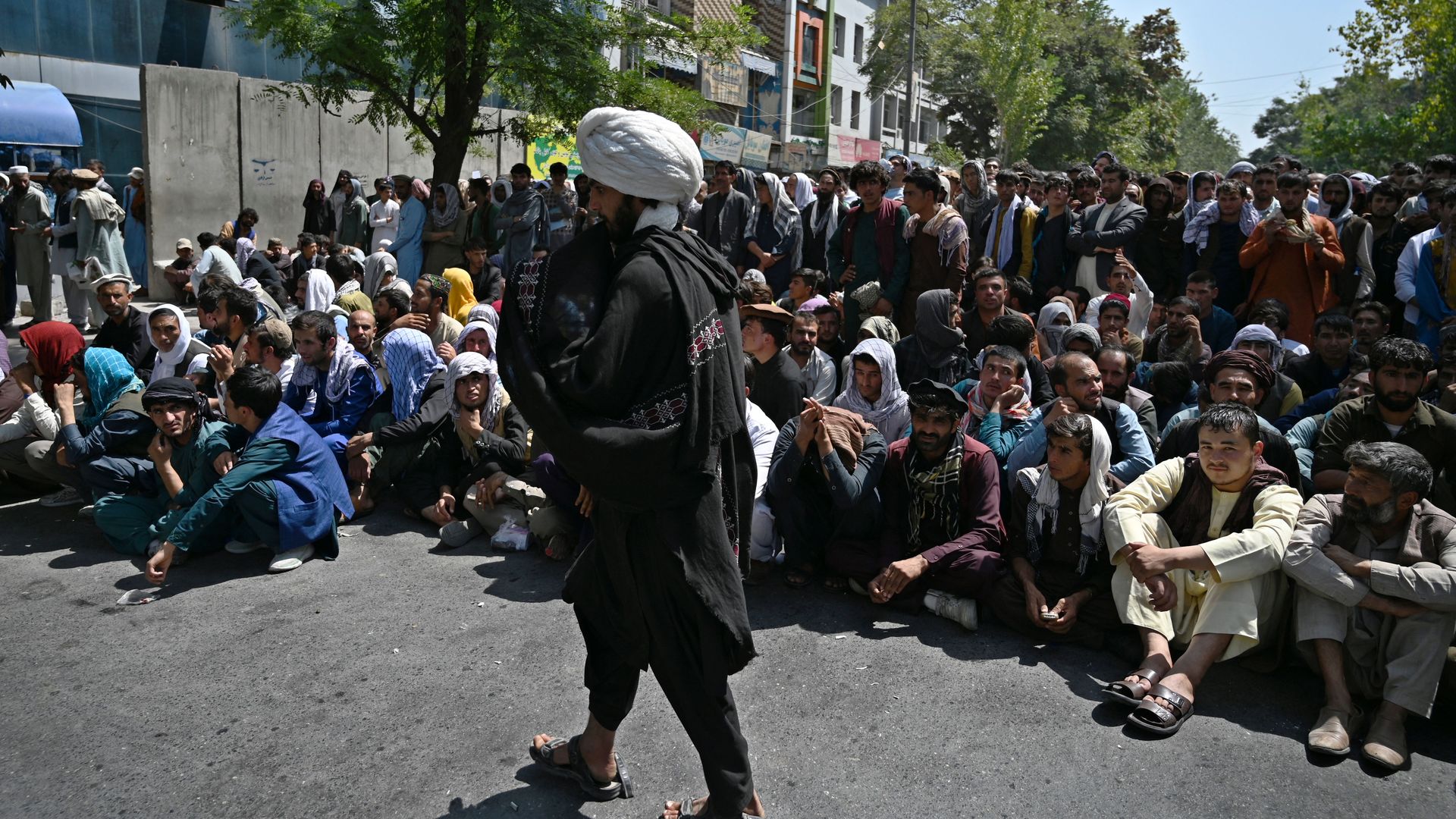
With the Afghan government and economy starved of cash, the Taliban are pressing their claim to the roughly $8 billion in Afghan foreign reserves that have been frozen by the U.S.
Why it matters: Afghanistan is barreling into a humanitarian crisis, and donor countries and international institutions have cut off the aid that accounted for some 75% of the previous government’s budget.
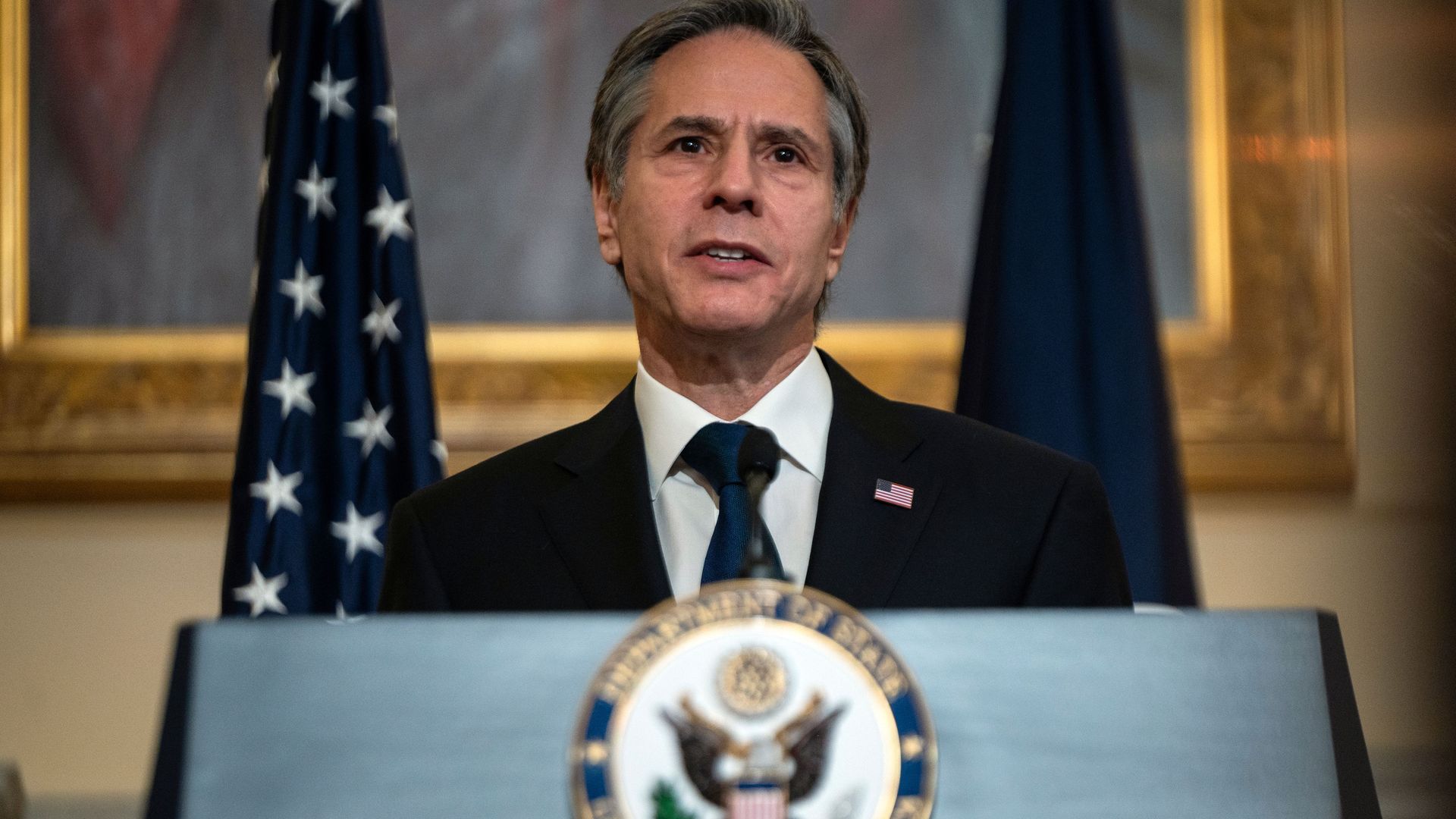
The U.S. has been elected to rejoin on the UN Human Rights Council, the State Department announced Thursday, three years after former President Trump walked out on the panel citing bias against Israel.
Flashback: The Biden administration announced in February it planned to rejoin the council, acknowledging what it called an "unacceptable bias against Israel," but arguing that being a member would help the U.S. advance its own interests.
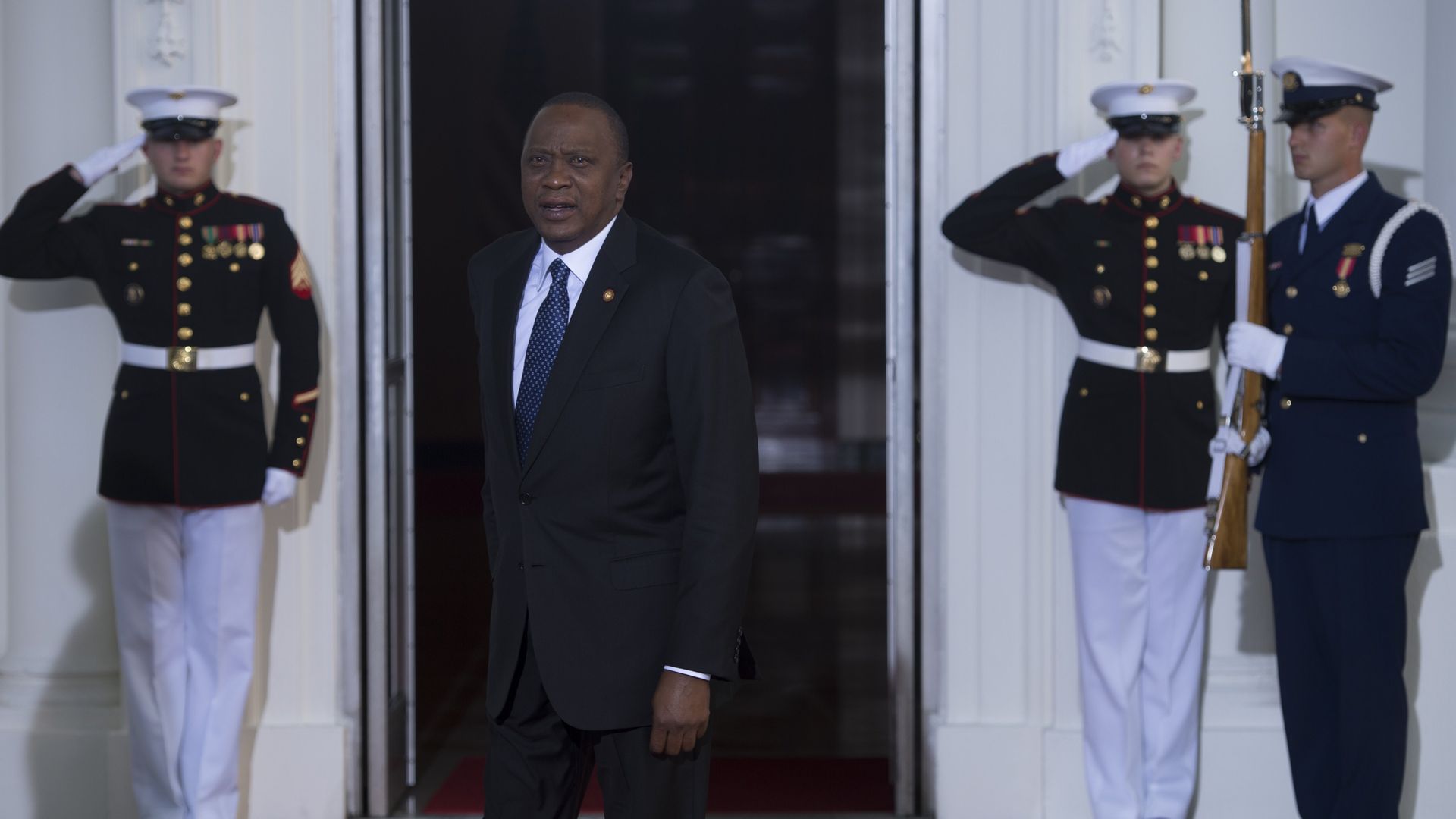
President Biden will announce Thursday during a visit by Kenyan President Uhuru Kenyatta to the White House that the U.S. will donate an additional 17 million doses of the Johnson & Johnson vaccine to the African Union.
Why it matters: Biden is belatedly seeking to bolster U.S. engagement with the region, which has been a low priority as the administration goes all in on countering China in the Indo-Pacific. But Biden's choice for the first African leader to visit his White House has raised some eyebrows.
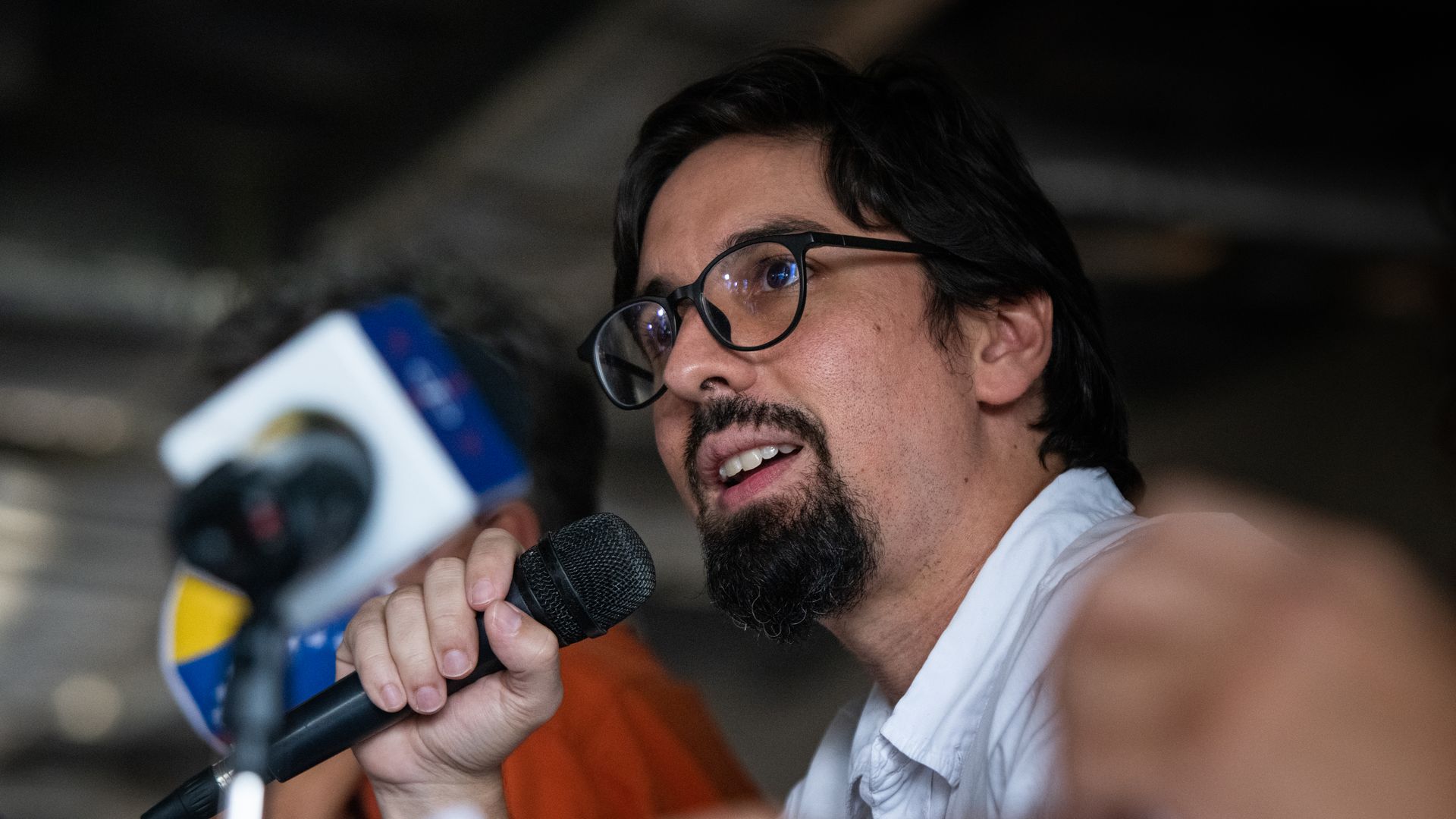
Venezuelan opposition leader Freddy Guevara has lost his freedom twice at the hands of Nicolás Maduro’s regime, but he now sees a "window of opportunity" to bring about free and fair elections.
Why it matters: Guevara and other opposition delegates have been holding negotiations in Mexico with officials from Maduro's government since September. The opposition is pressing for free presidential elections, while Maduro’s side wants sanctions relief and access to Venezuelan assets overseas.
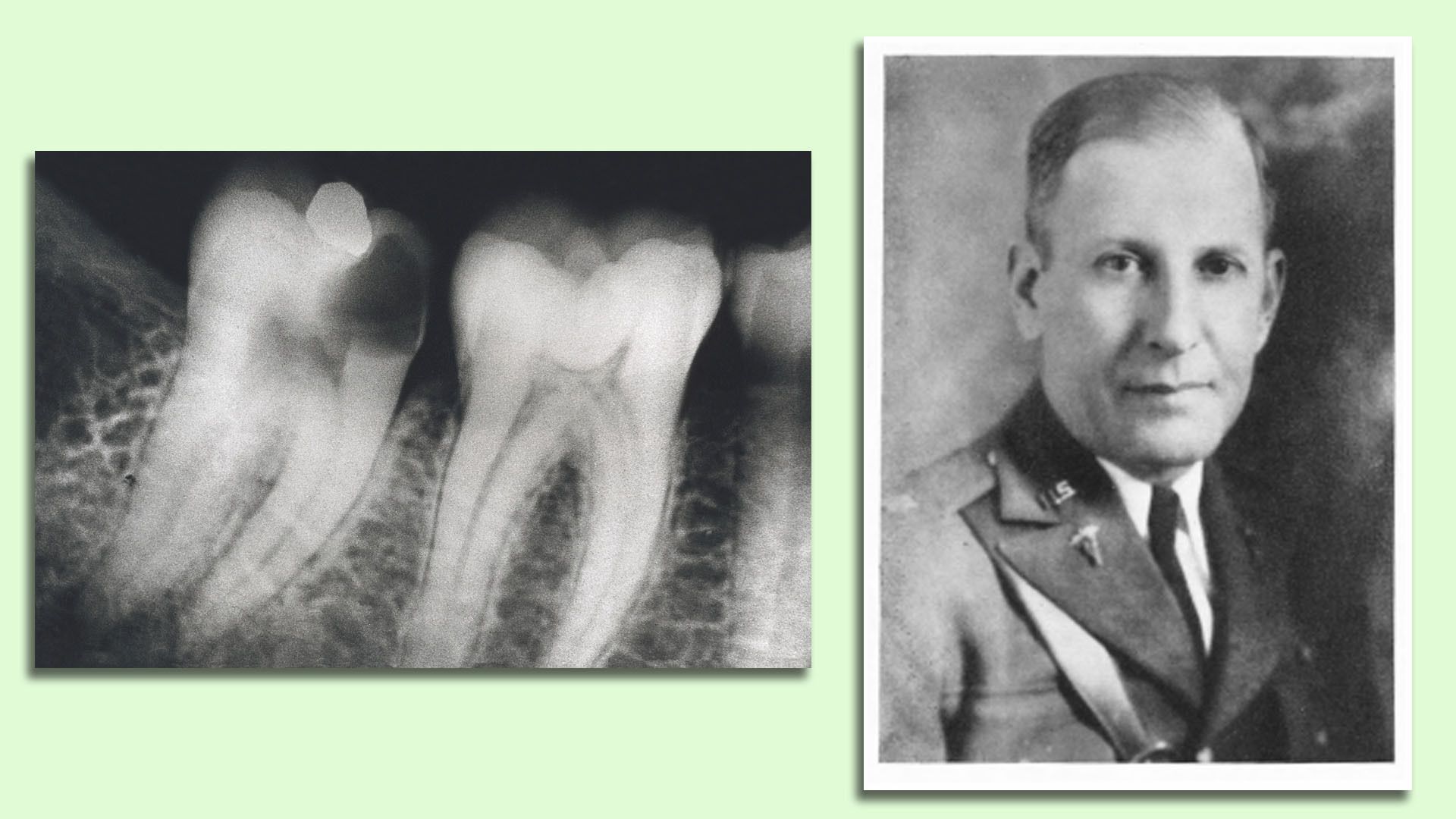
A Puerto Rican dentist was the first to find conclusive evidence of how bacteria cause dental cavities and tooth decay, identifying which types of Lactobacillus were responsible.
Why it matters: The discovery by odontologist and U.S. Army Major Fernando Rodríguez Vargas helped identify how mouth hygiene and diet can influence the “periodic fluctuations” of the caries-causing Lactobacillus bacteria.
LinkedIn on Thursday said it will sunset the localized version of its app in China and will instead launch a new job boards app called "InJobs" later this year.
Why it matters: In a statement, the company said it's making these changes because it's facing "a significantly more challenging operating environment and greater compliance requirements in China."
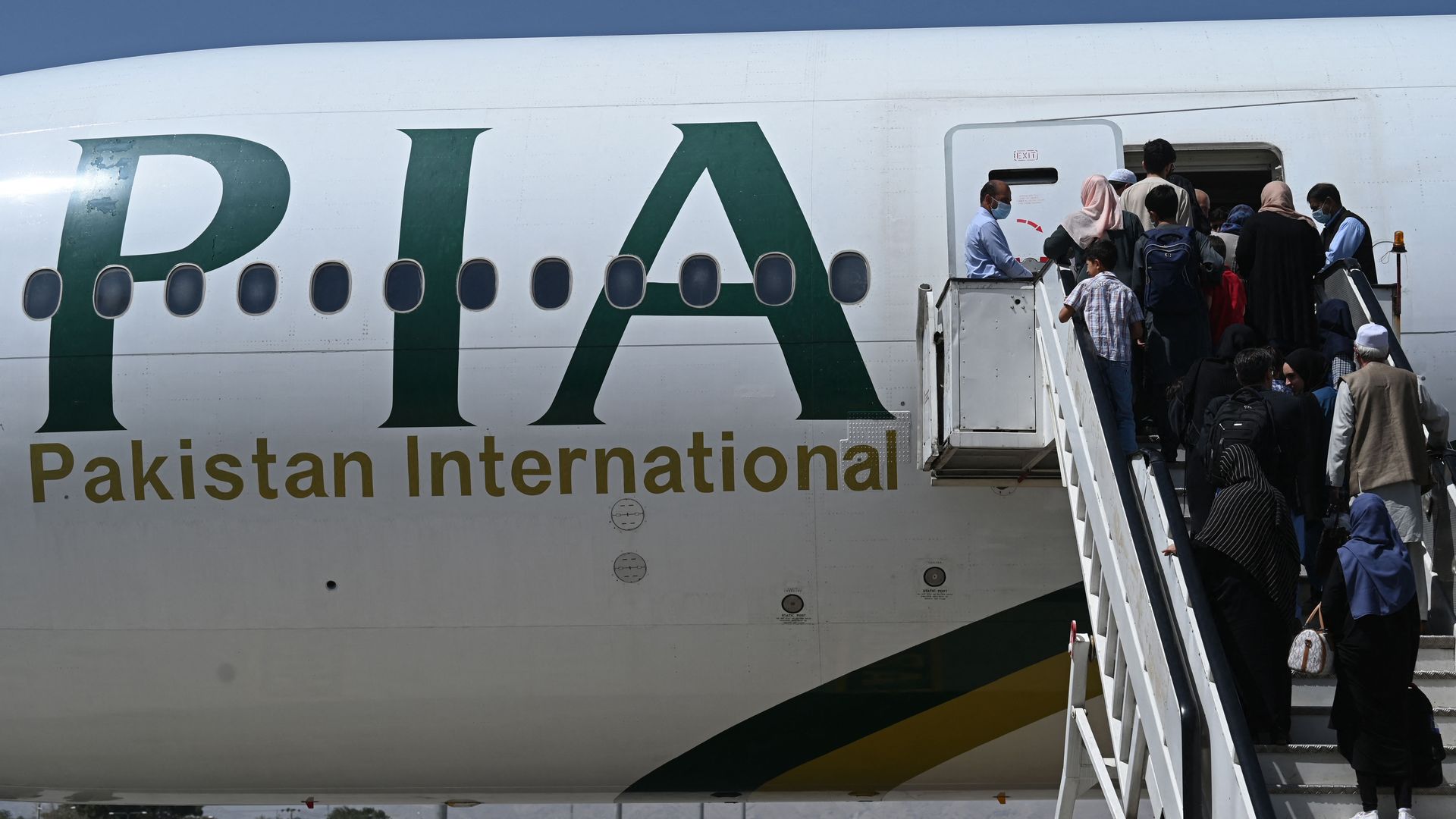
Pakistan International Airlines on Thursday halted flights to Kabul after what it called "heavy-handedness" of Taliban authorities, Reuters reports.
Driving the news: The suspension comes after the Taliban ordered PIA to slash ticket prices, warning that the company's Afghan operations could be blocked if it refused to do so, per Reuters.
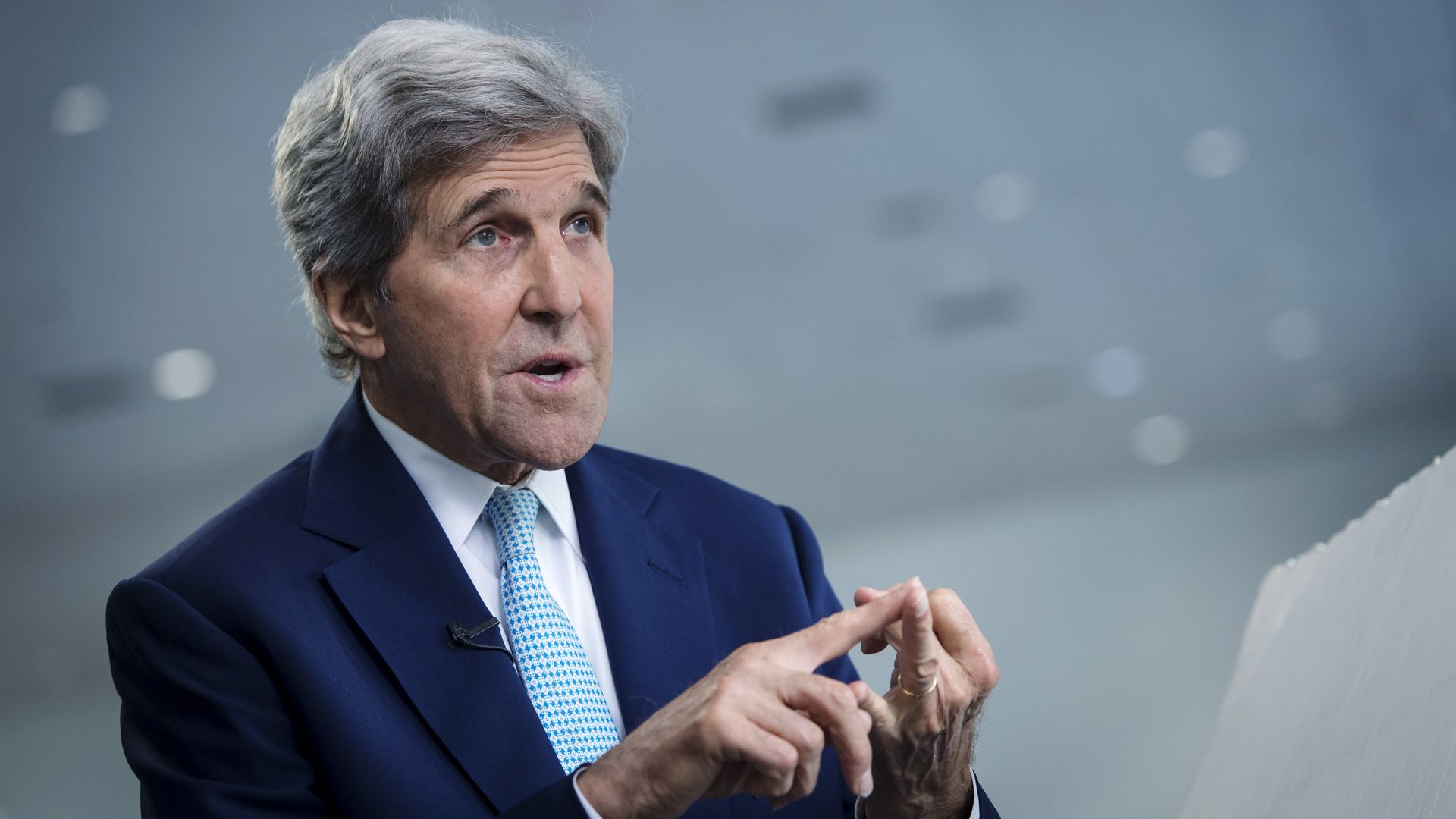
U.S. climate envoy John Kerry says COP26 may not get all the results he has been working toward, in part because Congress has yet to act on President Biden's ambitious climate agenda.
Driving the news: In an interview with the AP, Kerry says the negotiations in Glasgow, Scotland, may fall short of securing commitments from major emitters to stop burning coal and commit to aggressive near-term emissions cuts.
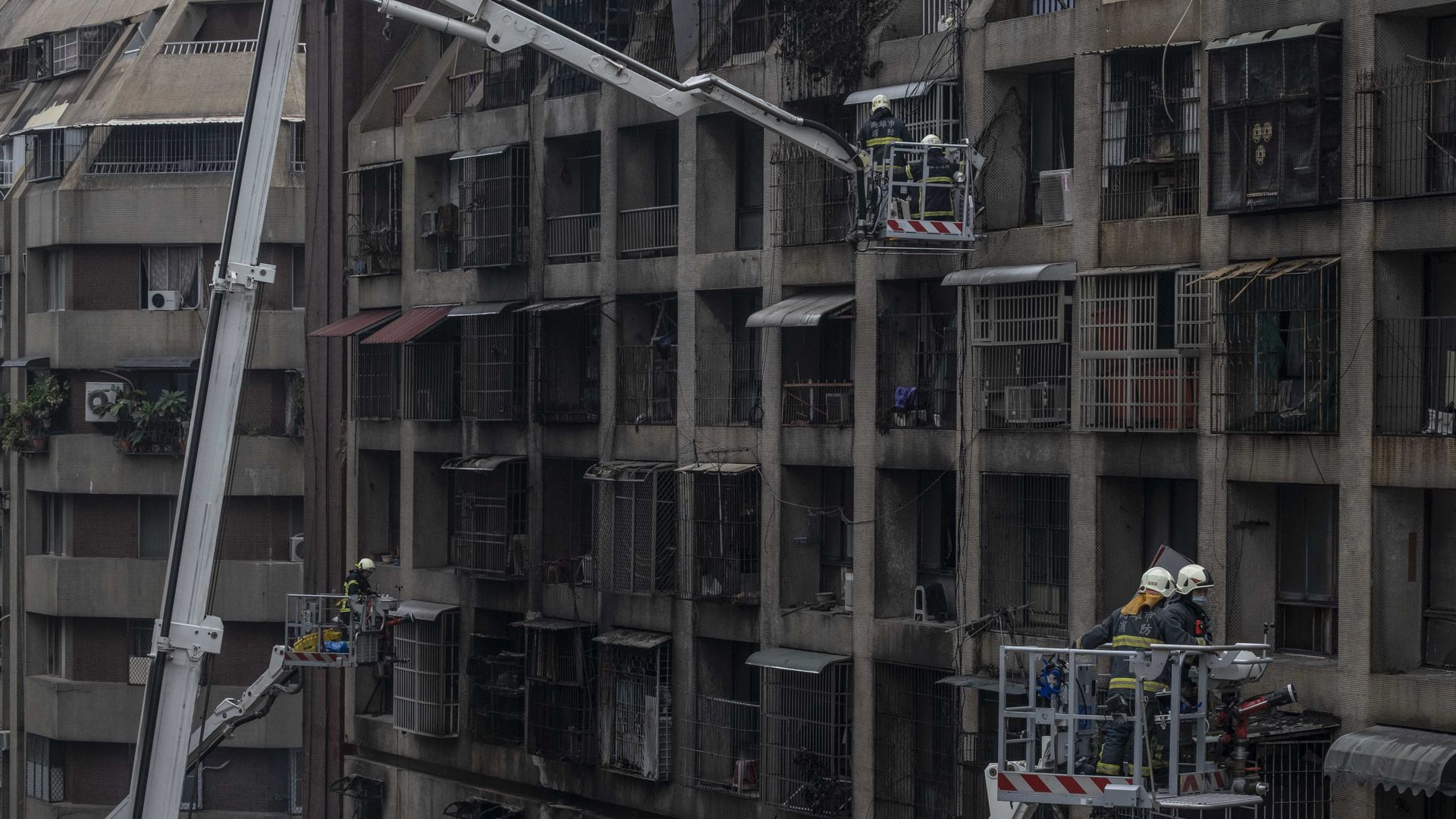
At least 46 people are dead and another 41 are injured after a fire engulfed a 13-story residential building in Kaohsiung, Taiwan, on Thursday, making it one of the country's deadliest fires in decades.
The big picture: The fire department said the blaze, which started about 3am local time from currently unknown causes, destroyed multiple floors of the building, which was already badly damaged from a fire two decades ago, according to the New York Times.
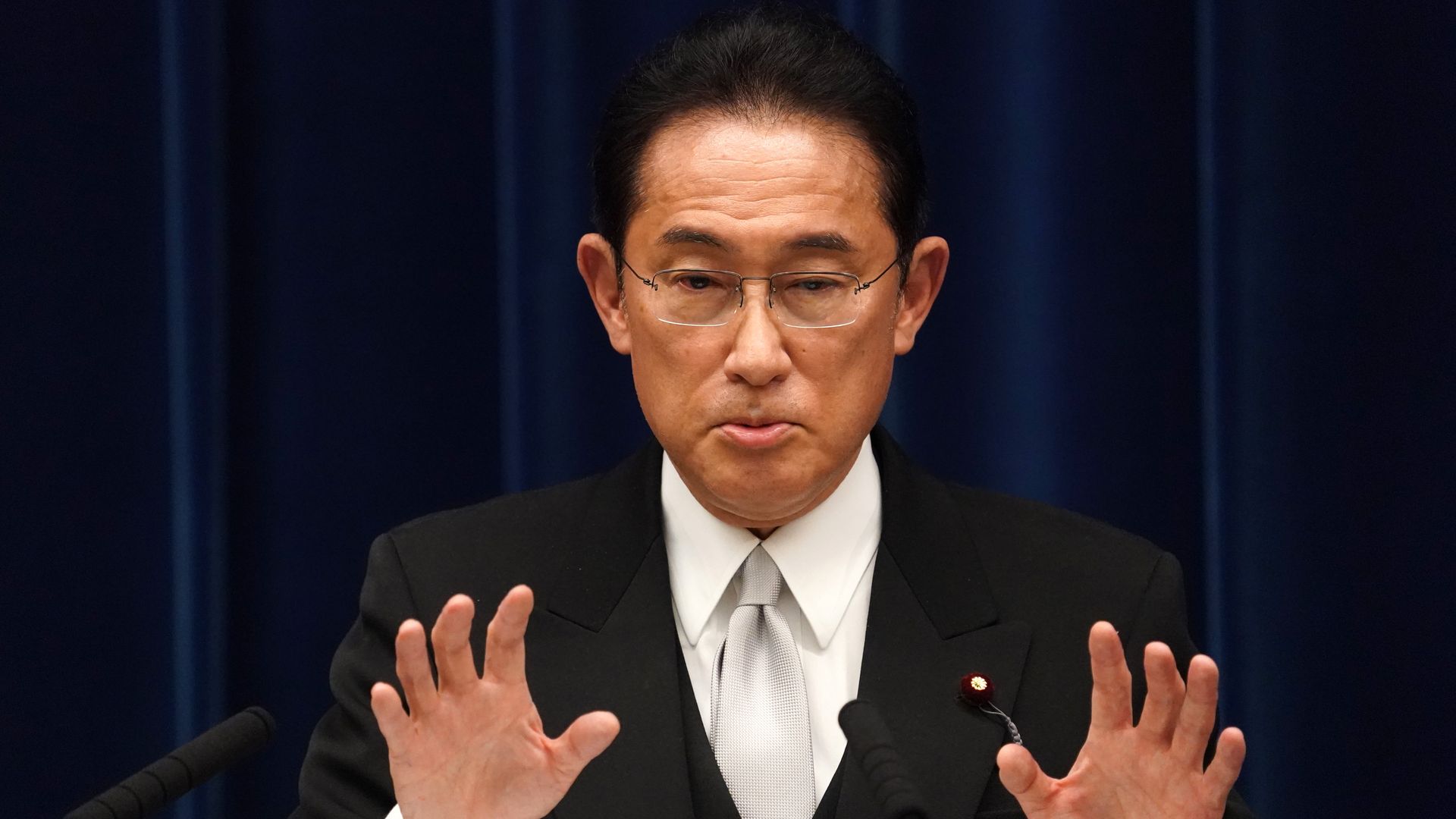
Japanese Prime Minister Fumio Kishida dissolved the lower house of the country's Parliament on Thursday, clearing the way for elections on Oct. 31, per Reuters.
Why it matters: Kishida is seeking a mandate to govern 10 days after he was elected as prime minister by Japan's Parliament. The country faces the threat of a potential COVID-19 resurgence while trying to revive the world's third-largest economy and working with the U.S. and other allies to address security threats.