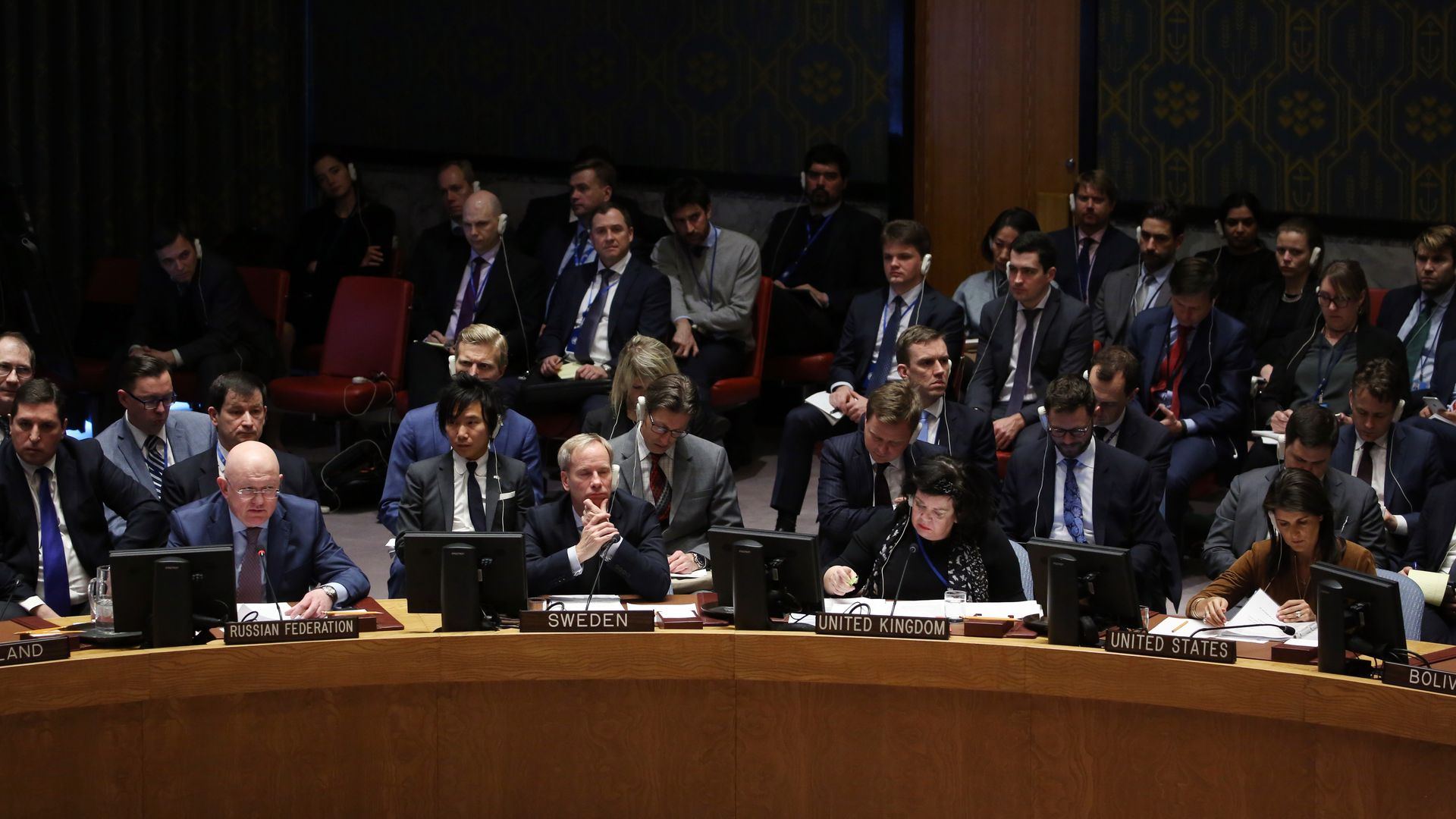
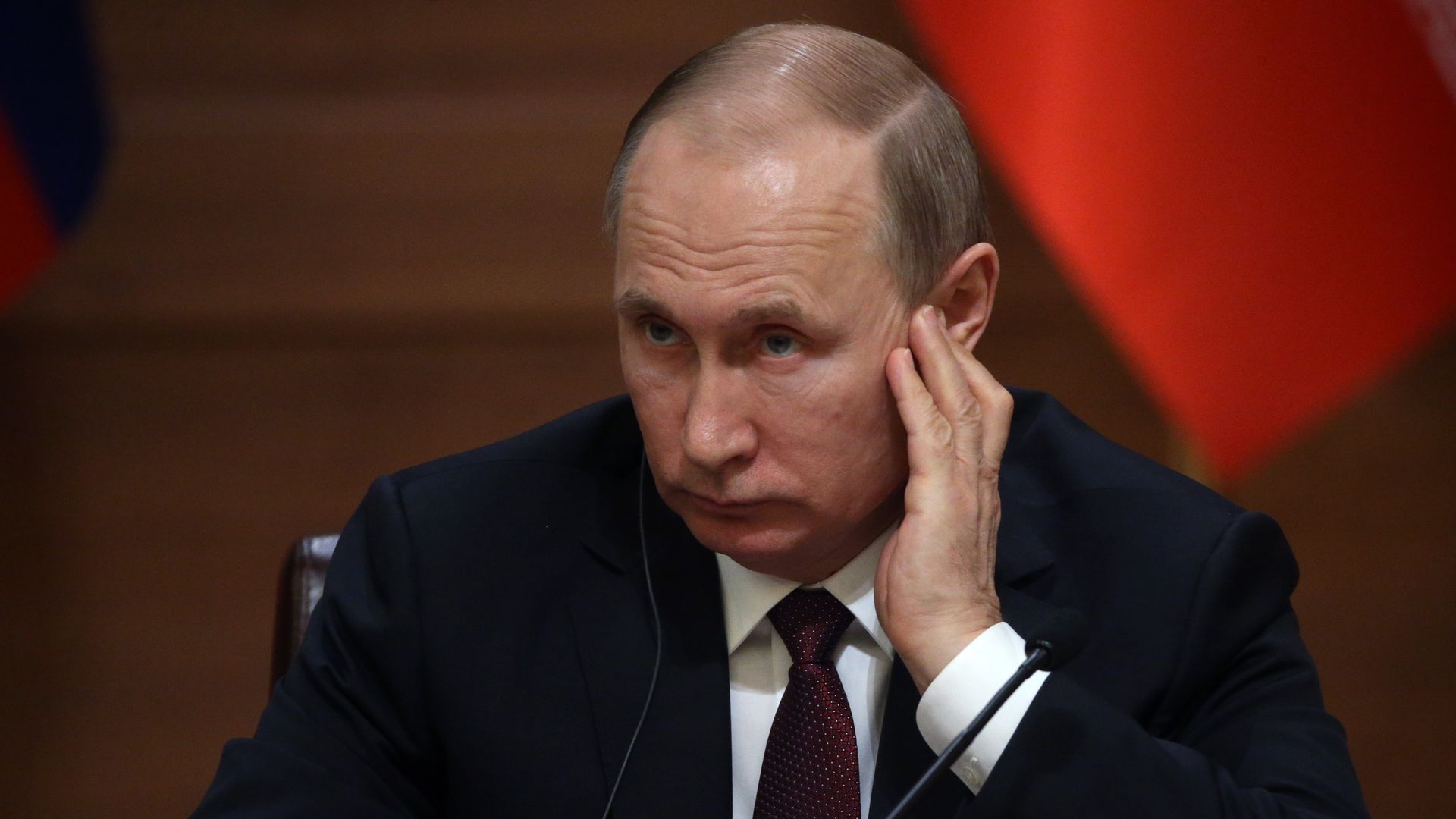
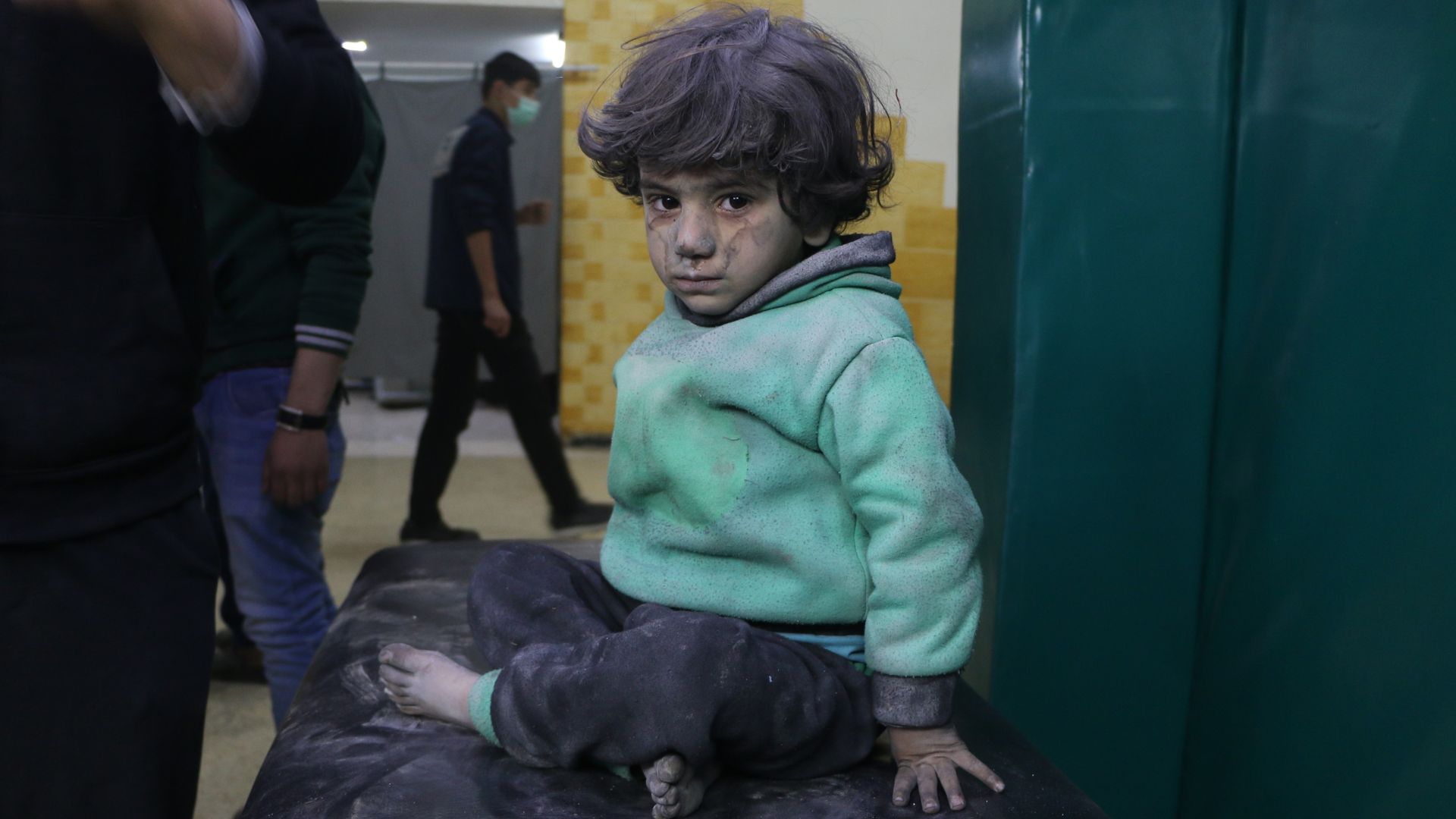
Russia has vetoed a resolution at the U.N. Security Council that would further investigate and determine responsibility for the chemical attack in Syria over the weekend. U.S. Ambassador to the U.N., Nikki Haley, told the Council that "Russia chose protecting a monster over the lives of the Syrian people."
The bottom line: This is not the first time Russia, which backs the Assad regime, has stood in the way of investigations into chemical attacks in Syria. But it comes as President Trump is considering strikes to retaliate over the attack, which would escalate tensions with Russia.
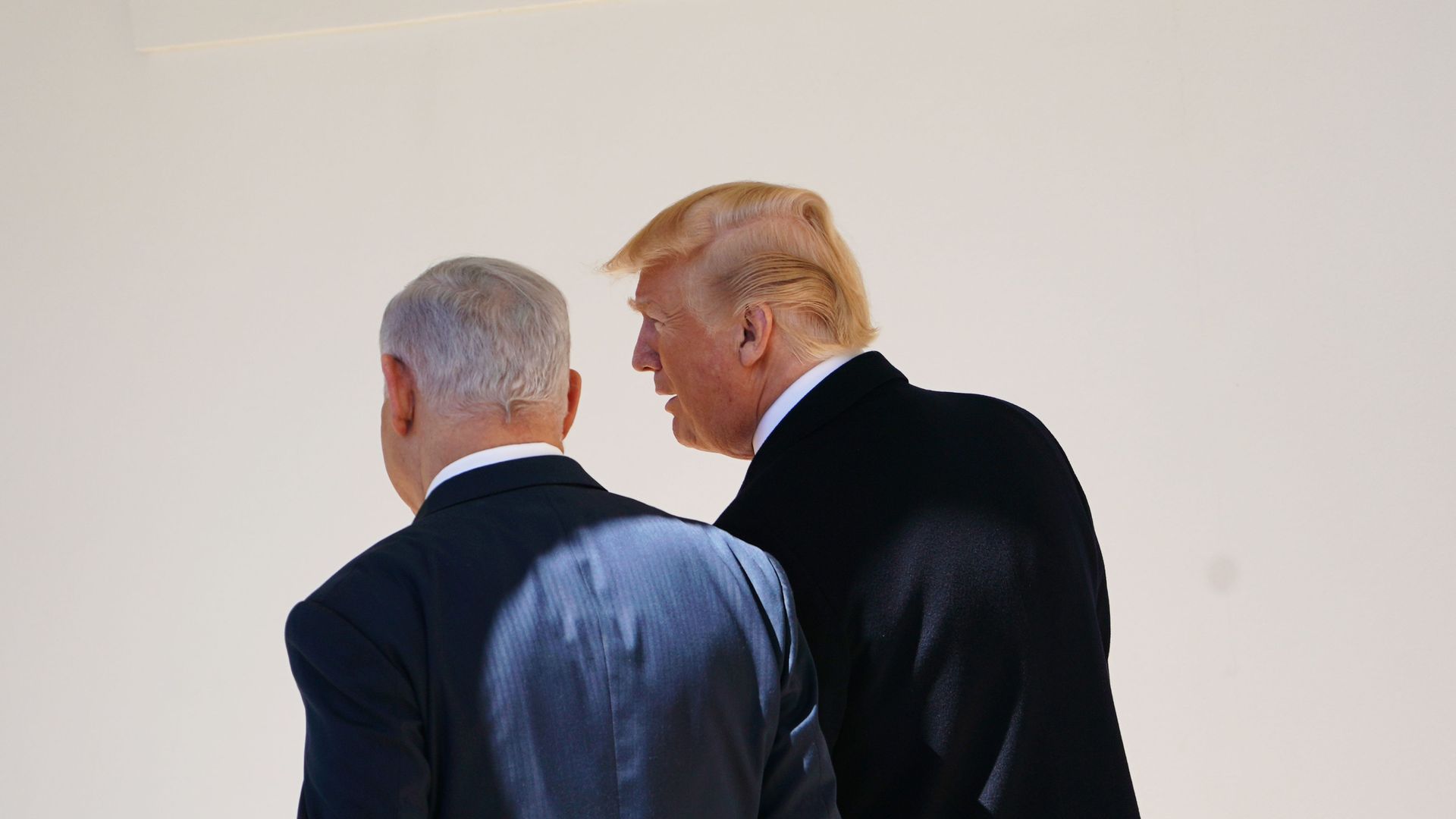
Israeli Prime Minister Benjamin Netanyahu said in security consultations on Monday that he thinks there is high probability President Trump will order a military strike in Syria in retaliation for the recent chemical weapons attack on the Damascus suburb of Douma, a senior Israeli official told me.
The latest: The official said Israel published a formal statement blaming the Assad regime for the attack on Monday night as a consequence of this assessment by Netanyahu. The official said the purpose was to give diplomatic support for possible U.S. military action against Syria and also for possible U.S. diplomatic action against Syria at the UN Security Council.
Russia has been jamming some U.S. drones over Syrian airspace, seriously impacting military operations, four U.S. officials told NBC News’ Courtney Kube. Russia reportedly began jamming other, smaller U.S. drones weeks ago after suspected chemical weapons attacks in eastern Ghouta.
Why: The Russians were concerned the U.S. would retaliate in response to the attacks, and tried jamming U.S. GPSs to prevent an attack, per Kube.
One big fear about President Trump's tariff fight with China is that Beijing would retaliate by resurrecting its campaign of stealing patents, manufacturing processes and other trade secrets from U.S. companies. The Obama administration mostly shut that down in 2015.
Reality check: But Dmitri Alperovitch, co-founder of CrowdStrike, says China didn’t wait for the latest controversy to revive its intellectual-property hacking program — it has already been ramping up efforts ever since Trump took office. “We’ve seen China expand its hacking for IP throughout 2017,” Alperovitch said.
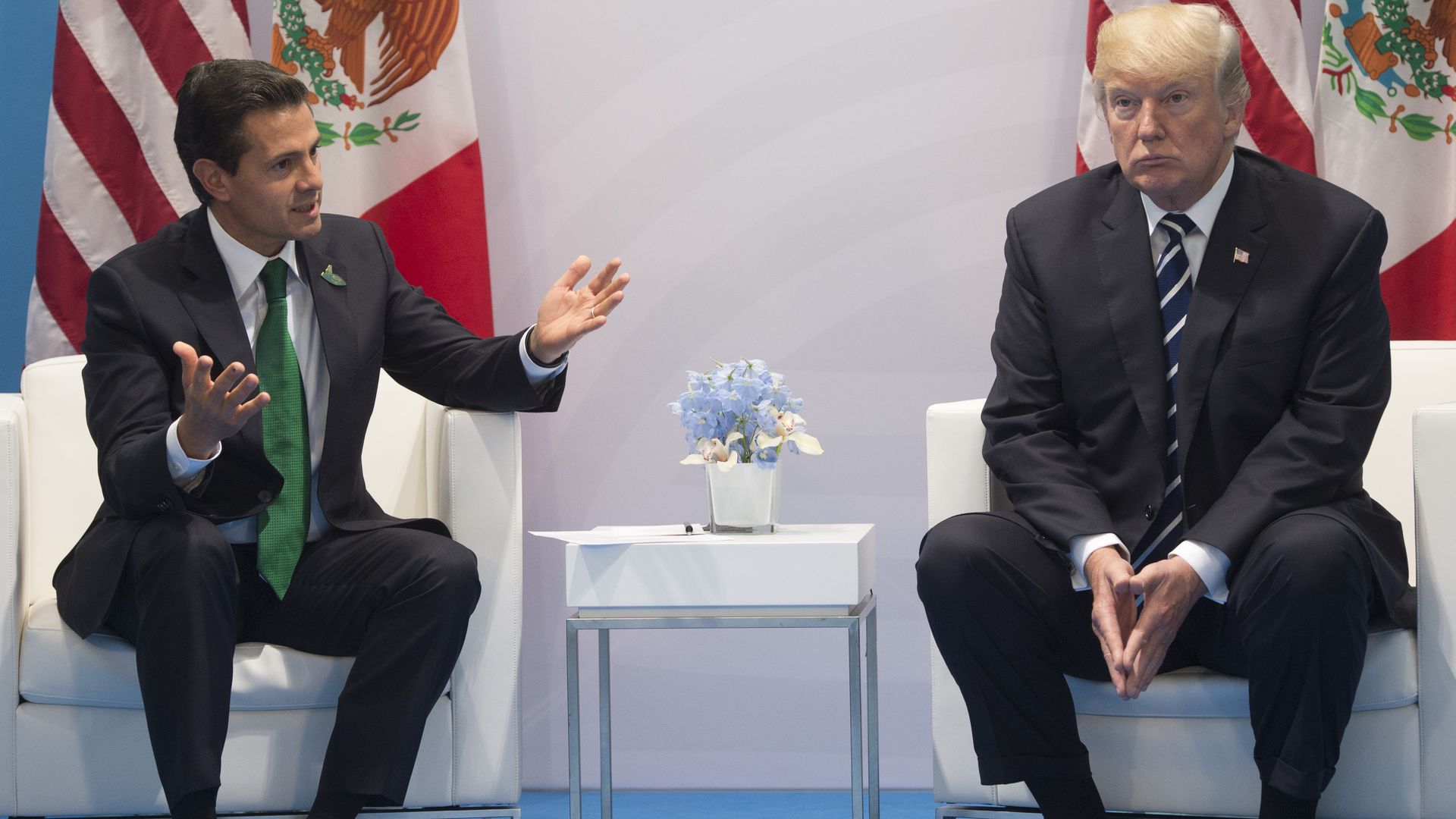
The Summit of the Americas this Friday and Saturday in Peru was to be the centerpiece of President Trump's first visit to Latin America, and the first time he met many of the region's leaders. Now, Trump has suddenly announced he won't be attending after all — he's staying in D.C. to focus on Syria and sending Vice President Pence in his stead.
Why it matters: Jason Marczak, director of the Atlantic Council's Latin America Center, says Trump's decision is a "significant blow" to the chances of improving relations with the region and with those leaders, many of whom are wondering what "America first" means for them.
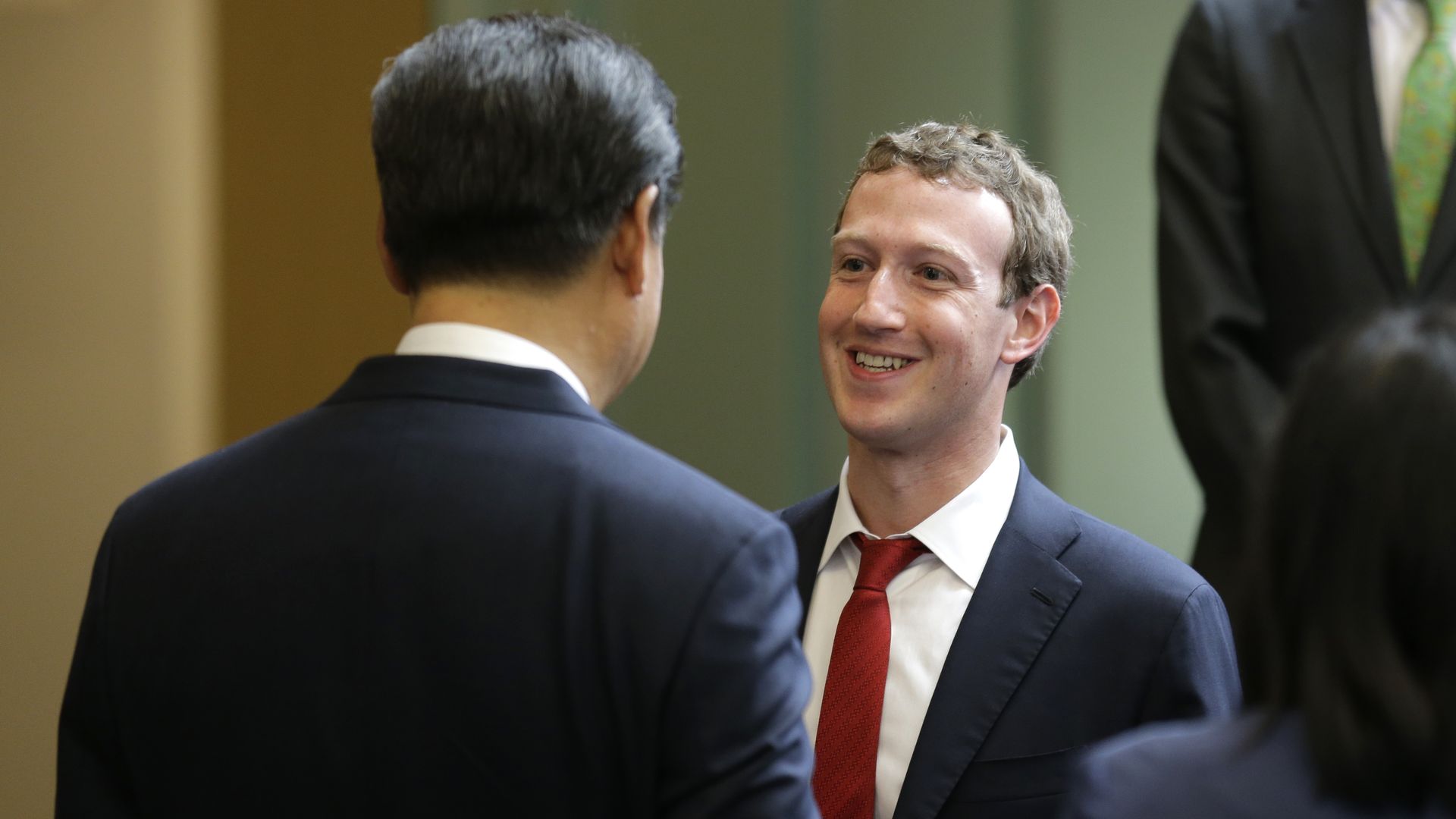
Today brings important statements from the most powerful man on earth and the most powerful man on the internet. Each, in his own way, is a visionary sort of authoritarian. Neither is especially well liked by the US government at the moment.
What to watch: Xi Jinping and Mark Zuckerberg are, in a sense, both making tactical feints in order to avoid more significant reforms to business models that have served them well. How long will their audiences buy it?
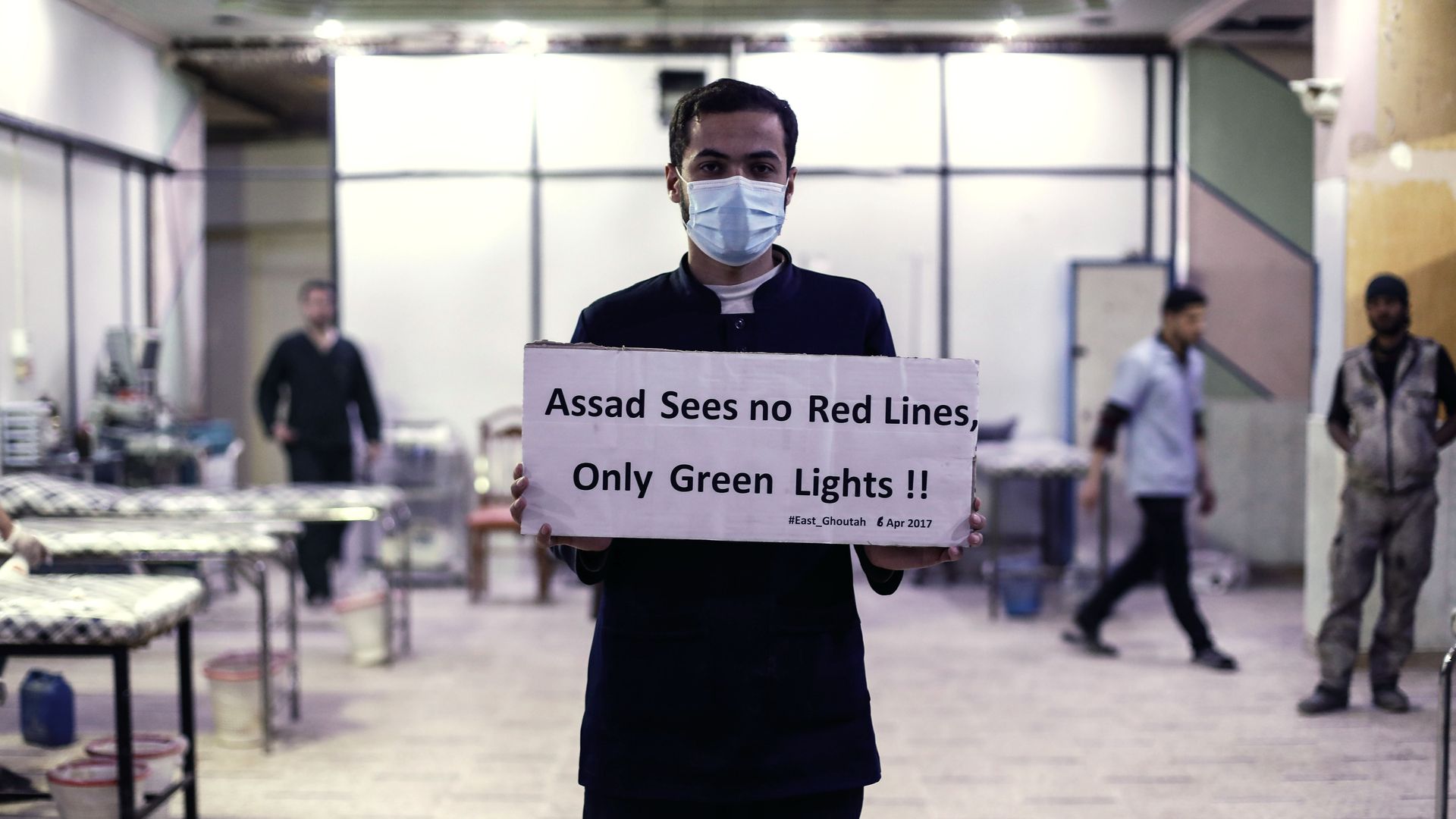
When the Assad regime deployed sarin gas against civilians in Khan Shaykhun last April, President Trump took only sixty hours to order missile strikes on a Syrian airfield. Since then, though, the U.S. has largely acquiesced to Assad's routine use of both conventional and chlorine-gas weapons on civilians. That cumulative carnage is far greater than this weekend’s chemical attack in Douma.
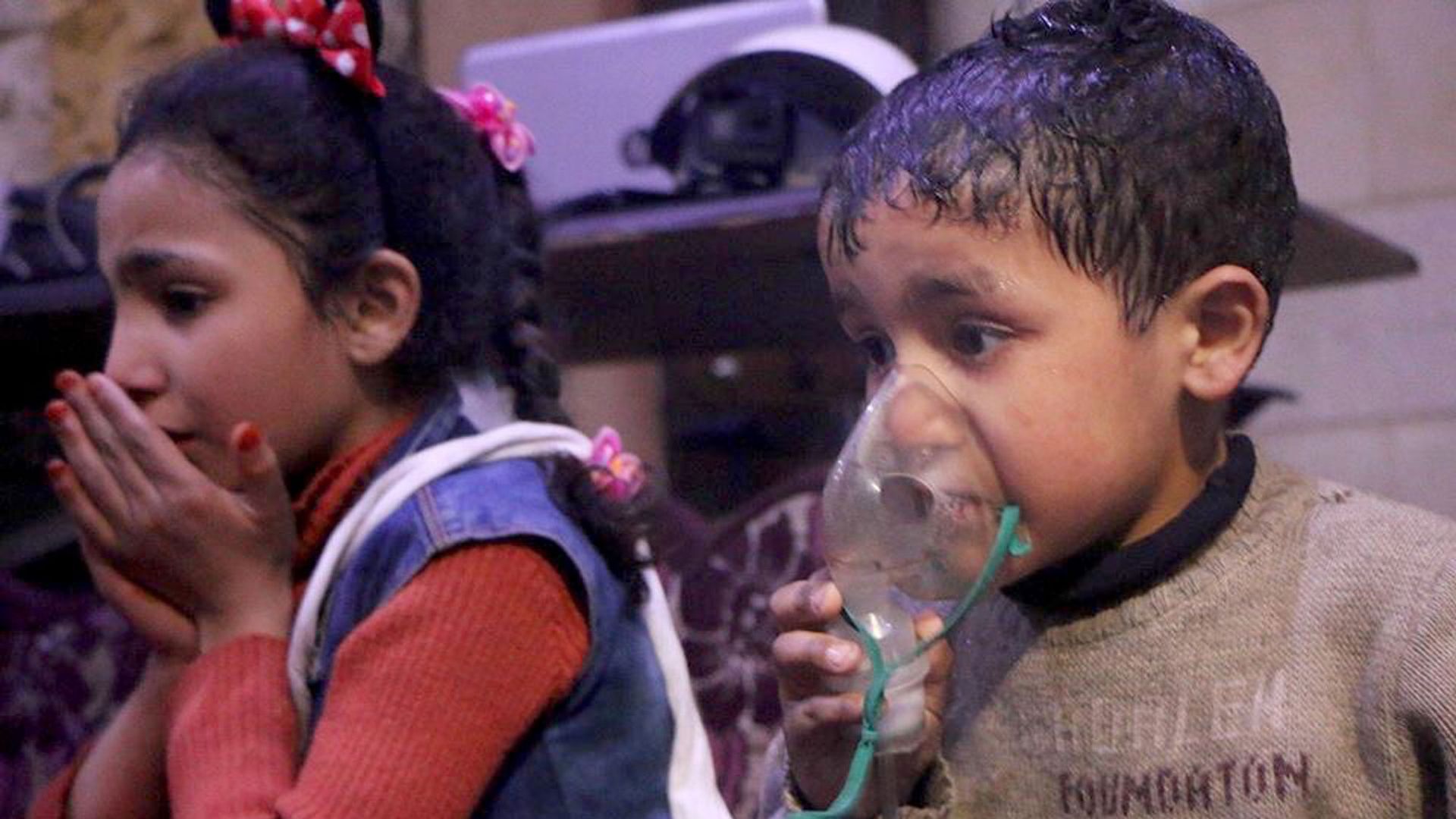
Yes, but: A number of factors — including horrific images of victims, which reportedly spurred Trump's decision last April, Russia's warning against U.S. intervention and, ironically, Trump’s recent call to withdraw — may have bolstered rather than diminished the odds of a forceful response. Trump's red-line tweets about Assad paying a big price and his mentioning Putin by name seem to presage military retaliation.
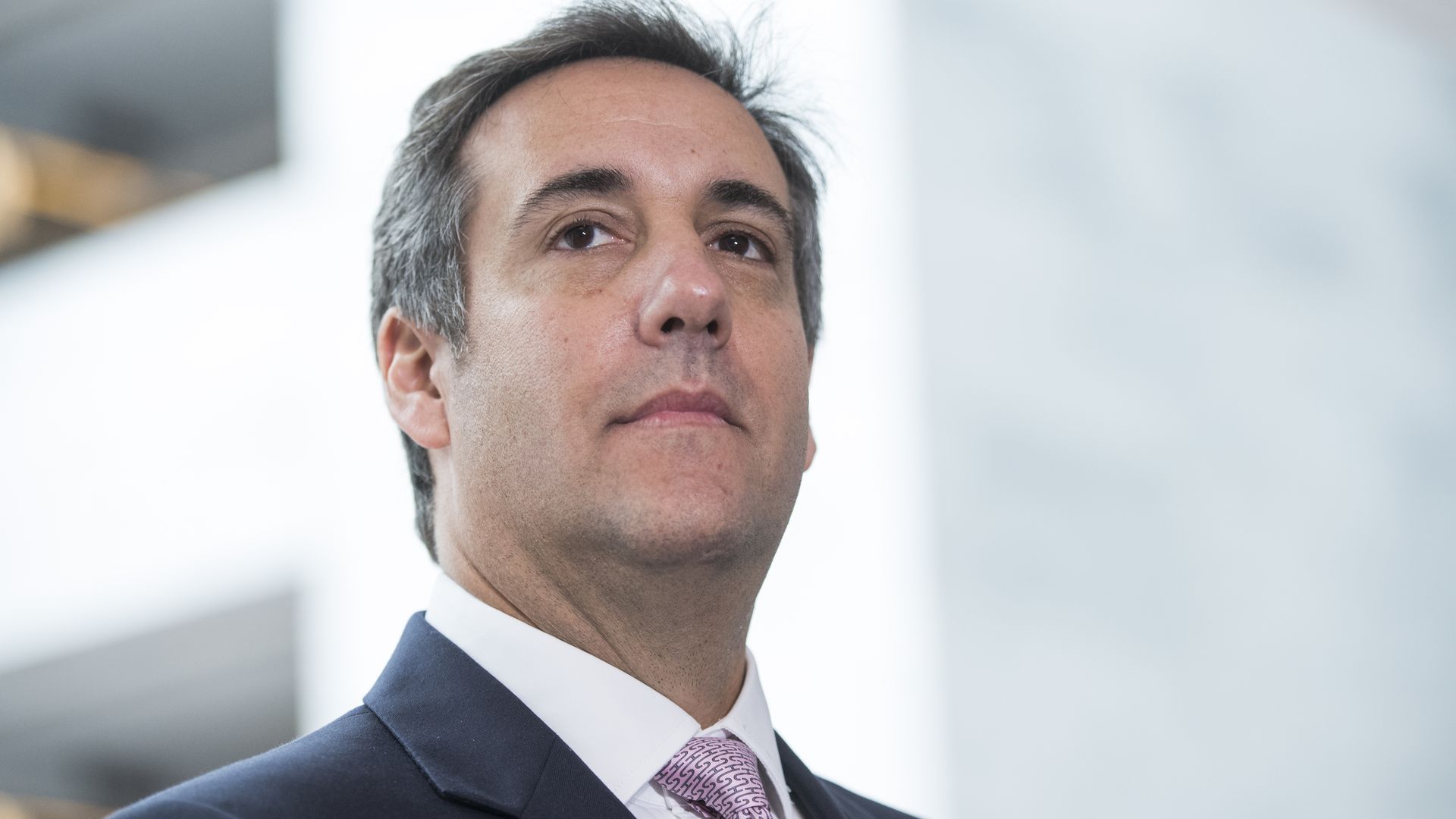
A former U.S. attorney helps Axios readers interpret the raid: "Here’s what must have happened: Mueller bumped into evidence of criminal conduct that was beyond his scope, so he referred it to the Rod," Deputy Attorney General Rod J. Rosenstein.
Why it matters: "HUGELY important: Stormy is almost certainly just the tip of the iceberg. Cohen’s lawyer said the [search warrant] was based 'in part' on referral by Mueller. I expect that after getting the initial referral, the SDNY started poking around and developed independent interest for obtaining the SW."
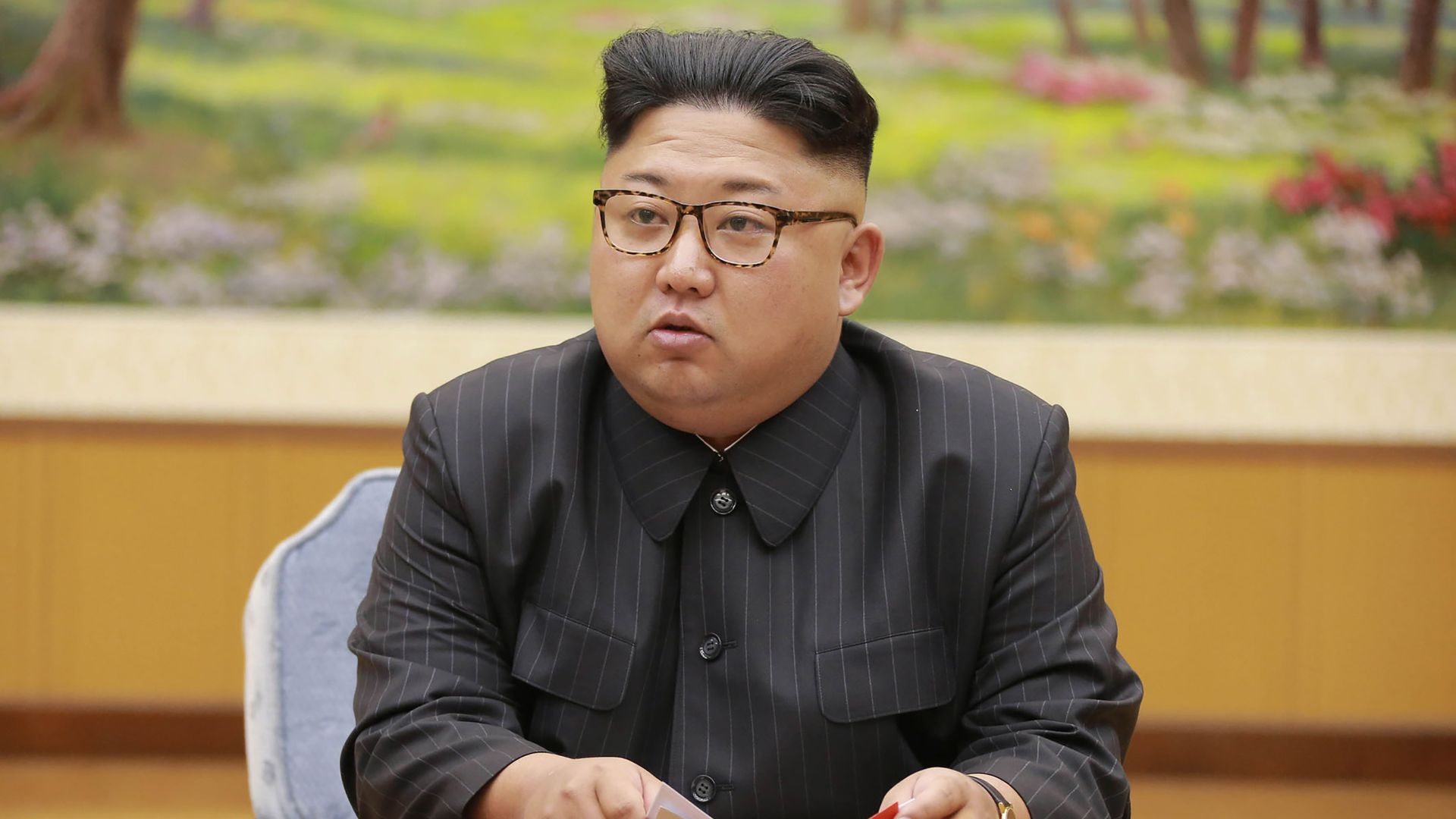
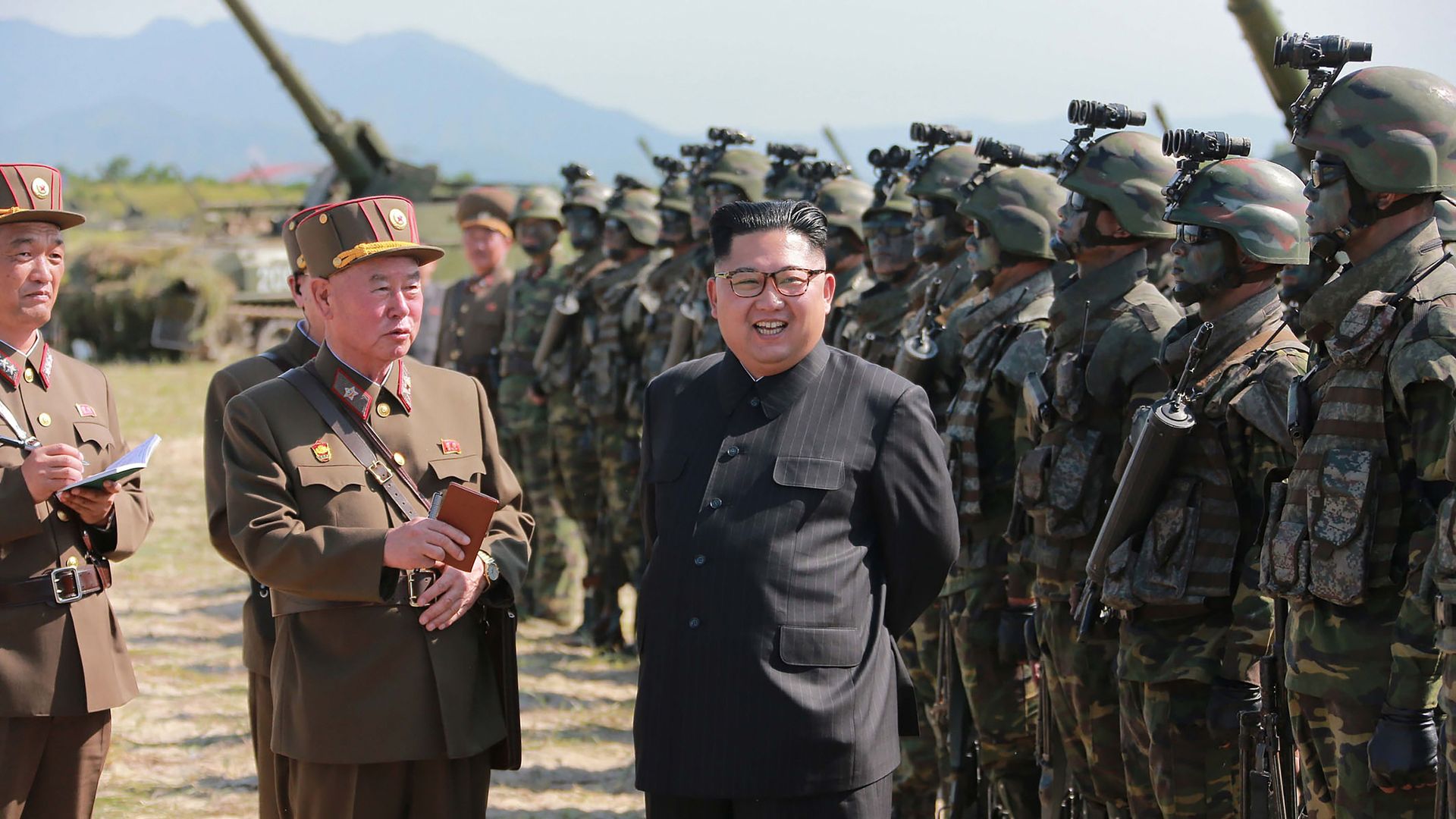
North Korea’s Kim Jong-un briefed top party officials Monday about the prospect of future dialogue with South Korea and the U.S., according to North Korea’s state news agency KCNA, per Reuters.
The backdrop: It’s the North Korean leader’s first official comments on future talks between the U.S. and the North, and comes ahead of a potential summit with President Trump and Kim Jong-un later this month.
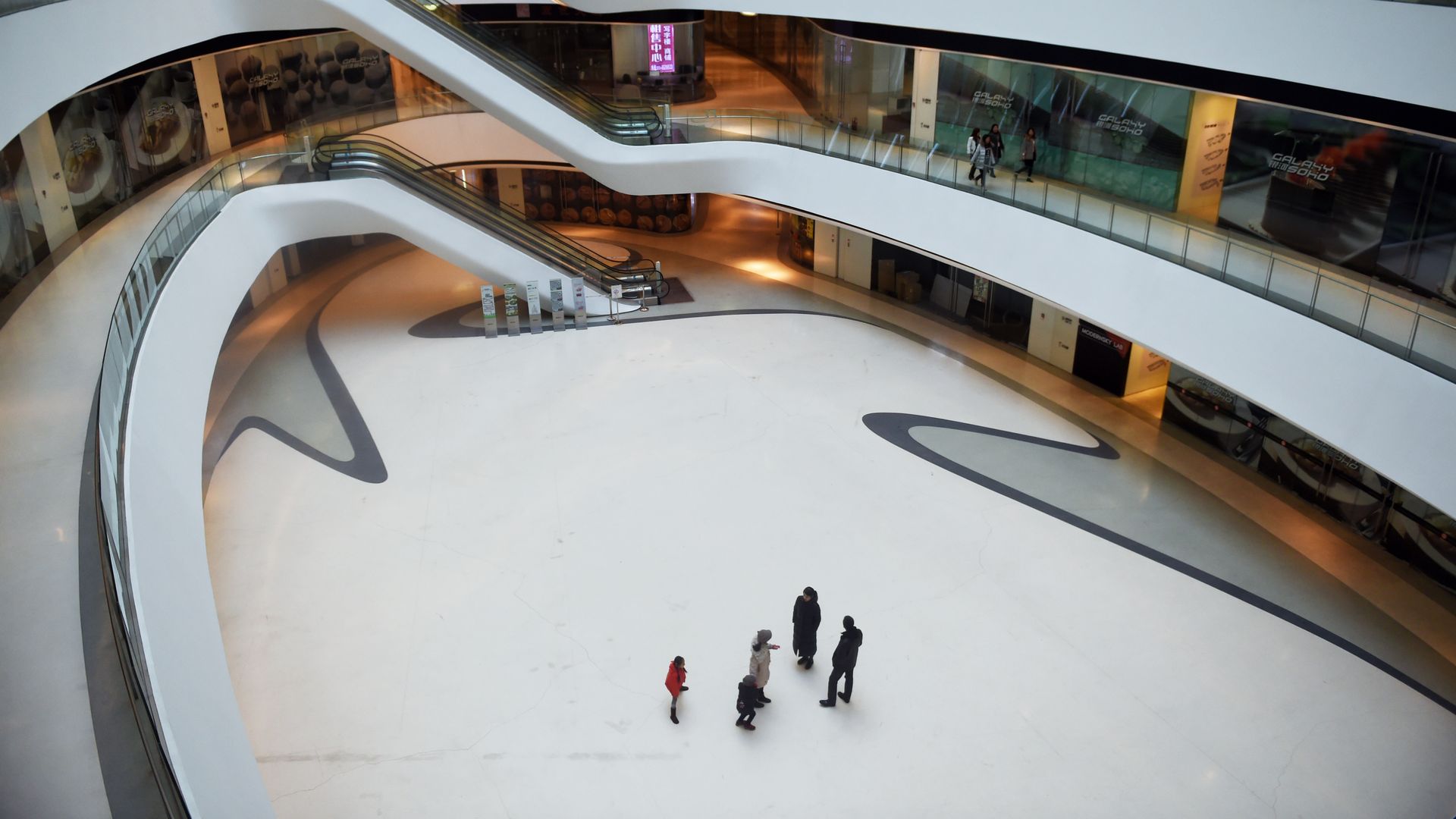
Domestic spending by Chinese consumers is not as strong as the Chinese government says which makes the country more vulnerable to a trade war with the U.S., according to China Beige Book International, a research firm.
Bottom line from CEO Leland Miller: Investors have been wowed by the performance of Chinese super-firms like Alibaba and Tencent, but that elite group is not a good proxy for China's retail sector, or for Chinese consumption more generally. Retail has substantially underperformed other sectors for two years. These are not the data Beijing wants to see as it is gearing up to go to war.
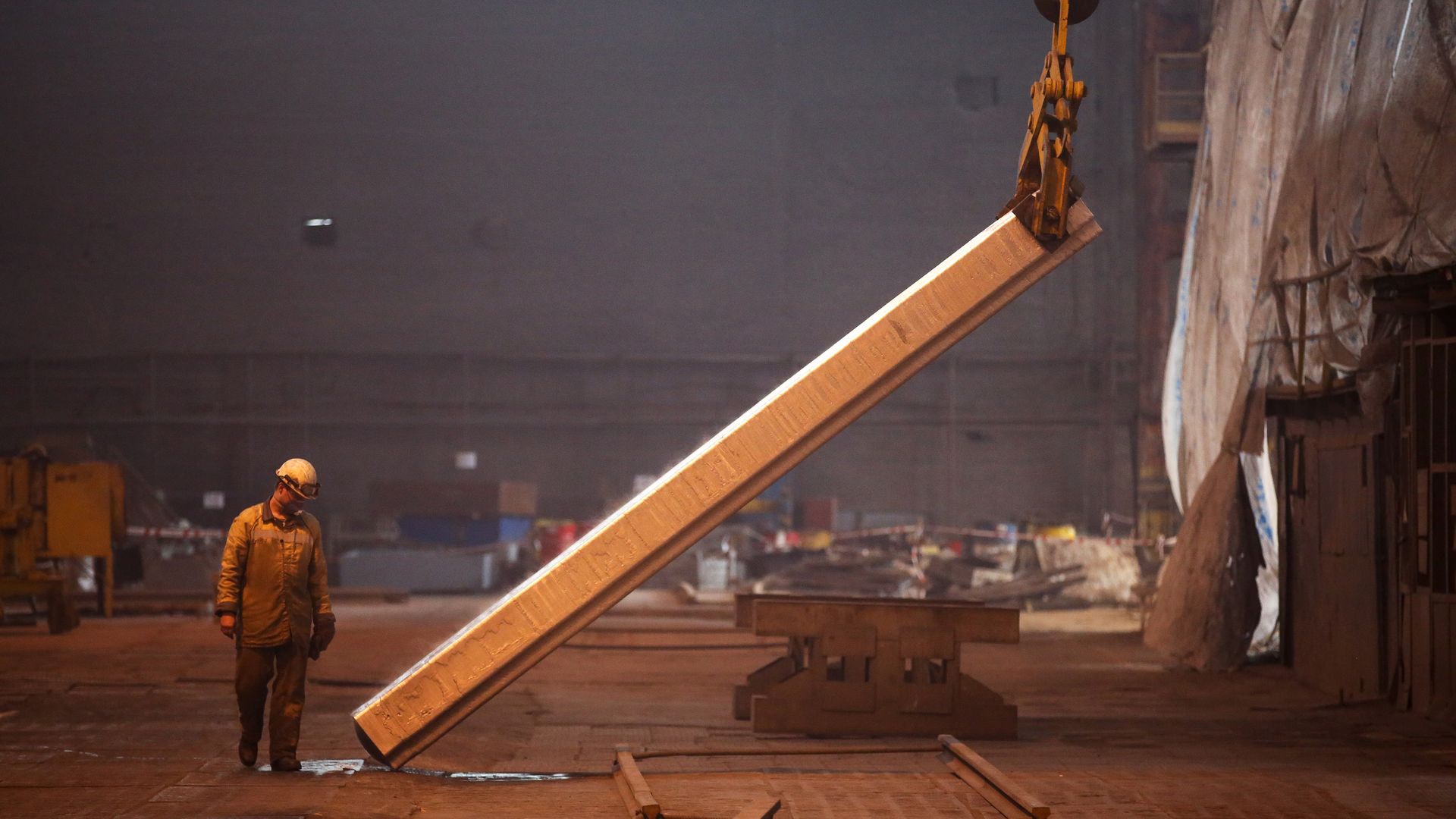
What it means: The prices are likely climbing on expectations that the sanctions will result in a smaller supply of aluminum worldwide, as Rusal produces 7% of the world’s aluminum. Meanwhile, Karen McBeth, content director of Metals Pricing at S&P Global, told MarketWatch that the sanctions could have a "lasting" effect on aluminum pricing in the U.S.
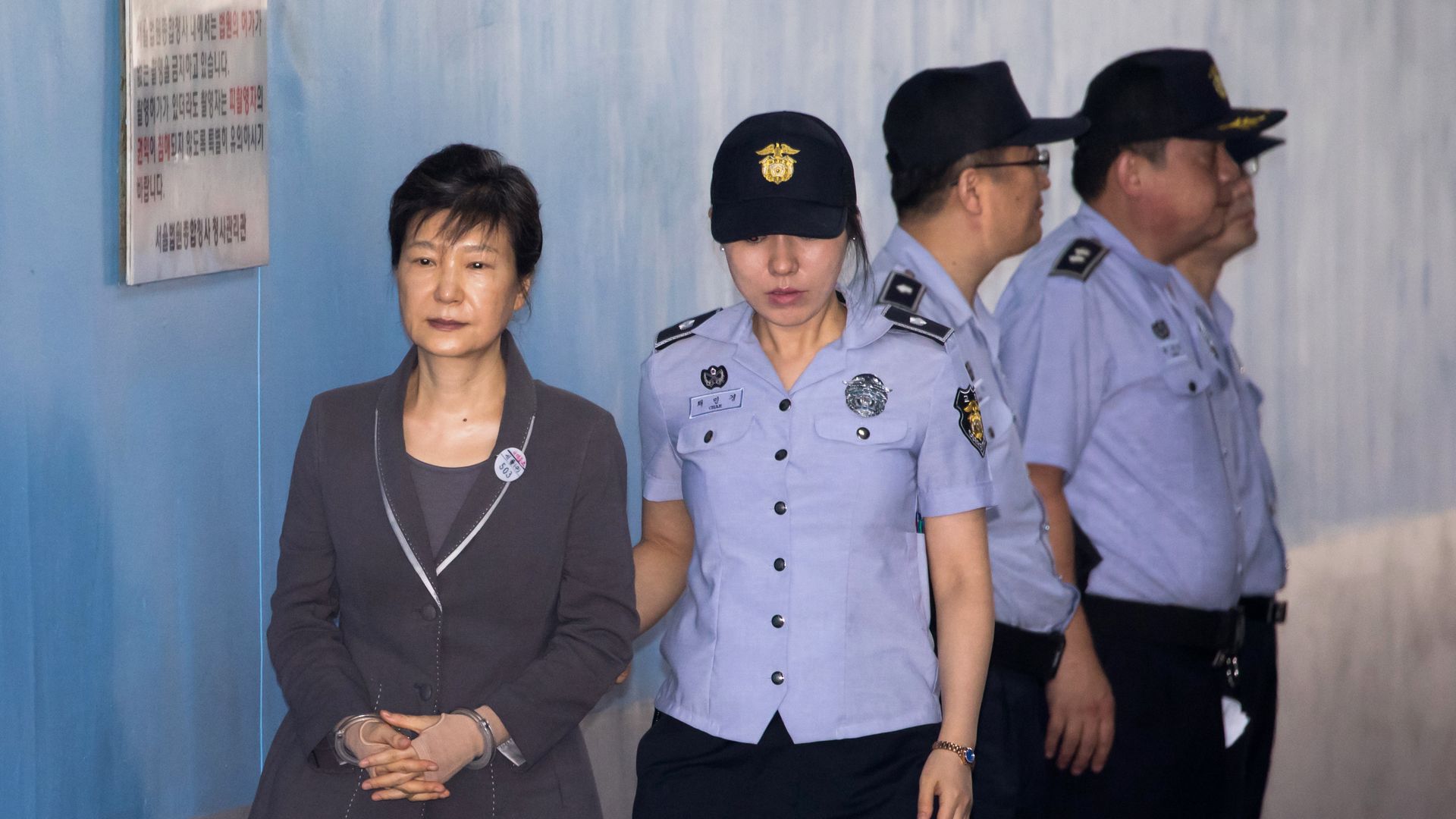
Park Geun-hye, South Korea’s former president and the first in the country's history to be impeached, was sentenced to 24 years in prison last week and fined $16 million for charges of corruption, as the Korean public watched the verdict broadcast live. Park once enjoyed the honor of being not only Korea's first female president but also the daughter of a former president, Park Chung-hee.
Why it matters: The imprisonment of Park, a conservative, furthers a historic leftward shift in Korea. Long dominated by the right, the political landscape is now being seized by progressives. We can expect the battle between the opposing forces to intensify as the two sides confront each other on issues such as North Korea and the U.S.–ROK alliance.
North Korea has told the U.S. it's ready to talk about denuclearization, the AP reports and two administration officials have confirmed to Axios. A senior administration official said the sides are "holding direct talks in preparation for a summit."
Why it matters: This raises the likelihood that Trump and Kim actually meet. Until now, there had not been confirmation from the North Koreans that Kim was prepared to discuss denuclearization. Trump said Monday he expects the summit to take place in May or June, per the AP.
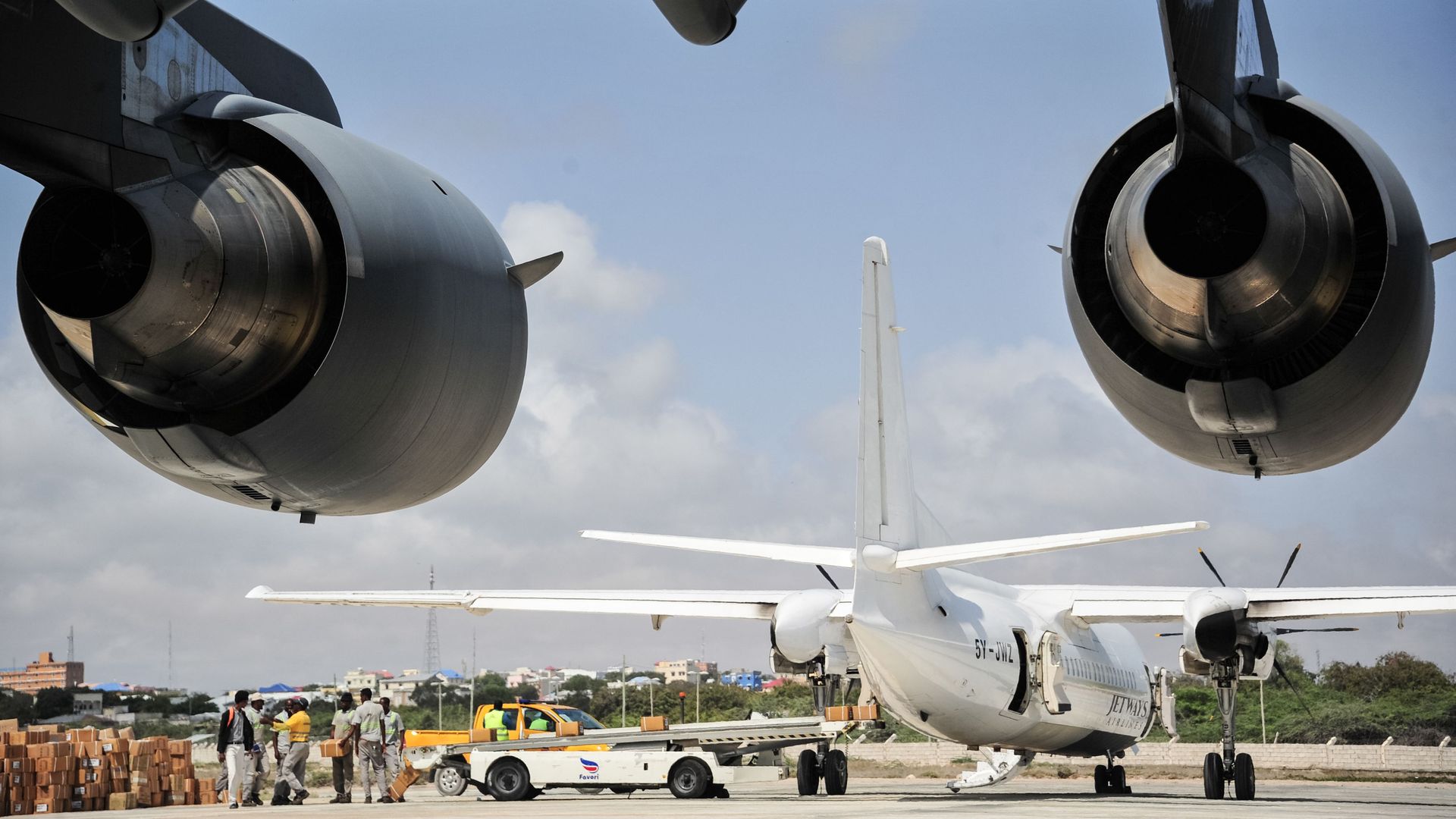
Somalia’s government has seized three bags of money worth $10 million from a plane that landed in Mogadishu from United Arab Emirates, Voice of America reports, citing a source that says a UAE envoy was at the airport "to receive the money" when it was confiscated.
The big picture: Somalia’s interior ministry says its security agencies are investigating where the money was going. So why would $10m in cash from the UAE show up in Somalia? As the BBC notes, a crisis in the Gulf is "playing out in dramatic form in Somalia and the wider Horn of Africa. Some argue it could tear the whole region apart."
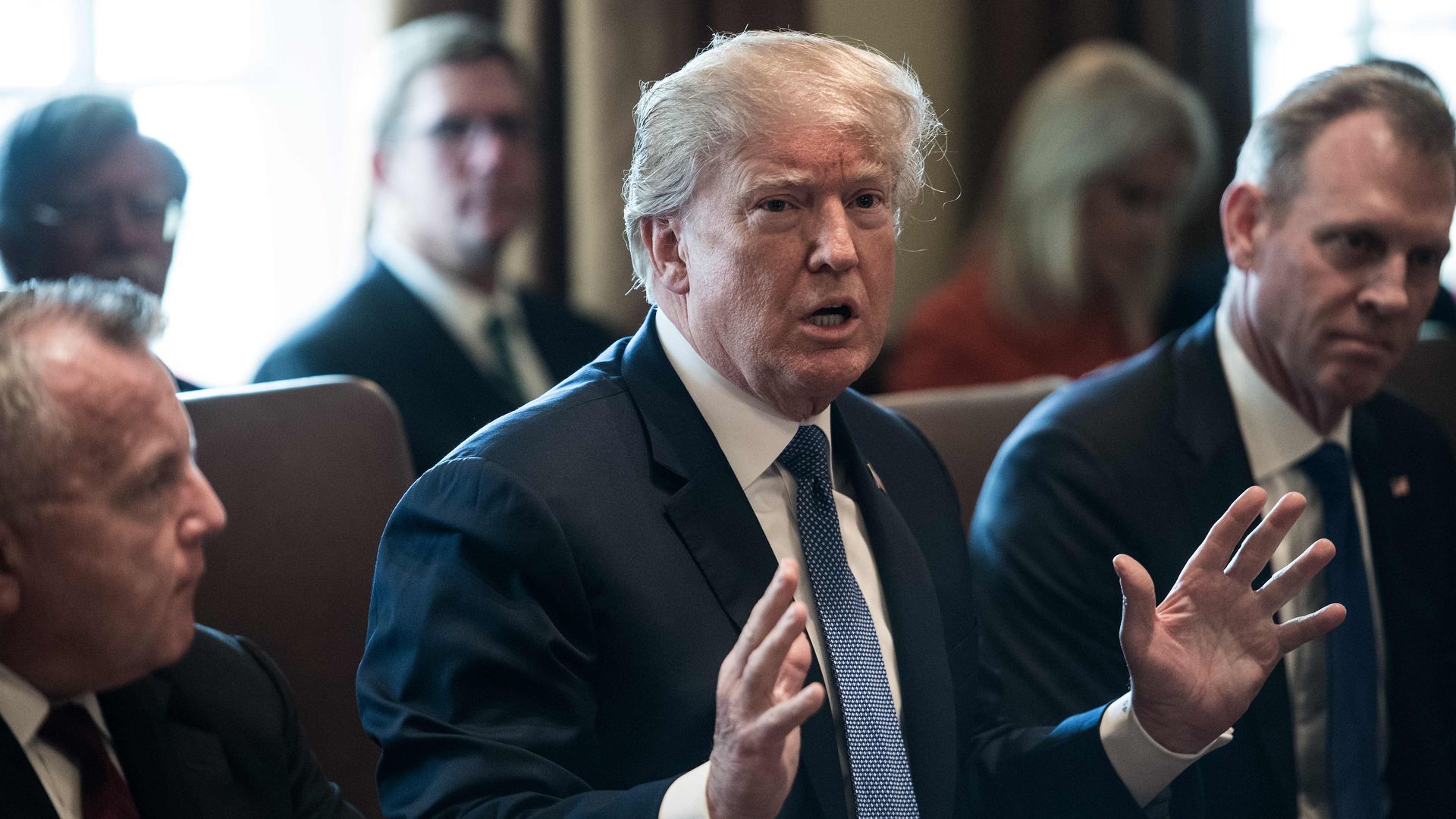
President Trump told reporters at the White House this morning that he would make a decision in the next 24 to 48 hours on how to respond to the "heinous" chemical attack over the weekend in Syria's eastern Ghouta region. “This is about humanity and it can’t be allowed to happen," he said.
The big picture: Trump had previously promised that there would be a "big price to pay" regarding the attack in a series of tweets yesterday, which featured him calling out Russian President Vladimir Putin by name. This morning, Trump continued with his harsher rhetoric against Russia, saying that Putin "may" be responsible and any response would be "very tough." He added, “If it’s the Russians, if it’s Syria, if it’s Iran, if it’s all of them together, we’ll figure it out.”
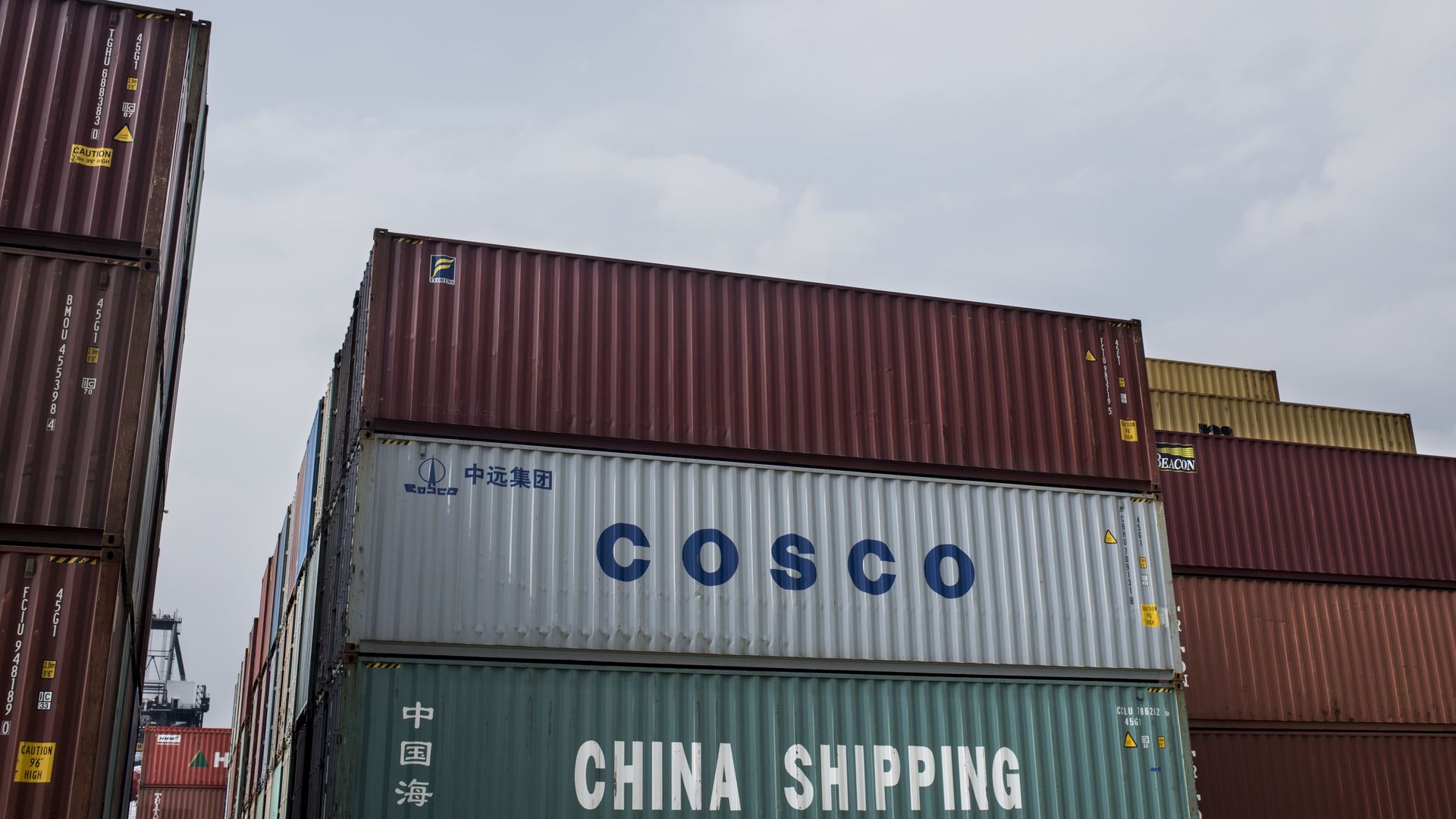
Some U.S. companies have begun to pre-order excess product from Chinese suppliers, ahead of President Trump's proposed tariffs, according to Ryan Petersen, founder and CEO of shipping logistics company Flexport.
Petersen, whose company is valued north of $900 million by VC firms like Peter Thiel's Founders Fund, adds that he's preparing his more than 10,000 clients for the tariffs to go into effect.
Today is the first day on the job for John Bolton, President Trump's third national security adviser, and the hawkish former U.S. ambassador to the U.N. will be instantly thrown into one of the administration's most consequential decisions.
What's at stake: CFR President Richard Haass tells me that after the chemical attack in Syria and Trump's quick, tough rhetoric on Twitter: "Doing nothing now would be a moral and strategic fiasco."
An overnight airstrike on an air base in Syria's Homs province reportedly killed 14, including some Iranians on the ground, per the AP.
Reaction: Pentagon officials denied the U.S. was behind the strike. Russian and Syrian officials said Israeli jets fired the missiles from Lebanese airspace, although Israel’s foreign ministry declined to comment, AP reported.