South Korea is picking up the tab for costs North Korea racks up during the 2018 Olympics, according to the Wall Street Journal, approving a $2.7 million fund to cover the expenses.
Why it matters: North Korea is a poor country that doesn't pay its debts around the world — on hotel bills, parking tickets, or anything else for that matter. In talks ahead of the games, "there was little question that the South would pay."
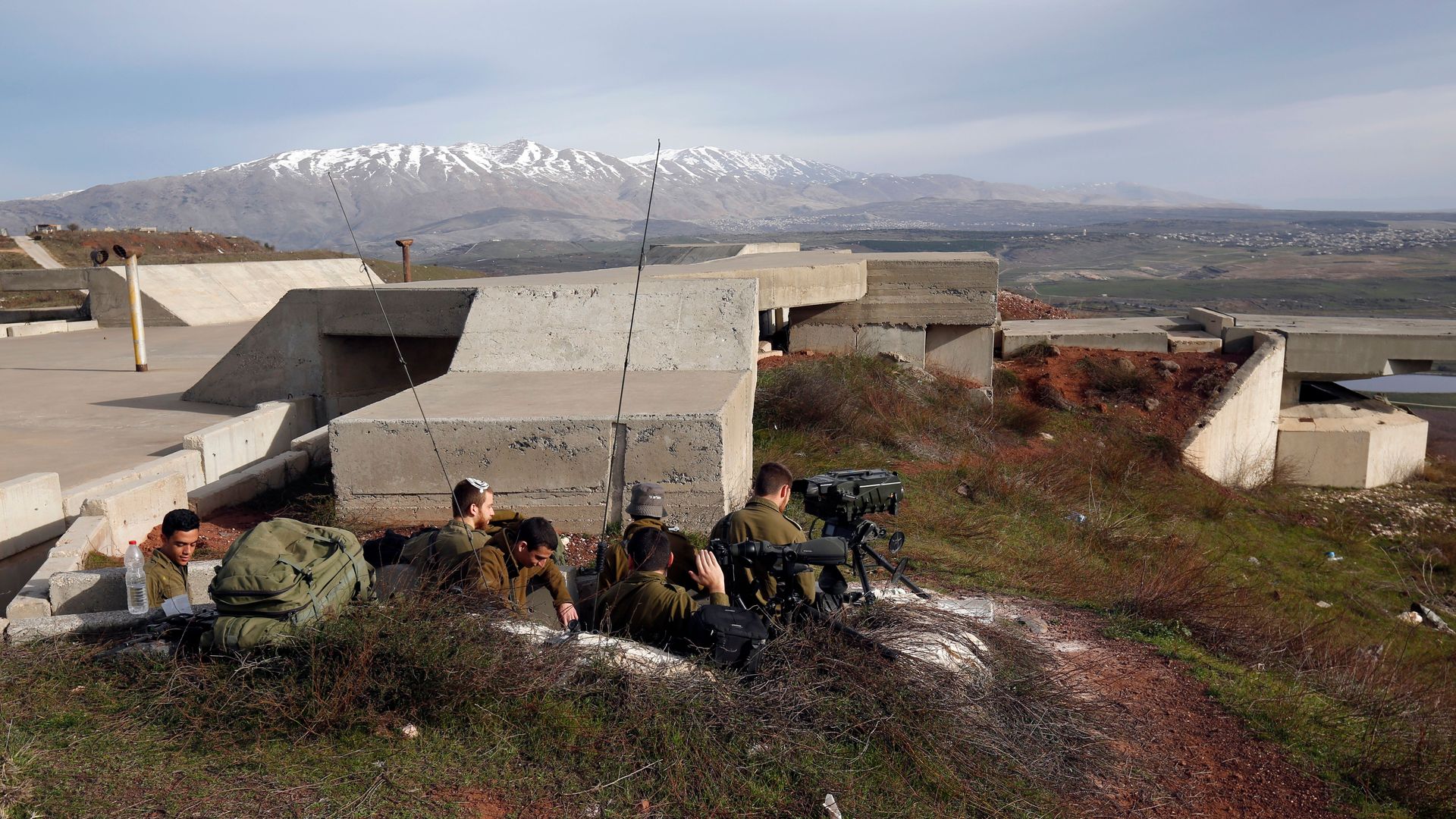
According to a "Top secret" cable sent to Israeli ambassadors earlier this week, Israel fears that the Assad regime will use the chemical weapons it still has left in a way which might spill over to Israeli territory. The contents of the cable were shared with me by senior Israeli officials.
Why it matters: Senior Israeli officials told me ambassadors around the world were asked to convey harsh messages about events in Syria, and Iran's role in them, due to the feeling that the international community doesn’t comprehend how concerned Israel was by Iran's actions, and how ready Israel is to take military action if no diplomatic solution is found.
Valentine's Day and the billions in consumer spending it generates are a staple of Western culture, but elsewhere in the world, Feb. 14 has become a day synonymous with government intimidation, vigilante violence and — in a hopeful twist — rebellion in the name of love.
In Pakistan, where Valentine's celebrations have been banned since 2017, police have taken to searching cars for balloons, chocolates and other "contraband," per the NYTimes. Some florists, risking criminality in the eyes of the Islamabad High Court, hide their red roses in the back of the shop, reserved only for their most daring customers.
"Irrespective of efforts that were made in 2016 by foreign powers, it is the universal conclusion of our intelligence communities that none of those efforts had any impact on the outcome of the 2016 election."
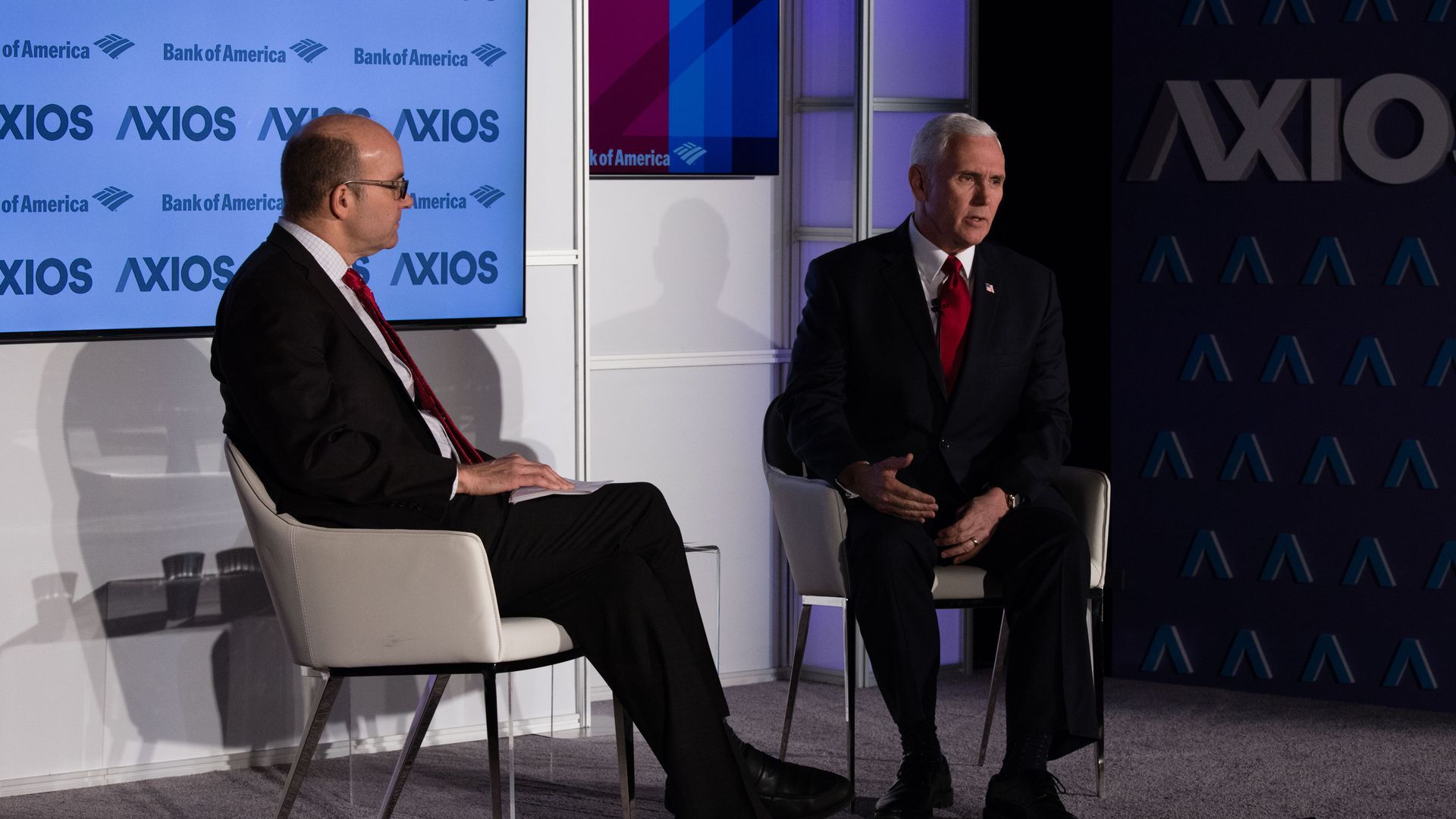
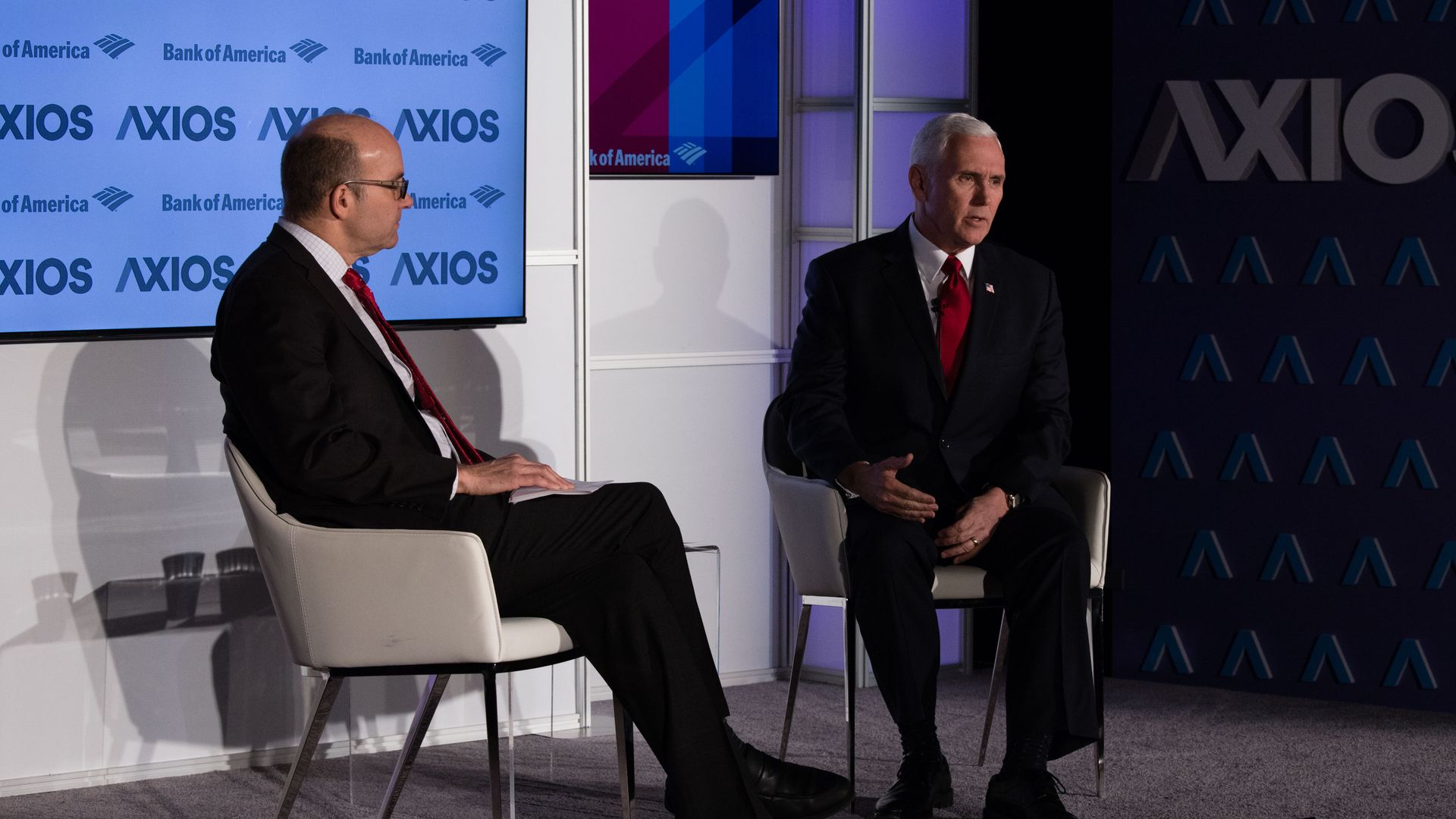
— Vice President Mike Pence at an Axios event Wednesday.
Fact check: U.S. Intelligence chiefs say they have made no such judgment.
Vice President Mike Pence said that foreign interference didn't impact the results of the 2016 presidential election — and that Americans "can be confident" in the election results at an Axios event Wednesday afternoon. He did, however, admit that "there were efforts by Russia" to impact the election and highlighted forthcoming efforts for a "hardening" of election infrastructure.
Vice President Mike Pence told Axios' Mike Allen on Wednesday President Trump "always believes in talking [with North Korea], but talking is not negotiating."
Why it matters: He said nothing will change with North Korea until they give up their pursuit of nuclear weapons. He said they must "completely, verifiably, and completely abandon" its missile programs, and "only then can we consider any change in posture by the United States or the international community."
Cybersecurity firm Kaspersky Lab has filed a lawsuit targeting the second of two federal bans on its wares. The latest suit goes after language in a defense law explicitly blocking the purchase of Kaspersky products. An earlier suit targets a Homeland Security directive doing the same.
The bigger picture: With the White House reluctant to institute additional sanctions on Russia, White House Cyber Czar Rob Joyce pointed to Kaspersky as an example of the Trump administration taking Russia seriously. While Kaspersky isn't alleged to be involved in the election hacks of 2016, it's hard not to see the actions against the firm in the context of deteriorated relations with Moscow, as part of a growing spat between the two countries.
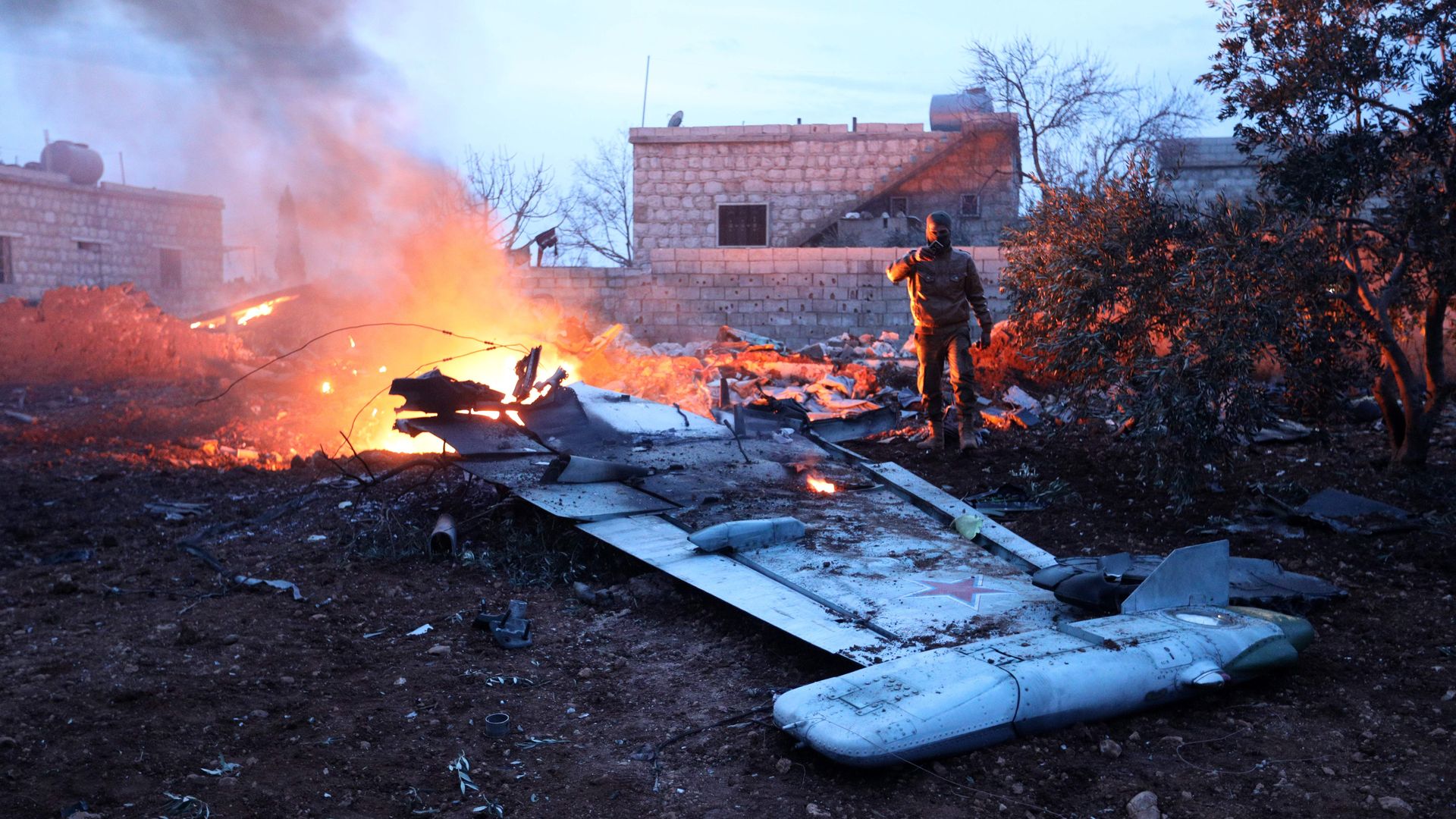
Relations between Russia and Turkey took a hit last week after a Russian warplane was shot down over Idlib province by Tahrir al-Sham (HTS), a Syrian al-Qaeda offshoot allied with Turkey.
Why it matters: HTS used a “man-portable air-defense system” (MANPAD), a shoulder-fired missile system the U.S. has refused to provide to Kurdish militias, fearing it could fall into the hands of extremists. The terror group likely received the weapon from Turkey.
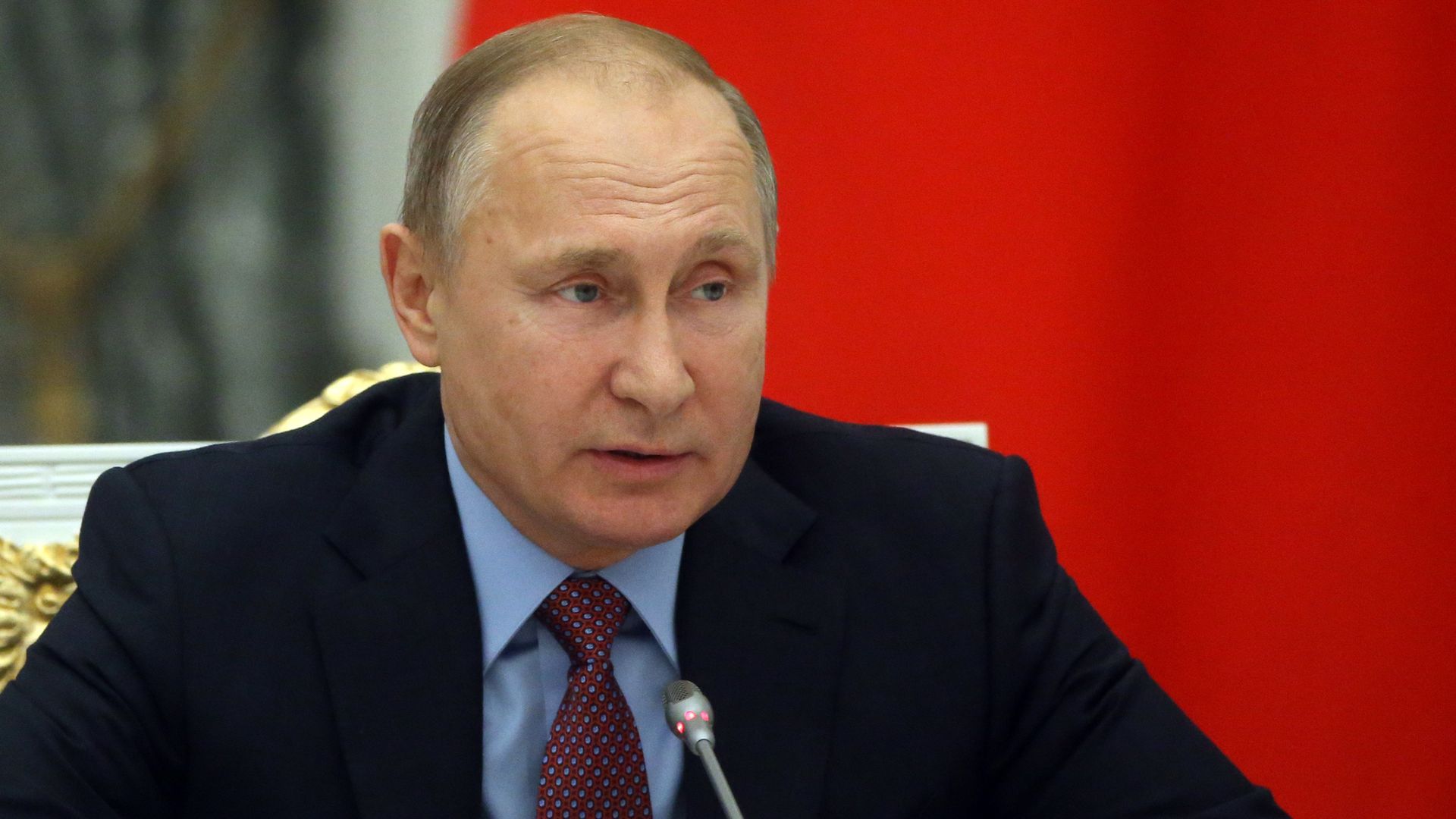
Putin has delayed his yearly address to the Federal Assembly (Russia's equivalent of the State of the Union) until later in February — ostensibly to boost intrigue surrounding the election. Reports suggest he will use the speech to lay out the agenda for his presumptive next term, one that will feature potentially painful reforms such as tax increases or a higher retirement age, alongside popular spending increases on education and healthcare.
Why it matters: Due to years of economic contraction and stagnation, Russians are increasingly demanding measures to improve their living standards. Over Putin's last term, Russia's foreign policy was trumpeted at home largely in place of a real domestic agenda, with "making Russia great again" sufficient to garner votes.
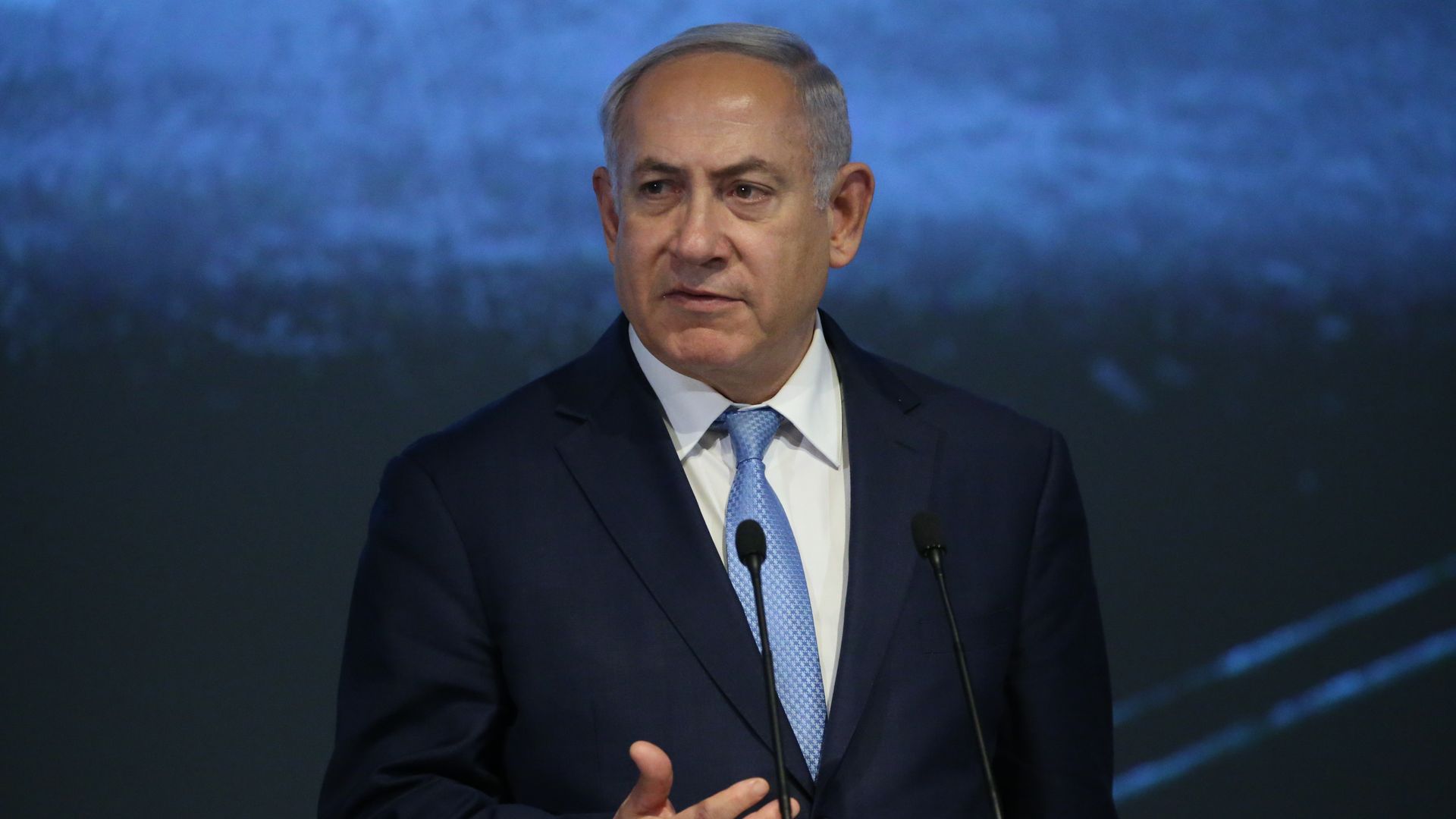
Israeli police submitted recommendations Tuesday to Attorney General Avichai Mandelblit that Prime Minister Benjamin Netanyahu be indicted on charges of bribery, fraud and breach of trust in two corruption cases, Axios contributor Barak Ravid reports.
According to Israeli newspaper Haaretz, one case involves allegations that Netanyahu has been accepting "lavish gifts from wealthy benefactors" in exchange for promoting their interests. The second alleges Netanyahu negotiated a deal in which he'd get positive coverage in Israel's second-largest newspaper "in exchange for hurting its freebie rival, Israel Hayom."
What's next: Mandelblit will examine the evidence from the investigations and ultimately decide whether to indict Netanyahu, who has been prime minister since 2009. Netanyahu has denied the allegations, and during a live TV address Tuesday he said the police recommendations against him will "end with nothing."
The big takeaway: The intelligence officials all conceded that the Russians will continue to interfere with U.S. elections through the 2018 mid terms and likely beyond.
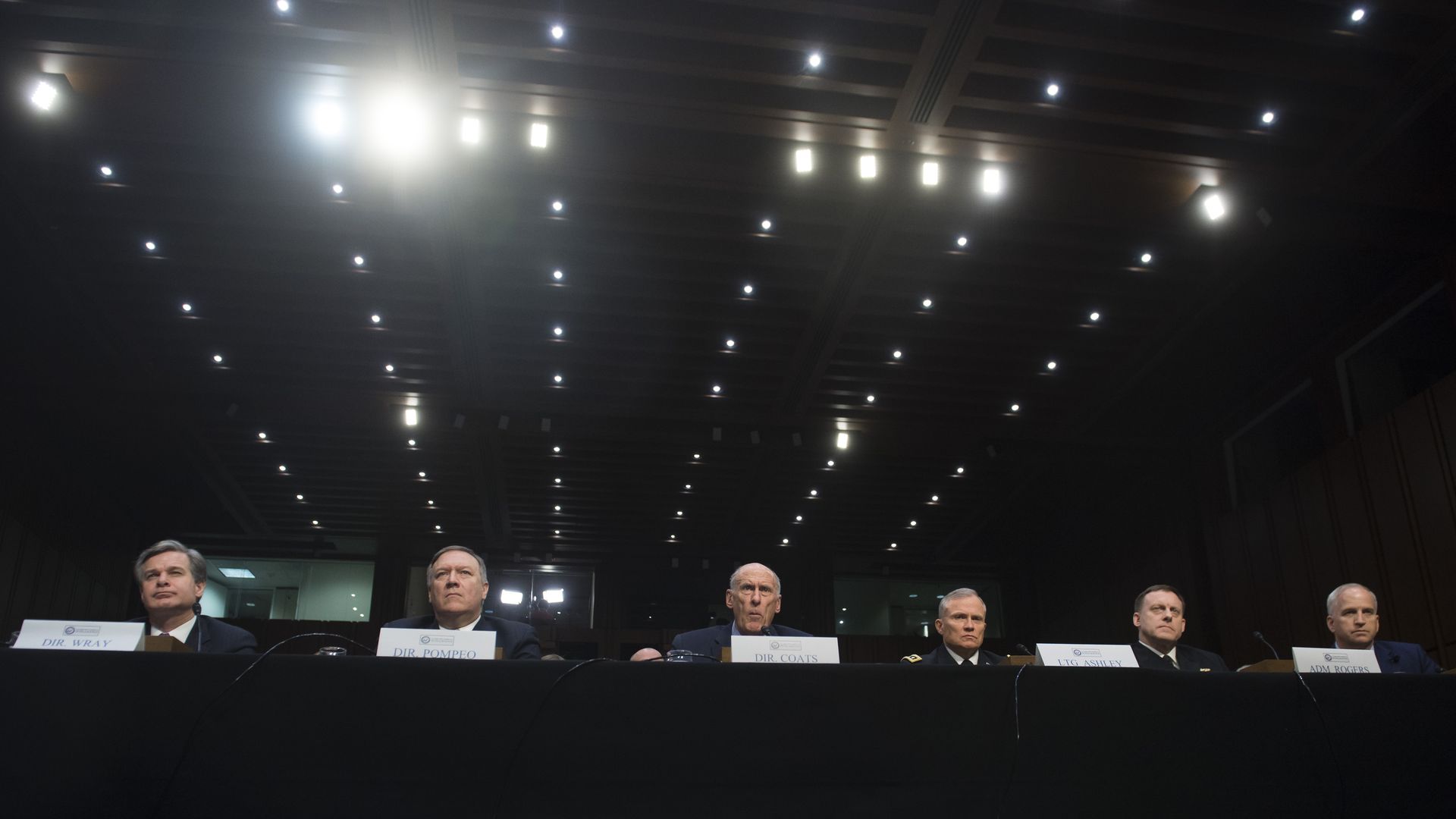
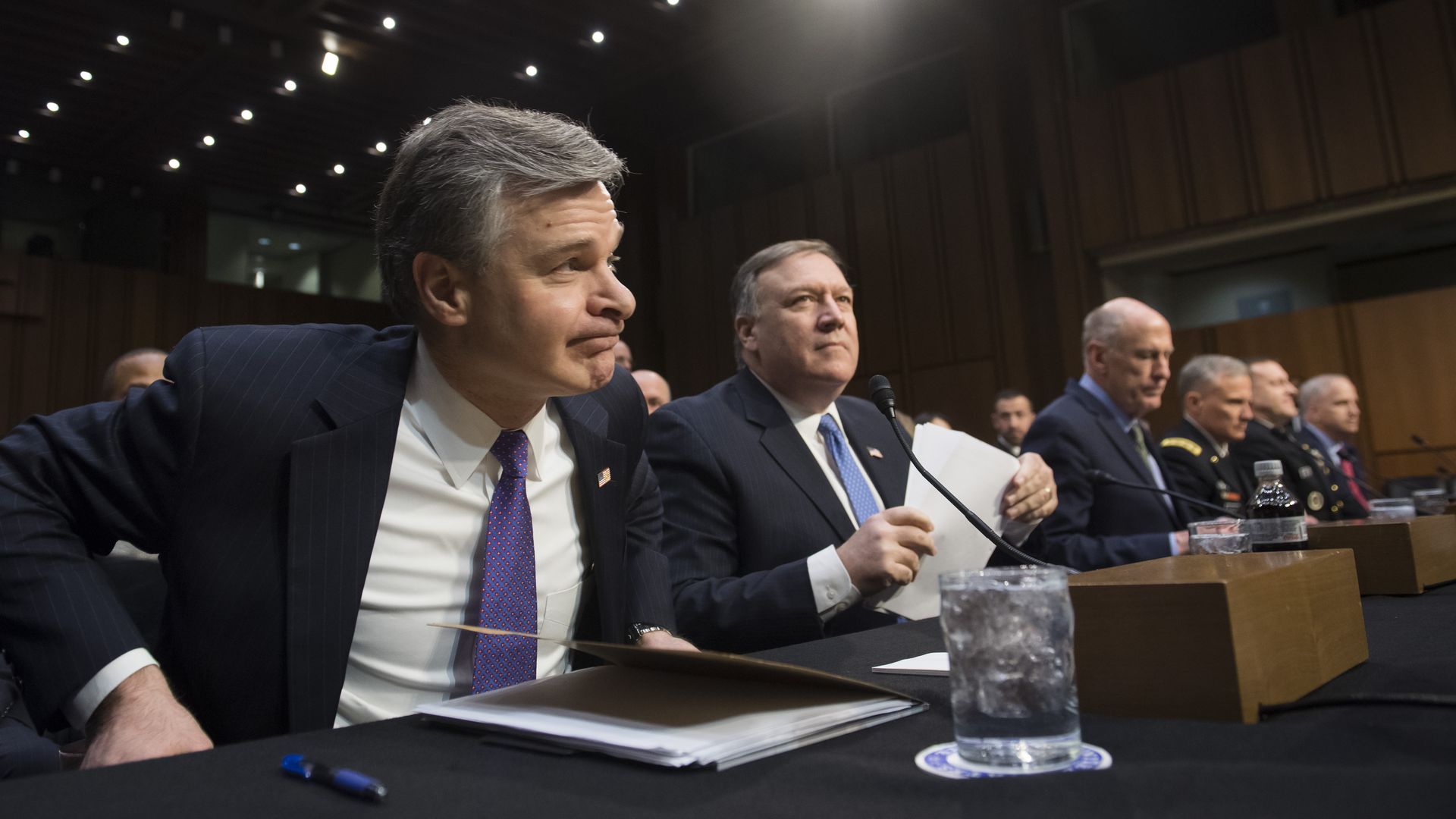
Who testified: DNI Dan Coats, FBI Director Chris Wray, CIA Director Mike Pompeo, DIA Director Robert Ashley, NSA Director Mike Rogers, NGA Director Robert Cardillo.
The leaders of America's intelligence community warned Tuesday that the threat of foreign offensives on social media had not abated:
“We expect Russia to continue using propaganda, social media, false flag personas, sympathetic spokesmen and other means … to try to build on its wide range of operations and exacerbate social and political fissures in the United States."
— Director of National Intelligence Daniel Coats at a Senate Intelligence Committee hearing
Why it matters: "There should be no doubt that Russia perceived that its past efforts [were] successful and views the 2018 U.S. midterm elections as a potential target for Russian influence operations," Coats said. "Frankly, the United States is under attack."
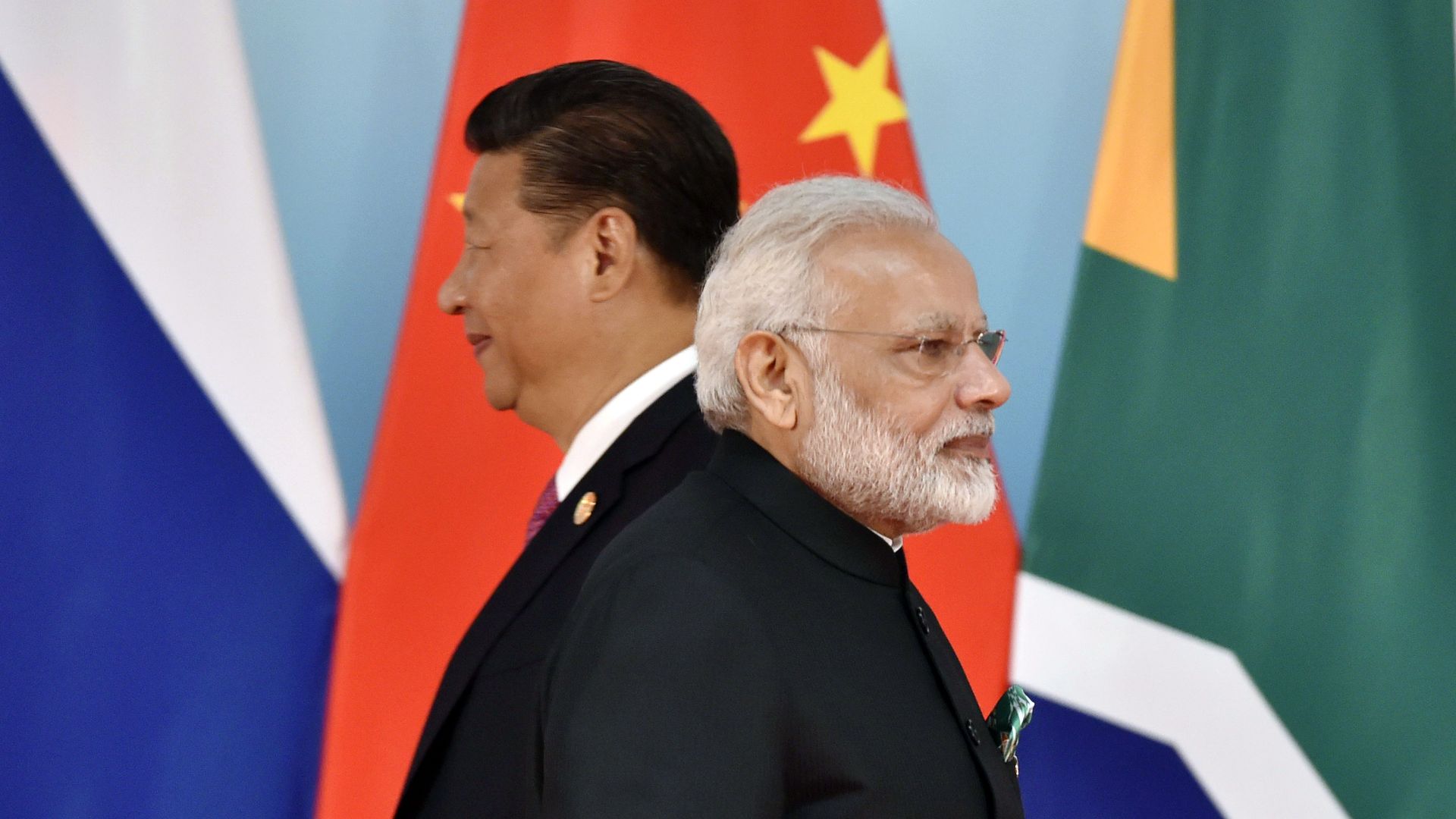
Sometimes the biggest global stories play out in the smallest places. Last week a political crisis in the Maldives, a tiny, idyllic island nation in the Indian Ocean, gave us a glimpse of broader geopolitical tensions between two giants: India and China.
Narrowly, the current turmoil in the Maldives has to do with a bitter rivalry between the head-cracking current president, Abdallah Yameen, and exiled former president, Mohamed Nasheed, who leads the opposition. But things took on a global dimension fast when Nasheed called on India to send in troops to restore order and roll back Chinese influence on the islands.
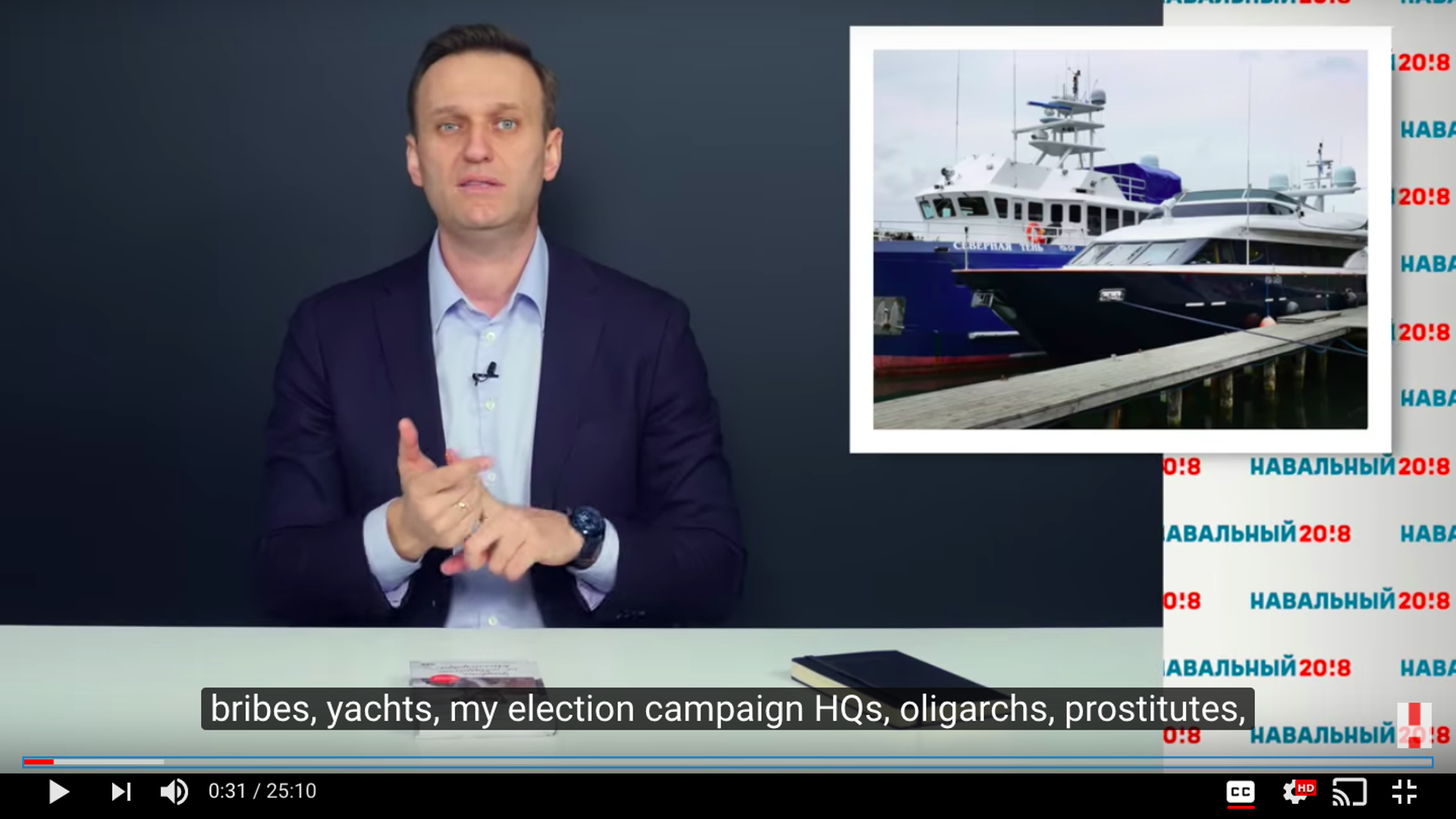
Russia's mass communications regulator, known as Roskomnadzor, has threatened to block its citizens from accessing YouTube and Instagram over the release of videos alleging a link between the Kremlin and a Russian oligarch affiliated with Paul Manafort, reports Mother Jones.
Why it matters: Russia's internet providers don't have the ability to block specific URLs, meaning that the entire country risks losing access to the platforms if the original publishers don't take the videos down by Feb. 14.
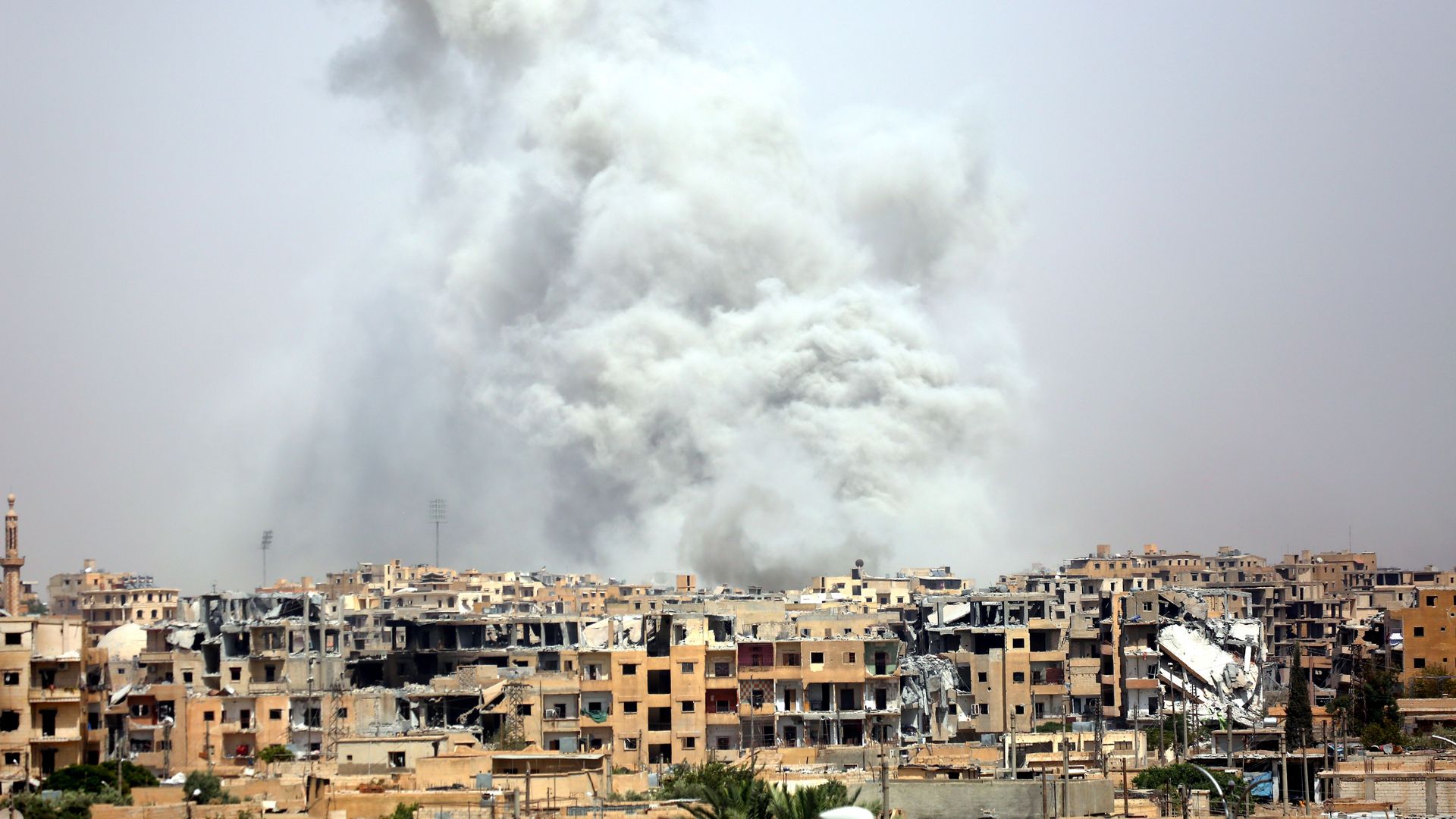
American forces in Syria killed at least 100 Russian mercenaries fighting for Syrian leader Bashar al-Assad after they launched a failed — and perhaps rogue — attack on a base and oil refinery held by U.S.-led troops, Bloomberg reports, citing a U.S. official and three Russian sources. The U.S. military accepted Russia's claim that it had nothing to do with the attack.
Why it matters: It may have been "the deadliest clash between citizens of the former foes since the Cold War," per Bloomberg.