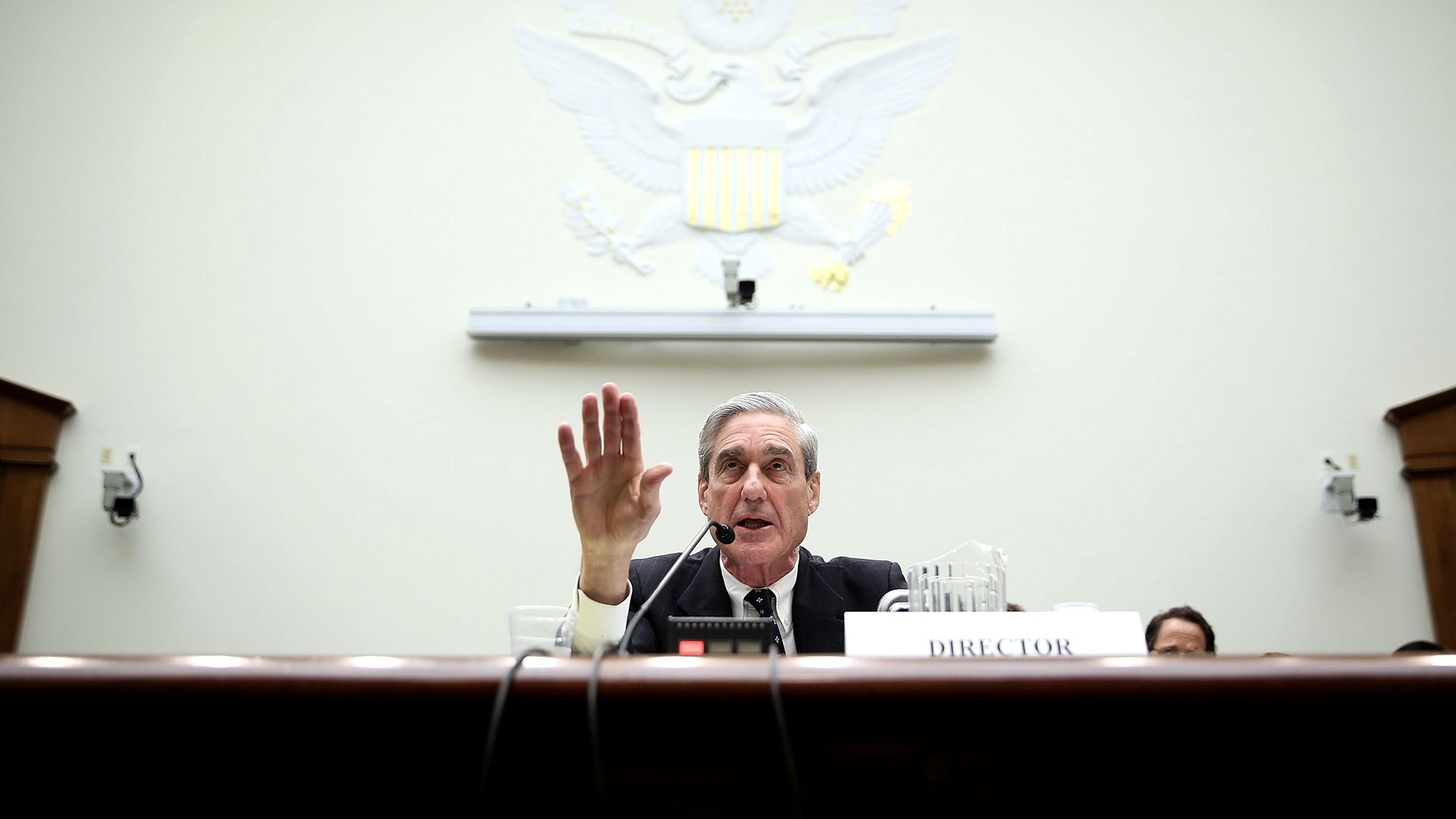
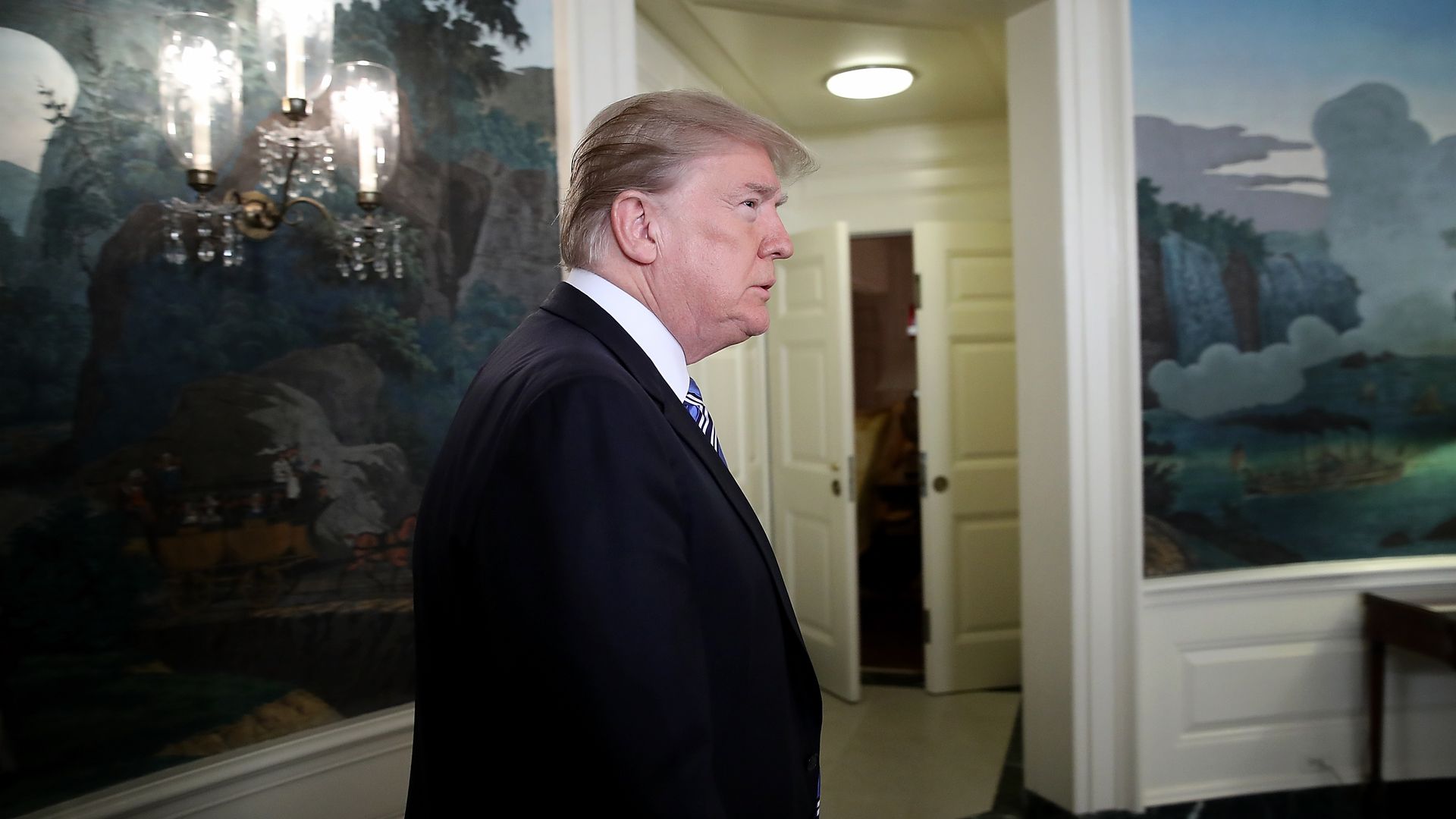
President Trump has issued a tweet in response to Robert Mueller's indictments of 13 Russians over election meddling in 2016.
Worth noting: Trump is correct that the interference began before he entered the race. His other two claims are less clear cut. While Deputy A.G. Rosenstein said there was no evidence these specific activities impacted the result, the intelligence community has not released a conclusion on whether Russia tipped the election. Similarly, there's no evidence in this indictment that Trump associates did anything wrong, but Trumpworld hasn't been cleared in the wider investigation.
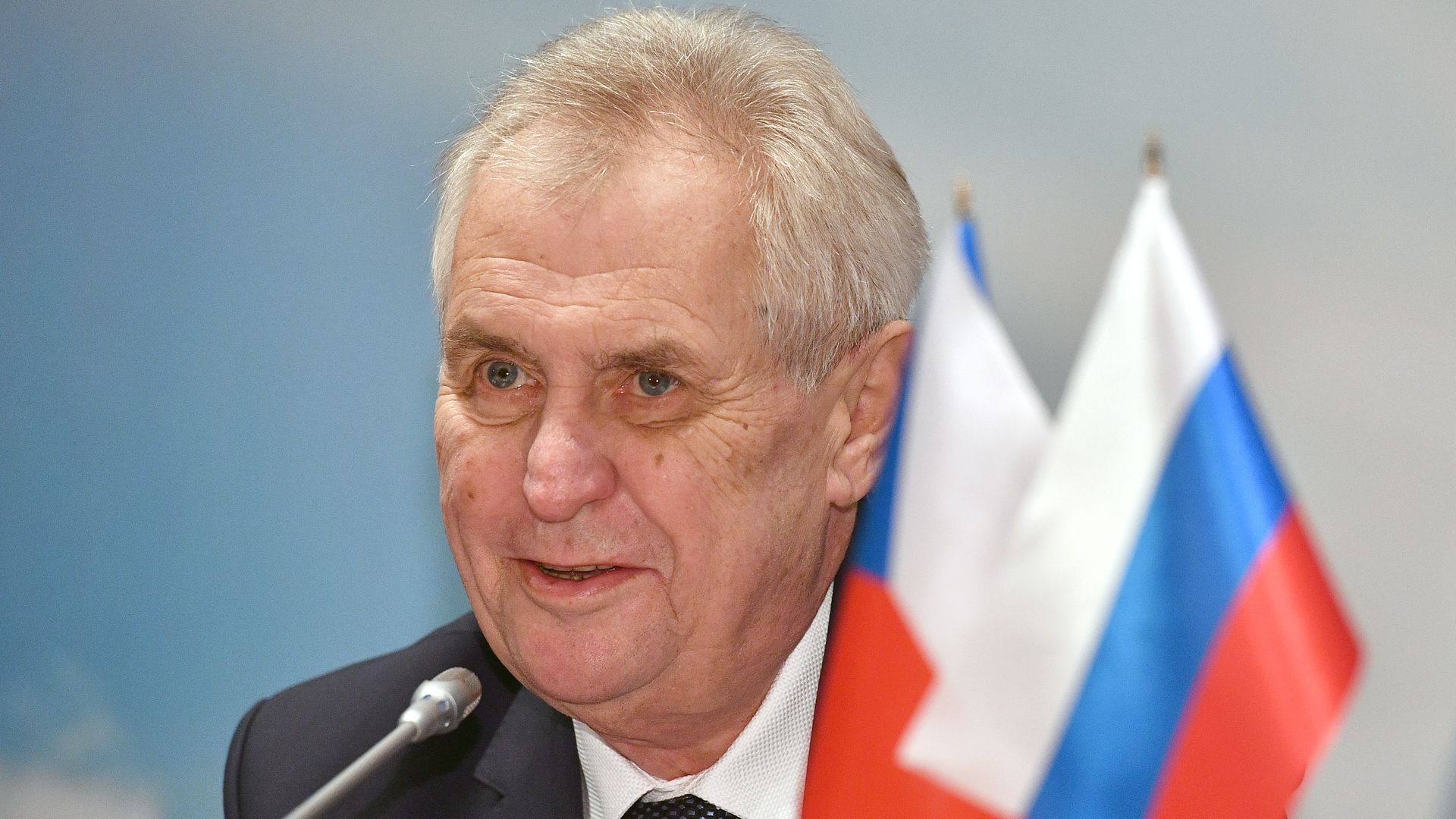
The Czech Republic’s pro-Russia president, Milos Zeman, appears to be the latest medium through which Moscow is attempting to thwart the extradition to the U.S. of Russian hacker Yevgeniy Nikulin.
Why it matters: U.S. authorities believe Nikulin may have information about Russian state-sponsored cyber activities, including the hacking of the D.N.C. in 2016 and the crippling NotPetya malware attacks, even if he wasn't directly involved. His arrest sparked an intense tug-of-war between Washington and Moscow, which has launched its own extradition request over Nikulin’s alleged theft of $1,955 via Webmoney in 2009.
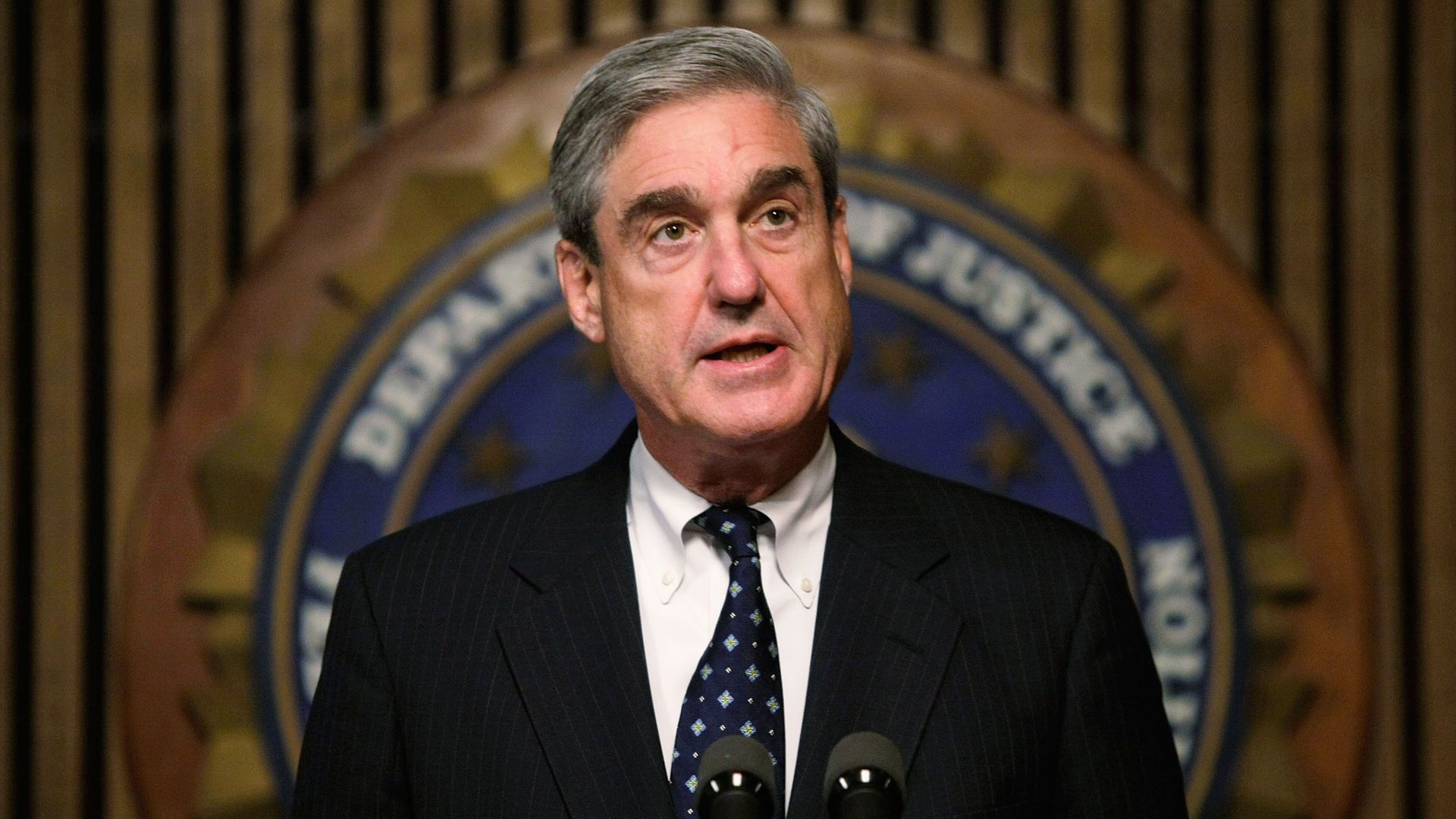
In addition to the 13 Russian nationals indicted earlier this afternoon, court filings from the Special Counsel's office indicate that Robert Mueller has struck a plea deal with Richard Pinedo, 28, of Santa Paula, Calif.
Why it matters: This tells us quite a bit about what Russia did to interfere in the election, but not much about potential collusion. Deputy A.G. Rod Rosenstein said that while the defendants were in touch with Americans, including members of the Trump campaign, “the Americans did not know they were communicating with Russians.” Rosenstein added that the indictment does not confirm that the alleged meddling changed the outcome of the presidential election.
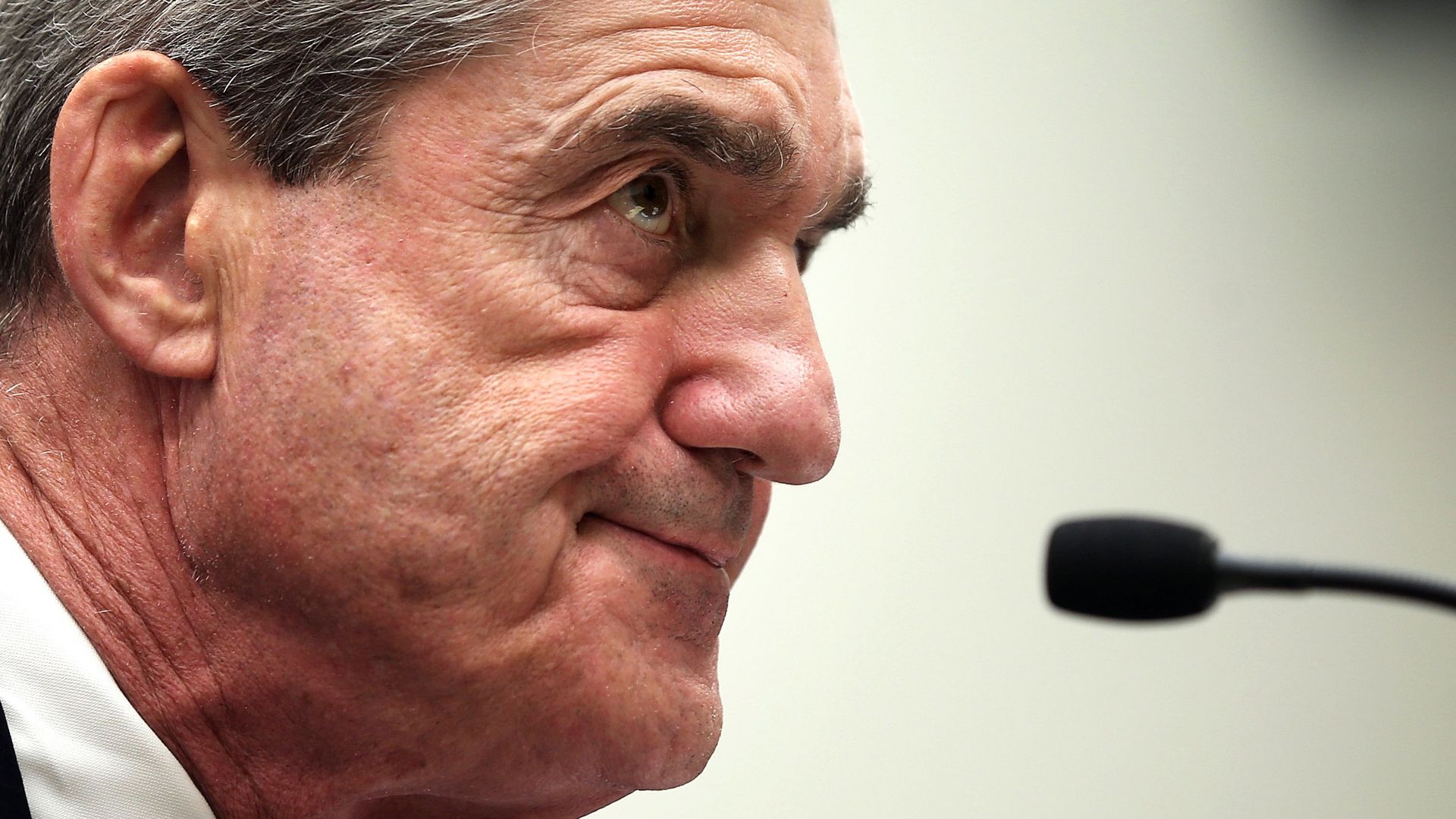
Special Counsel Robert Mueller interviewed Mark Corallo, the former spokesman for President Trump's legal team, for more than two hours this week, The Daily Beast reports.
Why it matters: The NYTimes reported last month that Corallo was planning to tell Mueller about a call in which Hope Hicks told President Trump that emails written by Donald Trump Jr. before the infamous Trump Tower meeting “will never get out.” This led Corallo to believe that Hicks might have been willing to obstruct justice.
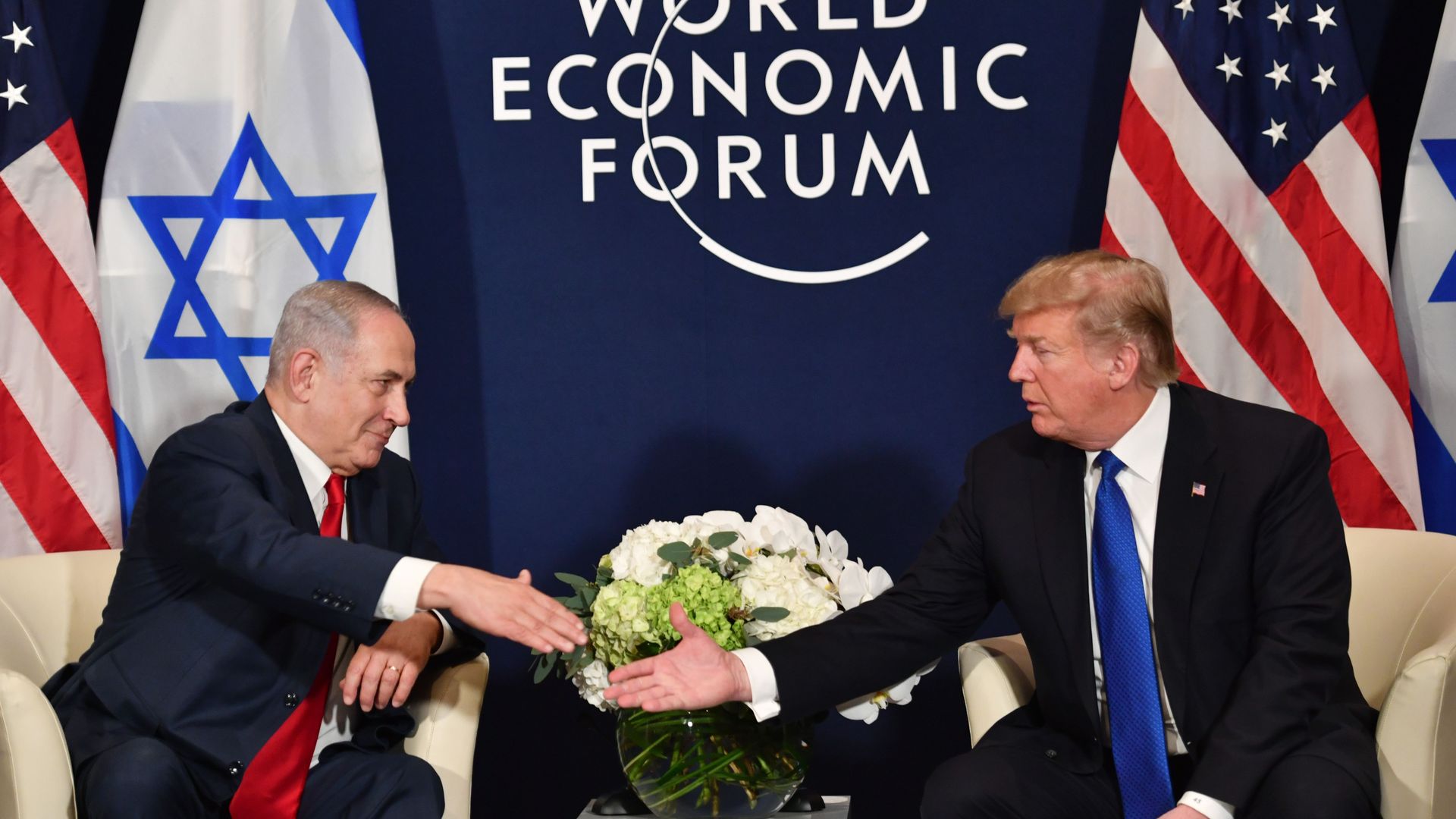
President Trump will meet Israeli Prime Minister Benjamin Netanyahu at the White House in March 5th, a White House official tells me. This will the 5th meeting between the two leaders since Trump entered the Oval Office.
The possibility of a "bloody nose" attack on North Korea from the U.S. is no longer under consideration by the White House, reports Reuters.
Why it matters: The strategy, in which the U.S. would hone in a limited attack on North Korean targets, received backlash from intelligence officials and others who warned of the dangers of such a response. “Our preference is to achieve denuclearization of the Korean Peninsula through a diplomatic settlement, but we will reach this goal one way or another,” Susan Thornton, assistant secretary for east asian and pacific affairs told Reuters.
Sen. James Risch said during a Senate Foreign Relations Committee hearing on Thursday, "We were told clearly by administration people about as high up as it gets that there is no such thing as a bloody nose strategy."
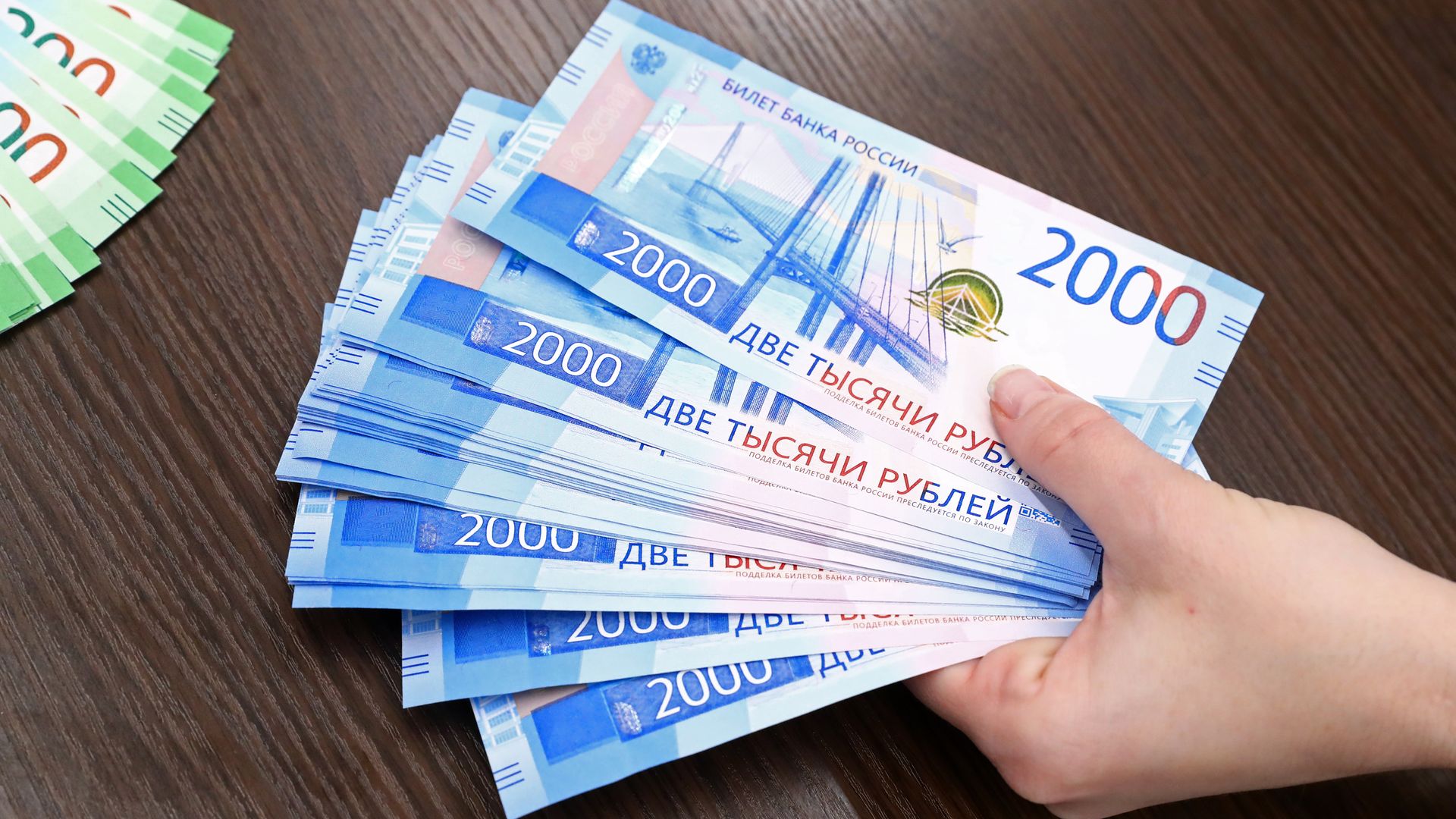
Hackers stole 340 million roubles ($6 million) from a Russian bank, the Russian central bank confirmed to Reuters. According to the report, the thieves hijacked a Russian bank's computer and made fraudulent transfers over the SWIFT interbank communications network, used internationally by banks to shuffle trillions of dollars a day.
Why it matters: SWIFT is an increasingly popular vector to steal money from banks. Hackers have stolen millions of dollars using the system including $81 million from the Central Bank of Bangladesh in 2016, with other incidents spanning from Ecuador to Taiwan. The security of the network depends on banks protecting their own computers, which has proven difficult.
Secretary of State Rex Tillerson's Middle East trip comes on the heels of Iranian escalation in the Syrian conflict that poses new security risks for Israel.
Tehran has long backed Syria’s president, Bashar al Assad, in no small part because he permits the Iranians a connection to Lebanon and transit for their support of Hezbollah. But Iran has now developed a military presence and infrastructure in Syria — not to defend Assad but to open a second front against Israel.
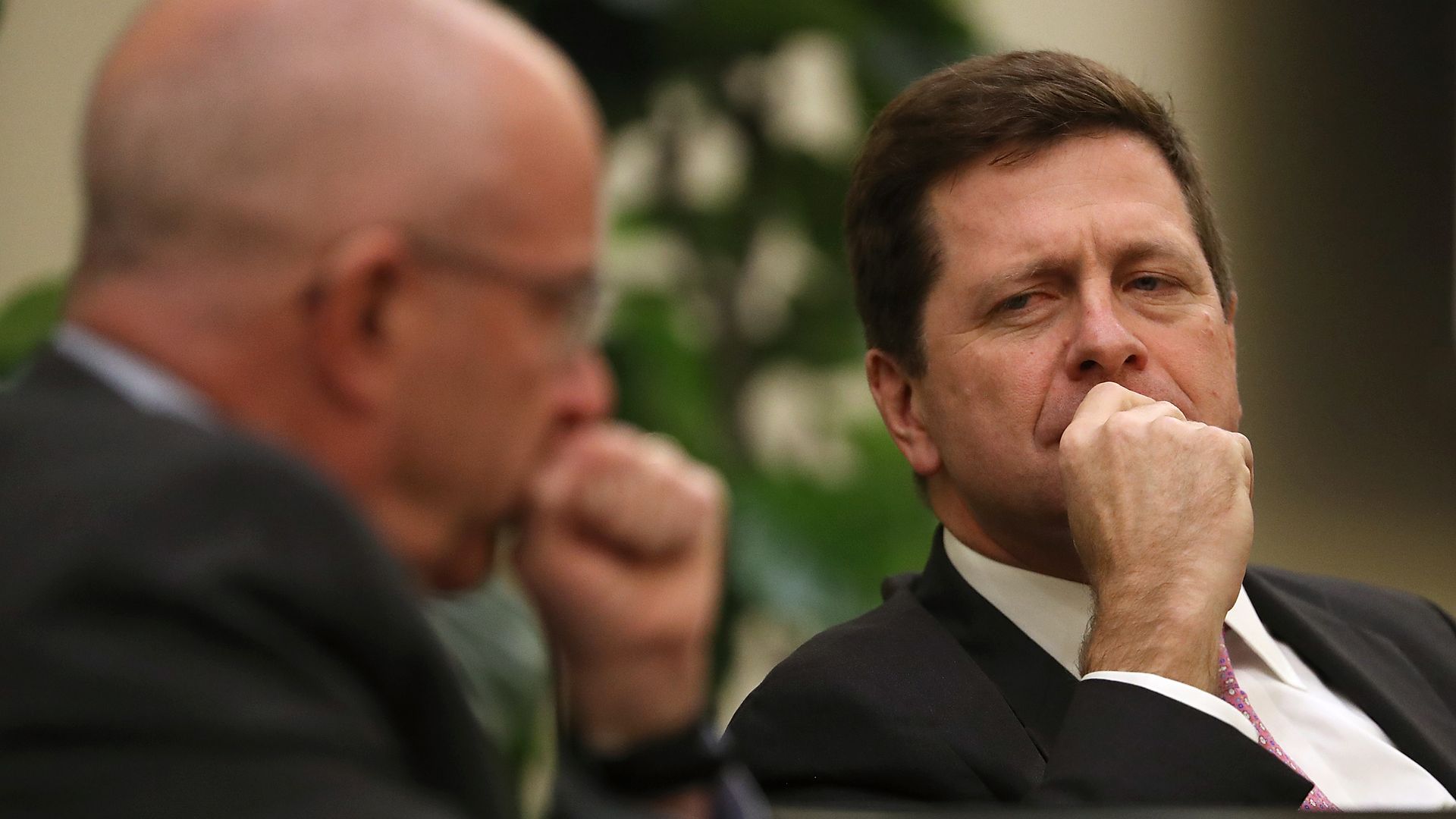
The U.S. Securities and Exchange Commission rejected a bid from China-based investors for the Chicago Stock Exchange (CHX), despite it already having been approved last August, Reuters reports.
Why it matters: Trump-appointed SEC chairman Jay Clayton put the deal on hold minutes after it was approved. Per Reuters, the sale "drew harsh criticism from U.S. lawmakers who questioned the SEC's ability to regulate and monitor the foreign owners if approved."
The SEC said it did not have sufficient information on the proposed buyers and their sources of funds, Reuters reports, and that it was "not satisfied it would have full access to the exchange's books and records."
Wired reports that following the tragic shooting in South Florida on Wednesday, Russian bots "flooded Twitter" to spread pro-gun messaging and sow discord.
Why it matters: Bots were being used to spread misinformation about who the shooter was and what groups he belonged to. Per Wired, the goal is "to amplify the loudest voices in that fight, deepening the divisions between us."