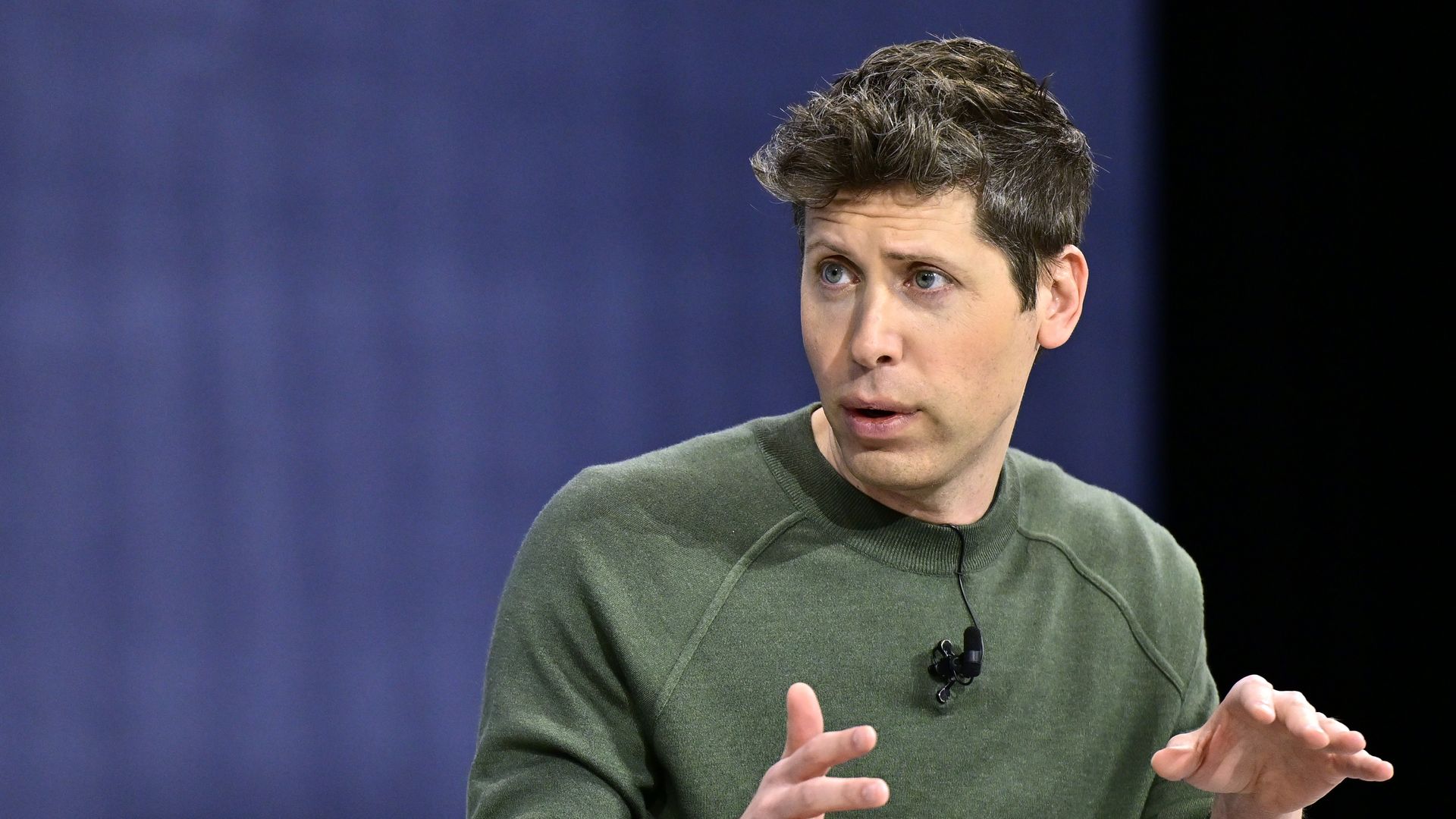
OpenAI is bringing the o1 reasoning model series out of preview in ChatGPT and is launching a new pro tier, a $200 a month plan for unlimited access to o1, GPT-4o, and Advanced Voice mode.
Why it matters: The announcement comes after ChatGPT's two-year anniversary as OpenAI aims to advance human-like reasoning tasks and bolster revenue.
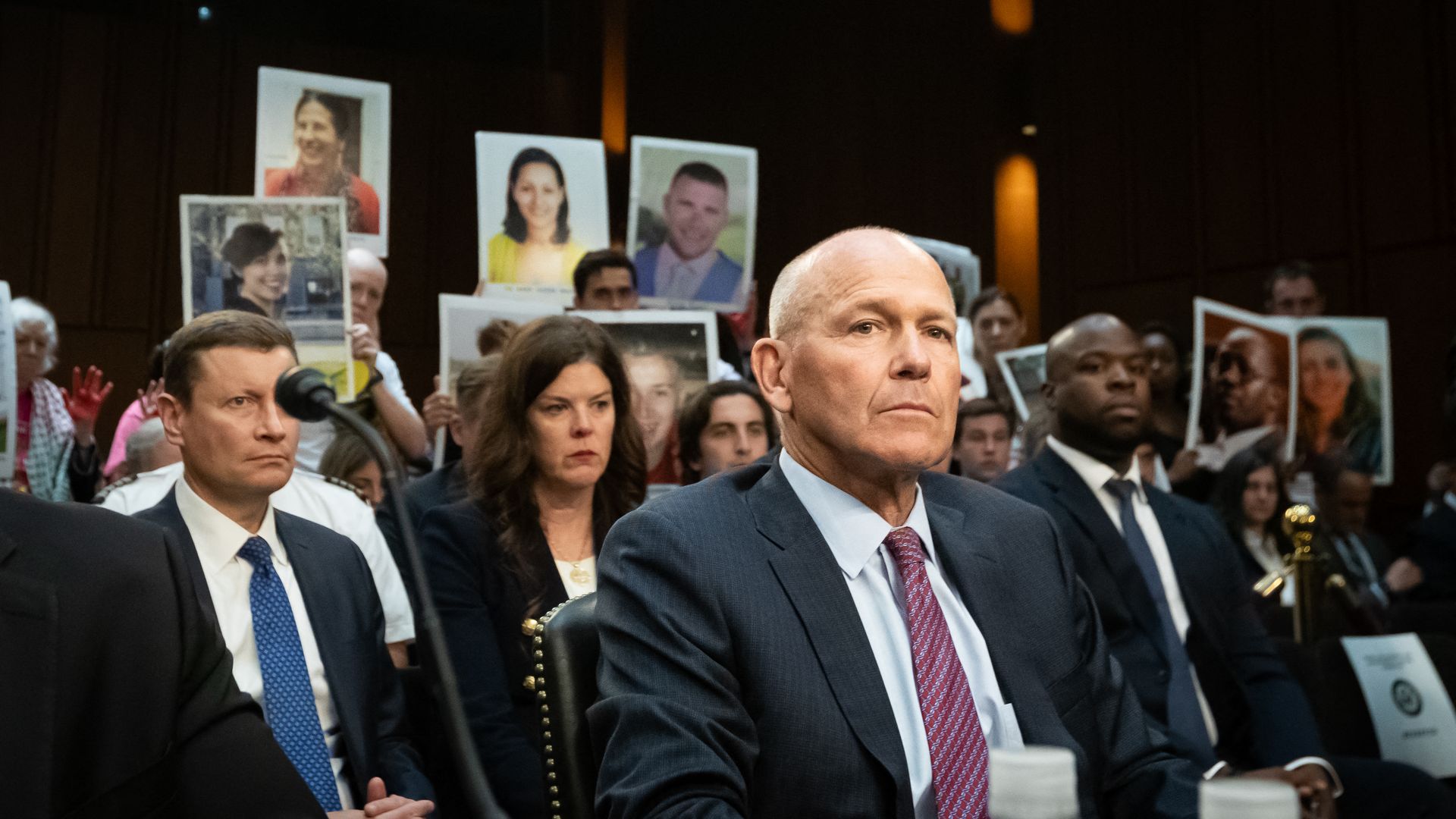
A federal judge on Thursday rejected Boeing's plea deal over a criminal fraud charge stemming from two fatal 737 crashes in 2018 and 2019.
Why it matters: The plane crashes in Indonesia and Ethiopia killed a total of 346 people and ignited scrutiny about quality control and safety at Boeing — concerns that have only become starker in recent years.
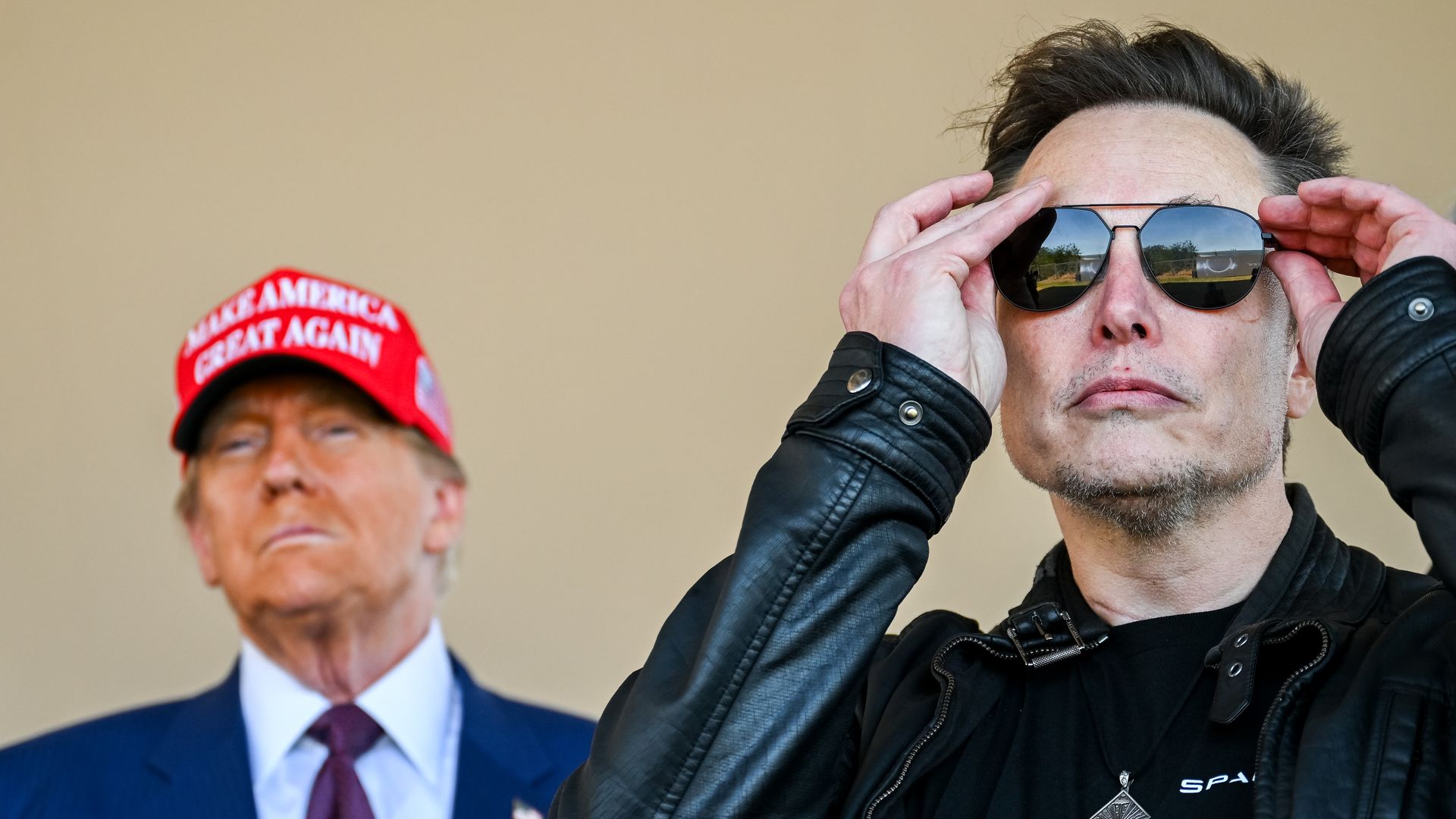
Elon Musk overwhelmingly tops a list of the most read-about businesspeople of the year, according to data from Taboola shared exclusively with Axios.
Why it matters: It's little surprise given the way Musk has come to dominate industry, the media and politics — but the magnitude of the gap between him and anyone else is still eye-popping.
Project Liberty, founded by billionaire Frank McCourt, has pulled together participants for a consortium of investors interested in pursuing a "peoples bid" for TikTok, McCourt told Axios.
Why it matters: A U.S. court has until January 19 to decide whether TikTok should be banned if it does not find a U.S. buyer.
Palantir, a 21-year-old technology company that's been public for four years, is suddenly being valued as though it's a fast-growing startup.
Why it matters: Palantir's most recent earnings report came out the day before Donald Trump won the presidency. The two events have helped to propel the stock to record highs.
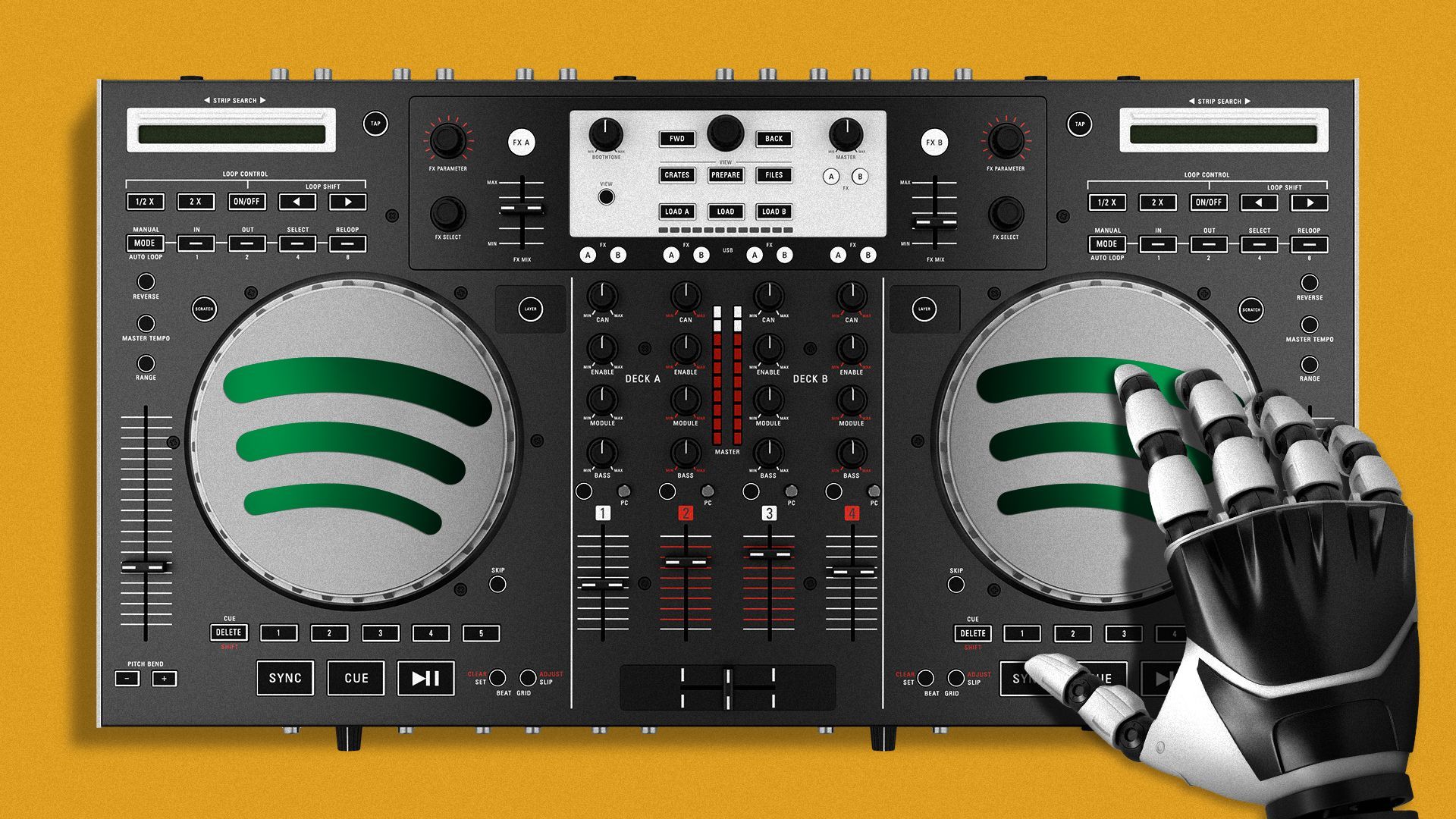
The big picture: Spotify has been making investments in AI as it anticipates its first full profitable year yet, a testament to its cost-cutting efforts, which has included layoffs, and its push to grow paid memberships.
At least eight U.S. telecommunications carriers were compromised during a wide-reaching Chinese espionage campaign, Anne Neuberger, deputy adviser of cybersecurity and emerging tech, told reporters Wednesday.
Why it matters: This is the first time the U.S. has confirmed the number of carriers reeling from the Salt Typhoon campaign — more than three months after news reports started uncovering details about the operation.
Defense contractor Anduril and ChatGPT maker OpenAI Wednesday announced "a strategic partnership to develop and responsibly deploy advanced artificial intelligence (AI) solutions for national security missions" with an initial focus on anti-drone systems.
Why it matters: The U.S. now sees AI as a global race, chiefly with China, to dominate the new technology and use it to further national interests. At the same time, debates still rage about AI's reliability and long-term safety.
The D.C. Attorney General's Office (OAG) is suing Amazon for allegedly duping residents in majority Black and low-income D.C. ZIP codes into paying for Prime membership delivery benefits they aren't actually receiving.
The big picture: Amazon has since 2022 secretly withheld its quick delivery service to 48,000 Prime members in Northeast and Southeast ZIP codes that include Anacostia, Kenilworth, Deanwood and Fort Dupont, the OAG alleges in a release Wednesday.
President-elect Trump announced Wednesday that he has nominated Jared Isaacman, billionaire and commercial astronaut, as the next head of NASA.
Why it matters: Isaacman is a close associate of Elon Musk, who has emerged as one of Trump's biggest backers, and his selection is a boon for Musk's company SpaceX.
Why it matters: The new model provides — for the first time — a machine learning-driven method of conducting ensemble-based forecasting, in which the same model is run with many different initial conditions, to generate probability-based projections.
SpaceX is the most valuable defense contractor in the world. Its valuation has reportedly increased by $140 billion — more than the total value of Lockheed Martin — just since June.
Why it matters: Investors aren't necessarily clamoring for SpaceX shares because Starlink has suddenly become more profitable or rocket launches more numerous. Instead, they're buying into Elon Musk's proximity to President-elect Donald Trump.
The Food and Drug Administration on Tuesday finalized recommendations aimed at simplifying the process for approving medical devices that use artificial intelligence.
Why it matters: Regulators increasingly are evaluating AI-powered medical devices.
Artificial intelligence and machine learning has the potential to improve health care by ingesting real-world data and adapting it to new circumstances in real time.
But ensuring that AI-powered medical devices remain safe and effective is burdensome for both the FDA and manufacturers.
"This guidance is intended to provide a forward-thinking approach to promote the development of safe and effective AI-enabled devices," the FDA memo says.
Zoom in: The first-time guidelines outline that manufacturers can seek approval to make changes to their AI-enabled products without having to file a new submission to show the device is safe and effective.
The plan is submitted to FDA along with a marketing approval application that outlines modifications that will be made and how those changes will be assessed.
Regulators said manufacturers should include descriptions of planned changes to the device, outline the testing needed to make sure the device remains safe and effective, and a risk-mitigation strategy.
FDA proposed initial guidelines in April 2023.
Reality check: The guidelines are recommendations, not legally enforceable requirements.
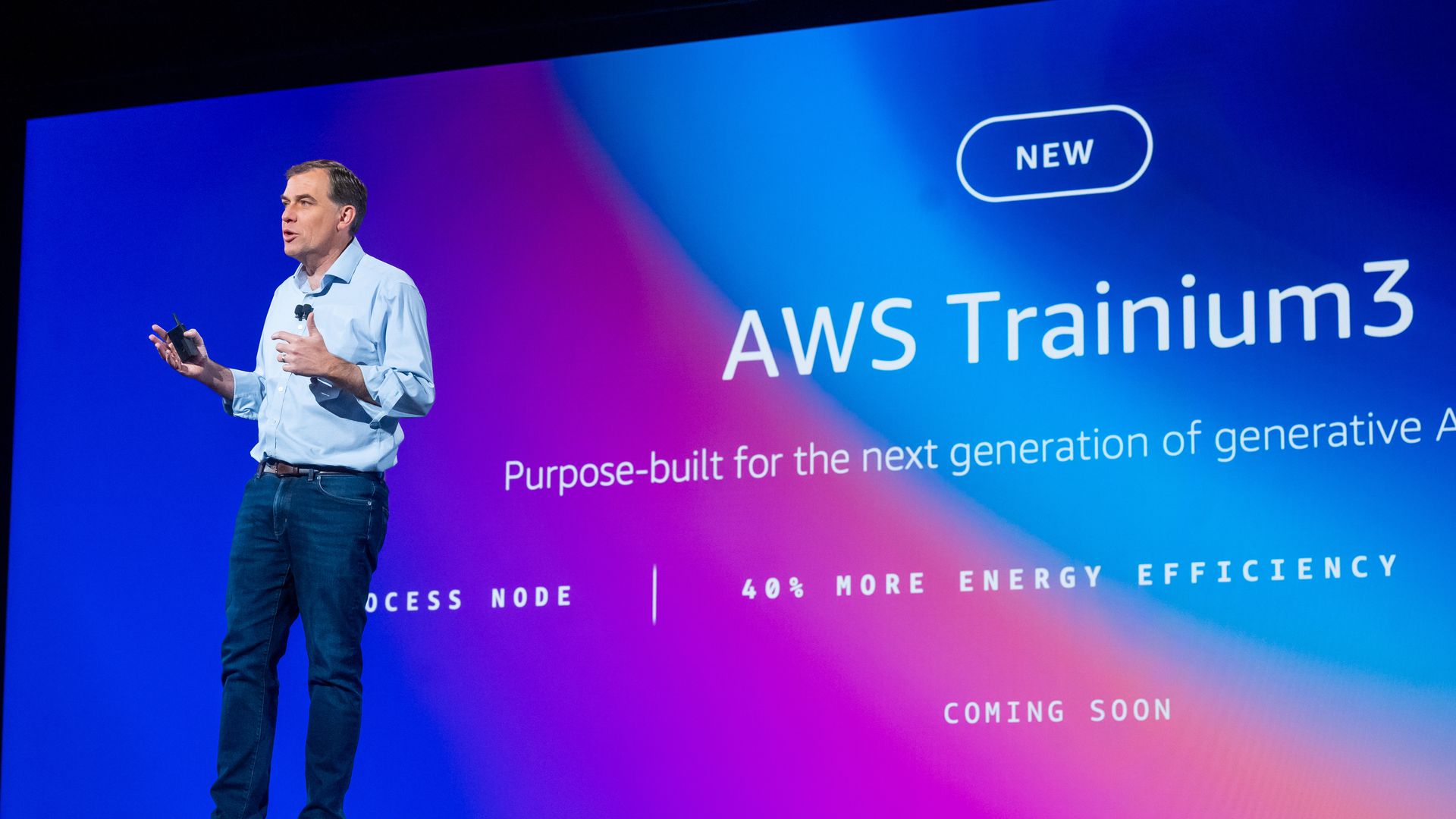
Amazon announced a new seriesof foundation models that aim to rival those from OpenAI, Anthropic and Meta, as part of a slew of AI announcements from the tech giant on Tuesday.
Why it matters: Amazon has been a key player in generative AI largely on the strength of its web services business, but its new moves are designed to give it a larger footprint.