Young AI just got a ticket to run wild

Add Axios as your preferred source to
see more of our stories on Google.
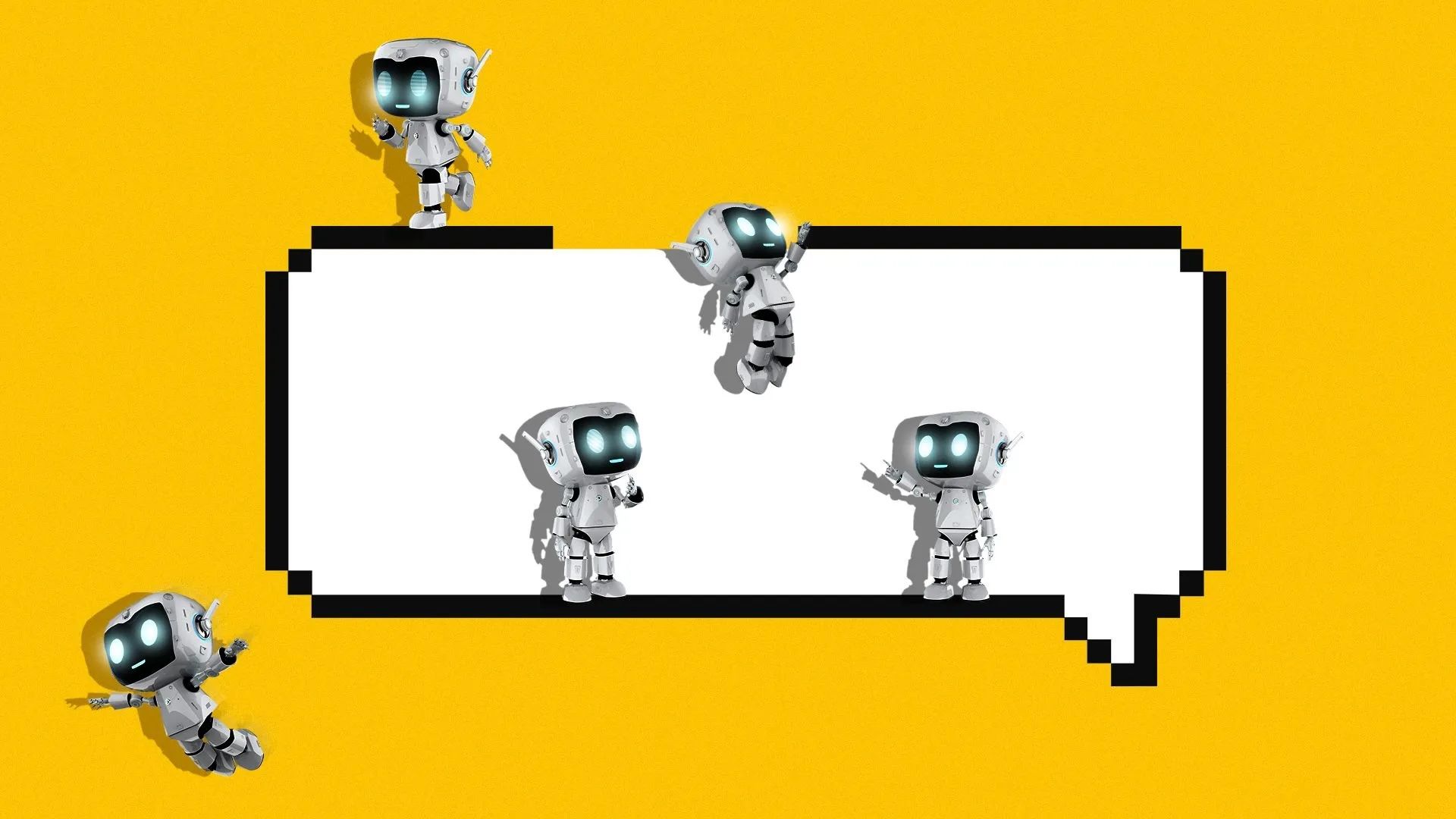
Illustration: Aïda Amer/Axios
American voters have just decided — among many other things — that artificial intelligence will grow up in a permissive, anything-goes household, rather than under the guidance of stricter parents.
Between the lines: Trump's reputation may be that of a strongman, and his MAGA brand of conservatism embraces tough talk, but last night's Republican victory makes it a lot more likely that AI will run wild as it develops.
The big picture: AI makers describe the process of training a model as something like raising a small child.
- That's one reason "values-free" AI doesn't exist. Every generative AI model encodes a set of biases and assumptions drawn from the data it's given and the rules its makers impose.
AI companies faced two very different roads this election season.
- Vice President Harris oversaw the Biden administration's AI policymaking that led to the AI executive order and related efforts.
- These are less hard-line regulations than balancing acts, but they do aim to impose some caution and transparency on the new industry.
Trump hasn't said much about AI.
Yes, but: His close ally Elon Musk is the leading advocate (and funder) of AI systems that favor "anti-woke" principles over guardrails limiting hate speech, bullying and misinformation.
Zoom in: In a second Trump administration, two key factors are likely to combine to discourage federal efforts to set limits on AI.
- Traditional Republicans have long embraced laissez-faire policies and been hostile to regulation.
- Meanwhile, the MAGA belief that Big Tech platforms censor conservatives has made Trump-era Republicans detest efforts to moderate content online or to build systems that place boundaries on acceptable speech.
Zoom out: AI's creators and leaders remain deeply divided over their technology's potential for good or harm, even as the tech industry races to deploy it in every corner of society.
- Many AI advocates and investors see AI blessing the future with abundance and productivity, and serving human needs with universal AI tutors and medical aides.
- OpenAI CEO Sam Altman recently told a developers' event in London that "working on these models definitely feels like being on the side of the angels."
- On the other side of the debate is a crowd of AI experts worried about the technology destroying the human race.
- Others simply point out that AI, particularly when it's used in applications like facial recognition or hiring/firing algorithms, can automate discrimination.
"Opaque and unaccountable AI systems" can lead to "the suppression of civil rights and individual opportunity," warn the authors of an article in Foreign Policy last week.
- Former Harris adviser Ami Fields-Meyer and Data & Society director Janet Haven write: "Ungoverned, AI undermines democratic practice, norms, and the rule of law — fundamental commitments that underpin a robust liberal democracy — and opens pathways toward a new type of illiberalism."
State of play: Industry insiders argue that putting too tight a rein on AI will hobble the U.S. in a global race to best China.
- Other experts believe the U.S.'s opportunity lies in building AI that's carefully designed to fortify democracy, hamper authoritarianism and shun surveillance-state tactics.
What we're watching: This election could prove the last time the public gets to weigh in on the right way to "parent" AI. Four years from now, the technology will be older — and more set in its ways.
