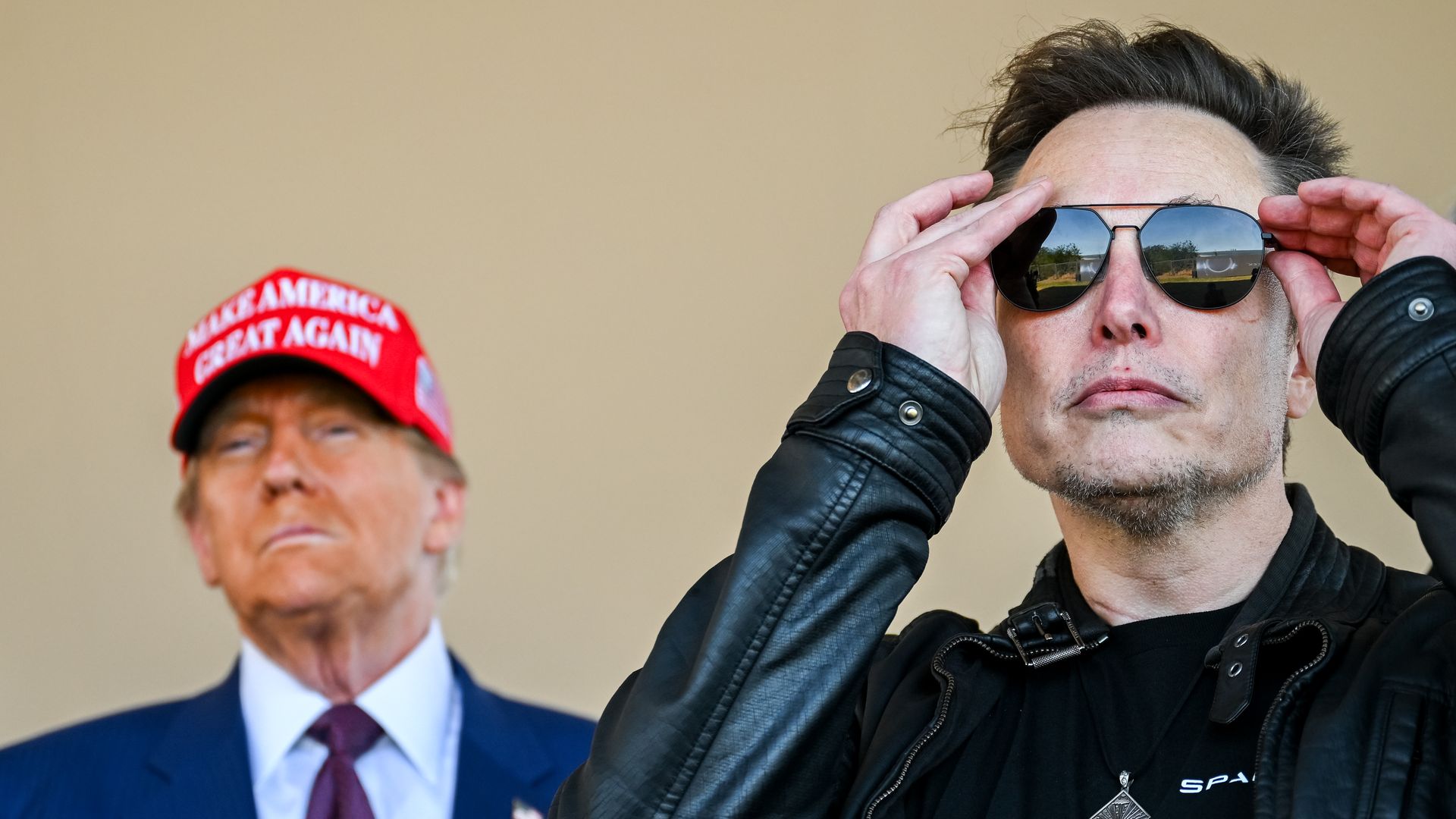
A Delaware judge's ruling rejecting Elon Musk's Tesla compensation package— for the second time — is but a small setback for his finances as his net worth soars in the immediate aftermath of Donald Trump's electoral triumph.
Why it matters: Musk was already the world's richest person before the election, and now his pocketbook and his power are getting even bigger.
Facebook parent Meta is seeking developers that can bring nuclear reactors online starting in the early 2030s to support data centers and communities around them.
Why it matters: Meta is joining Amazon, Google and other tech giants in turning to nuclear generation to fuel energy-thirsty AI data centers with zero-carbon electrons.
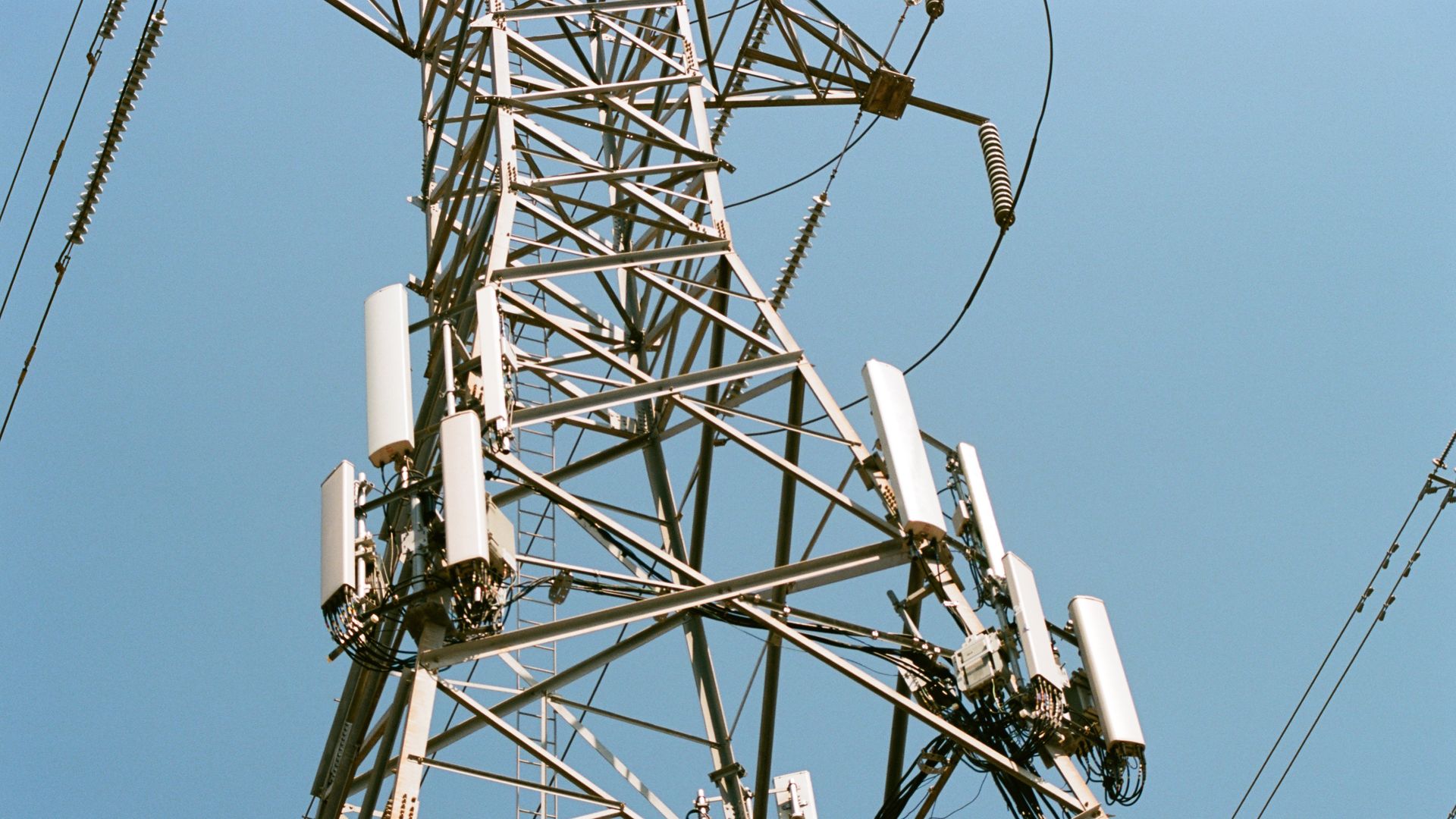
China-linked spies are still lurking inside U.S. telecommunications networks roughly six months after American officials started investigating the intrusions, senior officials told reporters Tuesday.
Why it matters: This is the first time U.S. officials have confirmed reports that Salt Typhoon hackers still have access to critical infrastructure — and they're proving difficult to kick out.
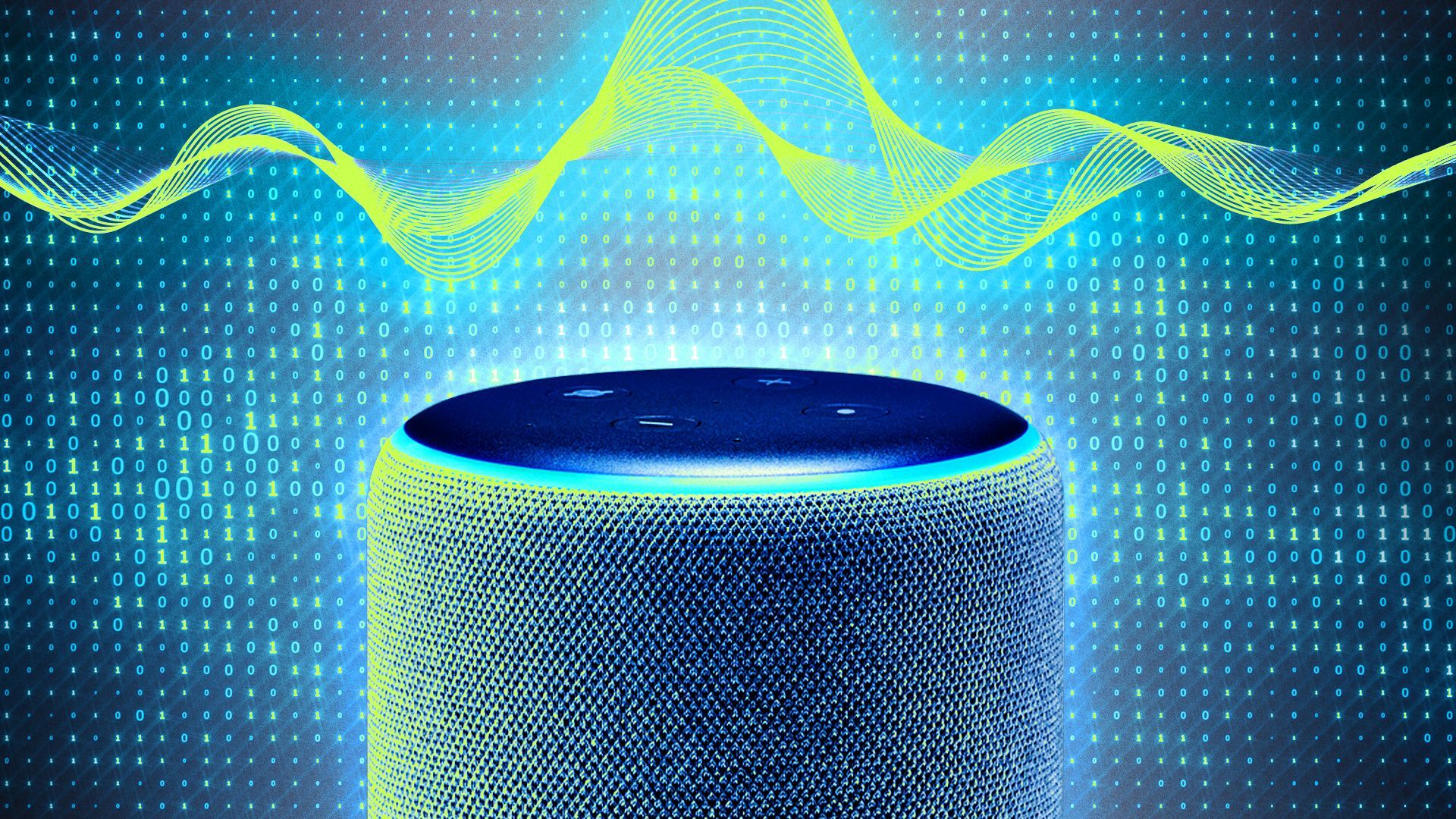
Amazon is reaching out to news publishers about opportunities to license their content for the next generation of Amazon's Alexa voice assistant, slated to debut next year, Axios has learned.
Why it matters: The company plans to debut a new, smarter version of Alexa, using generative AI to power customized responses to real-time user queries about the news.
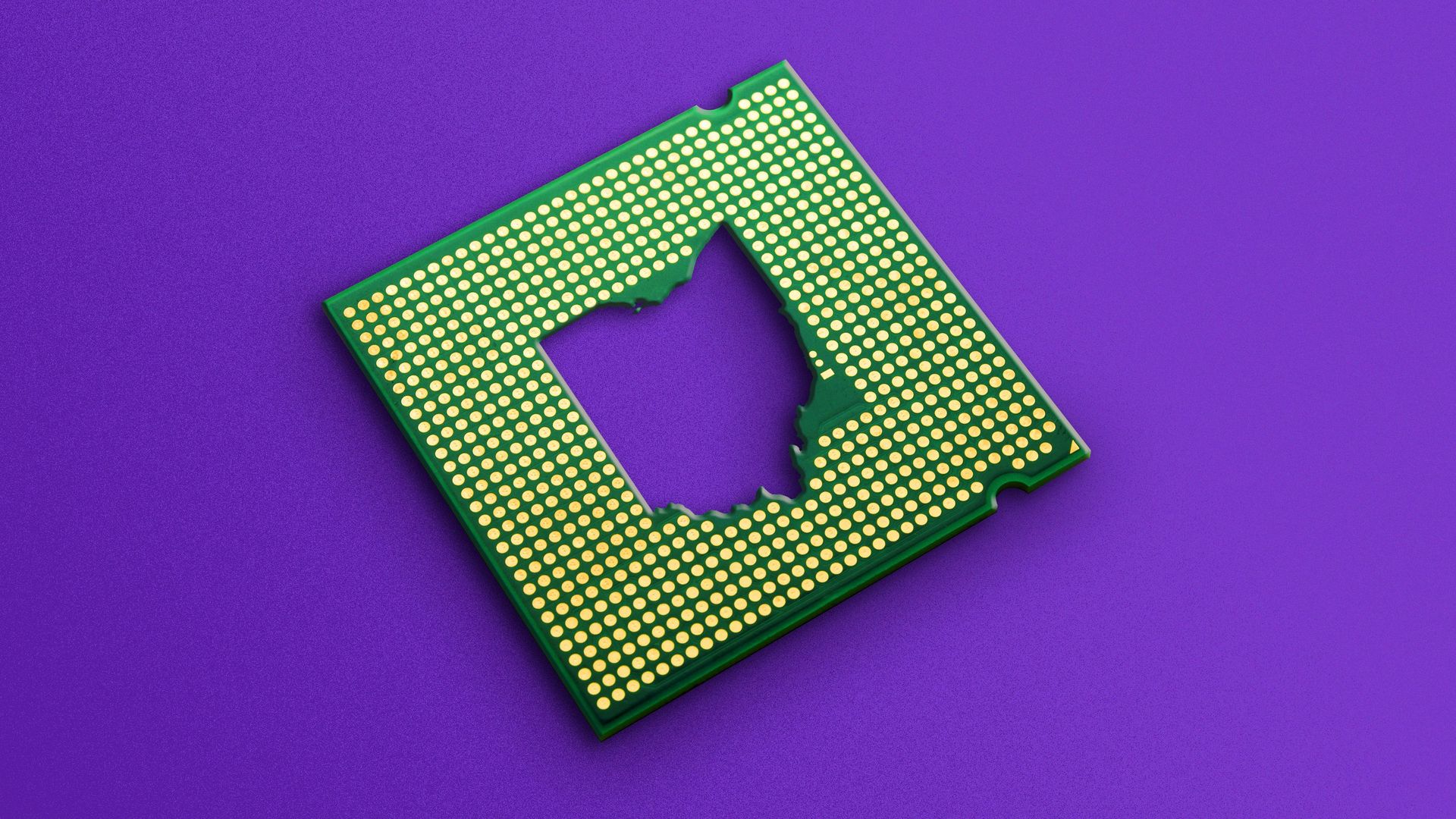
China's Quectel is one of the world's largest manufacturers of IoT cellular modules, a key chip component, with nearly a 40% market share. Now it's licensing out its manufacturing tech and source code to an Ohio-based startup called Eagle Electronics, in a reversal of how these cross-border relationships have traditionally worked.
Why it matters: This reflects the U.S. onshoring trend for semiconductors, which is expected to intensify if President-elect Trump makes good on his threat to put new tariffs on China-made products.
AI-driven deepfakes weren't the disinformation catastrophe that tech companies and global governments feared ahead of a slew of major elections this year, Meta president of global affairs Nick Clegg told reporters Monday.
Why it matters: The spread of broader conspiracy theories has proven to be a much more challenging misinformation threat than AI-doctored photos or videos.
Environmental intelligence firm Kayrros is rolling out a large language model (LLM) to allow the public to pinpoint methane-emitting facilities, the company first told Axios.
Why it matters: The new "methane GPT" allows users to ask plain-language questions and get answers from the company's Methane Watch map for free.
OpenAI's potential plan to incorporate ads in products like ChatGPT is hardly surprising — but should still serve as a wake-up call for AI makers and users.
Why it matters: AI chatbots cost a fortune to run and remain available for free. Advertising could open up huge new revenue opportunities for OpenAI and its competitors, but it also risks separating the interests of AI companies from those of their customers.
Stanford professor Fei-Fei Li, dubbed the "godmother" of AI, on Monday released an early peek at what her AI startup has been working on: an engine that can turn still images into realistic three-dimensional worlds.
Why it matters: Li is focused on the intersection of generative AI and the physical world, a challenging but potentially lucrative area.
This column by Axios CEO Jim VandeHei first appeared in our nightly newsletter, Axios Finish Line:
Trust in journalism fell far and fast. Elon Musk and millions more argue it is — and should be — buried forever.
They say anyone with unrestrained speech — anyone on X — can easily replace a discredited media. "You are the media now," Musk repeatedlytells his 206 million followers.


/2024/12/03/1733250935049.gif?w=3840)