Tesla's plan to put a can-do-anything-for-you humanoid on the market still looks a long way off.
Why it matters: CEO Elon Musk said last week at the company's "We, Robot" event that the Tesla Optimus humanoid "will be the biggest product ever of any kind."
Federal authorities have arrested a man in Athens, Alabama who allegedly helped hack the Securities and Exchange Commission's account on X, formerly Twitter, earlier this year.
Why it matters: The arrest is the first indication of who was actually behind the incident, which sent shockwaves through the financial and crypto world.
NewsNation's Chris Cuomo will moderate a town hall with Sen. JD Vance (R-Ohio) in Detroit on Oct. 24, broadcast on the network and live-streamed exclusively on X.
The network has extended a similar invitation to Vice President Kamala Harris' running mate, Minnesota Gov. Tim Walz.
Why it matters: Harris' clearest path to victory runs through the Rust Belt, where former President Trump and Vance have spent significant time campaigning in hopes of peeling away blue-collar voters in Michigan, Wisconsin and Pennsylvania.
Google will block election ads across all of its platforms after the last polls close on Nov. 5, according to a memo sent to its advertising partners Thursday and obtained by Axios.
Why it matters: The policy, first introduced during the 2020 election, is meant to prevent misinformation about voting, including candidates prematurely claiming victory before a race is called.
Worldcoin, the identity and cryptocurrency venture co-founded by Sam Altman, is rebranding itself as World (and World Network) to reflect what it says is a broader mission.
Why it matters: World is pitching its technologies as key to helping distinguish bots from humans in an increasingly AI-dominated society.
Google notified staff on Thursday that it is moving the team behind the Gemini App into the company's broader AI subsidiary, Axios has learned.
Why it matters: The move puts the team developing its consumer generative AI app within Google DeepMind, the heart of the company's AI research effort.
Communicators have a love-hate relationship with press releases — they are aware of how ineffective press releases are but still keep writing and sending them.
Why it matters: As the media landscape evolves, so must these basic communications tactics.
Writing a manifesto predicting a glorious AI-driven future has become a mandatory ritual for AI leaders.
Why it matters: The compulsion to share utopian AI roadmaps might mean that these CEOs and investors see breakthroughs right around the corner in their labs — and they want to make sure the world knows just how close we are to nirvana.
Amazon introduced its first Kindle with a color screen, as well as several other new e-readers, at a New York event on Wednesday.
Why it matters: So far Amazon has used its pre-holiday hardware launches to focus on incremental hardware advances rather than AI-related software improvements.
The FTC has unanimously approved major changes to the pre-merger filing process, albeit fewer than originally proposed.
Why it matters: The FTC and Justice Department in June 2023 said that HSR needed to be modernized and streamlined, in order for them to more quickly and effectively determine when in-depth investigations are warranted.
Why it matters: The new commitments — along with other companies' recent announcements — show a surge of interest in small modular reactors to prevent burgeoning AI computing tasks from torpedoing climate goals.
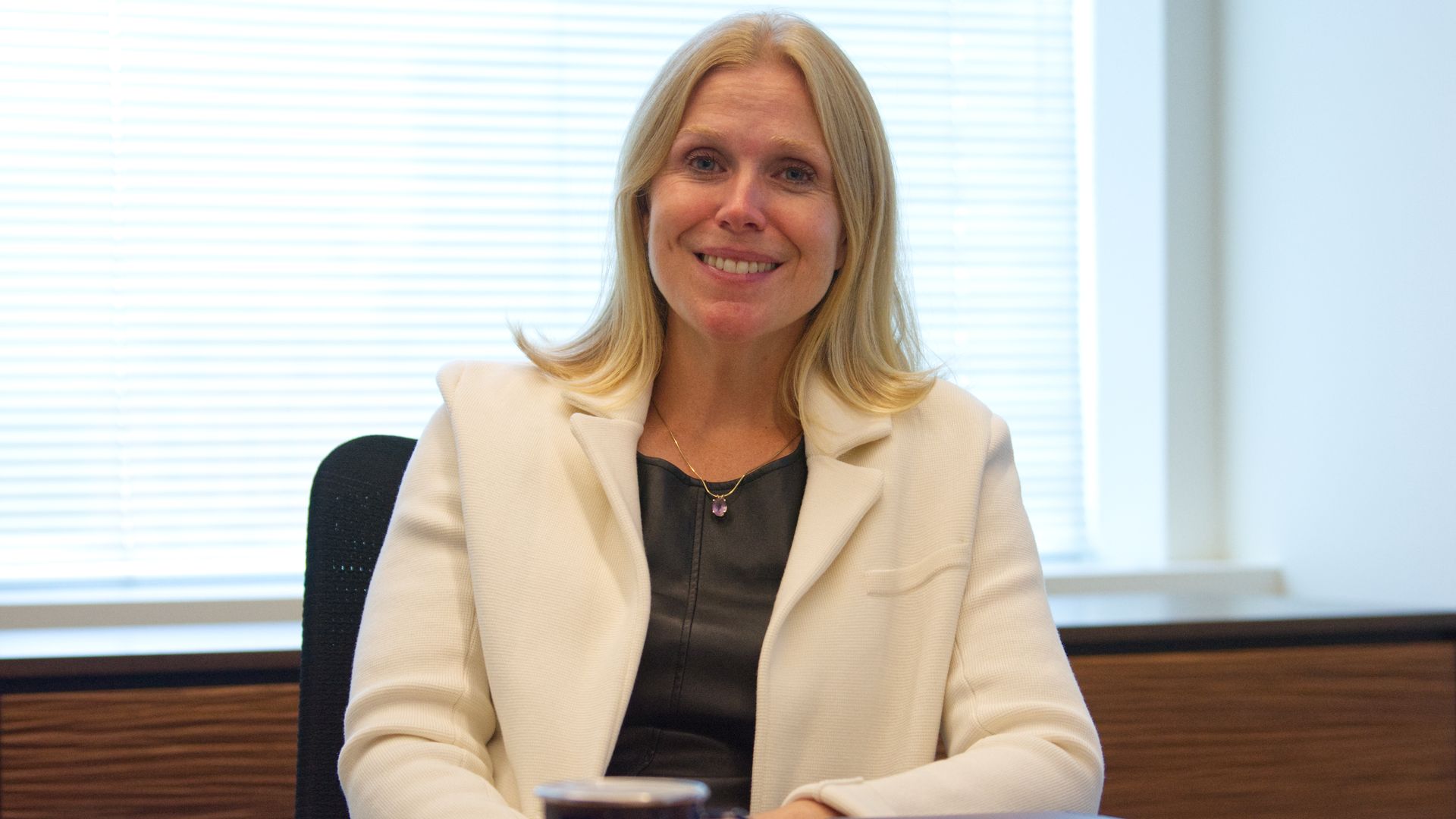
One year after joining SAIC, Lauren Knausenberger has thoughts — about artificial intelligence, information warfare, critical infrastructure, commercial innovation and, maybe most importantly, instantly hot water.
Axios interviewed her at the company's corporate headquarters in Reston, Virginia.
Why it matters: Knausenberger previously served as the chief information officer at the Department of the Air Force, where she oversaw a portfolio totaling $17 billion. She is now the executive vice president and chief innovation officer at SAIC.
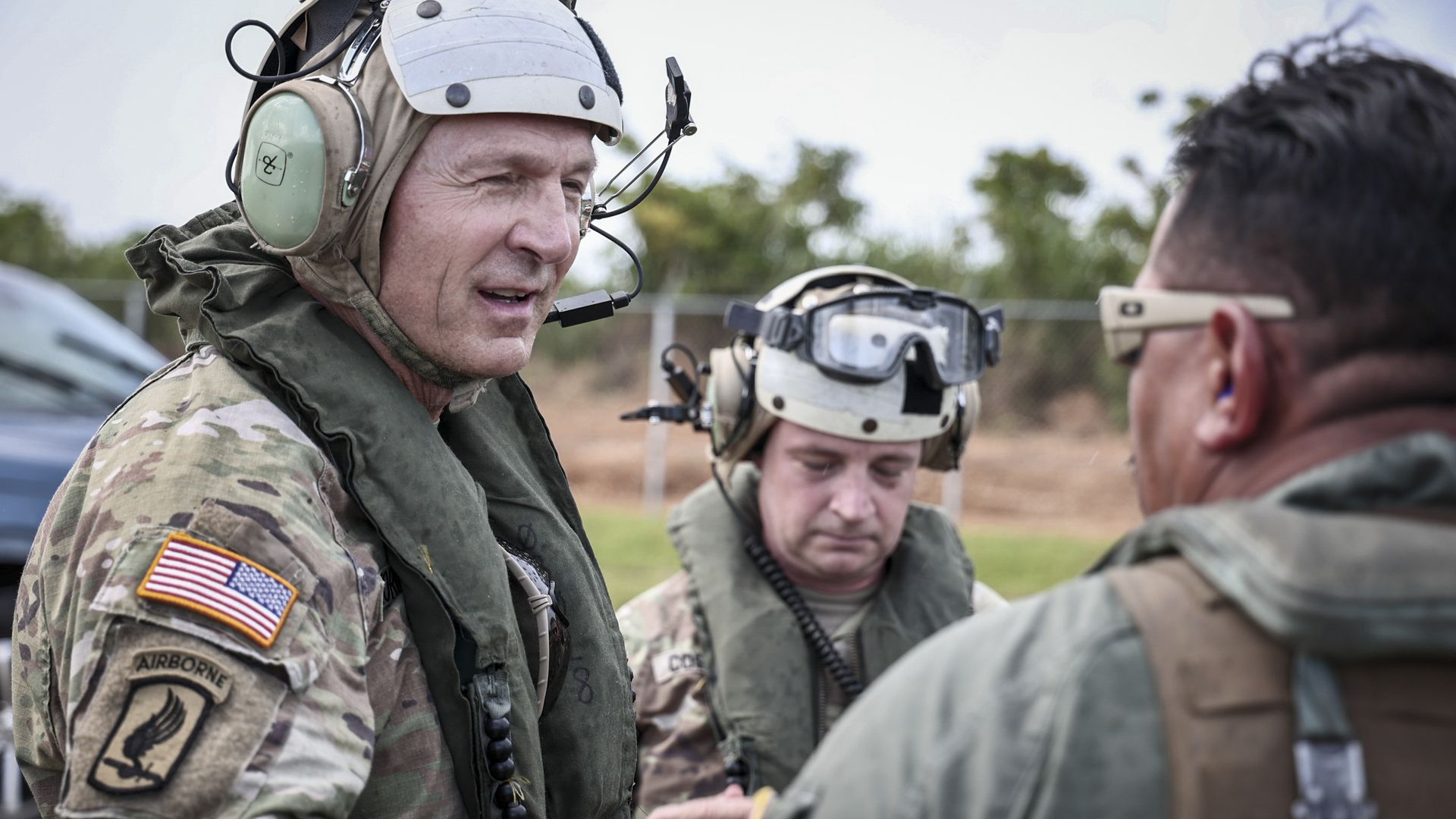
The U.S. Army chief of staff, Gen. Randy George, is sick of stagnation.
Why it matters: For too long, things have taken too long, George told Axios in an interview in his Pentagon office, ahead of the land-power bonanza that is the annual Association of the U.S. Army conference.
Firstborn and only children are likelier to develop anxiety and depression by the time they reach age 8 than children who are born second or later, according to a new review of almost 182,500 cases.
Why it matters: The findings add another wrinkle to the still-unresolved debate over whether birth order affects childhood mental health. A conclusive link could aid in identifying other risk factors for behavioral disorders.