That was just a drill. The blaring alarm you received on your cellphone around 2:20pm ET today was a test of the national wireless emergency alert system.
Why it matters: It was conducted to make sure systems are effective in warning the public of emergencies, the Federal Emergency Management Agency and Federal Communications Commission said.
A test of the nation's emergency alert system is scheduled to ping cell phones across the U.S. on Wednesday and send alerts to radios and TVs.
The big picture: It's the third nationwide test of the wireless emergency alert system but only the second for all cellphones, according to the Federal Emergency Management Agency and Federal Communications Commission.
Google announced its Pixel 8 family of smartphones Wednesday, along with an updated smart watch and earbuds, following a Tuesday announcement that it will incorporate its Bard chatbot into Google Assistant.
Why it matters: Google, like Amazon, is trying to use generative AI to breathe fresh life into an older generation of digital assistants.
A climate group with close ties to Democrats has launched swing state ads touting President Biden's "American Climate Corps," a new youth-focused jobs and training program.
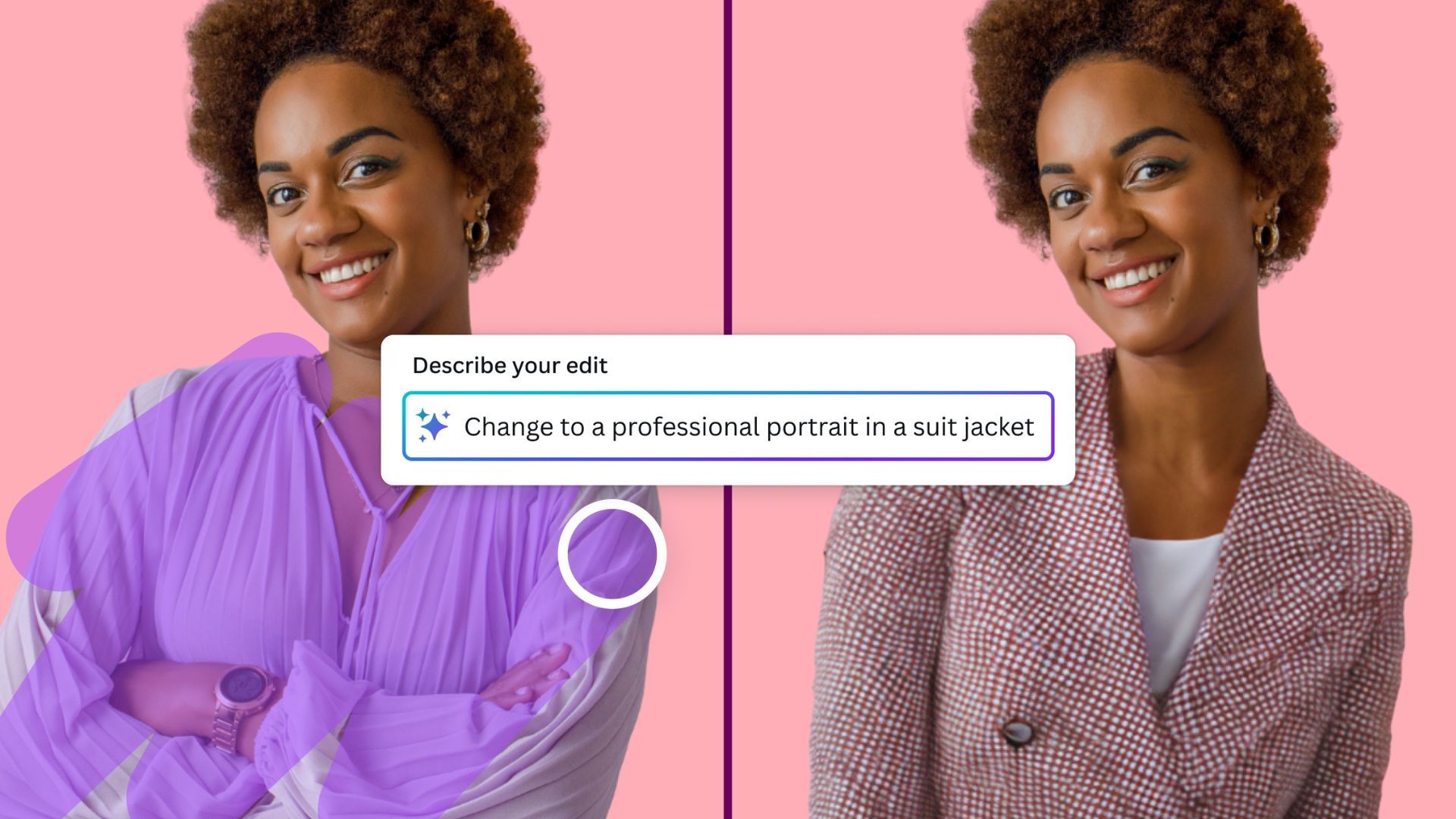
Canva Tuesday unveiled a host of generative AI features it says will give more creative powers to average workers.
What they're saying: "AI has incredible potential to supercharge the 99% of office workers who don't have design training, who haven't been able to access easy to use powerful design tools before," Canva co-founder and product chief Cameron Adams told Axios.
Entrepreneurs and tech giants are racing to deliver AI in new devices and gadgets — including smart glasses, pendants and pins — that they hope will challenge the smartphone.
Driving the news: Most entrants in the new AI hardware race work via voice input, foregoing the price and bulk of a large display.
Elon Musk on Tuesday told users of X, formerly Twitter, that the "best thing to do" in order to get engagement on X is to post long-form content, as "links don't get as much attention."
Why it matters: Big brands and news companies have long relied on posting links to social media sites in order to build traffic to their own websites, where they can monetize user attention themselves.
The International Monetary Fund has a working paper out on a "Crypto Risk Assessment Matrix," aimed at helping countries strengthen their policy frameworks.
Why it matters: The paper notes that the use of cryptocurrency is growing around the world, but unevenly so, with increasing links to the real economy.
An apparent cyberattackon a major building automation systems manufacturer is gathering national attention after reports that it may have compromised some data belonging to the Department of Homeland Security.
Why it matters: Government contractors are a ripe target for cyberattacks, and the Biden administration has made it a priority to apply tougher cybersecurity rules to any business working with the government.
The U.S. is gearing up to fight a possible onslaught of cyber threats targeting the country's artificial intelligence models and tools.
Driving the news: The National Security Agency is standing up a new AI Security Center that will focus on protecting AI systems from hacks, intellectual property theft and other security threats, Gen. Paul Nakasone, the outgoing head of the agency, said during a National Press Club event last week.
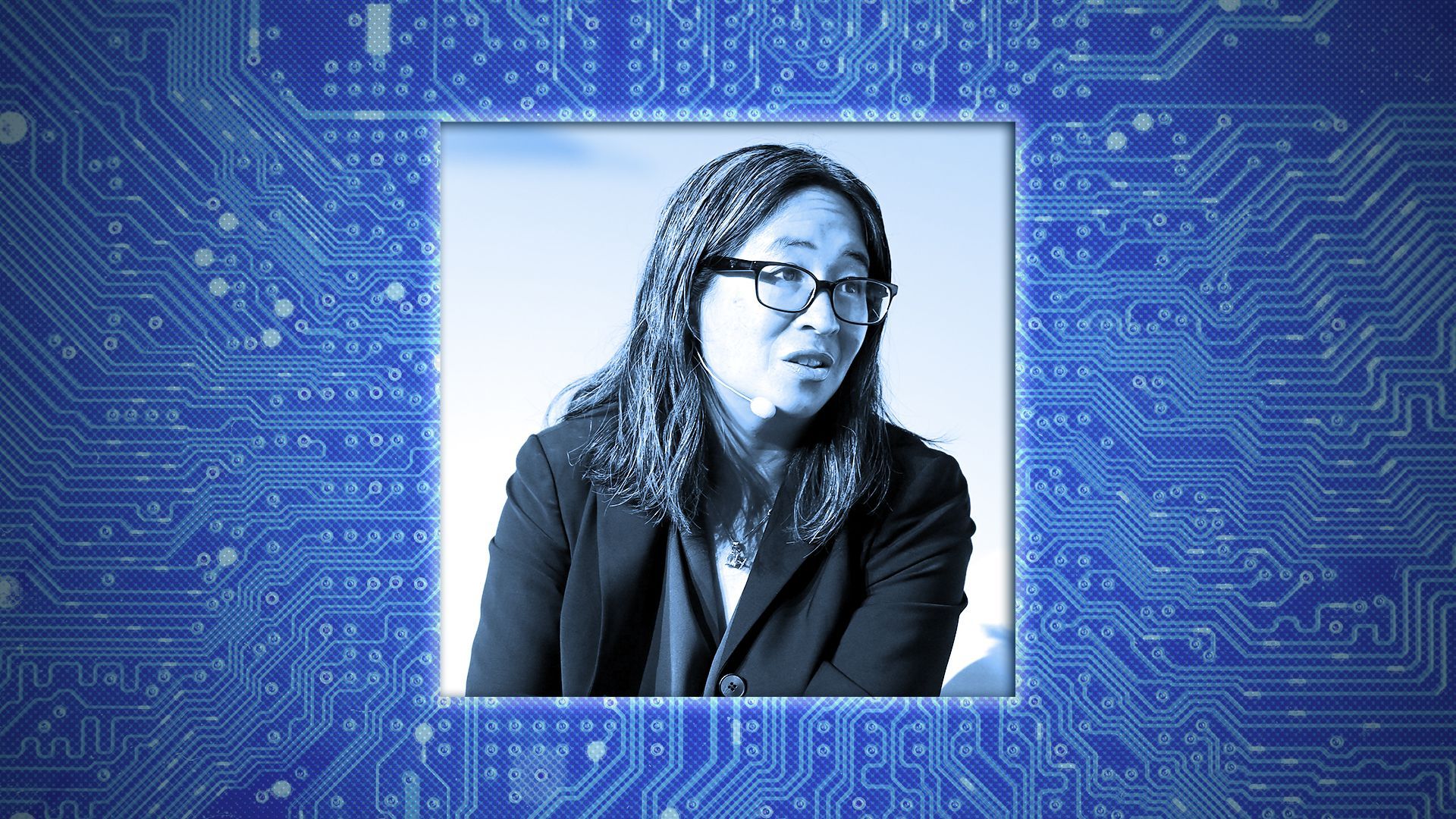
When Fortune 50 companies want more precise AI, they often call Wendy Gonzalez, CEO of Sama — a company that has workers in rural Uganda fine-tuning the AI models for self-driving cars.
The big picture: AI can't work safely without a premium on human input, Gonzalez says.The company has installed a staff ethics guild and pivoted to computer vision data annotation after ending messy contracts with Meta and Open AI that sparked backlash.
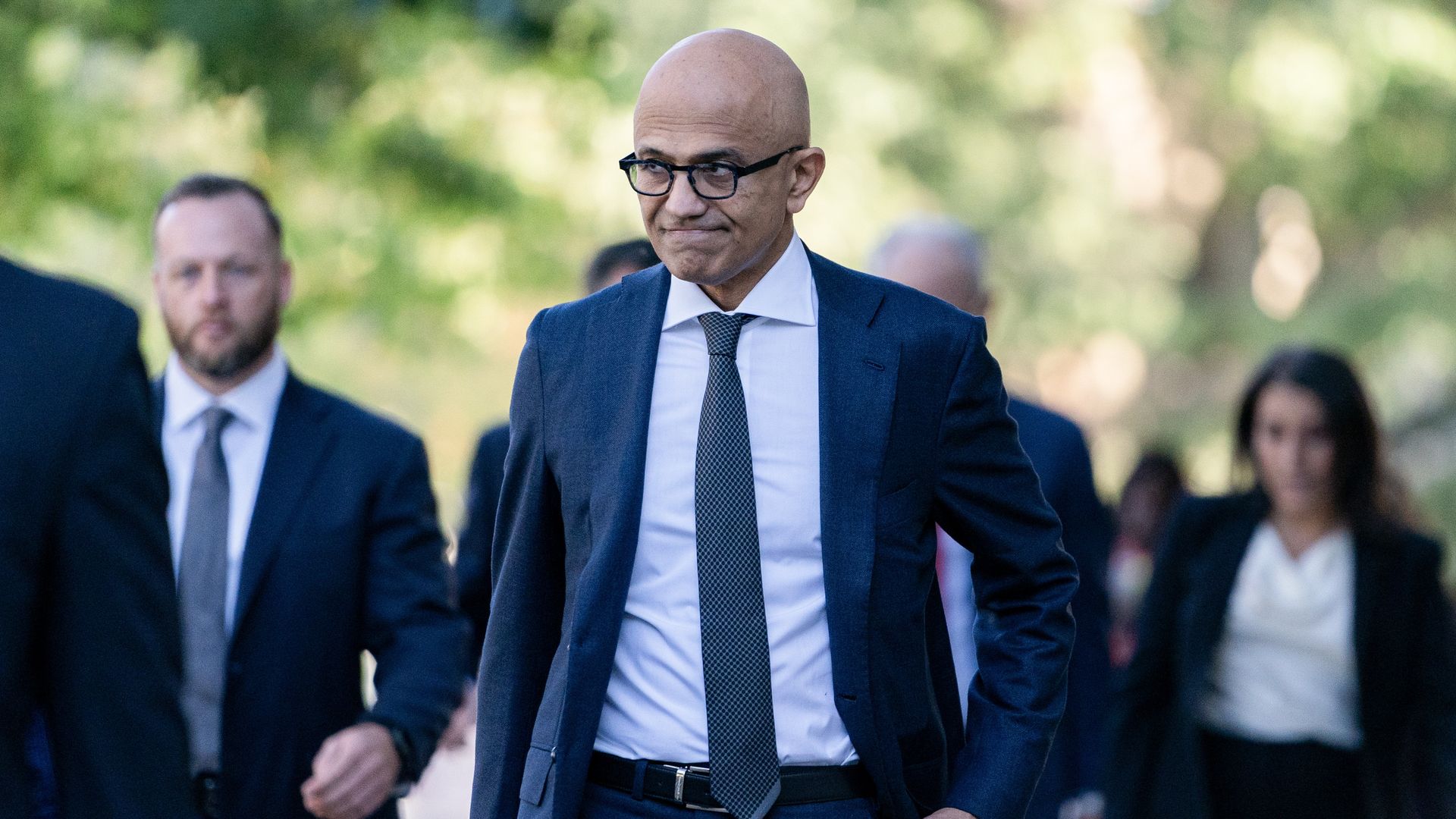
Microsoft CEO Satya Nadella testified in federal court Monday that Google has unfairly hobbled his company's effort to compete in search — and that advancements in artificial intelligence likely won't change the landscape enough for Microsoft to catch up.
What's happening: Arguments are underway in the third week of the trial of the Justice Department's lawsuit against Google for alleged monopolistic behavior in maintaining its dominance of the internet search market.
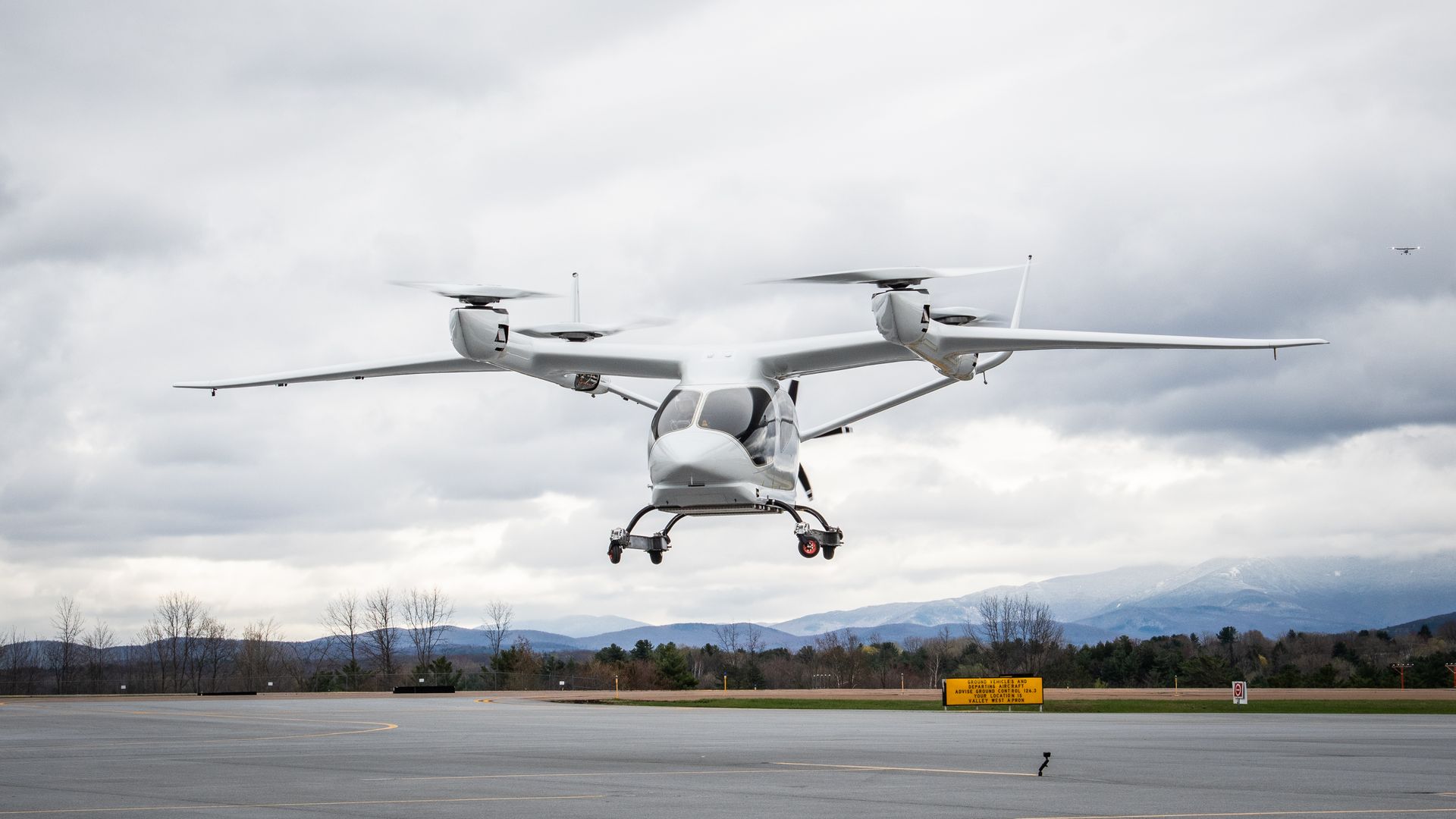
Future-of-aviation startup Beta Technologies has opened the doors of a net-zero production facility, where it will make both conventional and vertical takeoff and landing (VTOL) electric aircraft.
Why it matters: The new, nearly 200,000-square-foot facility is a big vote of self-confidence from Beta, which, along with rivals like Joby Aviation and Archer Aviation, is still working on approval for commercial passenger operations.












/2023/10/03/1696344355824.gif?w=3840)


/2023/10/02/1696256491231.gif?w=3840)