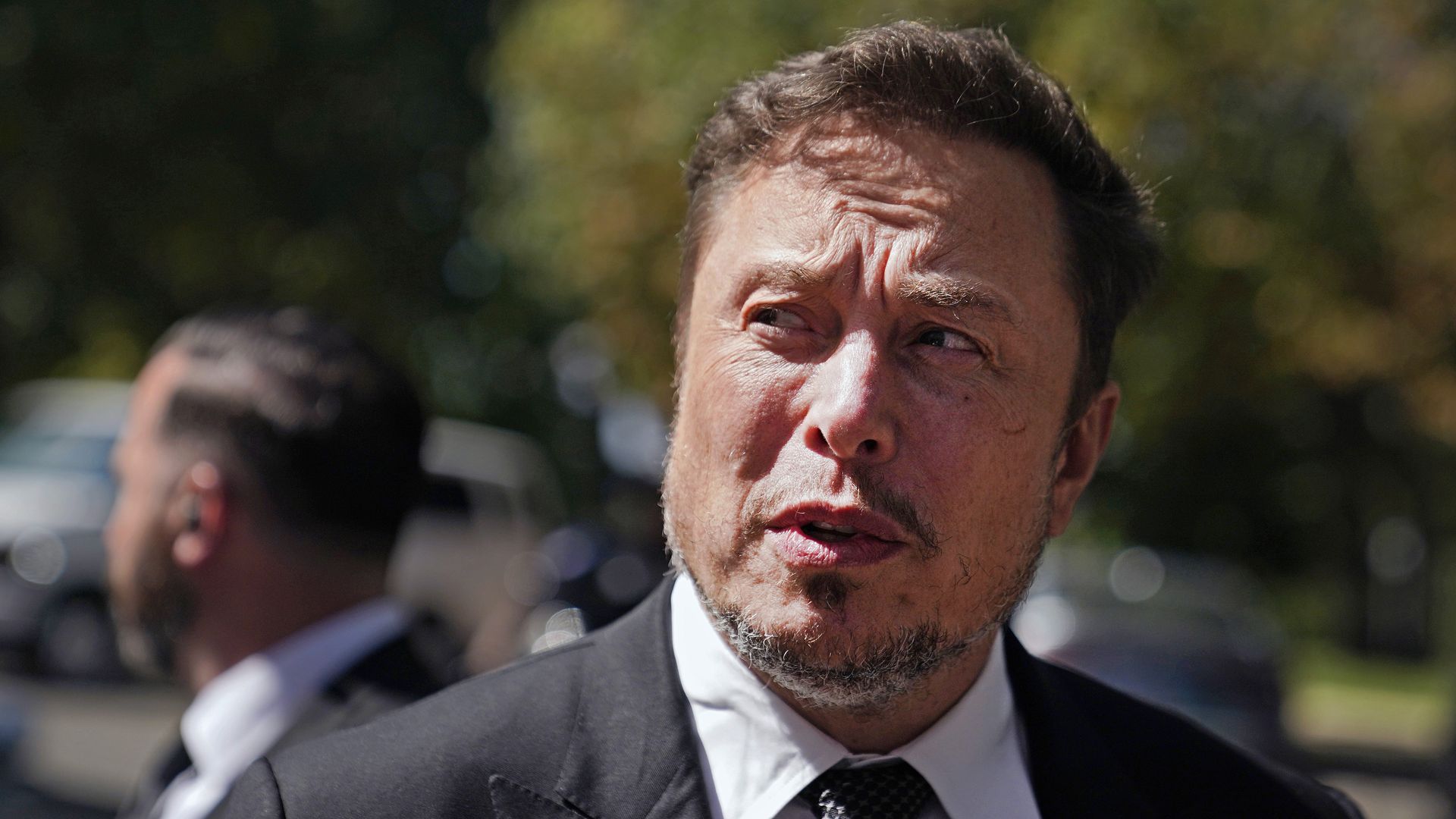
Why it matters: The SEC said in a filing on Thursday that Musk and the agency both agreed that he would sit for testimony in September 2023 but he failed to appear.
Assassin's Creed Mirage, out today from Ubisoft, is designed to transport players to 9th century Baghdad. It is an unabashed celebration of Arab culture and the Golden Age of Islam, its developers tell Axios.
Why it matters: Video games have long relegated Arab characters to villains or side characters and have largely avoided any inclusion of Islam.
AI is transforming job hunting and skill development — threatening to relegate four-year college degrees to the category of merely nice-to-have on your CV.
The big picture: In AI-driven workplaces, employers will need to treat up-skilling investments as a "critical priority" rather than a perk, per a pitch LinkedIn executives made to 2,000 of the nation's top recruiters this week in New York City.
Why it matters: "Responsible AI" has become a go-to slogan for organizations signaling that they're taking AI, and AI safety, seriously. But in the rush to look responsible, and in today's regulatory void, many are confused about what the concept means in practice.
After months of experimenting with artificial intelligence to make their work more efficient, some newsrooms are now dipping their toes in more treacherous waters — trying to harness AI to detect bias or inaccuracies in their work.
Why it matters: Confidence in the news media is at an all-time low, pressuring news leaders to look for new ways to win back trust. But today's AI, which has its own biases and makes up fake facts, is an unlikely savior.
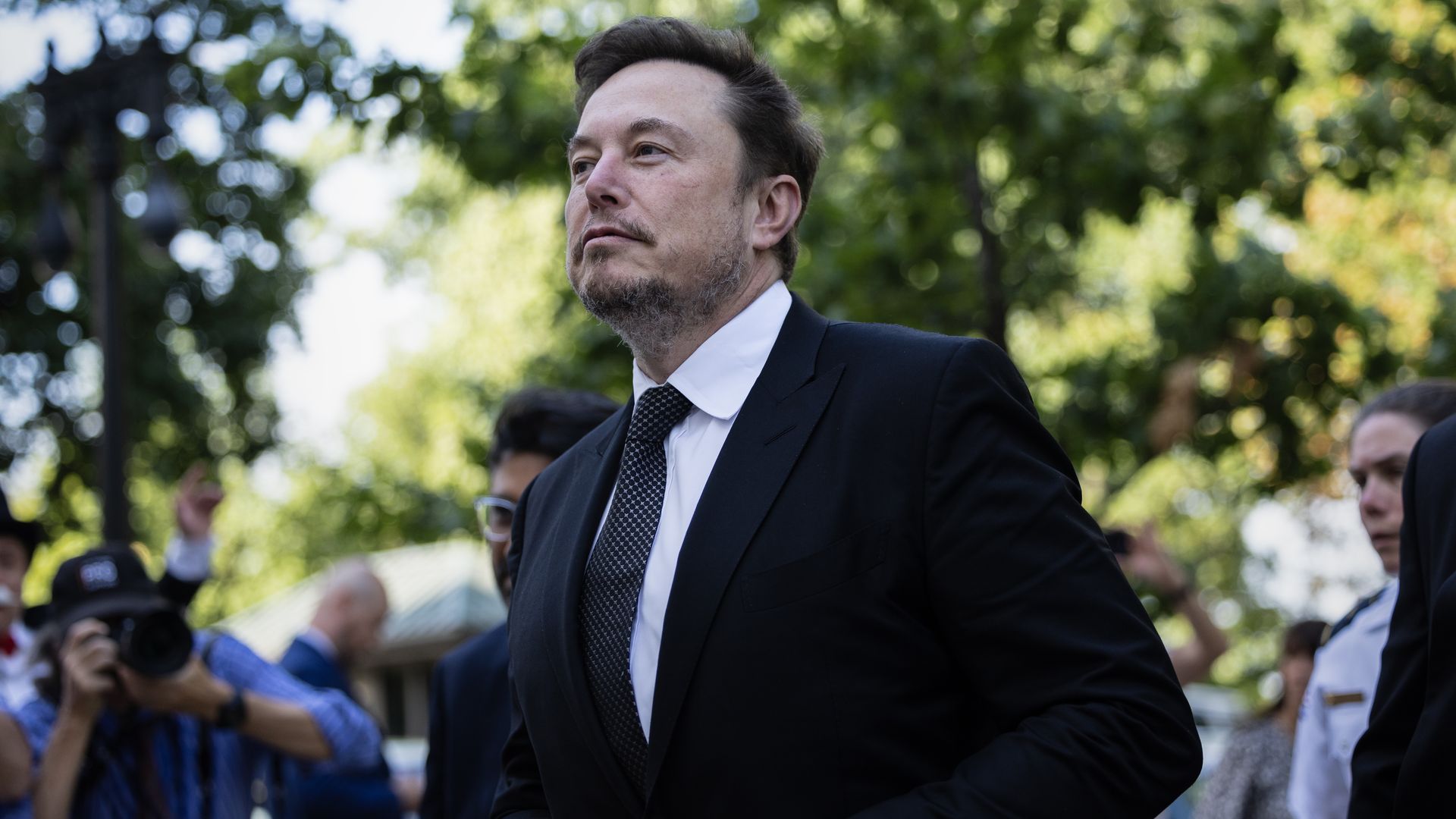
X began removing news links and headlines from posts in a major overhaul of the platform formerly known as Twitter.
Driving the news: Elon Musk said in August the changes were "coming from me directly" and they would "greatly improve" the aesthetics of the site. Users now click on images to access news reports posted to X.
That was just a drill. The blaring alarm you received on your cellphone around 2:20pm ET today was a test of the national wireless emergency alert system.
Why it matters: It was conducted to make sure systems are effective in warning the public of emergencies, the Federal Emergency Management Agency and Federal Communications Commission said.
A test of the nation's emergency alert system is scheduled to ping cell phones across the U.S. on Wednesday and send alerts to radios and TVs.
The big picture: It's the third nationwide test of the wireless emergency alert system but only the second for all cellphones, according to the Federal Emergency Management Agency and Federal Communications Commission.
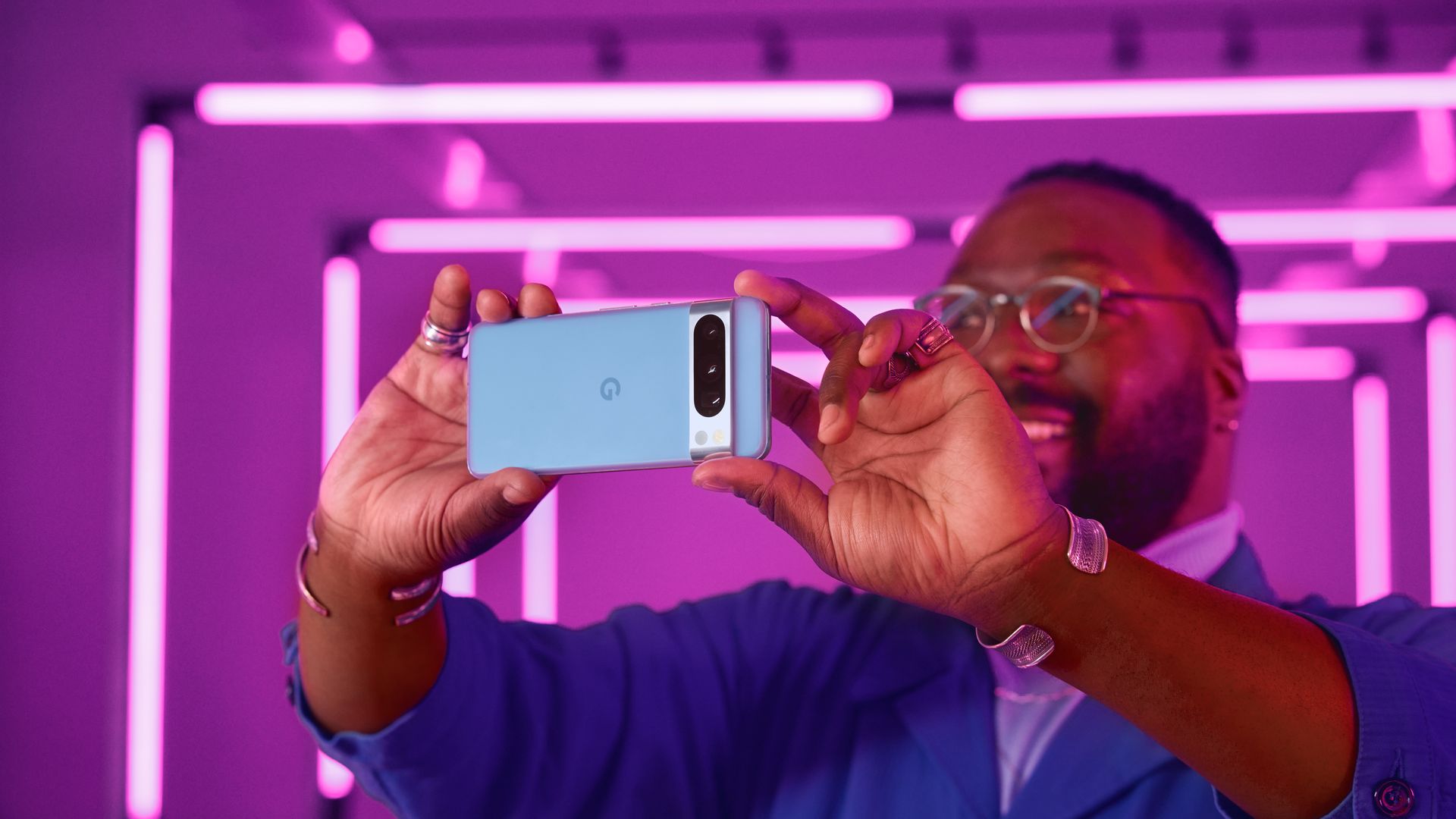
Google announced its Pixel 8 family of smartphones Wednesday, along with an updated smart watch and earbuds, following a Tuesday announcement that it will incorporate its Bard chatbot into Google Assistant.
Why it matters: Google, like Amazon, is trying to use generative AI to breathe fresh life into an older generation of digital assistants.
A climate group with close ties to Democrats has launched swing state ads touting President Biden's "American Climate Corps," a new youth-focused jobs and training program.
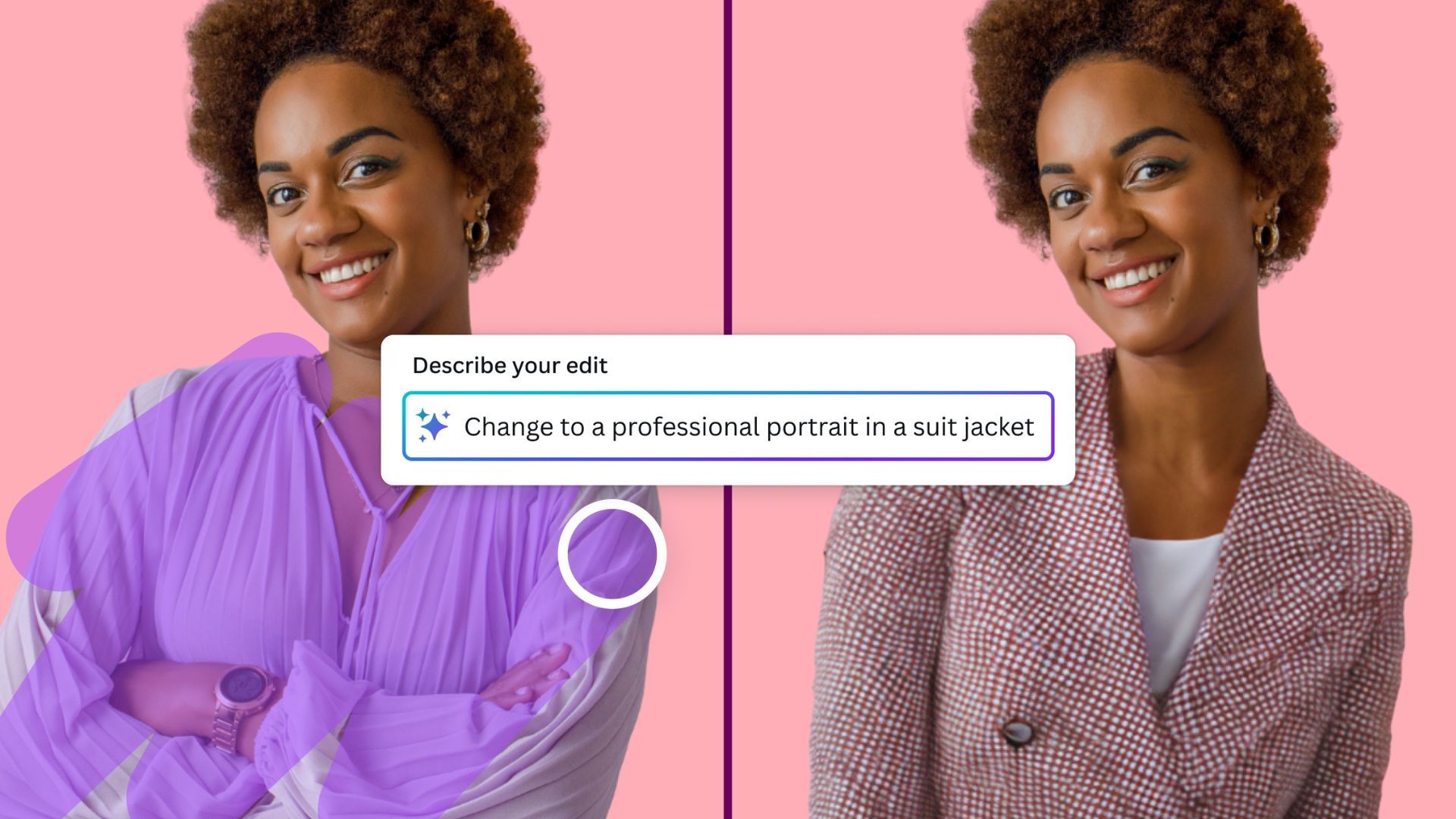
Canva Tuesday unveiled a host of generative AI features it says will give more creative powers to average workers.
What they're saying: "AI has incredible potential to supercharge the 99% of office workers who don't have design training, who haven't been able to access easy to use powerful design tools before," Canva co-founder and product chief Cameron Adams told Axios.
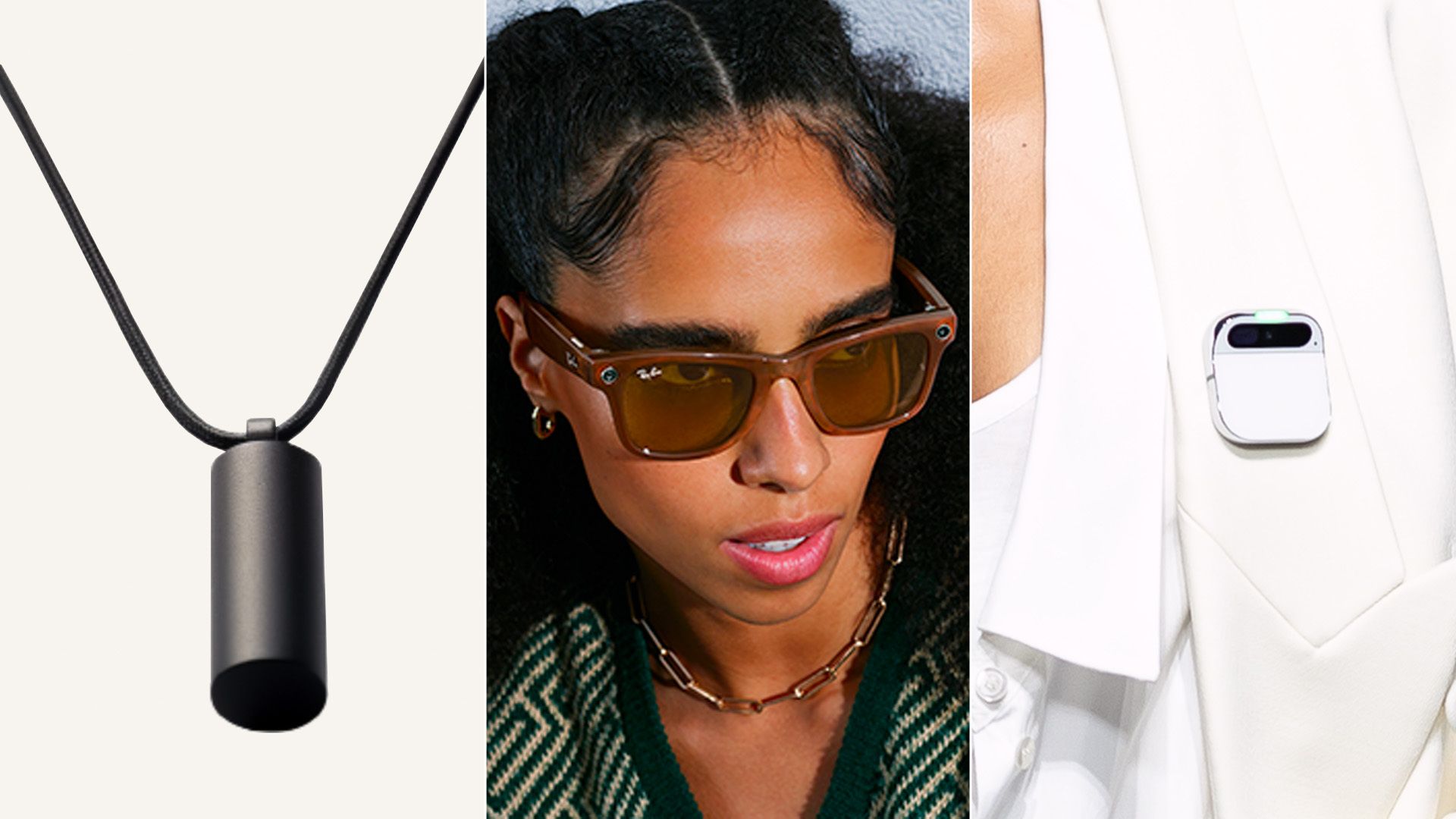
Entrepreneurs and tech giants are racing to deliver AI in new devices and gadgets — including smart glasses, pendants and pins — that they hope will challenge the smartphone.
Driving the news: Most entrants in the new AI hardware race work via voice input, foregoing the price and bulk of a large display.