Two former ByteDance employees are accusing TikTok's parent company of retaliating against them after filing complaints.
Driving the news: Nnete Matima and Joël Carter filed a complaint with the Equal Employment Opportunity Commission Thursday, alleging they were fired last month for making complaints of racial discrimination at ByteDance.
A new report card from the AI Policy Institute grades the legislative AI proposals that are currently gaining the most traction according to how they line up with U.S. public sentiment.
Driving the news: A survey of 1,118 voters conducted by YouGov Sept. 2 to 6., is the report card yardstick.
If you think the U.S. Congress is moving slowly on AI regulation, you'll be waiting much longer for a global AI regulator or treaty.
The big picture: That's the message out of the UN General Assembly in New York this week, as political leaders, tech companies and civil society gather to debate global challenges.
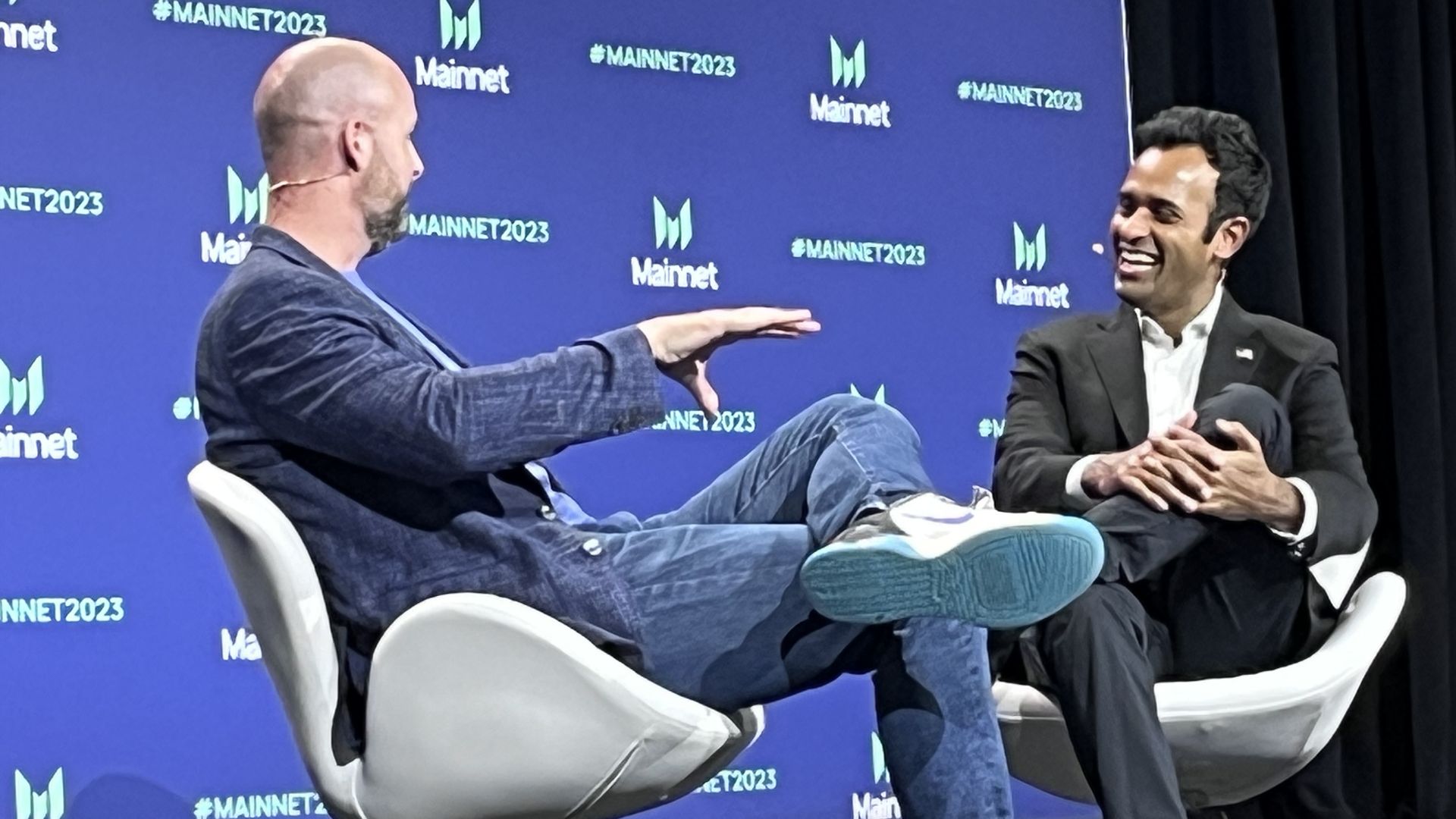
Vivek Ramaswamy, a presidential candidate seeking the Republican nomination, appeared at the Messari Mainnet conference in New York Wednesday to woo the blockchain faithful.
Why it matters: He used his time on stage to reiterate what he called his main campaign priority, to reduce the Federal regulatory workforce using the authority of the chief executive.
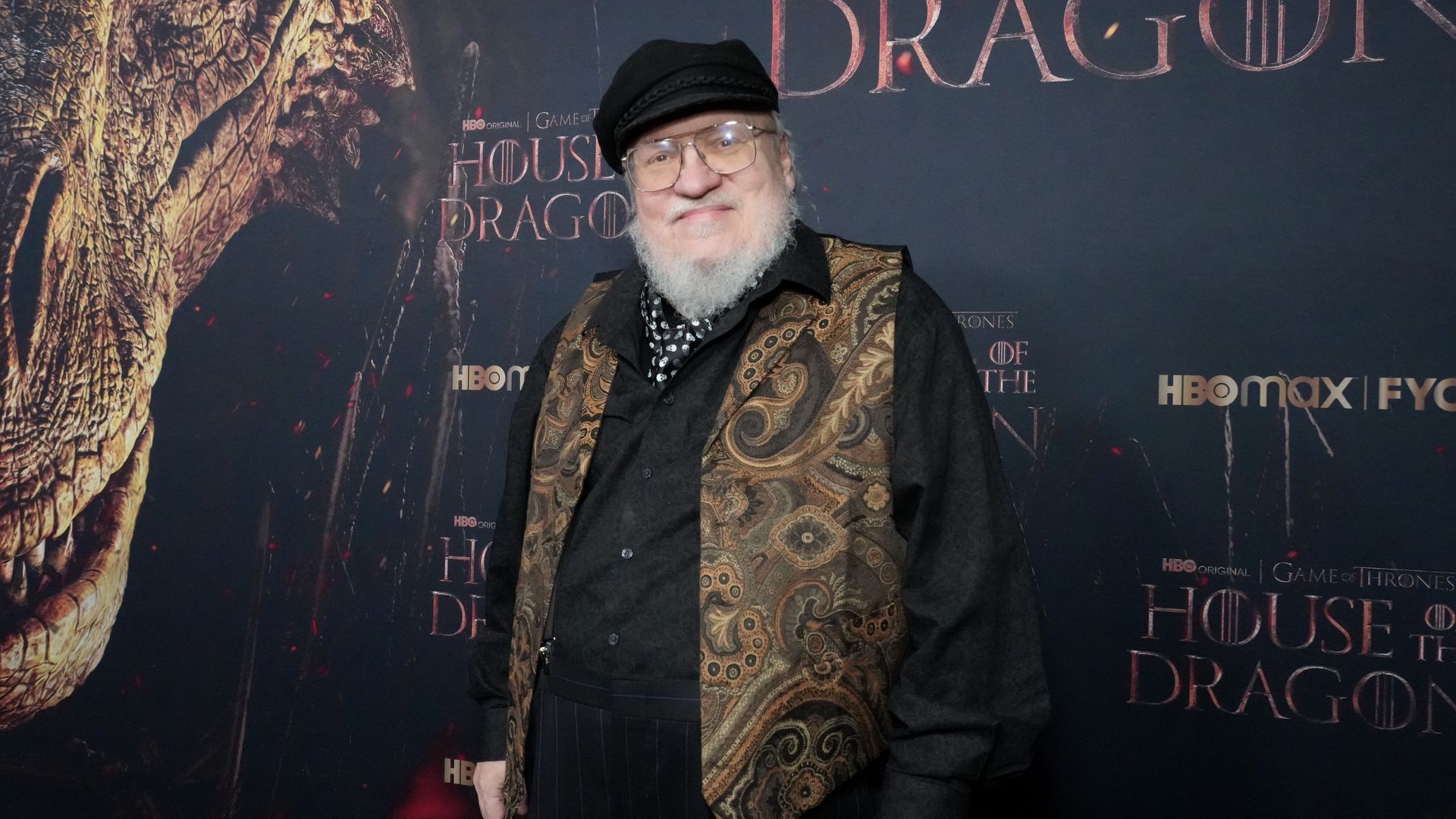
Writers including John Grisham and "A Game of Thrones" author George R.R. Martin are suing OpenAI over its ChatGPT technology.
Driving the news: The lawsuit filed late Tuesday in the U.S. District Court for the Southern District of New York alleges that under the Copyright Act of 1976, OpenAI infringed on the registered copyrights of fictional works.
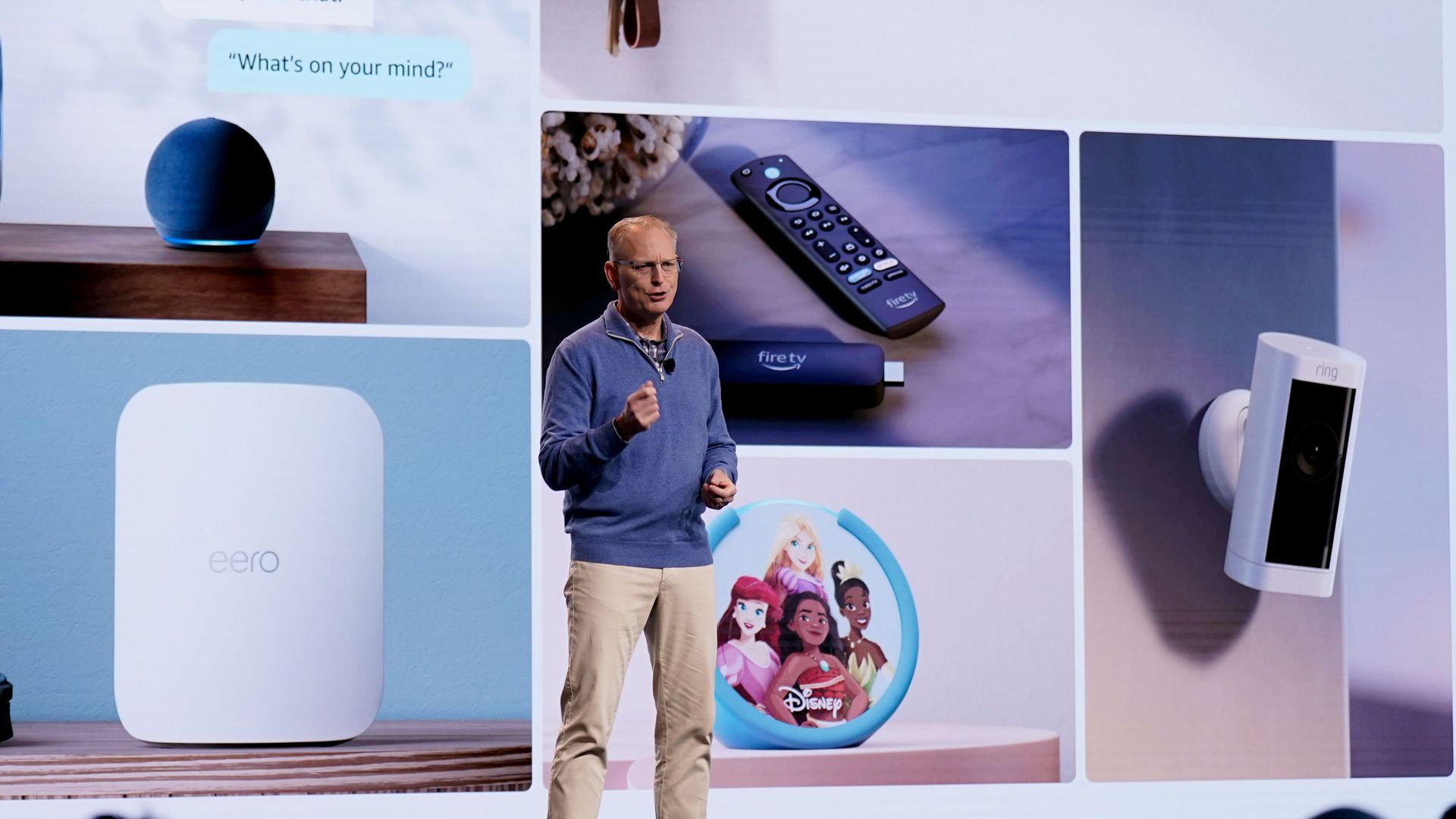
Amazon held its annual fall event to show off the company's latest smart speakers, displays and tablets. But the company's plans to bolster its voice assistant Alexa using generative AI was arguably the biggest news of the day.
Why it matters: The popularity of Alexa helps boost the company’s hardware strategy and e-commerce business. The Alexa changes will also help demonstrate just how well — or not — Amazon’s generative AI capabilities are keeping pace with Google and other rivals.
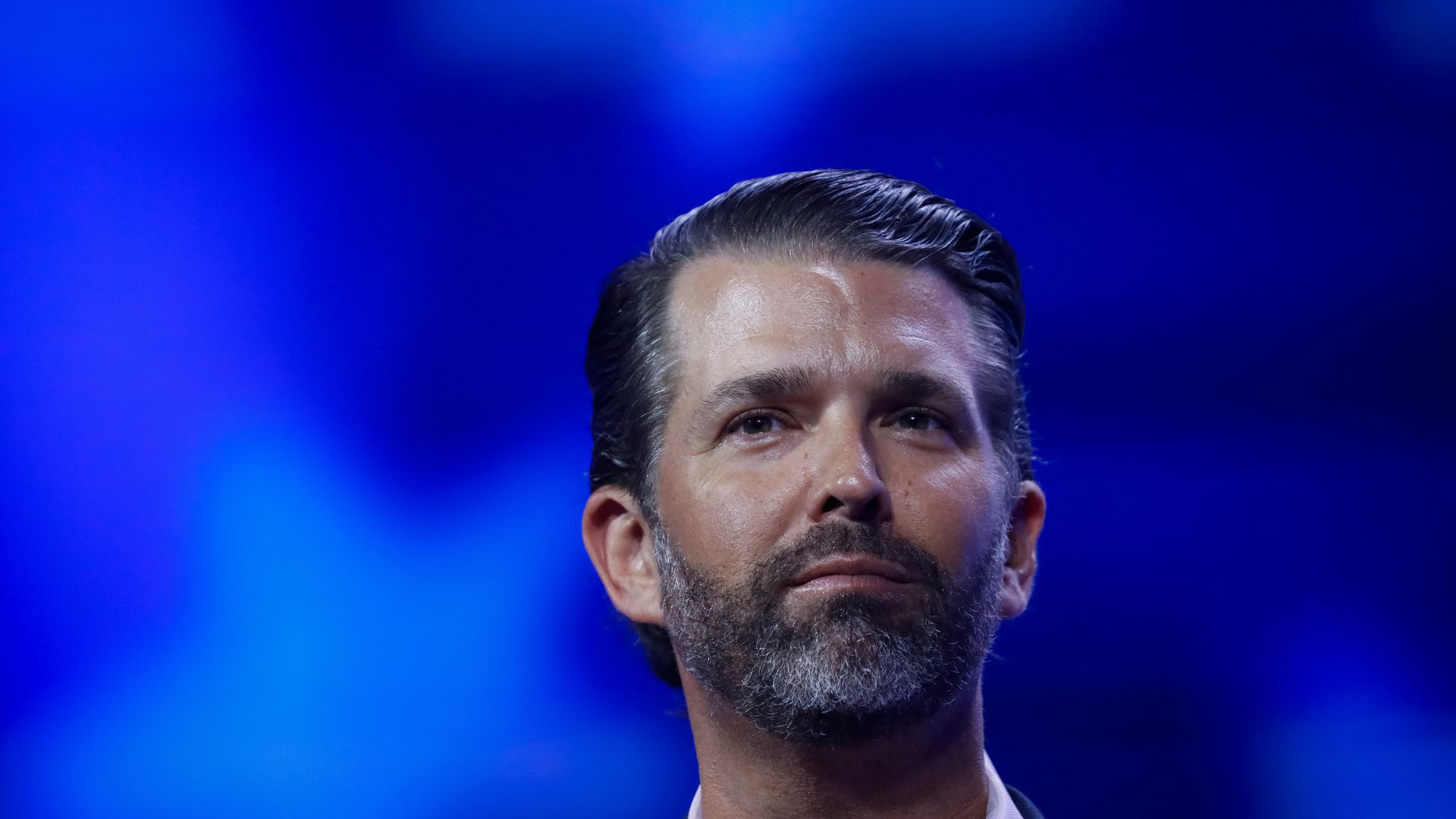
Donald Trump Jr.'s account was hacked Wednesday on X — the app formerly known as Twitter — a spokesperson for the Trump Organization confirmed to Axios.
Driving the news: The hacker reportedly posted multiple times on his X account, including a false claim that former President Trump had died.
As cities and states invest in digital assistants to make their websites easier to use, the city of Amarillo, Texas, is hoping to set a new standard with a "digital human" that speaks dozens of languages and can help longtime residents and newcomers alike navigate City Hall.
Why it matters: While corporations have been pouring money into AI-enabled features, governments are playing catch-up, using pandemic relief money for new technology that improves public service.
As newsrooms around the globe are beginning to harness AI, this week the New York Times posted a job listing for an editor to serve as "newsroom generative AI lead."
My thought bubble: Good luck to the winning applicant! Journalists, like many other professionals, are fearful and anxious about the new technology, and this is not going to be an easy job — but I'm generous, so here's a memo with some helpful advice.
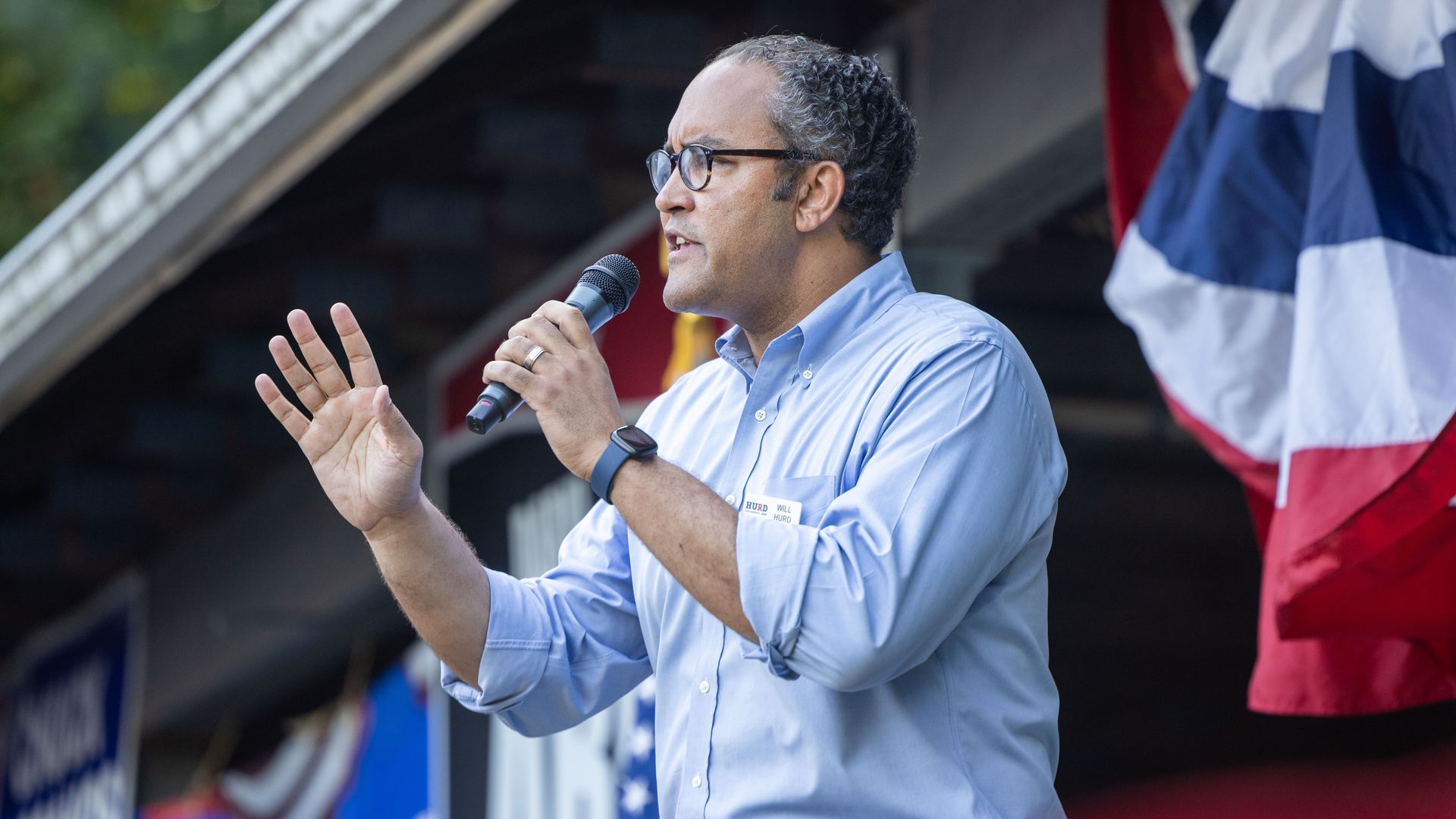
Republican presidential primary contender Will Hurd is the first candidate to release an AI policy plan — framing coming AI development as a "Cold War with China" and urging licensing of frontier AI models.
Why it matters: Hurd's hawkish, pro-regulation of AI approach is notable given his deep AI credentials.
LimeWire — popular two decades ago as a music file-sharing service — is back, and this time it's aiming to be a community where people create and share AI images, video and audio.
To that end, it is announcing Wednesday the acquisition of BlueWillow, an AI generation model that has been used by 2.3 million people to create around 500 million images.