Years of zero interest rate policy (ZIRP)gave the world ambitious venture capital-stuffed companies that sought to make everyday tasks and chores as easy as the tap of a button. But the reality of those business models is much more modest now.
Why it matters: We were promised a new world of hyper-convenience while VCs dreamed of billions in investment returns.
Tinder announced Friday that it's offering some of its most-active users a $499 per month subscription, Bloomberg reports.
Driving the news: Users not put off by the hefty price tag will gain access additional features, such as the ability to send direct messages to people with whom they have not matched and "see and be seen by Tinder's most sought after profiles," according to the company.
Lyft's new CEO recoils at surge pricing — but he tells Axios that he's learning to live with it.
Why it matters: Temporarily higher pricing is a staple of the rideshare business, fueling a revenue boost for Uber and Lyft when demand rises and nearby drivers are in short supply.
Companies need to rethink their cyber defense strategies as cybercriminals fine-tune their social-engineering tactics to target vulnerable employees, experts told Axios.
Why it matters: Recent cyberattacks targeting casino giants MGM Resorts and Caesars Entertainment have highlighted the challenges companies still have in defending against social-engineering attacks.
After a backlash, Unity will no longer require game creators to pay retroactive fees tied to game installations.
Why it matters: The Unity drama had rocked the video game industry, sending smaller creators into a panic about whether their games becoming popular would result in ruinous fees.
Snap Inc. has promoted former Meta executive Patrick Harris to the position of President of Americas, overseeing sales and key business operations, according to an internal note sent Friday to staff and obtained by Axios.
Why it matters: Harris replaces Rob Wilk, who was hired for the role in March.
GGV Capital, a 23-year-old VC firm whose investments have included Airbnb and TikTok owner ByteDance, is spinning off its China operations because of rising geopolitical tensions.
Why it matters: Other than Sequoia Capital, which recently made a similar move, no Silicon Valley venture firm has been more associated with China than has been GGV.
U.K. regulators at the Competition and Markets Authority say that Microsoft's revised plan to purchase Activision Blizzard largely satisfies objections that earlier this year had compelled it to globally block what would have been the largest deal in Microsoft's history.
Why it matters: U.K. regulators' objections were the last significant obstacle ahead of a recently extended Oct. 18 deadline to close the deal.
Major product announcements this week from Microsoft and Google show how determined both tech giants are to build generative AI into the heart of their computing worlds.
Why it matters: Tech's giants see AI both a new competitive race and a chance to breathe new life into the central franchises that drive their businesses — like Microsoft Windows and Google Search.
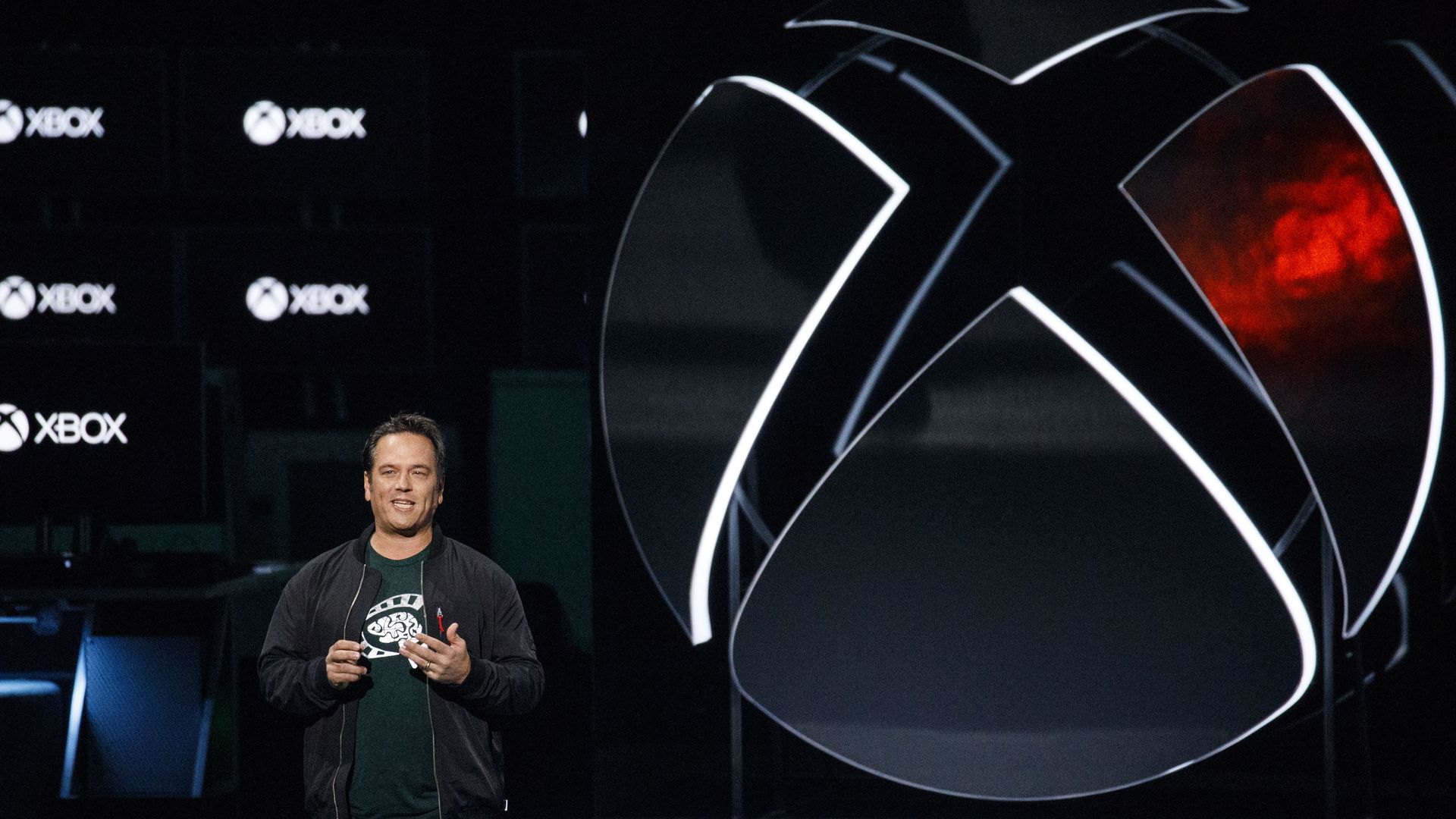
The Microsoft leaksalso show, however awkwardly, some of the inner workings of the software giant's gaming business and how its leaders interact with Microsoft management as a whole.
Why it matters: It may be as close as we get to seeing how Microsoft really thinks about gaming.
The organizers of a high-profile open letter last March calling for a "pause" in work on advanced artificial intelligence lost that battle, but they could be winning a longer-term fight to persuade the world to slow AI down.
The big picture: Almost exactly six months after the Future of Life Institute's letter — signed by Elon Musk, Steve Wozniak and more than 1,000 others — called for a six-month moratorium on advanced AI, the work is still charging ahead. But the ensuing massive debate deepened public unease with the technology.