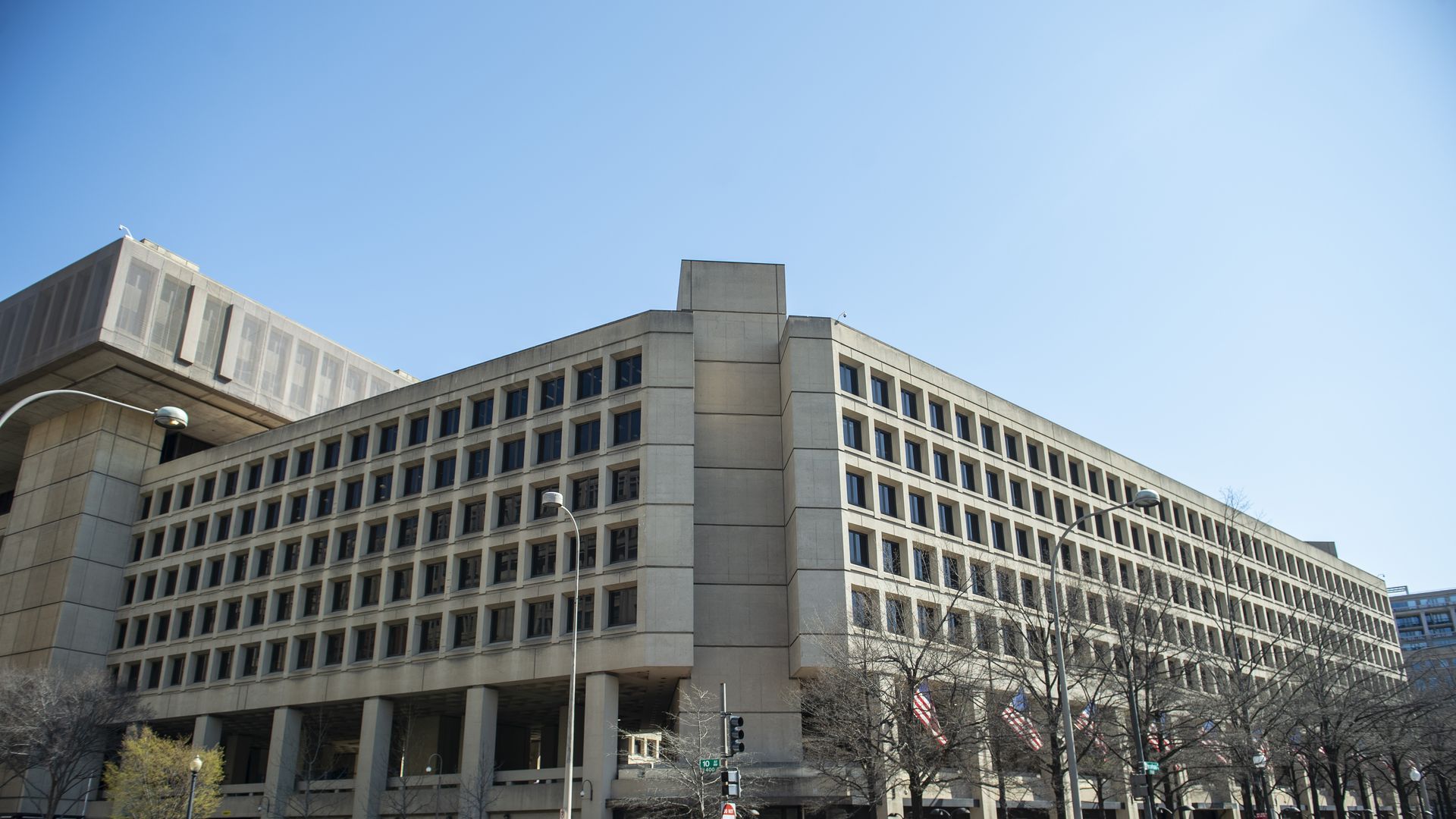
The FBI improperly used an intelligence database to search for information about a U.S. senator, state senator and a state-level judge, according to documents released Friday.
Why it matters: Congress is currently reviewing whether to reauthorize Section 702 of the Foreign Intelligence Surveillance Act — which allows intelligence agencies to collect warrantless online communications from non-American citizens outside the U.S. — before it expires at the end of the year.
Cloud IT provider JumpCloud confirmed Thursday that North Korean state-backed hackers broke into its systems last month.
Driving the news: Security researchers and a Reuters report warned ahead of JumpCloud's confirmation that North Korea was behind the attack, which started in late June.
The cybersecurity workforce is becoming less white, but there's still a ways to go to attract minority workers to the field and keep them there.
Why it matters: White men have historically dominated the cybersecurity industry, and the U.S. has enough cybersecurity workers to fill only 69% of available jobs, according to government data.
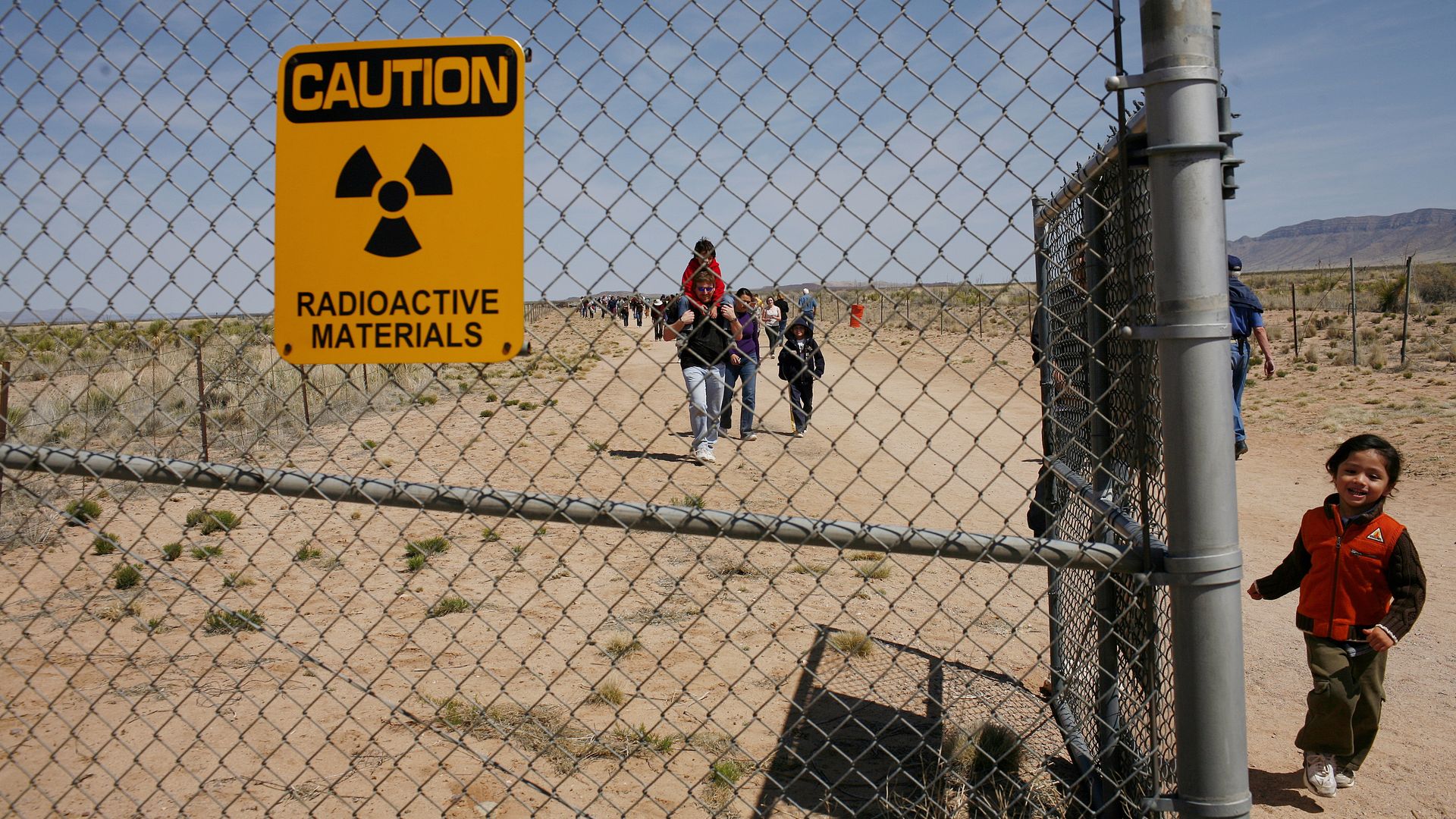
J. Robert Oppenheimer's shadow still looms over New Mexico — as a scientific hero who helped reshape one of the nation's poorest states, and as a villain who generated a trail of human destruction still felt there today.
There's only one movie that matters this weekend to tech-industry insiders (Sorry, "Barbie").
Zoom out: Even before this weekend's release of Christopher Nolan's "Oppenheimer," Silicon Valley has been obsessed with the similarities between the current existential fear-mongering around AI and the nightmares that haunted the scientists who created the atom bomb in the darkest moments of World War II.
White House chief of staff Jeff Zients told Axios in an interview that President Biden will push Congress for more authority and resources to monitor and regulate the mushrooming AI industry.
Seven companies at the forefront of this year's generative AI wave have given the White House voluntary "commitments" to make sure their products are safe and transparent, the Biden administration announced Friday morning.
Why it matters: The White House hopes the companies' pledges will help the government get ahead ofwhat some key administration officials have viewed as a reckless initial deployment of the technology.
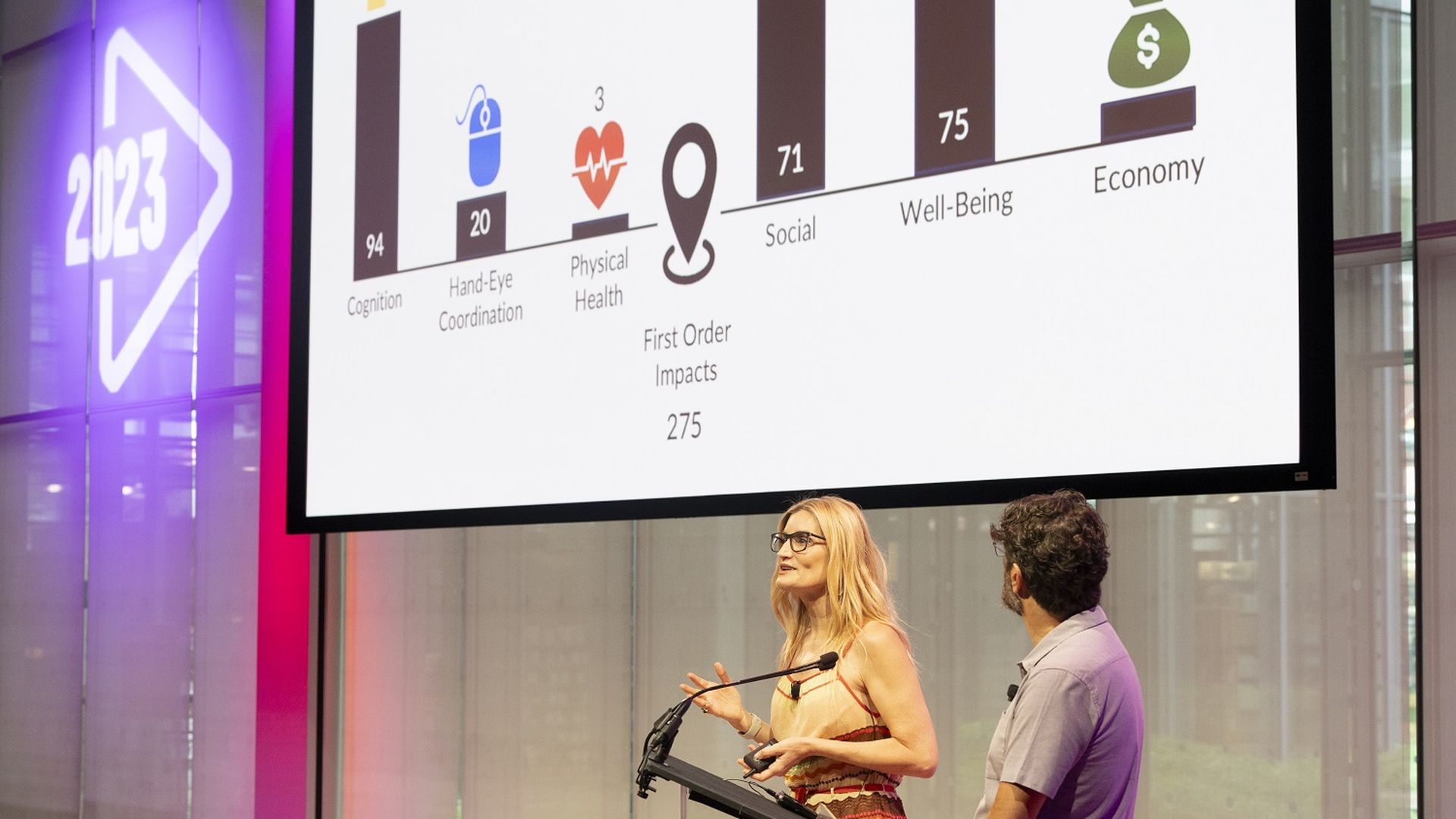
The idea that video games can be used as a force for good has been central to Games for Change, a nonprofit that held its 20th anniversary festival in New York City this week.
Why it matters: The movement was born at a time when its view about the positive potential of games was rare among the public, in the media and even within a video game industry that was hesitant to join in.
Altana, a New York-based startup that uses AI to map global supply chains, has been awarded a contract with U.S. Customs and Border Protection, the company told Axios exclusively.
Why it matters: The federal government is putting its faith in Altana via a multi-year contract in a bid to prevent goods produced using forced labor from coming into the country, showing a real-life use case of AI with high stakes.
Personal tracking devices like AirTag and Tile were designed to help avoid mishaps such as lost keys, but they're raising alarms about privacy and security.
Why it matters: Mounting accounts of the devices' misuse have prompted Apple and Google to try helping users identify and thwart tracking without consent — as states pass legislation outlawing this intrusion.
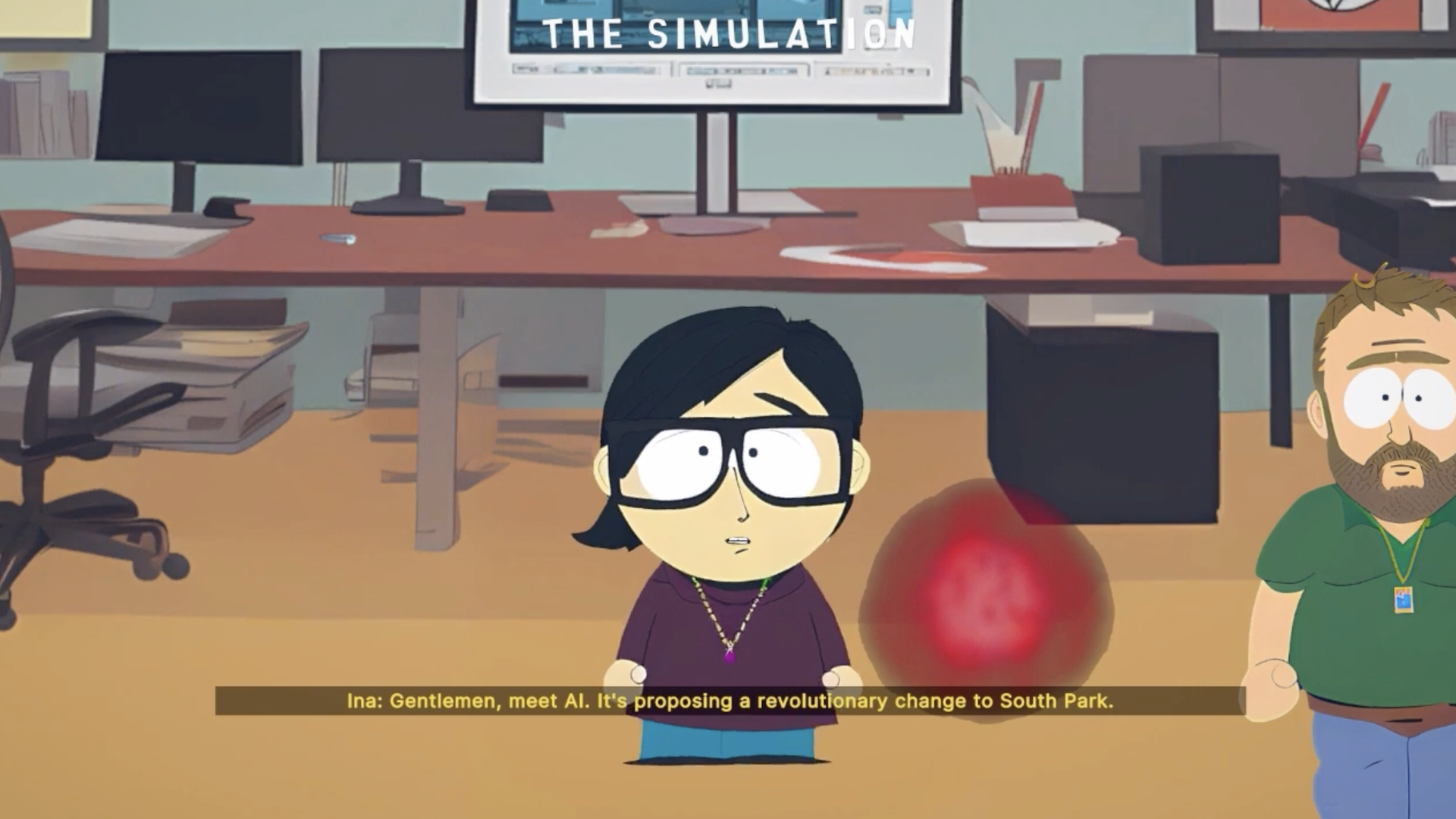
A new app that creates brief episodes of "South Park" from a single prompt highlights the promise and peril of injecting generative AI into creative franchises.
Why it matters: Such technology could open the door for fans and viewers to bring their own ideas and join in the action — but also threatens the standing of the creators who made those beloved franchises possible.
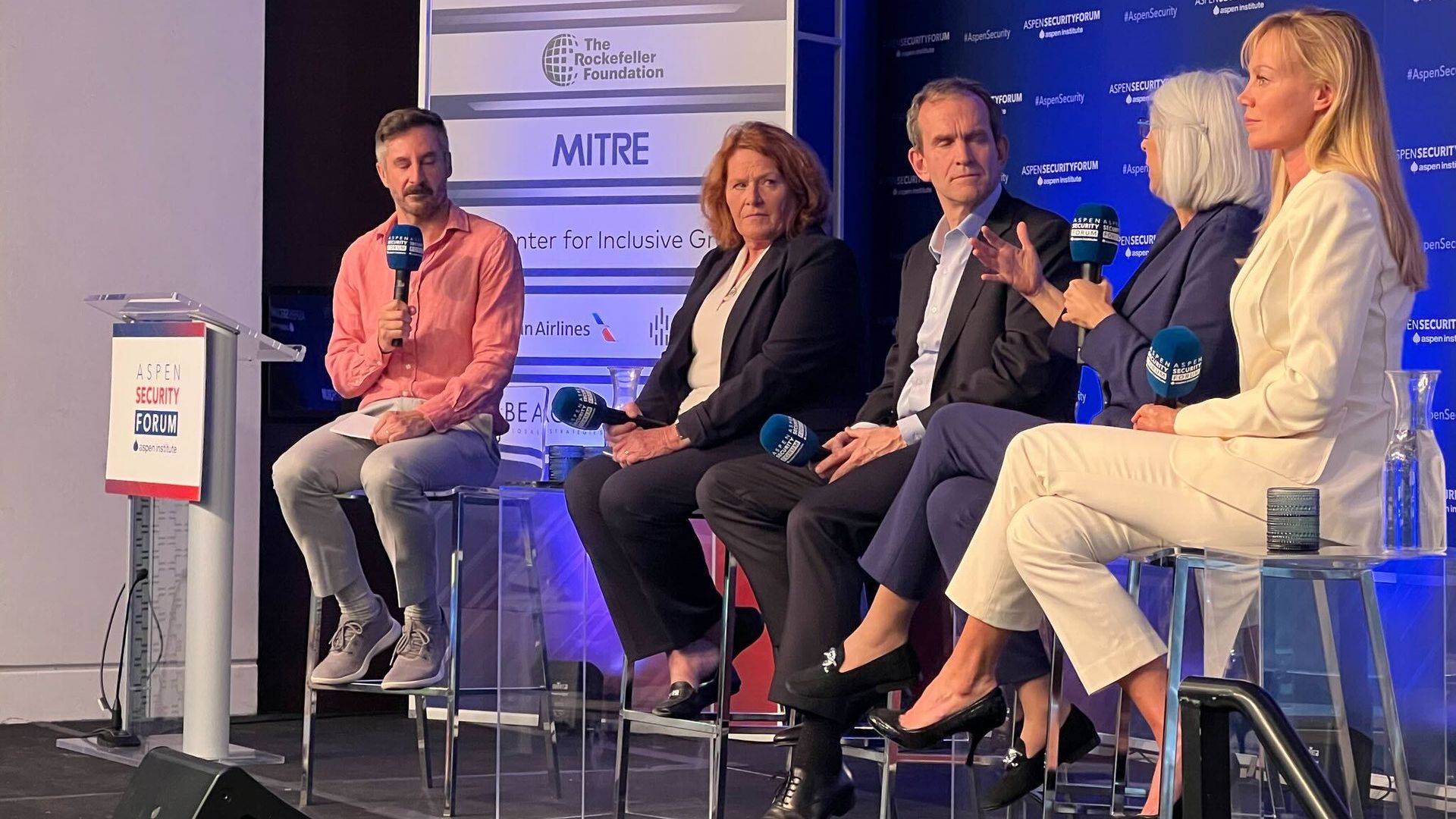
National security officials and contractors at the elite Aspen Security Forum are just as worried and excited about AI as the rest of the world.
Why it matters: Officials from across government are struggling to keep pace with the development of AI — with the White House admitting it has no way to know if a given AI product is safe.