Nintendo’s newest video game, Pikmin 4, may be full of astronauts, tiny plant-people and giant bugs — but it’s ultimately about time management, delegation and how to make the most out of being in charge.
Why it matters: Pikmin 4 wouldn’t serve as a replacement for a good book on management, but Nintendo itself is promoting it using the word “dandori,” Japanese for planning or, as Nintendo puts it, “to think about planning and efficiency in advance to get things done smoothly.”
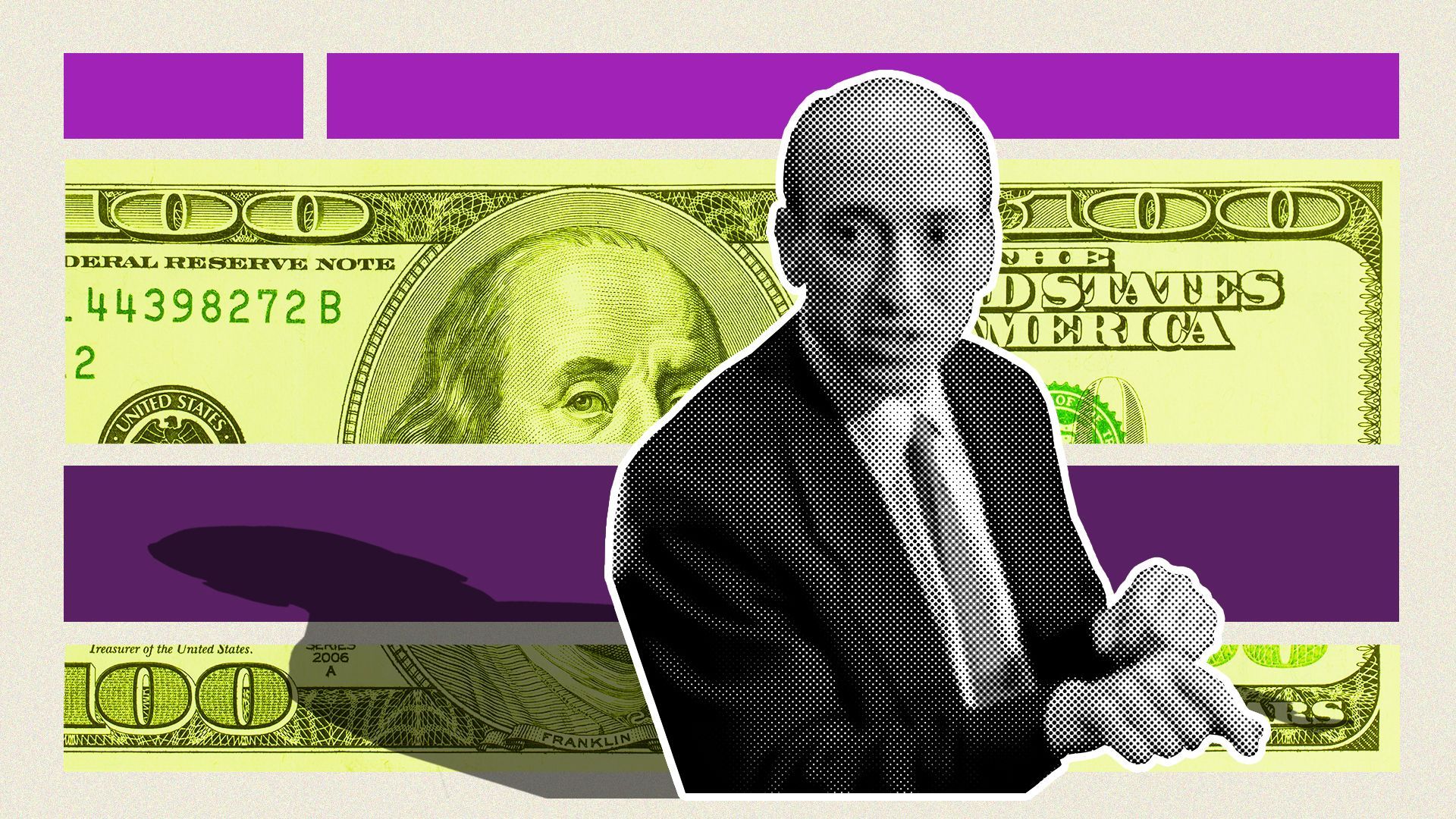
Regulators are rushingto get ahead of whatever dangers they believe artificial intelligence may unleash — and the Securities and Exchanges Commission is no exception.
Driving the news: In a speech Monday at the National Press Club, SEC chair Gary Gensler discussed the potential challenges to markets that AI could cause.
Crypto exchanges and platforms in Canada could potentially be required to submit to surveillance that will help securities regulators keep a closer eye on market activity.
Microsoft said Wednesday it will offer customers wider access to security logs for free in September in an effort to help them better find hackers on their networks.
Microsoft now has until the end of Oct. 18 to close its deal to purchase Activision Blizzard, according to a revised agreement announced by the companies Wednesday.
Why it matters: Regulatory concerns made it uncomfortable, if not impossible, for Microsoft to complete its purchase by midnight on Tuesday, the original deadline.
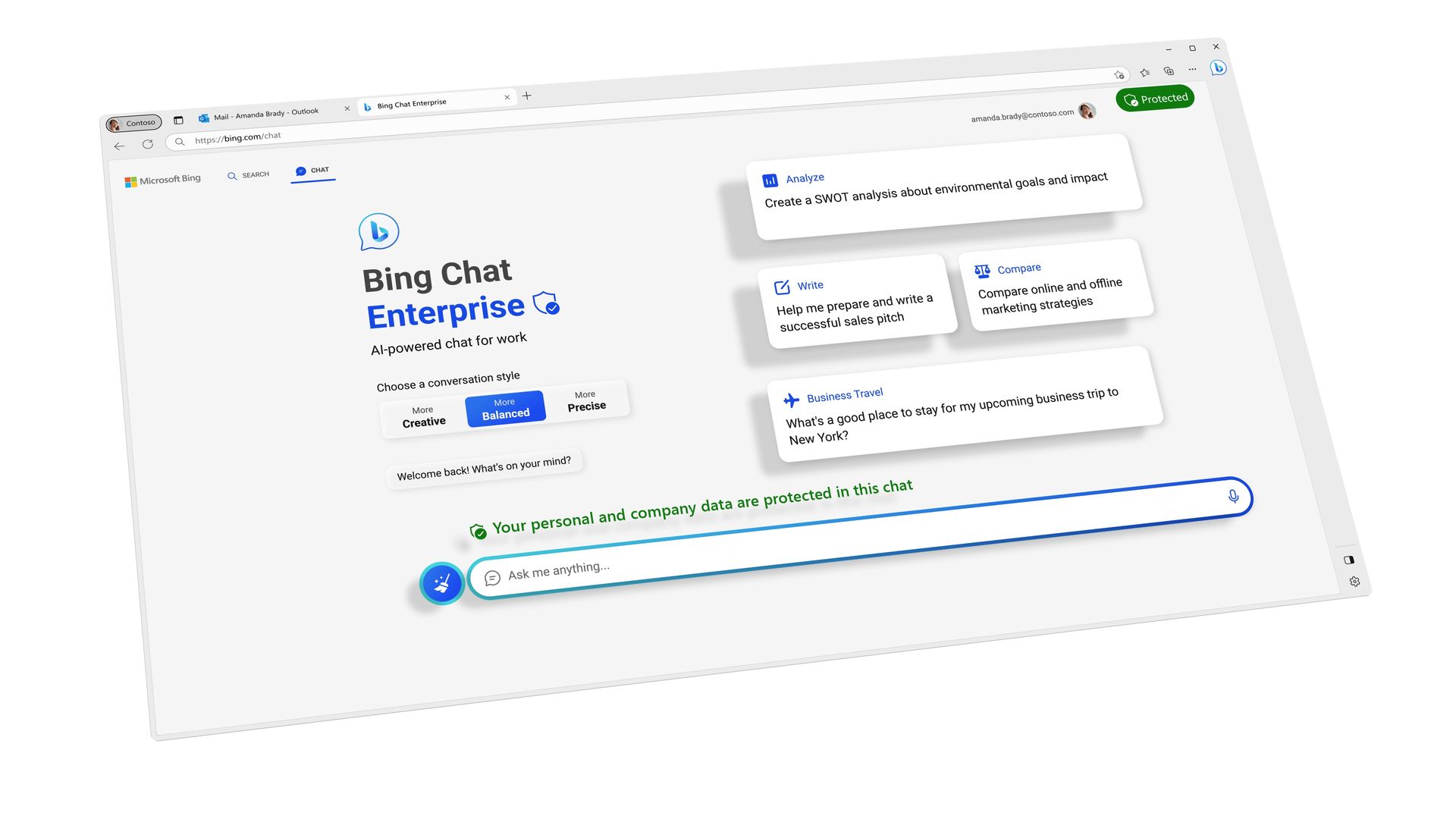
Microsoft announced Tuesday it will charge $30 per user per month for businesses that want to use its AI-infused copilots to automate work in Office products such as Word, PowerPoint and Excel.
Why it matters: That will add up to a hefty chunk of change, representing the most significant new revenue opportunity for Microsoft's Office business since it switched to a subscription model.
Meta policy chief Nick Clegg wants you to be impressed by the powers of its latest open source AI model, known as Llama 2 — but not so impressed that you worry about the havoc it could wreak in the wrong hands.
Why it matters: Meta has opened the new model to allow anyone to use it commercially for free — the prior version, released in February, was for research use only.
Antitrust regulators' frustrations with Big Tech are evident in a new draft of the Department of Justice and Federal Trade Commission's proposed joint merger guidelines released Wednesday morning.
Driving the news: The new guidelines — which will now be subject to a public comment period — specifically call out "multi-sided platforms," along with rules more subtly aimed at acquisitions for taking out potential competitors, as well as at minority investments.
UN Secretary-General António Guterres has endorsed creating a UN agency to deal with AI threats ranging from how AI might be used in weapons of mass destruction to AI's role in spreading conspiracy theories.
Guterres told a U.K.-organized briefing at the UN Security Council — the body's first-ever AI discussion — that the prospect of "malfunctioning AI" in a nuclear or biotech setting is "deeply alarming."
Many smart home devices will soon come adorned with a label that helps consumers decipher how secure these products actually are.
Driving the news: The White House and the Federal Communications Commission this morning kick-started the new U.S. Cyber Trust Mark program, which will place a label on internet-connected devices that meet the U.S. government's cyber standards for Internet of Things products.
Facebook on Tuesday said it is making Llama 2, its large language model for generative AI, available freely for commercial use.
Why it matters: Making the code easily available under a customized partial open source license could help Meta woo developers and offer a ready alternative to OpenAI and others — but Facebook, like the rest of the world, will have to deal with all the content these programs churn out.
The Commerce Department placed spyware vendors Cytrox and Intellexa on a trade blacklist Tuesday after determining that the companies threaten U.S. national security.
Why it matters: The blacklist prevents any U.S. entities from conducting business or transacting with these companies.
OpenAI, the parent company to ChatGPT, on Tuesday said it reached a two-year deal with the American Journalism Project (AJP) to help fund efforts by local outlets to experiment with artificial intelligence technology.
Why it matters: It's part of a larger effort by OpenAI to work with journalism companies on news and tech-sharing agreements.
Citing a need for "humility" by Congress in the face of the rise of artificial intelligence, Senate Majority Leader Chuck Schumer plans a series of nine "AI Insight Forums" with AI experts in the fall.
Why it matters: Instead of debating legislation or holding more traditional hearings, Schumer wants his colleagues to bone up on the complexities of the new technology before regulating it. He's also acknowledging that Congress is still a long way from bipartisan consensus for AI legislation.